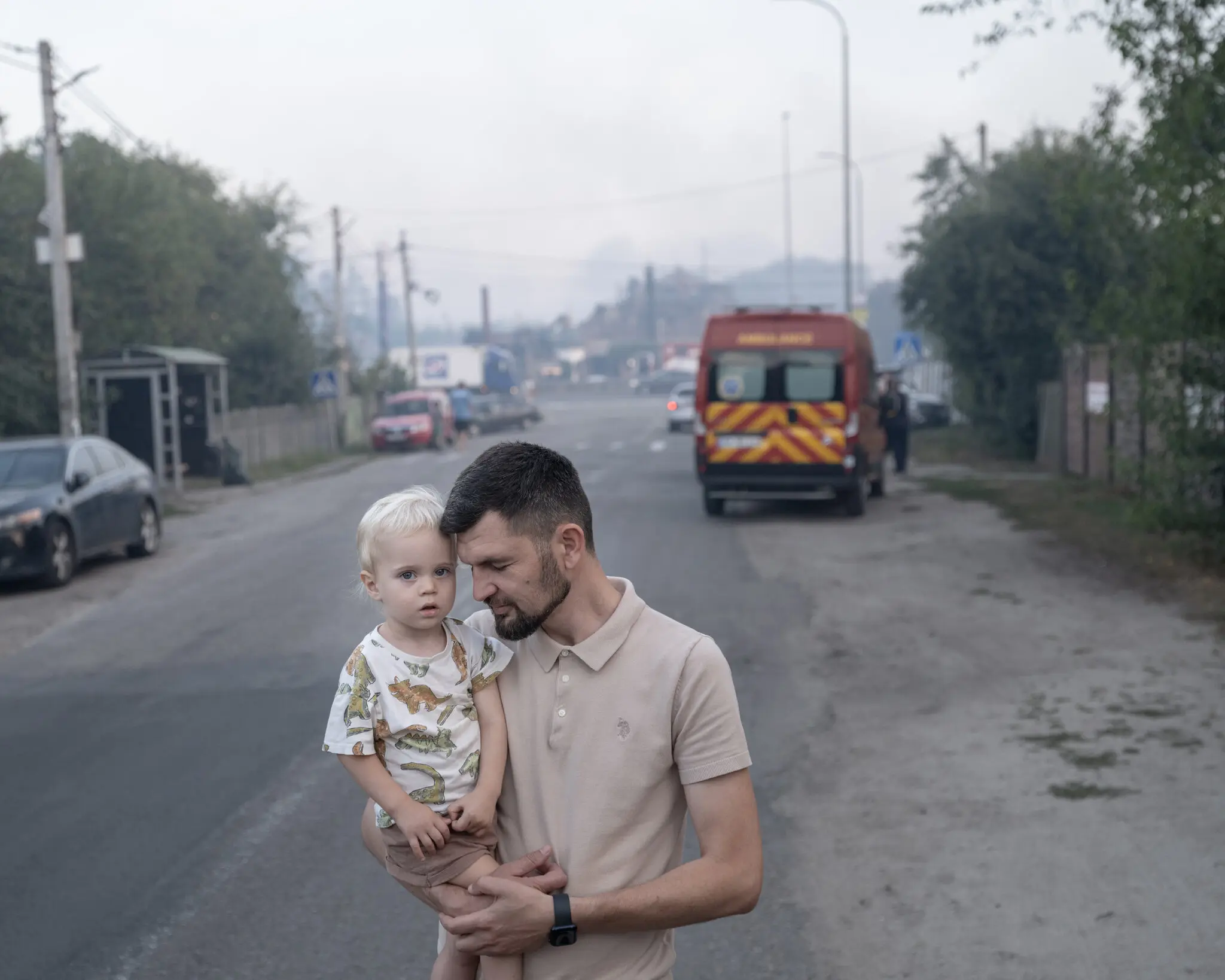





















Russia attacked Odesa again overnight on September 3. One of the incoming aerial weapons struck a 21-storey residential building, damaging apartments from the 10th through the 17th floors. By morning, the city military administration said 17 people had been injured, including three children.
A total of 20 apartments and at least 12 vehicles parked near the building were damaged. No major fire followed the strike, but the blast wave and debris caused extensive destruction inside the residential block. Emergency crews, medics, police and municipal services worked at the scene through the morning.
The injured included seven women, seven men and three children — two eight-year-old boys and an 11-year-old girl. Ukrainian law enforcement opened a war-crimes investigation, while officials continued to clarify the condition of those hurt.
The September 3 attack came after another severe night for Odesa less than 24 hours earlier. On September 2, a combined Russian strike damaged another high-rise building, two schools, office property and vehicles. Eight people were injured in that attack, including a five-year-old child.
**Daycom’s analysis indicates that two consecutive attacks on residential areas in Odesa are increasingly difficult to treat as isolated episodes. They are unfolding inside a broader Russian air campaign that simultaneously strains air defences, damages civilian districts and keeps the city under near-continuous threat.**
The overnight strike was part of a much larger attack across Ukraine. The Air Force reported 163 drones of various types launched from several directions. The wave included Shahed-type drones, S8000 Bandero(l) systems, Gerberas and decoy aircraft. Roughly half of the drones were described as jet-powered.
By 08:30, Ukrainian air defences said they had destroyed or suppressed 135 aerial targets. At the same time, impacts were recorded at 15 locations, while debris from intercepted drones fell at four others. Those figures applied to the country as a whole, not only to Odesa region.
Throughout the night, the Air Force repeatedly warned of fast jet-powered drones moving toward Odesa and the southern part of the region. Such targets reduce the time between detection and impact, complicating the work of mobile fire groups and other air-defence systems.
Prosecutors in Odesa said Bandero(l)-type drones were used during the attack on the residential district. Their appearance alongside faster versions of other strike drones reflects a wider change in Russian tactics — greater speed, a more diverse mix of targets and less reaction time for defenders.
For Odesa, the consequences of that shift are visible beyond interception statistics. On the night of September 2, apartments on the 17th through 23rd floors of a 24-storey building were damaged. One night later, another tower was hit, with destruction stretching from the 10th through the 17th floors.
That repetition changes the nature of risk for people living in high-rise buildings. Even when the main structure remains standing, a direct strike or nearby explosion can blow out windows across multiple floors, damage apartments and vehicles, and turn shattered glass and façade debris into additional sources of injury.
The number of casualties rose gradually through the morning. Authorities initially reported eight injured people before increasing the figure to 17. That pattern is common after night-time strikes on dense residential areas, as some residents seek medical treatment only after the first emergency assessment is complete.
Municipal authorities set up emergency assistance points for residents of the damaged building. There, people could receive help and guidance while specialists documented destruction and assessed which apartments remained habitable and which parts of the structure required further inspection.
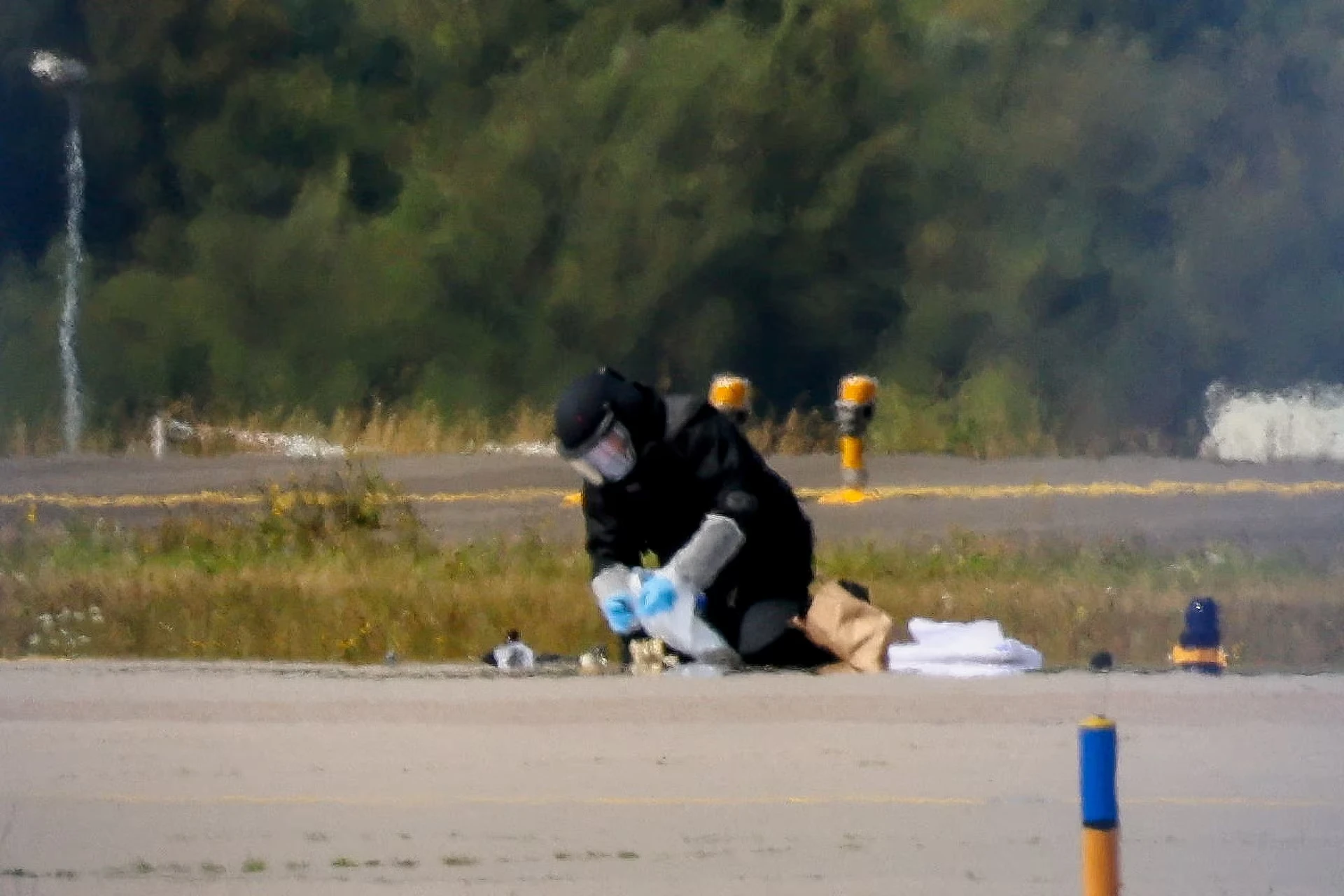
Police also treated the site as a potential war-crimes scene, collecting fragments, interviewing residents and recording damage. For investigators, the key questions extend beyond the visible destruction to the type of weapon used, its flight path and the circumstances in which a residential district was struck.
The timing of the attack is significant. On September 2, the previous Russian strike damaged not only homes but two educational facilities, forcing classes there to move temporarily back online.
That illustrates how repeated air attacks can disrupt several urban systems at once. One strike places pressure on hospitals and emergency services, another damages housing, another can affect power supply, while damage to a school can push children back into remote learning.
Odesa is particularly exposed because of its role as a major port, energy and logistics centre. Russian attacks on the wider region in recent days have also targeted export, transport and energy infrastructure alongside residential areas.
The combined effect is attritional. The city must repair power networks, replace shattered windows, restore schools, assist families displaced from damaged apartments and maintain port and transport operations while preparing for further attacks.
For air defence, the challenge is not simply the number of incoming targets. When a single wave contains jet-powered Shaheds, other strike drones and decoys, defenders must rapidly identify which threats are most dangerous and decide which interception systems to use.
On the night of September 3, around 83% of the reported Russian aerial targets were intercepted or suppressed if 135 neutralised drones are compared with 163 launched. But even a high interception rate does not guarantee urban safety when several weapons penetrate dense residential areas.
That mathematical imbalance increasingly defines the modern air war. The attacking side does not need every drone to reach its target. A small number breaking through a large wave can still cause significant destruction. For defenders, one missed drone may mean dozens of damaged homes and multiple casualties.
Jet-powered drones narrow the margin for error further. During the attack, the Air Force repeatedly warned of fast-moving aircraft approaching Odesa from the Black Sea. That shortens reaction time not only for air defence crews, but also for civilians between the first warning and a possible impact.
At the same time, current information does not establish that every part of the damage to the 21-storey building came from a direct hit by one specific drone type. Investigators and the military will need to examine fragments and technical evidence before reconstructing the attack in full.
That distinction matters because damage during a mass drone raid can result from direct impacts, falling wreckage or the warheads of intercepted systems. The Air Force reported debris falling at several locations across Ukraine, but the exact connection between each incident and each individual drone was still being clarified.
For Odesa residents, those technical distinctions will come later. By morning, the immediate reality was simpler: 20 damaged apartments, wrecked vehicles, three injured children and families who could not simply return to ordinary life after the all-clear.
The sequence is more important still. Odesa endured a major combined strike on September 2 that left eight people injured. Less than a day later, the next attack wounded 17. That does not by itself prove a predetermined strategy against particular residential buildings, but it does demonstrate the intensity of the campaign.
For civil-protection services, such intensity means there is almost no recovery period between one emergency and the next. Utility crews may still be working at one damaged site when another alert begins, while rescue teams and hospitals must remain ready for another mass-casualty call.
That is also why interception percentages alone cannot describe what the city is experiencing. Air defences may destroy the majority of incoming drones, but for one family the entire campaign can be reduced to a shattered bedroom, a damaged car or a few seconds between an explosion and evacuation.
No deaths had been reported from the September 3 strike by the time of the morning updates, but the number of injured was among the highest recorded in recent attacks on the city. Officials continued to update both casualty figures and the scale of material damage.
The central conclusion after two consecutive nights is not simply that Odesa has been attacked again. The city is entering a phase in which faster drones, large mixed waves and short intervals between strikes are turning aerial danger from an exceptional emergency into a constant condition of urban life.
That is the new pressure point. Air defences can destroy 135 of 163 targets across the country, but war is not measured only in interception rates. In Odesa on the morning of September 3, it was measured in 17 injured people, 20 damaged apartments and three children among those who needed help.