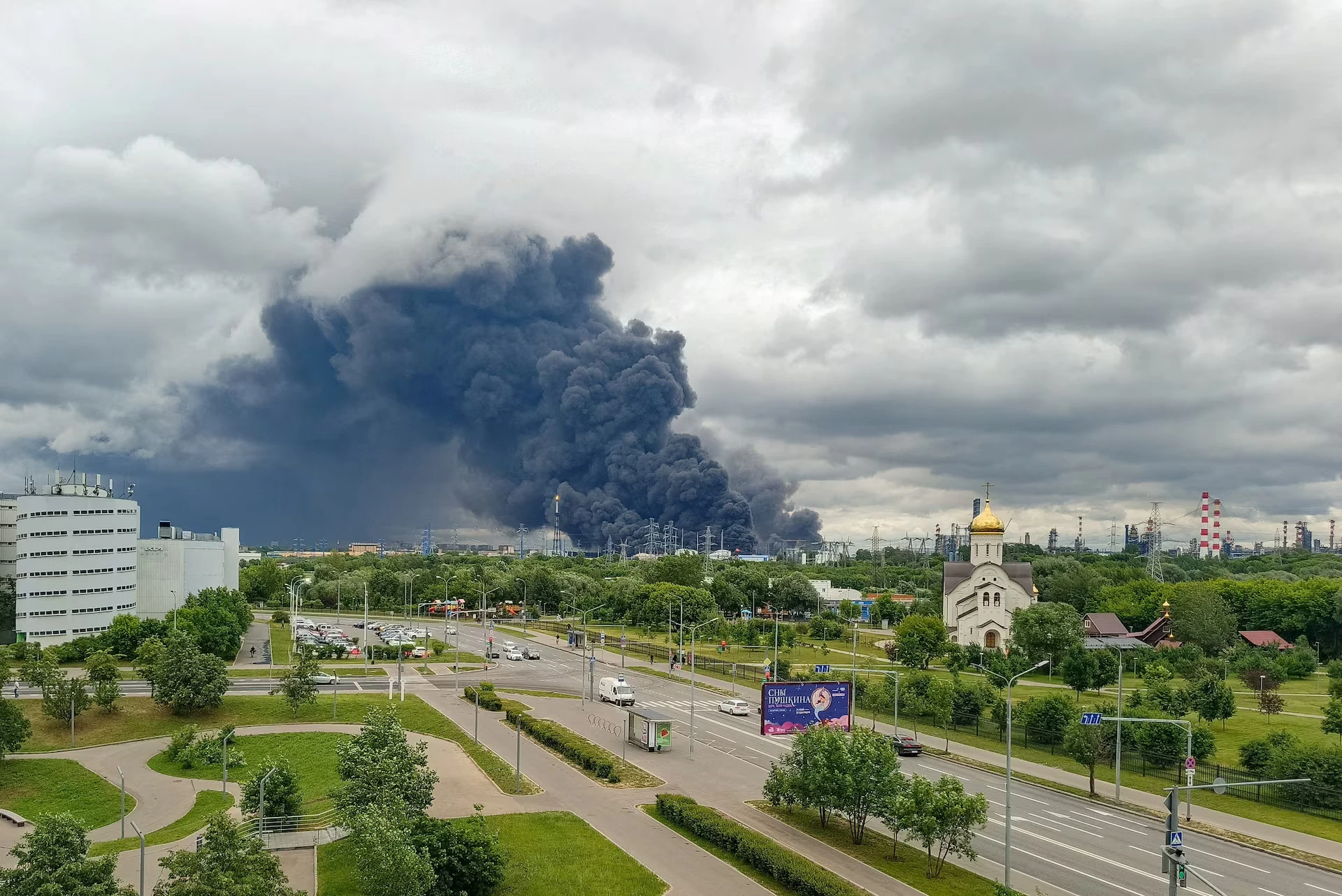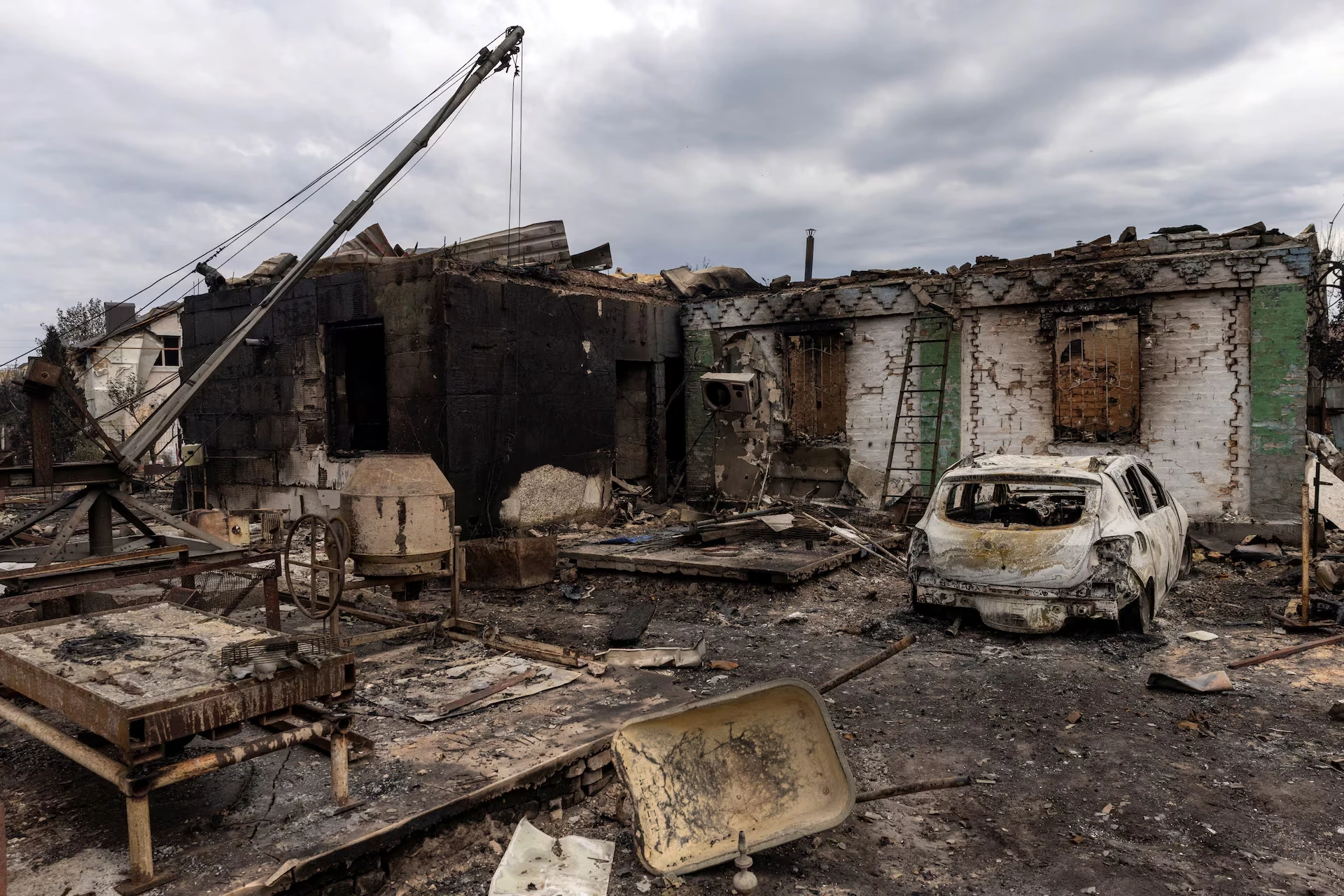


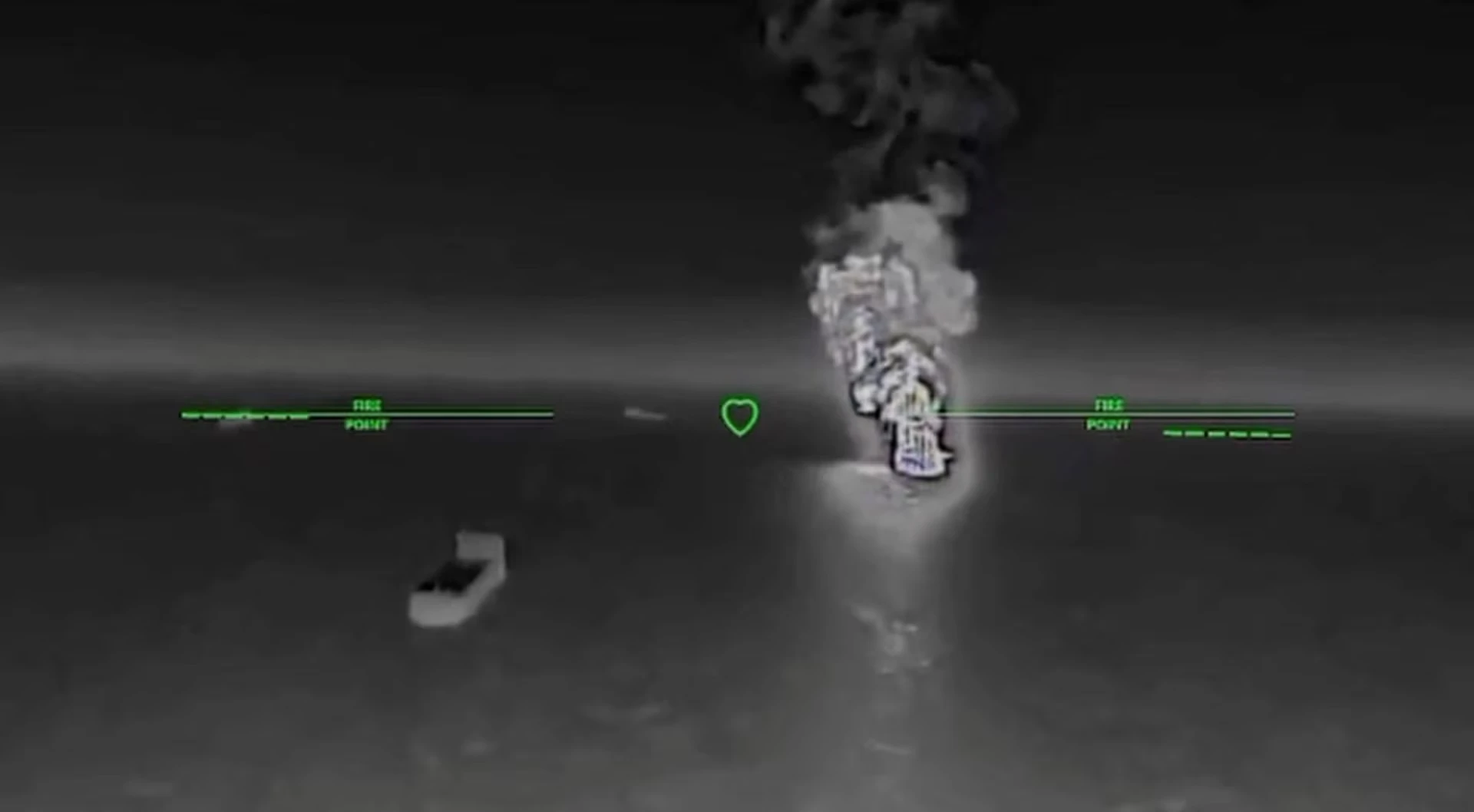



















The explosion at the oil facility in Moscow’s Kapotnya district became one of the most powerful images of Ukraine’s drone attack on the Russian capital. A pillar of fire, black smoke and the roof of a fuel tank flying into the air shattered the Kremlin’s central illusion: Moscow is no longer a rear area protected from the war.
But the most important detail of the attack may be even more painful for Russia. Published videos suggest that the tank explosion may have been caused not by a Ukrainian drone, but by a Russian air defense missile. In other words, the system meant to protect the refinery may itself have turned it into a burning target.
The footage shows missiles being launched from the ground near the Moscow refinery. One of them travels on a low trajectory toward the fuel silo, after which the facility explodes roughly as the missile arrives. The pattern resembles the use of a man-portable air defense system fired from the shoulder or a light position.
For Daycom, this episode matters not only as a possible Russian air defense error. It shows how mass attacks by cheap drones are changing the balance of war: defenders must react quickly, at low altitude, inside an urban environment and often under intense information pressure, where one wrong action can become more costly than the original strike.
Russia claimed it had shot down 992 Ukrainian drones across the country during the June 18 attack. Even if that figure is treated as part of military messaging, it reflects the scale of the problem. Ukraine is no longer limiting itself to isolated symbolic strikes. It is trying to saturate Russian defenses through quantity.
Quantity itself becomes a weapon. A single drone can be shot down. Dozens are harder to stop. Hundreds force air defenses to operate at their limit, expend missiles, reveal positions, deploy soldiers with portable systems and make decisions under chaotic conditions. In such circumstances, the defense itself becomes a source of risk.
Kapotnya has particular significance. This is not a remote fuel depot on Russia’s periphery, but an industrial facility within the Moscow metropolitan area. A strike there does not only damage fuel infrastructure. It brings the war into a space where Russians had grown used to seeing it only on state television.
For the Kremlin, that is politically dangerous. Moscow has long served as a showcase of control, stability and distance from the front. When mobile air defense teams operate over the capital, when a fuel tank explodes and residents film missile launches on their phones, the war stops being an abstract operation somewhere far away.
A possible friendly-fire incident makes the strike even more humiliating. In this logic, a Ukrainian drone does not necessarily have to hit the target precisely. It is enough to enter the defended zone, force the Russian system into a nervous response and create conditions in which Russia’s own missile becomes the destructive factor. That is a different level of attrition.
Older air defense systems were designed for a different kind of war. They were built to shoot down aircraft, cruise missiles and complex, expensive targets. Mass cheap drones break that economy. Spending costly missiles on relatively inexpensive devices is inefficient, but allowing them to reach the capital is politically unacceptable.
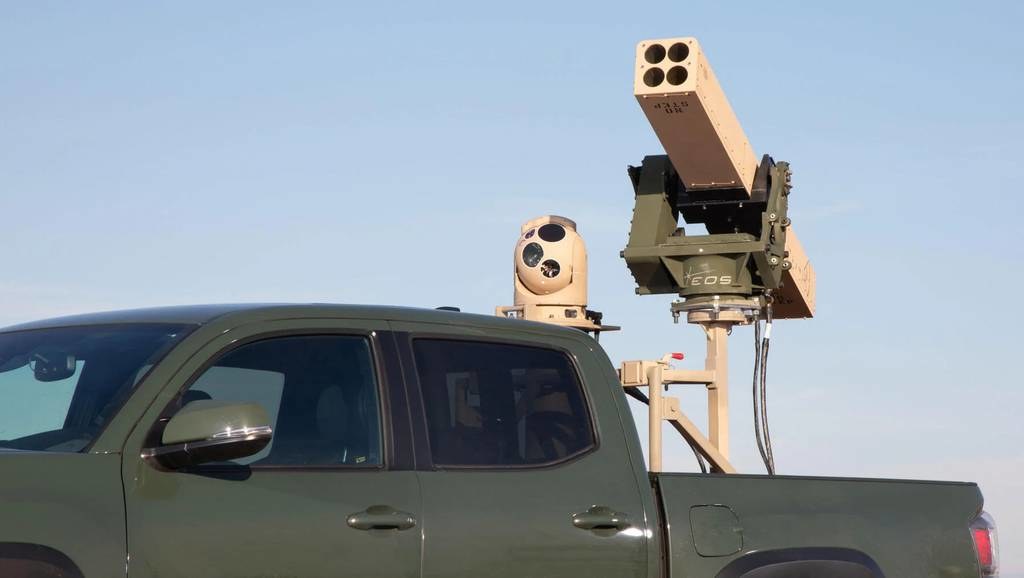
That is why Russia is seeking lower-cost, shorter-range solutions: man-portable systems, mobile groups, guns, close-range defenses and additional Pantsir systems near important facilities. But these solutions carry their own price. They require flawless coordination, clear target identification and a precise understanding of what is happening in the sky above a densely populated city.
Launches from a road near an industrial zone look less like confidence than haste. Soldiers see a drone, receive an order or act under protocol, fire a missile along a low trajectory — and the complexity of the urban environment suddenly becomes part of the battle. Tanks, pipes, residential districts and roads are all drawn close to the line of fire.
In this sense, Moscow is encountering the same challenge Russia has imposed on Ukrainian cities for years. When the sky is saturated with drones and missiles, even successful air defense does not always mean safety on the ground. Debris, misses, interceptions over infrastructure and calculation errors can produce new destruction.
The difference is that for Russia, this problem is now reaching the capital. Ukraine has lived for years with air alerts, explosions, debris and fires as part of urban life. Kyiv is now trying to make Russia’s war tangible for those who live near the center of decision-making.
This is a strategy of pressure on the rear. Volodymyr Zelensky has directly linked long-range strikes to the need to force Moscow to seek an end to the war. If Russian refineries, fuel depots, airfields and logistics hubs become regular targets, the war ceases to be a one-way process of destroying Ukrainian infrastructure.
Fuel infrastructure is especially sensitive. Russia is already facing disruptions in gasoline supplies, queues and restrictions in some regions. Strikes on refining capacity have a dual effect: they affect military logistics while also hitting the civilian sense of normality.
Even if the specific explosion in Kapotnya was caused by a Russian missile, that does not reduce the Ukrainian effect. On the contrary, it broadens it. The Ukrainian attack forced the defense to act in a way that may have damaged its own facility. In modern war, the result of an attack is not only the direct hit, but also the enemy’s reaction.
Russian authorities have another problem as well: control of information. Videos of launches, explosions and mobile air defense teams spread quickly online. Demands not to film attacks do not work in a city where thousands of people have phones and a refinery blast can be seen and heard far beyond the site.
This creates a conflict between military necessity and social reality. The Kremlin wants to show that air defenses are performing at a high level. But every clip of a missile flying toward Russia’s own fuel tank undermines that formula more powerfully than any outside criticism. The image becomes more dangerous than the official comment.
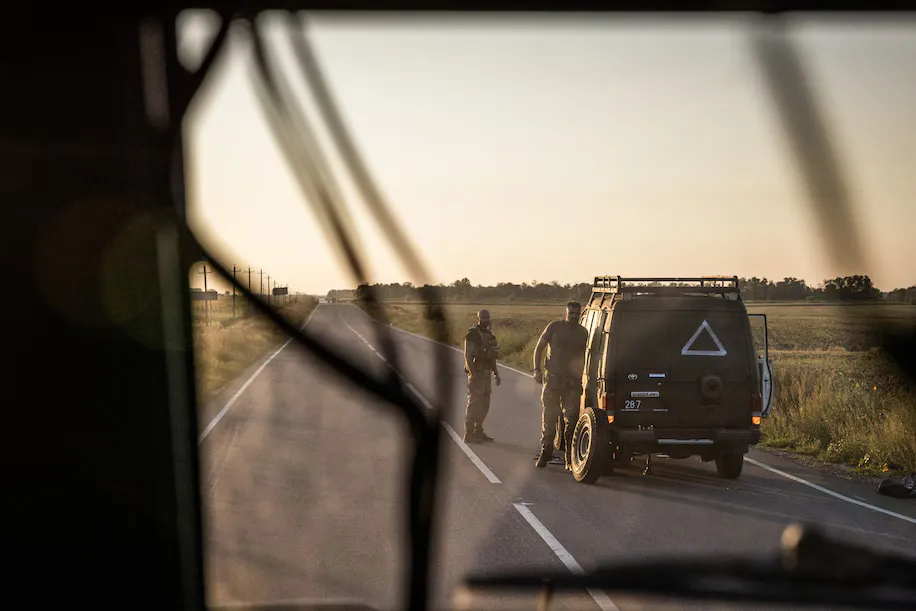
After the attack, Russia appeared to strengthen defenses in the area, deploying additional systems near the highway where portable missile teams had been operating. That is a logical step, but it does not solve the central question: how to defend a metropolis against mass low-speed drones without turning its industrial sites into zones of accidental impact.
The problem is not Russia’s alone. The wars in Ukraine and the Middle East have shown that cheap drones have become one of the hardest challenges for modern air defense. Protection requires not only missiles, but sensors, electronic warfare, mobile teams, cheap interceptors, laser or gun systems and rapid coordination.
For Russia, however, the challenge has special political weight. The Kremlin built the image of a state capable of fighting a war of attrition, defending its capital and preserving internal stability at the same time. When a refinery in Moscow burns after an attack, and when the cause may have been Russia’s own missile, that image cracks.
Kapotnya showed that mass drone warfare does not necessarily require perfect precision. It requires scale, rhythm and the ability to make defenses commit mistakes. If Ukraine can regularly create such pressure, Russian air defense will be forced to choose between costly exhaustion and increasingly risky improvisation.
For Moscow, this is an uncomfortable new reality. A capital protected by layered systems, mobile groups and political bans on panic remains vulnerable to cheap devices flying low, in large numbers and at sufficient range. Each such raid tests not only radars, but the nerves of the system.
The Kapotnya explosion still requires a final technical explanation. But even the preliminary picture is already significant: Ukraine’s attack forced Russian defenses into conditions where protection and threat began to merge. For a country that brought war into Ukrainian cities, this is one of the most painful symbols of its return home.