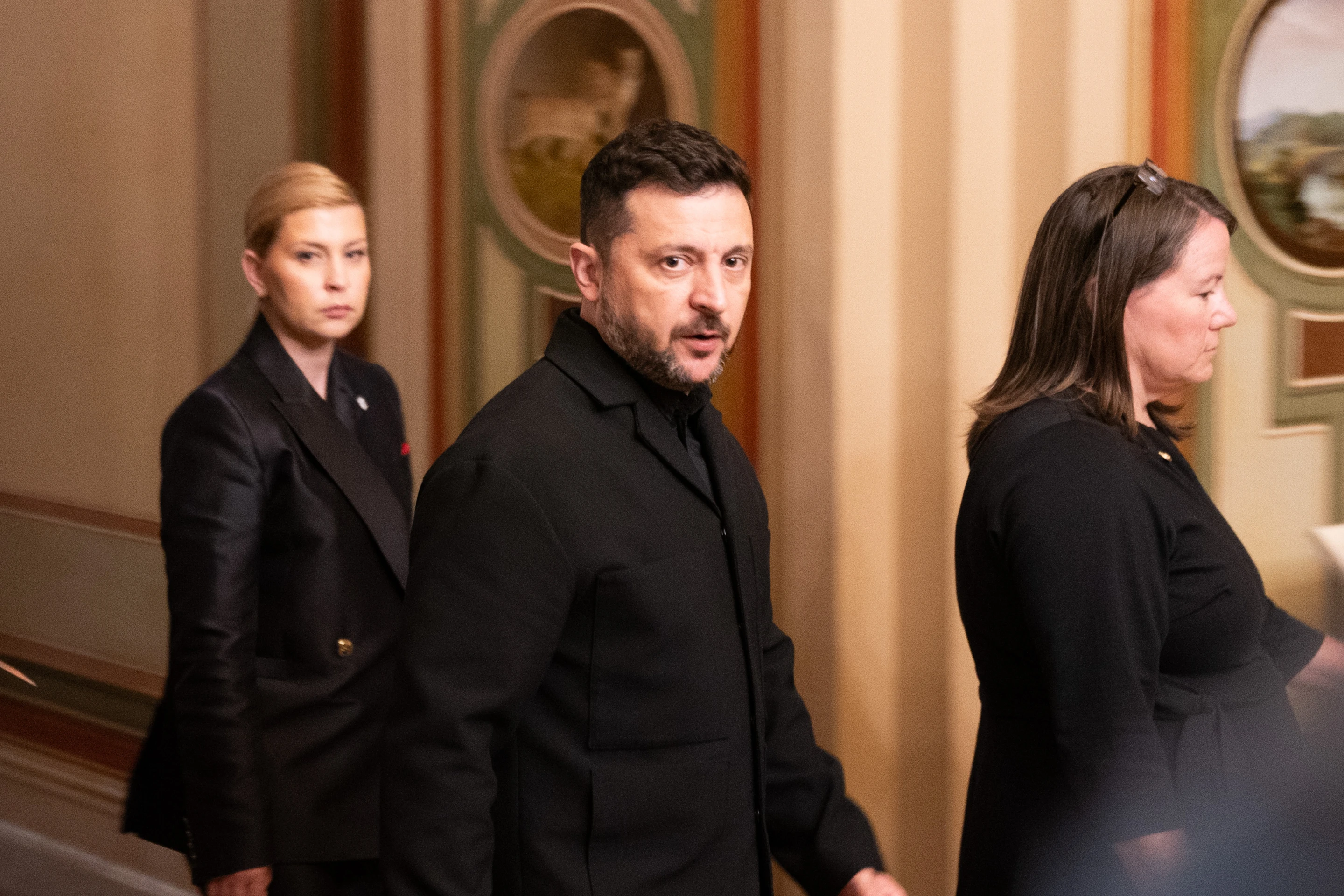
















Poland and Ukraine have again reached the point where historical memory stops belonging only to archives and enters the machinery of current politics. The decision by President Karol Nawrocki to strip Volodymyr Zelensky of Poland’s highest honour sharply exposed a wound that neither side can treat as symbolic only.
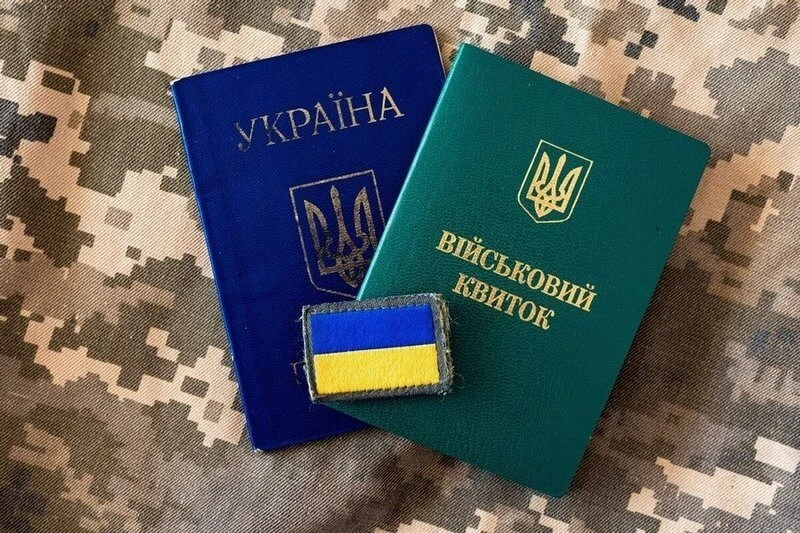
The immediate trigger was the renaming of a Ukrainian military unit after the Ukrainian Insurgent Army. For part of Ukrainian society, the reference belongs to a tradition of resistance. For Poland, the same name remains tied to one of the darkest chapters of the Second World War: the massacres of Poles in Volhynia.
Kyiv’s response was demonstrative. Three former Ukrainian presidents and other senior figures returned their Polish state awards. A dispute over the name of a military unit quickly turned into a crisis of recognition, respect and political dignity.
According to Daycom’s earlier analysis, the danger of this crisis is not limited to one decree or one order. It lies in the fact that two countries bound by war, security and logistics have begun moving a conflict of memory into the space of strategic alliance, where every gesture carries a cost.
That is why Donald Tusk tried to halt the escalation. The Polish prime minister called the political clash between Poland and Ukraine a strategic mistake that would harm both sides — commercially, geopolitically and reputationally. His warning was severe: in politics, a mistake can be worse than a crime.
Tusk is not speaking as a detached observer. His government has built Poland’s European role around support for Ukraine, the strengthening of NATO’s eastern flank and Warsaw’s return to the centre of EU decision-making. A quarrel with Kyiv strikes directly at that structure and makes it hostage to domestic political rivalry.
Nawrocki is operating in another logic: the logic of memory politics, where a symbolic act can outweigh its diplomatic price. For many Poles, Volhynia is not a distant historical episode. It is family grief, national memory and a demand for moral recognition.
The Ukrainian perspective is different. For a country living through a full-scale war with Russia, military symbols are often read as extensions of the struggle for independence. In that frame, the name of a unit becomes a sign of resistance rather than an attempt to offend an ally.
The problem is that both logics are real for their societies and almost incompatible in a diplomatic gesture. This is where statecraft must differ from emotional reaction. It does not erase memory, but it prevents memory from destroying the security on which both countries depend.
Polish-Ukrainian relations have long moved beyond ordinary bilateral diplomacy. Poland is a key route for aid, political advocacy and the infrastructure of eastern European security. Ukraine, in turn, has become the forward line of Polish security.
That is why this conflict has a price that cannot be captured in a single headline. It complicates talks on Ukraine’s reconstruction, irritates partners, strengthens populists and gives Russia material for propaganda. For business, it signals risk. For diplomacy, instability. For allies, fatigue.
Tusk’s room for manoeuvre is narrow. He cannot ignore Polish historical sensitivity without losing moral ground at home. Yet he also cannot allow historical grievance to become a political battering ram against the alliance with Ukraine.
Kyiv, too, will have to draw a lesson. In wartime, symbols mobilise the army and society, but beyond national borders they are read differently. Especially in countries where the memory of the Second World War is not an abstraction but part of identity and political legitimacy.
Warsaw, for its part, risks turning a legitimate demand for historical truth into a political punishment of an ally fighting for its survival. A state may demand respect for its victims, but it must distinguish that demand from gestures that weaken the common front.
The way out of the crisis does not lie in further demonstrations. It requires direct dialogue, historical work, continued procedures of memory, clear formulas of respect for victims and a refusal to turn the most painful chapters of the past into instruments of current political struggle.
The Order of the White Eagle was meant to symbolise the highest trust. It has now become a reminder of how fragile trust between allies can be when memory and security begin to compete. For Poland and Ukraine, this is not a reason to part ways. It is a warning that the strategic mistake has already begun.