


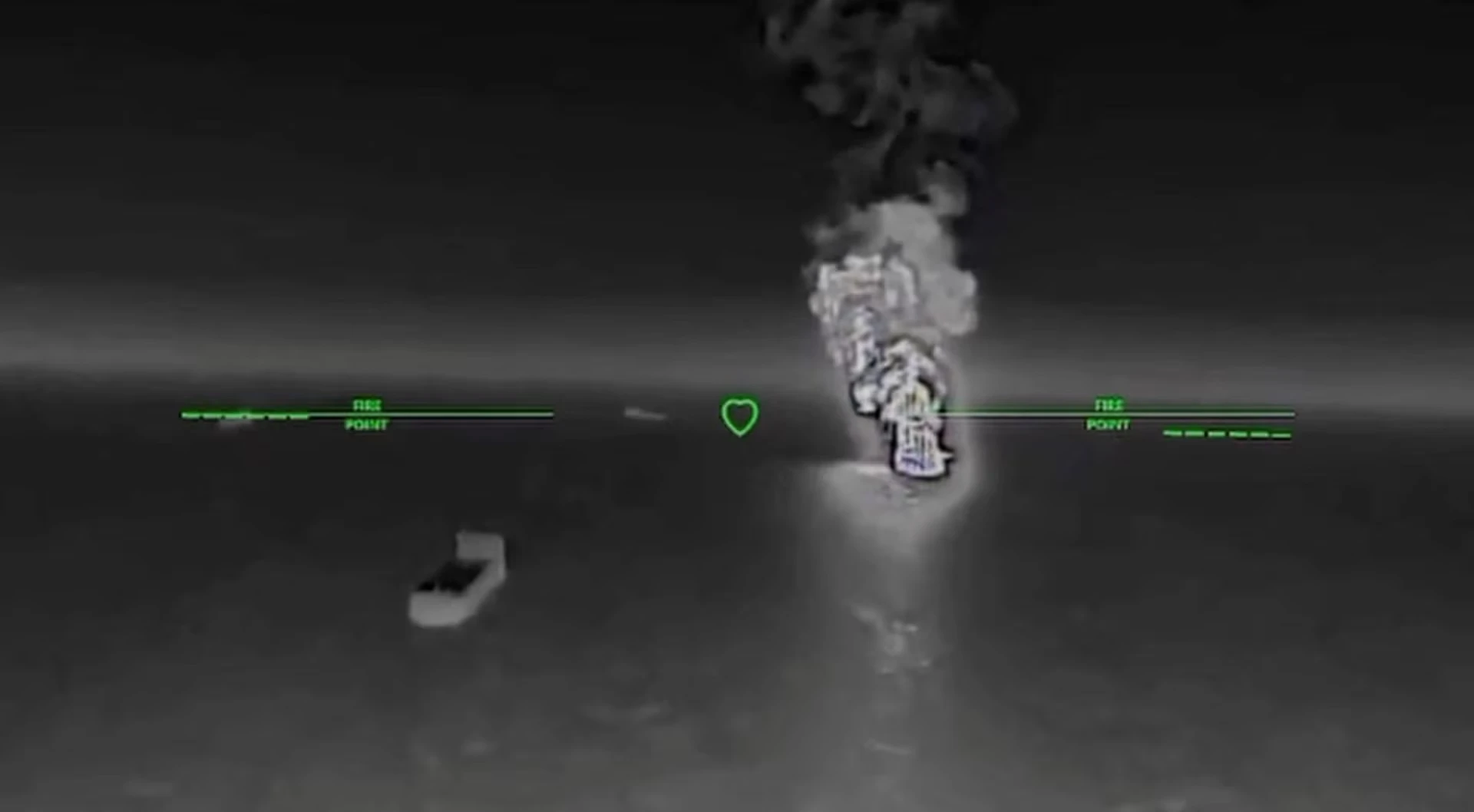


















Ukraine has again carried the war deep into Russia’s rear — this time not only against oil infrastructure, but against a plant linked to the production of artillery systems and components for missile launch systems.
Overnight, Ukrainian-made Flamingo missiles hit the Titan-Barrikady plant in Russia’s Volgograd region. A fire broke out on the premises after the strike. For Kyiv, this was not an isolated episode, but part of a broader campaign against Russia’s military-industrial base.
Almost simultaneously, Ukrainian drones attacked the Vtorovo oil pumping station in Russia’s Vladimir region. It was the second strike on the facility this month. The station is an important logistics hub for moving petroleum products both to domestic Russian consumers and for export.
In Daycom’s assessment, these attacks show that Ukraine is no longer merely responding to Russian strikes on its cities. It is increasingly building its own strategy of coercion: hitting the nodes that allow Moscow to wage war for a long time, at scale and at a relatively low cost.
The use of Ukrainian-made Flamingo missiles is symbolically important. If Kyiv can regularly employ its own long-range missiles against military-industrial targets deep inside Russia, that changes not only the tactical map, but also the political psychology of the war.
For years, Russia built an advantage on the feeling of an untouchable rear. Its plants, oil pumping stations, depots, refineries and logistics hubs operated far from the front, while Ukrainian cities lived almost every night under the threat of Shahed drones, ballistic missiles and cruise missiles. That asymmetry is now gradually narrowing.
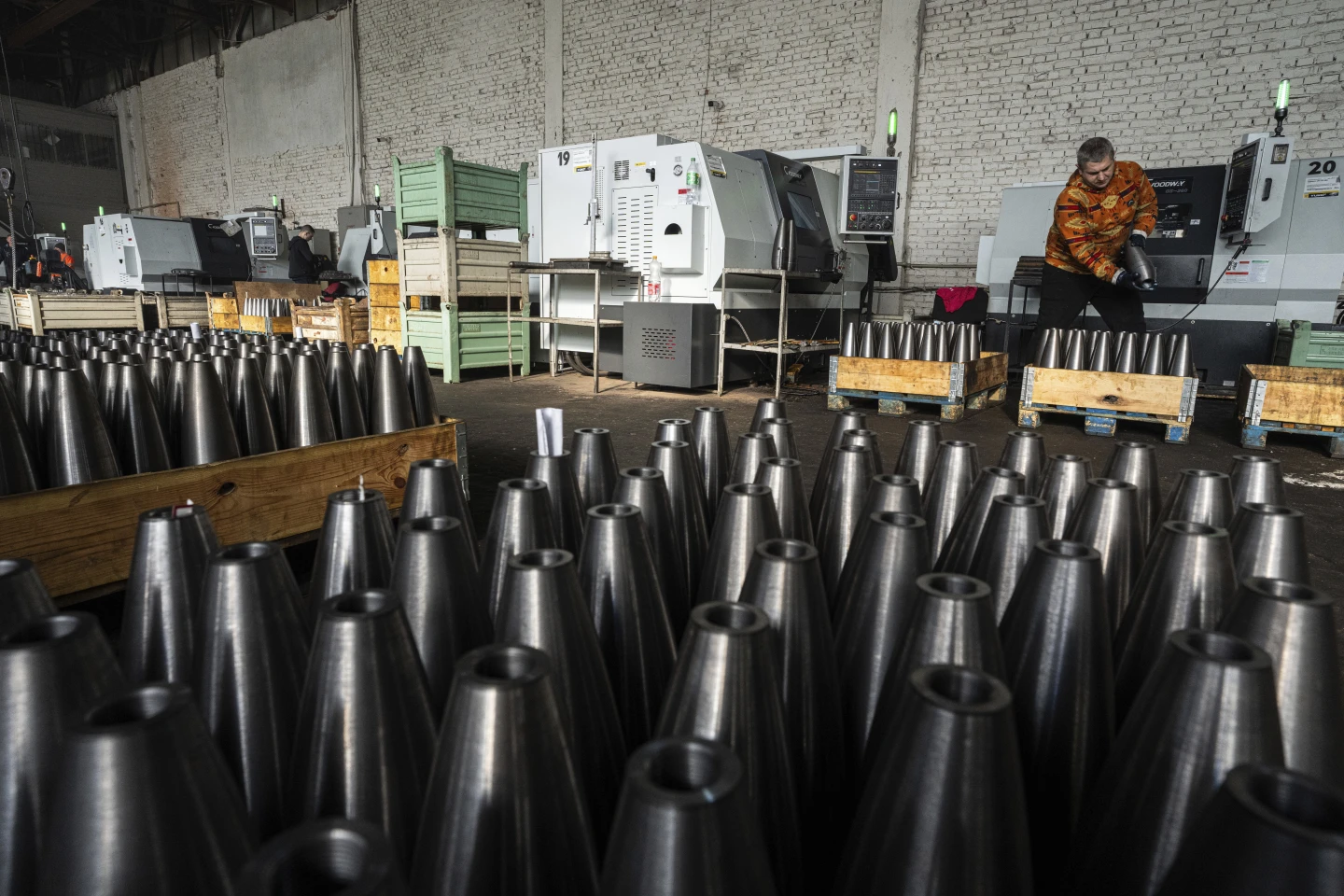
The plant in the Volgograd region matters not as an abstract industrial target, but because it is connected to systems that directly support the Russian army at the front: artillery, missile launchers and components for strike infrastructure. Hitting such a facility is an attempt to affect future Russian salvos before they ever reach the battlefield.
The attack on Vtorovo is no less revealing. Russia’s war rests not only on tanks and shells, but on fuel, transport, pumping capacity, repairs, export revenue and domestic logistics. When Ukraine targets oil pumping stations, it is not only attacking the energy sector. It is striking the circulatory system of Russia’s war economy.
Zelensky’s phrase about the expansion of Ukraine’s “long-range sanctions” precisely describes this new stage. These are not diplomatic restrictions that require months of coordination, exemptions and political compromises. They are physical limits imposed on Russia’s ability to fight — through strikes on facilities that supply its army with weapons, fuel and money.
This does not mean Ukraine has found a simple answer to Russia’s superiority. Russia still has vast stockpiles, enormous territory, a wide industrial base and the ability to repair damaged facilities. But every successful strike in the deep rear forces Moscow to spread air defenses, security, repair crews and management attention across an ever wider map.
That is the strategic purpose of Ukraine’s long-range attacks. They do not necessarily halt a particular section of the front immediately. But they raise the cost of every Russian offensive, every night of drone attacks and every attempt to keep the war running as a routine industrial burden.
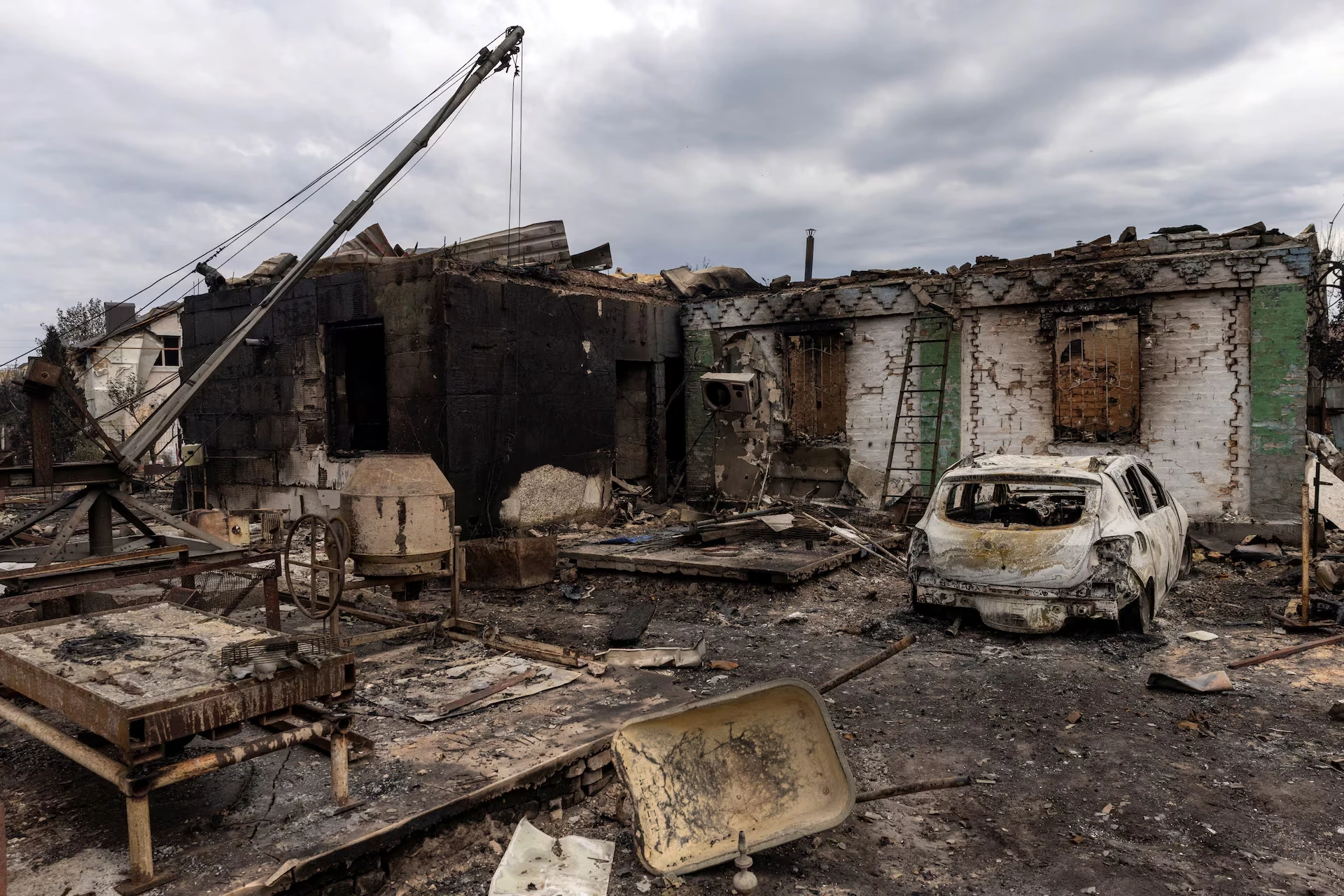
The context makes these strikes even more significant. Over the past week, Russia launched nearly 1,400 drones and 19 missiles at Ukraine, attacking 15 regions. This is not a one-off escalation. It is a mode of attrition in which Moscow is trying to turn aerial terror into daily pressure on civilian infrastructure, energy systems and the psychological resilience of society.
Ukrainian energy facilities also remain under attack. Naftogaz production sites in the Poltava and Kharkiv regions were damaged after recent Russian missile and drone strikes. Russia is trying to hit heat, electricity, gas, transport and industry at the same time, making Ukraine’s rear less stable.
That is why the Ukrainian strikes on Volgograd and the Vladimir region are not only military, but political. Kyiv is demonstrating that if Russia treats Ukrainian energy facilities and cities as legitimate targets for daily terror, its own defense industry and fuel logistics cannot remain outside the war.
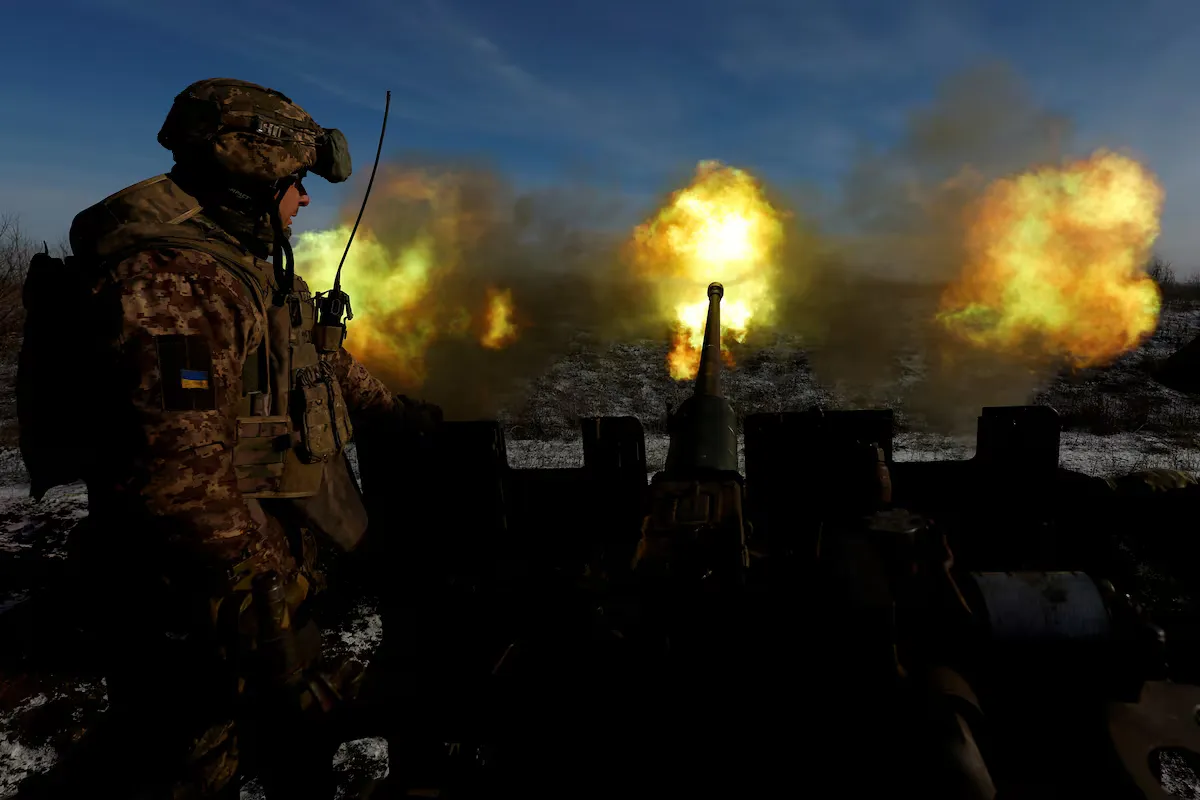
Meanwhile, fighting continues along more than 1,200 kilometers of front line. This is a vast line of attrition, where shells, drones, fuel, equipment repairs and the speed of supply often matter as much as individual breakthroughs. That is why strikes on Russia’s rear are directly connected to the situation at the front.
For Western partners, these attacks are also a signal. Ukraine is not only asking for air defenses, missiles and technology; it is developing its own long-range capability. Combined with allied defense cooperation, this may become one of the few tools capable of shifting the balance in a war where Russia relies on mass and duration.
At the same time, Kyiv cannot afford illusions. Long-range strikes will not replace the supply of air defense systems, because Russian drones and missiles continue to hit Ukrainian cities almost nightly. They will not replace shells, mobile defense teams, engineering fortifications or repair capacity. But they give Russia something it long lacked: a sense of vulnerability in its own rear.
That feeling may carry more political weight than it appears. Russian authorities have grown used to selling the war as something distant, controlled and victorious. When fires break out at defense plants, refineries, oil pumping stations and logistics hubs, the war stops being just a television image from someone else’s territory.
This is why Ukraine’s campaign against Russia’s rear has a double effect. It strikes the material base of aggression while also breaking the psychological distance on which the Kremlin has tried to keep its own society. The farther Ukrainian missiles and drones reach, the harder it becomes for Moscow to explain that the “special operation” does not touch Russia itself.
The strike on Titan-Barrikady and the repeat attack on Vtorovo will not end the war. But they show its new geography. Russia’s depth is no longer guaranteed protection, and Ukraine’s long-range reach is becoming not an occasional surprise, but a systematic instrument of pressure.
For Kyiv, that pressure has a clear purpose: to create conditions in which Moscow cannot wage war indefinitely while keeping its industry, fuel system and export logistics comfortably untouchable. The dignified peace Zelensky speaks of, in this logic, is not born from asking the aggressor to stop. It is built by gradually depriving it of the ability to continue the war without paying a price.