


















A new classified US intelligence assessment indicates that the Kremlin may see the six-month war with Iran as a moment of strategic weakness for Washington. The judgment suggests Moscow believes it has more room to act aggressively against Ukraine and American interests in Europe.
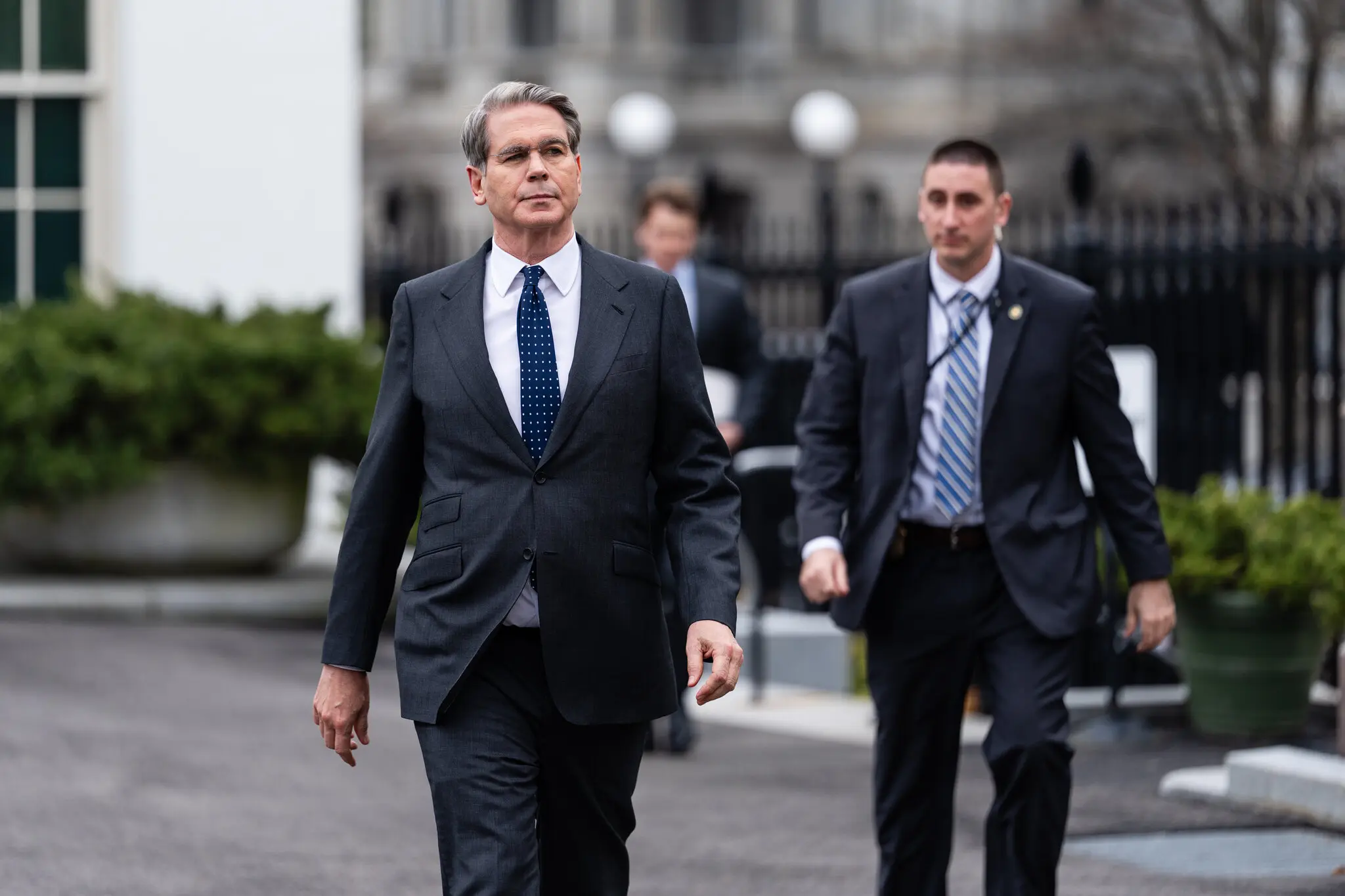
That assessment preceded CIA Director John Ratcliffe’s unusual visit to Moscow on August 25. It was the first known trip to Russia by a serving CIA director since November 2021, when William Burns travelled there in an attempt to warn the Kremlin against invading Ukraine.
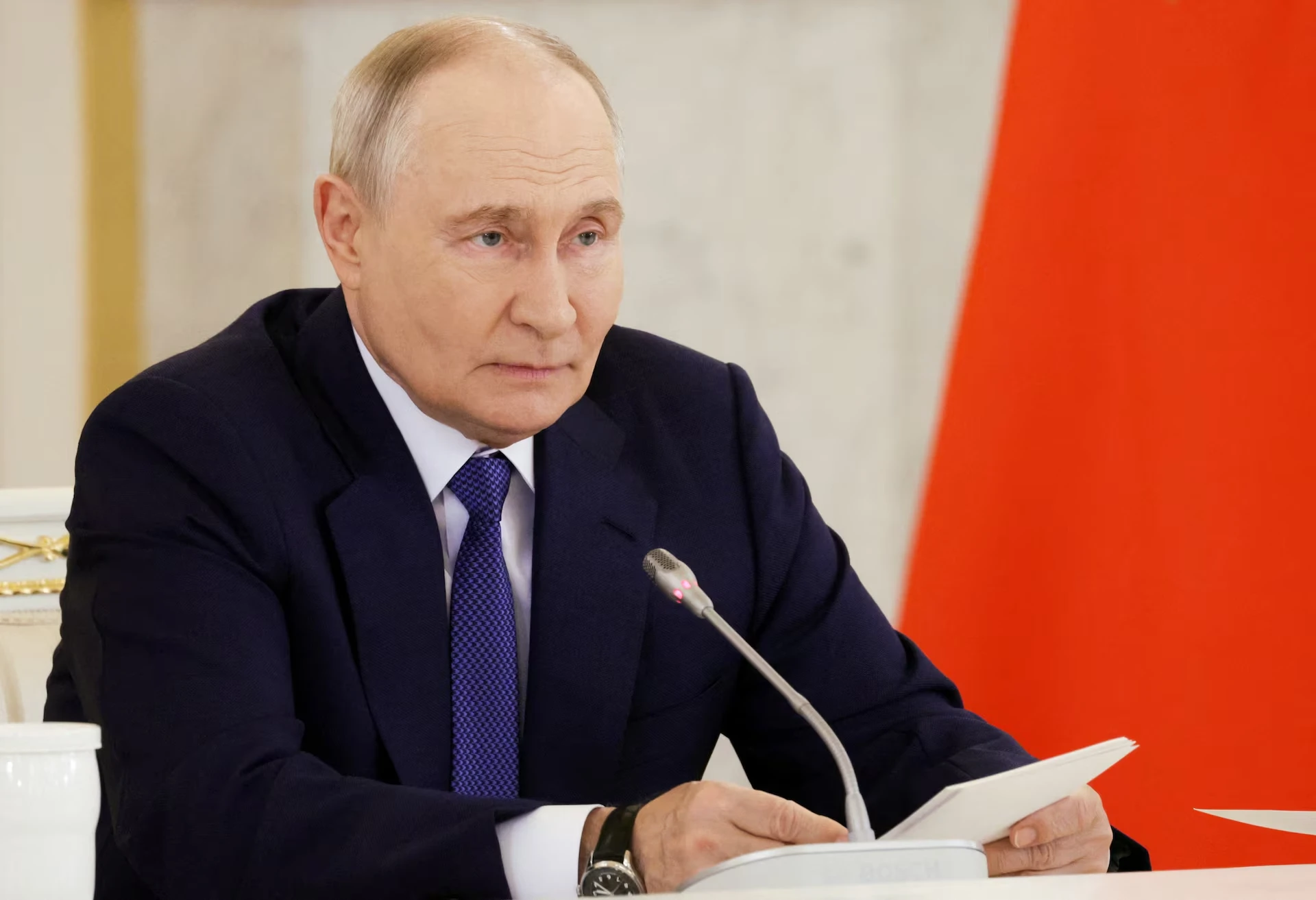
Ratcliffe met Sergei Naryshkin, the head of Russia’s Foreign Intelligence Service, and other Russian intelligence officials. Naryshkin later confirmed a working meeting. Vladimir Putin did not meet the CIA director personally, although the Kremlin said he was briefed on the talks.
Donald Trump publicly played down fears that Russia might attack NATO territory. The US president said Putin was “not going to be attacking a NATO territory,” citing his own contacts with the Russian leader. He declined to give a detailed account of Ratcliffe’s mission.
Daycom’s analysis indicates that the central danger is not evidence of a confirmed Russian plan to attack NATO — no such plan has been publicly established. The risk is that if Moscow genuinely sees US military resources as temporarily depleted, its tolerance for escalation could rise even without an intention to start a wider war with the Alliance.
The underlying intelligence remains highly classified. It is not publicly known how information about the Kremlin’s thinking was obtained or how much confidence analysts place in the assessment. Putin’s supposed view of US weakness should therefore be treated as an intelligence judgment, not a proven fact.
There is, however, a material basis for such a Russian calculation. The campaign against Iran has consumed large quantities of precision-guided weapons and missile-defence interceptors. Patriot, Tomahawk and other systems are simultaneously needed in the Middle East, Europe and the Indo-Pacific.
American and allied assessments point to significant pressure on stocks of Patriot interceptors after intense use against Iranian missiles. The Pentagon denies that US forces have lost the ability to carry out their missions, but the push to accelerate production shows how serious replenishment has become.
In August, the US Navy signed a major contract to increase production of Tomahawk cruise missiles. The Pentagon has also moved toward long-term agreements to expand output of PAC-3 MSE components and THAAD interceptors. That does not mean the United States has “run out of missiles,” but existing production rates are no longer sufficient for wartime demand.
This is where the Iran war directly intersects with Ukraine. Kyiv needs the same Patriot systems and interceptors that American forces use to protect their own bases and allies. European governments are trying to compensate, but some additional missiles and production capacity will only become available later.
For the Kremlin, the critical issue may not be the absolute size of the US arsenal but Washington’s freedom to move resources quickly. A country can remain vastly more powerful than an adversary while having less spare capacity to respond to another crisis when several theatres are demanding weapons at once.
This creates a classic problem of strategic overstretch. The United States must deter Iran, support Ukraine, defend NATO allies and retain enough military capacity in Asia, where China remains Washington’s principal long-term military competitor.
The most dangerous consequence may therefore be not a deliberate Kremlin decision to start a war with NATO, but a lower threshold for risk. Moscow could conclude that it can afford heavier strikes on Ukraine, more airspace provocations, sabotage operations or other actions below the level of open war.
That pattern is already causing concern among NATO allies. In August, the Alliance discussed violations of Polish and Romanian airspace and other incidents involving drones. NATO officials warned that Russian behaviour appeared to reflect a growing tolerance for risk.
The Alliance is also strengthening integrated air and missile defence from the Baltic to the Black Sea. That forms an important backdrop to Ratcliffe’s Moscow mission: any US warning came at a moment when a series of limited incidents was already creating conditions for miscalculation.
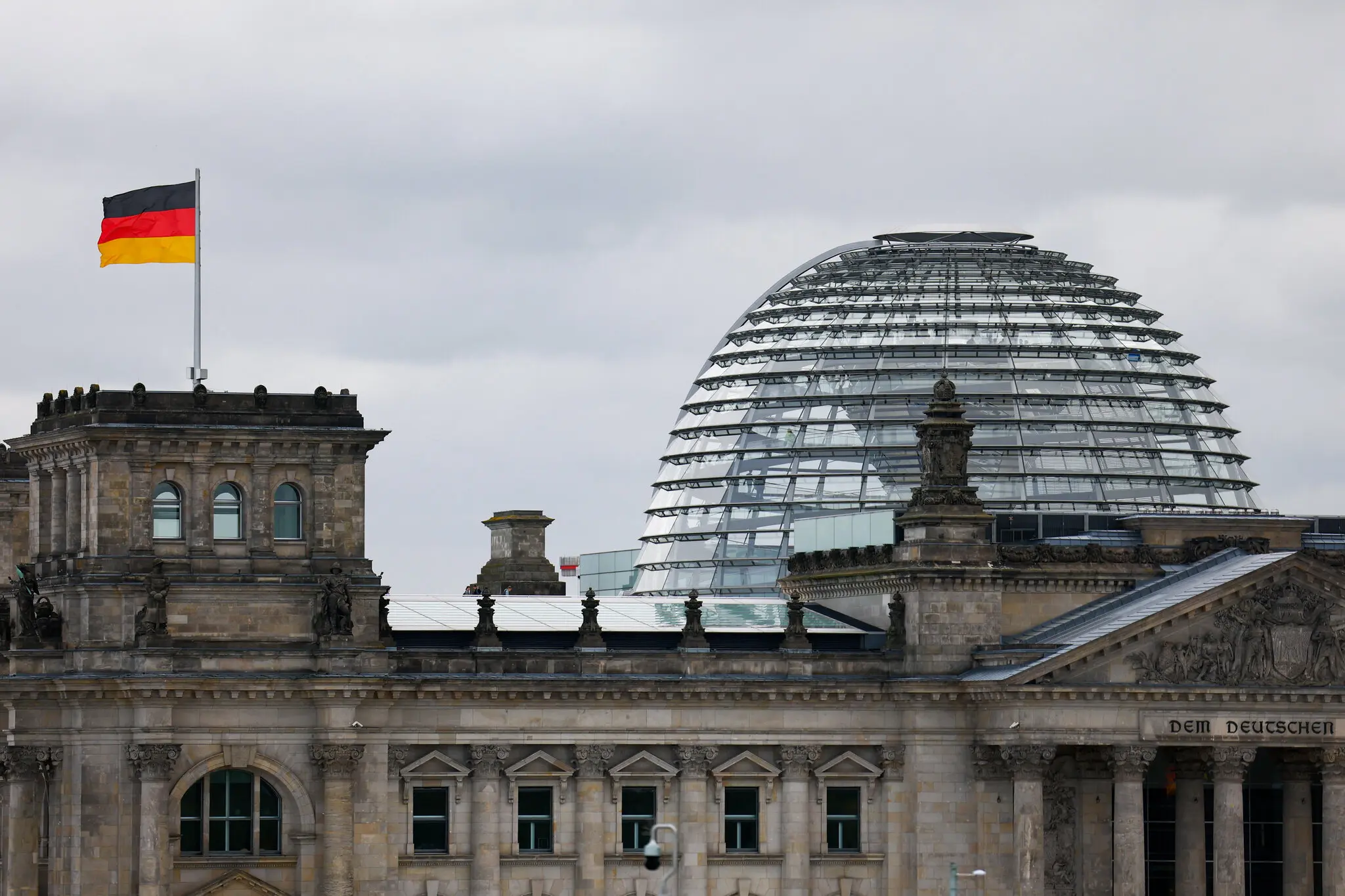
Germany has also been examining its response to an attempted explosive-drone attack linked by Berlin to Russia near Leipzig/Halle Airport. Moscow has repeatedly denied responsibility for sabotage operations attributed to it in Europe.
Such incidents are fundamentally different from a Russian military invasion of a NATO state. Their ambiguity, however, is precisely what makes them useful for testing boundaries: allies must decide whether an event is an accident, sabotage, an armed attack or grounds for collective action.
Article 5 of the North Atlantic Treaty is not an automatic declaration of war. Allies determine what form of assistance is necessary after an armed attack. That creates a potential grey zone in which damage is real but the political response still requires interpretation and coordination.
The possibility of such a miscalculation is what makes the US intelligence assessment important. If Moscow mistakes shortages of particular American weapons for a broader unwillingness to respond, a limited provocation could trigger an escalation that neither side initially intended.
Ratcliffe also reportedly warned Russian officials of another danger: a major escalation against Ukraine could produce the opposite political result for the Kremlin by pushing Trump closer to Volodymyr Zelenskyy.
That point is important for understanding the visit itself. A CIA director’s trip does not necessarily mean Washington possessed evidence of a completed Russian decision to attack NATO. Such contacts are often intended to prevent one side from misreading the intentions or red lines of the other.
Trump described the trip as almost routine, although diplomatically it was clearly unusual. Before Ratcliffe, the last CIA director known to have travelled personally to Moscow was Burns in November 2021, several months before Russia launched its full-scale invasion.
The parallel with 2021 is tempting but incomplete. At that time, Washington was trying to stop preparations for a major invasion and had mounting evidence of Russian troop concentrations. In 2026, there is no publicly available evidence that Russia is preparing a large-scale attack on a NATO member.
The present warning is more likely about the behaviour of a state that may believe the balance of risk has temporarily shifted in its favour. Moscow does not need to believe it could defeat NATO. It only needs to conclude that the United States is overstretched and that European governments would hesitate before responding forcefully to a limited provocation.
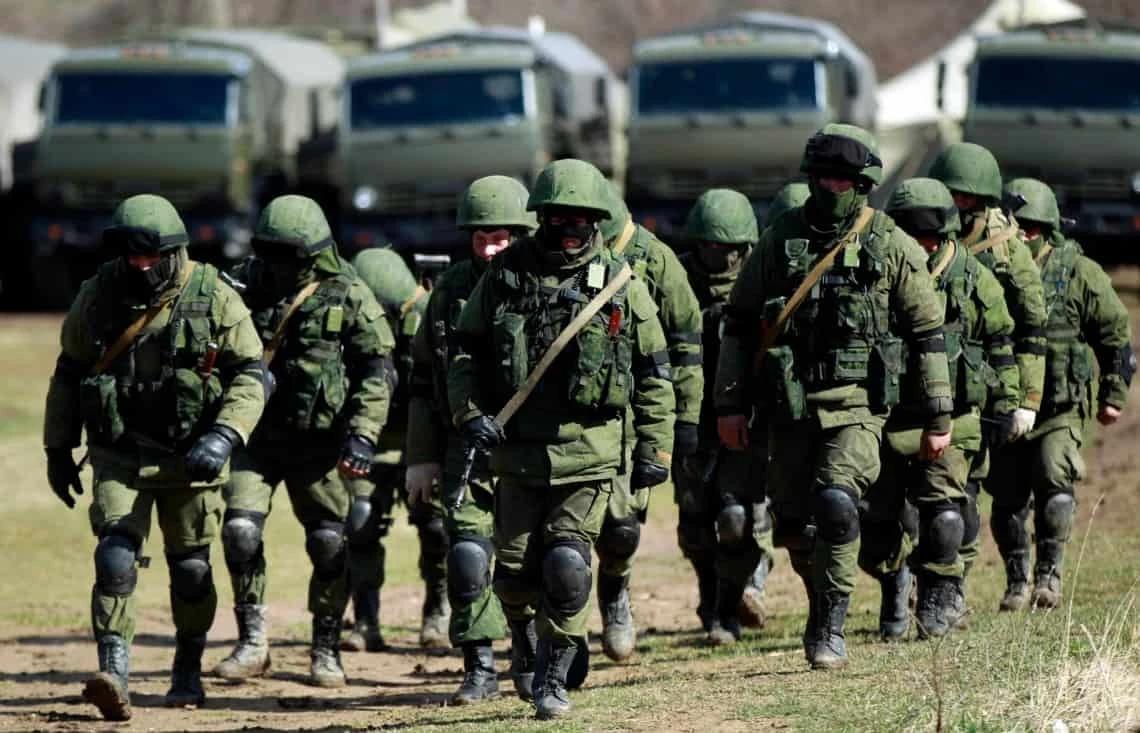
Russia also faces severe constraints of its own. Its military is in the fifth year of an exhausting war, consuming enormous quantities of manpower, equipment and ammunition while still failing to achieve a decisive strategic breakthrough in Ukraine. Opening a full-scale front against NATO would be a qualitatively different and vastly more dangerous conflict.
The more plausible area of risk therefore lies below that threshold: intensified strikes on Ukraine, conspicuous military manoeuvres, airspace violations, intelligence operations, cyberattacks and sabotage where responsibility and the appropriate scale of response are harder to establish quickly.
For Ukraine, pressure on US stockpiles is far less abstract. Russia is increasing both the volume and sophistication of its air attacks while Kyiv needs expensive interceptors of exactly the kind Washington is consuming on another battlefield.
That may form part of Moscow’s calculation: not to wait until America literally exhausts its weapons, but to raise the tempo when every additional Patriot interceptor for Ukraine competes with US requirements in the Middle East and with reserves the Pentagon must retain for other contingencies.
The strategic window, however, cuts both ways. Rapid depletion is forcing the United States into multiyear contracts and tens of billions of dollars in new production capacity. If that industrial expansion works, today’s shortages could translate into much higher missile output in the coming years.
Europe is also assuming a larger share of the burden. Patriot-related production is expanding, defence budgets are rising and NATO is reinforcing its eastern flank. A Russian assumption that the West will remain weakened for an extended period could therefore prove wrong even if short-term pressure on inventories is real.
This exposes the main tension between Trump’s public confidence and the quieter work of US intelligence. The president says Putin will not attack NATO. Intelligence officials appear to be asking a more difficult question: what might Moscow do if it concludes that Washington is less willing or less able to respond?
Those positions are not necessarily contradictory. The Kremlin may have no intention of invading a NATO country while still being prepared to increase military and hybrid pressure sharply. Effective deterrence depends not only on knowing an adversary’s ultimate intentions, but on preventing it from misjudging how much freedom of action it has.
That is why Ratcliffe’s secret mission may matter more than its formally undisclosed agenda. It shows that Washington considers a direct channel to Russian intelligence necessary at a moment when the Iran war is placing visible strain on US military resources.
The most immediate danger for Europe is therefore not necessarily a pre-planned Russian attack on NATO. It may be a Kremlin that believes it has a short window for bolder action and then miscalculates the point at which the United States and its allies will finally respond.
Seen in that light, Ratcliffe’s mission was not an admission of American weakness but an attempt to make the cost of miscalculation clear to Moscow. Yet if the Kremlin interpreted the visit itself as evidence that Washington fears escalation more than Russia does, the warning may have been read in exactly the opposite way.