













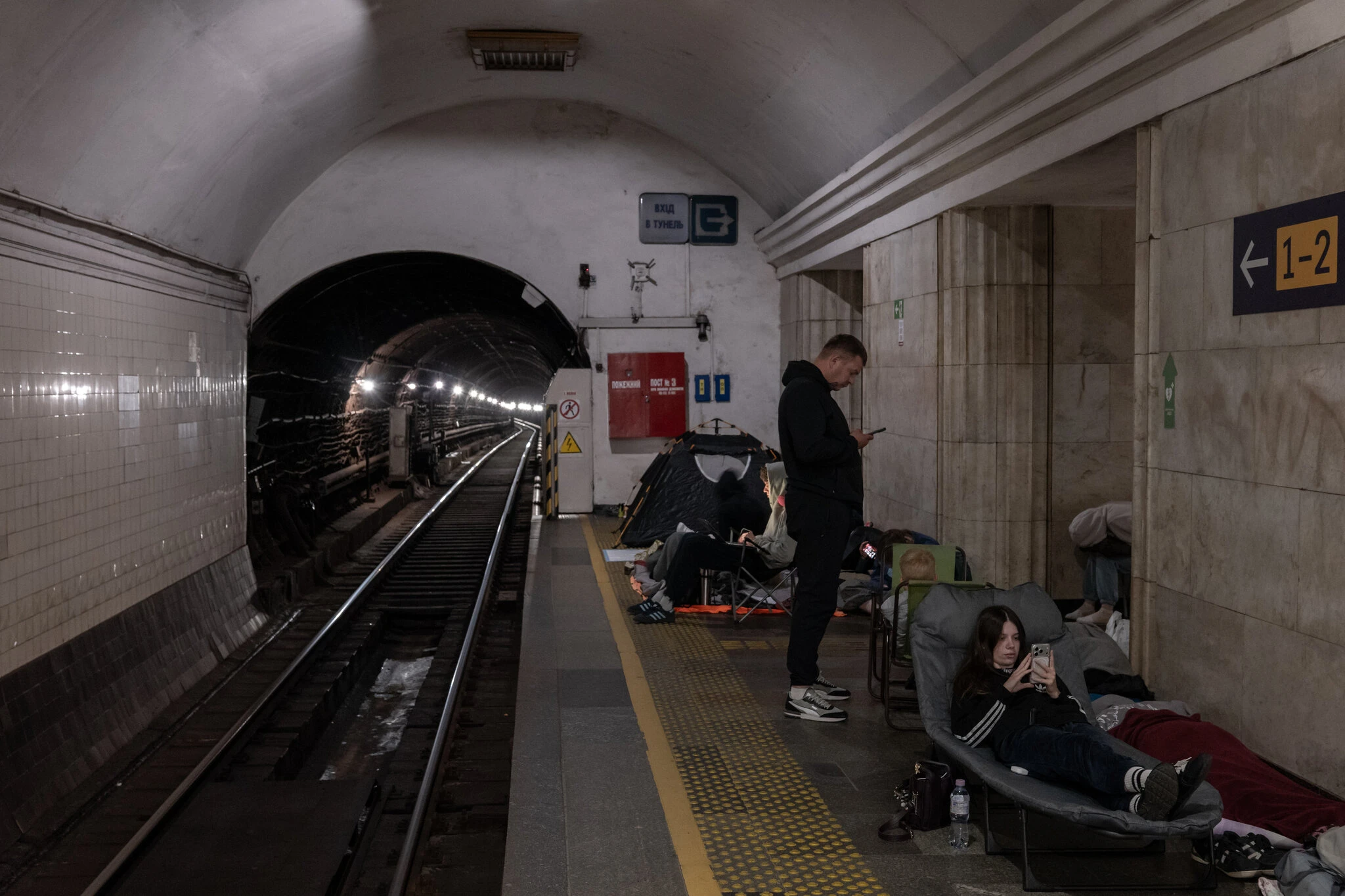






At night in the Kyiv subway, almost no one looks up. Above the station, drones may be buzzing, explosions may be rolling across the city and air defenses may already be firing, but the most important source of information is usually a smartphone screen. A few lines on Telegram can determine whether it is safe to step outside for a cigarette or wiser to stay underground for another ten minutes.
It is one of the quieter technological transformations of the war. An air-raid alert no longer means only a siren and uncertainty. Ukrainians increasingly receive a minute-by-minute picture of an attack: where Shahed drones are moving, whether ballistic missiles have been launched, which cities may be in their path and how much time could remain before impact.
That information has changed the way people behave under bombardment. They no longer simply hear a warning; they try to assess the type of weapon, its direction and its speed. A drone may leave time to make a decision. A ballistic missile may leave almost none. Somewhere between those two threats, a new civilian instinct for survival has taken shape.
As Daycom has previously noted, the war is moving increasingly into the sky, and civilian defense is changing with it. Alongside radars, interceptor batteries and official warning systems, Ukraine has developed an informal digital network that for hundreds of thousands of people has become almost as important as knowing where the nearest shelter is.
The most popular monitoring channels track attacks almost in real time. Their messages are deliberately spare: several drones moving toward a city, a missile launch detected, possible ballistic threat to Kyiv, air defenses active. During large attacks, feeds can update every few seconds.
Many Ukrainians follow several channels at once. One may report ballistic launches more quickly, another may offer a clearer picture of drone movements, while a third provides the broader shape of the assault. Users assemble these fragments into their own map of danger — unofficial, imperfect, but often far more detailed than the traditional air-raid alarm.
That level of detail explains the channels’ popularity. A siren conveys only one fact: danger exists. It does not tell people what is coming, where it is moving or how quickly the situation may change. Telegram has turned the old binary system of “alert” and “all clear” into a continuous stream of tactical information.
For a country that has lived through years of regular missile and drone strikes, that has psychological value as well. Uncertainty can be almost as frightening as the sound of an explosion. Knowing even roughly where a threat is heading gives people a sense of control — limited, sometimes deceptive, but still meaningful.
That is why people in Kyiv’s underground stations keep looking at their phones even after blasts are already echoing across the city. They are not simply waiting for an official all-clear. They want to know whether the current wave is ending or whether the silence is only a pause before another launch.
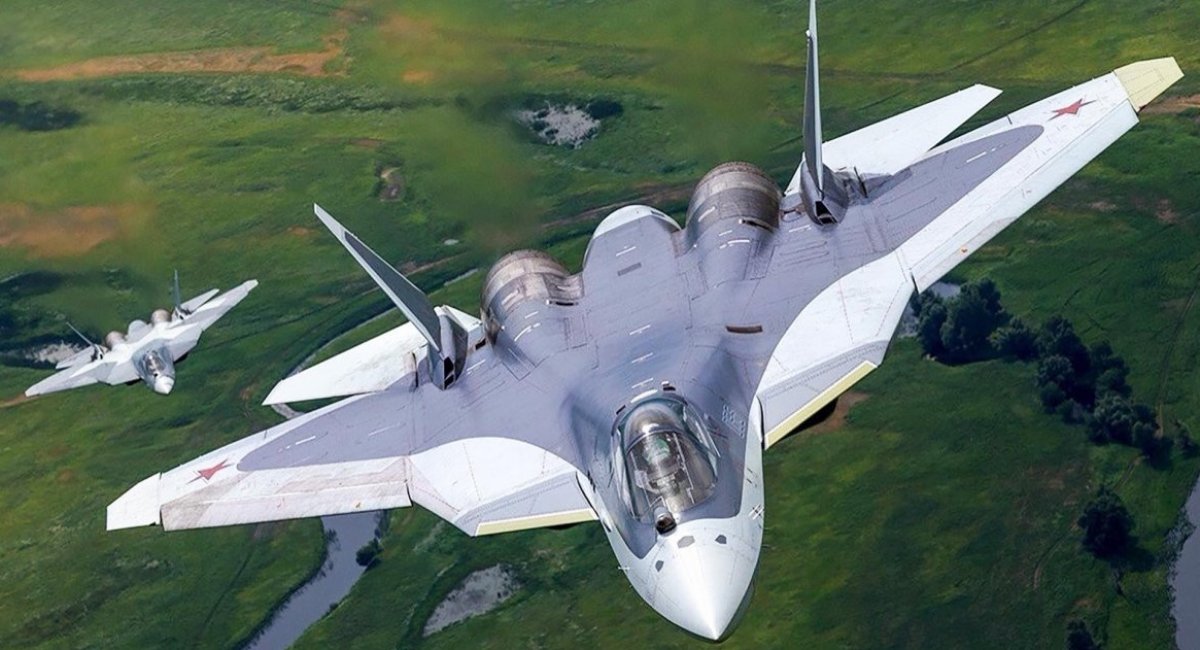
One night in July showed the system at work with unusual clarity. Around 9 p.m., monitoring channels began warning of a possible large combined attack. Reports first described the movement of jet-powered drones, then additional groups of unmanned aircraft approaching from Russian territory.
Across Kyiv, people began making calculations. For some residents, drones alone are no longer enough to justify spending the night on a subway platform. Many trust air defenses, while others are simply exhausted by years of repeated alarms. But the possibility of ballistic missiles changes that calculation almost instantly.
Around 2 a.m., phones began lighting up with a rapid sequence of warnings: ballistic missile toward Kyiv, then another, then a third. The relevant unit of time was no longer minutes but seconds. Soon afterward, explosions and interceptor launches shook the city.
In moments like these, a smartphone effectively becomes part of civilian defense. It cannot stop a missile, but it may give someone a few additional minutes — sometimes exactly enough time to reach a station, basement or reinforced corridor.
This system did not emerge from a government program. Large monitoring channels began appearing in 2022, when the limits of traditional sirens became obvious. People with access to information about Russian aircraft, drones and missiles started building their own warning networks.
One of the earliest prominent projects, monitor, appeared only months after the full-scale invasion began. Its audience eventually approached one million subscribers. Other channels grew even larger, creating communities of millions around the simple need to understand what was happening overhead.
Official institutions gradually adopted parts of the same model. Ukraine’s Air Force began using Telegram more actively to report the direction of missiles and drones. Yet informal channels retained an advantage in speed, detail and language — especially for people who have learned to read an incoming air attack almost as instinctively as they once read a weather forecast.
That ecosystem also has a dangerous edge. Information that is too precise about the route of a drone or missile could potentially expose the position of Ukrainian radars or reveal how the country’s tracking network works. The balance between speed and operational security is therefore constant and fragile.
Yet the value of the channels is difficult to ignore. A specific warning that a ballistic missile is moving toward Kyiv can send people to shelter much faster than another generic siren that may continue for hours without explanation.
Humor has become part of the system as well. On some of the largest channels, Shahed drones are referred to as “mopeds,” while air-defense fire is reduced to almost childish “pew-pew” language. Even an all-clear can be phrased as a domestic instruction to finally use the bathroom and go back to sleep.
At first glance, that tone seems incompatible with war. In practice, it serves a psychological function. When someone is sitting in a hallway or subway station, hearing explosions and wondering whether the next strike will land closer, a few irreverent words can restore a small measure of normal human scale to an abnormal night.
From that has emerged a distinct digital culture of survival. Its participants know roughly how long different missiles take to arrive, recognize common Shahed flight patterns, understand what reports about strategic aviation may imply and know that a quiet interval between attack waves does not necessarily mean the danger has passed.
In any peaceful society, that knowledge would sound almost professional. In Ukraine, it has become a mass civilian skill. Office workers, students, pensioners and parents of small children have become amateur analysts of aerial warfare because interpreting a few messages correctly can determine where they spend the next twenty minutes.
Technology, of course, does not make Russian strikes less destructive. It merely helps people adapt to a reality in which missiles and drones arrive in waves, often at night, and a relatively safe window may last only a few minutes.
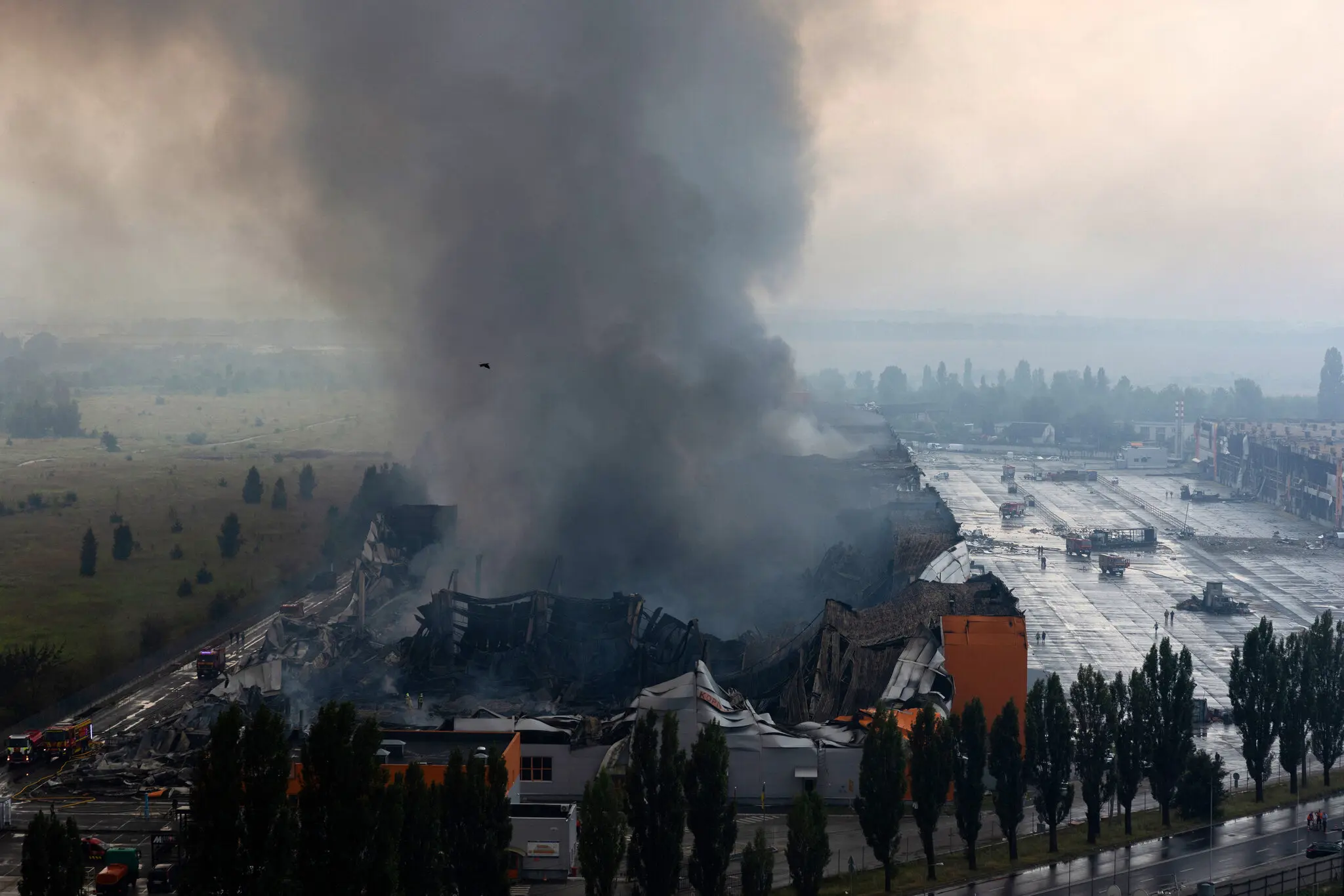
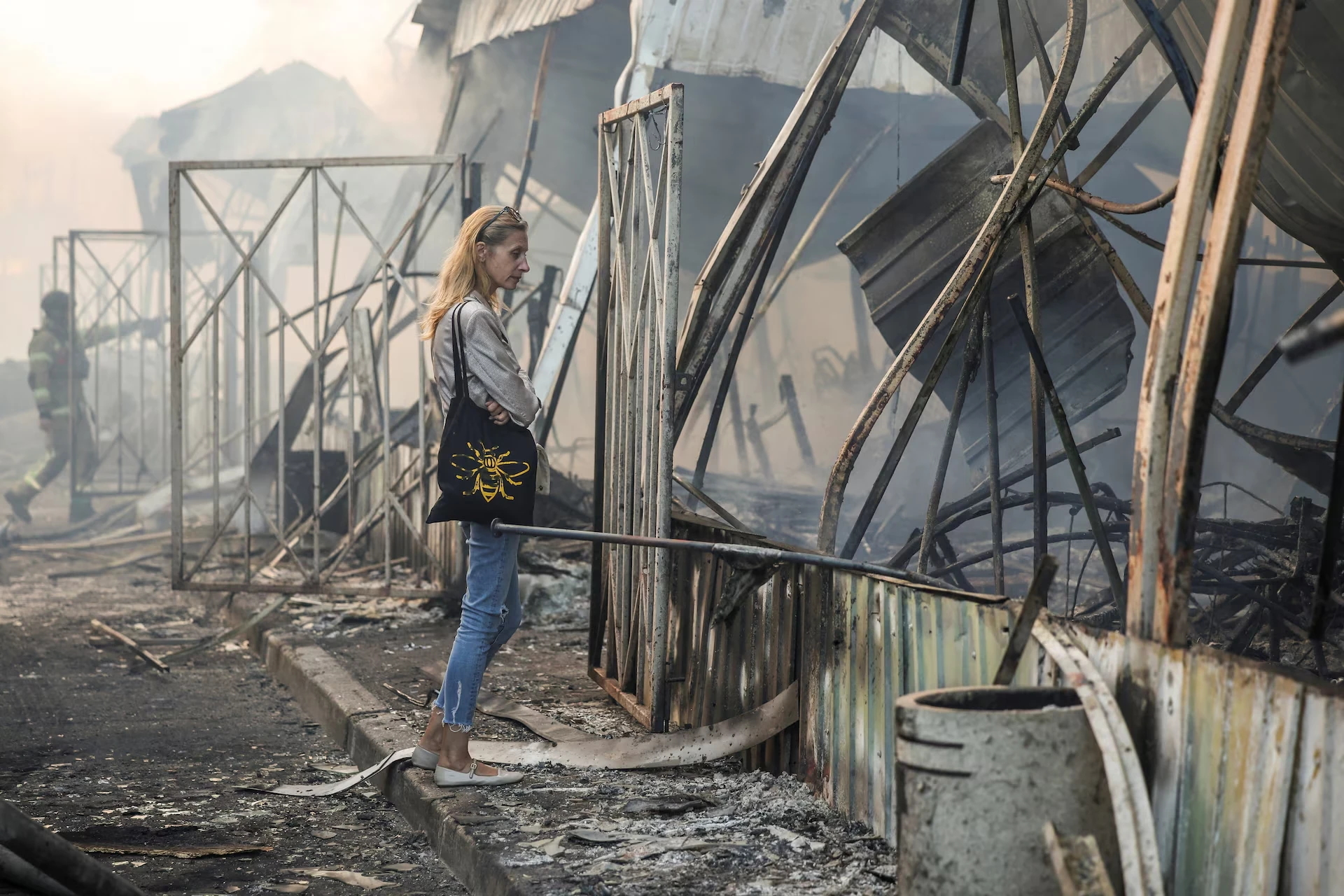
After one July attack, Kyiv residents emerged from the subway into the pale light of morning. Smoke was rising over the city. The same channels that had spent hours warning about incoming weapons were now carrying reports of the dead and wounded.
That is the central paradox of Ukraine’s digital warning system. It is a product of technological adaptation, self-organization and enormous collective experience, but also evidence of how deeply abnormal conditions have become embedded in everyday life.
A phone beside the bed now serves one more purpose. Its vibration in the middle of the night may not mean a message from a friend or a piece of breaking news. It may mean that there are only a few seconds to decide the most basic question of all: stay where you are, or get underground.