























Europe’s heat is no longer just a difficult summer. It has become a sign of a deeper climate shift, in which the continent is warming faster than any other. Temperature records in Britain, France, Spain and Italy are only making visible a process that has been unfolding for decades.
Over the past three decades, Europe’s average temperature has risen by about 0.56°C per decade. That is more than twice the pace of global warming. The world as a whole is heating because of the burning of coal, oil and gas, but Europe is receiving an extra acceleration from its own geography.
This distinction matters. The climate crisis does not distribute heat evenly across the map. Greenhouse gas emissions create the global background, but local mechanisms determine where temperatures rise fastest, where heatwaves grow longer and where familiar weather turns into danger.
Europe’s heat is no longer just a difficult summer. It has become a sign of a deeper climate shift, in which the continent is warming faster than any other. Temperature records in Britain, France, Spain and Italy are only making visible a process that has been unfolding for decades.
Over the past three decades, Europe’s average temperature has risen by about 0.56°C per decade. That is more than twice the pace of global warming. The world as a whole is heating because of the burning of coal, oil and gas, but Europe is receiving an extra acceleration from its own geography.
This distinction matters. The climate crisis does not distribute heat evenly across the map. Greenhouse gas emissions create the global background, but local mechanisms determine where temperatures rise fastest, where heatwaves grow longer and where familiar weather turns into danger.
According to Daycom’s earlier analysis, Europe is now a laboratory of accelerated warming. Several forces are working at once: the Arctic is losing ice, land is losing snow cover, the atmosphere has lost some cooling aerosols, and the jet stream is increasingly creating conditions in which heat can stagnate.
The first factor lies in the north. A warmer atmosphere melts Arctic sea ice, which once reflected a large share of the sun’s energy. When that white surface disappears, it is replaced by dark ocean. Instead of bouncing heat back, the water absorbs it, intensifying warming around the top of the planet.
That process does not remain confined to the Arctic. Northern Europe, Scandinavia, the Barents Sea, the North Atlantic and the European part of Russia are all drawn into a system of mutual reinforcement. The less ice there is, the more heat the ocean absorbs. The more heat it absorbs, the harder it becomes for ice to recover the following season.
The second factor is snow on land. Less snow cover means more exposed ground absorbing solar energy. In years with little snow, spring turns more quickly into early land heating, and summer begins from a higher temperature base. This is especially visible in northern and eastern parts of the continent.
Snow acts as a natural shield. It reflects part of the sun’s energy back into space. When that shield thins or disappears earlier, land warms faster. In this way, Europe is losing one of the seasonal cooling mechanisms on which its previous climate balance depended.
The third factor sounds paradoxical. Cleaner air may also have made visible warming faster. Limits on industrial pollution were essential for public health: less sulfur, soot and fine particles mean fewer respiratory and cardiovascular risks. But aerosols also reflected some solar radiation.
As the air became cleaner, the atmosphere lost part of that temporary cooling effect. This does not mean pollution was useful or desirable. It means it had masked part of the warming for a time. Once that mask was removed, the real force of greenhouse heating became more apparent.
These changes on land, at sea and in the air affect the main engine of European weather: the jet stream. This powerful belt of westerly winds high in the atmosphere normally brings cooler maritime air from the Atlantic into Europe and moves weather systems from west to east.
The jet stream depends on the temperature difference between the warm Equator and the cold Arctic. As the Arctic warms faster, that contrast weakens. The atmospheric flow can then become wavier, slower and more prone to blocking patterns. These blocks can hold heat over one region for many consecutive days.
Europe is also seeing another dangerous pattern more often: the jet stream splitting into two branches. Between them, a zone of weaker winds and high pressure can form. Weather stalls there, and heat accumulates. What might once have been a few hot days can turn into a prolonged heatwave.
Duration is the deadliest feature of extreme heat. One record-breaking day shocks the statistics, but a week without nighttime cooling breaks the body. People cannot recover. Hospitals receive more patients. Power systems operate under strain. Rails overheat. Schools shorten classes. Cities search for shade they do not have.
The 2003 heatwave showed Europe how lethal this scenario can be. Excess deaths were counted in the tens of thousands, and societies were forced to recognize that heat is not a soft risk. It does not destroy buildings instantly like an earthquake, but it slowly disables bodies, infrastructure and administration.
Today the danger is greater because the starting temperature is higher. Every new heatwave rises from a warmer base. If an atmospheric block once produced severe but rare peaks, the same mechanism now operates in an overheated world. The result is records broken not by tiny margins, but by large jumps.
That explains why the current European records are so alarming. When Britain exceeds its previous June maximum and Paris and southern France move above 40°C, this is not only a meteorological rarity. It is a new boundary of what has become possible in the ordinary summer calendar.
European cities are not fully prepared for this. Their buildings were often designed to retain heat, not to release it. Schools, hospitals, metro systems, railways, tourist routes and residential districts were built for temperate summers. When temperatures remain at levels once considered exceptional, old infrastructure begins to work against people.
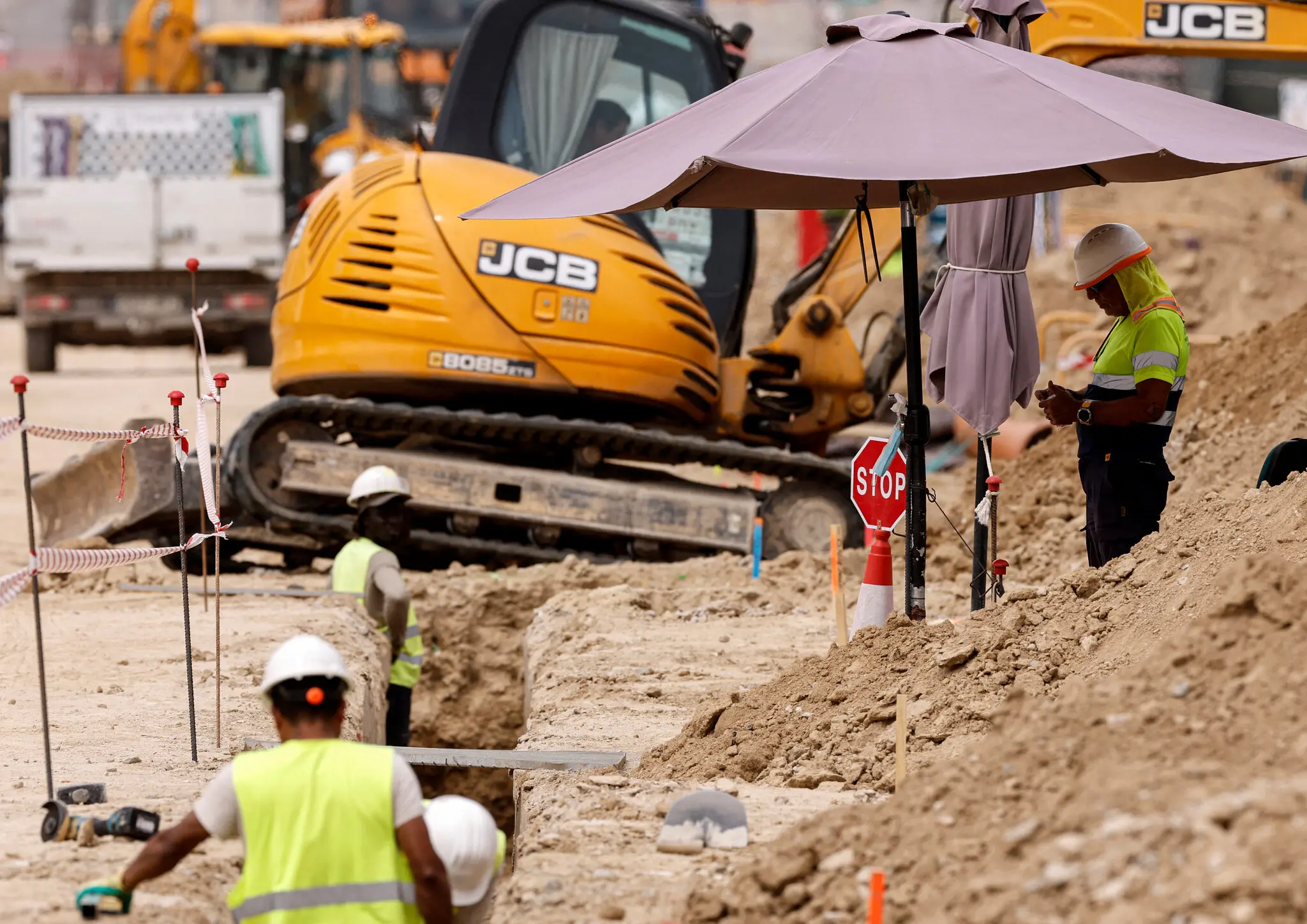
The social dimension is as important as the physical one. Heat does not kill evenly. A person with air conditioning, flexible working hours and access to medical care lives in a different climate from an elderly resident on a top floor without cooling, a courier on a scorched street or a construction worker under direct sun.
That is why Europe’s rapid warming is not only a problem of climate science. It is a question of housing, labor, health care, energy, transport, urban planning and social justice. The continent can measure average temperatures, but the real cost appears in deaths, disrupted classes, overloaded hospitals and the inability to work safely.
The hardest part is that none of these factors acts alone. Arctic warming, reduced snow cover, cleaner air without cooling aerosols, changes in the jet stream, droughts, urban heat islands and the overall rise in temperature all overlap. Europe is warming not for one reason, but through a system of mutual amplification.
This also changes the political response. Cutting emissions remains essential as a long-term goal, because without it every future heatwave will be worse. But adaptation is needed now: trees, cool corridors, new building standards, worker protections, hospital plans, cooling centers, resilient power grids and transport systems able to function in extreme heat.
Europe has often discussed the climate crisis as a future challenge. Its current warming shows that the future has already become an uneven present. It arrives not only in reports, but in the temperature of metro platforms, overheated apartments, queues at fountains, record readings and nights that no longer bring relief.
That is why the question of why Europe is warming fastest has not only an academic answer, but a political one. Global warming has met here with geography, atmospheric dynamics and infrastructure built for another climate. The continent has reached a point where the old normal no longer protects it, and the new one has not yet been built.
Europe is not condemned to helplessness. But it must stop treating record heat as a temporary deviation. It is no longer an exception, but a signal from a new system. The sooner the continent recognizes itself as the fastest-warming part of the world, the better its chance not only to survive the next heatwave, but to change the rules of life before heat tests them again.





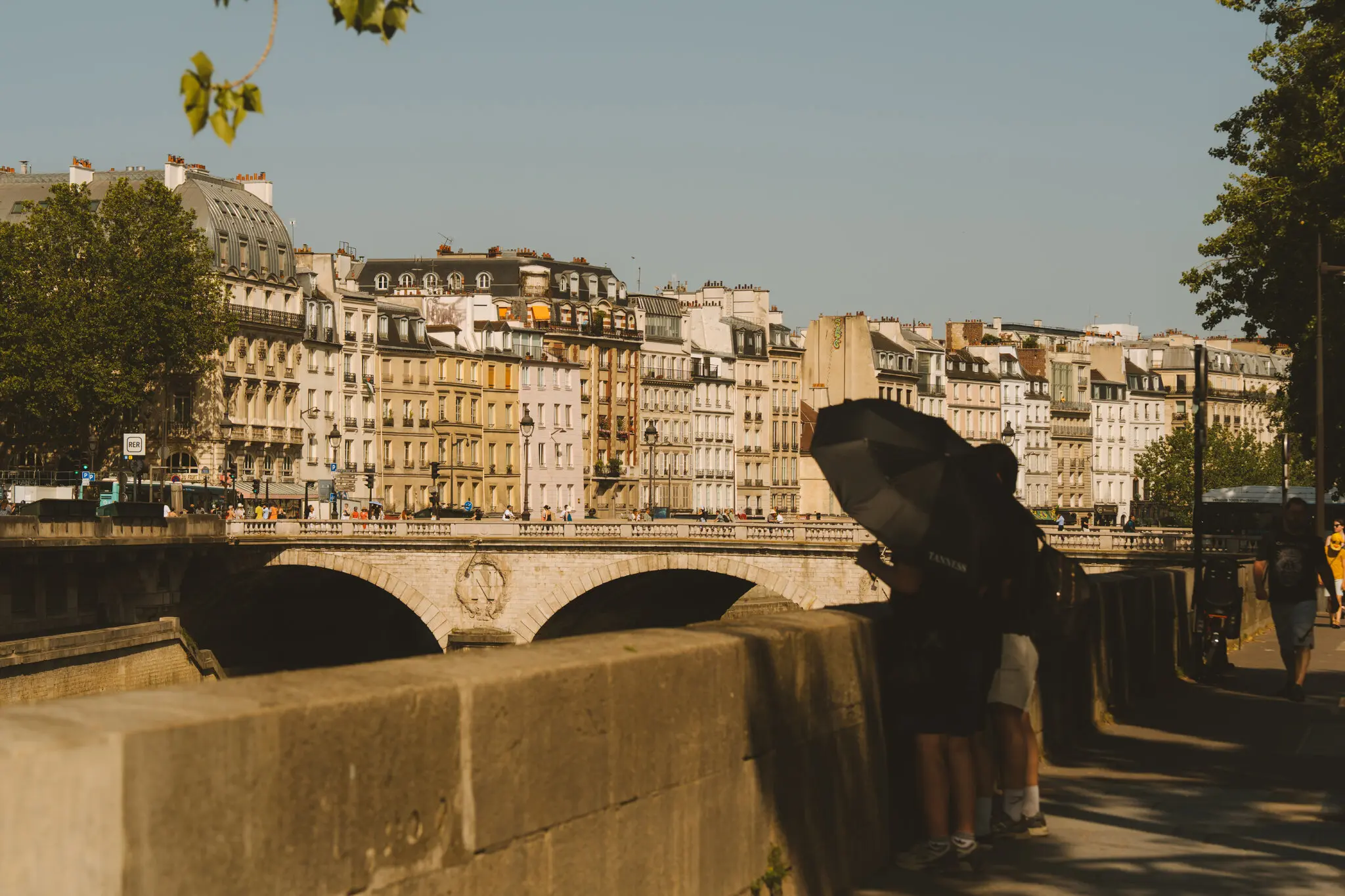
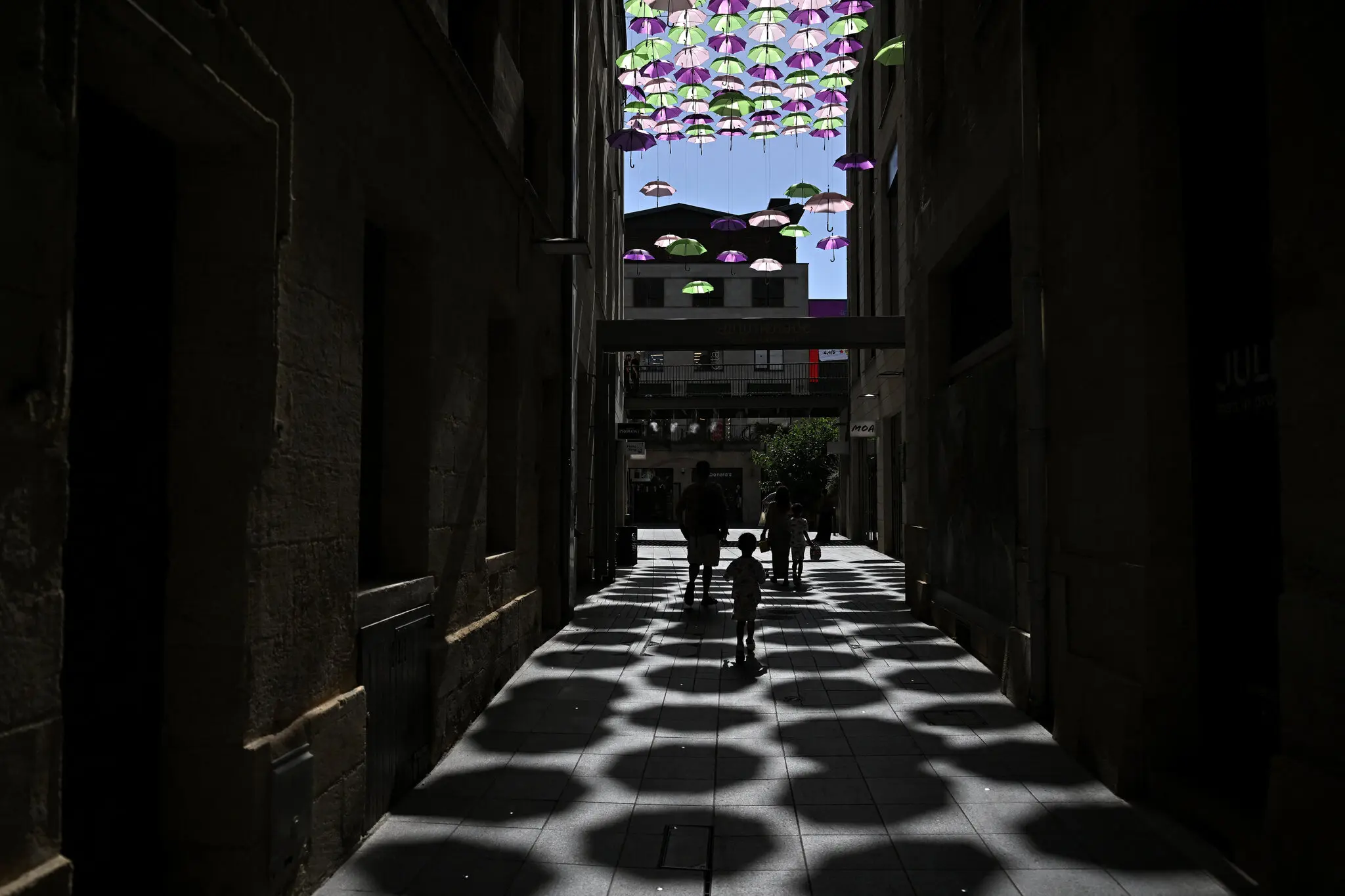



 Несучи підлоговий вентилятор під час спеки в Парижі в четвер — Дмитро Костюков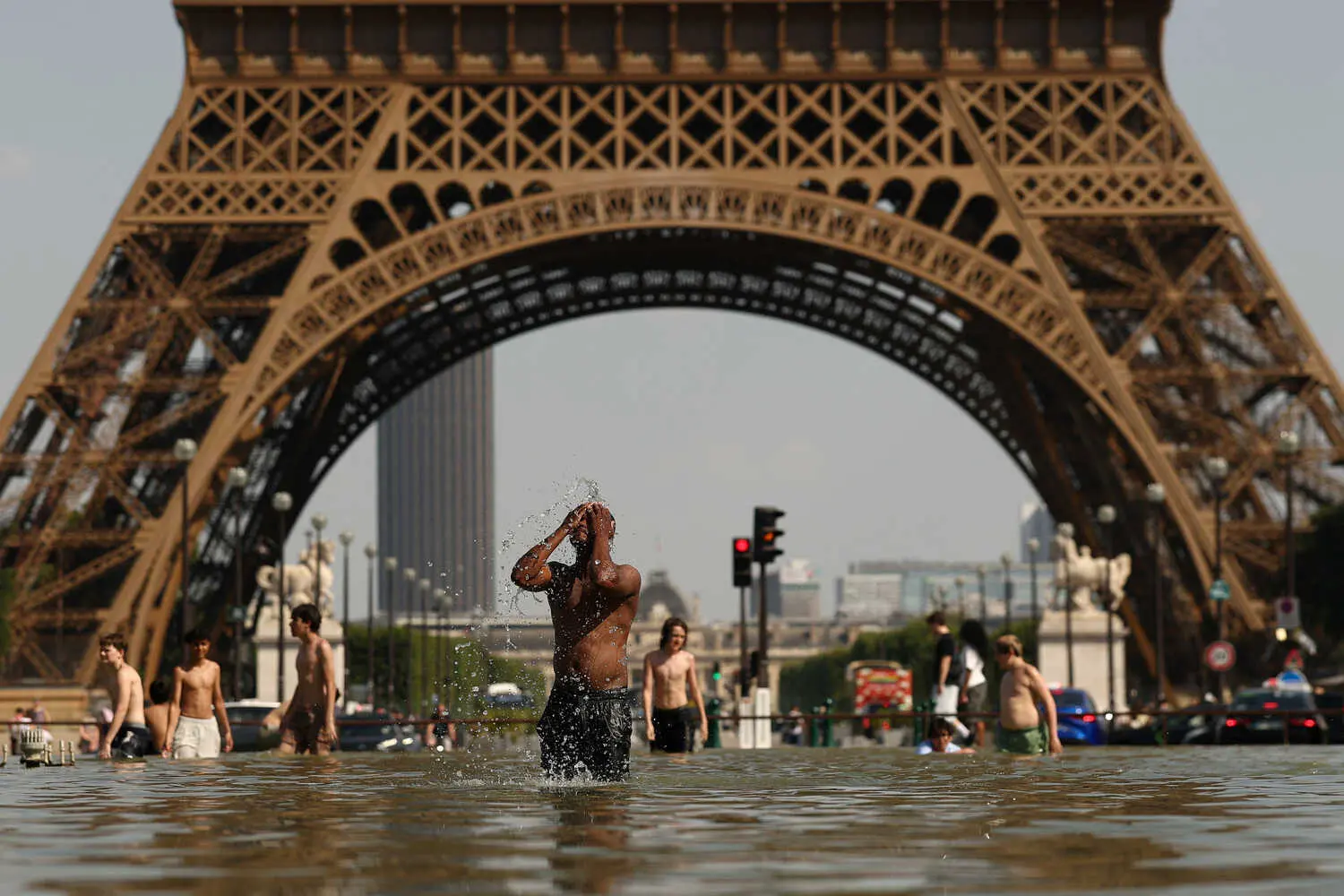
 Купання в каналі Сен-Мартен у Парижі у вівторок — Самуель Буавен/NurPhoto
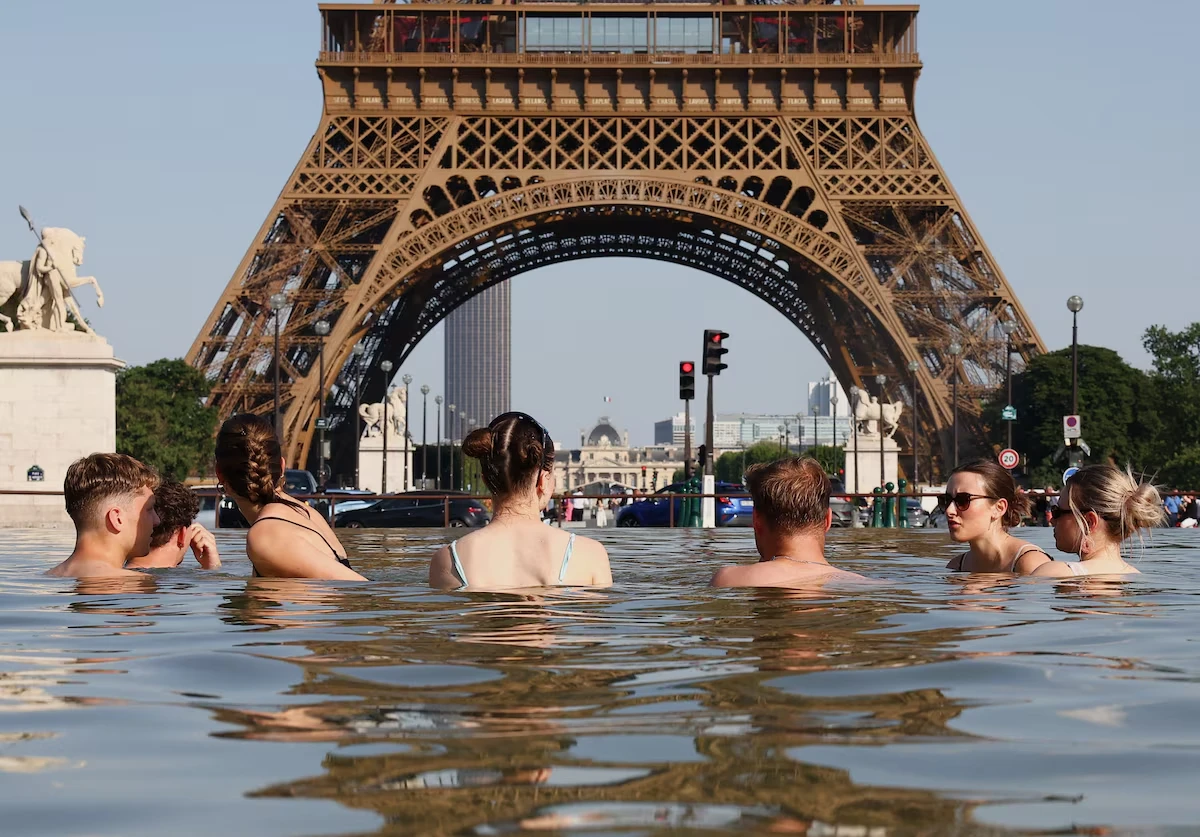
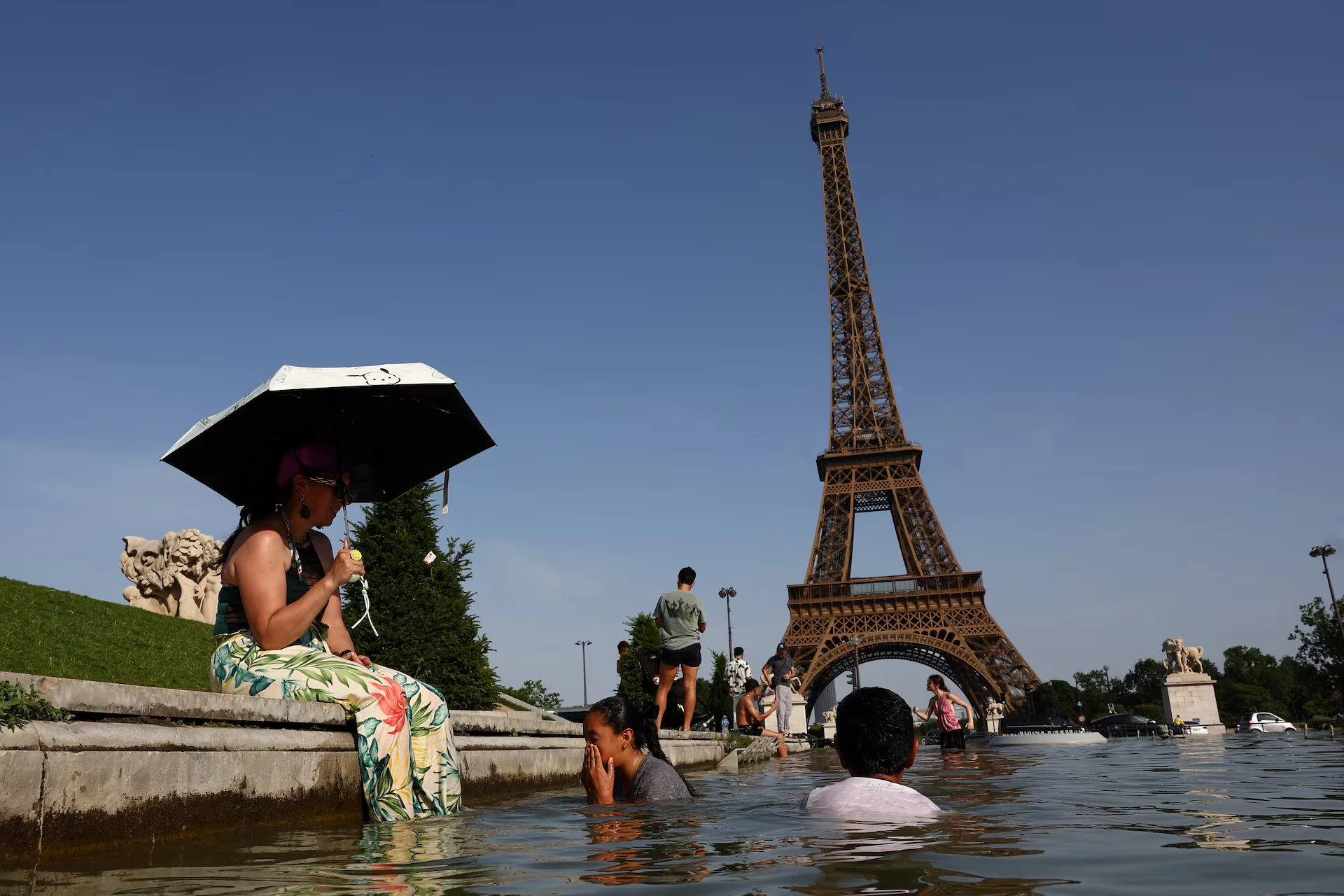
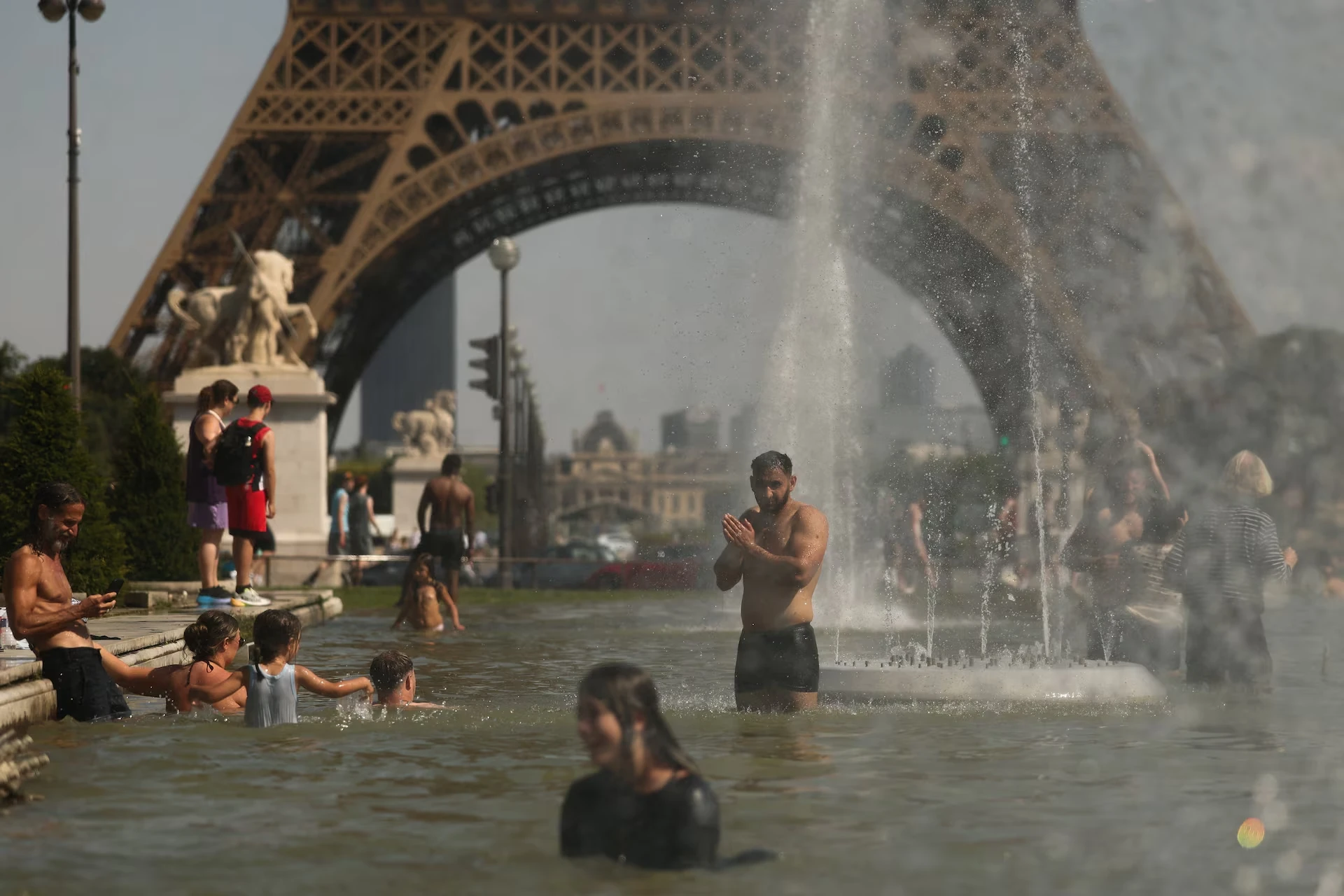 Люди охолоджуються у фонтані Трокадеро поблизу Ейфелевої вежі, оскільки температура підвищується під час спеки, яка охопила значну частину країни, у Парижі, Франція, 24 червня 2026 року — Гонсало Фуентес
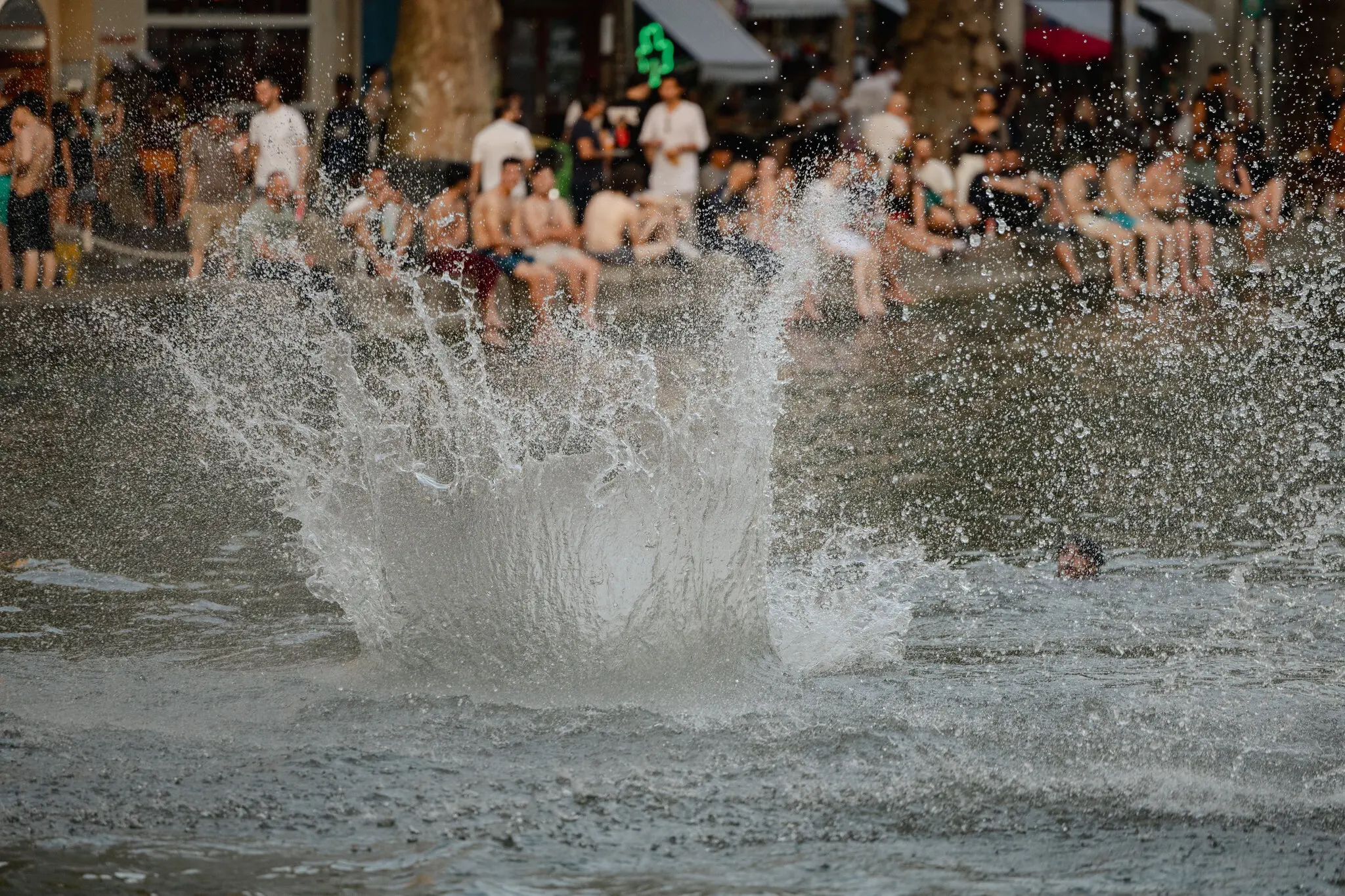
 Плавці стрибають з мосту в канал Сен-Мартен. Район був переповнений парижанами, які намагалися охолодитися під час спеки — Самуель Буавен/NurPhoto
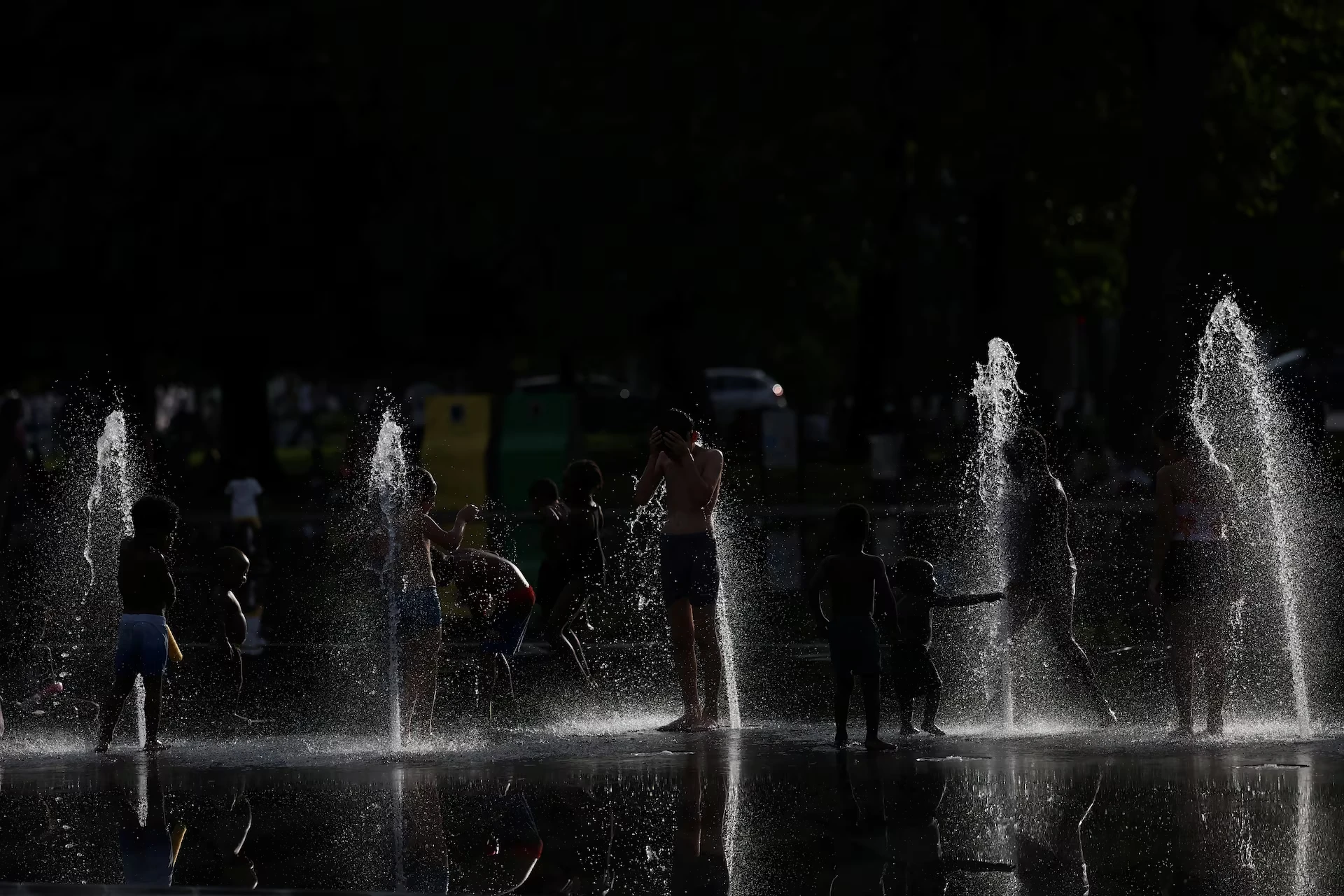 Діти охолоджуються у водних струменях біля Міруар д'О (Дзеркало води) в Нанті під час спеки, що охопила значну частину Франції, 24 червня 2026 року — Стефан Мае



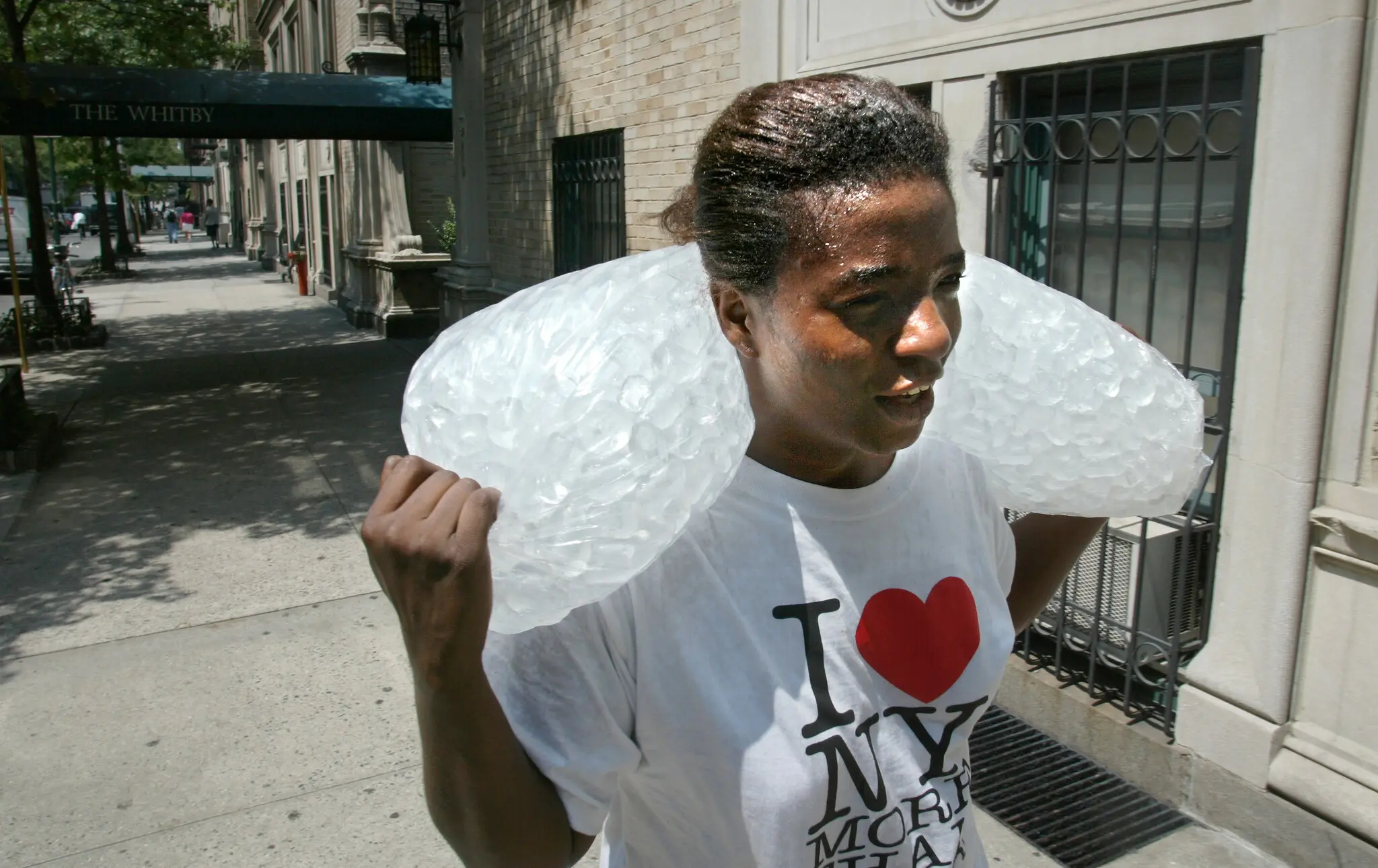
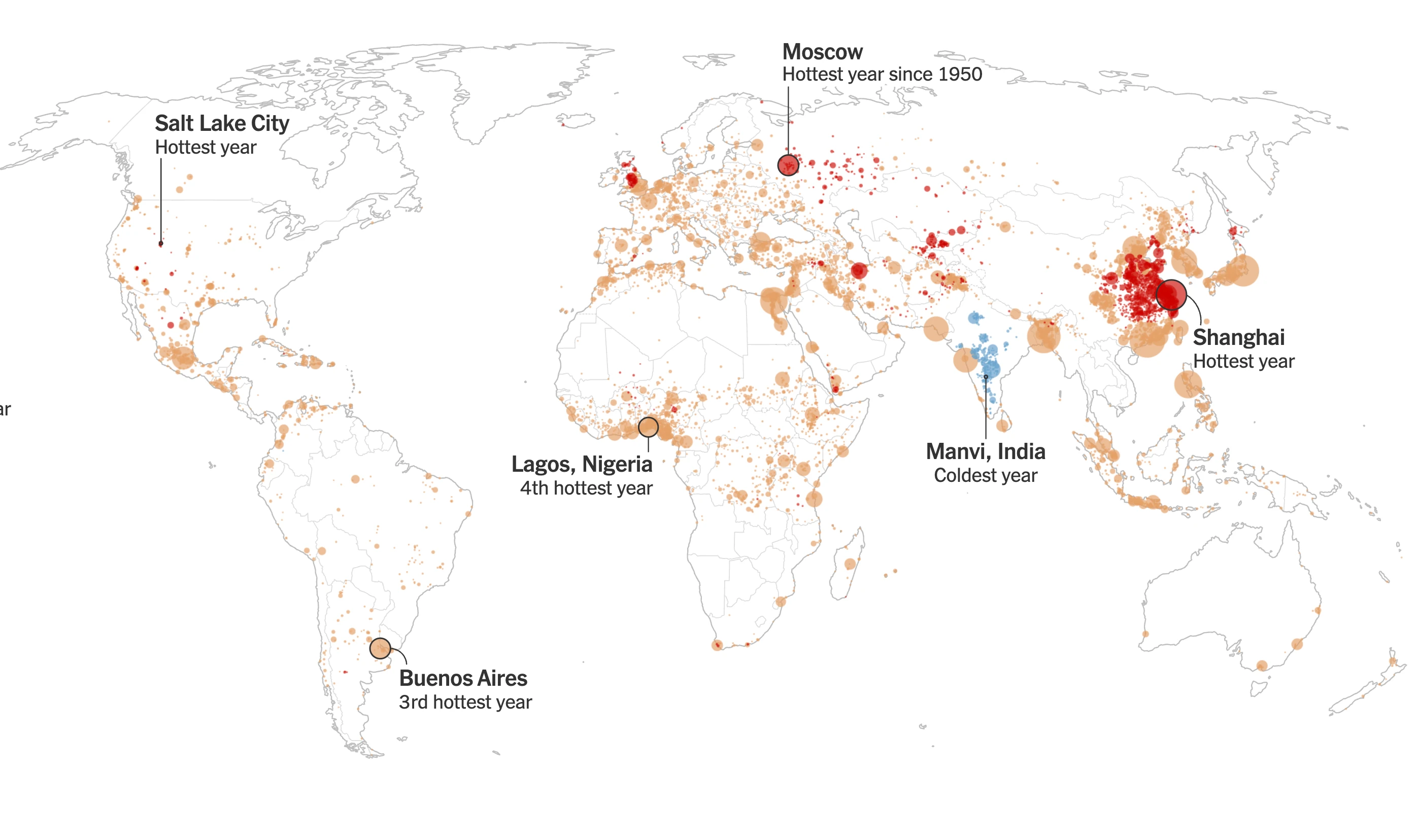

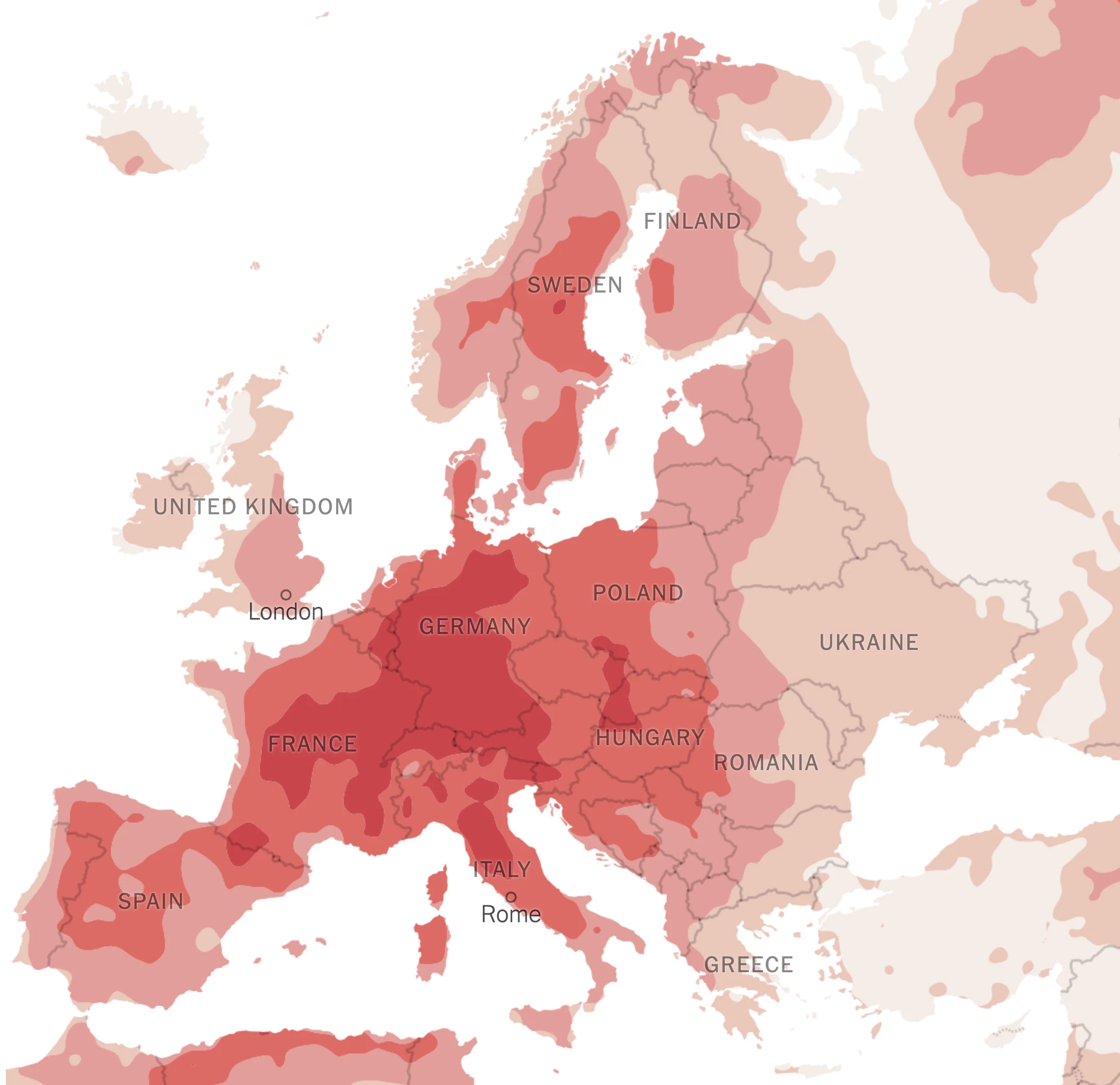
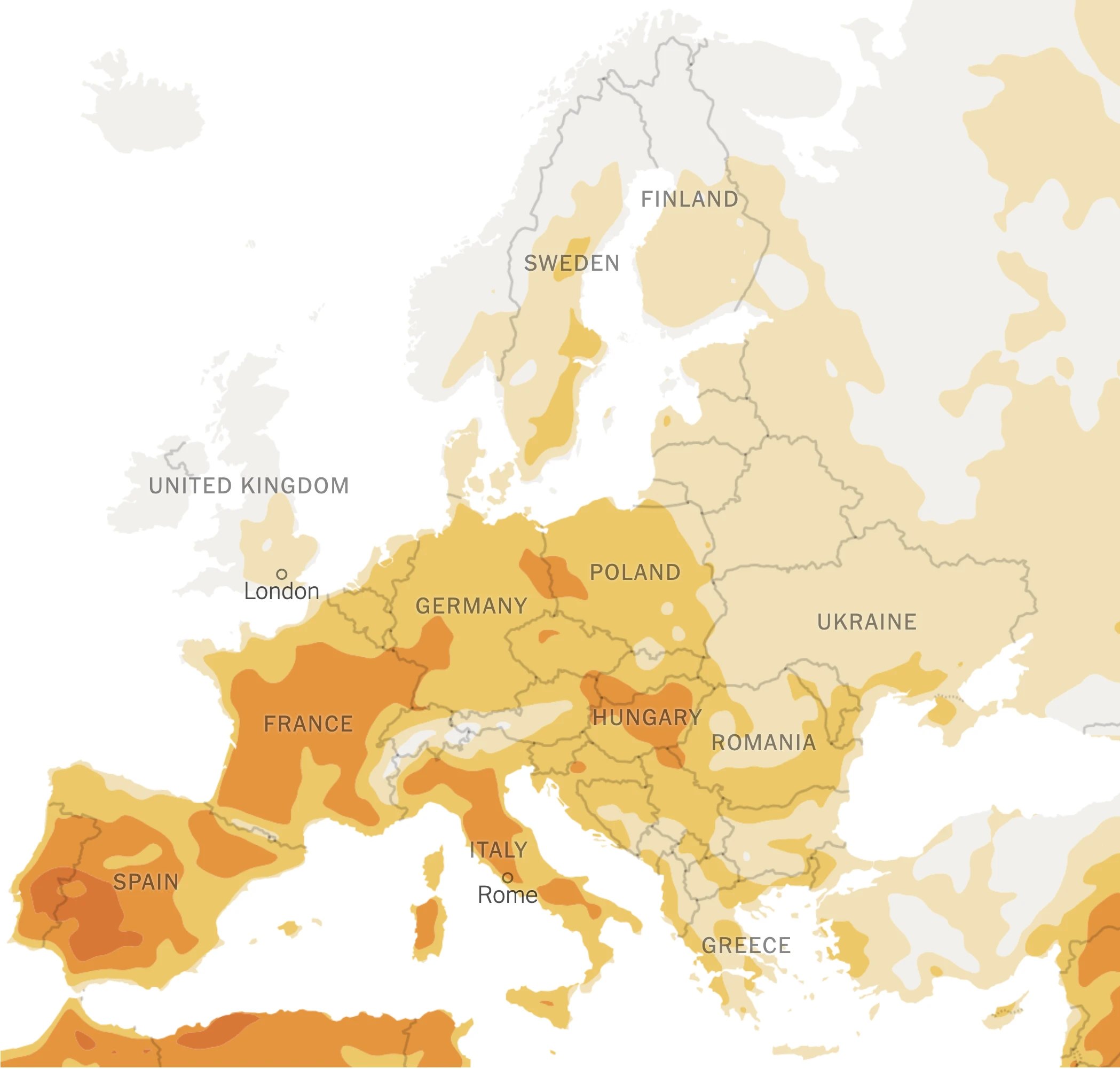
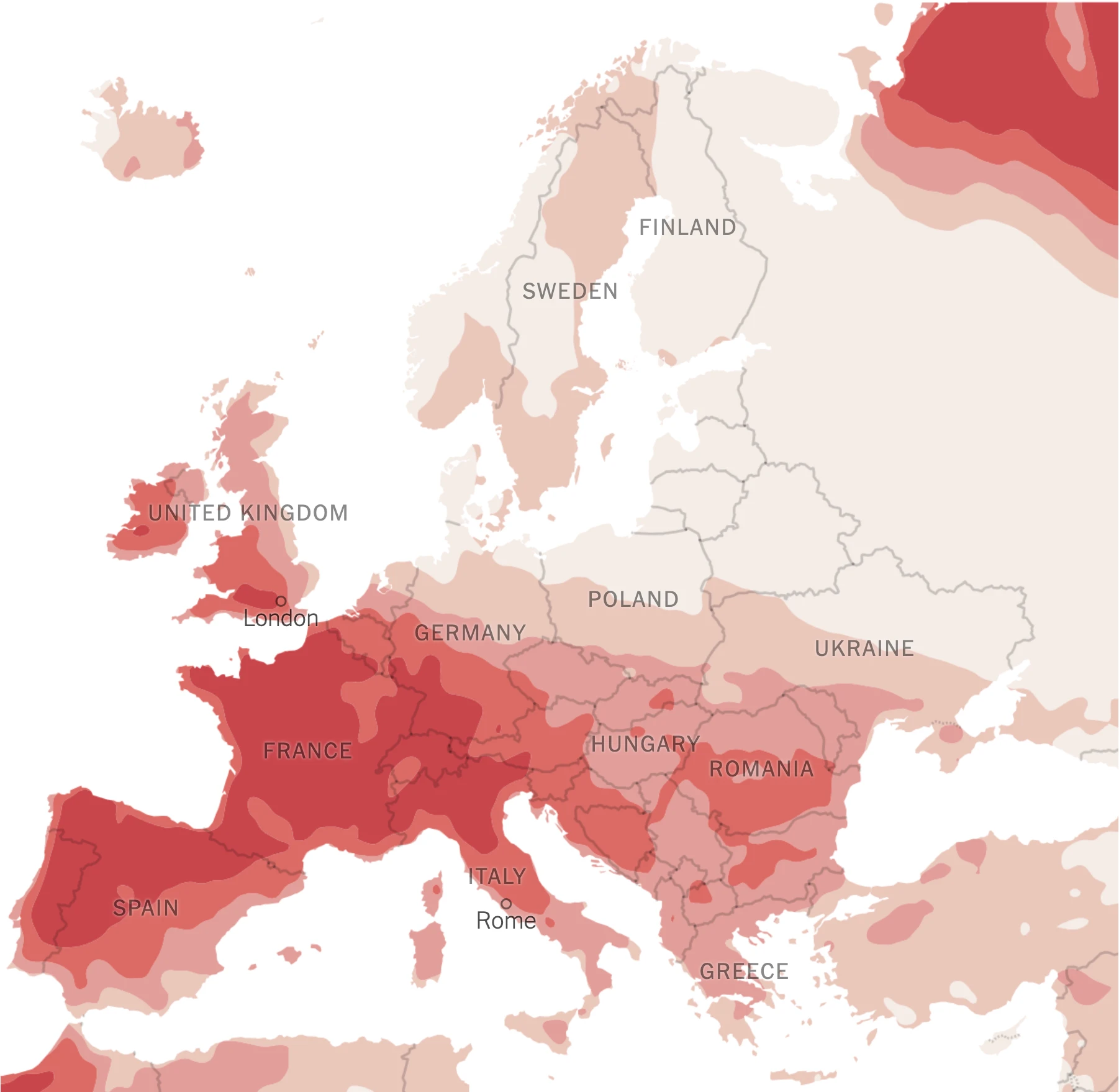 Примітки: Прогнози дійсні з 20:00 за східним часом 26 травня 2026 року до 20:00 27 травня 2026 року. Середні значення базуються на даних з 1979 по 2000 рік. Лазаро Гаміо та Зак Левітт — Джерела: Інститут зміни клімату Університету штату Мен та Національні центри прогнозування навколишнього середовища, Глобальна система прогнозування
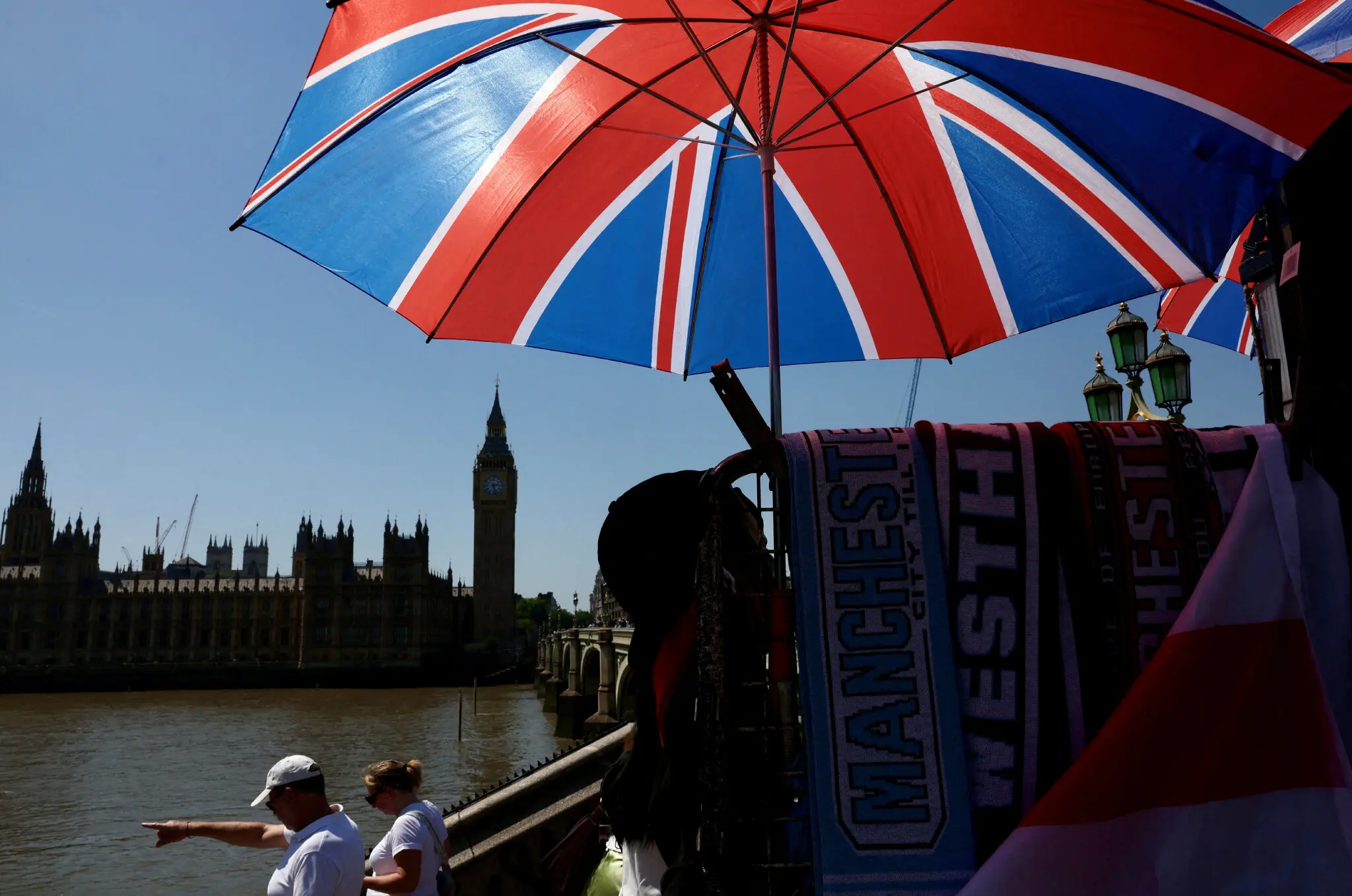 Туристи в Лондоні в понеділок — Кевін Кумбс