






















Europe’s spring is increasingly ending before the calendar has time to call it summer. Lines outside London pools, water mist over the stands at Roland Garros, stifling metro cars and empty terraces in Spanish cities have become not a summer scene, but a May warning.
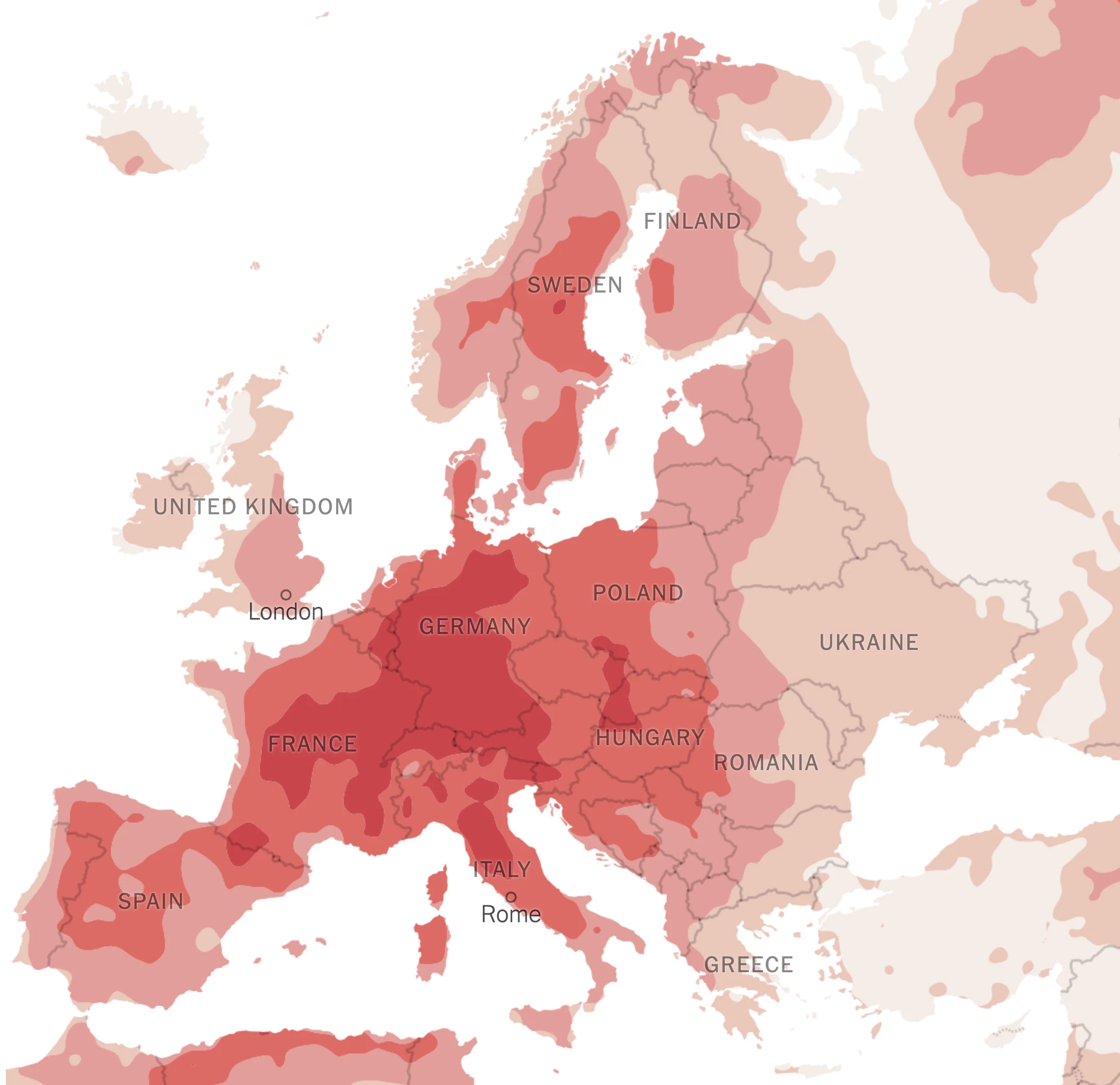
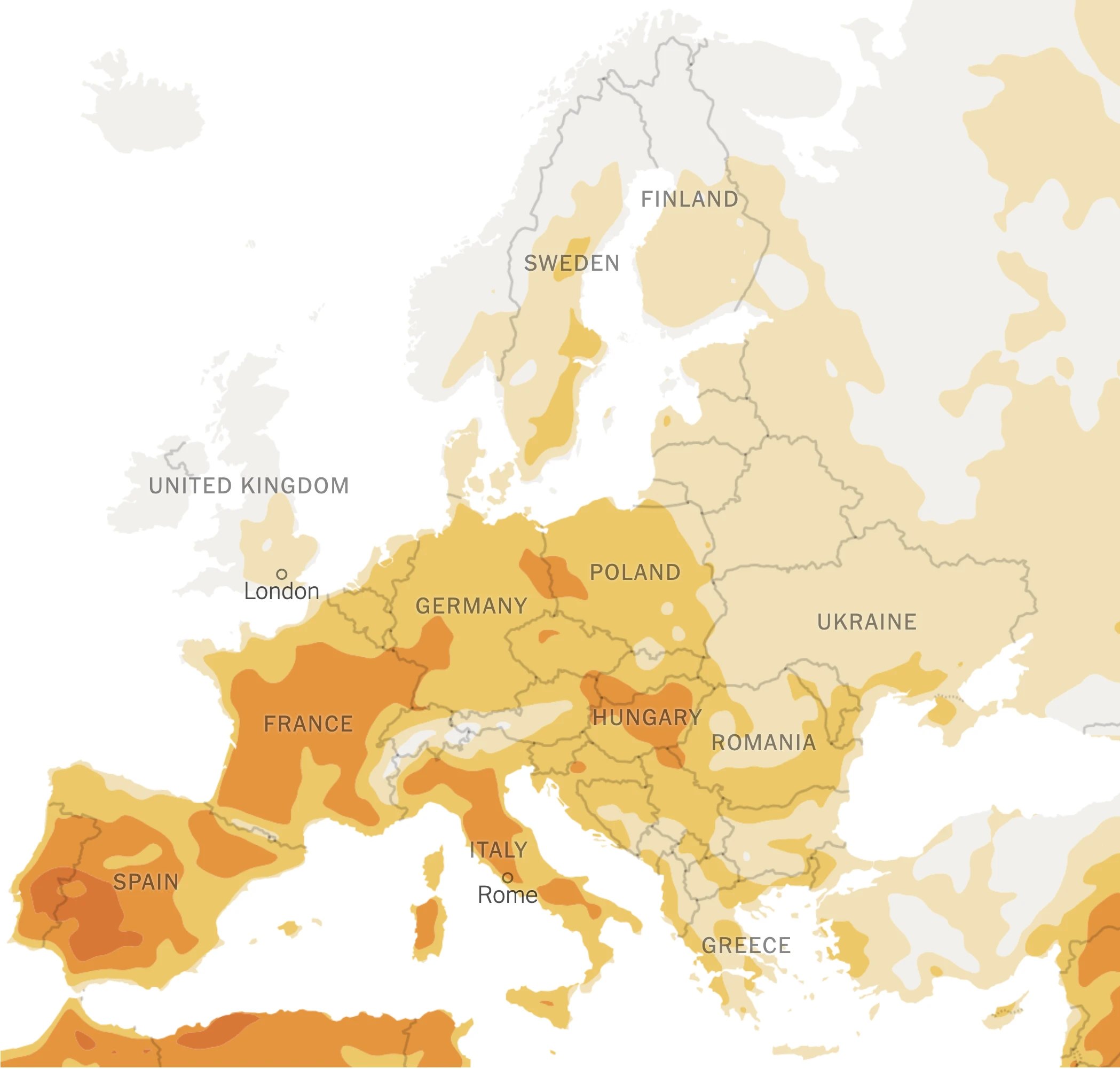
Western Europe has endured a heat wave that broke seasonal boundaries. Temperatures in Britain rose above 35 degrees Celsius, parts of France broke May records, and forecasts in southwestern Spain approached 40 degrees.
The danger lies not only in the number on the thermometer. It lies in the timing. The heat arrived when societies, schools, transport networks and health services were not yet psychologically or technically prepared for summer conditions.
Europe’s spring is increasingly ending before the calendar has time to call it summer. Lines outside London pools, water mist over the stands at Roland Garros, stifling metro cars and empty terraces in Spanish cities have become not a summer scene, but a May warning.
Western Europe has endured a heat wave that broke seasonal boundaries. Temperatures in Britain rose above 35 degrees Celsius, parts of France broke May records, and forecasts in southwestern Spain approached 40 degrees.
The danger lies not only in the number on the thermometer. It lies in the timing. The heat arrived when societies, schools, transport networks and health services were not yet psychologically or technically prepared for summer conditions.
According to Daycom’s earlier analysis, early heat waves are becoming one of the clearest markers of climate instability in Europe. The continent is not simply facing warmer weather. It is facing the erosion of seasonal predictability on which urban infrastructure has long depended.
Britain felt the shock especially sharply. At Kew Gardens in London, the temperature reached a level that set records for both May and meteorological spring. The previous benchmark had stood since the first half of the 20th century, and its collapse showed how quickly old climate limits are losing meaning.
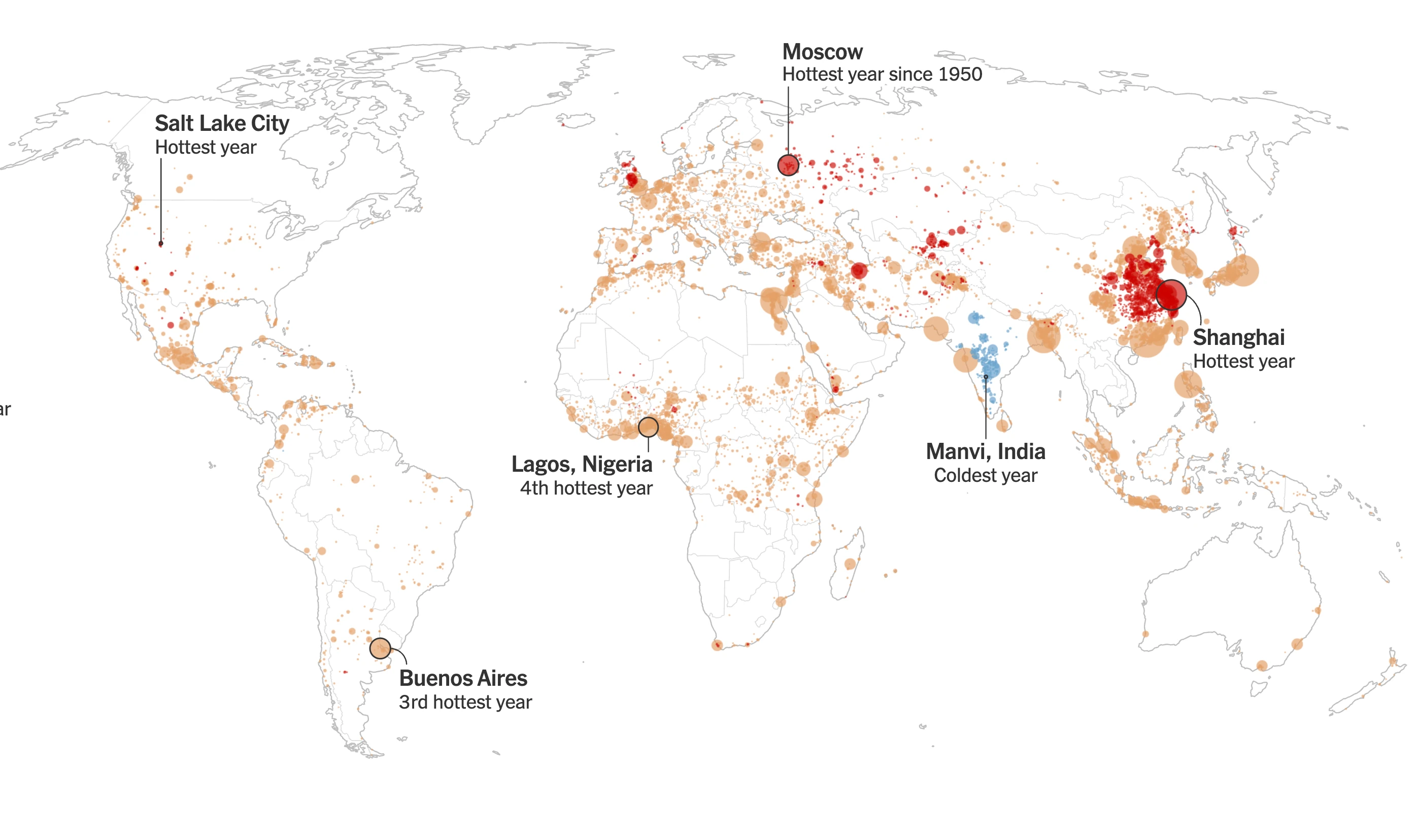
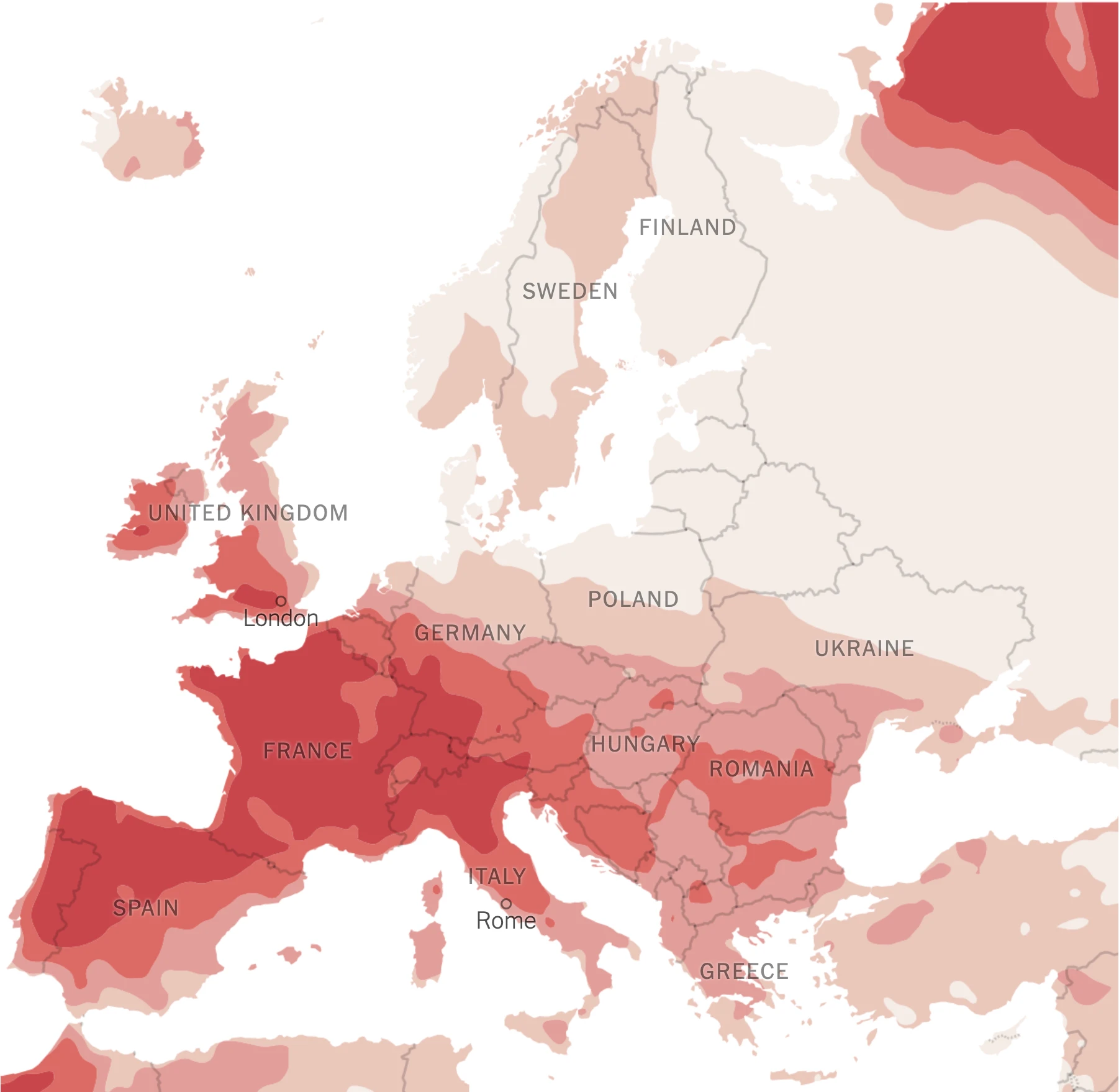 Примітки: Прогнози дійсні з 20:00 за східним часом 26 травня 2026 року до 20:00 27 травня 2026 року. Середні значення базуються на даних з 1979 по 2000 рік. Лазаро Гаміо та Зак Левітт — Джерела: Інститут зміни клімату Університету штату Мен та Національні центри прогнозування навколишнього середовища, Глобальна система прогнозування
For a country where average May temperatures are usually far from summer heat, this is more than discomfort. British homes, schools, hospitals, Underground trains and offices often lack air conditioning or were designed for a different climate. What may be a harsh but familiar pattern in Madrid becomes a system-wide stress in London.
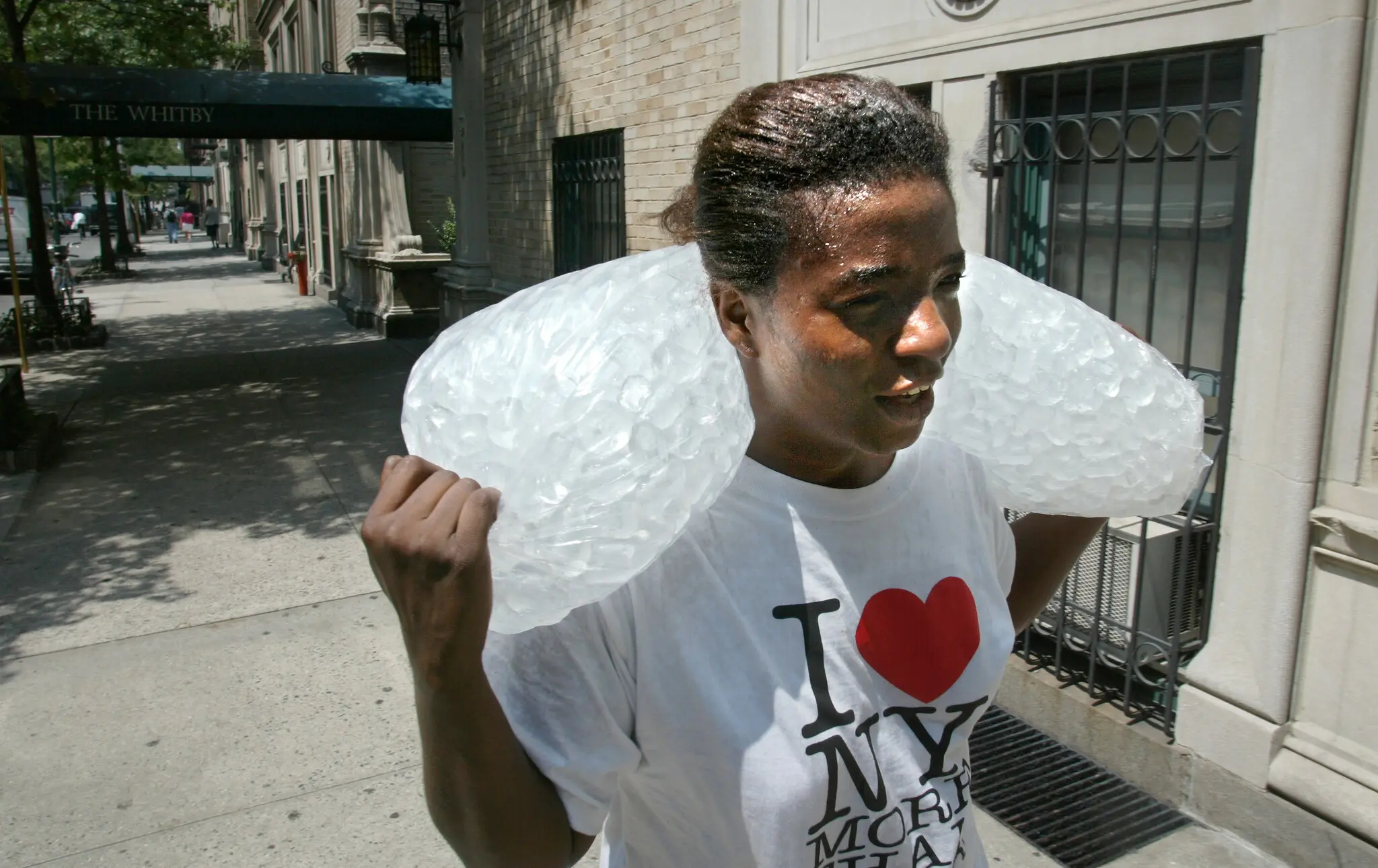
That is why health authorities issued heightened warnings about risks to life and medical services. Heat hits hardest among older people, patients with cardiovascular disease, chronic kidney conditions, hypertension, diabetes and those who live alone or cannot cool their homes quickly.
The human body has limits of adaptation. When the night does not bring relief, the body cannot recover. Dehydration, heatstroke, cardiac strain and worsening chronic illness become not exceptional outcomes, but predictable consequences of a prolonged temperature surge.
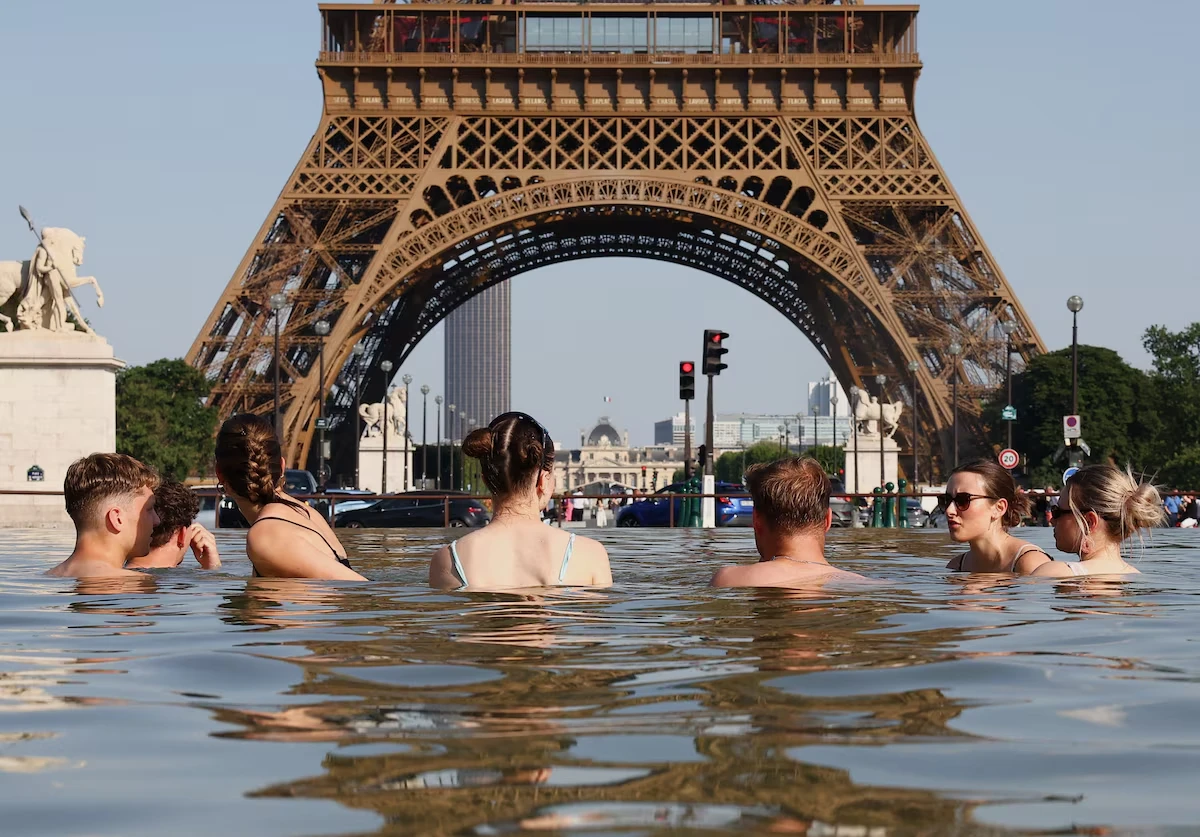
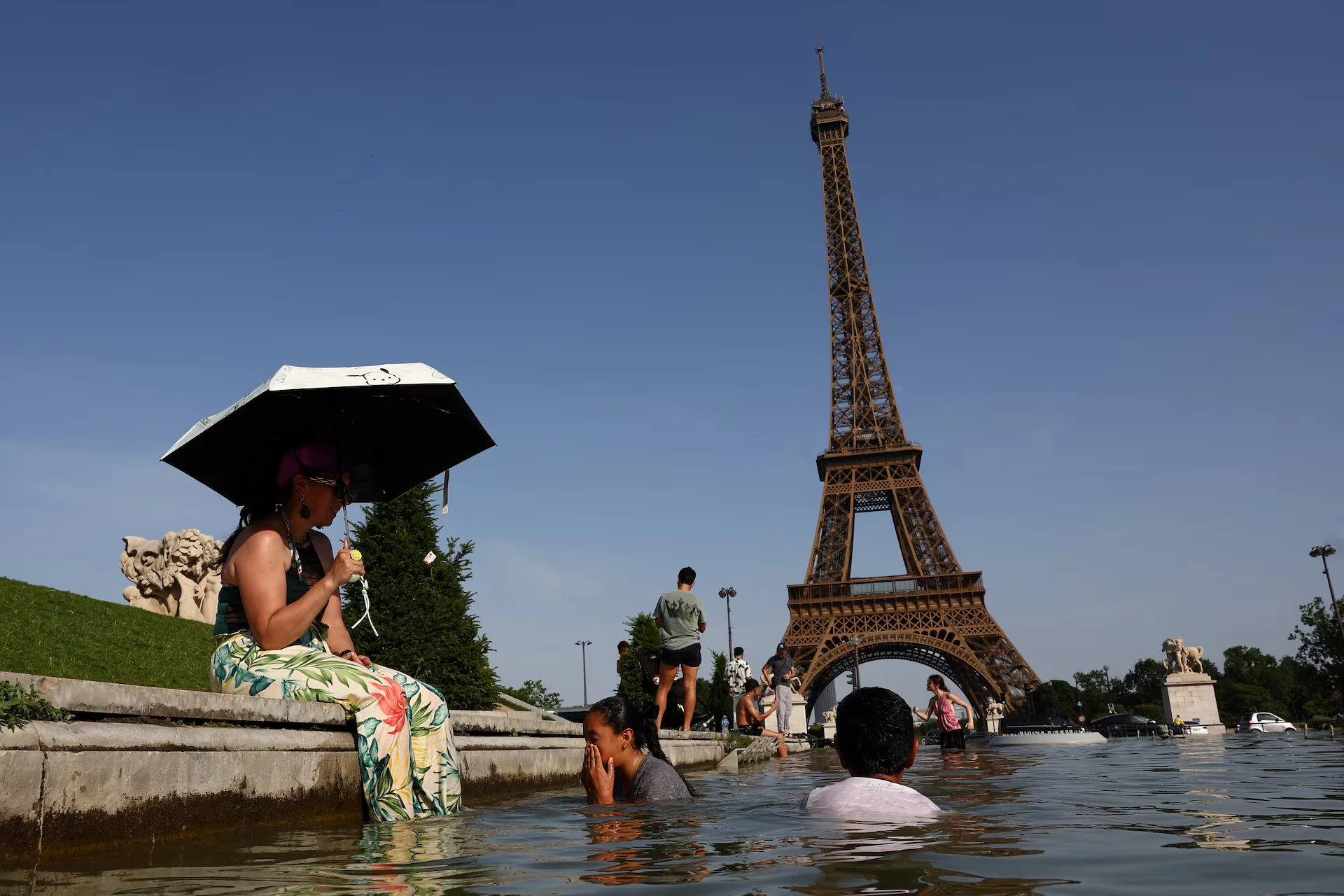
France saw another side of the same crisis. The heat was already accompanied by deaths, some linked to drownings. During such periods, people seek water as relief, but rivers, lakes and unsupervised swimming areas can quickly become spaces of additional risk.
At the French Open, the heat turned a tennis tournament into a public demonstration of the new climate reality. Spectators cooled themselves under water mist, players competed under heavier physical strain, and the tournament itself offered a reminder: even elite events with major budgets can no longer plan a season without climate risk.
Spain may be more familiar with extreme heat, but early heat carries its own anxiety there. When squares that normally stay lively into the evening empty out in May, the urban rhythm changes. People stop using open spaces, businesses lose active hours, and outdoor work becomes dangerous.
An old Spanish saying that winter clothes should not be put away until early June now sounds like a memory from another climate. Seasonal habits that once helped people orient themselves through the year no longer work with the same reliability.
Climate change often appears this way: not as a single catastrophic day, but as an accumulation of shifts. Spring begins to resemble summer, summer becomes an extreme state, night becomes an extension of daytime heat, and cities become traps for those without access to cooling.
The scientific conclusion has become increasingly difficult to dispute. Burning coal, oil and gas raises global temperatures, and a warmer atmosphere makes heat waves more frequent, longer and more intense. Europe, warming faster than many other regions, has become one of the clearest testing grounds for this reality.
But the climate crisis has long since stopped being only an environmental issue. It is now a question of public health, urban planning, labor law, transport, energy, insurance, education and social inequality. People who can work from home and switch on air conditioning experience heat differently from drivers, builders, couriers, older residents and those living in small flats.
European cities, with their stone architecture, dense construction and limited greenery, store heat. Asphalt, concrete and older buildings create urban heat islands, where temperatures in one neighborhood can be noticeably higher than outside the city. During heat waves, this is not an architectural detail. It is a mortality factor.
Schools are facing the same new reality. If heat arrives during the academic year or exam periods, administrators must loosen uniform rules, move classes, find cooler rooms and protect children, whose bodies regulate temperature less efficiently. Climate now enters the timetable without permission from ministries.
Transport systems are under equal pressure. Metro lines, commuter trains and buses designed for milder weather quickly become spaces of exhaustion in extreme heat. A delay in a stifling carriage is no longer merely an everyday inconvenience. It is a medical risk for passengers.
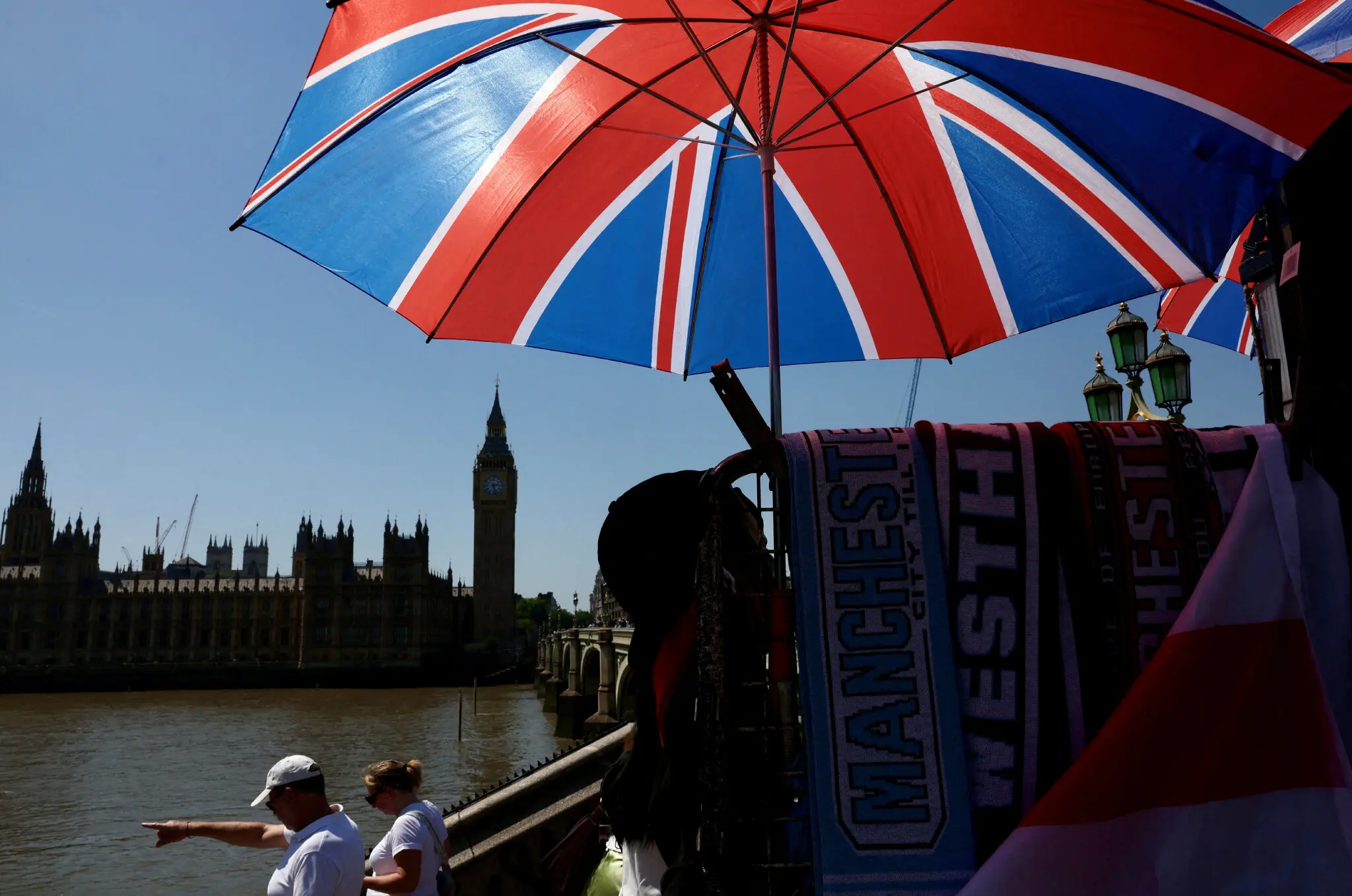 Туристи в Лондоні в понеділок — Кевін Кумбс
Energy systems feel the strain as well. The more households and offices rely on cooling, the higher electricity demand rises. If that electricity is generated from fossil fuels, society enters a vicious circle: cooling the consequences of warming can help feed the cause of warming itself.
Adaptation, however, cannot be reduced to air conditioning. Europe needs shade, trees, water spaces, reflective surfaces, cooling centers for vulnerable groups, early warnings, adjusted working hours, protection for outdoor workers and new building standards.
The early heat of 2026 is another sign that climate policy can no longer be treated as a postponed reform. It already determines whether hospitals can cope, whether children can study, whether public transport is safe and whether cities remain livable.
The May heat wave in Europe is not a random weather anomaly. It is part of a wider pattern in which the extreme gradually becomes recurring, and the recurring becomes normalized. That is the most dangerous part: societies learn to live with new records faster than they learn to protect themselves from them.
Europe is only entering summer. But the season has already begun with a warning: the climate future is not approaching slowly from beyond the horizon. It is standing in line at a pool, riding in a suffocating metro car, sitting on a sun-scorched stadium seat and forcing cities to reconsider the very idea of normal weather.


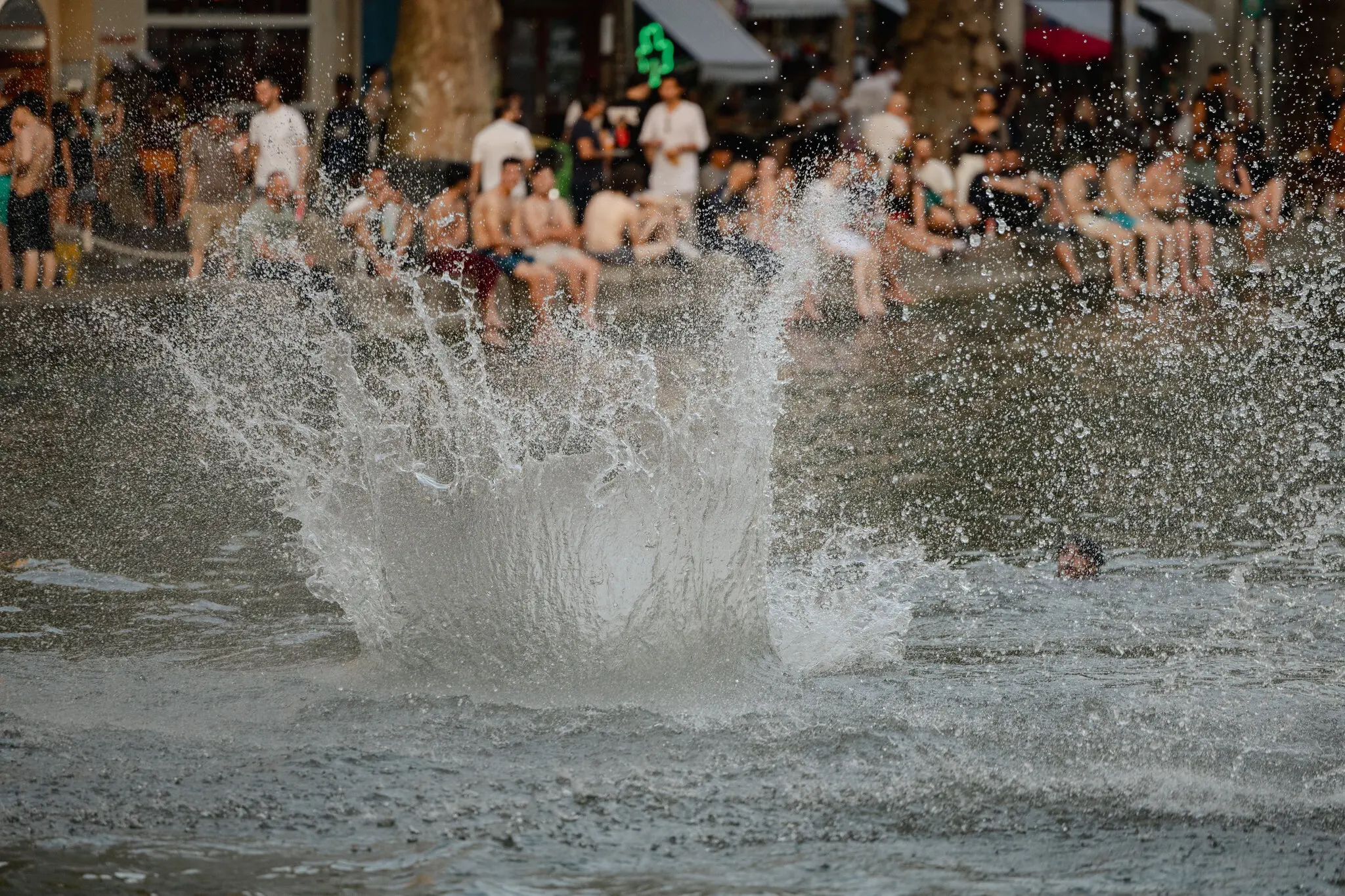
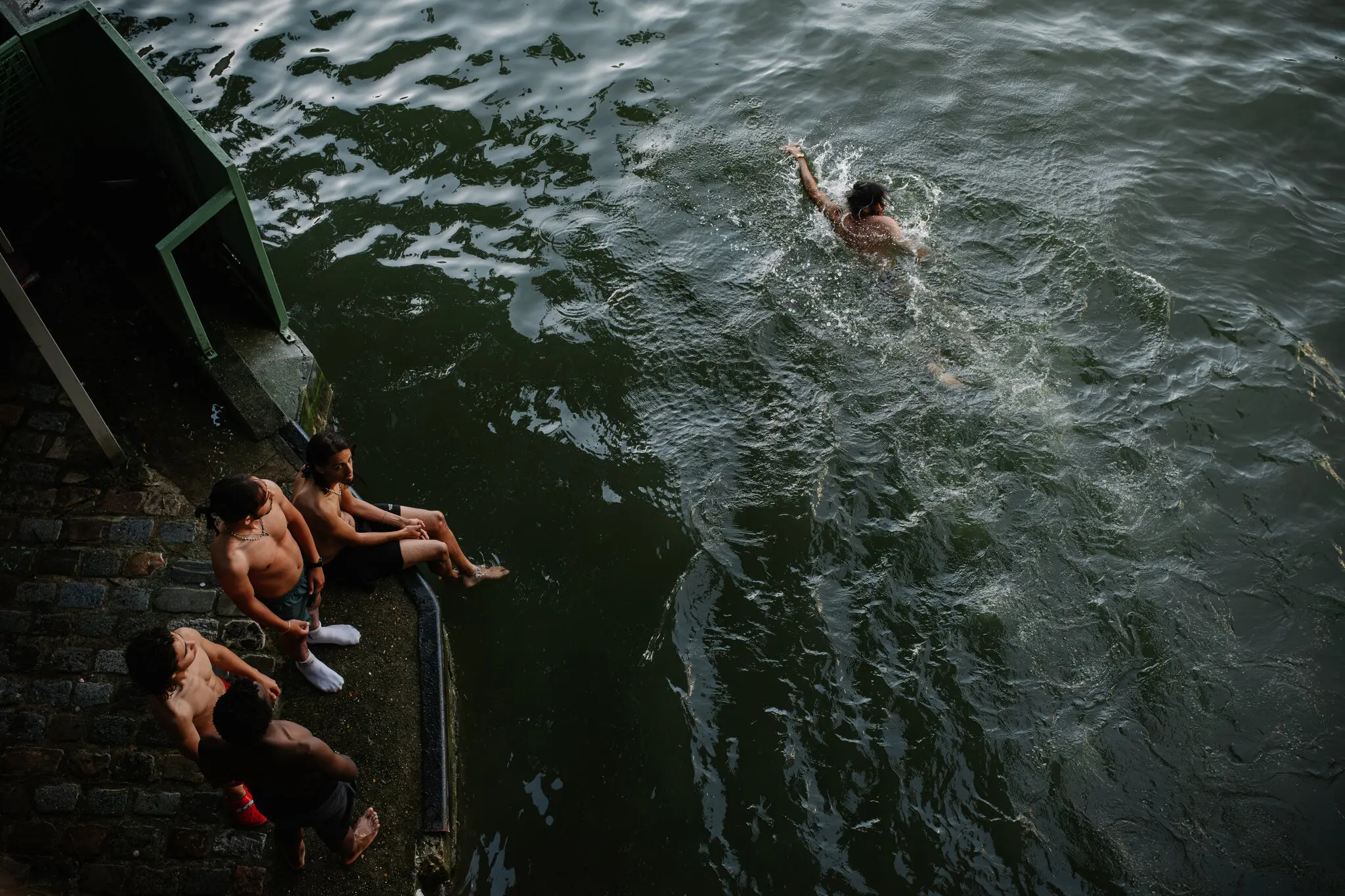 Купання в каналі Сен-Мартен у Парижі у вівторок — Самуель Буавен/NurPhoto
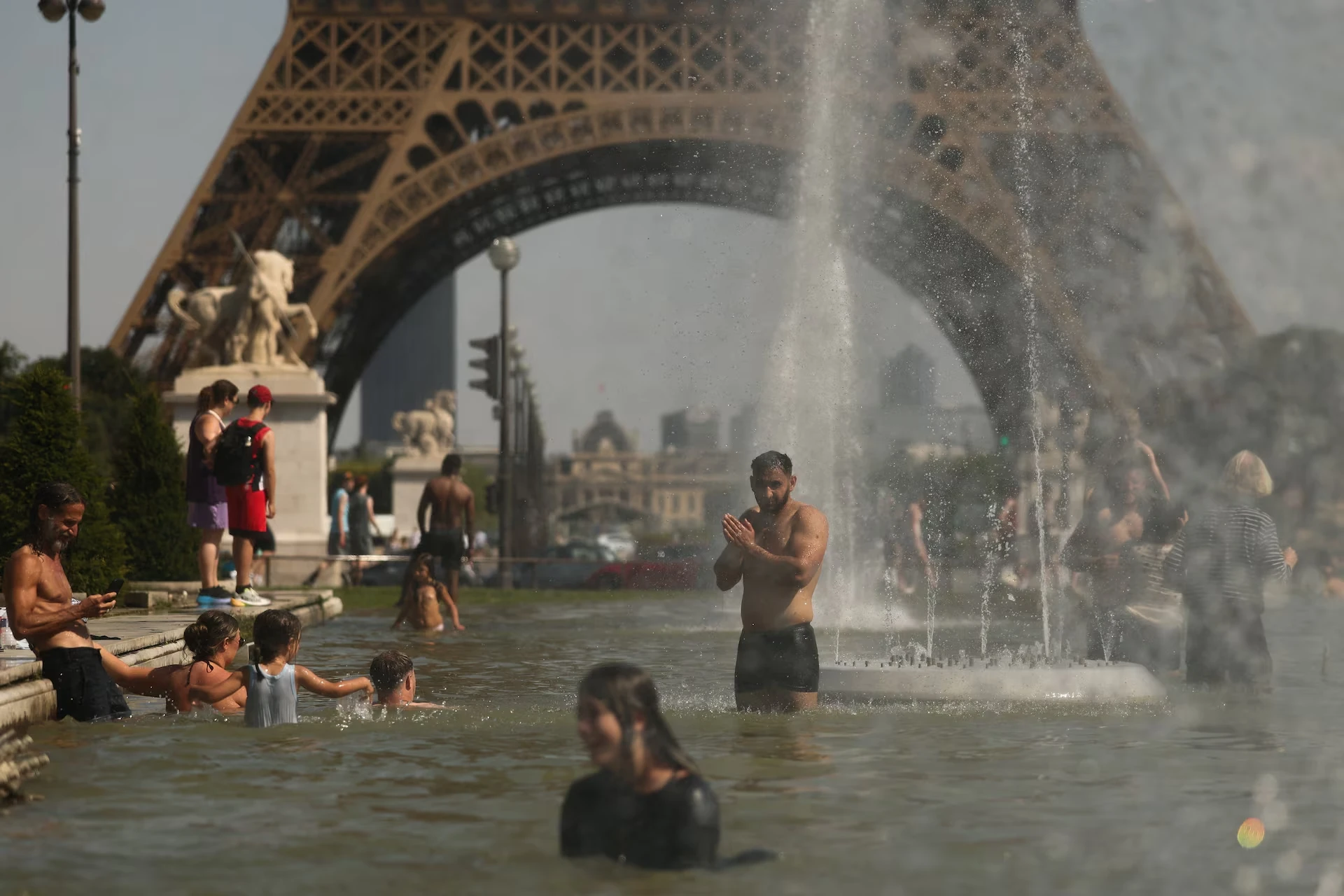 Люди охолоджуються у фонтані Трокадеро поблизу Ейфелевої вежі, оскільки температура підвищується під час спеки, яка охопила значну частину країни, у Парижі, Франція, 24 червня 2026 року — Гонсало Фуентес
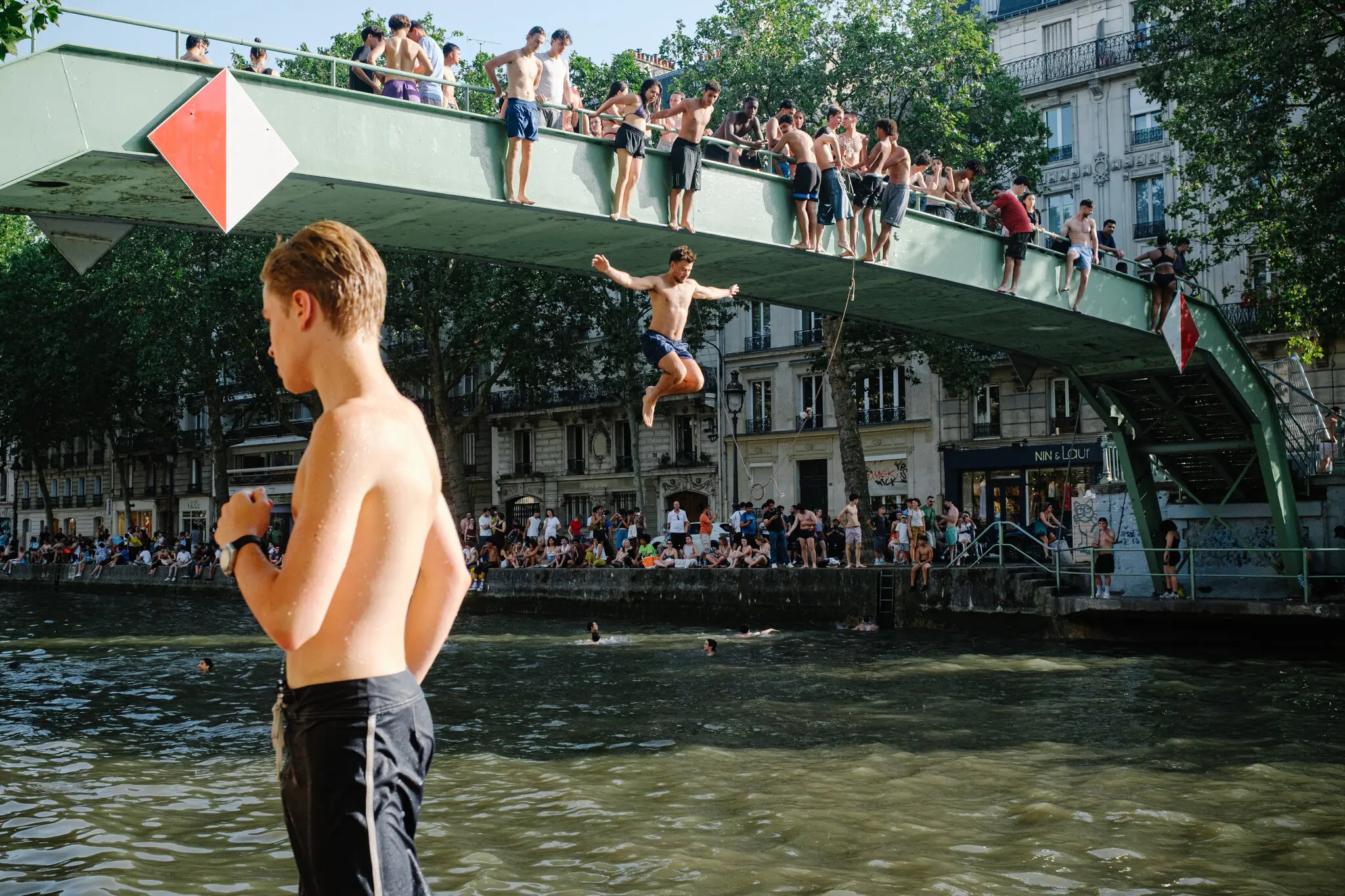 Плавці стрибають з мосту в канал Сен-Мартен. Район був переповнений парижанами, які намагалися охолодитися під час спеки — Самуель Буавен/NurPhoto
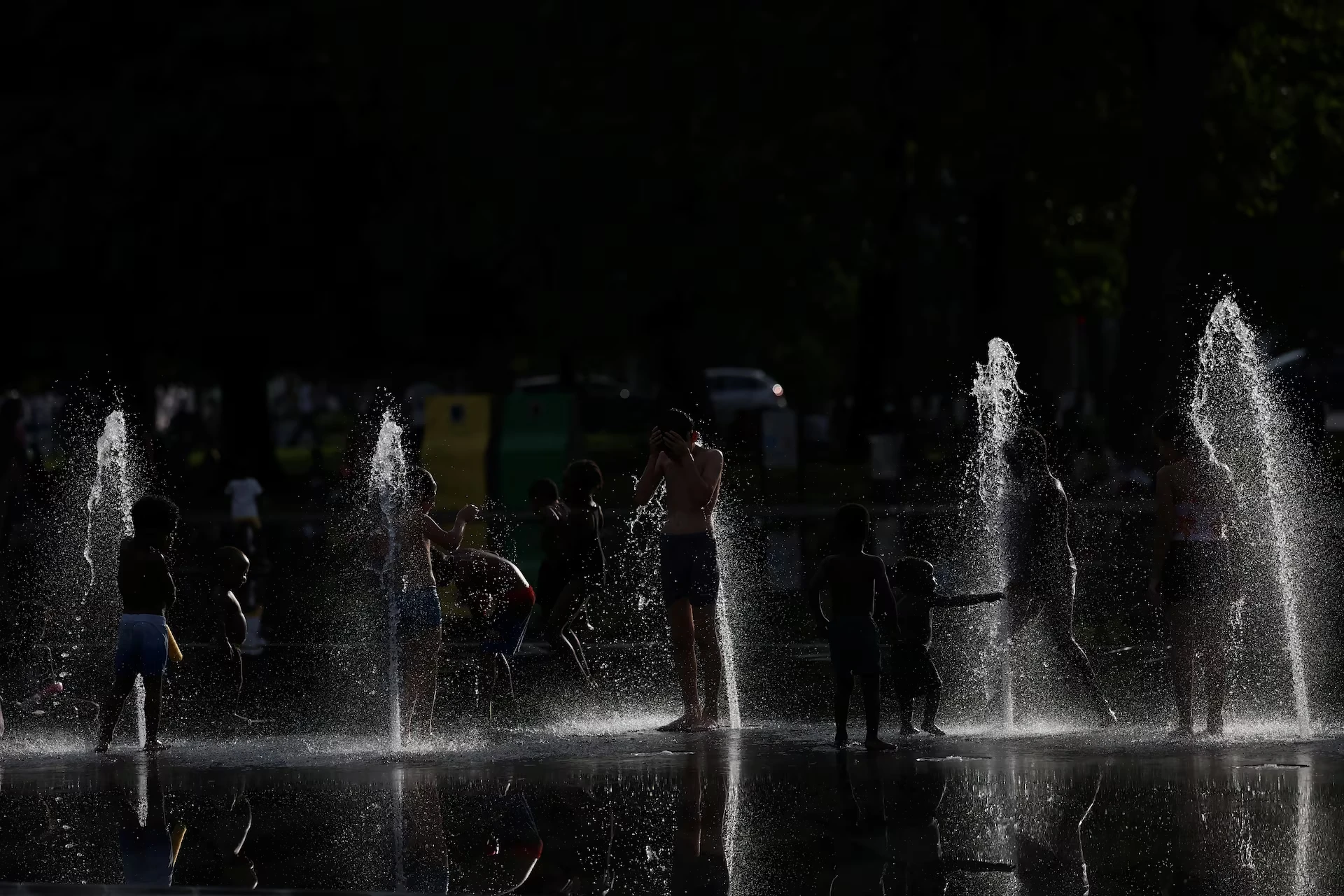 Діти охолоджуються у водних струменях біля Міруар д'О (Дзеркало води) в Нанті під час спеки, що охопила значну частину Франції, 24 червня 2026 року — Стефан Мае