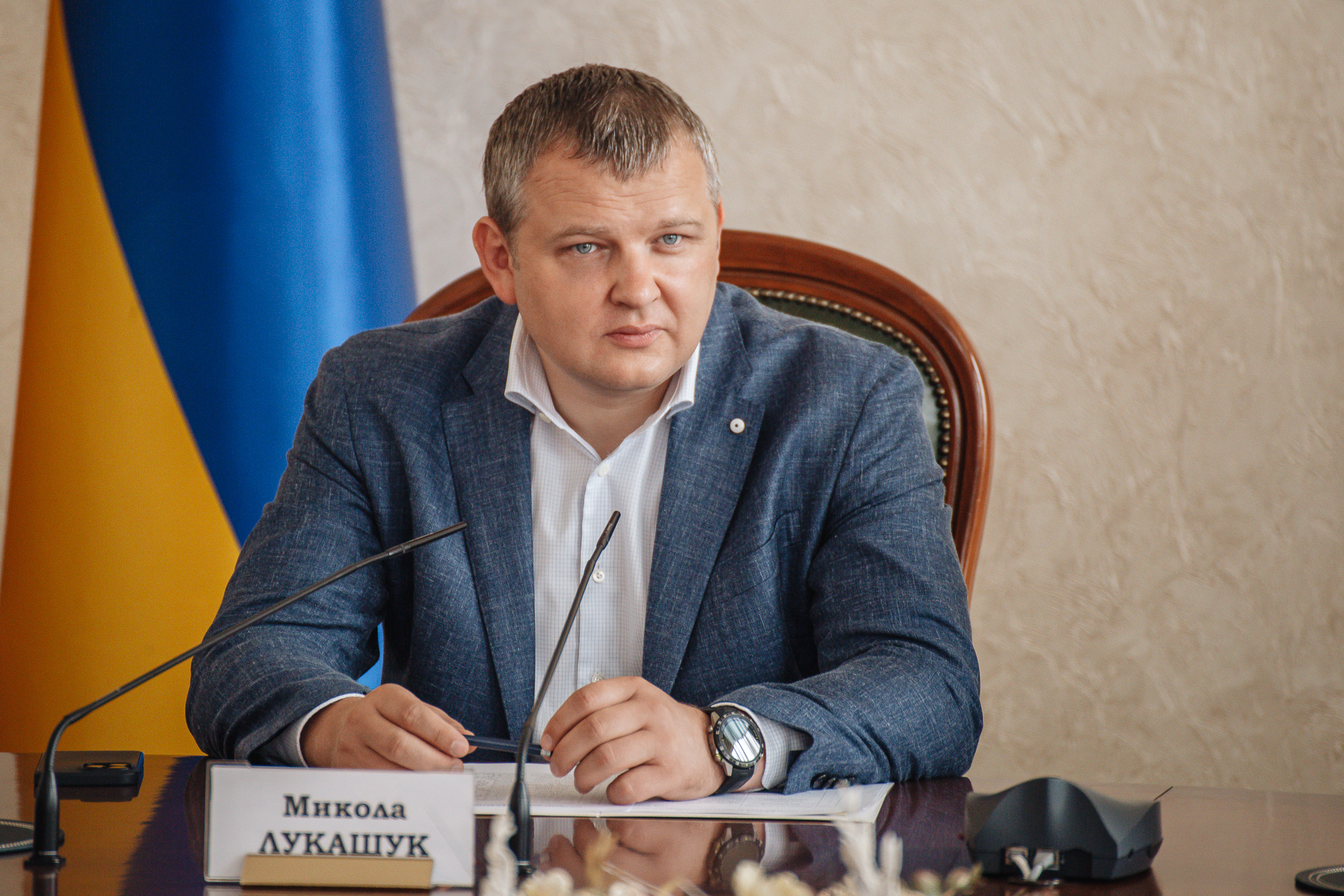
























On the evening of June 20, Volodymyr Zelensky addressed Ukrainians with a warning that, in this war, sounded less like a routine message than an instruction for survival. Russia had prepared a massive attack, he said, and the coming hours could be especially dangerous for cities across the country.
His appeal to pay close attention to air raid alerts came after a day in which Russian strikes again stretched the map of suffering from Ukraine’s southeast to its north and center. Zaporizhzhia, Sumy, Kherson region, Poltava — these were not separate episodes, but parts of one pressure campaign against the civilian rear.
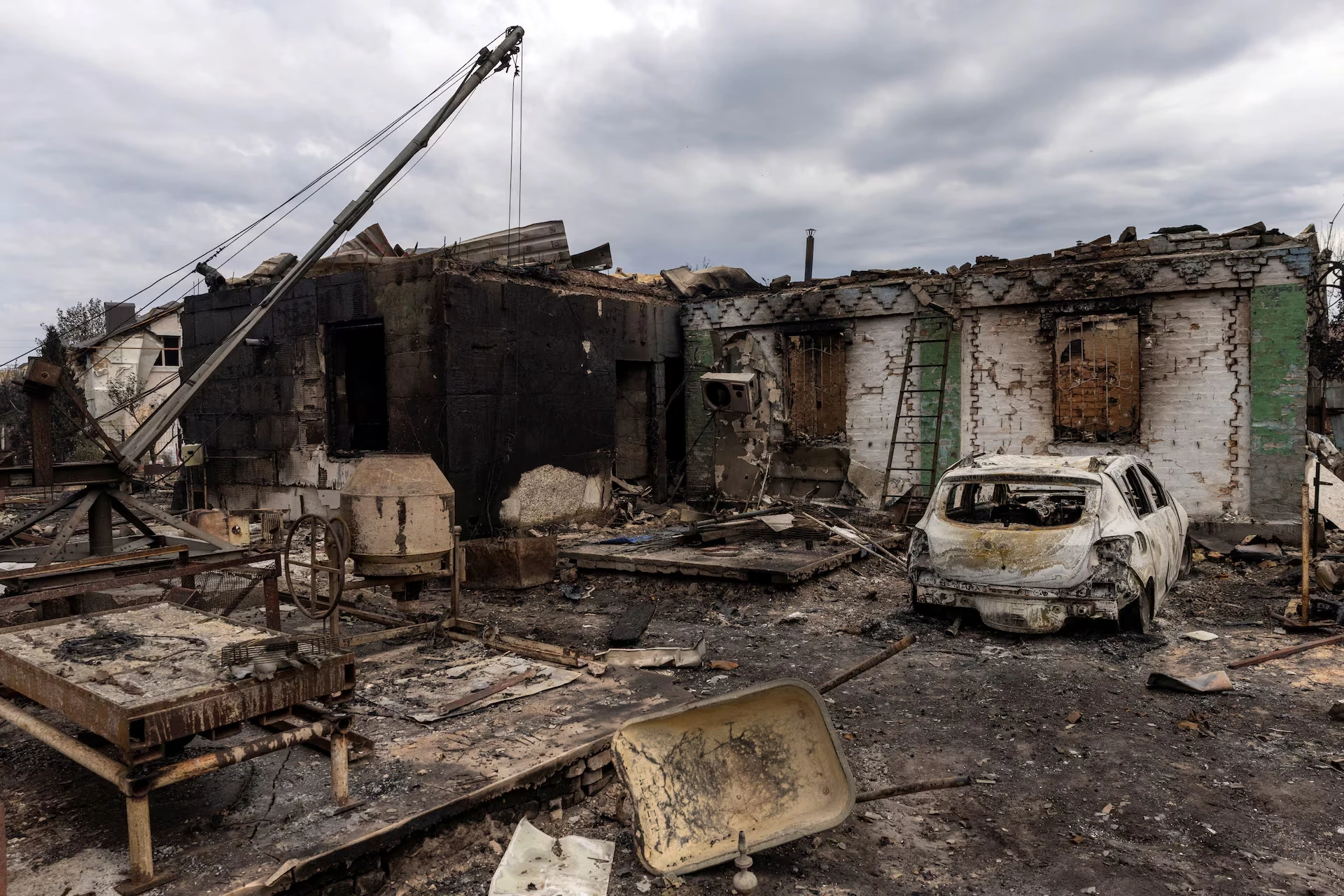
In Zaporizhzhia, Russian glide bombs struck the city nine times. Five people were killed, at least 10 were injured, and residential buildings and other infrastructure were damaged. Such attacks are especially dangerous for large cities: the destructive force is heavy, and the time to react is often minimal.
According to Daycom’s earlier analysis, the meaning of Zelensky’s warning lies not only in the risk of one night. Russia increasingly builds its attacks as sequences of exhaustion: regional strikes first, then the threat of a massive wave designed to overload air defenses, emergency services and public nerves.
On the outskirts of Sumy, a Russian bomb killed a civilian and damaged private homes. In the Kherson region, one person died in a drone attack on a village north of the regional capital. In Poltava, children were injured by Russian shelling.
That detail matters. Russia does not concentrate violence in one place. It stretches it across space, forcing the country to respond to explosions in different regions at the same time. The tactic has a military logic, but its main effect is civilian: people do not know which city will be next.
Kyiv has endured especially heavy attacks in recent weeks. One earlier wave killed people across the country and badly damaged the Kyiv-Pechersk Lavra, a monastery that is not only a religious landmark but also a cultural symbol of Ukraine. A strike on such a site sends a clear message: infrastructure is not the only target; memory is also under threat.
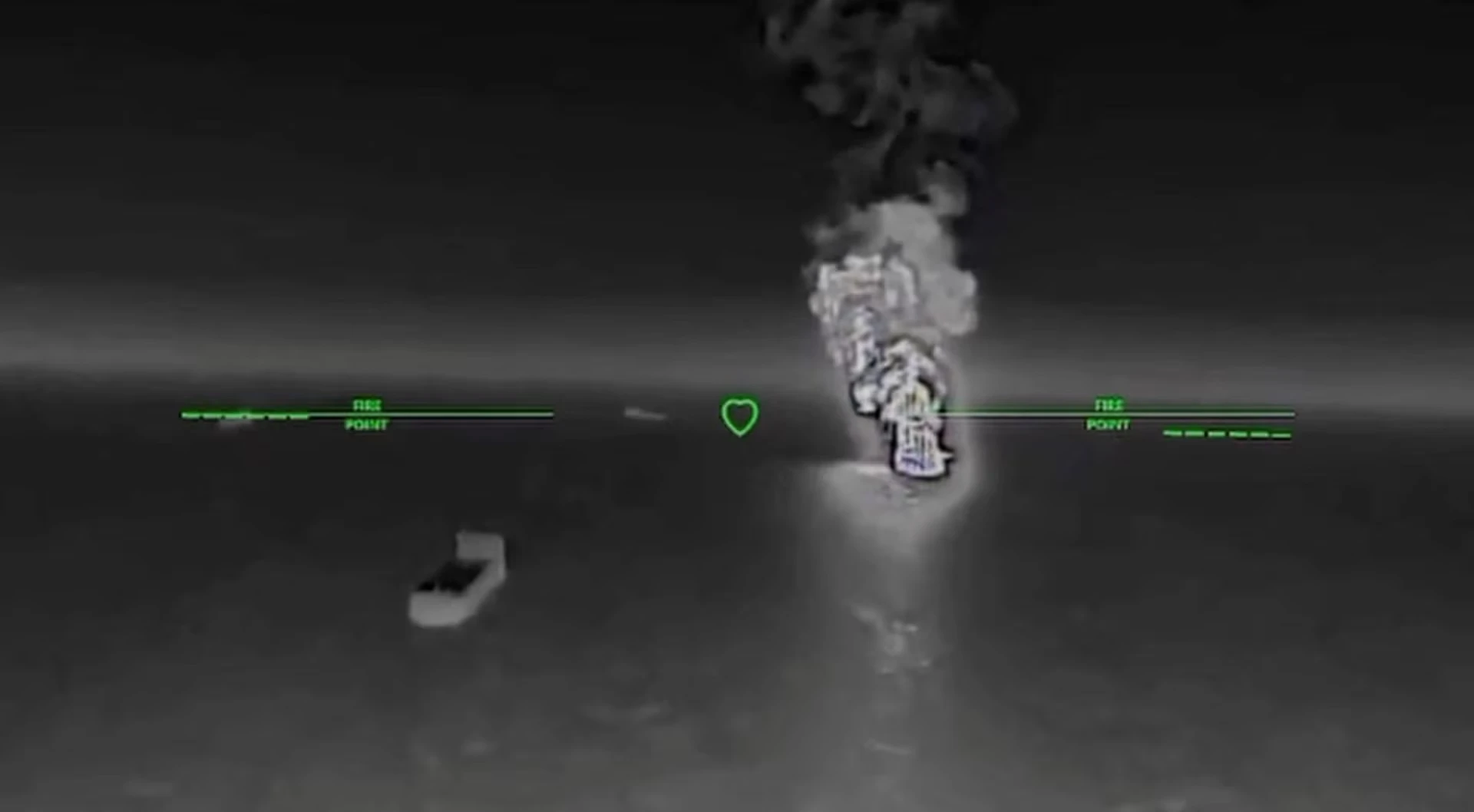
Zelensky’s warning came against another, increasingly visible line of the war — Ukraine’s campaign against Russia’s oil infrastructure. The president said Ukrainian drones had struck an oil refining facility in the Tyumen region, more than 2,000 kilometers from the Ukrainian border.
That fact carries strategic weight. Ukrainian long-range drones are taking the war deep into Russian territory, into places where the Kremlin long tried to preserve a sense of distance. Oil and fuel are not abstract economic assets. They are army logistics, budget revenue, aviation, transport and the capacity to sustain a long war.
The Tyumen strike followed attacks on the Moscow oil refinery, which Ukrainian drones hit twice in one week. For Moscow, this is a particularly sensitive zone: capital infrastructure carries symbolic importance, while the fuel sector remains one of the main resources of Russia’s war machine.
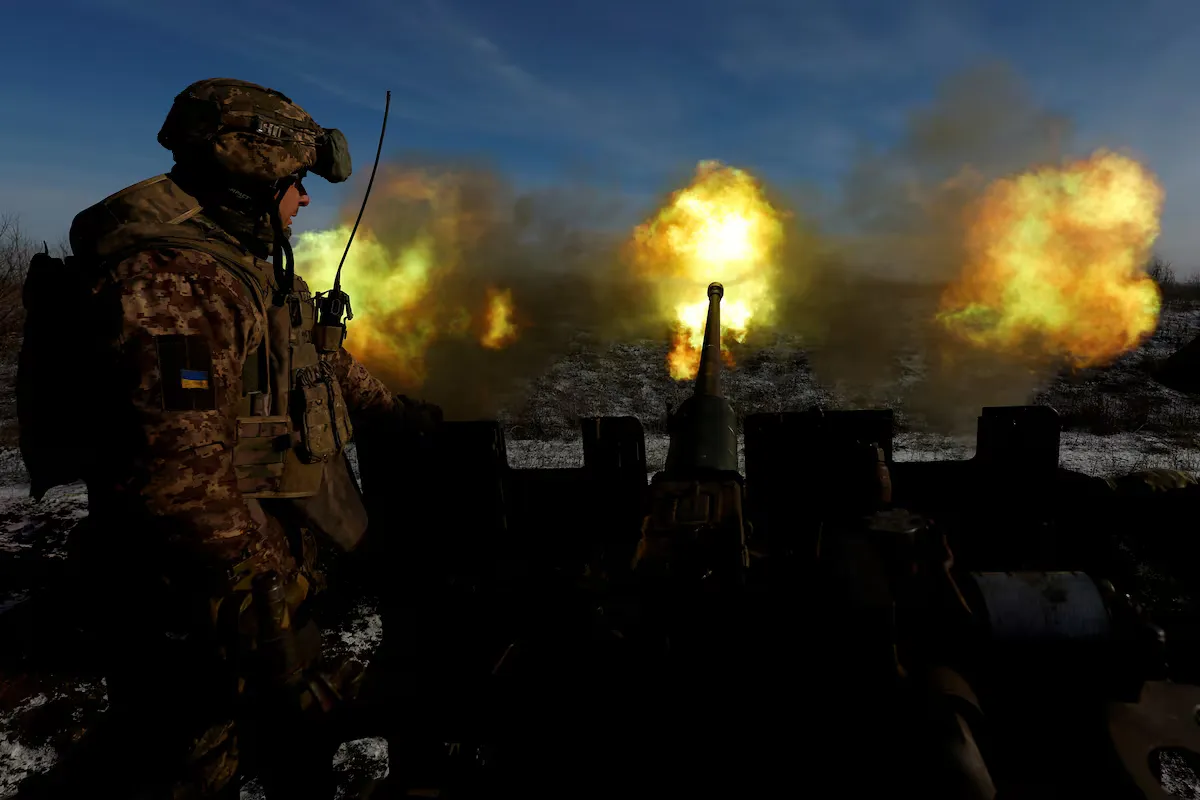
The current stage of the war increasingly resembles a clash between two strategies of pressure. Russia strikes Ukrainian cities, power grids, residential neighborhoods, cultural sites and civilian psychology. Ukraine responds against the resources that allow Russia to finance, supply and continue its aggression.
There is a fundamental difference between these strategies. Russian strikes on Zaporizhzhia, Sumy, Kherson region and Poltava kill people in homes, streets, villages and cities. Ukraine’s long-range attacks on refineries are aimed at infrastructure without which Russia’s war becomes more expensive and harder to sustain.
For Ukraine, the hours after such a warning are not an abstract period of waiting. They mean charged phones, open air alert maps, checked shelters, water, documents, medicine and the readiness to wake up to a siren without losing precious seconds. The war has made discipline part of safety.
For the state, the challenge is broader. Ukraine must strengthen air defense, protect energy infrastructure, rescue people after strikes and retain the ability to hit the war economy that keeps Russia’s aggression moving. Every massive attack is not only a test of air defense, but a test of national resilience.
The president’s warning carries another meaning: it breaks the illusion of an ordinary evening. Russia’s war relies not only on missiles and drones, but also on the attempt to dull reaction and turn danger into background noise. That is why attention to alerts is not a household tip, but a civic practice of survival.
Ukraine enters another dangerous night with the experience of a country that has learned to live under threat but has no right to grow used to death. A massive attack may be Russia’s attempt to demonstrate force again. Ukraine’s answer is becoming clearer: protect the cities, strike the sources of aggression and refuse to let fear become the enemy’s main weapon.