

















Volodymyr Zelensky now faces a decision whose consequences extend far beyond the fate of a single general. After the dismissal of Defence Minister Mykhailo Fedorov, street protests, public statements from commanders and growing anger inside the armed forces have converged on one demand: the president must decide the future of Commander-in-Chief Oleksandr Syrskyi.
Zelensky has acknowledged the pressure. After meeting Fedorov, Syrskyi and senior field commanders, he said that decisions concerning the military would be developed. The formulation preserved room for manoeuvre, but it also confirmed that the conflict could no longer be contained within the chain of command.
On the surface, this is a personnel crisis. At its core, it is a struggle over what kind of army Ukraine should become after four and a half years of full-scale war: a centralised system built around orders, or a network of more autonomous units in which data, drones and speed of adaptation matter as much as rank.
As Daycom has previously argued, Zelensky is no longer choosing simply between Fedorov and Syrskyi. He is deciding whether the presidential system is prepared to move away from a model in which loyalty and controllability can outweigh competition among commanders, independent assessment of results and the right to report unwelcome truths.
Fedorov made public what had previously remained an internal dispute. After his dismissal, he accused the senior military leadership of obstructing reform, resisting data-driven management and preserving a system unable to move at the pace of technological warfare.
The reaction was so intense because Fedorov represented more than the digital transformation of the Defence Ministry. For drone operators, engineers, junior officers and the volunteer community, he became the political voice of an army that had grown from the bottom up after 2022.
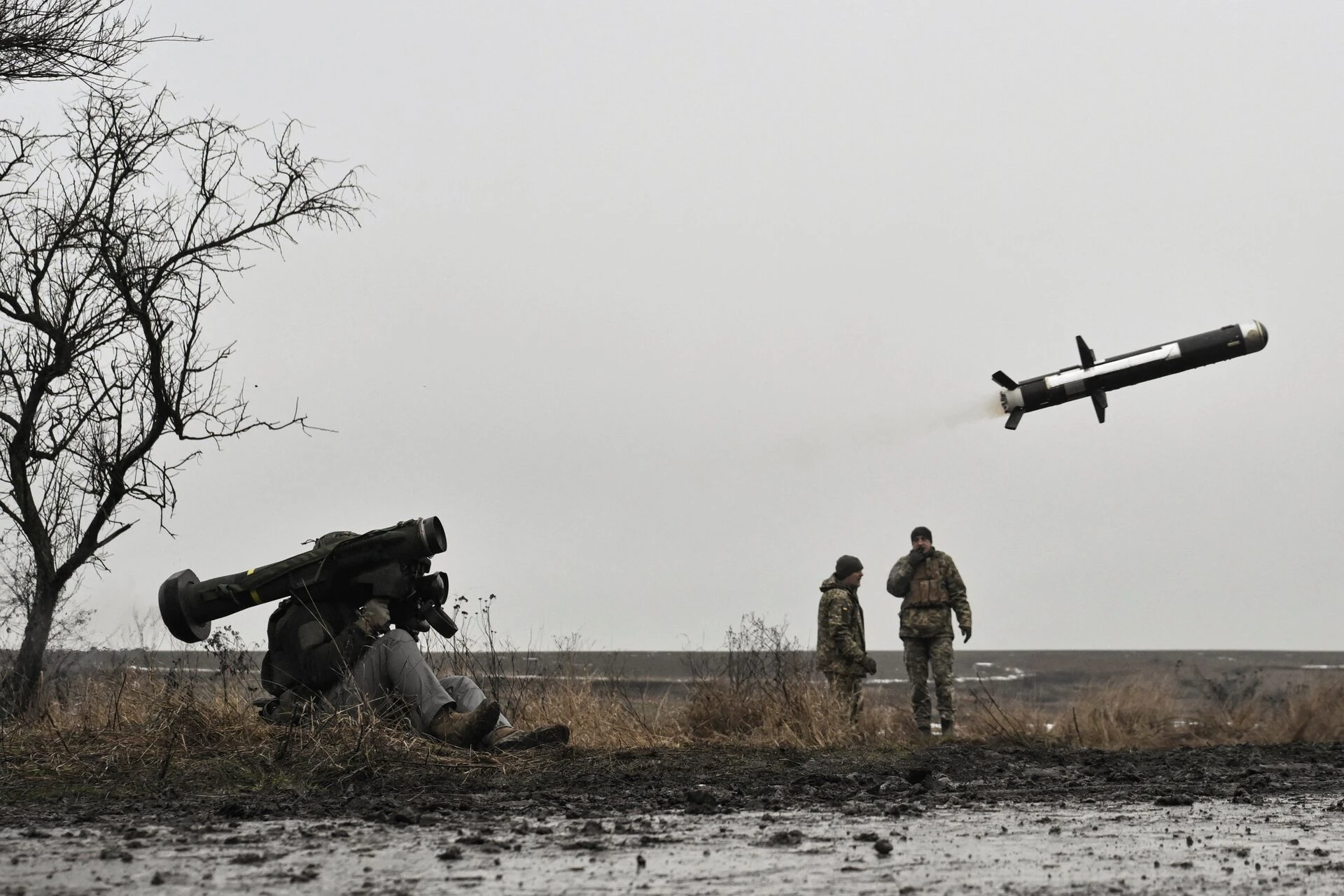
That army learned to change software, frequencies, munitions and tactics at extraordinary speed. Its advantage rests on shortening the cycle between identifying a problem and deploying a solution. A traditional hierarchy works differently: information moves through several levels, decisions are centralised and responsibility is dispersed across headquarters.
Syrskyi cannot be reduced to a caricature of the old guard. He played an important role in the defence of Kyiv and the 2022 Kharkiv counteroffensive, knows the front and commands a vast army under severe shortages of personnel, ammunition and air defence. His supporters are right to note that technological experimentation cannot replace discipline or operational planning.
Professional experience, however, is no longer enough to preserve trust. Many soldiers view Syrskyi as a commander inclined toward rigid centralisation, closed personnel networks and operations in which symbolic success can appear more important than military necessity.
Particularly damaging is the belief that subordinate commanders must think more about the reaction of their superiors than about the realities of the battlefield. Senior officers have increasingly warned that fear of punishment is stripping the armed forces of flexibility, honesty and command initiative—the qualities that helped Ukraine survive in 2022.
In a war saturated with drones, such a culture is especially destructive. The battlefield can change within hours: a route safe in the morning may be under constant surveillance by evening; a shelter becomes useless after the arrival of a new sensor; an effective tactic is quickly copied by the enemy.
Truth from below therefore becomes a strategic resource. When headquarters receive embellished reports, they do not merely misjudge casualties or positions. They continue repeating decisions that have already stopped working, spending lives where different units, different equipment or the cancellation of an operation may be required.
This is the central demand of the reform camp. It is not asking for uncontrolled freedom for every brigade, but for a system in which results can be measured, failure can be acknowledged and effective commanders can advance regardless of their personal relationship with the General Staff.
The protests following Fedorov’s dismissal showed that this demand has moved beyond the military. For many demonstrators, the decision suggested that the state was protecting institutional comfort from those trying to change it during wartime.
The danger for Zelensky is not simply a decline in popularity. Wartime presidential legitimacy rests on the belief that internal decisions are subordinate to victory. Once society begins to suspect another motive—political control, fear of competition or protection of loyalists—unity begins to weaken.
Yet removing Syrskyi immediately would not guarantee a solution. If his successor inherits the same rules, personnel mechanisms and dependence on the presidential office, replacing one name with another will only postpone the next confrontation.
A drone-unit commander captured the essential question: will a new commander be allowed to bring in a team and exercise real authority? Without that freedom, any rotation will remain political theatre, while military reform will amount to a collection of technological projects without a change in command culture.
Mykhailo Drapatyi is among those discussed as a possible successor. He is a combat general with support among parts of the military and has spoken openly about the need to confront problems. Yet even a popular commander would face the same machinery of approvals, personal loyalty and blurred accountability.
Zelensky may seek a compromise: retain Syrskyi while creating a separate military transformation centre, return Fedorov to a technology-focused role or expand the autonomy of corps commanders. Such an arrangement could reduce political pressure, but it could also create a new dual power structure between operational command and reformers.
The alternative would be to replace the commander-in-chief while undertaking a broader restructuring of the General Staff. That reform would need to address promotions, operational reviews, drone allocation, infantry training, casualty reporting and protections for officers who deliver honest assessments.
Without mobilisation reform, even the strongest technological model will remain incomplete. Drones can reduce the need for manpower in particular sectors, but they cannot hold an entire front alone. Ukraine needs a system that does more than fill depleted units: it must train soldiers, preserve combat experience and avoid wasting recruits in poorly designed operations.
The conflict is unfolding against the backdrop of visible success in Ukraine’s long-range campaign. Strikes on Russian logistics, warehouses, oil facilities and drone-production components show that a technology-led strategy can already affect the enemy’s deep rear.
Yet the success of unmanned warfare has intensified the dispute. It creates the temptation to treat technology as a universal answer, even though the front still depends on infantry, fortifications, logistics and artillery. The leadership’s task is not to choose one army over another, but to combine their strengths.
Zelensky must act quickly, but not impulsively. Delay strengthens the impression that he is shielding Syrskyi. A rushed dismissal without a clear explanation of what comes next would suggest that military appointments are being made under street pressure rather than through a coherent defence policy.
The decisive issue will therefore not be the name of the next appointee, but the mandate attached to the position. Who will control military transformation? How will commanders be evaluated? How much autonomy will corps receive? Will they be able to reject an operation when its likely cost exceeds its strategic value?
Ukraine cannot afford to fight the Russian way on a smaller scale. Its advantage lies in learning faster, applying force more precisely, preserving technological superiority and maintaining trust between commanders and subordinates. When any one of these elements breaks down, Russia’s numerical advantage becomes far more powerful.
Zelensky must now show that he has heard not only the protests, but the substance of the anger behind them. Removing Syrskyi could mark the beginning of reform—or become a way to avoid it. Keeping him could preserve stability—or entrench a system that growing numbers of soldiers consider unfit for the war Ukraine is now fighting.
The president will make the personnel decision alone. But the answer to the larger question no longer depends on one individual: can the Ukrainian military become an institution capable of recognising its mistakes faster than Russia can exploit them?