


















During 1,183 days in Russian captivity, Khuan Alberto Leyva Garcia says he endured beatings, electric shocks, exhausting physical drills in freezing conditions and sexual abuse. After his release, he described the experience not as a series of isolated acts, but as a sustained effort to break a person physically and psychologically.
The Ukrainian serviceman said two of his fellow prisoners did not survive detention in the Donetsk region. Captives were kept in overcrowded facilities where dysentery spread, food was scarce and medical care was inadequate. Garcia said guards singled him out because of his Latino surname, calling him a mercenary and an American spy.
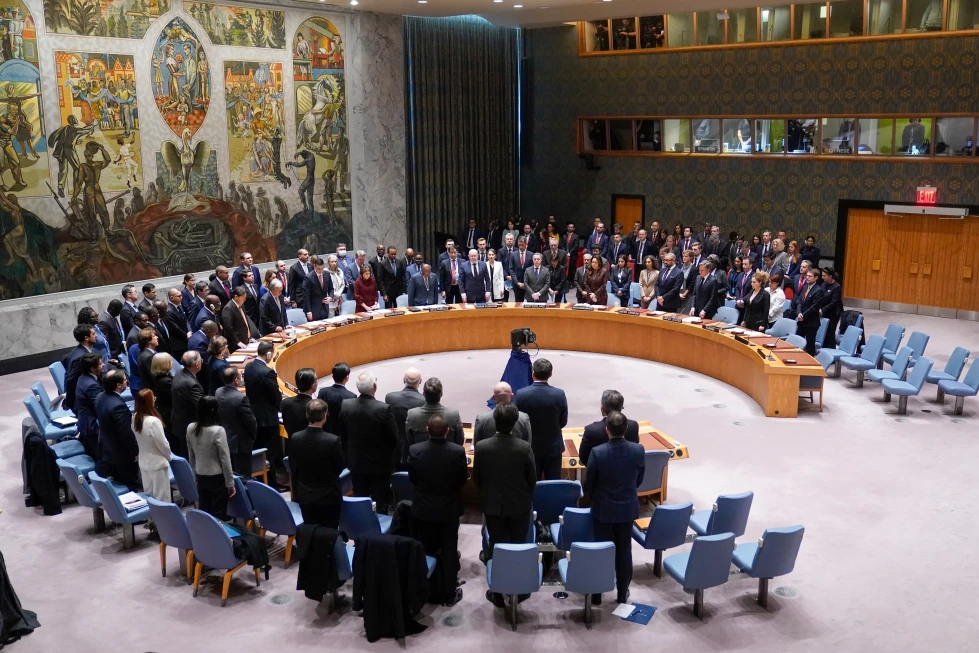
His testimony was presented on August 10 at an informal meeting of the UN Security Council alongside accounts from other former detainees and Ukrainian officials. What emerges from these stories is not simply the brutality of individual guards, but a recurring set of practices reported across different detention sites.
As Daycom has previously assessed, that repetition is central to understanding the scale of the problem. Beatings, electric shocks, sexualized violence, humiliation, starvation and denial of medical treatment recur in accounts from people detained in different facilities and captured under very different circumstances.
Crimean Tatar activist Leniie Umerova, released in a prisoner exchange in 2024, was detained while trying to reach Crimea to visit her seriously ill father. During her imprisonment, she was transferred through seven detention facilities. She later described the experience as a “carousel of repression.”
Her case illustrates another dimension of Russian detention: the system affects not only Ukrainian prisoners of war, but civilians as well. Their whereabouts are often harder to trace and their legal status more difficult to establish, particularly when they are held for long periods without meaningful contact with the outside world.
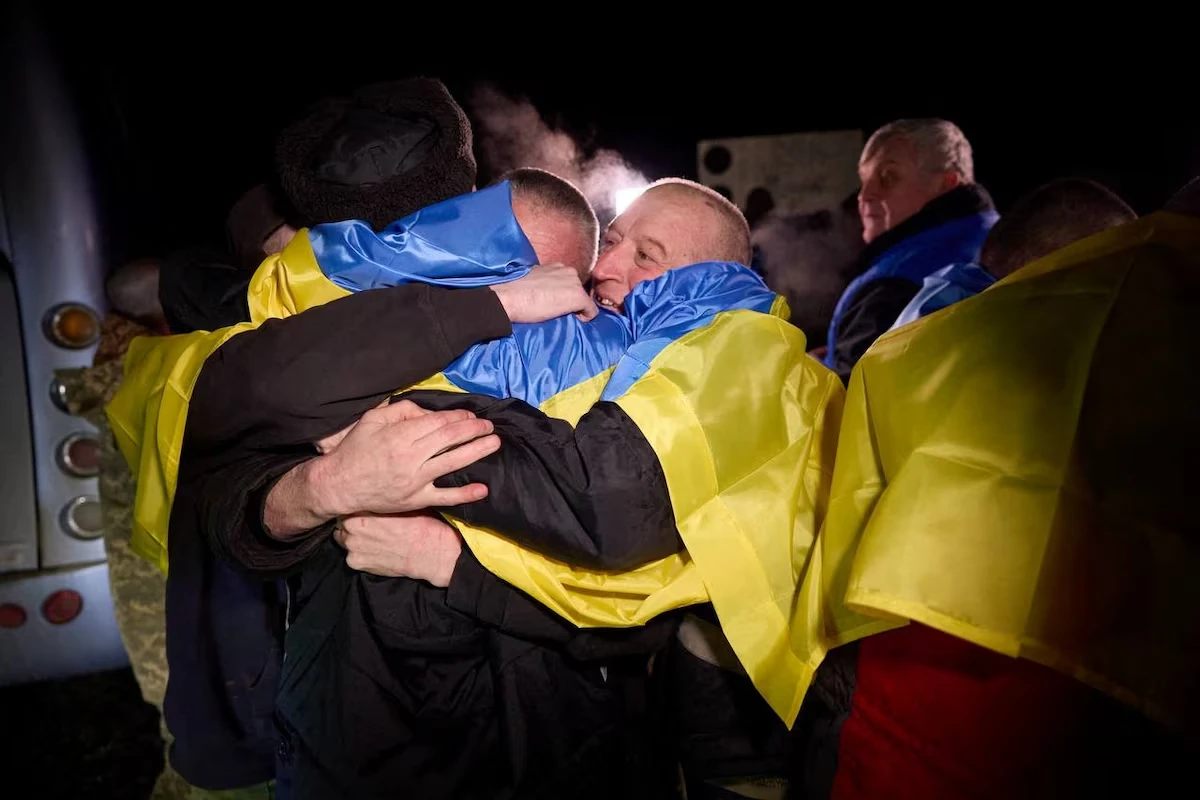
Ukraine’s Coordination Headquarters for the Treatment of Prisoners of War has identified more than 300 detention sites in Russia and Russian-occupied Ukrainian territory. More than 9,000 Ukrainians have been returned through prisoner exchanges, while thousands remain in captivity.
That geography matters. Transfers between penal colonies, detention centers and other facilities make prisoners more difficult to track. For families, this can mean months or years without reliable information. For international monitoring mechanisms, it creates serious obstacles to assessing conditions of detention.
A Scale Documented by the UN
Monitoring by the Office of the UN High Commissioner for Human Rights provides the starkest measure of the abuse. More than 95% of interviewed Ukrainian prisoners of war reported torture or other forms of ill-treatment while in Russian custody.
More than half also reported sexual violence. The documented forms include rape, gang rape, beatings while naked, blows to the genitals, electric shocks applied to the genitals and nipples, and other forms of degrading sexualized treatment.
Former prisoners have also described severe beatings with batons, heavy belts and wooden objects, dog attacks, mock executions and electric shocks. Other recurring methods include physical exhaustion, forced exercise in freezing temperatures, sleep deprivation, hunger and denial of medical care.
Since the beginning of Russia’s full-scale invasion, the UN has documented the execution of at least 129 Ukrainian prisoners of war during the initial stages of captivity. Another 48 died in detention as a result of torture, lack of medical treatment or other inhumane conditions.
The legal significance extends beyond the number of individual cases. The Geneva Conventions require humane treatment of prisoners of war under all circumstances, while torture, sexual violence and the deliberate killing of prisoners can constitute war crimes.
Russia has rejected the allegations, describing them as disinformation and accusing Ukraine of mistreating Russian prisoners of war. Those denials do not resolve the central issue raised by the documented evidence: the frequency, repetition and consistency of abuses reported by former Ukrainian detainees.
The UN has also recorded torture and ill-treatment involving Russian and third-country prisoners of war held by Ukraine. Around half of those interviewed reported abuse, particularly during the initial stages of captivity. The scale, however, has been assessed as fundamentally different.
That distinction is important. Violations of international humanitarian law remain violations regardless of who commits them. But comparison cannot become automatic equivalence when the documented frequency, duration and nature of abuse differ substantially.
Captivity as an Instrument of Pressure
One theme runs repeatedly through Ukrainian testimonies: violence was intended not only to cause pain, but to strip prisoners of control over their own bodies and lives. That helps explain why beatings were often combined with sexual abuse, humiliation, mock executions and prolonged uncertainty.
In this sense, captivity becomes a distinct battlefield of the war. Its effects do not end on the day of a prisoner exchange. Many former detainees return with severe physical injuries, psychological trauma and a need for long-term rehabilitation, creating consequences that extend far beyond the prison system itself.
The situation is even more opaque for civilian detainees. Prisoners of war at least formally fall under a clearly defined framework of international humanitarian law. Civilians can disappear between occupied territories, Russian pre-trial detention centers and penal colonies while their families spend months or years without confirmed information.
That is why prisoner exchanges address only part of the problem. Bringing people home remains the most immediate priority, but another process is unfolding at the same time: the accumulation of testimonies, medical records and documentation that could eventually underpin legal accountability for torture and other war crimes.
Garcia’s account makes the human cost of time in captivity especially clear. His 1,183 days in detention amounted to more than three years in which abuse could become an everyday condition. He survived. Others, he said, were beaten to death before they ever had the chance to tell their own stories.
The issue of Ukrainian prisoners has therefore moved far beyond negotiations over the next exchange. It now concerns a detention system whose practices are being documented internationally, and the thousands of people who remain inside it.
Their return is an urgent objective. Equally important is ensuring that what they endured does not remain only private memory, but becomes part of the evidentiary record of the war — with names, locations, chains of command and, ultimately, accountability.