

















The death of a man wounded in Saturday’s shooting in Kyiv has raised the toll to seven and pushed the incident beyond the category of a shocking crime into that of a broader civic trauma. What happened in Holosiivskyi district can no longer be treated as an isolated eruption of violence. It now forces a much wider reckoning — over police readiness, firearms control, and the psychological limits of a society living through its fourth year of war.
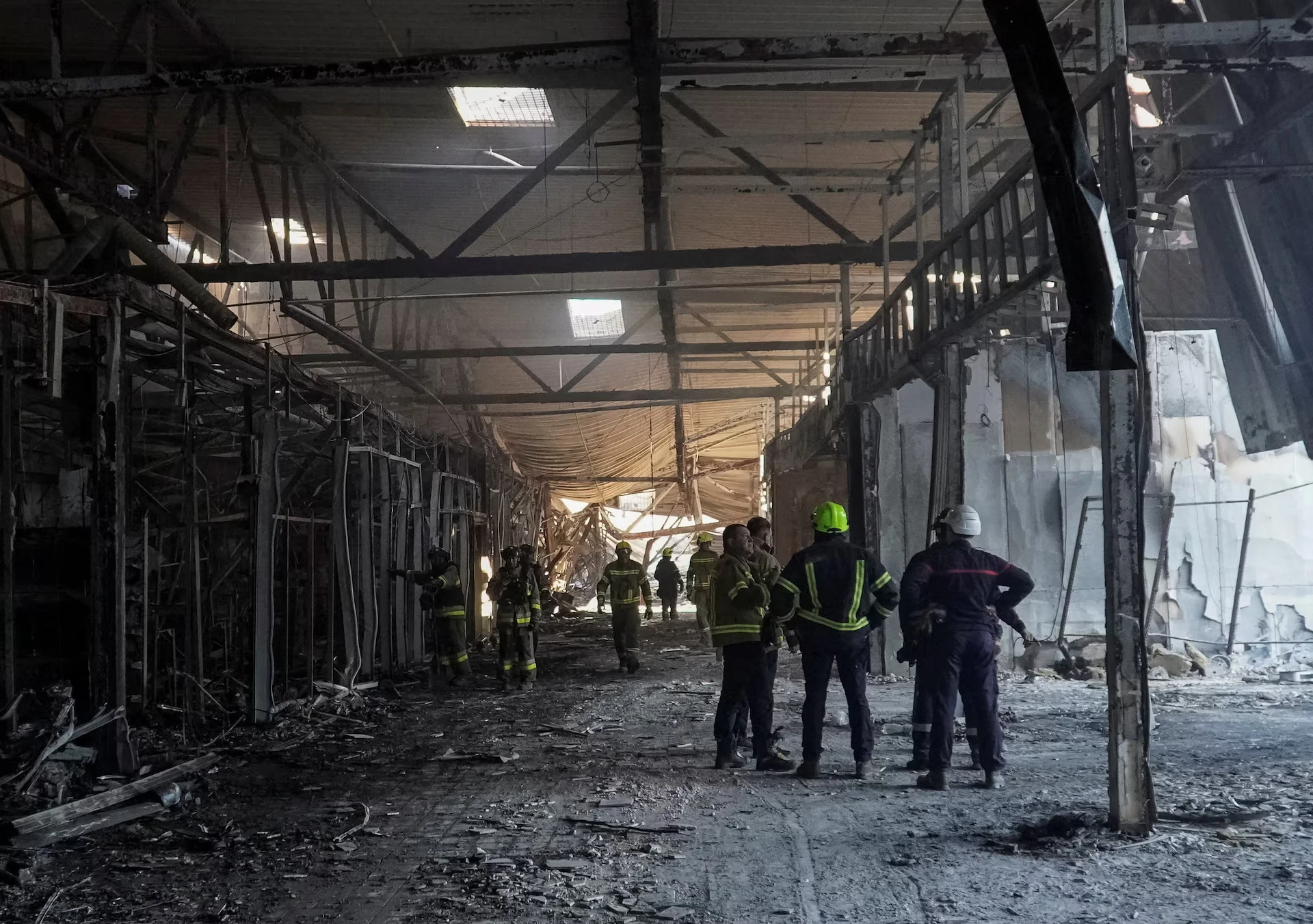
The nature of the attack makes it especially jarring for Ukraine. An armed man opened fire on passersby with an automatic weapon, then barricaded himself inside a supermarket with hostages before being killed by police. In a country where the dominant source of mass violence has long been the battlefield rather than the city street, such a scene feels almost like the intrusion of a different kind of threat — internal, chaotic and uncontrolled.
What makes the story even more troubling is not only the shooting itself, but what emerged afterward. According to the prosecutor general, patrol officers called to the scene neither stopped the gunman nor assisted the wounded, but effectively left the area. If that account is fully borne out, this is no longer merely a case of failure under pressure. It becomes a rupture in the most basic civic contract: that an armed state must act where unarmed citizens cannot defend themselves.
According to Daycom’s earlier analysis, that is the detail that makes the Kyiv shooting politically and morally heavier than a typical criminal episode. The focus shifts from the attacker alone to the institution that was supposed to contain the tragedy. When officers with weapons and legal authority fail to intervene, the question does not stop with individual conduct. It extends to training, command structure, institutional culture and the real capacity of the state to act in the seconds that matter most.
That is why the notices of suspicion issued to two police officers matter beyond procedure. They are an attempt to show that inaction during an episode of mass violence may itself carry criminal responsibility. But that will not be enough if the case ends with the punishment of two individuals. The public has already seen something deeper: even in the capital, even in an ordinary urban setting, even with a patrol present, the chain of protection can suddenly break apart.
This opens the most uncomfortable but necessary conversation — about the condition of state capacity in wartime rear areas. Ukraine has spent years adapting to extraordinary danger, but that adaptation has a cost. Institutions operate under strain, society lives under chronic pressure, and the baseline sense of security has already shifted. In such an environment, what appears to be an isolated breakdown may instead reveal the accumulated fatigue of the system itself.
The question of weapons is equally difficult. The interior minister has already said the attack has reignited debate both about the public’s right to self-defense and about how the shooter was able to obtain a firearms permit in the first place. These are separate but tightly connected issues. The first concerns trust in the state: if police do not respond, public demand for armed self-protection will grow. The second concerns the state’s own responsibility: if control over access to weapons is weak, every argument for broader civilian armament risks producing new tragedies.
That is the central dilemma. War has made the question of weapons in Ukraine far less abstract than it once was. Millions of people have learned to think in terms of threat, defense and immediate response. But what may seem rational in a frontline or wartime logic does not transfer easily into civilian life without heavy consequences. A city cannot live by the rules of the battlefield, even if the battlefield has already entered the city’s psychology.
The classification of the shooting as a terrorist act is also significant. It suggests the state sees the attack not simply as an episode of individual madness or ordinary brutality, but as violence with a public, intimidating and destabilizing effect. Yet even that legal framing does not answer the central question: what drove the gunman, and how did he reach the point where the city became the stage for the killing of random civilians?
As long as the motive remains unclear, the space for public fear widens. An unknown motive is often more frightening than a known one. Without a coherent explanation, people begin to see danger everywhere — in mental instability, in easy access to firearms, in institutional failure, in a coarsening of daily life. For a city, that is a dangerous condition. Fear stops being a reaction to one event and starts becoming part of the atmosphere.

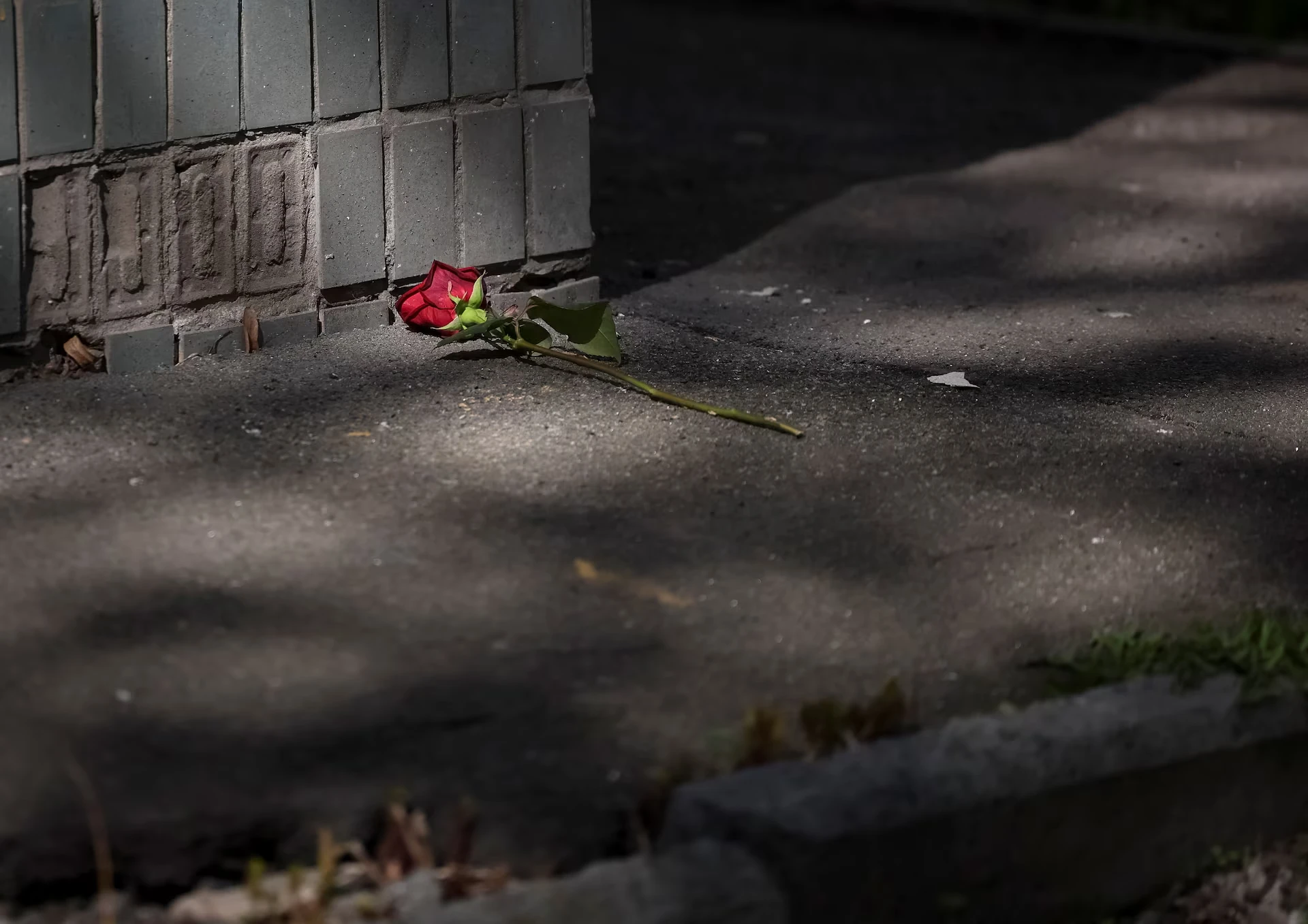
It is especially painful that a child is among the wounded and that several people remain in intensive care. That gives the tragedy not only a criminal dimension, but a deeply civilian one. The shots were fired not on a battlefield, but in an ordinary urban setting where people shop, walk, and move through daily routines. That is why the public response will be so intense: what has been violated here is not only the law, but the elementary sense that everyday life should remain predictable.
In the end, the Kyiv shooting presents the authorities with a task far more complex than simply completing an investigation and naming the guilty. It demands answers to three questions at once: how the weapon reached the attacker, why the patrol failed at the critical moment, and what the state will do to ensure that the promise of public safety does not look hollow. Because the seventh death changes the meaning of everything. It is a reminder that in a country exhausted by war, even a single internal rupture of violence can expose a far deeper crisis — a crisis of trust in those meant to protect.