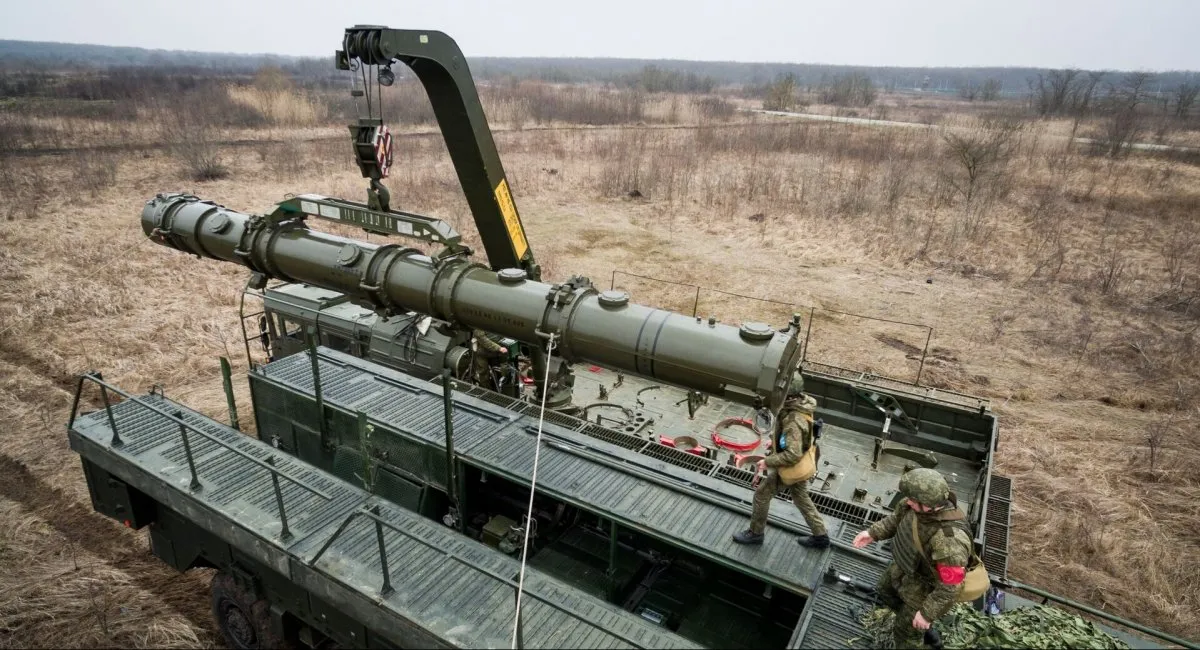





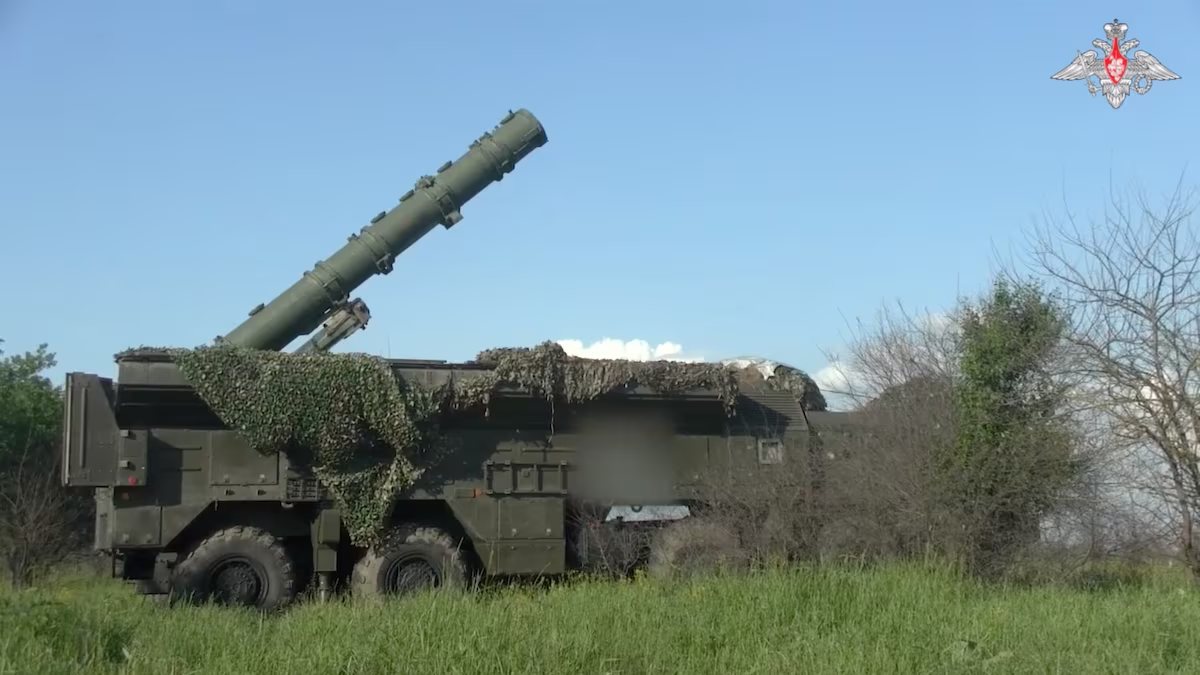

















North Korea’s military presence in Russia may be entering a new phase. A North Korean missile unit has begun deploying toward the Voronezh region and could eventually operate six launchers with as many as 120 ballistic missiles for strikes against Ukraine.
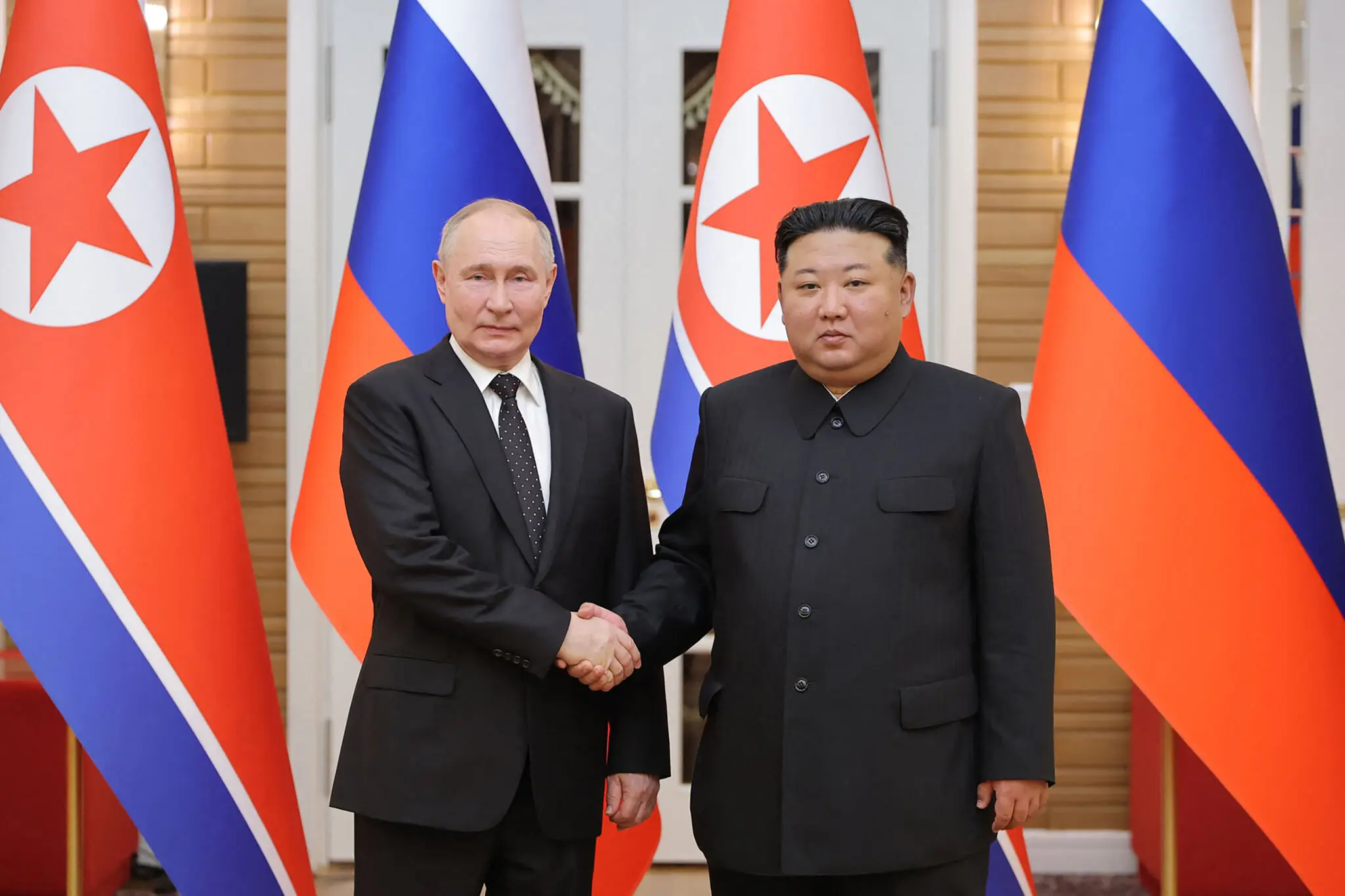
The unit is believed to include roughly 90 personnel who could be incorporated into Russia’s 112th Missile Brigade. The final structure of the deployment and the scale of additional missile deliveries may be decided during senior-level talks between Moscow and Pyongyang next month.
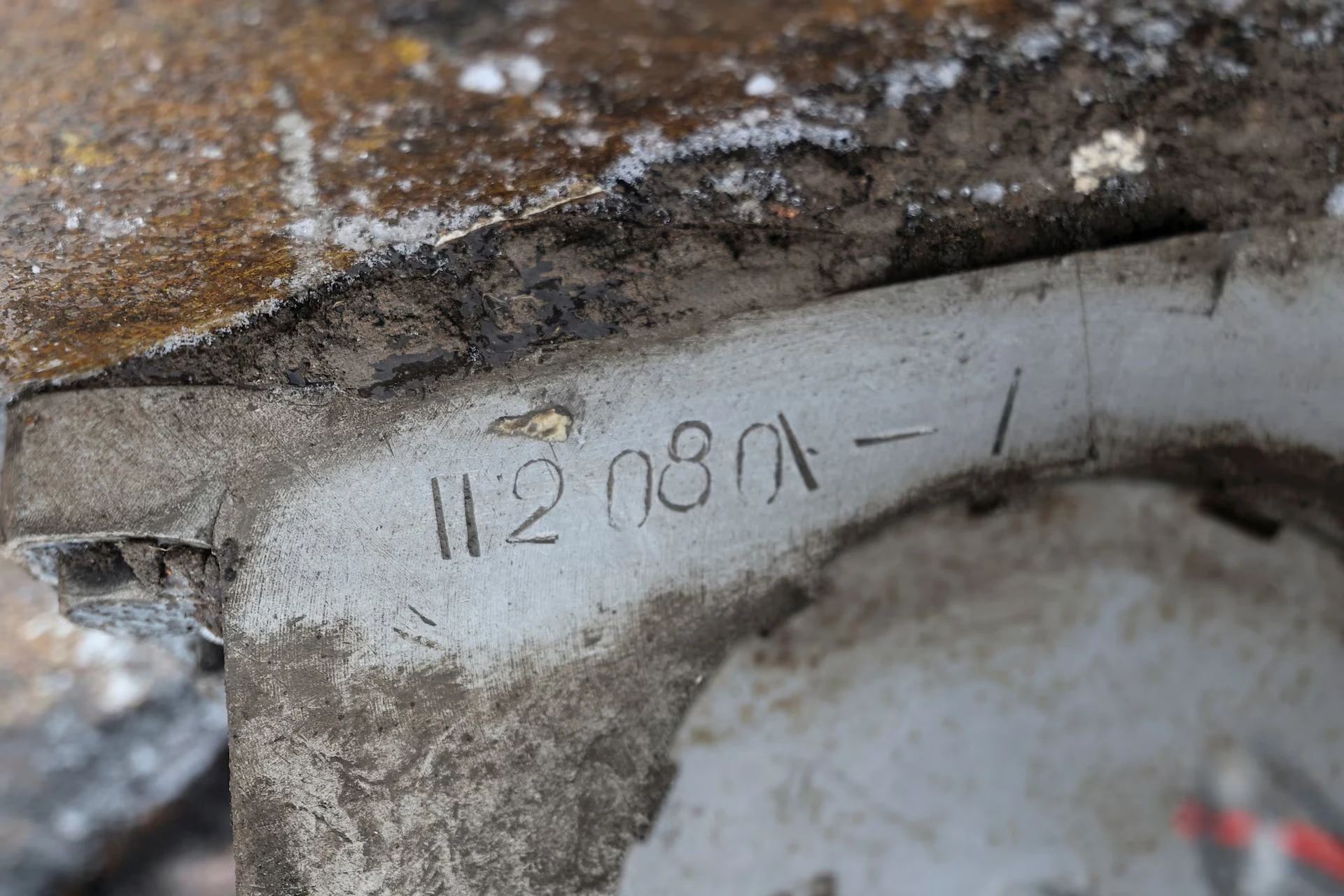
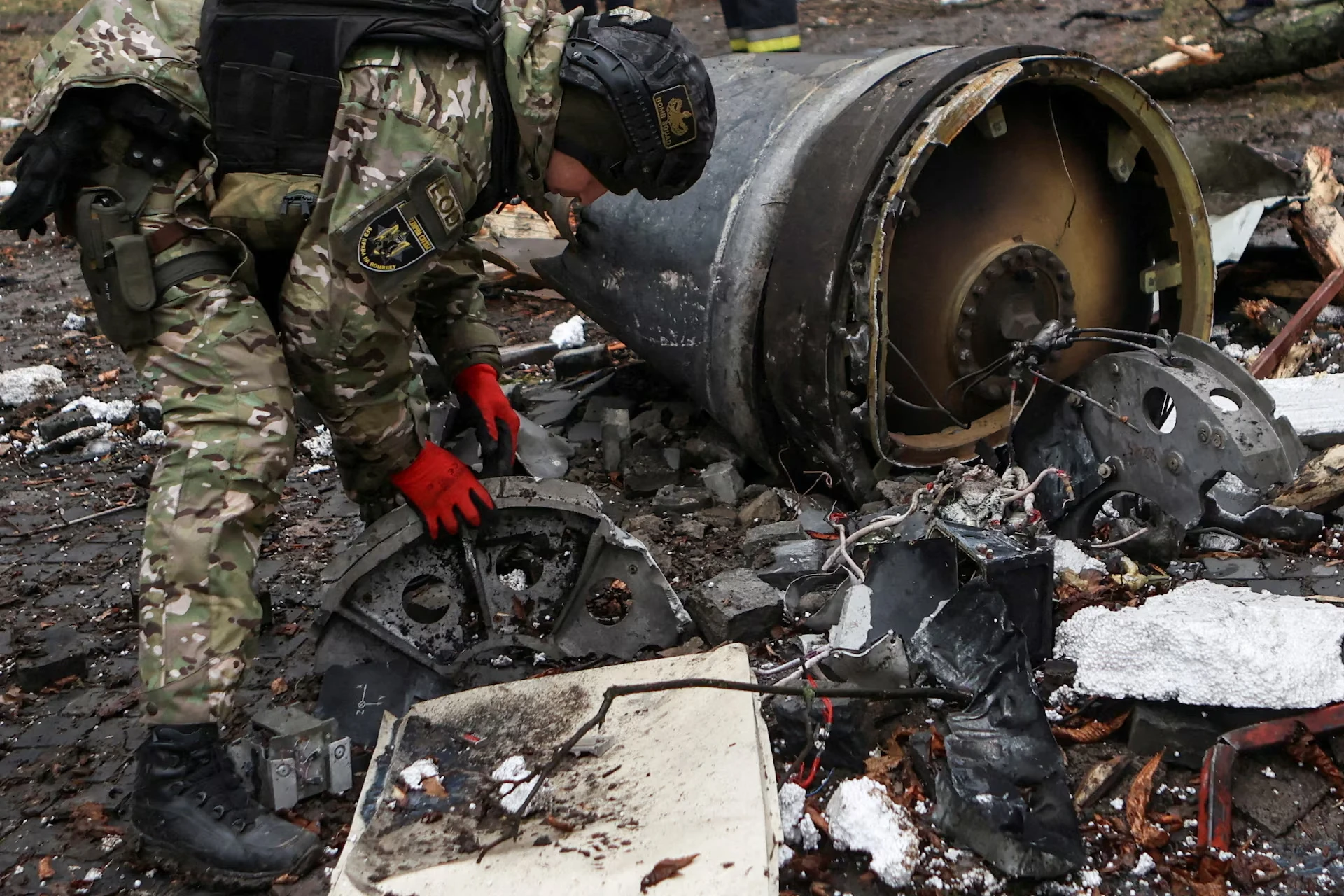
The first 40 KN-23 and KN-24 missiles from a new shipment may already have reached Russia. Two North Korean missiles were used against Ukraine last week, marking their first recorded appearance in combat in nearly a year.
In Daycom’s assessment, the significance of the deployment lies not merely in another 120 missiles. Moscow could gain a dedicated supply and support structure capable of sustaining regular ballistic attacks precisely when Ukraine is experiencing an acute shortage of Patriot interceptors.
Ballistic missiles remain among the most difficult targets for Ukrainian air defenses. They travel at high speed, leave little time for reaction and require specialized interceptors.
For many such threats, the principal defensive weapon remains the American-made Patriot system armed with PAC-3 missiles. Those interceptors, however, are increasingly scarce, while deliveries to Ukraine in 2026 have fallen sharply below last year’s level.
That means even a relatively modest increase in Russia’s ballistic inventory can have a disproportionate effect. Moscow does not need to defeat Ukrainian air defense through technological superiority if it can simply force Kyiv to expend interceptors faster than its allies can replace them.
The KN-23 and KN-24 fit this strategy well. They carry heavier warheads and can reach farther than Russia’s Iskander missiles, although they are generally less accurate.
That lower accuracy creates an additional danger for cities. A missile aimed at a military or industrial target can deviate significantly and strike residential areas instead.
Last week, one such missile destroyed a house in the central Ukrainian village of Radushne, killing at least five members of the same family.
For Ukraine, such incidents are strategically important even when a ballistic missile misses its intended military objective. It can still kill civilians, start fires, trigger emergency operations and place additional pressure on local infrastructure.
North Korea has supplied KN-23 and KN-24 missiles to Russia since late 2023. By August 2025, Moscow may have received roughly 150 of them.
Their return to combat use in the summer of 2026 suggests that the supply route never disappeared. Instead, Moscow now appears to be activating it again.
A dedicated North Korean missile unit would deepen the relationship further. If North Korean crews operate and maintain the systems themselves, Pyongyang would gain direct access to the results of battlefield use.
For North Korea’s defense industry, that is an extraordinarily valuable resource. Every launch provides information about accuracy, guidance performance, engine reliability and how the missile behaves against modern air defenses.
Under peacetime conditions, gathering that kind of evidence would require years of testing. In Ukraine, North Korea can obtain it in combat against Western systems.
The lessons could later be used to improve missiles designed not for Ukraine, but for potential use against South Korea, Japan or American bases in the Pacific.
That is why the Russia–North Korea military relationship carries consequences far beyond the Ukrainian battlefield. Moscow receives ammunition, while Pyongyang gains access to the most demanding testing environment available in modern warfare.
North Korea has already supplied Russia with millions of artillery shells and sent thousands of troops to the Kursk region.
At one point, the North Korean contingent there was estimated at around 14,000 personnel. Roughly 9,500 may still remain in Russia, although they are not currently confirmed to be directly engaged in combat.
Kyiv has also warned that Moscow may be preparing to receive as many as 30,000 additional North Korean troops. The Voronezh region is believed to be one of the areas where facilities are being prepared.
If that happens, military cooperation will move far beyond ammunition deliveries. Russia would gain allied manpower that could be used for security duties, logistics, engineering work or combat operations.
That matters in a war of attrition. Every foreign unit assigned to a support role can free Russian personnel for more demanding sectors of the front.
North Korean artillery shells and missiles follow the same logic. They do not replace Russian production; they allow Moscow to sustain a high tempo of war for longer.
For Russia, scale is the central advantage. Even an imperfect weapon has military value if it can be supplied in dozens or hundreds.
For Ukraine, that arithmetic becomes especially dangerous in winter. Russia has repeatedly used the cold season to intensify attacks on power plants, substations and electricity networks.
An additional reserve of 120 ballistic missiles could support another campaign against the energy system. Even a limited number of successful strikes could cause prolonged outages and force Ukraine to spend scarce Patriot missiles defending critical infrastructure.
Under those conditions, every interceptor acquires strategic value. The decision over which incoming missile to engage and which facility to protect increasingly becomes a choice among several unacceptable risks.
Moscow is trying to exploit precisely this scarcity. A higher tempo of ballistic launches forces Kyiv to concentrate Patriot batteries around the capital, major energy facilities and industrial centers.
The more systems are tied to those locations, the fewer remain available to protect other regions. Russia is therefore shaping not only interception rates, but the geography of Ukraine’s air-defense network.
The alternative would be to destroy launchers before they fire. That requires persistent intelligence, precision long-range weapons and the ability to strike mobile systems rapidly inside Russian territory.
Ukraine currently lacks sufficient capacity to conduct such operations systematically. Russian missile units relocate frequently, use concealment and operate under the protection of Russian air defenses.
Basing a North Korean missile unit in the Voronezh region would make that challenge even harder. The area is close enough to support strikes against Ukraine while remaining deep enough inside Russia to be heavily protected.
Kyiv’s immediate answer therefore remains defensive: more Patriot batteries, more PAC-3 interceptors and faster progress toward domestic participation in interceptor production.
Ukraine is already seeking a license to manufacture Patriot missiles and has advocated a broader European ballistic-missile defense system. Both options, however, require time.
North Korea operates under a different timetable. Its arsenals were accumulated over decades, and its political system can move personnel and ammunition without public parliamentary debate.
That creates a dangerous asymmetry. Russia can obtain new ballistic missiles through a bilateral deal with an authoritarian ally, while Ukraine must compete for each interceptor within a complicated system of Western priorities.
This does not mean Moscow has unlimited resources. North Korean inventories will also decline, and the quality of some weapons remains uneven.
A war of attrition does not require limitless stockpiles, however. It requires only the ability to sustain pressure longer than the opponent can absorb it.
That is why the arrival of roughly 90 North Korean missile personnel would matter far more than the unit’s size suggests.
Behind them would stand six launchers, dozens of missiles, a production chain, a political alliance and a state willing to use the war in Ukraine as a source of military learning.
Moscow gains another way to pressure the most vulnerable part of Ukraine’s defense. Pyongyang gains the ability to learn from every launch.
For Ukraine, this means the coming winter missile campaign will depend increasingly on more than Russian factories alone. Moscow is beginning to outsource part of its ballistic war to an ally for whom Ukrainian airspace has become a proving ground for conflicts that may one day unfold much farther east.