




















For the first years of the full-scale war, the Kremlin largely succeeded in keeping its physical consequences away from most of Russian society. For millions of Russians, the fighting remained something that happened in Ukraine, in border regions or across occupied territory. In 2026, that distance is shrinking quickly.
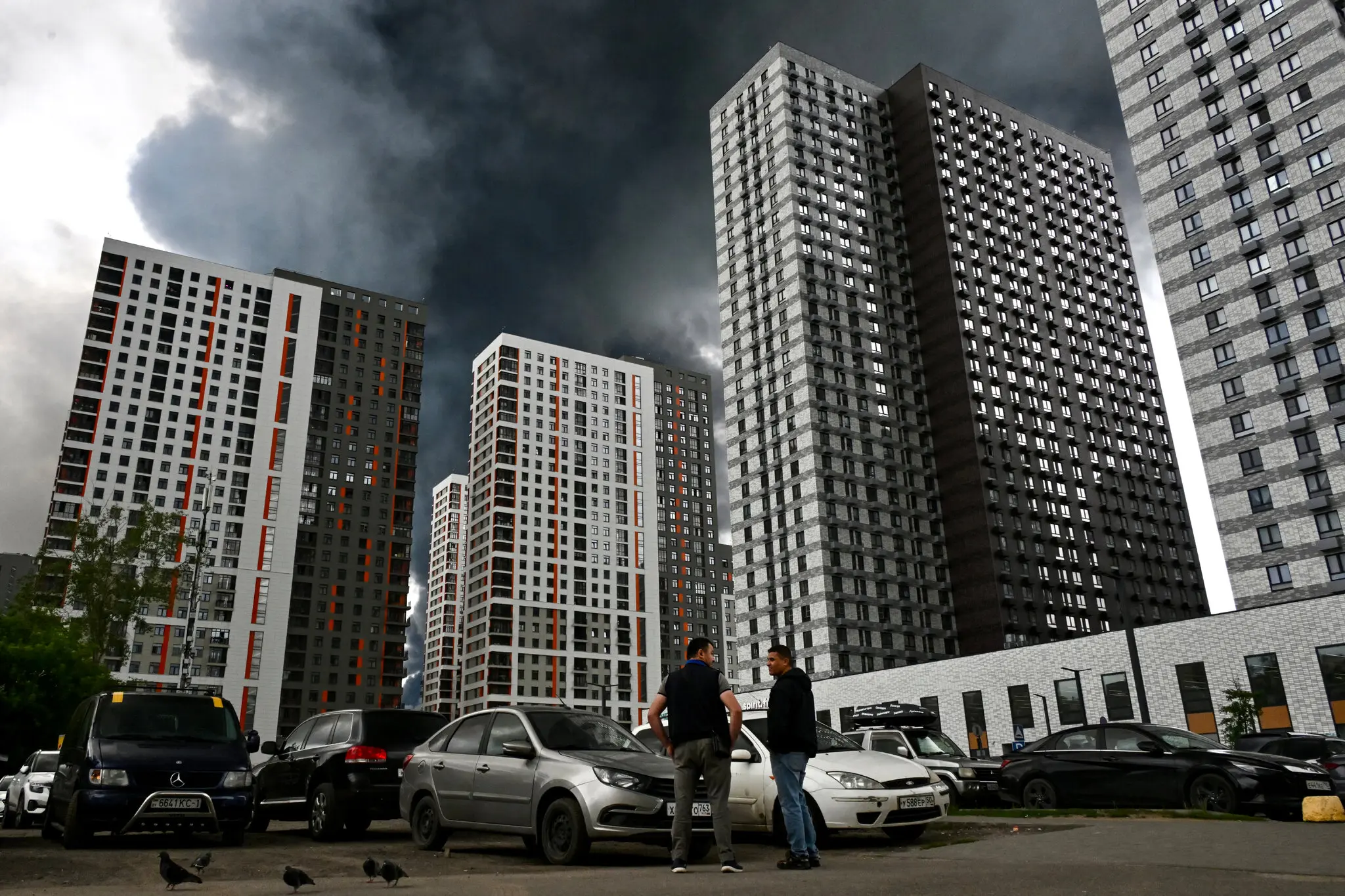
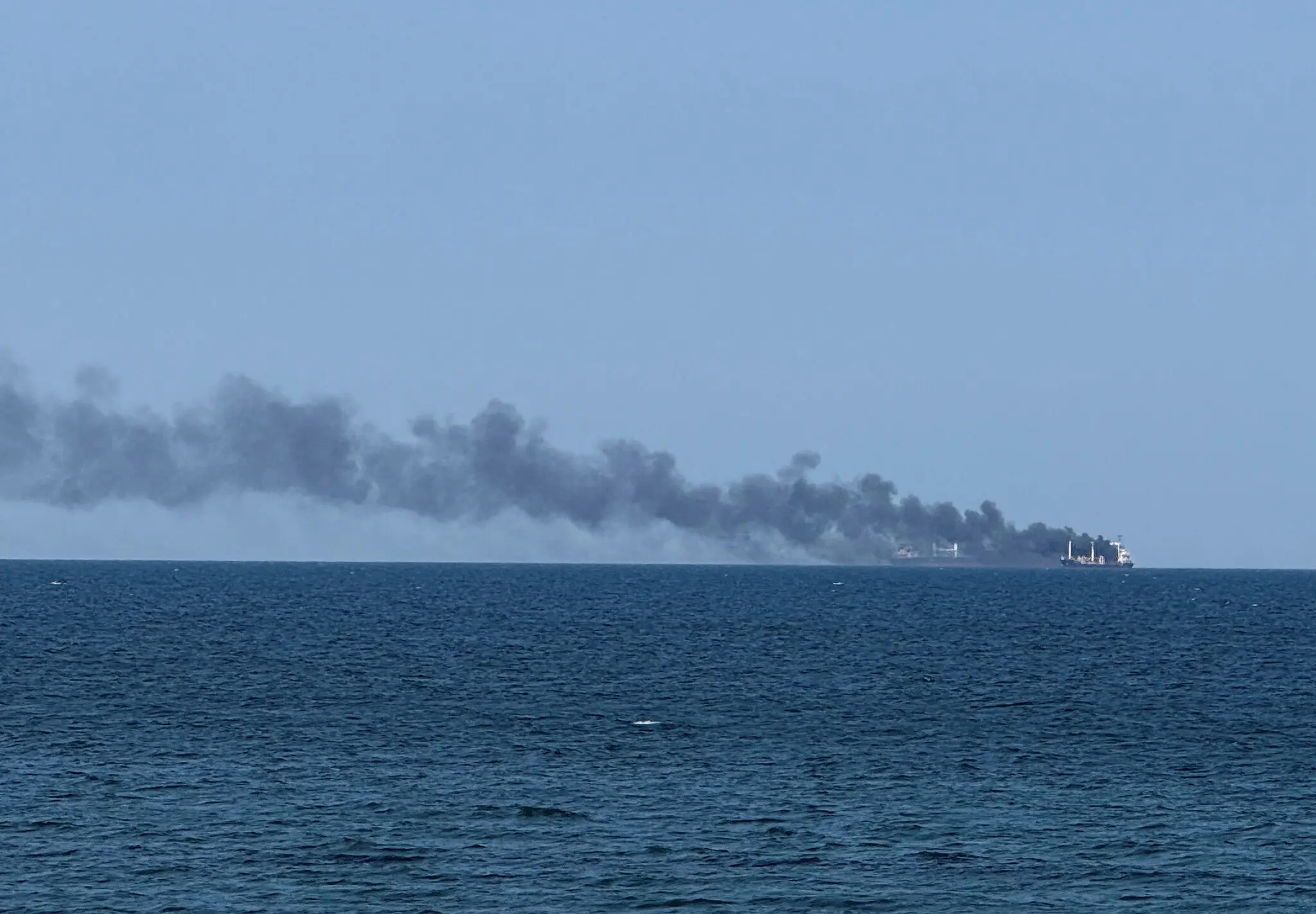
Ukraine has sharply expanded its use of long-range drones and missiles against oil refineries, depots, logistics centers, transport hubs and other targets deep inside Russia. As the tempo of strikes has increased, so has the number of Russian civilians killed or wounded.
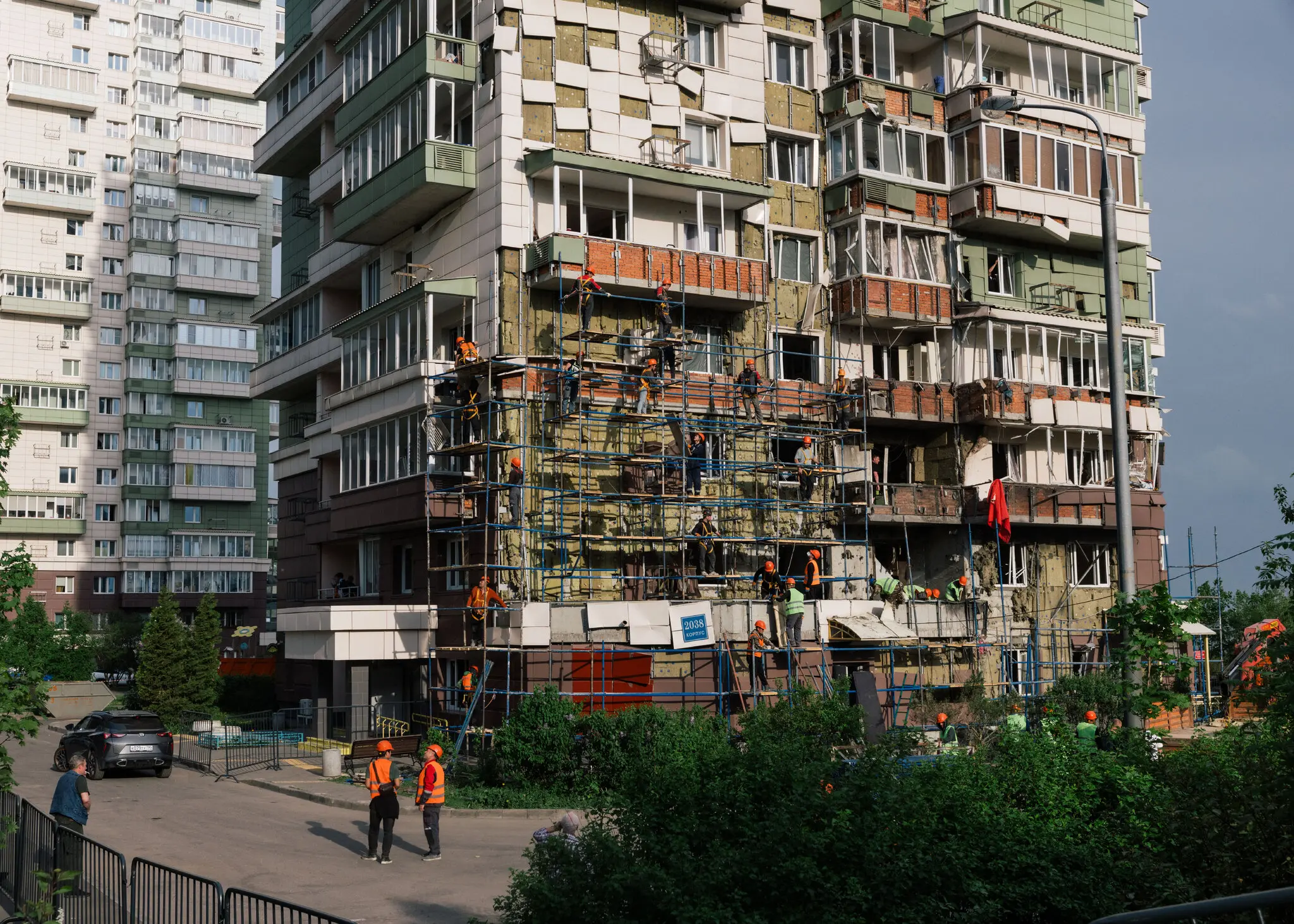
During the first seven months of this year, 327 people were killed in Russia outside occupied territories by shelling, drone attacks and airstrikes, compared with 145 during the same period a year earlier. More than 2,300 people were wounded.
As Daycom has previously noted, Ukraine’s expanding long-range campaign is changing the geography of the war itself. Moscow can no longer assume that strategic depth will automatically shield industrial cities, energy facilities and logistics networks from direct attack.
One of the clearest examples came in Nizhnekamsk, in Russia’s Tatarstan region, where an attack on an oil-refining facility killed at least 13 people. The city lies hundreds of miles from Ukraine and, until recently, could experience the war mainly through mobilization, propaganda and economic disruption.
Now sirens, explosions and damage to industrial infrastructure are becoming part of the picture. For Russian domestic politics, that is an important change: the war is beginning to impose not only financial and demographic costs, but physical risk far from the front.
Ukraine’s strategic logic is straightforward. Kyiv has described strikes on energy and logistics as “long-range sanctions” — a way to reduce the resources sustaining Russia’s war machine when conventional Western sanctions work slowly and remain vulnerable to circumvention.
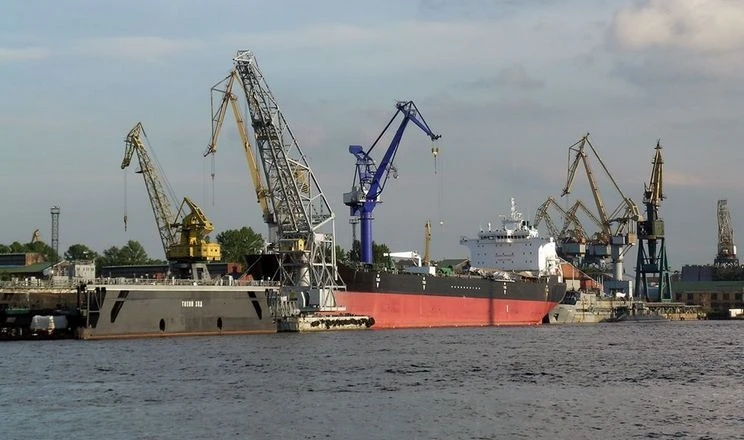
In that framework, an oil refinery, fuel depot or railway junction is not simply an economic asset. It supplies transportation, supports military logistics, generates export income and helps sustain the industrial system behind Russia’s war effort.
But as the campaign grows, avoiding civilian casualties becomes harder. Drones can be intercepted over residential areas, lose navigation, deviate from their route or cause fires where civilian and military infrastructure exist side by side.
Some incidents already fall outside the neat category of strikes on military or industrial facilities. In Yegoryevsk, a six-month-old baby was killed after a drone exploded and set a house on fire. In Russia’s Krasnodar region, a drone crashed onto a crowded beach, killing seven people, including three children.
Such cases create a difficult strategic problem for Ukraine. Kyiv insists that it does not target civilians, and maintaining that distinction remains essential to international support. But the broader the air campaign becomes, the harder it is to guarantee that civilians will not die.
Any comparison, however, requires scale. Ukrainian civilians continue to bear a far heavier burden from the aerial war.
In the first seven months of 2026, 1,695 civilians were killed in Ukrainian-controlled territory and more than 12,500 were wounded. The death toll was roughly 25% higher than during the same period the previous year.
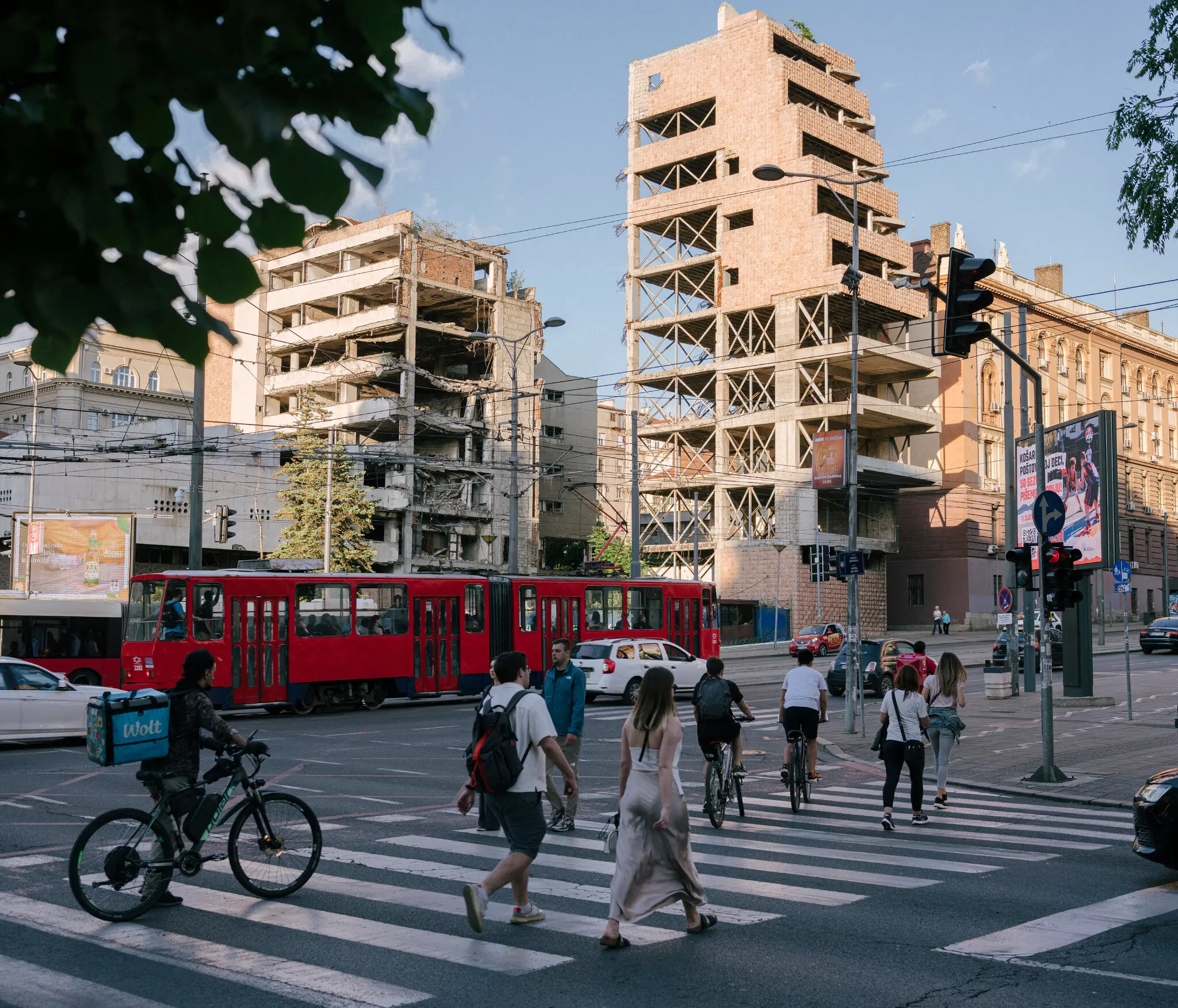
Around 70% of civilian deaths from aerial attacks this year occurred in territory controlled by Ukraine. Russia continues to use ballistic missiles, cruise missiles and increasingly large waves of attack drones against Ukrainian cities.
That asymmetry matters both morally and strategically. Ukraine is trying to push part of the war back onto the territory of the country that invaded it, while remaining the side suffering far greater civilian losses from attacks on the rear.
The air war is increasingly becoming a mutual campaign of attrition. Russia seeks to overwhelm Ukrainian air defenses and force Kyiv to consume expensive interceptors. Ukraine responds with cheaper long-range drones designed to make Moscow stretch its own defenses across an enormous territory.
This has created a new economics of warfare. A relatively inexpensive drone can force the defender to scramble aircraft, activate radar networks, close an airport, halt operations at a factory or fire an interceptor costing far more than the incoming weapon.
It has also created a new geography of risk. Russian civilian exposure was once concentrated largely in the Belgorod, Kursk and Bryansk regions. Now attacks regularly reach Tatarstan, the Moscow region, the Volga area and other places once considered safely removed from the battlefield.
For the Kremlin, that is a political problem. Vladimir Putin spent years building a model in which the war would remain controlled and psychologically distant from most Russians. Even mobilization was framed as limited, while the largest cities were insulated as much as possible from the immediate consequences of combat.
Drones undermine that model not because Russian civilian losses are approaching Ukraine’s — they are not — but because they make vulnerability visible. They challenge the narrative of a state that has repeatedly told its citizens the war is distant and under control.
A strike on a refinery, an airport closure or an explosion in a residential district can have a psychological effect greater than its military significance. Each incident raises a question that becomes harder for propaganda to answer: why is a war presented as protecting Russia now bringing explosions into Russian cities?
Signs of public frustration have become more visible, while approval ratings for the Russian leadership have experienced one of their sharpest declines since the invasion began. Yet that does not mean rising civilian casualties will automatically alter the Kremlin’s calculations.
Authoritarian systems can turn an external attack into a tool of internal mobilization. Instead of generating pressure to end the war, civilian casualties can be reframed as evidence that Russia itself is under attack and must therefore fight more aggressively.
That is why the political effect of Ukraine’s strikes remains ambiguous. They can weaken the sense that Russia is untouchable while simultaneously giving the Kremlin new material for wartime mobilization.
The strategic outcome will depend in part on whether Kyiv can keep its campaign focused on military, energy and logistics infrastructure while minimizing civilian deaths. The clearer that distinction remains, the easier it is for Ukraine to defend the strikes as an extension of self-defense rather than as an adoption of indiscriminate warfare.
The air war has already changed one of the conflict’s basic geographic assumptions: distance no longer guarantees safety.
For Ukraine, that has been true since 2022. For Russia, it is becoming true only now.
And that remains the central asymmetry of the war. Ukraine is trying to make Russia’s rear vulnerable, while Ukrainians have already spent years living in a country where a truly safe rear scarcely exists.