






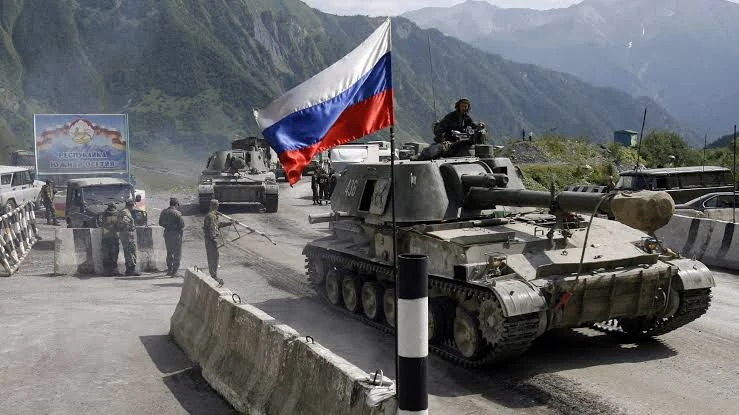











At first glance, Ukraine’s front and the war involving the United States, Israel and Iran seem to belong to different eras. In Ukraine, the landscape is trenches, artillery, minefields, infantry and grinding advances across land. In the Middle East, it is air and sea strikes, missiles, bases, energy routes and maritime chokepoints.
Yet that contrast is misleading. Both conflicts have revealed the same reality: even a much stronger military can no longer assume a quick victory. Russia failed to break Ukraine in weeks. The United States and Israel did not obtain a short, fully controlled operation against Iran.
This is not an accident. It is the structure of modern war. The weaker actor no longer necessarily loses simply because it has fewer aircraft, ships or tanks. It can compensate with drones, ballistic missiles, sabotage, strikes on allies, cyber operations and pressure on logistics.
According to Daycom’s earlier analysis, Ukraine and Iran have become two laboratories of contemporary conflict. In one, a model is being formed for resisting an imperial land war. In the other, a model is emerging for pressuring a superpower through regional networks, energy nodes and cheap strike technologies.
Ukraine is fighting Russia as a state defending its territory. Iran operates differently: it seeks to expand the battlefield beyond its borders by targeting U.S. allies, Gulf bases, energy infrastructure and routes on which the global economy depends.


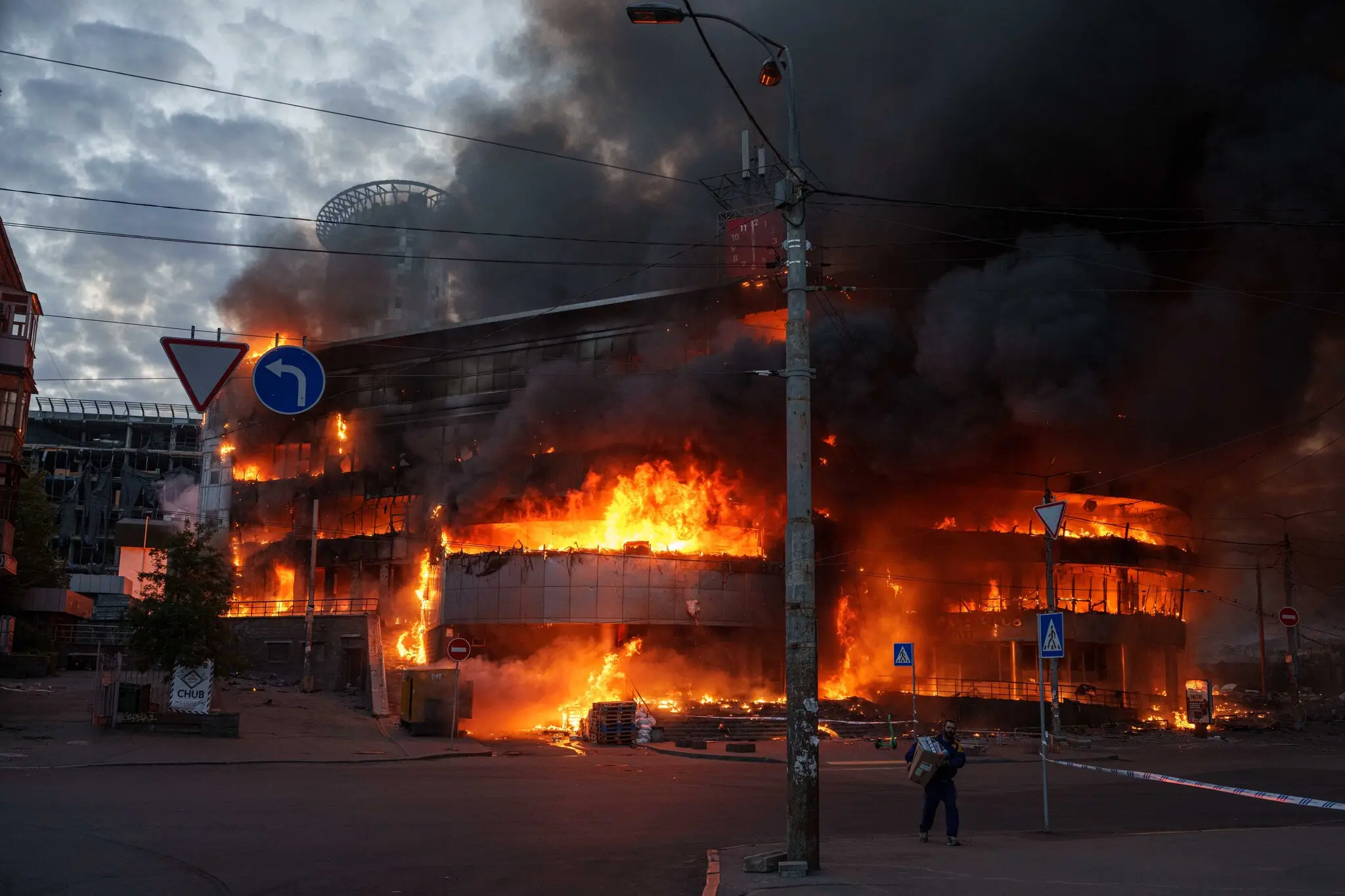
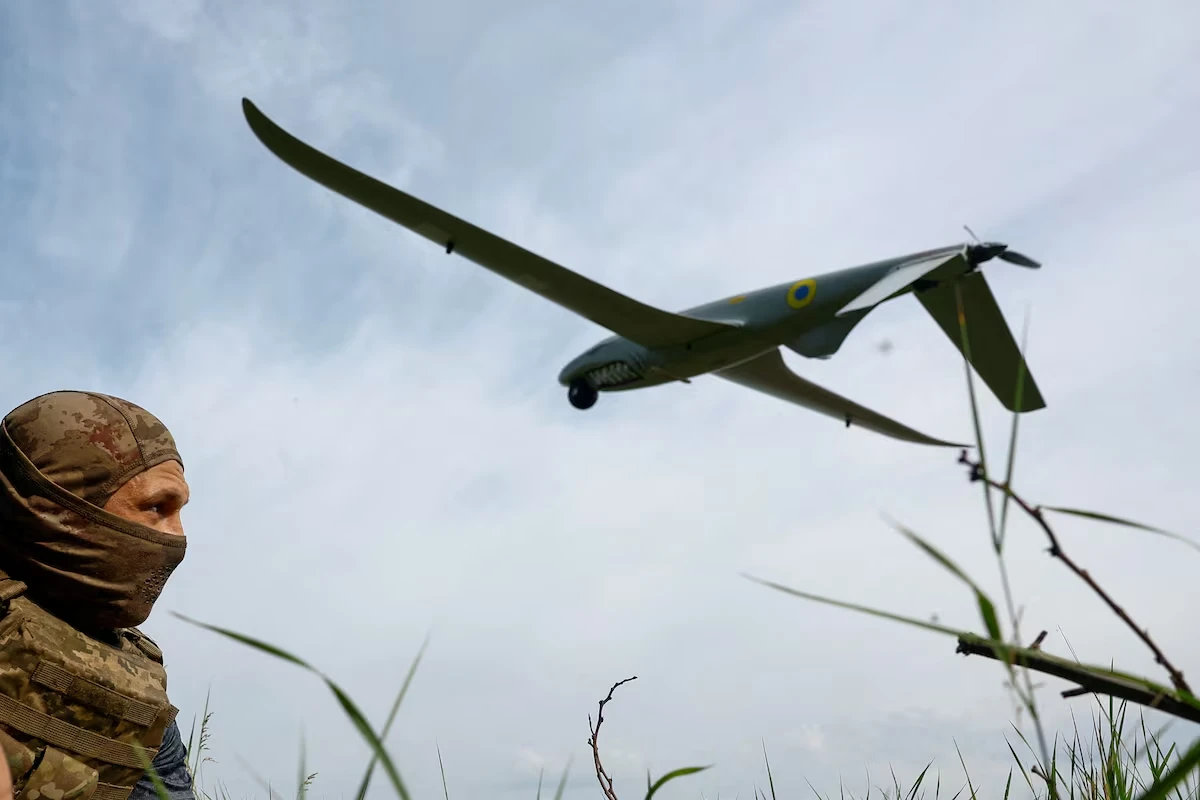
But the technological logic is similar in both cases. Drones have changed the price of precision. Capabilities that once required expensive aircraft, complex missile systems and large military infrastructure are now partly available to mid-sized states, proxy groups and even small combat units.
Ukraine’s naval drones have effectively neutralized much of the advantage of Russia’s Black Sea Fleet. Strike drones and long-range attacks on oil facilities have forced Russia to feel the war deep inside its own territory. Moscow has lost the comfort of a great power that can strike its neighbor while remaining safely out of reach.
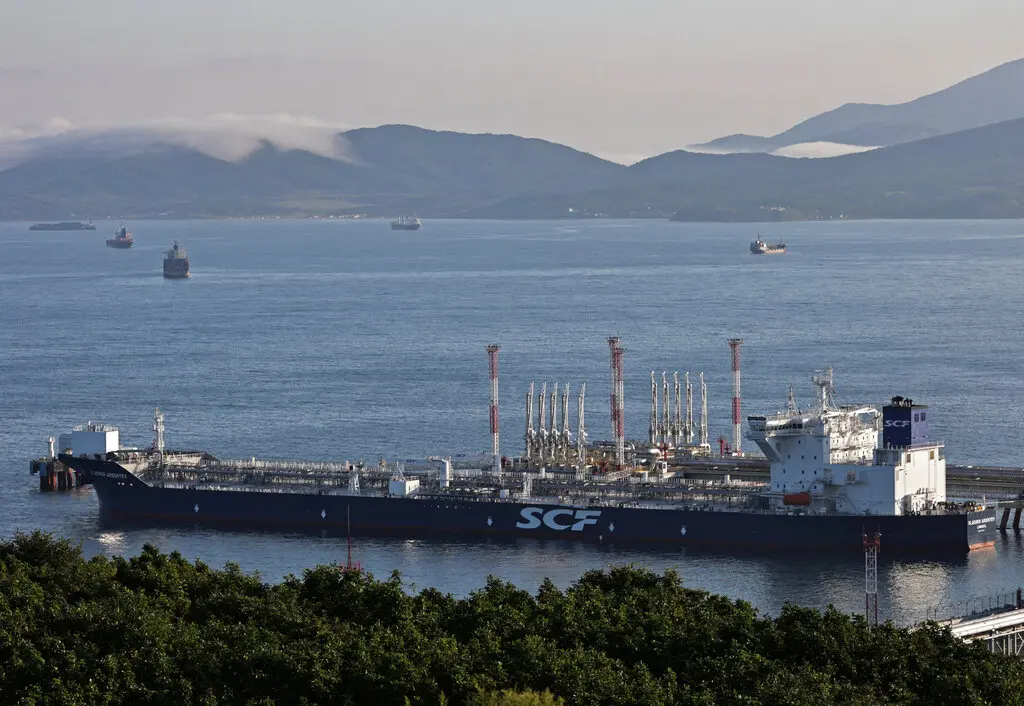
Iran applies a similar philosophy in a different environment. One-way attack drones, missiles, mines, fast armed boats and the threat to the Strait of Hormuz allow Tehran to pressure not only military targets, but insurance rates, oil prices, maritime trade and political decisions in distant capitals.
This is where war stops being only a clash of armies. It becomes systemic pressure on the economy. If Ukraine strikes Russian oil infrastructure, Iran threatens a chokepoint through which a significant share of global energy flows. In both cases, energy becomes part of the battlefield.
Russia and Iran have long been linked by this new military ecosystem. Iranian Shahed drones became one of the symbols of Russian attacks on Ukrainian cities. Now technologies, components, navigation-jamming methods, experience in evading surveillance and shadow logistics are moving back in the other direction, helping Tehran.


That cooperation is dangerous not only for Ukraine or the Middle East. It is creating an international market of wartime experience in which each conflict trains the next. What was tested over Kyiv, Kharkiv or the Black Sea can reappear in the Persian Gulf, Lebanon, Africa or along Europe’s borders.
Artificial intelligence and sensor systems form a separate layer of this transformation. Base defense, drone detection, data processing, targeting, anti-jamming measures and the integration of radars and interceptors are all moving rapidly from the domain of expensive great-power technology into the broader toolkit of modern war.
Ukraine has become one of the main producers of practical expertise in this field. Its anti-drone systems, operator training, engineering solutions and culture of rapid adaptation are drawing interest not only in Europe, but also in Gulf states that have suddenly recognized their own vulnerability.
That is why Kyiv’s new security arrangements with Qatar, Saudi Arabia and the United Arab Emirates matter beyond diplomatic protocol. Ukraine can offer something that cannot be bought with oil money alone: combat experience against mass drone and missile attacks.
For Kyiv, this is a chance to turn crisis into leverage. Ukraine’s defense industry needs funding, markets, political support and access to advanced air-defense systems. Gulf states need technologies that have already proved effective against Shahed drones, missiles and combined strikes.


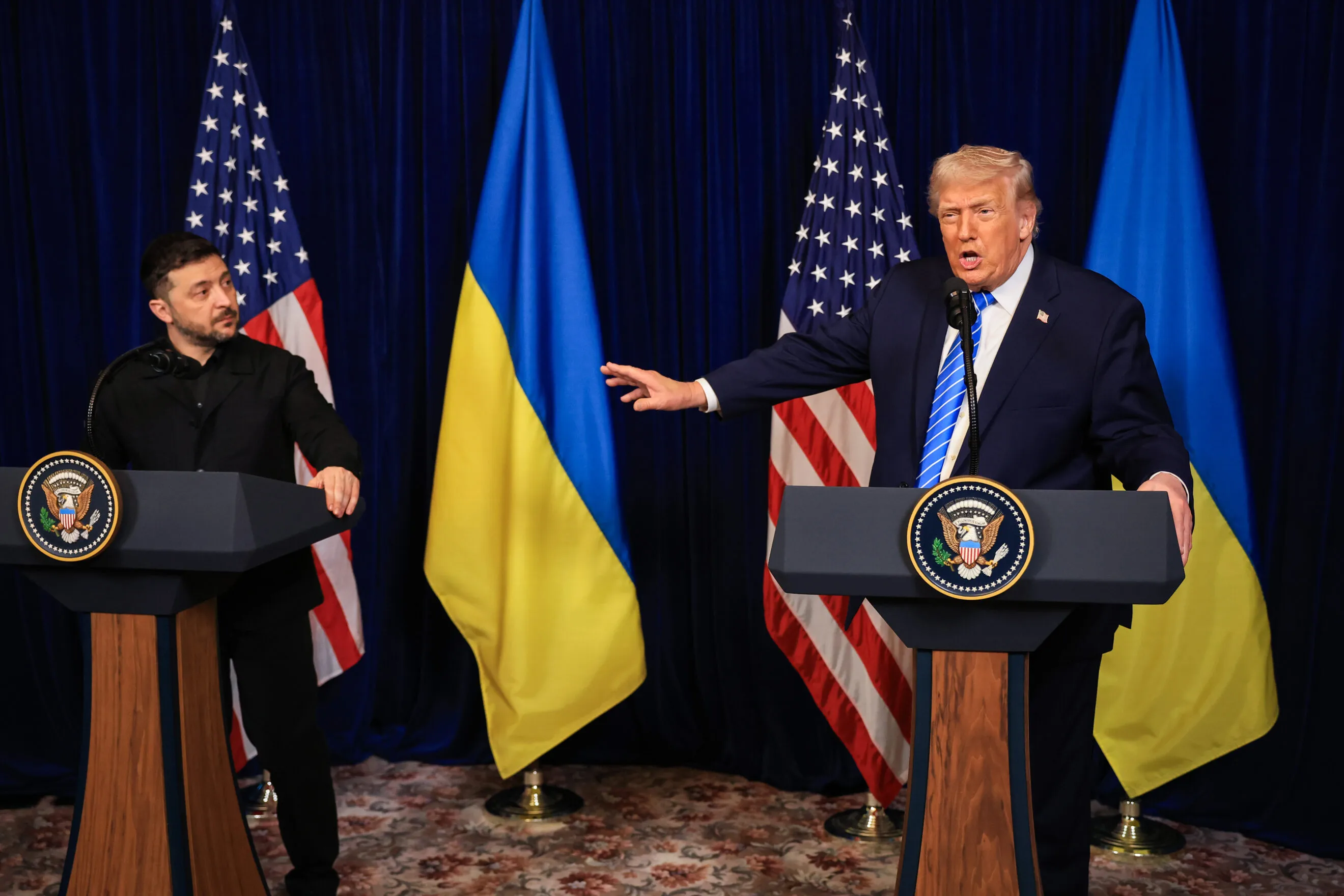
The war around Iran has also changed the diplomatic environment around Ukraine. It has diverted part of Washington’s attention, sharpened disagreements with Europe and given the Kremlin additional room to maneuver. Moscow always benefits when the West is forced to divide its attention among several fires.
That is why Kyiv watches not only the front line, but also the Strait of Hormuz. If an energy crisis hits Europe, it could weaken the economic foundation of support for Ukraine. More expensive fuel, higher transport costs, unstable markets and political fatigue quickly become arguments for those who want to reduce assistance to Kyiv.
For Europe, this creates a difficult dilemma. Ukraine remains the main front of continental security. But the war in the Middle East is no longer a secondary issue if it affects the European Union’s ability to fund defense, buy weapons and maintain public support for a long war.
The central lesson of both conflicts is that future wars will be interconnected. One front will supply another with technologies, tactics, instructors, components, mistakes and political precedents. Experience no longer remains local. It travels faster than diplomacy.
In this reality, the meaning of victory also becomes more complicated. A stronger state can inflict enormous damage without breaking the political will of its opponent. A weaker side may not win in the classical sense, yet can force the enemy to pay an ever-higher price by expanding the war into logistics, energy, alliances and public opinion.
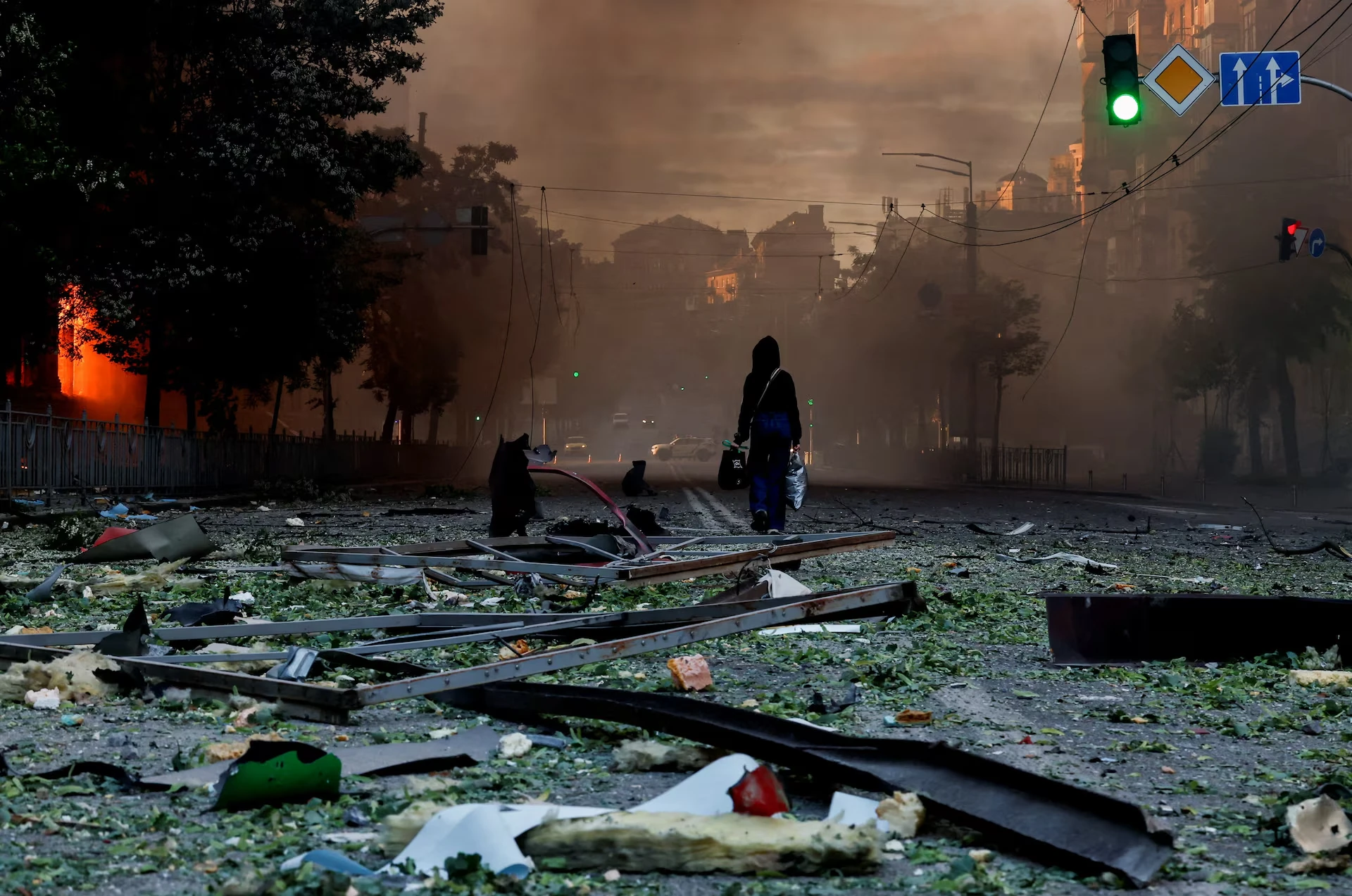 Людина йде вулицею, заваленою уламками, після нічного ракетного та безпілотного удару Росії в рамках російської агресії проти України, Київ, Україна, 24 травня 2026 року — Томас Пітер


Russia failed to quickly destroy Ukrainian statehood. The United States did not obtain a simple end to its Iran campaign. In both cases, excessive confidence in technological or military superiority collided with a reality in which resilience, cheap systems, networked attacks and political endurance carry decisive weight.
This is how the model of 21st-century conflict is being formed. It is a war in which a drone can alter the balance at sea, a missile can move oil prices, a cyber operation can paralyze infrastructure, and a regional crisis can weaken support for another front thousands of miles away.
Ukraine and Iran are not the same wars morally, legally or politically. Ukraine is defending itself against aggression. The Iran war has a different nature and a different set of responsibilities. But as military phenomena, they reveal a shared future contour: conflicts are becoming longer, cheap technologies more precise, and the line between front and rear increasingly conditional.
That is why these two wars must be read together. Not to blur their causes, but to understand the mechanics of the new world. In it, fighting in Donbas, strikes in the Persian Gulf, oil prices, drones over bases, negotiations in Washington and contracts for Ukrainian manufacturers already belong to one system.
Future conflicts will not copy either Ukraine or Iran in full. But they will use their lessons. The countries that understand this first will gain more than military advantage. They will gain the ability to see war not as a single fire, but as a network of flames in which every spark can leap to another continent.


 Іранське державне медіа-агентство опублікувало цю фотографію, на якій, за його словами, видно дим над Тегераном у середу після авіаудару — Маджид Асгаріпур