























Ukraine has paused drone strikes on tankers using Russia’s Black Sea port of Novorossiysk after a direct signal from Washington. The concern in the United States is that attacks were beginning to extend beyond Russian oil infrastructure, affecting Kazakh crude exports and the interests of Western energy companies.
At the center of the dispute is the Caspian Pipeline Consortium, or CPC, which carries a large share of Kazakhstan’s oil to a Black Sea terminal near Novorossiysk. The route runs through Russia, but much of the crude moving through it is not Russian.
The American position establishes a relatively clear boundary: Kyiv can continue its campaign against Russian energy assets, but should refrain from striking non-Russian vessels or CPC infrastructure when they are not subject to Ukrainian sanctions.
As Daycom has previously noted, this is where Ukraine’s energy campaign runs into one of its most important foreign-policy constraints. The deeper strikes penetrate Russia’s oil system, the harder it becomes to separate Moscow’s revenues from global flows involving third countries, Western companies and Ukraine’s own partners.
For Kyiv, the military logic behind strikes on oil infrastructure is straightforward. Energy exports remain one of Russia’s principal sources of foreign currency, while refining and transportation networks support an economy financing the war.
Novorossiysk, however, is a special case. It is not simply a Russian port handling Russian oil. It is also a major outlet for Kazakh crude, which makes the consequences of any attack far broader than the Russia-Ukraine conflict itself.
That overlap creates a difficult problem for Kyiv. The physical infrastructure may be located in Russia, but the economic interests surrounding it are international. Damage to a single terminal can simultaneously affect Moscow, Astana, Western oil companies and the global market.
Black Sea attacks in July reduced CPC oil loadings by as much as one-fifth. At that scale, the impact is no longer a localized episode of warfare but a meaningful disruption to an international supply chain.
Kazakhstan is particularly dependent on the route. CPC carries a crucial share of its crude exports, meaning disruptions can quickly feed back into production. Kazakh oil output fell by about 14% in July compared with June.
The presence of major U.S. companies adds another layer of political sensitivity. Chevron and Exxon Mobil have substantial interests in Kazakhstan’s oil industry, so attacks affecting CPC operations are no longer solely a matter of Ukrainian strategy against Russia.
For Washington, that creates a double risk. The United States wants pressure maintained on Russia’s economy, but it does not want that pressure to reduce non-Russian oil supplies or damage American corporate interests.
That is why CPC is treated as strategically useful in Washington: it brings significant volumes of crude to global markets without increasing dependence on Russian production.
Seen in that light, the U.S. request is less about protecting Novorossiysk than about drawing a distinction between Russian infrastructure and international energy flows that happen to pass through Russian territory.
For Kyiv, that distinction is much harder to enforce operationally than it is diplomatically. Port systems are integrated. Tankers share waters, tug services, navigation systems, security infrastructure and logistical facilities. Separating one commercial flow from another in the middle of a strike campaign is far more complicated than drawing a line on paper.
The pause therefore shows that Ukraine’s long-range campaign is constrained not only by technology. Political limits set by allies are becoming increasingly important.
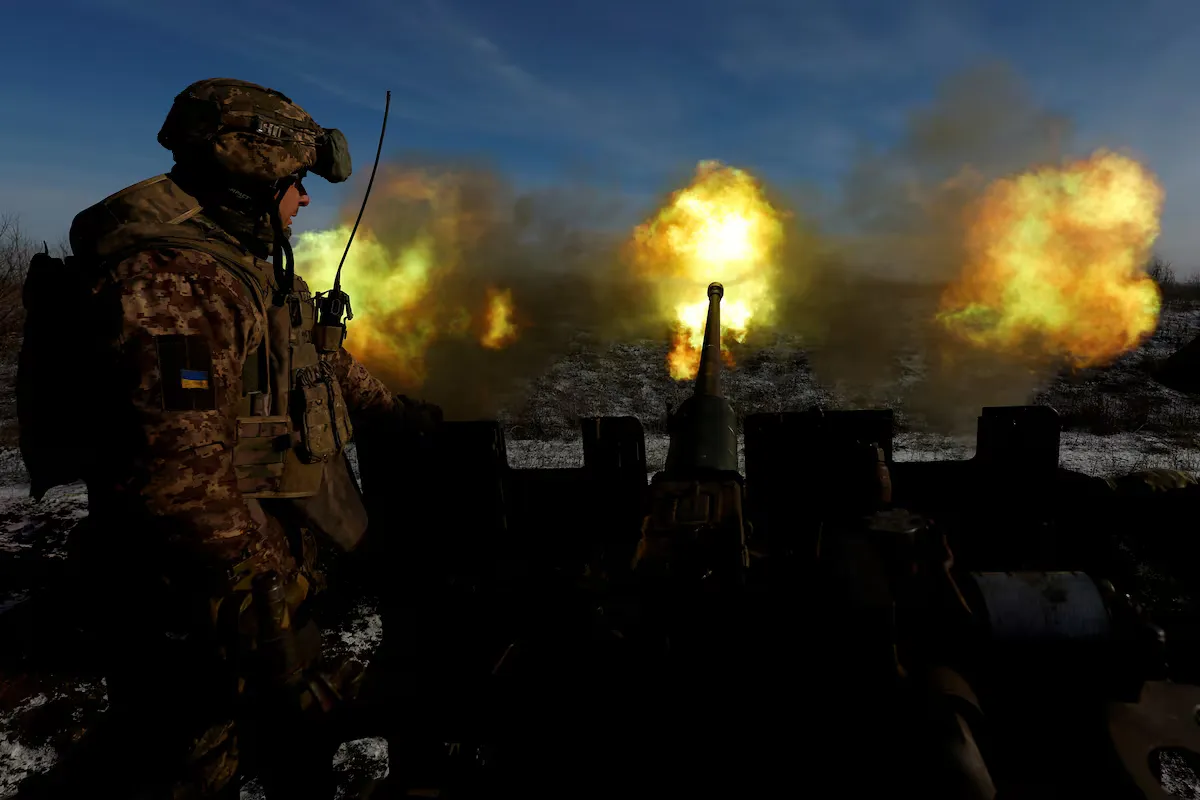
Ukraine has already demonstrated that it can systematically strike Russian refineries, fuel depots, pumping stations and transport nodes. The next question is which parts of that energy network Western governments are prepared to accept as targets when their own economic interests are nearby.
That tension is likely to intensify. Russia spent decades integrating its energy infrastructure into the global market, meaning many of its ports, pipelines and terminals serve not only Russian companies.
For Moscow, that creates a kind of protective layer. The more international capital and non-Russian crude are tied to a particular facility, the greater the political cost for Ukraine of attacking it.
Kyiv faces the opposite incentive. The broader the campaign against energy infrastructure becomes, the more it can influence Russia’s economic calculations by forcing additional spending on repairs, insurance, air defense and logistical restructuring.
The central dilemma, then, is not whether Ukraine will continue striking Russia’s oil sector. It almost certainly will. The harder question is how precisely it can separate Russian revenue streams from international infrastructure intertwined with them.
For the United States, that precision also matters because of oil prices. A sudden loss of Black Sea supply can quickly affect the global balance, especially when the disruption involves barrels that are not Russian.
Washington therefore finds itself in a paradoxical position. It wants to weaken Russia’s ability to finance the war while preventing attacks that could make oil more expensive or harm countries and companies outside the conflict.
For Ukraine, that means the energy war is becoming increasingly diplomatic. Every major target now carries not only military and economic value but also a political map of owners, partners and countries dependent on it.
The pause in tanker strikes near Novorossiysk does not mean Kyiv is abandoning its campaign against Russia’s oil system. It shows that the campaign is entering a phase in which target selection is determined by more than drone range.
What matters now is whose oil is on board, who owns the vessel, who controls the field and what political consequences a successful strike may create.
That is the new boundary of Ukraine’s long-range war: inflict the greatest possible economic damage on Russia without turning allies and third countries into collateral participants in the campaign.