

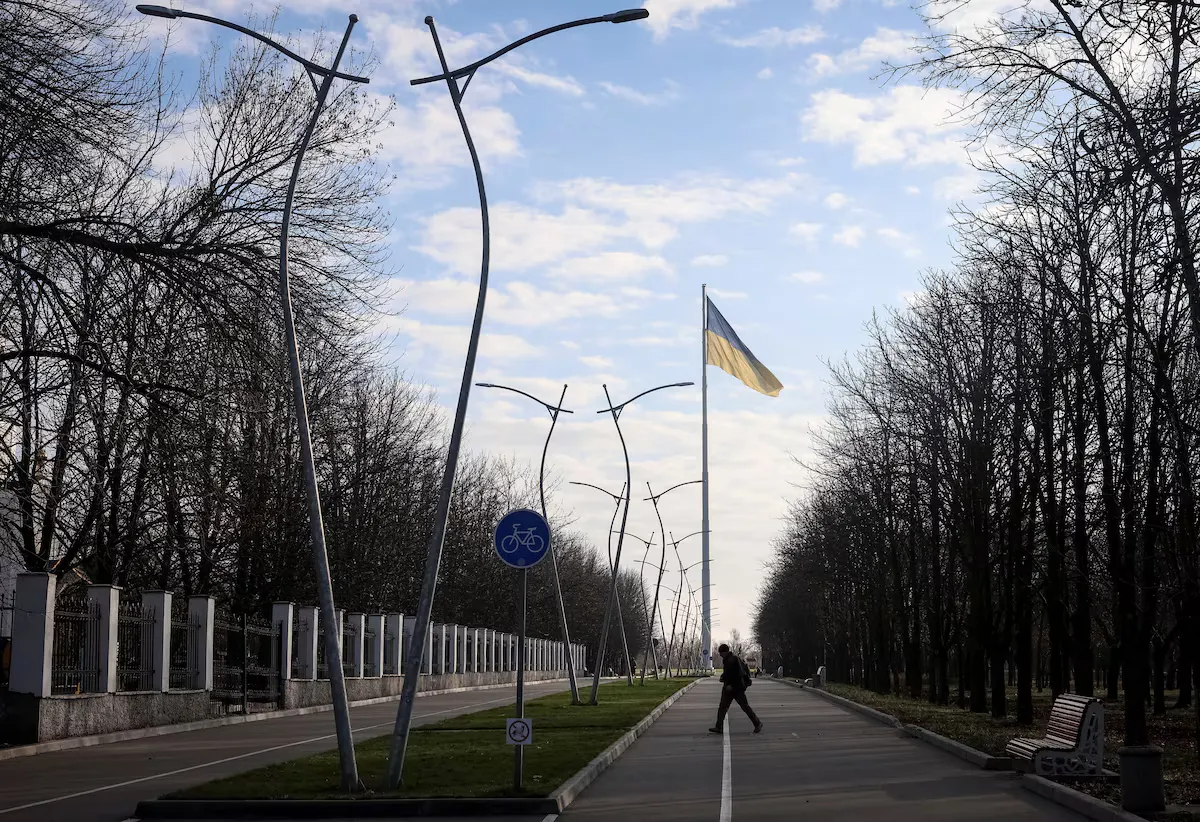



















Ukraine’s economy began 2026 in contraction. Real GDP fell by 0.5 percent year on year in the first quarter and by 0.7 percent compared with the previous quarter. It was not a collapse, but it was a warning: after years of adaptation, the war is again tightening its grip on production.
The cause does not lie in one sector. A cold winter, mass Russian attacks on the energy system, long blackouts, disruptions to water and heating, damaged infrastructure and more expensive logistics all slowed the economy. Businesses were not operating in a normal cycle, but in a constant mode of emergency planning.
Industry also ended the quarter in negative territory, with production down 1.1 percent. January and February were especially difficult because of energy shortages, while March brought year-on-year growth of 4.5 percent. That was not a full recovery, but an early sign of movement out of the harshest winter phase.
According to Daycom’s earlier analysis, Ukraine’s economy is entering a new stage of the war: it has learned to survive under attack, but every new wave of strikes on energy infrastructure pushes the country back to basic constraints — electricity, heat, production schedules, transport and workplace safety.
Energy has become Russia’s main channel of pressure on the economy. Strikes on power plants, grids and gas infrastructure hit not only households. They stop factory lines, force companies to buy generators, raise production costs and make every working day less predictable.
For industry, this is especially painful. Metallurgy, machine building, food processing, construction materials and logistics centers all depend on stable energy. When electricity disappears for hours, a company loses not only time, but the rhythm of contracts, deliveries, repairs and exports.
The first-quarter GDP decline does not erase the resilience of Ukraine’s economy. In 2025, it grew by 1.8 percent, after expanding by 2.9 percent in 2024. But the scale of loss remains large: the economy is still roughly one-fifth smaller than it was before Russia’s full-scale invasion in February 2022.
That gap is not a dry macroeconomic figure. It contains lost enterprises in occupied territories, destroyed factories, millions of displaced people, labor shortages, mined farmland, broken supply chains and the constant need to spend resources not on development, but on survival.

The National Bank has already lowered its 2026 GDP growth forecast to 1.3 percent from a previous estimate closer to 1.8 percent. The reasons are clear: a weak start to the year, energy problems, military risks and external pressure, including the effects of the war in Iran on global prices, fuel and logistics.
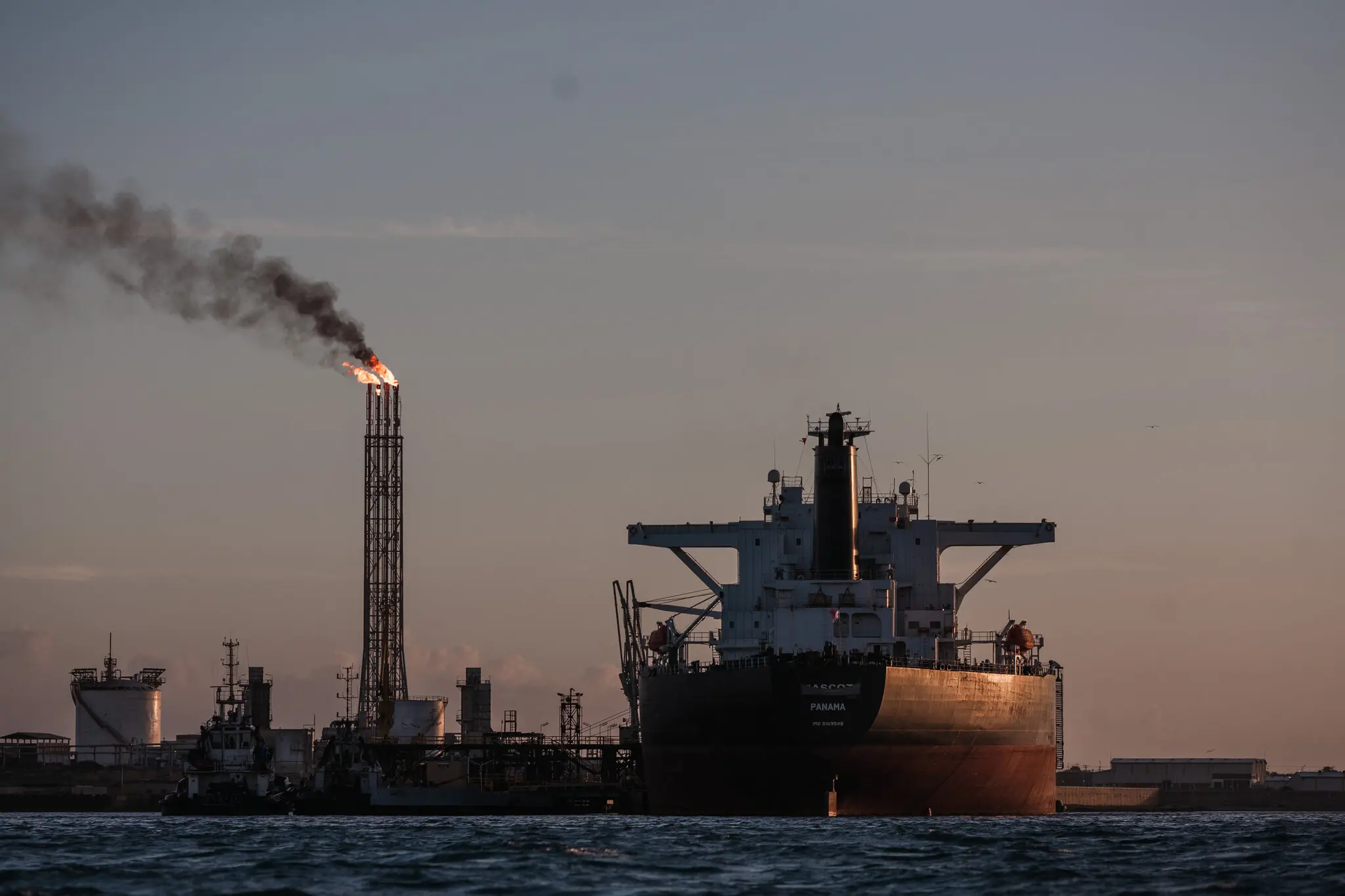
The war in Iran adds another indirect risk to Ukraine’s economy. More expensive fuel, unstable energy markets and pressure on maritime routes affect imports, transport and production costs. For a country already living under attacks on its own energy system, this becomes a double burden.
Still, economists expect some improvement later in the year. Warmer weather reduces energy consumption, eases pressure on the system and gives industry more room to operate. If the energy deficit narrows, the second half of the year may look better than the first.
But any recovery will remain fragile. It depends not only on the weather, but also on the intensity of Russian attacks, the pace of energy repairs, the strength of air defense, international financial support and the ability of businesses to adapt to a new level of uncertainty.

Ukraine’s economy has repeatedly shown that it can recover quickly after shocks. Its current problem is that recovery often happens between the next attacks. The country repairs, restarts and reroutes — while also having to build the risk of fresh destruction into every plan.
For the government, this means a difficult budget balance. It must fund the army, support the energy system, cover social spending, help regions and avoid suffocating business with excessive tax pressure. In a normal economy, these tasks would already be hard. In a wartime economy, they become a daily exercise at the limit.
For business, the main issue is not only demand, but predictability. Entrepreneurs can work under risk, but they need minimum rules of the game: access to electricity, credit, workers, logistics and insurance. Without that, even stable demand does not turn into investment.
The first-quarter contraction showed that Ukrainian resilience has limits. It is not free, and it does not work automatically. It is sustained by energy workers, soldiers, repair crews, entrepreneurs, employees, donors and communities that close the gaps created by war every day.


That is why the current economic decline should not be read simply as weakness. It is more accurately understood as the cost of another winter under attack. Ukraine has not lost the capacity for growth, but that growth increasingly depends on whether the country can protect its energy system and give business at least part of a normal planning horizon.
In 2026, the key economic indicator will not be GDP alone. The more important question is whether the country can turn survival back into development. The first quarter showed how difficult that threshold has become. But it also showed something else: even after strikes, darkness and cold, the economy did not stop. It slowed — and began looking again for a way forward.