






















This is no longer just “information noise”—a growing hybrid war is underway between Russia and Europe. However, there is no confirmed evidence in open, reliable sources that Russia is currently preparing an immediate, full-scale attack on NATO. The most real risk in the near term is not a “tank column marching on Berlin,” but provocations that fall below the Article 5 threshold: drones, sabotage, cyberattacks, strikes on infrastructure, false-flag operations, and pressure on Poland, the Baltic states, and the Suwalki Corridor.
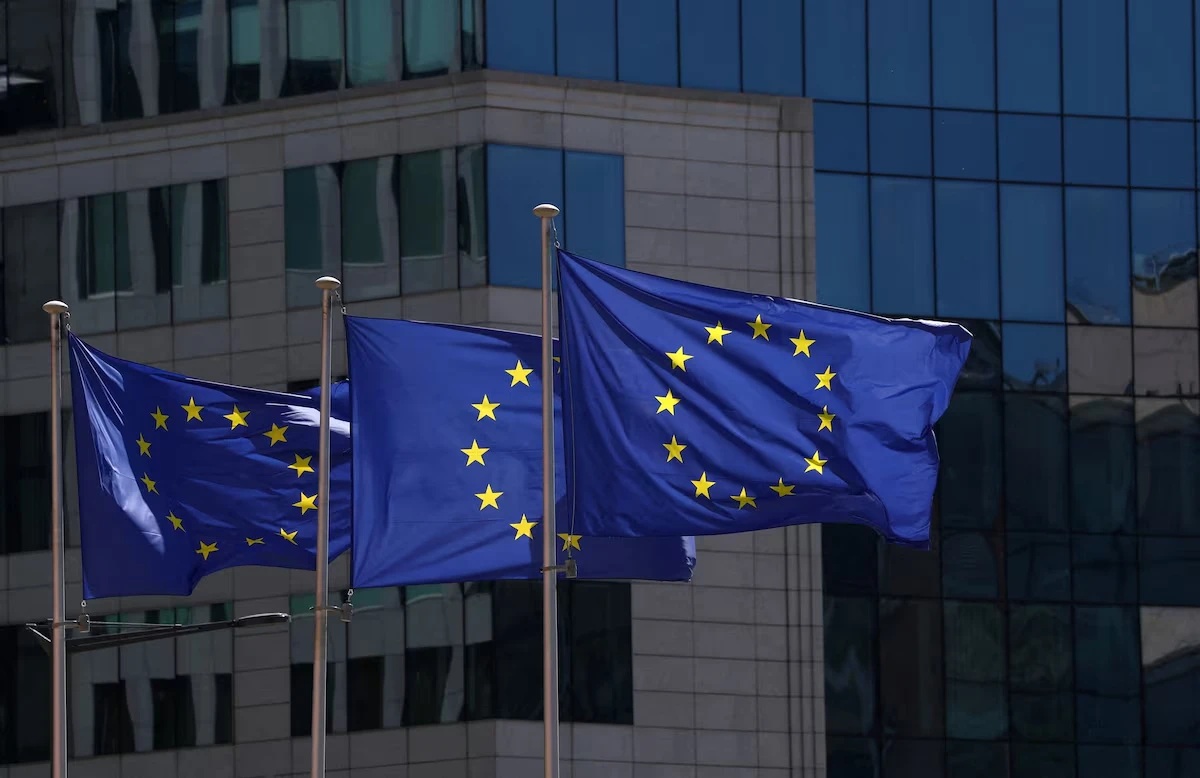
This has been officially confirmed. The EU explicitly characterizes Russia’s actions as a sustained hybrid campaign: sabotage, attacks on critical infrastructure, cyberattacks, information operations, and interference in democratic processes.
The EU states that this activity has intensified since the full-scale invasion on February 24, 2022, and is aimed at undermining the security, stability, and democratic foundations of the EU; 79 individuals and 20 organizations are already subject to a separate sanctions regime.
This is no longer just “information noise”—a growing hybrid war is underway between Russia and Europe. However, there is no confirmed evidence in open, reliable sources that Russia is currently preparing an immediate, full-scale attack on NATO. The most real risk in the near term is not a “tank column marching on Berlin,” but provocations that fall below the Article 5 threshold: drones, sabotage, cyberattacks, strikes on infrastructure, false-flag operations, and pressure on Poland, the Baltic states, and the Suwalki Corridor.
This has been officially confirmed. The EU explicitly characterizes Russia’s actions as a sustained hybrid campaign: sabotage, attacks on critical infrastructure, cyberattacks, information operations, and interference in democratic processes.
The EU states that this activity has intensified since the full-scale invasion on February 24, 2022, and is aimed at undermining the security, stability, and democratic foundations of the EU; 79 individuals and 20 organizations are already subject to a separate sanctions regime.
NATO also officially refers not to isolated incidents, but to Russia’s “intensifying campaign” across the Euro-Atlantic area, including the territory of allies and actions carried out through proxies: sabotage, violence, cyber and electronic interference, disinformation, and other hybrid operations.
The most severe category involves acts of sabotage. The Associated Press has compiled a database of 145 cases of sabotage and destabilization in Europe that Western officials have linked to Russia since the start of the full-scale war. In one example in Poland, a section of railroad track was damaged while a train carrying nearly 500 passengers was passing over it; Poland blamed Russian intelligence services and deployed 10,000 troops to protect critical infrastructure.
According to officials, the goal of such a campaign is to divert intelligence resources, weaken support for Ukraine, divide Europe, and identify security vulnerabilities.
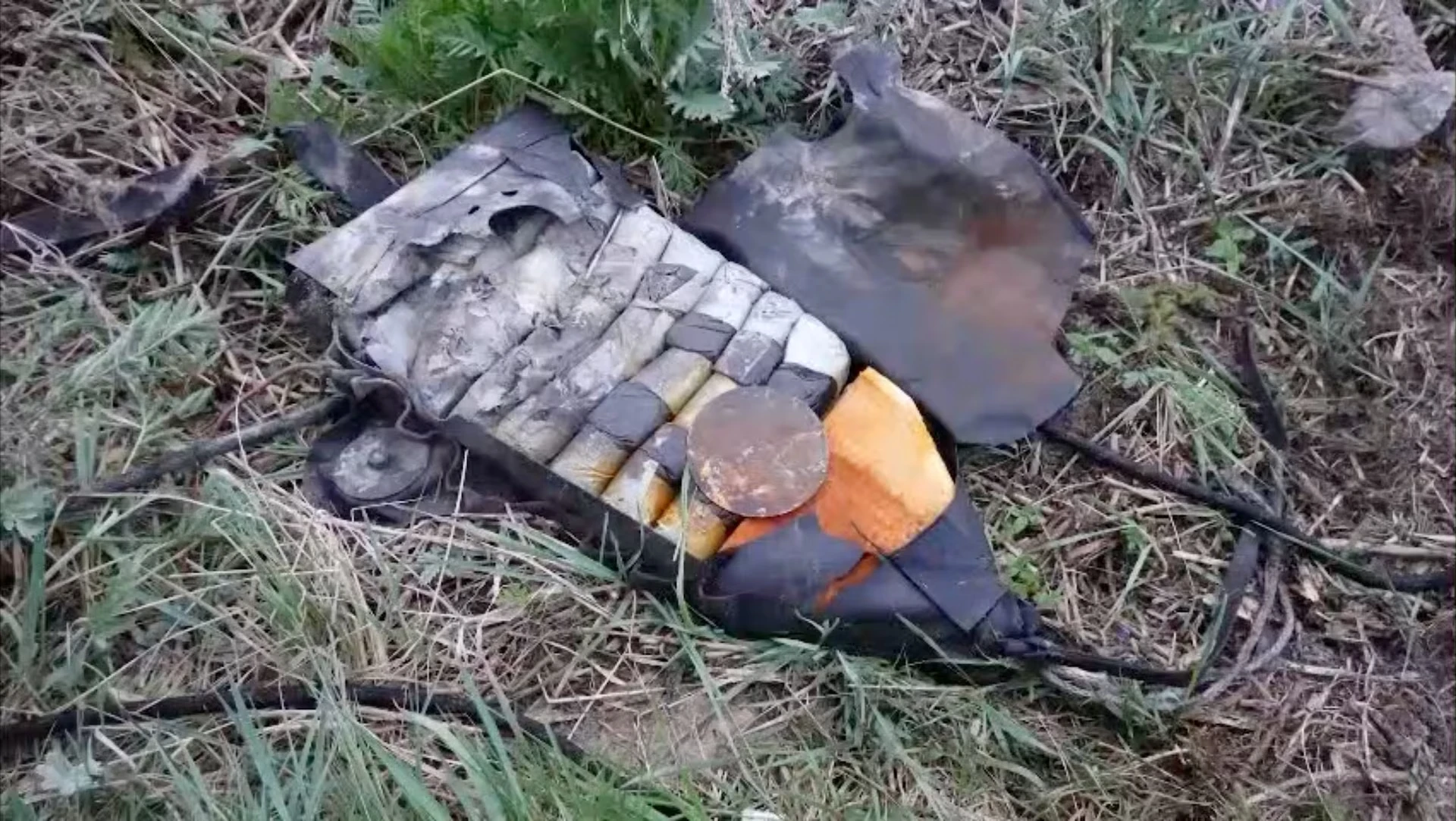
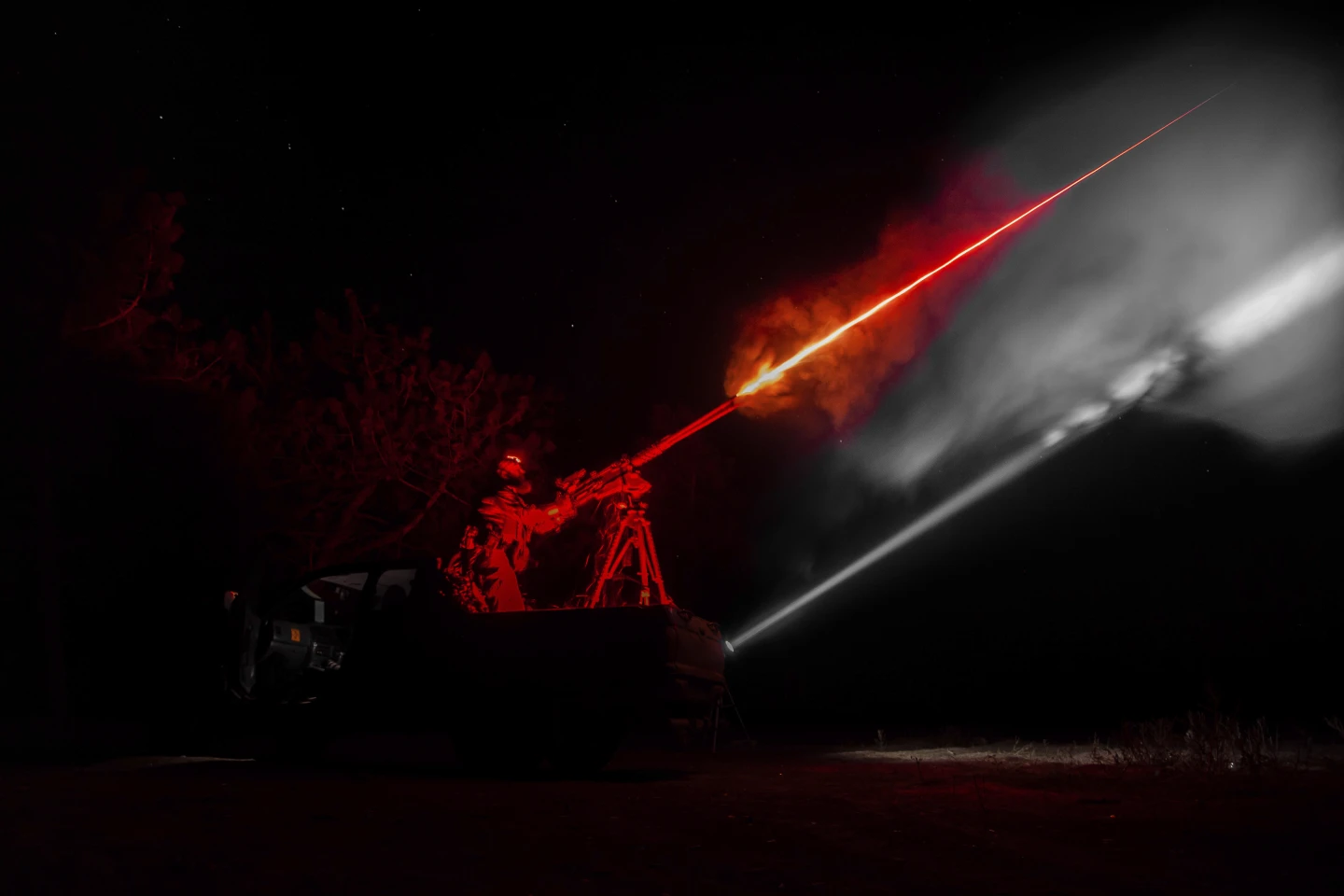
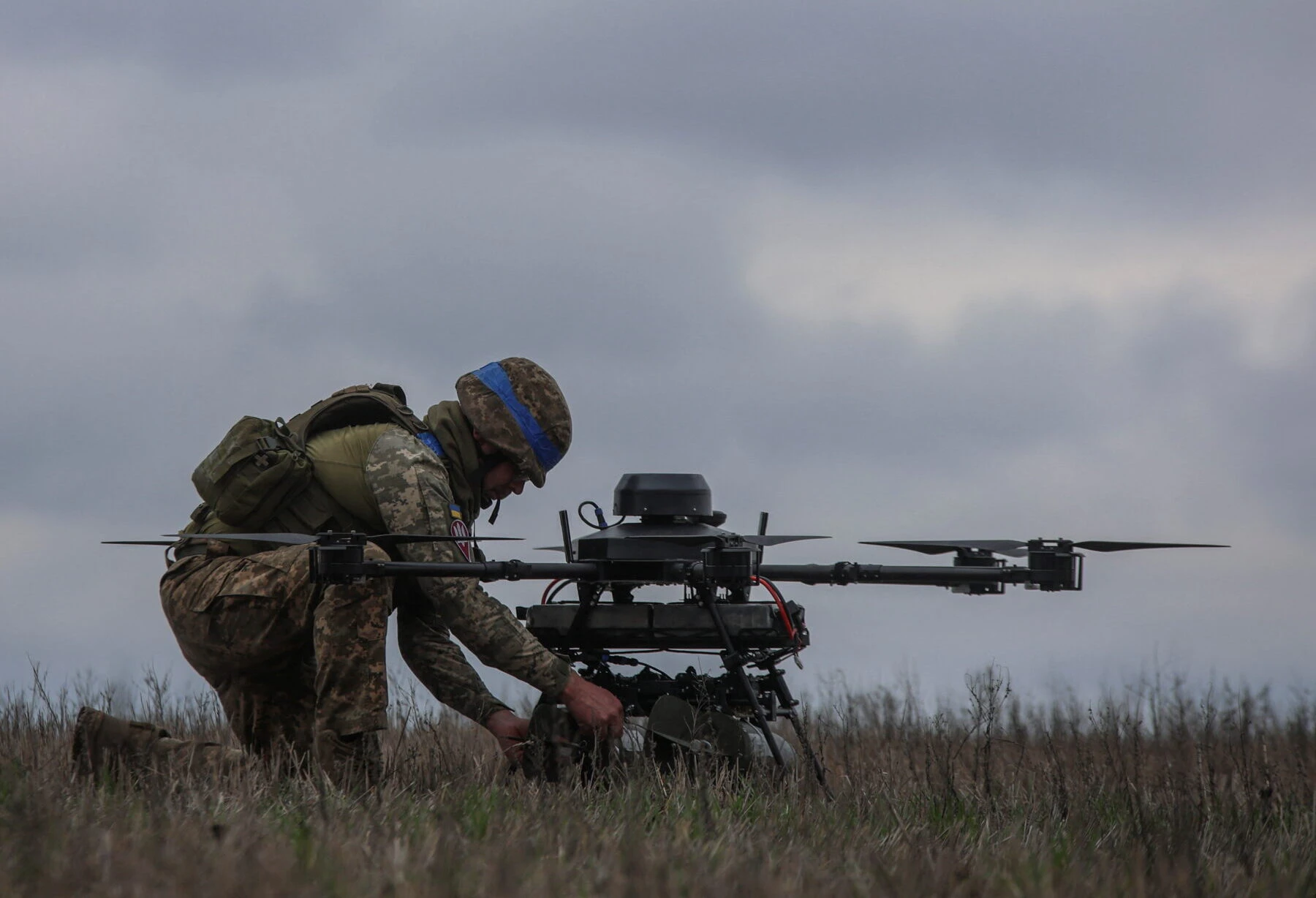
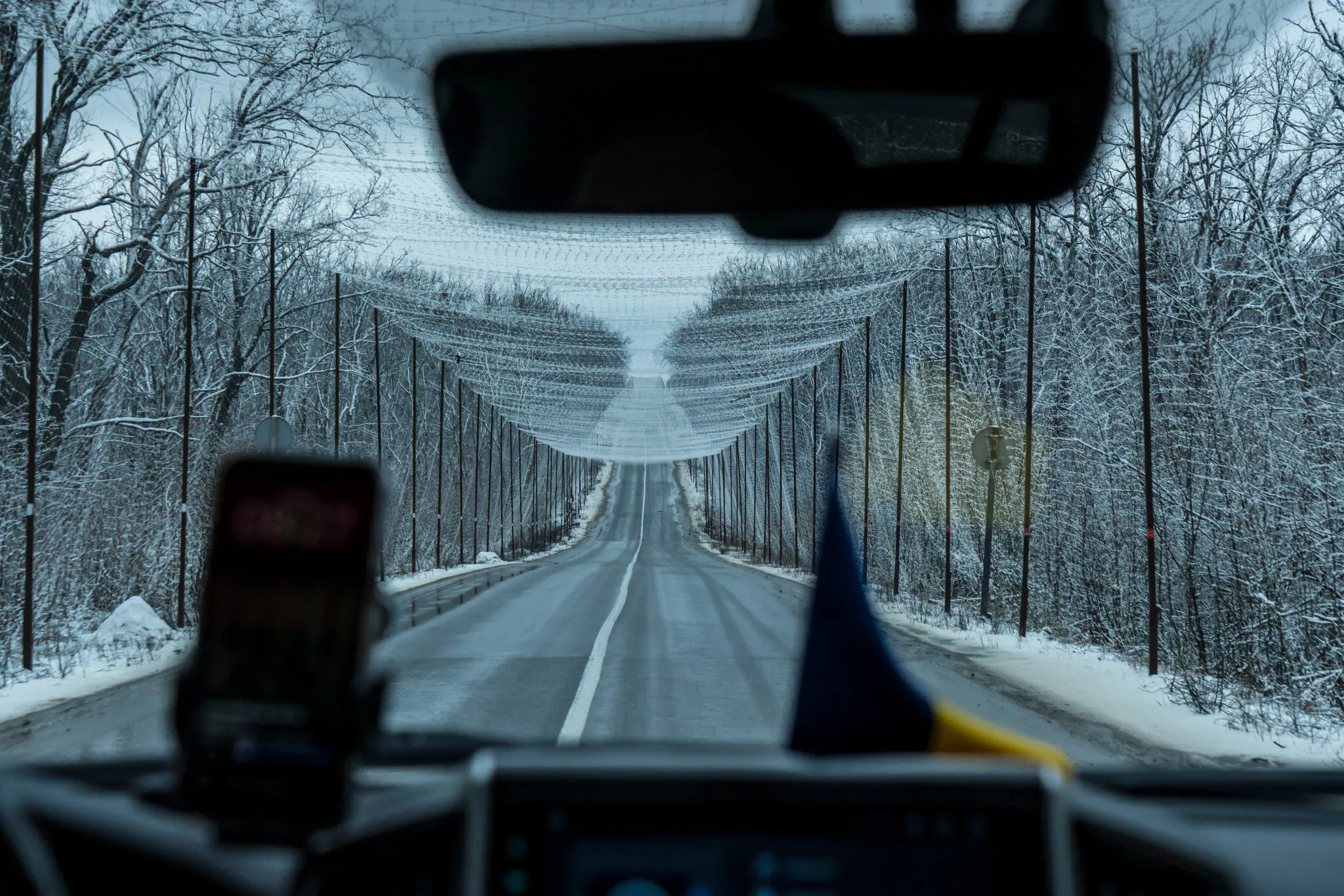
Drones are a major issue in their own right. Citing an IISS report, the AP reports 144 suspicious drone sightings in Europe between 2024 and 2026, including in Germany, France, Belgium, the Netherlands, the United Kingdom, and Denmark. According to the IISS, Russia likely used “shadow fleet” vessels as launch platforms for UAVs to monitor military facilities, test air defense systems, and remain below the threshold for a collective NATO response.
The incidents led to airport closures, and in Denmark, they were described as a very serious attack on critical infrastructure. At the same time, attribution is difficult: not all states publicly accuse Moscow directly, and Russia itself denies any involvement.
NATO views Russia as a direct threat, not a temporary problem. In NATO’s updated document on deterrence and defense, Russia is named “the most significant and direct threat” to the security of the allies; Russian hybrid actions are listed separately—sabotage of critical infrastructure, violence, border provocations, the instrumentalization of migration, cyberattacks, electronic interference, disinformation, political influence, and economic pressure. NATO also points to Russia’s nuclear rhetoric and signaling as a tool of strategic intimidation.
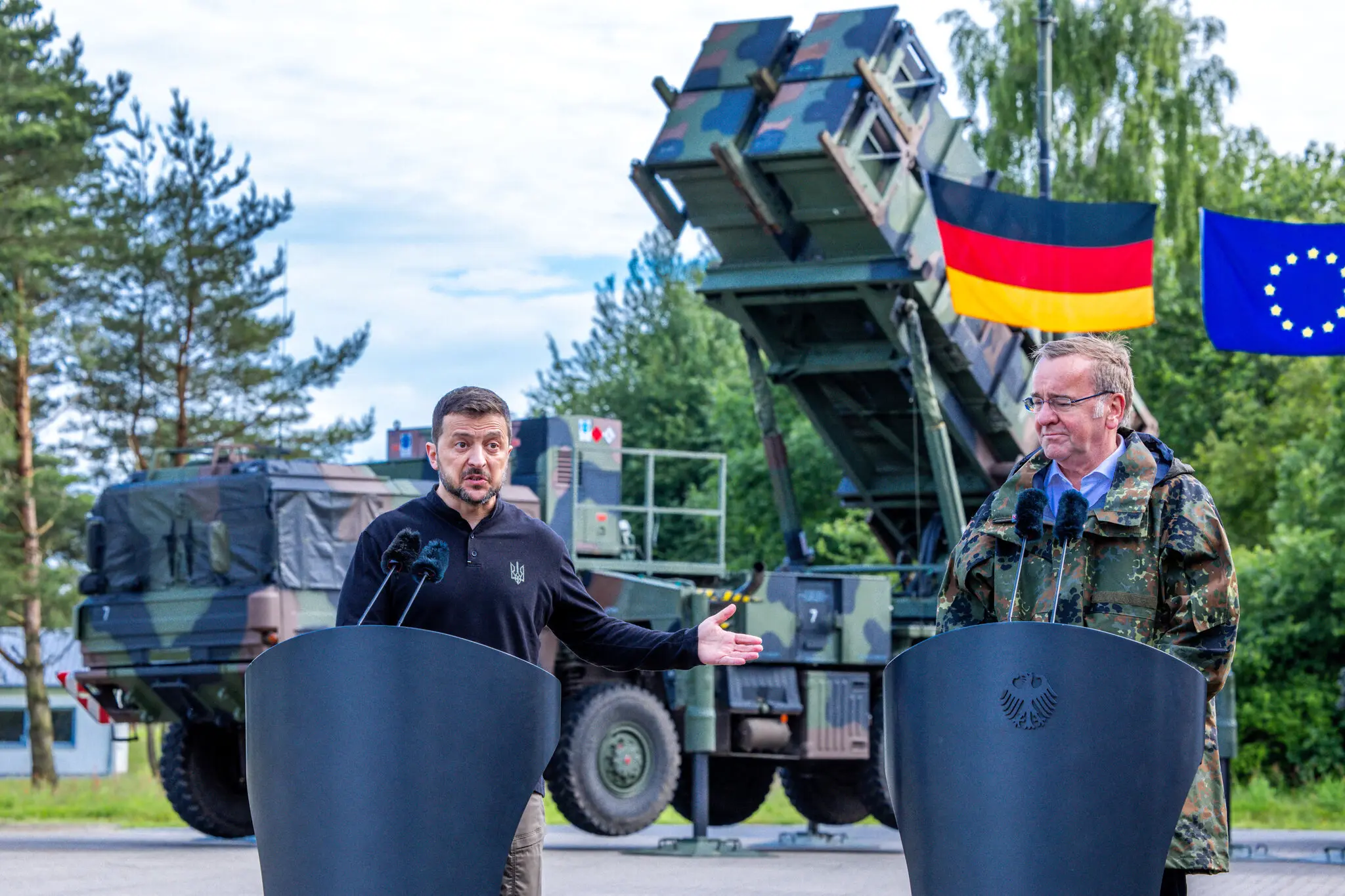
Why Europe is rapidly ramping up its defense. NATO has already strengthened its eastern flank: the number of multinational battle groups has increased from 4 to 9; the Eastern Sentry and Arctic Sentry initiatives have been launched; a new Force Model has been established; and plans for troop deployment, air and missile defense, logistics, and cyber and space capabilities have been reinforced.
At the summit in Ankara on July 7–8, 2026, the main topic will be translating funding into tangible capabilities; according to NATO, European allies and Canada increased their baseline defense spending by $139 billion in 2025, and some countries will reach the 5% of GDP target as early as 2026.
Assessment of the risk of direct war. According to an EUISS expert survey, the main risk for the EU in 2026 is not a direct tank invasion, but a devastating hybrid attack on critical infrastructure. Other top risks cited include the continuation of Russian aggression in Europe and against its neighbors, as well as a possible weakening of U.S. security guarantees.
This aligns with Moscow’s logic: to strike below the Article 5 threshold in order to paralyze, intimidate, and divide, while avoiding a direct response from NATO.
At the same time, the medium-term threat is growing. The Bundeswehr officially cites General Carsten Breyer’s assessment: starting in 2029, Russia may be capable of a large-scale attack on NATO territory; he emphasizes that this does not mean an automatic attack, but the possibility exists, and preparations must be made for it.
On the other hand, Kaupo Rozin, head of Estonia’s foreign intelligence service, told the AP that Russia does not have sufficient resources to attack NATO in 2026–2027, but Moscow plans to significantly increase its forces along NATO’s eastern flank, possibly to two or three times pre-war levels.
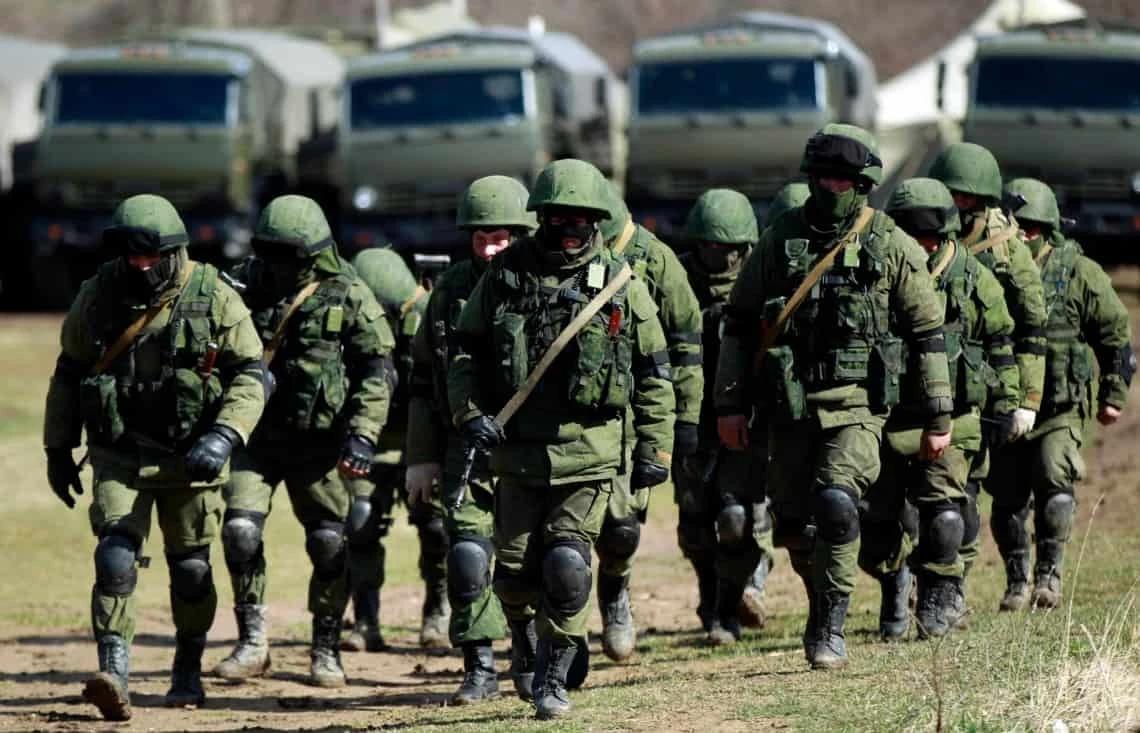
Poland and the Baltic states are the main flashpoint. Here, scenarios involving not only classic sabotage but also a “gray zone”—drones, “stray” missiles, attacks on railways and power grids, migration pressure via Belarus, “little green men,” and false-flag operations—are very real. Polish Deputy Prime Minister Radosław Sikorski said in an interview with CBS that he does not rule out a Russian false-flag operation within the next two years to justify an attack on a NATO member state.
The Belfer Center separately models two dangerous scenarios on the northeastern flank: a limited territorial seizure through the escalation of the “gray zone” and a major operation to isolate the Baltic states via the Suwalki Corridor.
The nuclear factor has also been brought back into play. The DGAP notes that in May 2026, Russia issued a series of nuclear signals directed at Ukraine and the West; the authors consider it unlikely that these specific exercises were a direct cover for an immediate nuclear escalation, but they emphasize that NATO must take such signals seriously.
Conclusion: a direct, large-scale war between Europe and Russia does not appear inevitable “tomorrow,” but the threshold for such a conflict has become dangerously lower. Russia is already waging a hybrid war against Europe. The most likely scenario involves an increase in sabotage, UAVs, cyberattacks, attacks on energy infrastructure, cables, railways, and airports, as well as political destabilization and provocations in the Polish-Baltic region. The most dangerous scenario is a limited provocation against NATO territory, after which Moscow will wait to see whether the alliance responds with a united front or begins to squabble internally.
We now need to monitor five indicators: major incidents affecting infrastructure in Poland, the Baltic states, the North Sea, and the Baltic Sea; new waves of drones over military and nuclear facilities; movements of Russian and Belarusian units near the borders; decisions from the NATO summit in Ankara on July 7–8; and any signs that the U.S. is scaling back its practical military role in Europe faster than the Europeans can fill the gap.


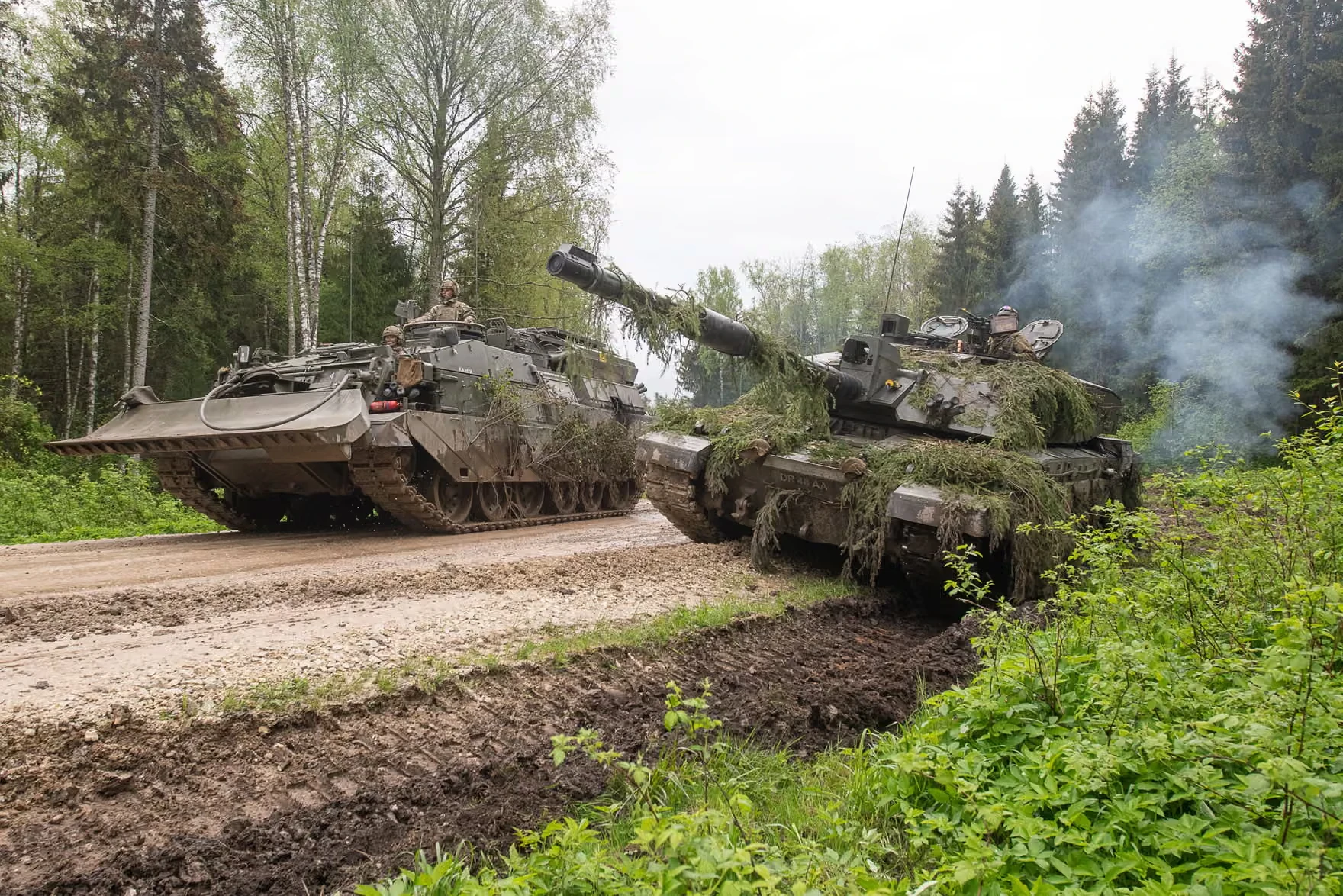 Війська НАТО беруть участь у масштабних військових навчаннях разом з естонськими силами оборони — Райго Паюла
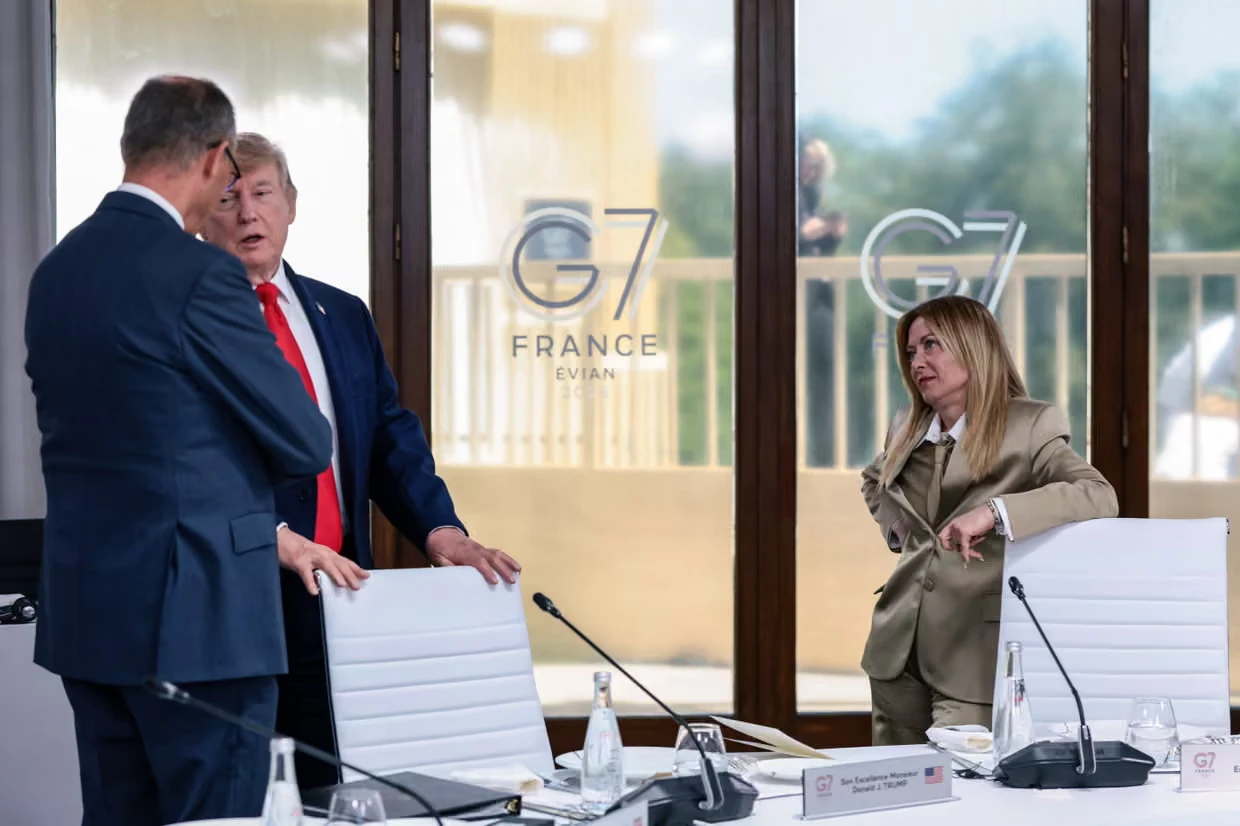 Мелоні заявила, що Трамп «повністю вигадав» історію, в якій він стверджував, що вона благала його сфотографуватися з нею під час саміту G7 — Евелін Хокштейн
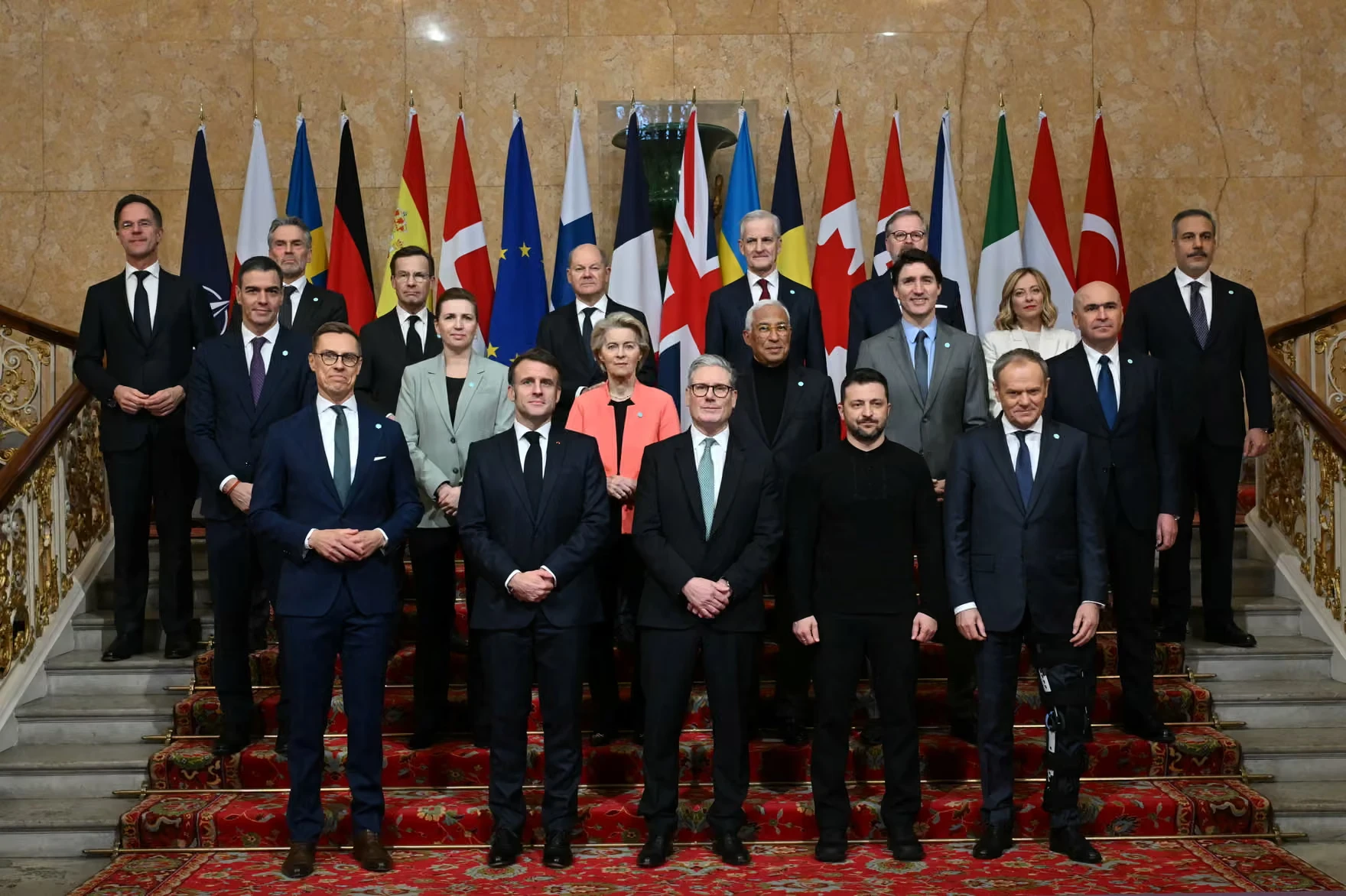 Стармер з лідерами групи країн, яка згодом стане відомою як «коаліція бажаючих», у Лондоні в березні 2025 року — Джастін Талліс
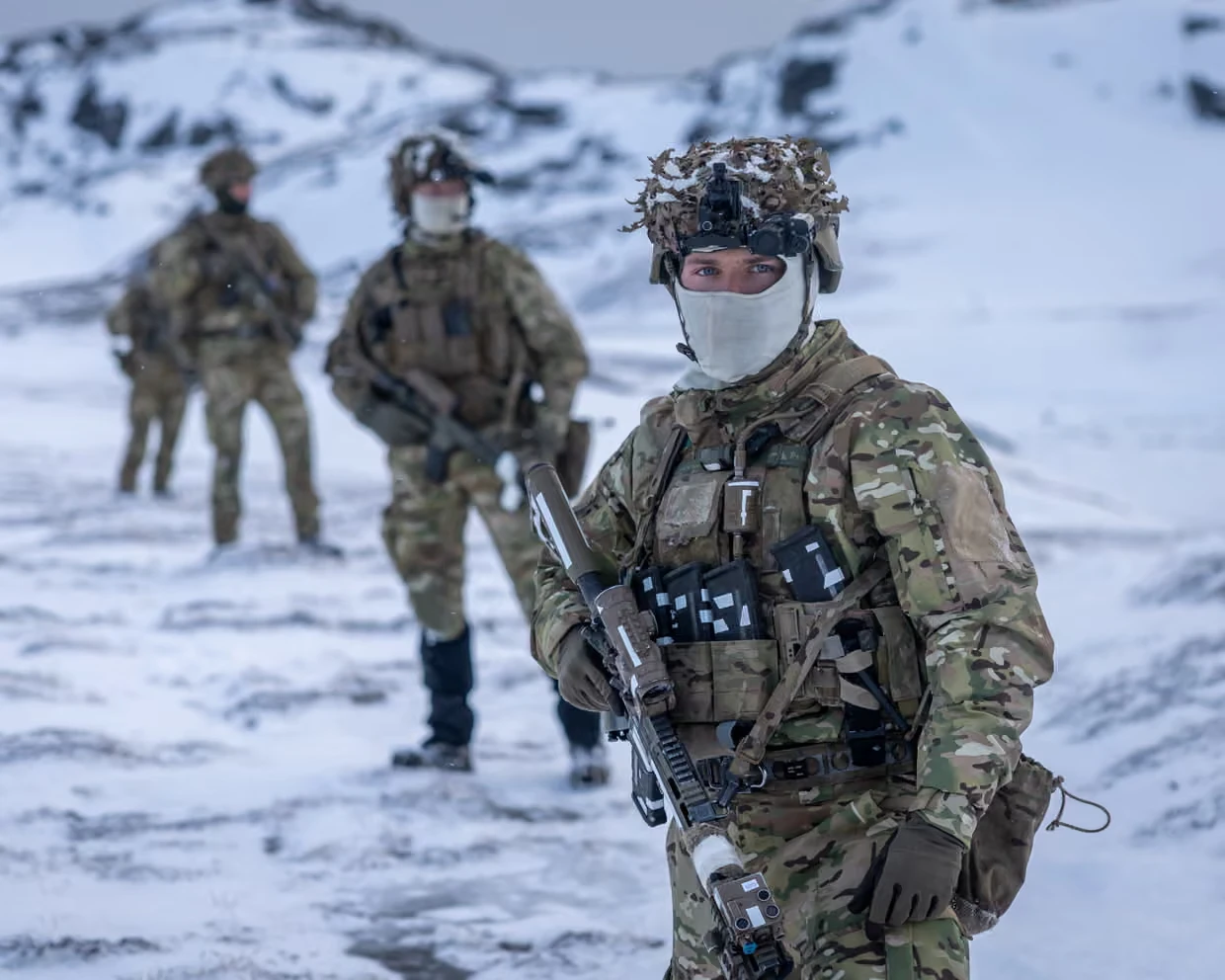 Данські солдати в Гренландії. У січні Трамп знову підтвердив свої погрози анексувати Гренландію від Данії — Саймон Елбек
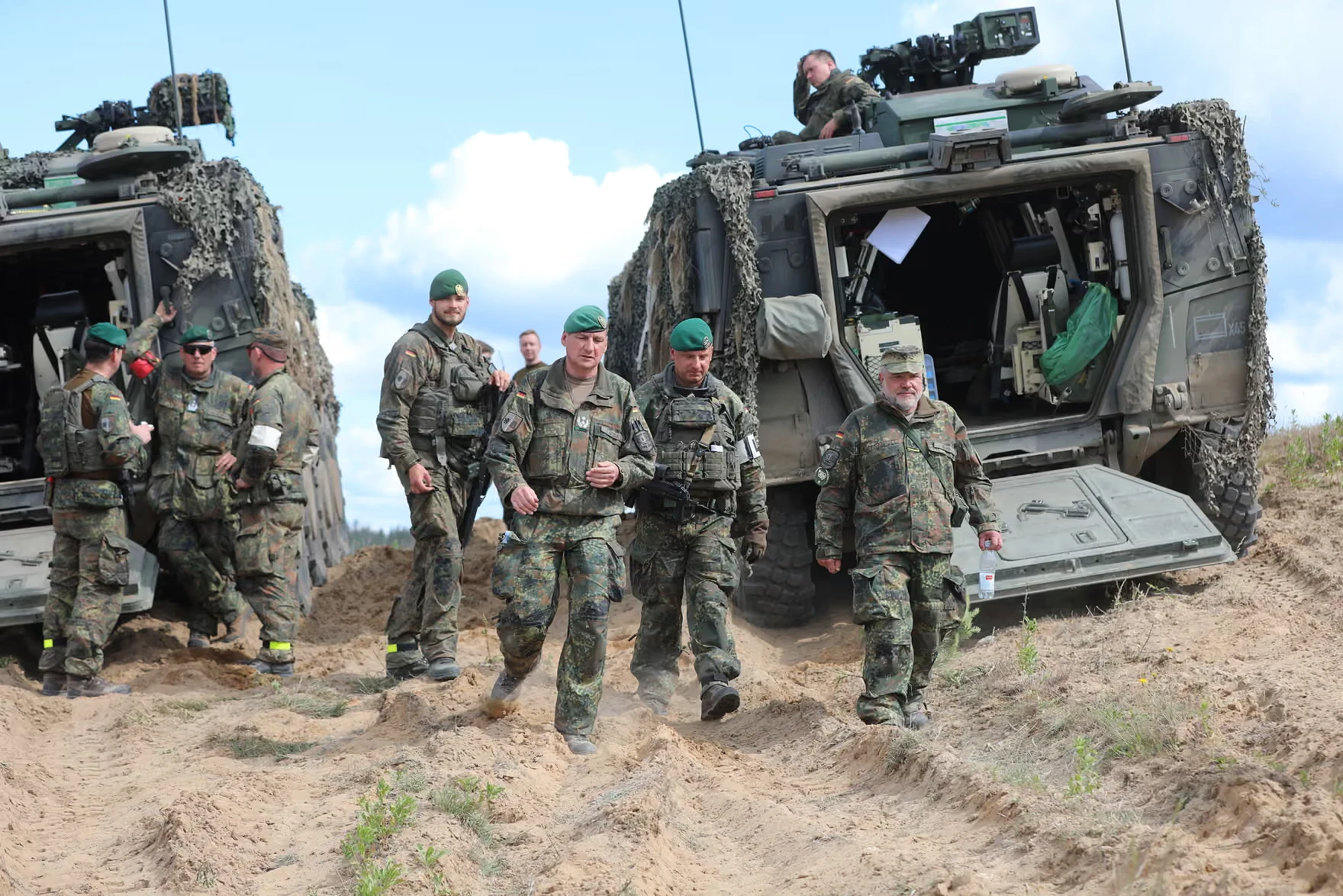 Німеччина розгортає повну бригаду військ до Литви, що стане першою постійною німецькою іноземною базою з часів Другої світової війни — Аліус Корольовас













 Деталь розбитого дрона на місці поблизу села Каблакула, Естонія, 19 травня 2026 року — Сан Калнінс
 Люди збираються всередині укриття біля литовського парламенту після попередження про «повітряну небезпеку», у Вільнюсі, Литва, 20 травня 2026 року — Андрюс Ситас