




















The 7.7-magnitude Indonesia earthquake near Flores was one of the strongest to strike the region in more than three decades. As of August 20, authorities report 72 deaths, 898 injuries and more than 82,000 people still displaced.
The death toll from the powerful earthquake near the Indonesian island of Flores has continued to rise five days after the main shock. According to Indonesia’s National Disaster Management Agency, BNPB, 72 people had been confirmed dead by the morning of August 20, while another 898 had been injured.
The scale of displacement has also grown sharply since the first hours after the disaster. BNPB said 82,691 people remained away from their homes, with 38,801 staying at organised evacuation centres and another 43,890 sheltering at independently arranged locations across the affected region.
Initial reports on August 15 put the death toll at at least 38. That figure quickly became outdated as rescue teams reached isolated communities and searched collapsed buildings. By August 16, the confirmed number of deaths had risen to 53, and by August 18 authorities were reporting 70 fatalities.
The main earthquake struck early on August 15. Indonesia’s Meteorology, Climatology and Geophysics Agency, known as BMKG, later assessed its magnitude at 7.7 and its depth at about 15 kilometres. The epicentre was offshore, roughly 30 kilometres northeast of Mbay in Nagekeo Regency.
According to Daycom’s analysis of official updates, the Indonesia earthquake has evolved from a sudden seismic disaster into a prolonged humanitarian emergency. The danger now comes not only from the original shock but from thousands of aftershocks, damaged roads and widespread fear of returning to buildings whose structural safety remains uncertain.
BMKG has linked the earthquake to activity along the Flores Back-Arc Thrust, a major tectonic structure running through the region. Wijayanto, the agency’s director for earthquakes and tsunamis, said the fault system is capable of producing earthquakes approaching magnitude 7.8 or 7.9, placing this event close to its estimated potential.
The strongest shaking was assessed at intensity VII on the Modified Mercalli scale in areas including Aesesa, Riung and Mbay. Shaking at that level can cause people to flee buildings and can damage vulnerable structures. Intensity levels of VI and V were also recorded across neighbouring parts of eastern Indonesia.
Authorities issued a tsunami warning immediately after the main earthquake for several coastal areas in East and West Nusa Tenggara and South Sulawesi. BMKG sent its first warning less than three minutes after the quake, prompting residents in potentially exposed coastal communities to move to safer ground.
The tsunami warning was later lifted after monitoring showed that the immediate threat had passed. That removed the danger of a second major disaster from the sea, but it did not mark the end of the emergency. By then, a long sequence of aftershocks had already begun across and around Flores.
By the morning of August 19, BMKG had recorded 2,768 aftershocks. The strongest reached magnitude 6.2, while 81 were strong enough to be felt by residents. Seismologists said the sequence remained unstable, with no clear indication at that stage that the frequency of tremors was declining consistently.
Strong shaking continued into the night of August 20. BMKG recorded another earthquake with a magnitude of 5.7 near Ruteng in Manggarai Regency at a depth of about 10 kilometres. It did not generate a tsunami threat, but residents across several parts of East Nusa Tenggara again felt the ground move.
The continuing aftershocks are shaping daily decisions in affected communities. Even residents whose homes remain standing have been reluctant to return because another tremor could bring down structures already weakened by the main earthquake. Authorities have warned people not to enter buildings showing cracks or other signs of structural damage.
Rescue operations have been complicated by the geography of Flores. Mountainous terrain, landslides and damaged roads have cut off some communities and delayed the movement of rescue equipment and humanitarian supplies. Authorities have deployed military aircraft, ships and additional personnel to reach more remote areas.
Amid the destruction, rescuers have also reported rare cases of survival. An 84-year-old woman, Paulina Pobi, was found alive three days after the earthquake beneath the remains of her home in Nitunglea village. A landslide had blocked access to the settlement, delaying efforts by relatives and rescue teams to reach her.
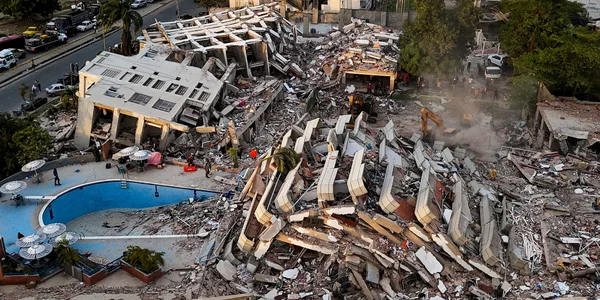
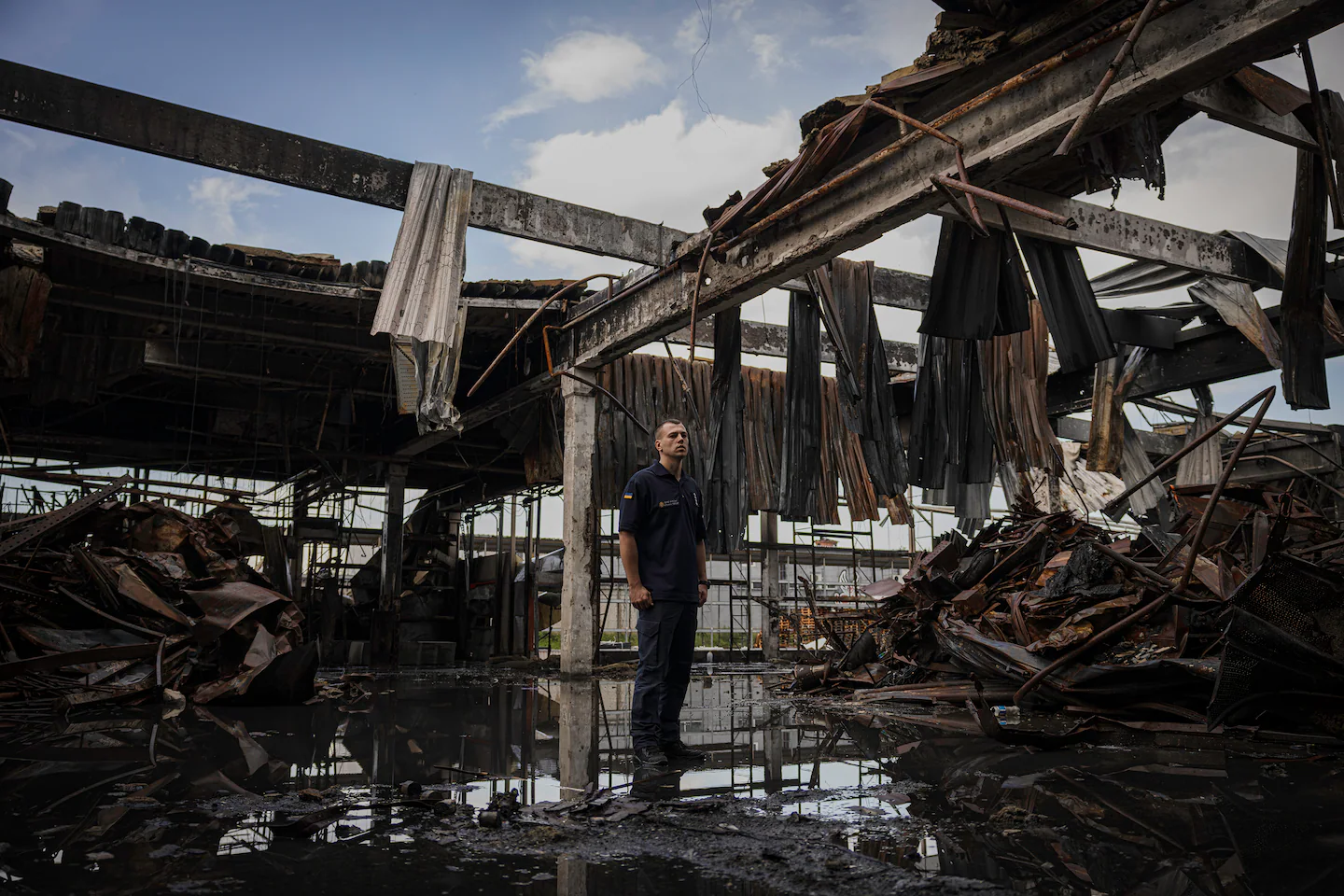
The earthquake has inflicted extensive damage on local infrastructure. Homes, medical facilities, schools, administrative buildings and places of worship have all been affected. Some hospitals moved patients into temporary tents because officials feared that damaged buildings could become unsafe during further aftershocks.
For Flores, the disaster has revived memories of the devastating earthquake of 1992. That magnitude-7.5 event caused widespread destruction and generated a deadly tsunami. Indonesian seismologists have noted that the latest earthquake represents one of the most powerful events to affect the area in more than three decades.
Flores lies within one of the most tectonically active regions on Earth. Indonesia sits along the Pacific “Ring of Fire,” where several major plates interact, making earthquakes and volcanic eruptions a persistent hazard. Shallow earthquakes can be especially destructive when they occur close to populated areas.
Indonesia’s recent history also shows that magnitude alone does not determine the human cost of a disaster. In 2018, a magnitude-7.5 earthquake and tsunami around Palu killed thousands, while a much smaller magnitude-5.6 earthquake in Cianjur in 2022 caused hundreds of deaths because of its shallow depth and vulnerable buildings.
The coming weeks are therefore likely to remain difficult on Flores even if no comparable main shock occurs. BMKG has indicated that the aftershock sequence could continue for another two to three weeks before gradually stabilising, leaving many residents uncertain about when it will be safe to return home.
The figure of 38 deaths reported in the first hours after the disaster proved to be only an early count. Five days later, the confirmed toll had nearly doubled, tens of thousands of people remained displaced and the ground was still shaking — leaving the full consequences of the Flores earthquake yet to be determined.