





















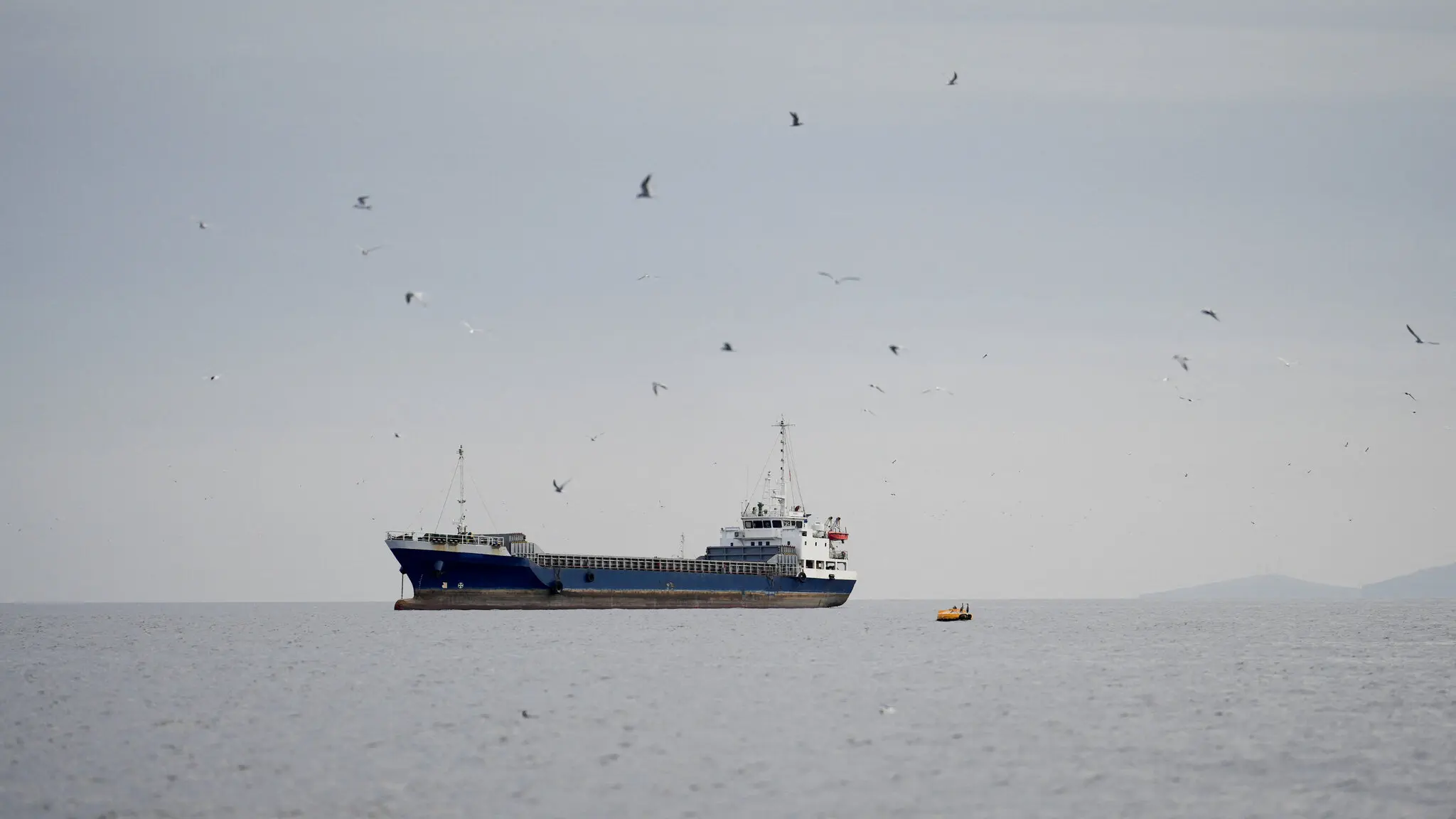
The return of oil above $100 a barrel is more than a market spike after a dramatic statement from Washington. It is the moment financial markets acknowledged, once again, that the Persian Gulf is no longer operating under the logic of a brief shock followed by quick stabilization. The Strait of Hormuz has resumed its place as one of the world’s central pressure points.
The immediate trigger was the U.S. announcement that it would begin blocking vessels entering or leaving Iranian ports. Formally, Washington is trying to preserve transit for other routes. For markets, that distinction is already secondary. Once military power begins setting the rules of passage in a corridor that carries a major share of global oil exports, prices respond almost automatically.
What is especially telling is the timing. Markets reacted after several days of fragile optimism created by the announcement of a cease-fire. Last week, even the prospect of a pause in hostilities pushed Brent lower. Now that move has been largely reversed. Investors have concluded that a cease-fire does not mean the return of normal shipping, and diplomacy does not guarantee a managed exit from the crisis.
The return of oil above $100 a barrel is more than a market spike after a dramatic statement from Washington. It is the moment financial markets acknowledged, once again, that the Persian Gulf is no longer operating under the logic of a brief shock followed by quick stabilization. The Strait of Hormuz has resumed its place as one of the world’s central pressure points.
The immediate trigger was the U.S. announcement that it would begin blocking vessels entering or leaving Iranian ports. Formally, Washington is trying to preserve transit for other routes. For markets, that distinction is already secondary. Once military power begins setting the rules of passage in a corridor that carries a major share of global oil exports, prices respond almost automatically.
What is especially telling is the timing. Markets reacted after several days of fragile optimism created by the announcement of a cease-fire. Last week, even the prospect of a pause in hostilities pushed Brent lower. Now that move has been largely reversed. Investors have concluded that a cease-fire does not mean the return of normal shipping, and diplomacy does not guarantee a managed exit from the crisis.
As Daycom’s earlier analysis suggested, energy markets react most sharply not to war itself, but to the loss of predictability. If it is unclear who will control Hormuz tomorrow, what will happen to Iranian exports, whether maritime trade will continue, and whether the truce will hold, then oil prices begin to reflect not only scarcity, but fear.
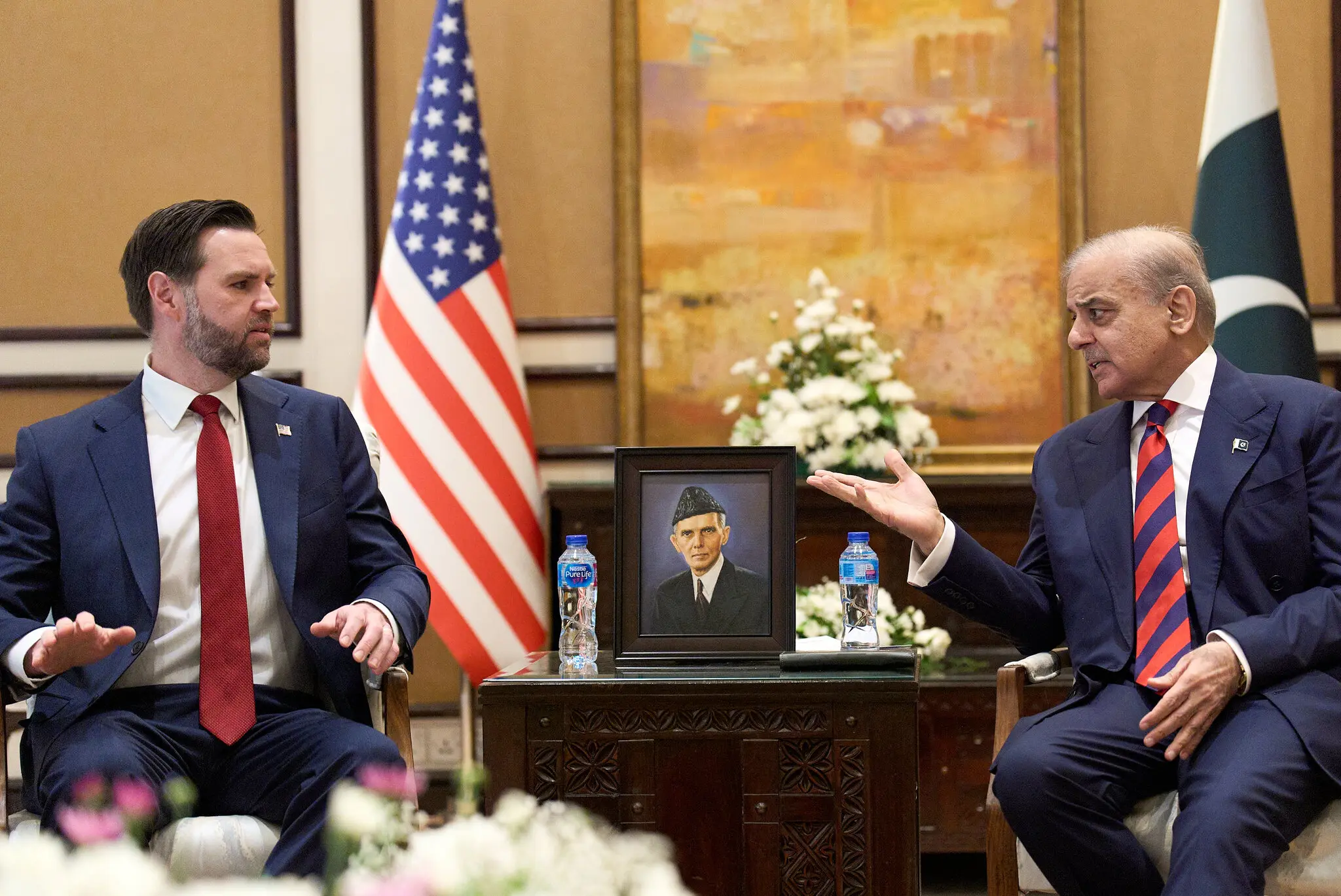
Fear has now become the market’s most valuable commodity. Traders are reading the American blockade plan not as an isolated naval step, but as the signal of a new phase in the confrontation between the United States and Iran. After inconclusive talks in Pakistan, it became clear that the diplomatic window remains narrow, and that the core disputes over Iran’s nuclear program, the fate of frozen revenues and control of the strait are still fully alive.
For Washington, this is an attempt to change the architecture of pressure itself. Until now, the United States had tried to combine a hard line on Iran with caution toward the global oil market. That balance is now under strain. If the blockade is enforced in earnest, the White House will in effect be admitting that it is prepared to tolerate fresh energy turbulence in exchange for deeper strategic pressure on Tehran.
For Iran, this is also a turning point. Tehran has long used Hormuz as an indirect weapon. If it cannot fully dominate the battlefield, it can still make the world feel the war through gasoline prices, gas supply, freight costs and the nervous reflexes of financial markets. That is why Iranian officials are already sending blunt signals to American consumers: pressure on Iranian oil, they warn, will come back as pressure at the pump.
In that sense, the American plan has a double effect. On one side, it could restrict Iranian exports and weaken Tehran’s financial endurance. On the other, it pushes Brent upward by its very existence, making energy more expensive for U.S. allies, for Asia, for Europe and for the United States itself. This is one of the central paradoxes of the current moment: sanctions, blockades and containment remain useful only until their cost begins to spread across the entire global system.
That is why the $100 threshold matters more than it may seem. It is not simply a round number. For the market, it marks a shift from tension to systemic anxiety. As long as Brent trades below it, investors can still imagine the crisis as temporary. Once the price breaks through it again, a different expectation takes hold: that the conflict may last longer, and that supply from the Gulf could remain under threat for far more than a few days.
It matters just as much that nobody yet knows how the American blockade will function in practice. On paper, it looks like a selective denial of Iranian maritime access combined with continued freedom of navigation for everyone else. In reality, Hormuz does not permit neat designs. A handful of incidents, misidentifications or new attacks on vessels would be enough to send insurance, freight and logistical risk sharply higher again.
For equity markets, this revives a familiar and painful pattern. Expensive oil weighs on stocks, strengthens inflation expectations and forces investors to rethink assumptions about growth. Every additional dollar in Brent is not only a gain for energy producers, but a potential new burden on consumer prices, transport, industry and monetary policy. The weakness in stocks, then, looks less like panic than like a cold repricing of risk.
Another crucial dimension is the fragility of the cease-fire itself. Washington has created an awkward contradiction: the White House says the truce is holding, yet at the same time it is launching a mechanism that Tehran may interpret as a fresh act of coercion. That means the cease-fire is not functioning as a path toward de-escalation. It is functioning as a brief pause inside a conflict that continues to widen economically and militarily.
The broader regional setting makes the picture darker still. Direct contacts between Israel and Lebanon, fighting around Hezbollah, strikes in adjacent theaters and the rising human cost of war all show that Hormuz cannot be separated from the wider architecture of Middle Eastern instability. For markets, each line of tension amplifies the next. Oil is becoming more expensive not only because of a threatened route, but because the region as a whole now looks vulnerable to chain escalation.
Trump, in this setting, is making a wager on the politics of force. His language suggests a willingness to move aggressively whether Iran returns to negotiations or not. Yet that very indifference to the diplomatic outcome is part of what unsettles the market. Exchanges do not simply dislike war. They especially dislike wars in which the political center offers no clear scenario for how the crisis ends.
In the coming days, the real indicator will not be oil alone, but shipping behavior in the Strait of Hormuz itself. If maritime traffic resumes even partially without fresh attacks, markets may try to stabilize. If the blockade turns into a sequence of confrontations, warnings and coercive inspections, Brent will have room to move higher, and talk of a temporary shock will quickly give way to talk of a longer energy crisis.
That is why this move back above $100 should be read not as an episode, but as a warning. The oil market is again entering a phase in which price is shaped less by the balance of supply and demand than by naval power, fragile diplomacy and the nerve of geopolitics. And as long as the Strait of Hormuz remains a contested space between Washington and Tehran, no number on the screen will look final.
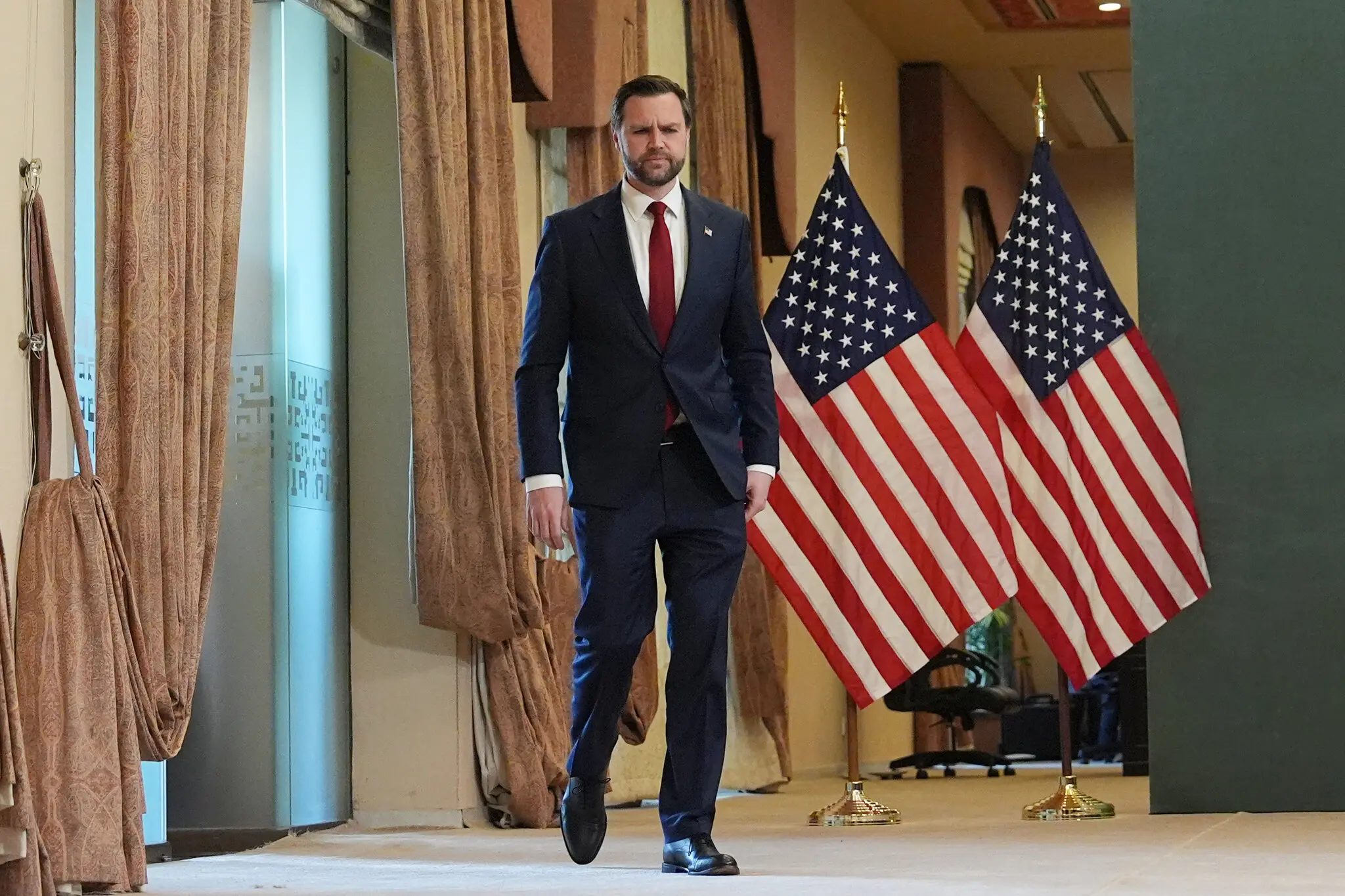













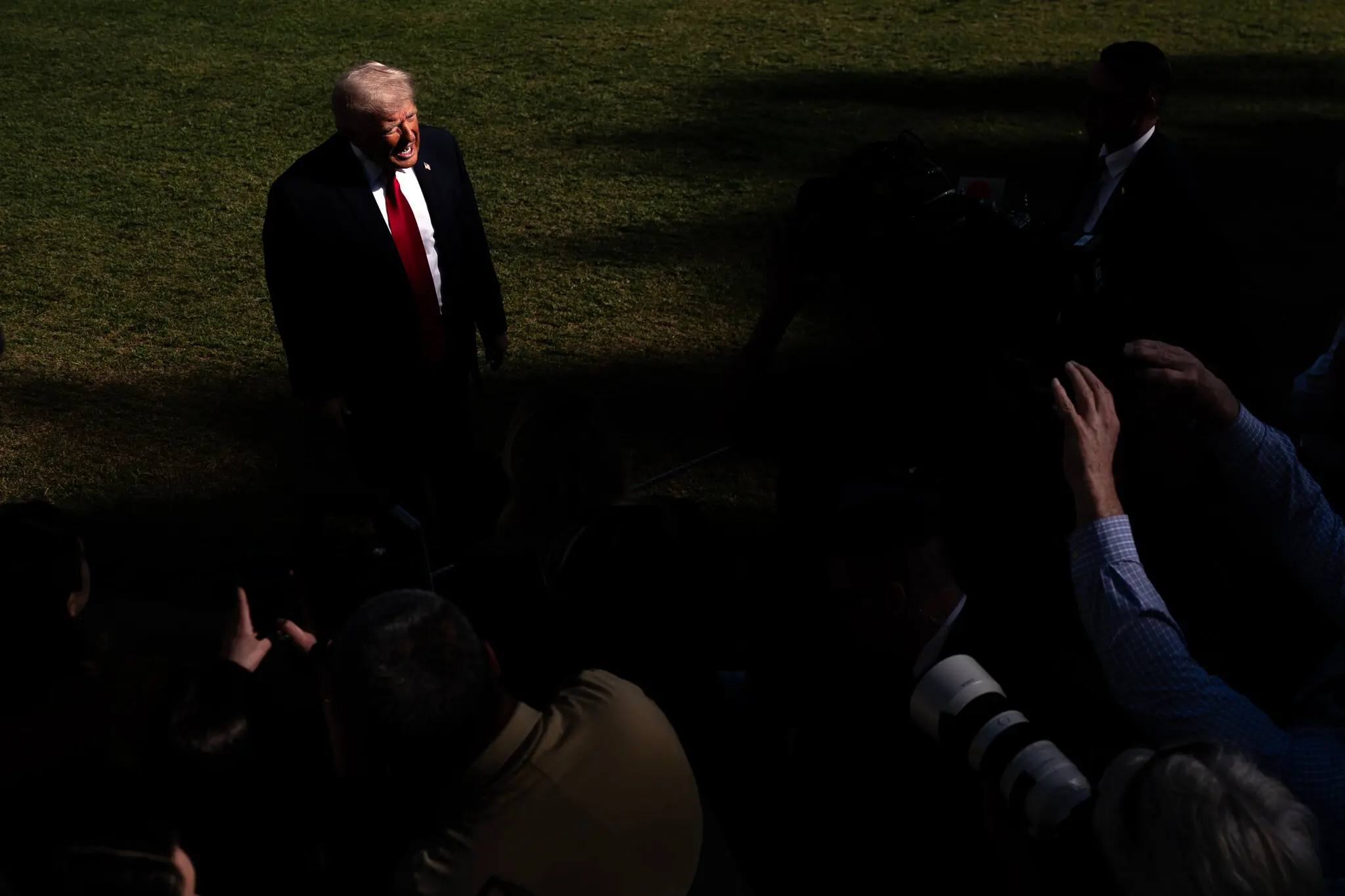
 Президент США Дональд Трамп після прибуття до Міжнародного аеропорту Маямі в Маямі, 11 квітня 2026 року — Джим Вотсон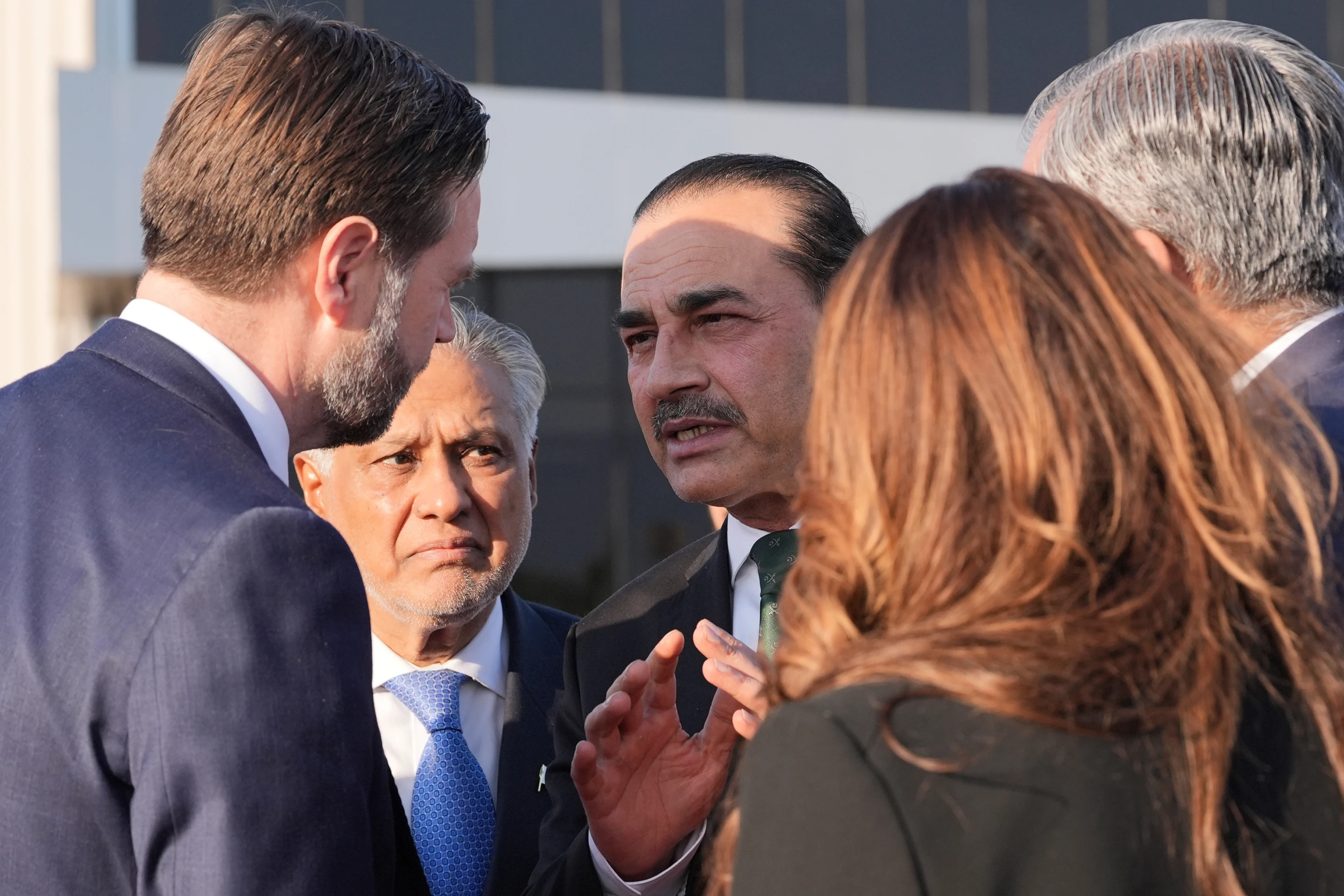

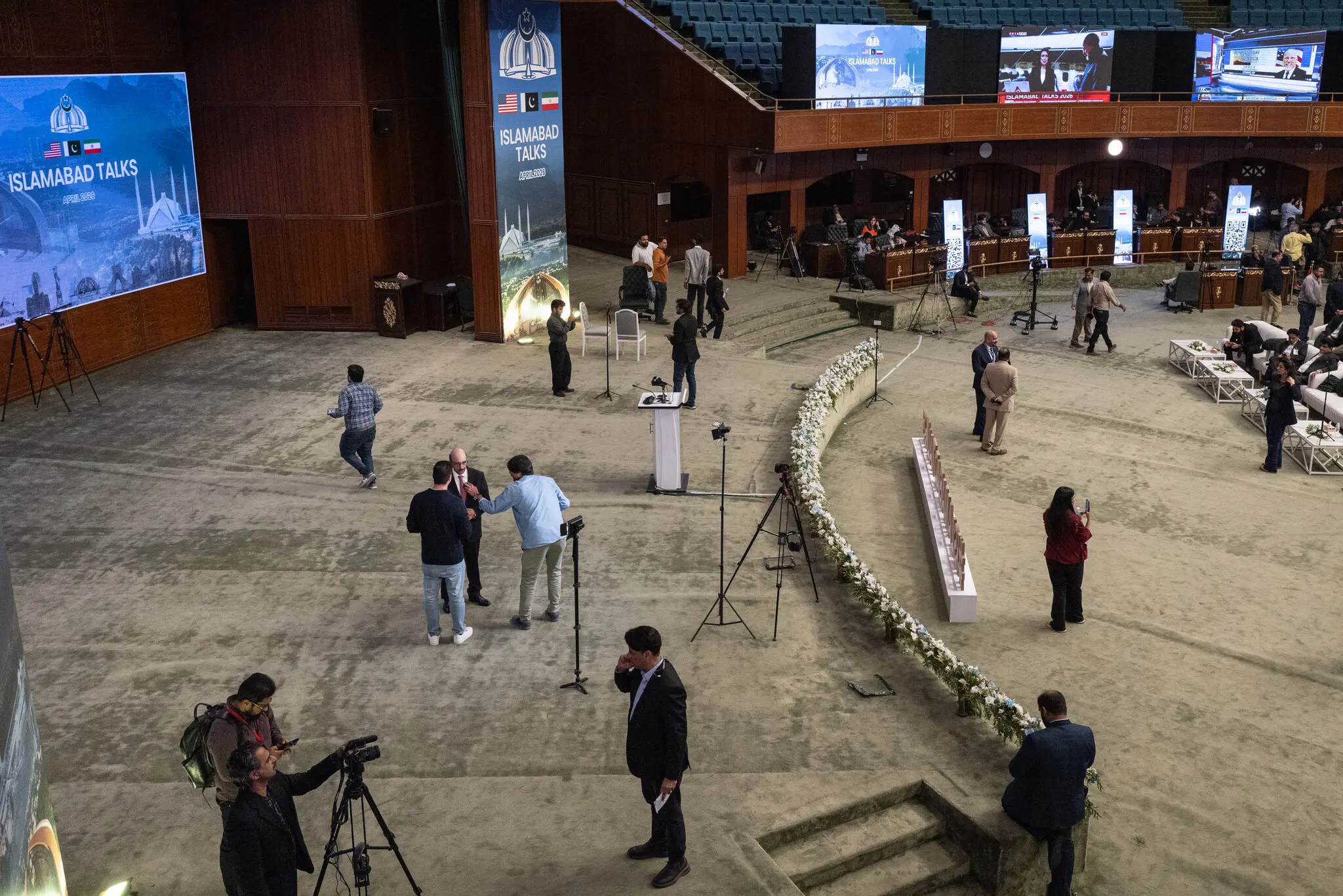
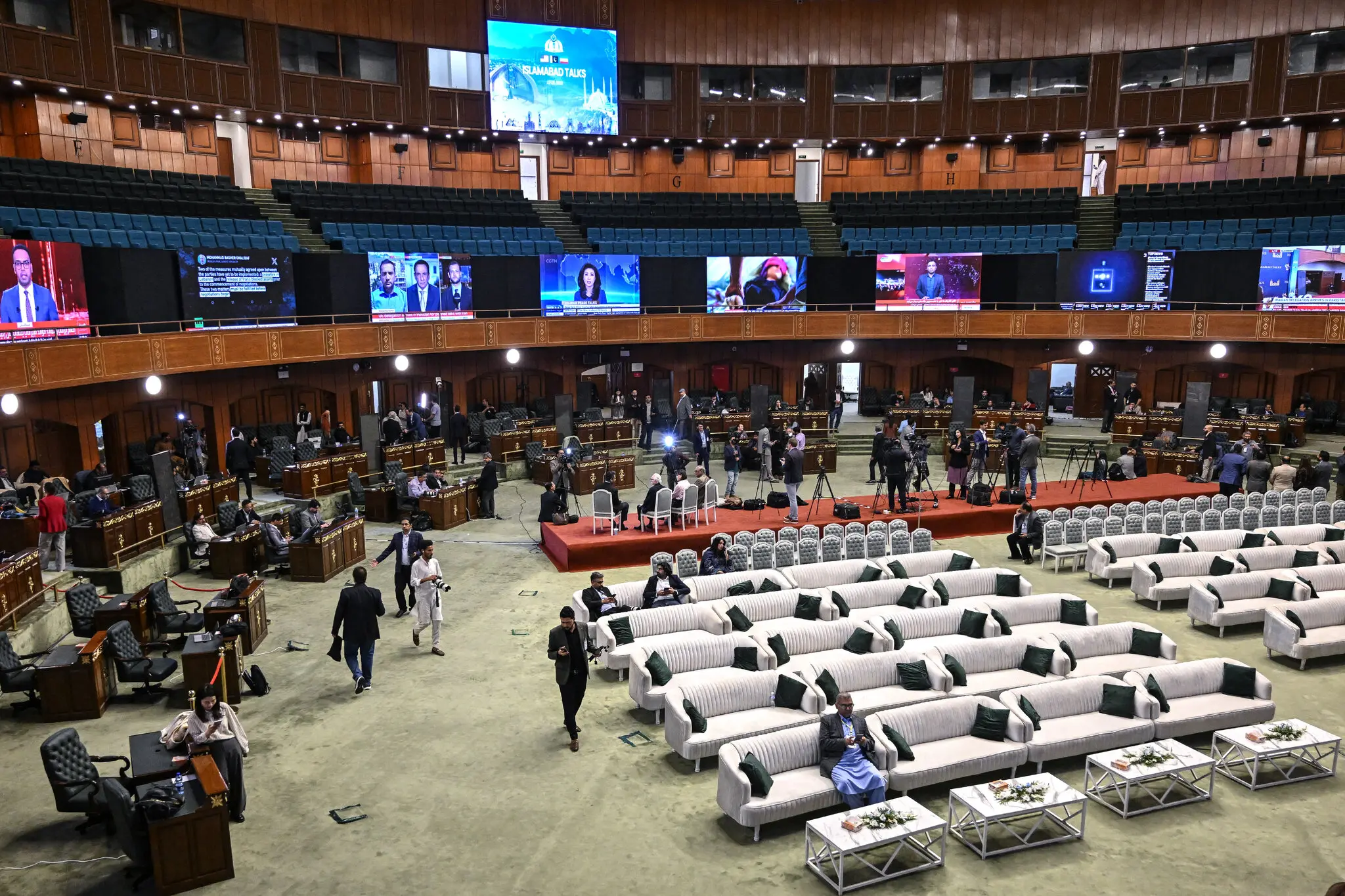 Журналісти працюють у медіацентрі в Ісламабаді в суботу — Аамір Куреші


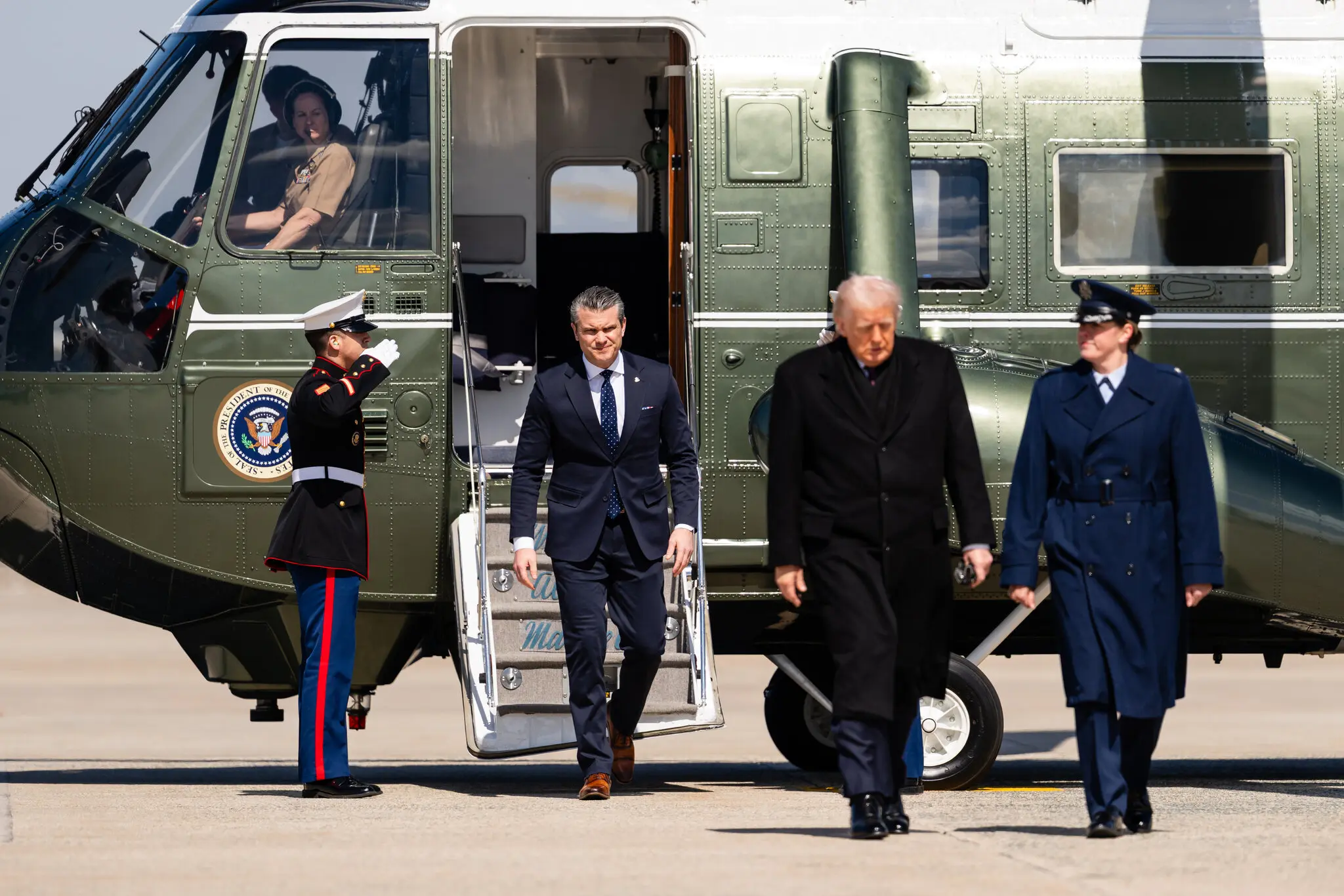 Міністр оборони Піт Хегсет позаду президента Трампа на об'єднаній базі Ендрюс у Меріленді минулого місяця. Пан Хегсет наказав усім видам збройних сил впровадити штучний інтелект — Ерік Лі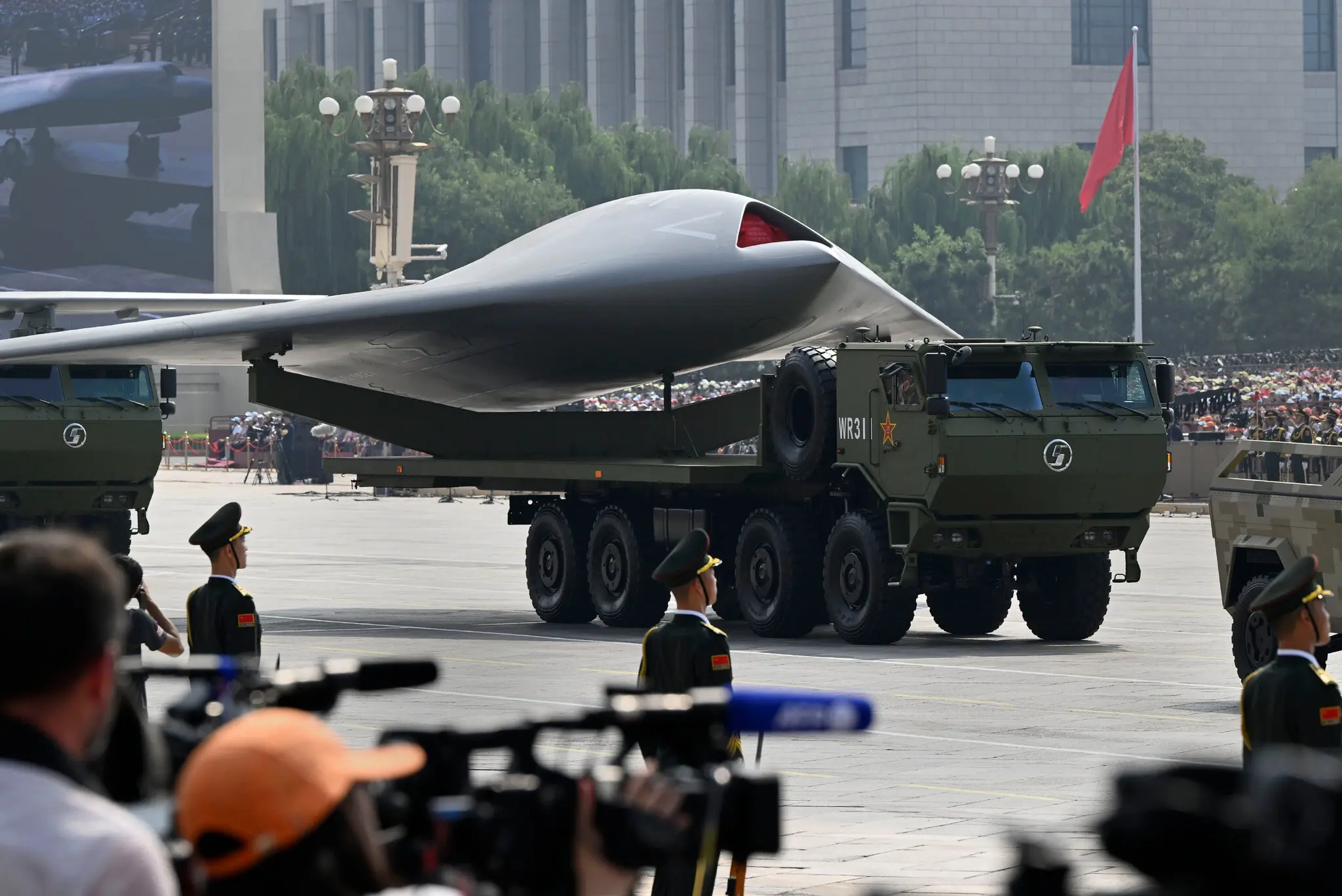
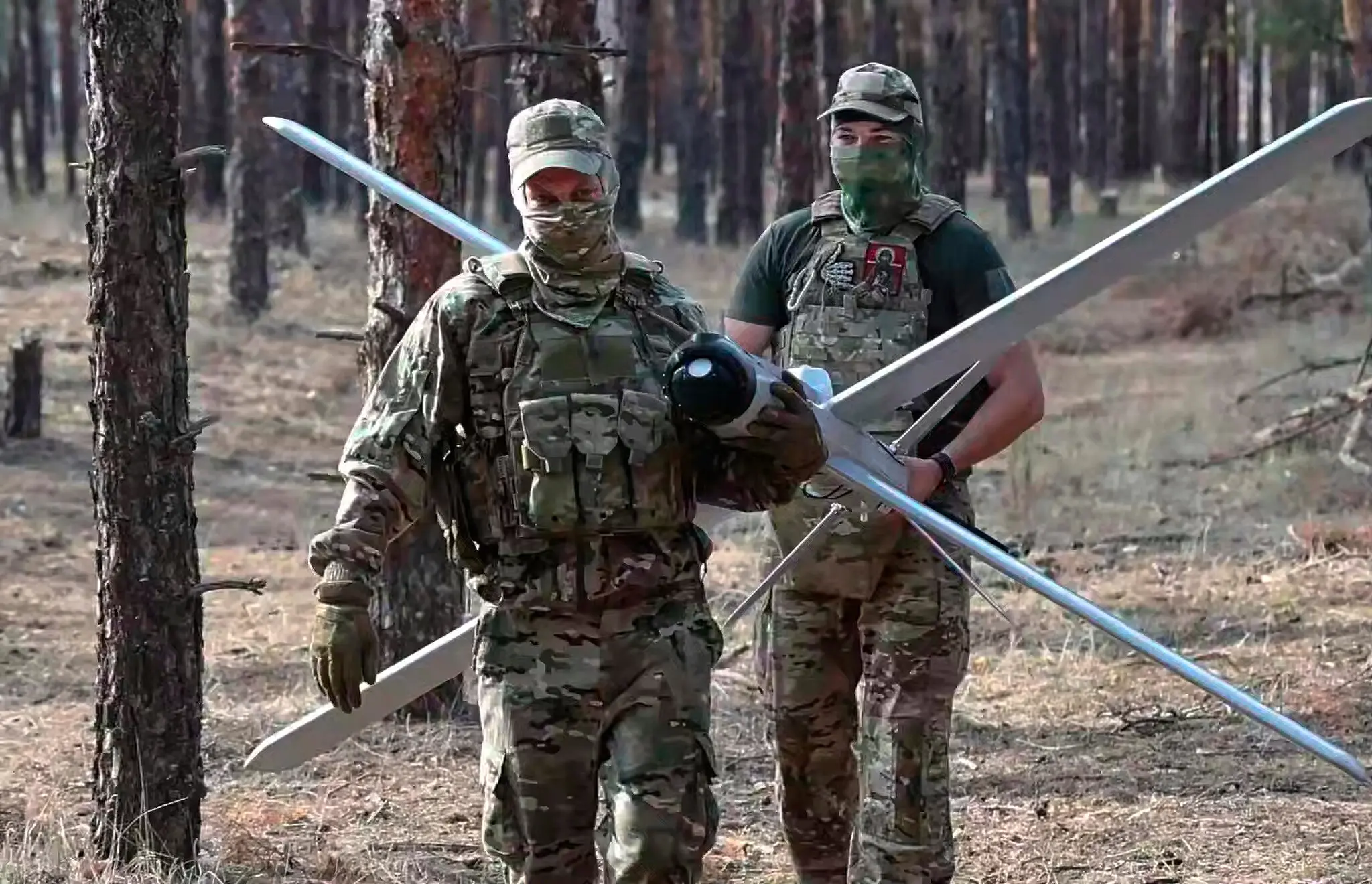
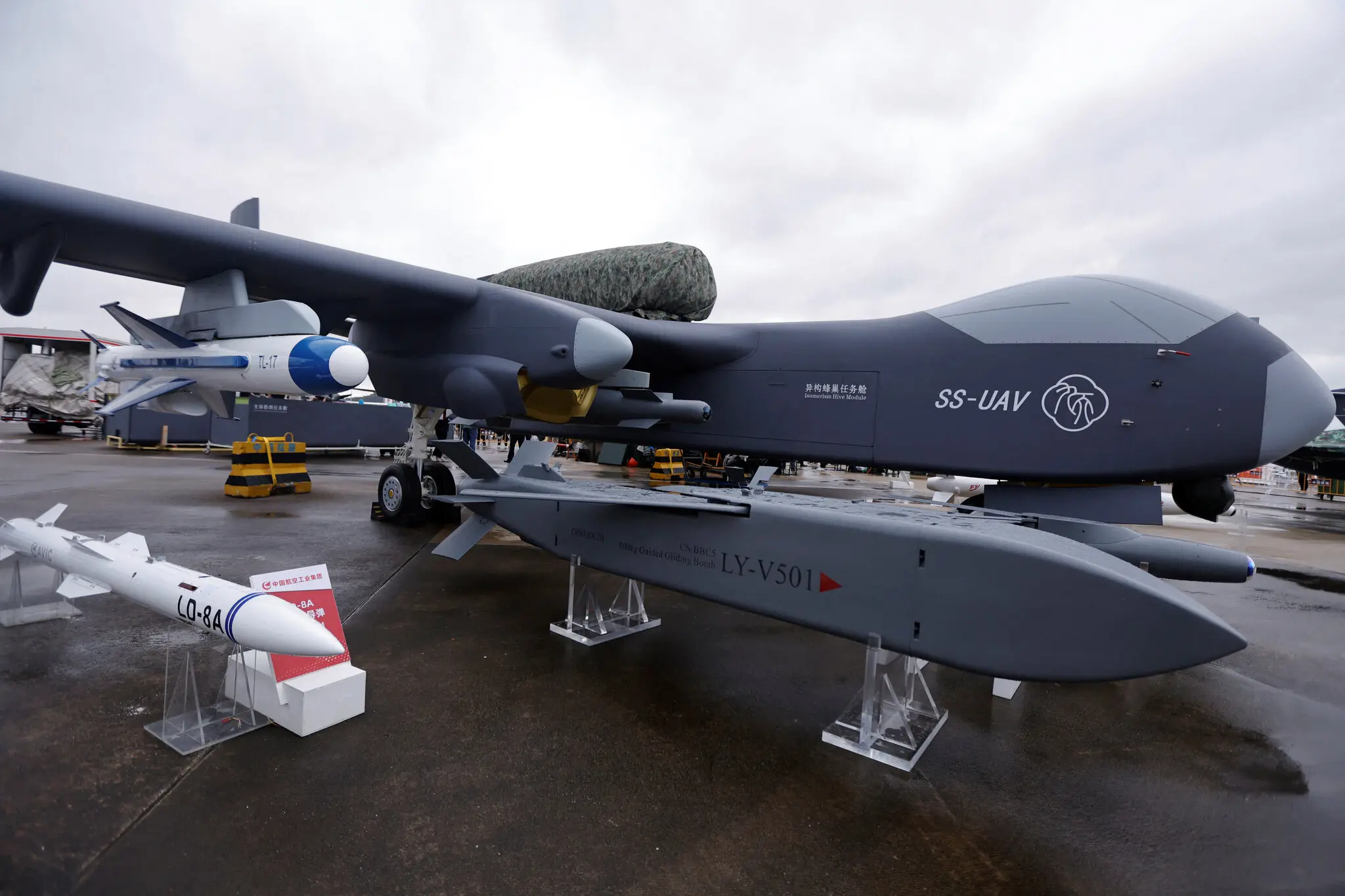
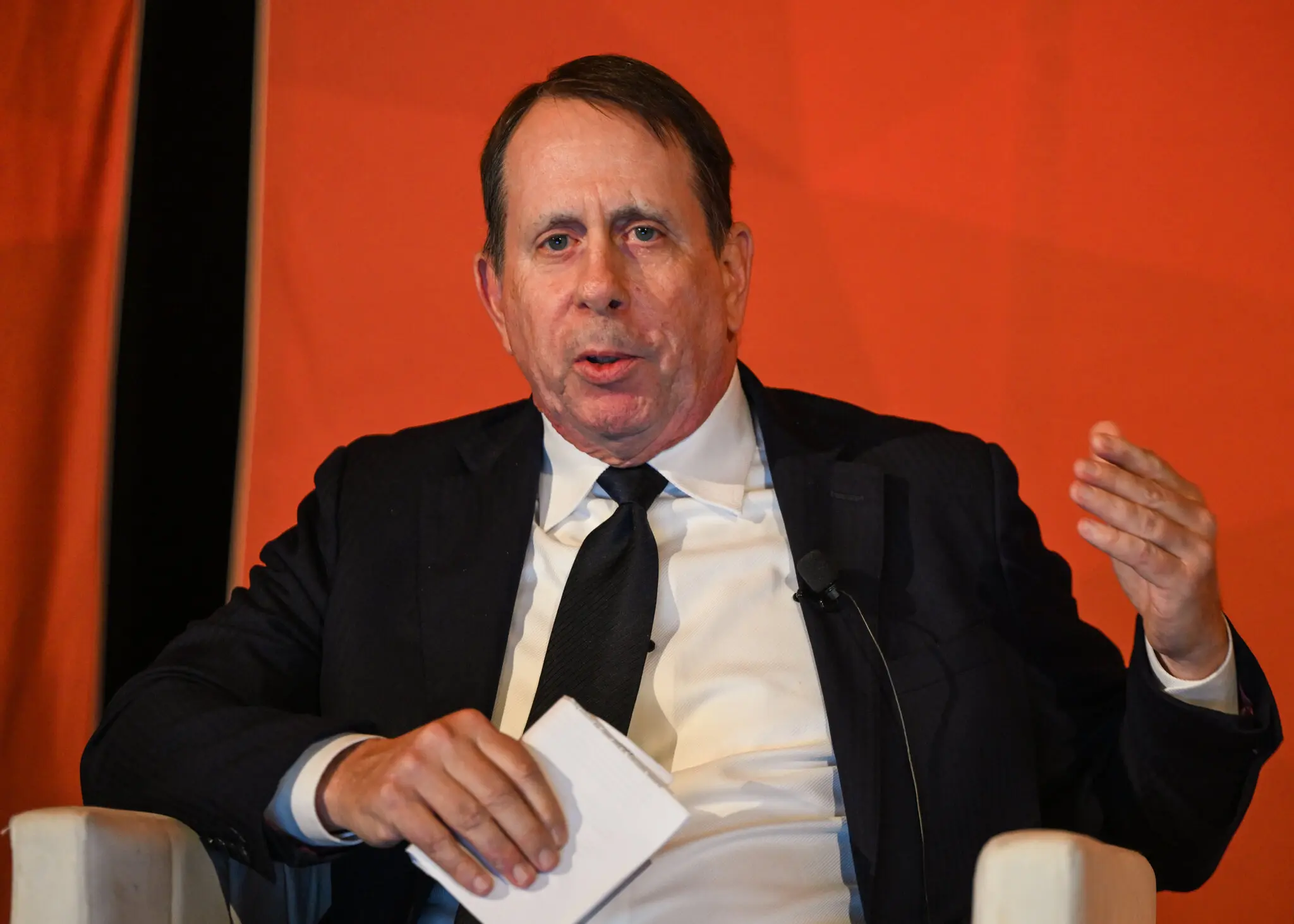
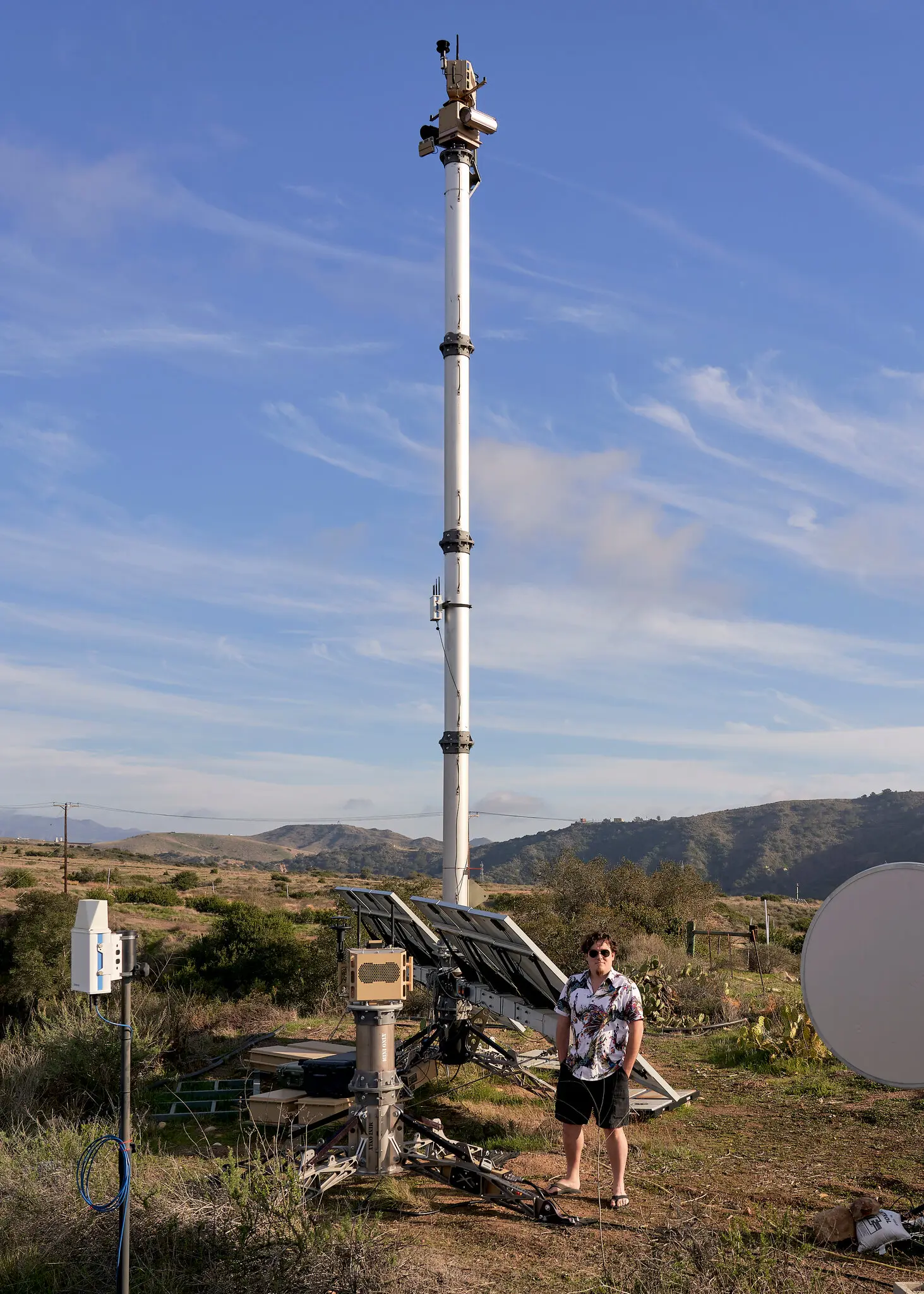 Палмер Лакі, засновник компанії Anduril, яка розробила сенсорні вежі на основі штучного інтелекту для розміщення на кордонах — Філіп Чунг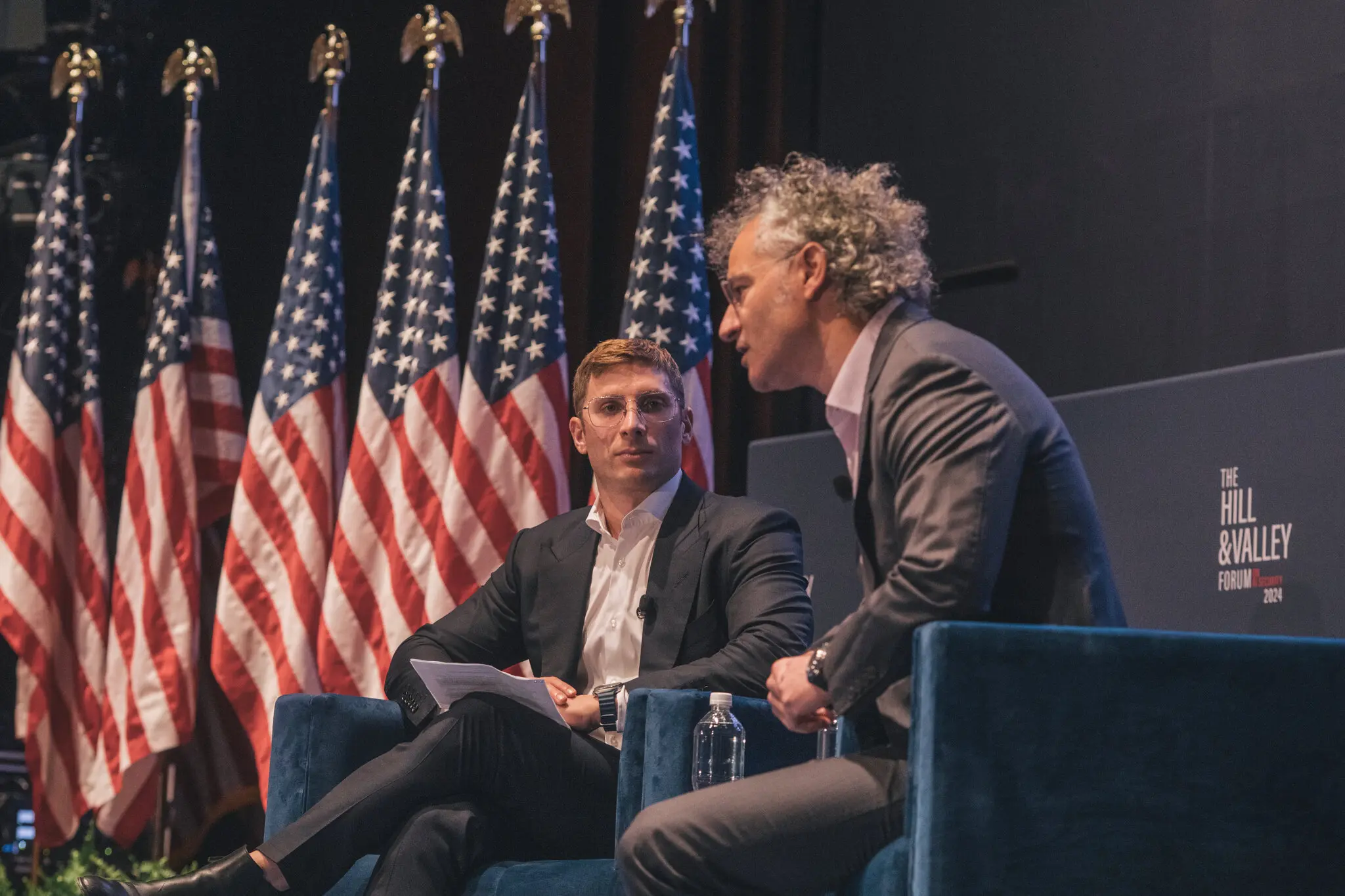


 Віряни несуть великодні кошики, проходячи повз знищену російську військову техніку, виставлену на Михайлівській площі після відвідування служби перед православним Великоднем під час 32-годинного припинення вогню, оголошеного Росією на тлі нападу Росії на Україну, у Києві, Україна, 11 квітня 2026 року — Аліна Смутко
 Жінка запалює свічку під час служби напередодні православного Великодня, під час 32-годинного припинення вогню, оголошеного Росією, всередині Михайлівського собору на тлі нападу Росії на Україну, у Києві, Україна, 11 квітня 2026 року — Аліна Смутко