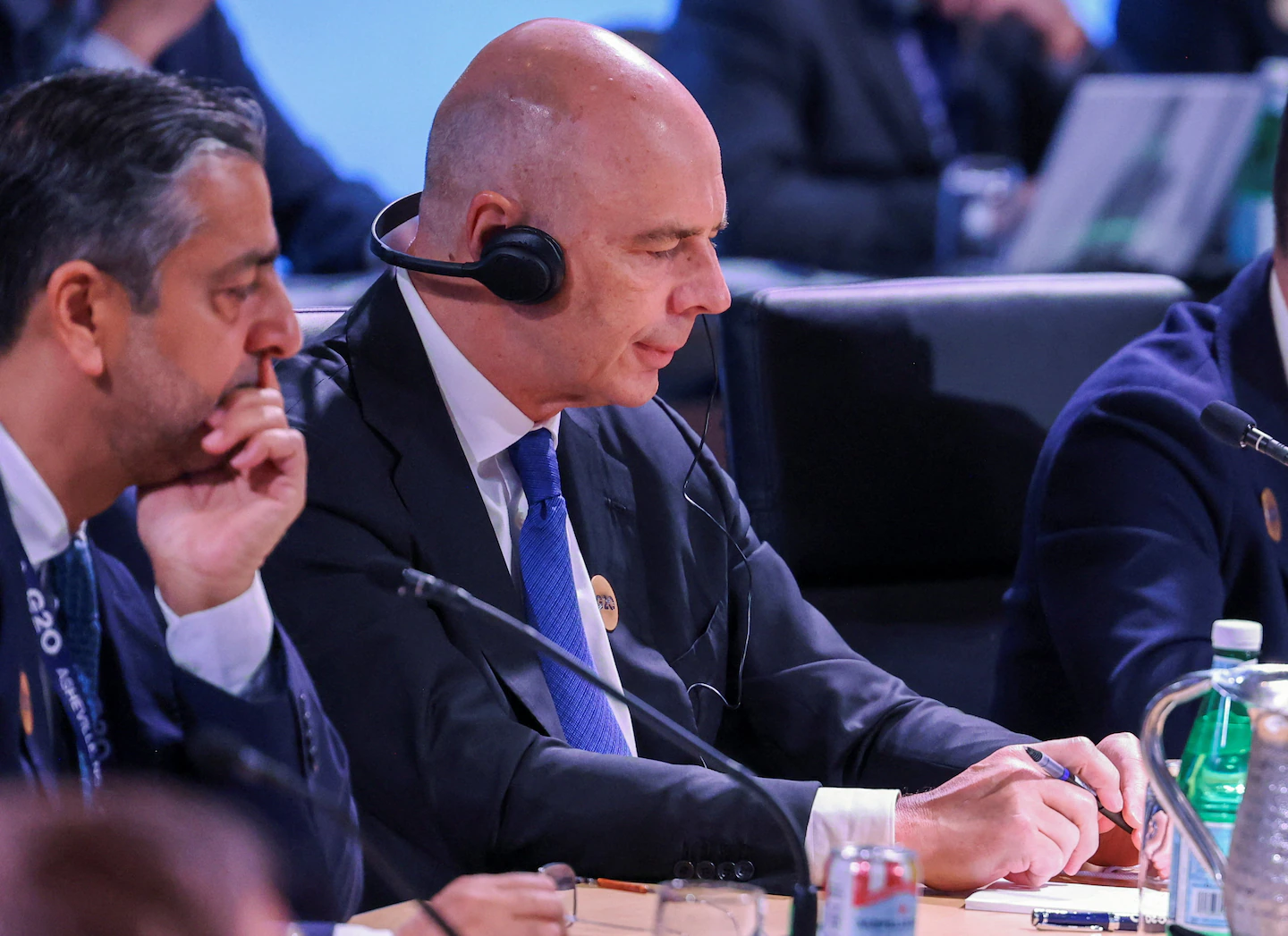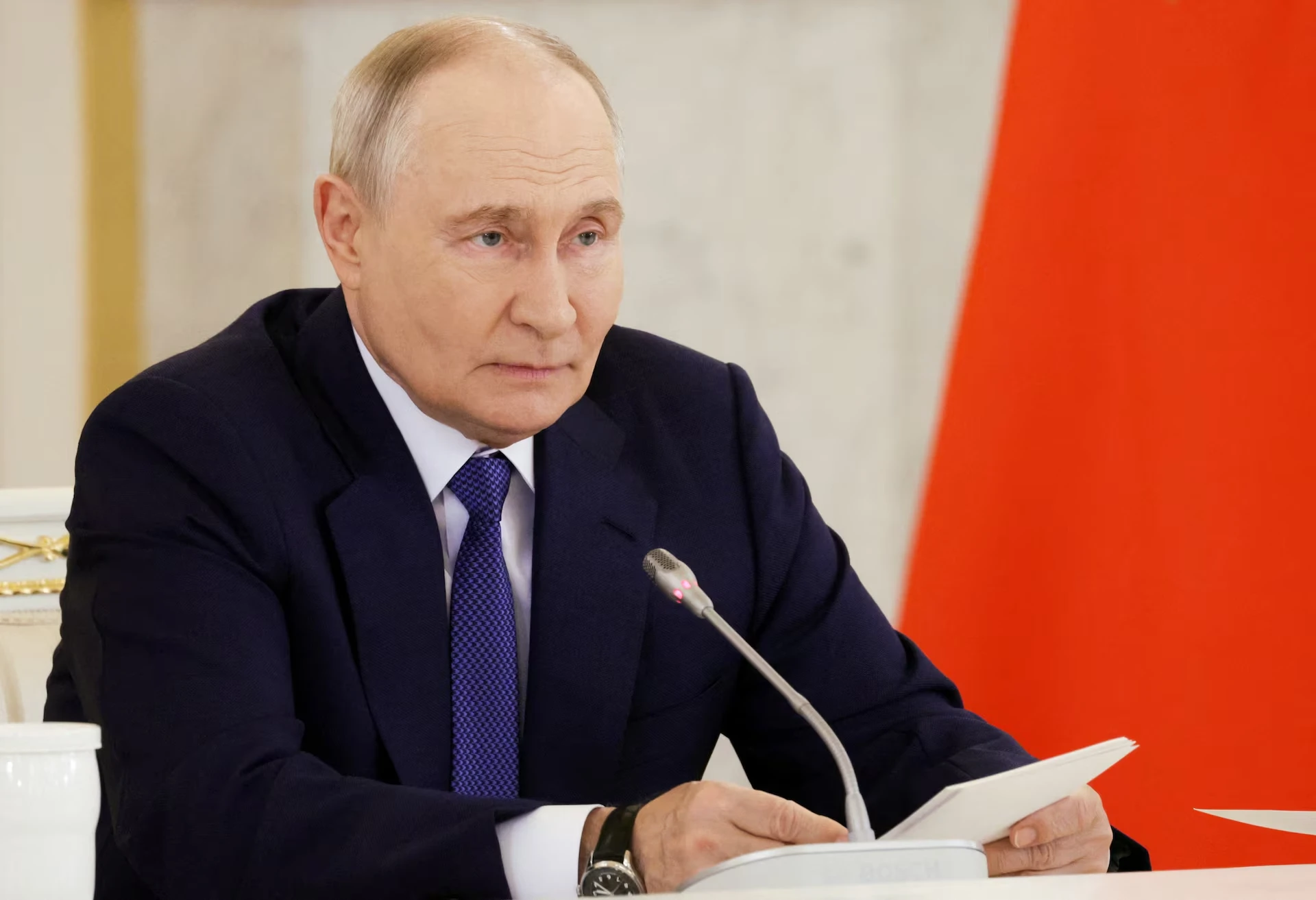

















Anton Siluanov was missing from the traditional “family photo” of G20 finance leaders in Asheville, North Carolina, on August 31. European participants objected to having Russia’s finance minister appear in the group portrait and succeeded in keeping him out of the frame.
At the negotiating table, however, Siluanov was present. It was his first in-person appearance at a G20 finance meeting since Russia launched its full-scale invasion of Ukraine. Representatives of Russia’s central bank also travelled to North Carolina for the gathering.
The invitation came from the United States, which holds the G20 presidency in 2026. German Finance Minister Lars Klingbeil called the signal troubling and argued that Moscow should not be allowed to interpret its presence as a return to normal diplomatic relations.
Washington defended the decision as part of a broader effort to preserve communication even during war. Donald Trump said he preferred to maintain contact with all sides, while US officials framed Russia’s participation as an example of the need for dialogue during periods of conflict.
Daycom’s analysis indicates that Russia at the G20 now occupies a space somewhere between isolation and normalization. Siluanov has regained a seat at the table and direct access to US officials, but Europe is deliberately resisting the symbols that could turn contact into political rehabilitation.
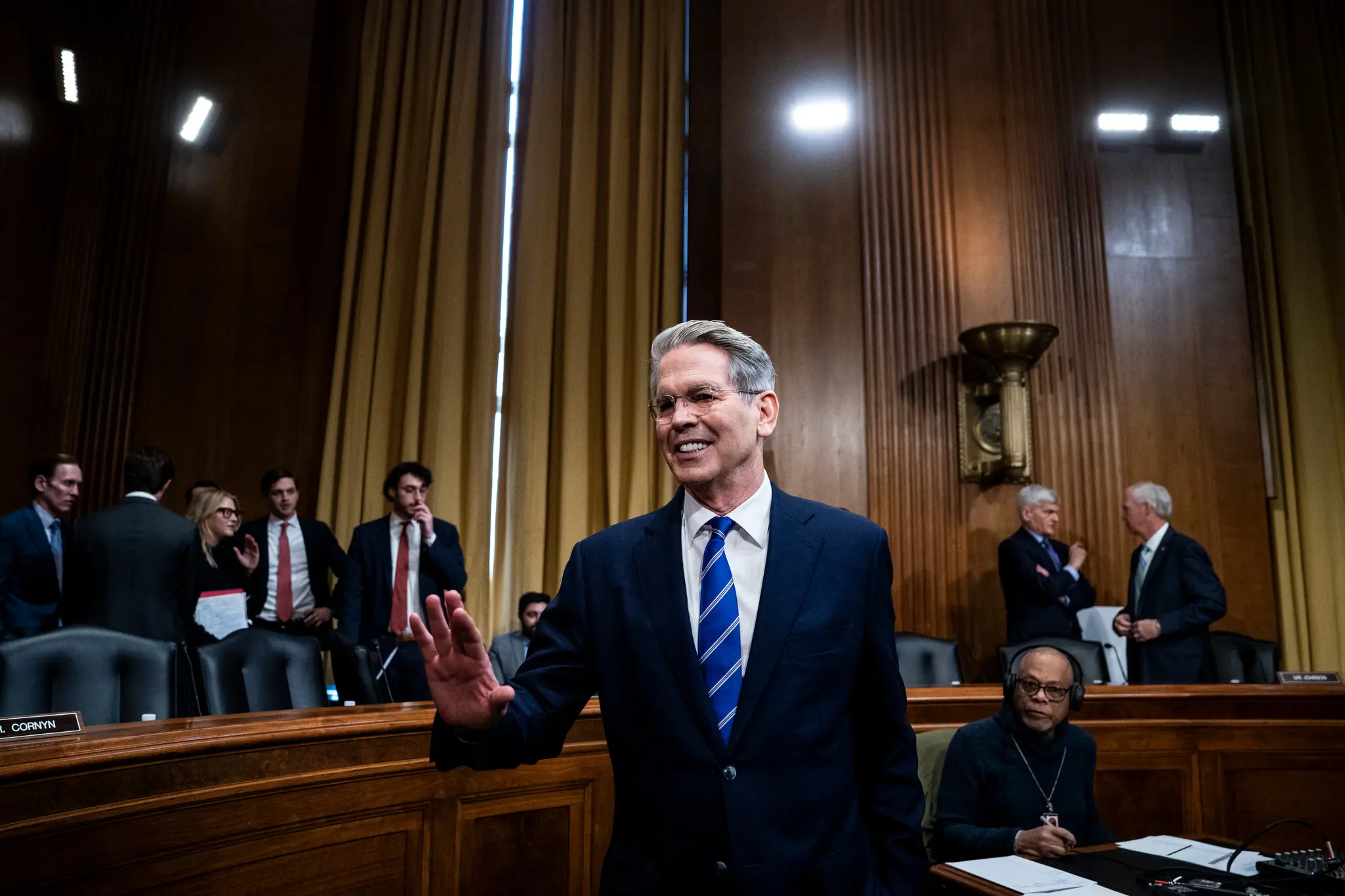
The most revealing moment was Siluanov’s bilateral meeting with US Treasury Secretary Scott Bessent. Moscow described the discussion in terms of financial cooperation and work within the G20, language that made the encounter sound almost like the beginning of restored institutional ties.
The American account was different. The central subject, US officials said, was Trump’s plan to end the war in Ukraine. Bessent conveyed that Washington expected the conflict to end and that economic relief for Moscow would not be separated from that condition.
When the conversation moved toward areas of possible mutual economic interest, the US side made clear that sanctions relief or broader economic accommodation would not be available while the war continued.
One bilateral meeting therefore produced two political narratives. Moscow emphasized the fact of renewed financial dialogue with Washington. The United States tried to draw a line around that dialogue: talking to Russia, it argued, did not amount to economic rehabilitation.
That distinction helps explain why European governments are so sensitive even to diplomatic imagery. For the Kremlin, the substance of a meeting matters, but so does the picture of a Russian minister standing among officials from the world’s largest economies.
The group photograph therefore became more than a matter of protocol. European participants were not necessarily arguing that communication with Russian officials should cease altogether. They were trying to prevent an image that Moscow could use as evidence that the period of international isolation was ending.
Klingbeil captured that distinction directly: channels for communicating with Russia may be necessary, but there can be no simple return to normal relations while the war continues. Germany also continues to support sanctions pressure and closer coordination with Washington.
Poland took an even harder line. Finance Minister Andrzej Domański argued that Warsaw had little trust in the Russian side and that meaningful engagement would remain deeply difficult as long as Russia continued its war against Ukraine.
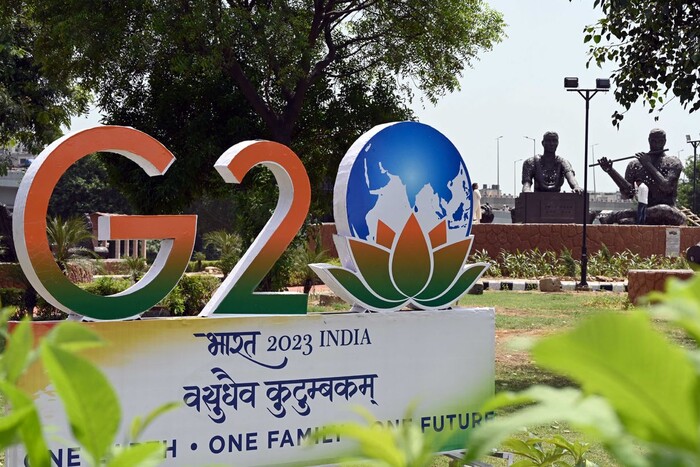
The dispute is complicated by one basic fact: Russia was never formally expelled from the G20. The group remains a broad economic forum that includes Western countries alongside China, India, Saudi Arabia, Brazil, South Africa and other major economies.
After the 2022 invasion, the United States and several allies discussed excluding Moscow, but there was never enough consensus among the membership to do so. Unlike the G7, the G20 continued to include Russia throughout the war.
That difference is fundamental. After Russia’s illegal annexation of Crimea in 2014, the Western powers ended the G8 format and returned to the Group of Seven. Moscow has remained outside that club of major industrial democracies ever since.
The G20 was never designed as an alliance of countries sharing political values. It is a forum for coordinating among large economies, with a rotating presidency, no permanent secretariat and members whose strategic interests often diverge sharply.
Siluanov’s presence therefore does not change Russia’s legal status within the group. Russia never lost its seat. What has changed is the political handling of that membership: after years of distance, Washington chose to facilitate the Russian minister’s physical return.
The US argument that Russia is simply a G20 member does not entirely settle the matter. The host country still shapes meeting formats, diplomatic choreography and access. European governments therefore saw Siluanov’s appearance as a political choice, not merely an administrative inevitability.
The contrast with 2022 is especially striking. At one early G20 finance meeting after the invasion, Siluanov appeared by video link, prompting officials from several Western governments to walk out in protest.
Four and a half years later, the model has changed. Western officials no longer leave the room simply because Russia is present. They remain at the table, confront Moscow directly and at the same time try to limit the symbols that might suggest complete political normalization.
That shift may reflect not the end of sanctions policy, but a different way of combining sanctions with diplomacy. The Trump administration has increasingly argued that direct contact with Moscow is most necessary precisely when the underlying conflict remains severe.
Only days before the Asheville meeting, CIA Director John Ratcliffe made a rare visit to Moscow. Bessent’s direct conversation with Siluanov added a financial channel to that pattern. Taken together, the contacts suggest Washington is deliberately rebuilding several lines of communication with the Russian leadership.
The financial channel carries particular weight. The US Treasury Department administers much of the sanctions architecture targeting Russia, including measures against major companies, banks and revenue streams connected to Moscow’s war effort.
That means a Bessent-Siluanov meeting potentially matters far beyond G20 protocol. If a large-scale easing of economic restrictions ever becomes part of a settlement, the two finance ministries would be among the institutions responsible for implementing it.
Washington is trying to prevent Moscow from treating that possibility as a promise. Hence the message from Bessent: the channel is open, but economic relief is conditional on ending the war. The White House wants both dialogue and leverage.
For Europe, the concern is that the sequence can gradually acquire a life of its own. First, senior officials resume personal contact. Then bilateral meetings become routine. Eventually economic topics return to the agenda. If that process moves faster than peace negotiations, isolation may erode without any formal decision to end it.
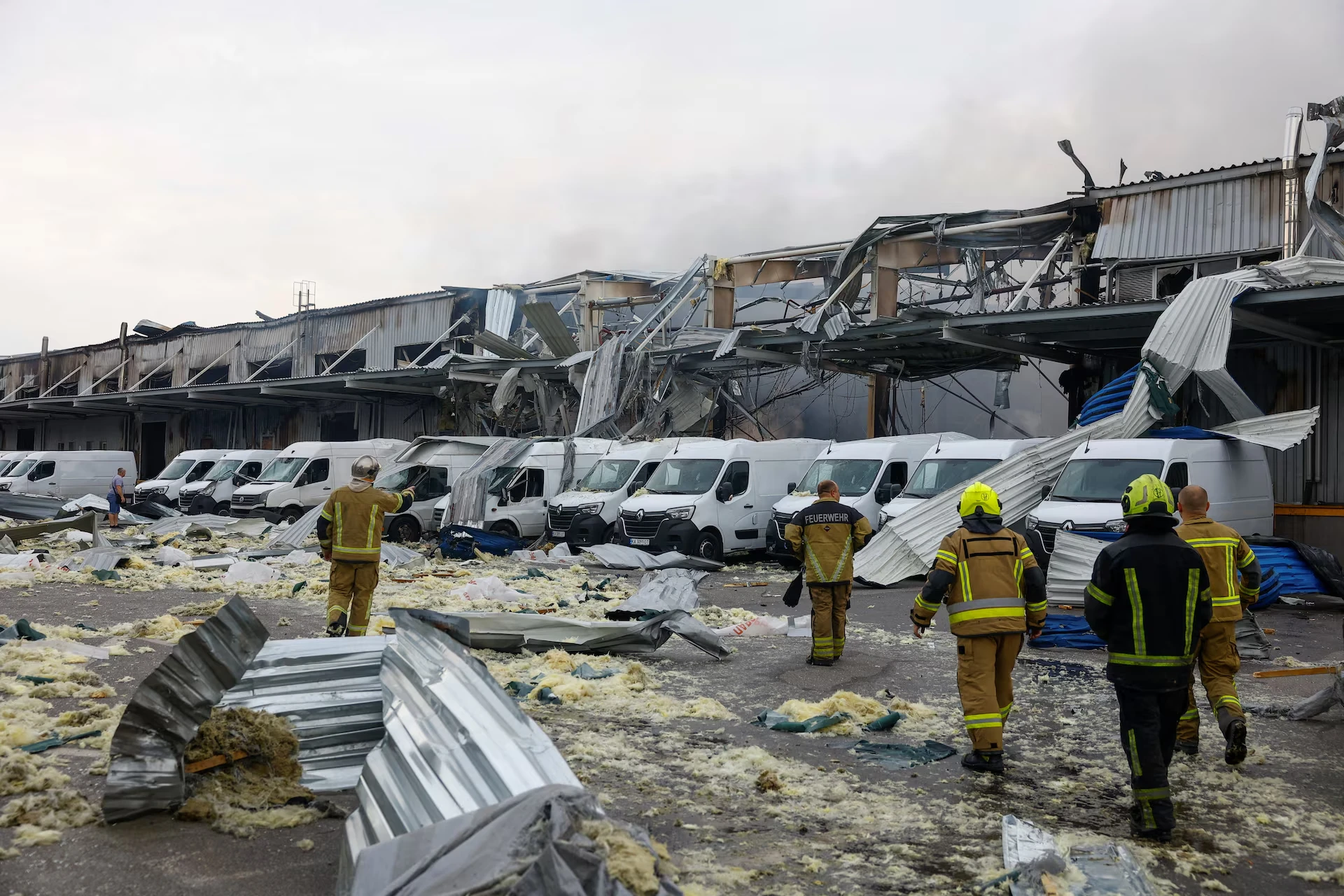
European governments are especially sensitive to that risk because Russian attacks on Ukraine continue. Siluanov’s return came amid another wave of missile and drone strikes on Ukrainian cities, making the timing particularly uncomfortable for governments that see diplomatic normality as something Moscow must earn.
There is also a wider economic context. The G20 meeting in Asheville is dealing with slowing global growth, rising debt, trade imbalances and the energy shock linked to the war around Iran and instability around the Strait of Hormuz.
Under those conditions, Russia is difficult to exclude completely from global economic discussions. It remains a major exporter of oil, gas, metals, grain and fertilizers, and decisions affecting Russian energy still influence prices, inflation and trade balances across much of the world.
That reality has already forced Washington to combine sanctions with exceptions. When disruptions around Hormuz threatened oil supply, US policy had to account for the risk that excessive pressure on Russian barrels could worsen global shortages.
For the Trump administration, this is part of a pragmatic model. Economic pressure is supposed to remain an instrument, not an absolute prohibition on contact. Sanctions can be tightened, adjusted or used as bargaining chips depending on Russia’s behavior and wider market conditions.
The European instinct is somewhat different. Many governments place greater emphasis on political consistency. If Russia continues the war, then restoring high-level Russian officials to normal international formats can itself reduce the cost of aggression even if no sanctions are formally lifted.
That is why the argument over Siluanov is not really about one photograph or one meeting. It reveals two competing approaches to dealing with Russia: Washington is increasingly willing to test engagement under pressure, while parts of Europe fear that engagement can slowly become normalization.
Moscow has an obvious incentive to expand exactly these kinds of contacts. Every bilateral meeting creates an opportunity to shift discussion from war to sanctions, finance, trade or other areas where Russia can offer mutual economic benefit in exchange for fewer restrictions.
The US response in Asheville was to permit the conversation but impose a political condition on it. When the discussion moved toward mutually beneficial economic issues, the message was that such engagement would not progress until the war ended.
Whether that boundary remains firm will depend on diplomacy in the coming months. If negotiations over Ukraine advance, an established financial channel could become useful. If the war continues unchanged, every new meeting will sharpen questions about the political price of maintaining those contacts.
For Moscow, Asheville has already delivered a partial success: Russia’s finance minister returned in person to one of the world’s most important economic forums and held a bilateral meeting with his American counterpart. Four years ago, even his remote participation prompted walkouts.
For Europe, the outcome looks different. Siluanov was kept out of the family photo, no economic relief was promised, and the US publicly linked any movement in that direction to an end to the war. Full normalization has not occurred.
But the argument itself shows that the question has changed. In 2022, the debate was about how comprehensively to isolate Russia. In 2026, it is increasingly about the conditions under which officials can talk to Moscow without easing pressure, and where the line between communication and normalization should be drawn.
Asheville produced an almost theatrical answer. Siluanov was acceptable enough to sit across from Bessent at the negotiating table, but not acceptable enough to stand beside European ministers for the photograph. While the war continues, that distance between the table and the frame may be the clearest measure of Russia’s new place in Western diplomacy.