



















Prime Minister Andy Burnham has said Russian threats will not alter Britain’s policy towards Ukraine. Speaking on August 18, he pledged that the UK would continue to support Kyiv “100%” and remain at Ukraine’s side in its “hour of need,” dismissing Moscow’s latest warning of consequences for London.
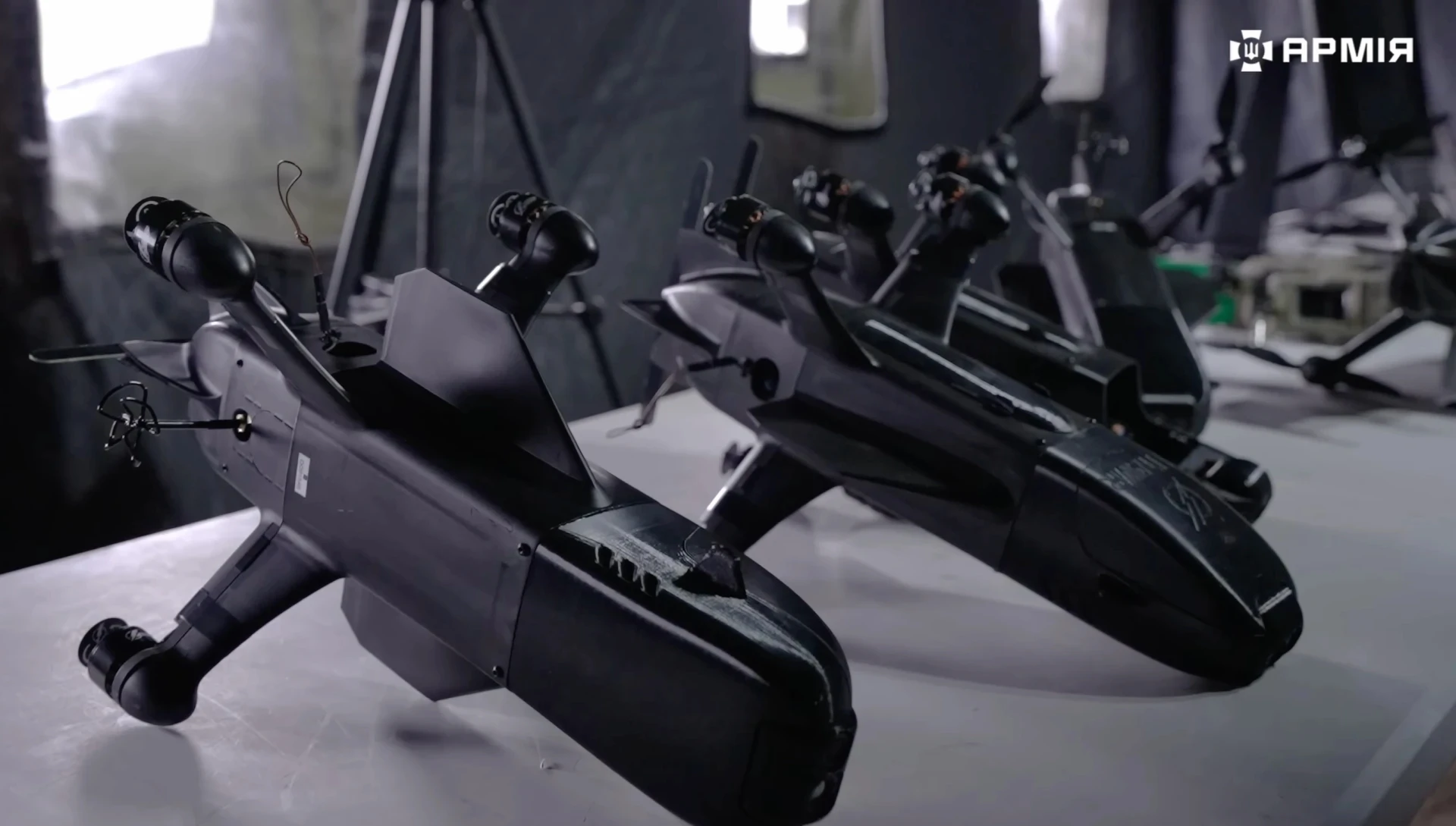
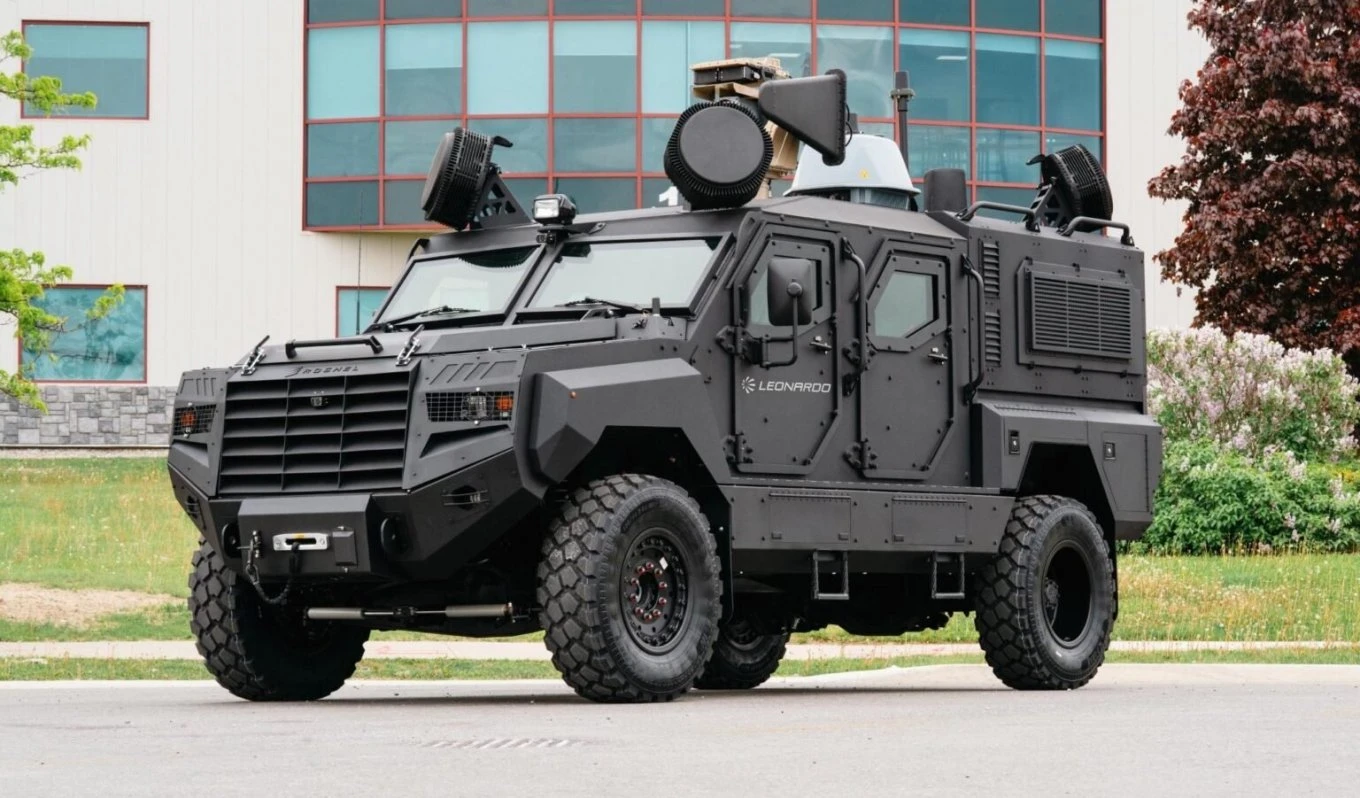
The immediate dispute followed a report in The Times that British-made drones had been used for long-range Ukrainian strikes inside Russia for the first time. Britain’s Ministry of Defence did not confirm to Reuters that UK-built systems had been involved in any specific operation against targets on Russian territory.
Russia’s embassy in London warned that Britain’s actions would “inevitably carry consequences” and said the price would rise as British involvement deepened. Moscow did not define what those consequences might involve, leaving unclear whether it was referring to diplomatic, cyber, economic or military retaliation.
Burnham responded by framing Britain’s position as continuity rather than escalation. He said the UK was doing what it had long promised to do: support Ukraine against what he described as Vladimir Putin’s illegal war. Britain, he added, would not become a “fair-weather friend” when pressure increased.
According to Daycom’s analysis of verified public information, the central issue is the distinction between confirmed military support and unconfirmed operational use. Britain’s extensive assistance to Ukraine is documented. The use of particular UK-made drones in deep strikes remains a media report that London has not formally endorsed.
That distinction matters because the reported British-built strike systems are separate from a much larger programme announced in June to finance 150,000 drones for Ukraine. The British government has said those 150,000 aircraft are to be manufactured in Ukraine, although their procurement is being funded by London.
The £752 million package also includes more than 350 air-defence missiles and radar systems expected to be supplied by the end of 2026. It is financed in part through Britain’s participation in the G7 Extraordinary Revenue Acceleration mechanism, which is backed by profits generated from immobilised Russian sovereign assets.
For London, that model serves two purposes at once. It provides Ukraine with equipment needed immediately on the battlefield while strengthening domestic Ukrainian production. Drones are increasingly treated not as a specialised supplement to conventional forces, but as a high-volume military resource central to both defence and strike operations.
Earlier in 2026, Britain had already announced what it called its largest drone package for Ukraine, covering reconnaissance, logistics, maritime and attack systems. By summer, the number of aircraft being financed had risen further, illustrating how quickly unmanned technology has reshaped the structure of British military assistance.
The cooperation now works in both directions. Britain provides money, components, production capacity and training, while Ukraine contributes battlefield experience in drone warfare, electronic countermeasures and interception. London increasingly treats lessons learned in Ukraine as relevant to its own future defence planning.
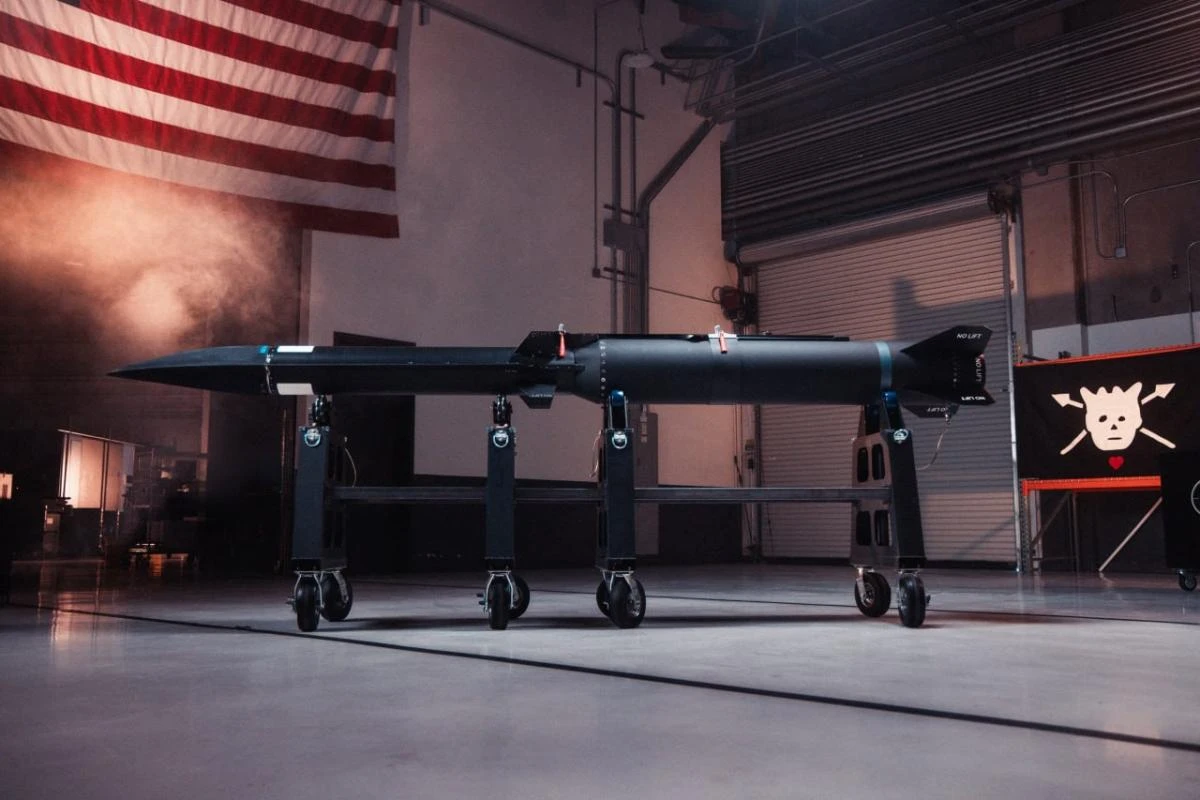
One example is Project Brakestop, a British programme aimed at developing a relatively low-cost, ground-launched long-range strike system. The requirement includes a range of more than 500 kilometres and a heavy warhead, while several UK industrial teams have already advanced through flight-testing stages.
Brakestop is not evidence that those systems are being used in current attacks on Russia. The programme remains under development. It does, however, demonstrate that London is openly investing in deep-strike capabilities that could eventually give Ukraine more options against military infrastructure far behind the front.
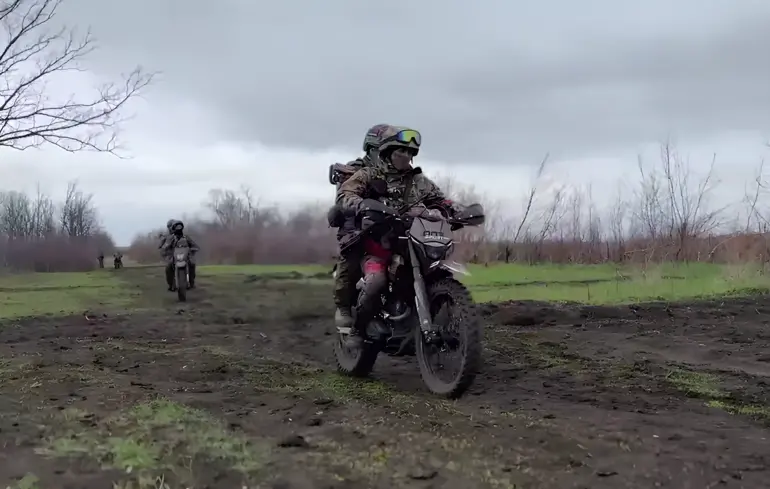
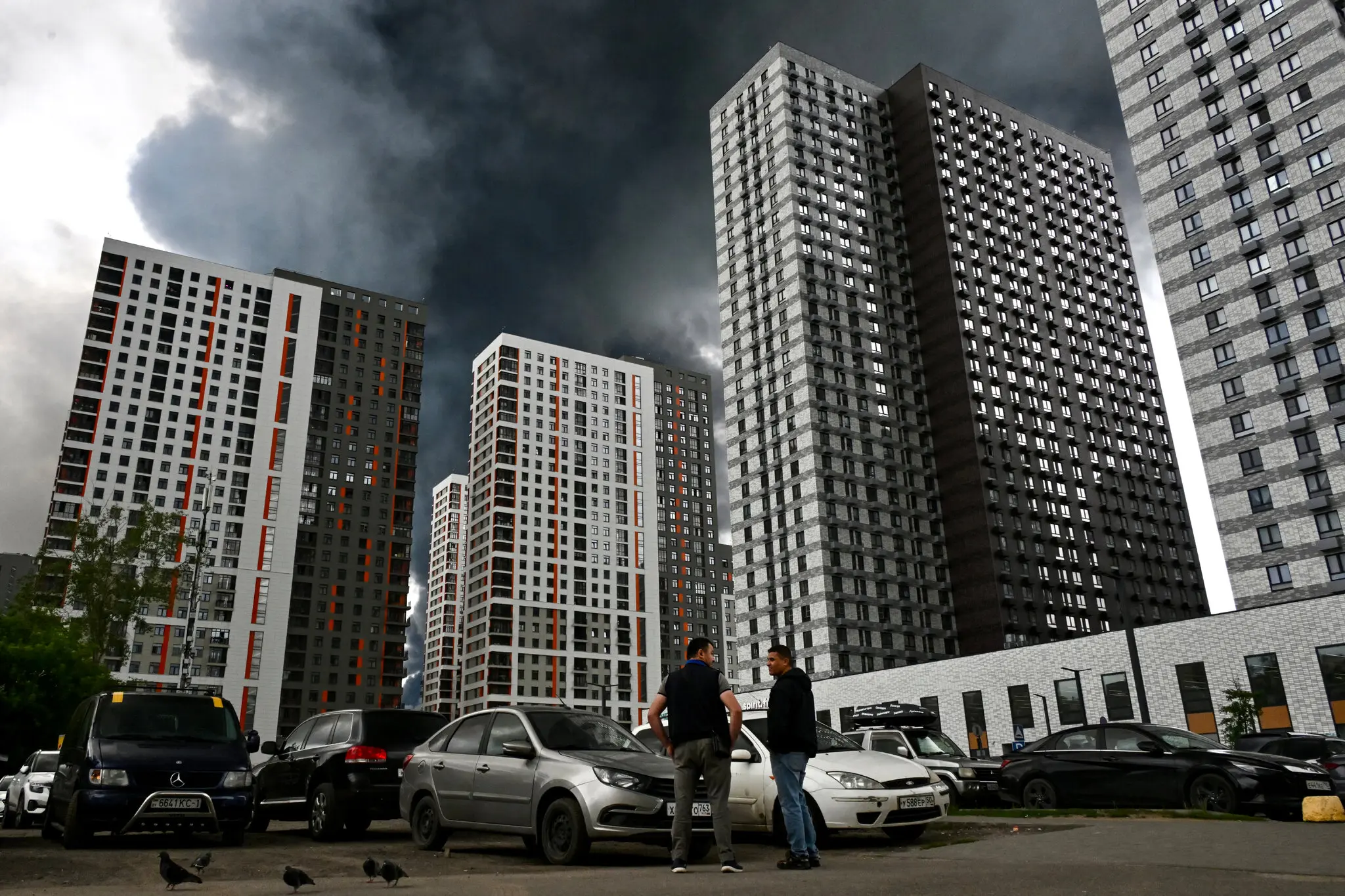
That prospect is at the heart of Moscow’s concern. Ukraine has been using long-range drones to attack refineries, logistics hubs and military facilities inside Russia, arguing that such targets support the Kremlin’s war effort. Russian officials increasingly portray Western technological support as evidence of direct participation in those operations.
The Russian interpretation does not, by itself, determine the legal status of Britain or other supplying countries. London describes its policy as assistance to a state exercising its right to defend itself against invasion. Moscow, by contrast, treats the expansion of Western-backed strike capabilities as evidence that NATO states are moving closer to direct involvement.
The ambiguity of Russia’s threat is therefore significant. The embassy did not identify a specific retaliatory measure, and no official Russian statement set out a timetable or threshold for action. Any claim that Moscow has decided on a particular response would go beyond what has been publicly established.
Russia has issued similar warnings at several stages of the war as Western countries transferred artillery, air-defence systems, missiles and other advanced weapons to Ukraine. Despite those warnings, British assistance has expanded steadily from training and conventional arms into longer-term industrial and technological cooperation.
By mid-2026, Britain’s overall support for Ukraine amounted to tens of billions of pounds across military, economic, humanitarian and export-finance commitments. Military assistance accounts for the largest share, but the broader architecture is designed to support both the war effort and Ukraine’s future recovery.
Britain is also maintaining a multi-year military commitment rather than treating assistance as an annual emergency measure. Spending for 2026 runs into several billion pounds, while the government has pledged significant yearly support into the next decade if circumstances continue to require it.
That policy was established before Burnham entered Downing Street, but his government has chosen to preserve it. Since becoming prime minister, he has repeatedly presented support for Kyiv as part of Britain’s national security strategy rather than a discretionary foreign-policy programme that could be reduced when political costs rise.
The relationship is also becoming more industrial. Britain and Ukraine are moving towards joint production, technology sharing, training and co-development of weapons systems. That gives the partnership a longer horizon than the transfer of individual weapons packages and makes it more difficult to separate wartime aid from defence policy.
For Britain, Ukraine has become a source of operational knowledge as well as a recipient of assistance. The rapid development of drones, inexpensive precision systems and electronic warfare has influenced thinking inside British defence circles about how future conflicts may be fought and what kinds of weapons will be required.
That helps explain why the current dispute is larger than a single drone model. Moscow sees British-backed long-range capability as increasing Ukraine’s ability to impose costs inside Russia. London sees the same investment as part of strengthening Ukraine’s ability to survive and deter further aggression.
The immediate allegation, however, remains unresolved. The Times reported that British-made drones had been used in long-range strikes inside Russia, but the Ministry of Defence declined to confirm that account. It therefore cannot be presented as an established fact acknowledged by the British government.
Burnham’s broader political message is much clearer. Whatever systems were used in individual operations, he does not intend to let Russian warnings determine the scale of British assistance. His statement places continuity of support above the pressure created by Moscow’s deliberately open-ended threats.
For Ukraine, that means a change of prime minister in London has not produced a strategic reversal. For Russia, it means warnings about escalation have so far failed to stop deeper British-Ukrainian defence cooperation or the development of systems capable of operating at increasingly long ranges.
The central argument is now shifting away from whether Britain will continue to arm Ukraine. The more difficult question concerns range, technology and operational geography — how deeply Western-supported systems may eventually strike, and how far Ukraine’s allies are prepared to help develop those capabilities.
Burnham’s response amounts to a rejection of Moscow’s effort to use uncertainty and threats as a constraint on British policy. London continues to avoid confirming sensitive operational details, but its broader position is explicit: UK support for Ukraine will remain a long-term commitment, not one conditioned on Russian approval.