






















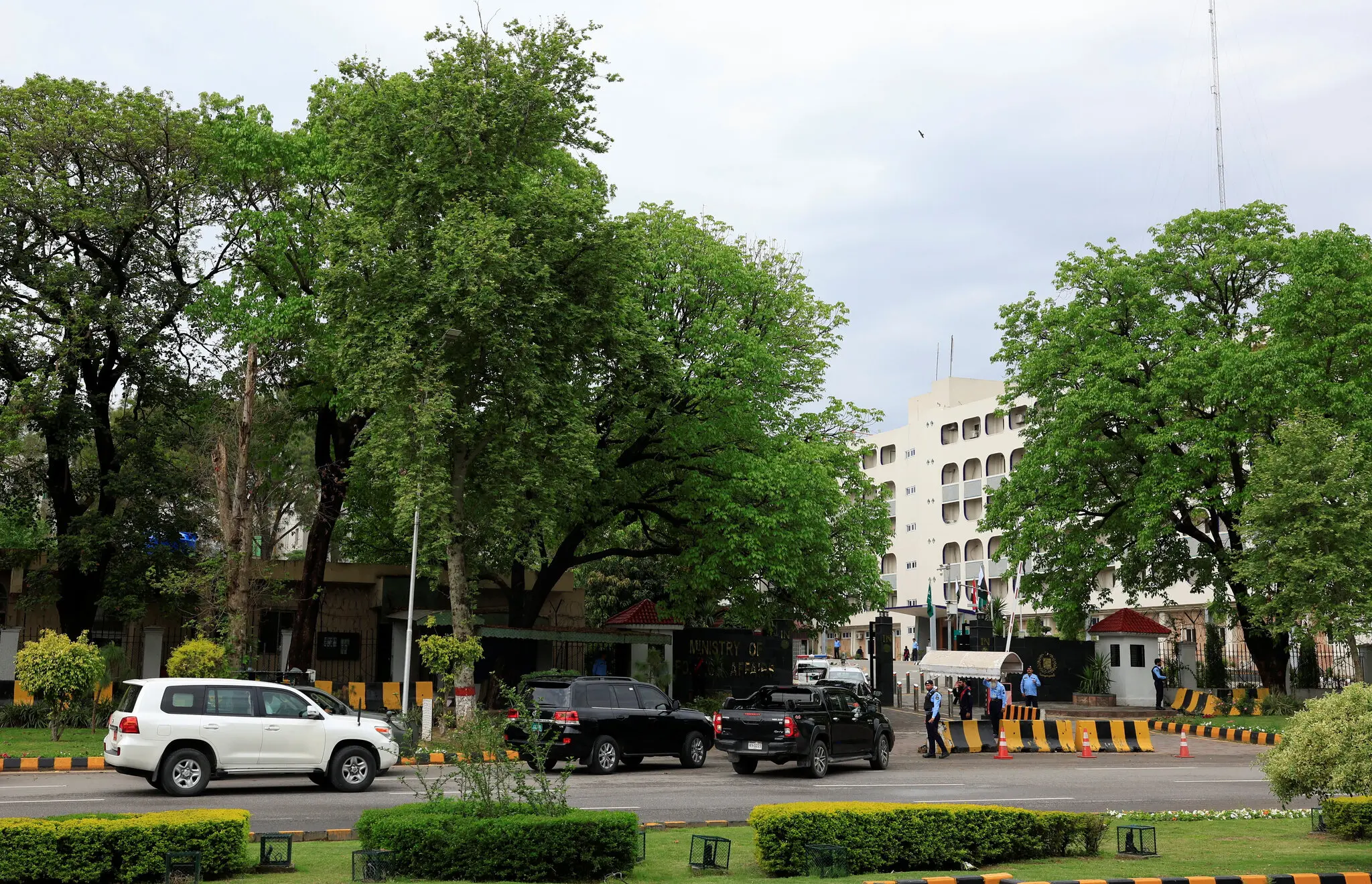
On Sunday, March 29, Israel again struck Tehran, and Iran responded with ballistic missile fire against Israel. Against this new wave of escalation, the foreign ministers of Saudi Arabia, Egypt, and Turkey gathered in Islamabad in an attempt to launch at least a minimal diplomatic track.
This overlap of strikes on Tehran and negotiations in Pakistan captures the current state of the Middle East war more clearly than anything else. The military tempo is no longer adapting to diplomacy. On the contrary, regional mediators are being forced to chase events that are changing the cost of any possible agreement day by day.
On Sunday, March 29, Israel again struck Tehran, and Iran responded with ballistic missile fire against Israel. Against this new wave of escalation, the foreign ministers of Saudi Arabia, Egypt, and Turkey gathered in Islamabad in an attempt to launch at least a minimal diplomatic track.
This overlap of strikes on Tehran and negotiations in Pakistan captures the current state of the Middle East war more clearly than anything else. The military tempo is no longer adapting to diplomacy. On the contrary, regional mediators are being forced to chase events that are changing the cost of any possible agreement day by day.
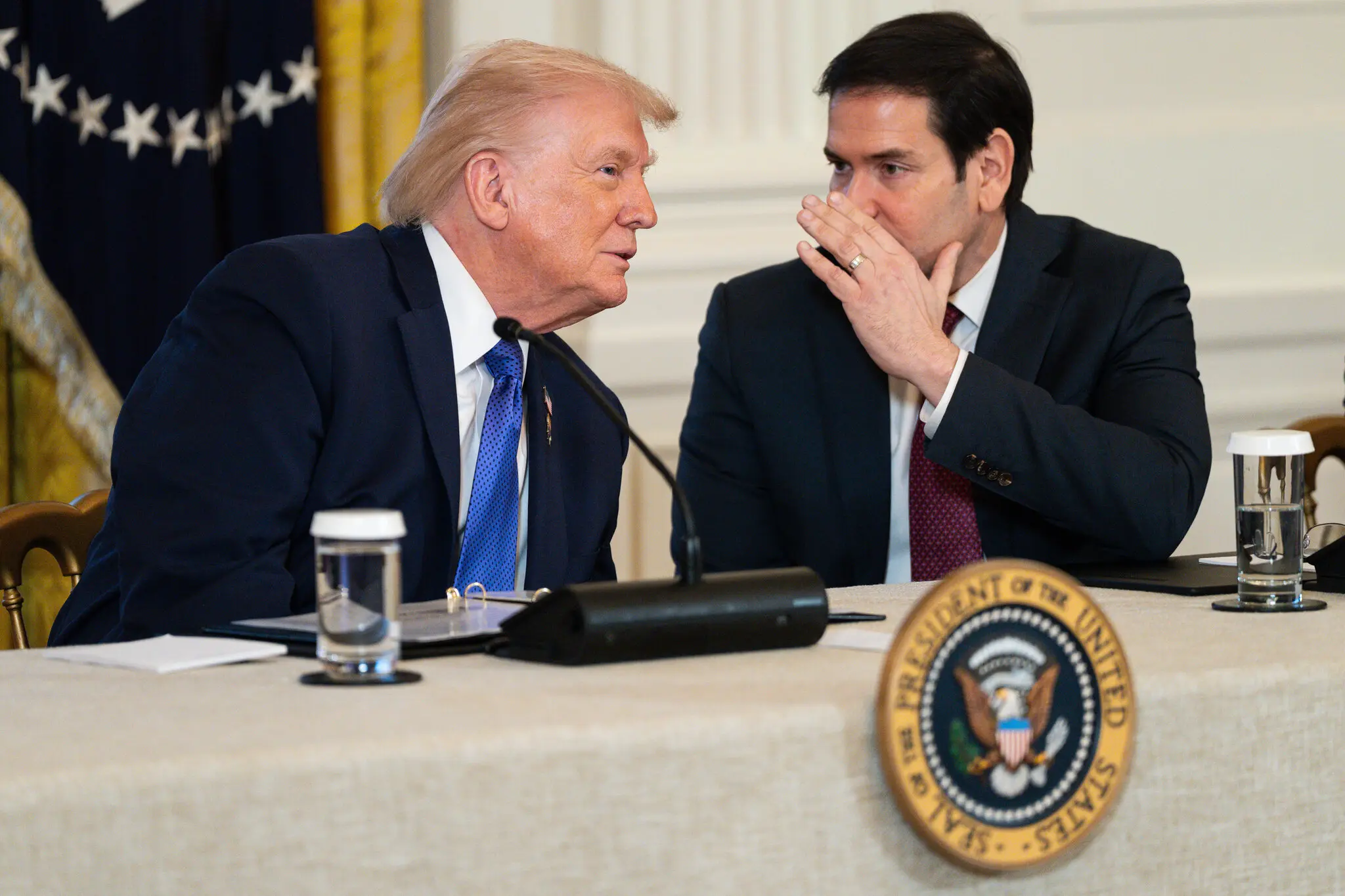
The Islamabad format matters because it brings together states that fear a total collapse of regional security, yet do not want to openly become parties to the war. The United States and Israel were not part of these meetings, while Egypt openly spoke about the need to create a channel for direct dialogue between Washington and Tehran.
According to Deikom’s assessment, that is the core tension of the moment: Pakistan, Turkey, Egypt, and Saudi Arabia are no longer merely calling for de-escalation. They are trying to prevent a scenario in which a war involving Israel, Iran, and the United States destroys the region’s energy architecture and buries any future nuclear negotiations.
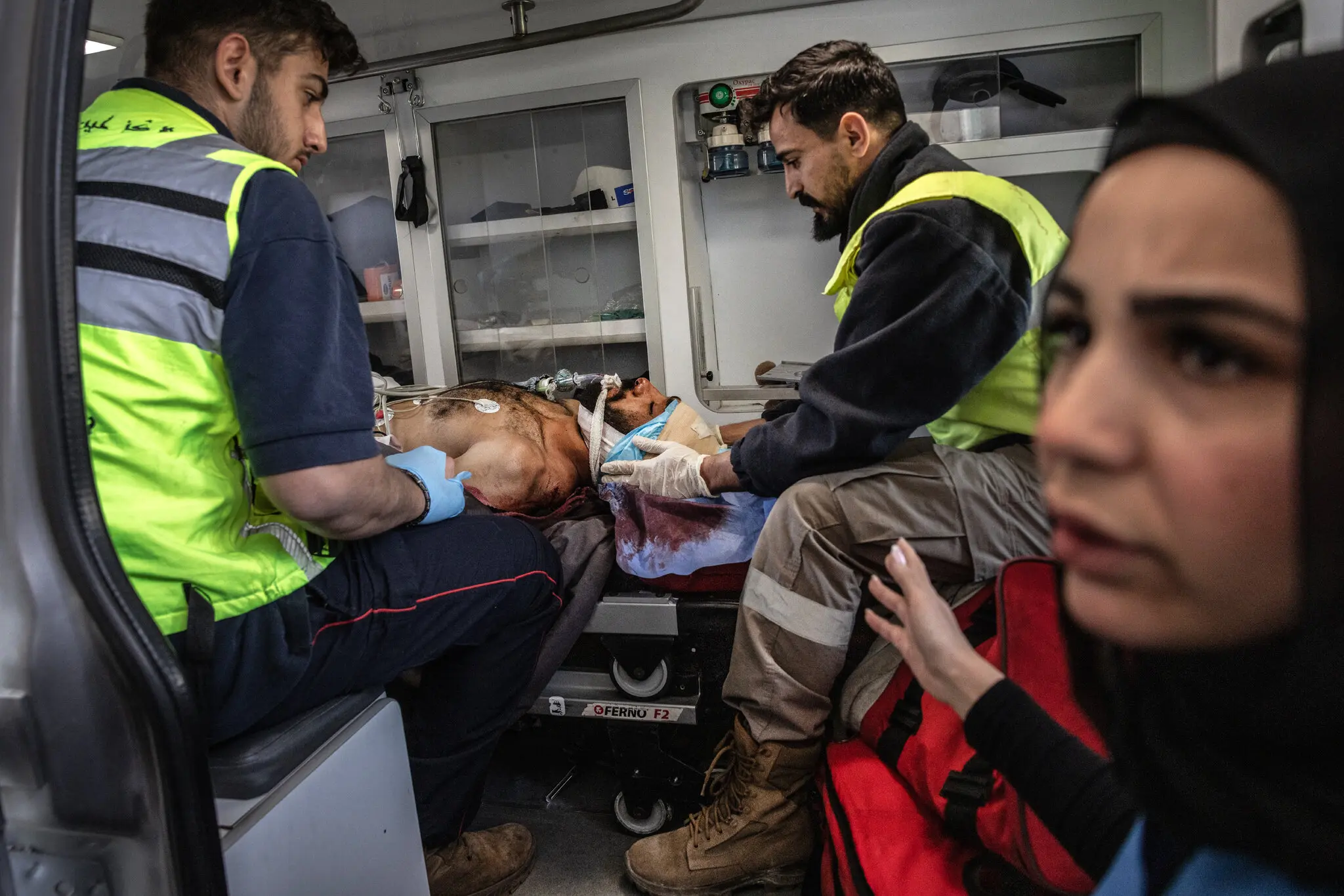 Медики транспортують тяжкопораненого чоловіка у місті Тир, Ліван — Девід Гуттенфельдер
At the same time, the diplomatic framework remains deeply uncertain. Reports have said that Washington sent Tehran a 15-point proposal through intermediaries, while the White House acknowledged only that such reporting contained “elements of truth,” without confirming the full content. That detail matters. Diplomacy exists, but its real parameters remain only partially visible.
Tehran, meanwhile, has publicly rejected the American framework and formulated its own counterpackage of demands. These reportedly include an end to attacks on Iranian officials, security guarantees, reparations, and recognition of Iranian control over the Strait of Hormuz. In other words, the talks are no longer only about a ceasefire, but about the political definition of the war’s outcome.
Pakistan has not become the venue by accident. Islamabad has already been used to pass messages between the sides, and Prime Minister Shehbaz Sharif has previously signaled a willingness to host meaningful talks. For Pakistan, this is not only a diplomatic opportunity, but a matter of national security: the country depends on Gulf stability, oil prices, and secure trade routes.
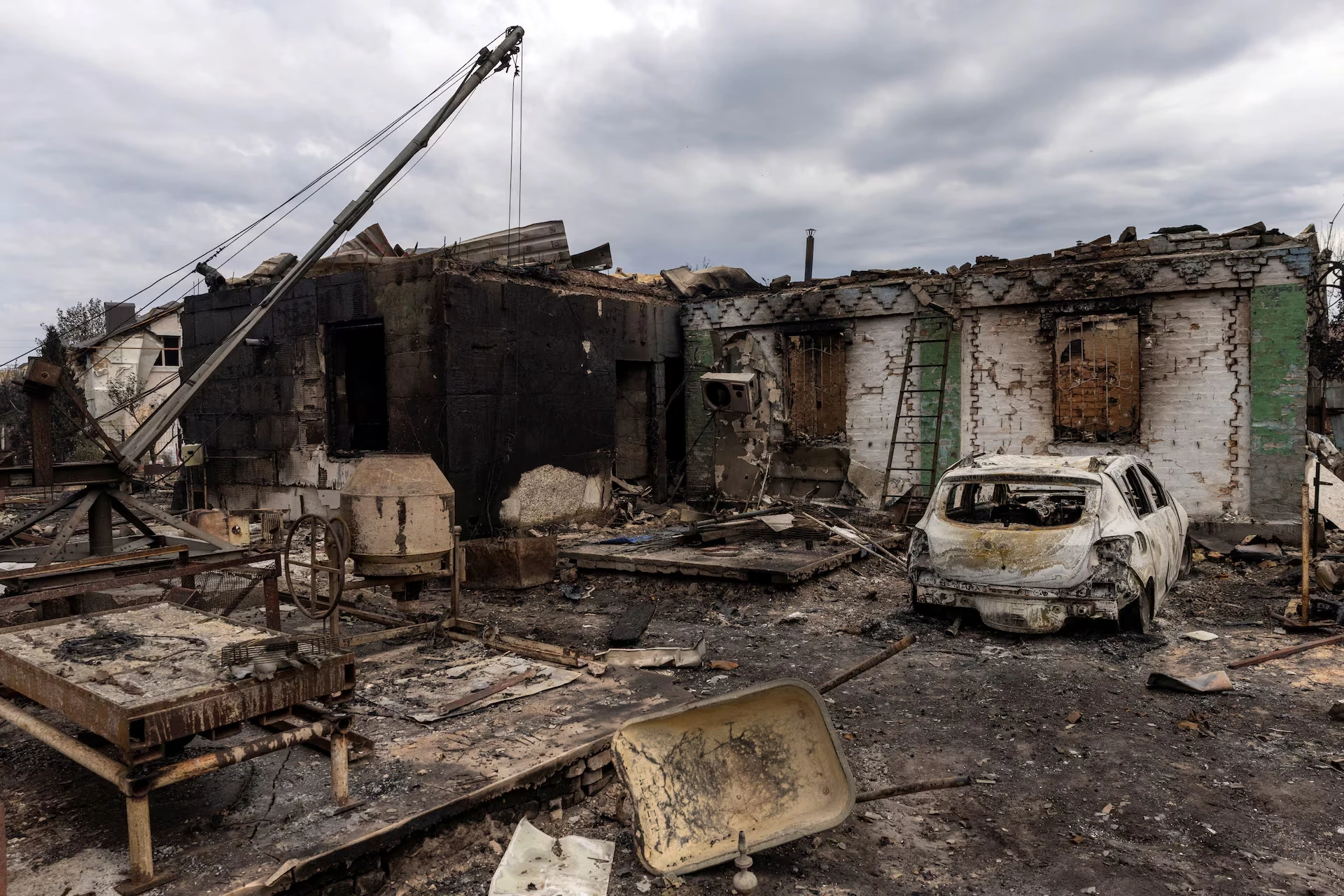
Yet while diplomats talk, the military machine is moving faster. Israel has continued to describe waves of strikes on infrastructure in central Tehran and on facilities linked to Iran’s missile and defense industries. At the same time, Iran has continued to use ballistic missiles as its principal instrument of retaliation.
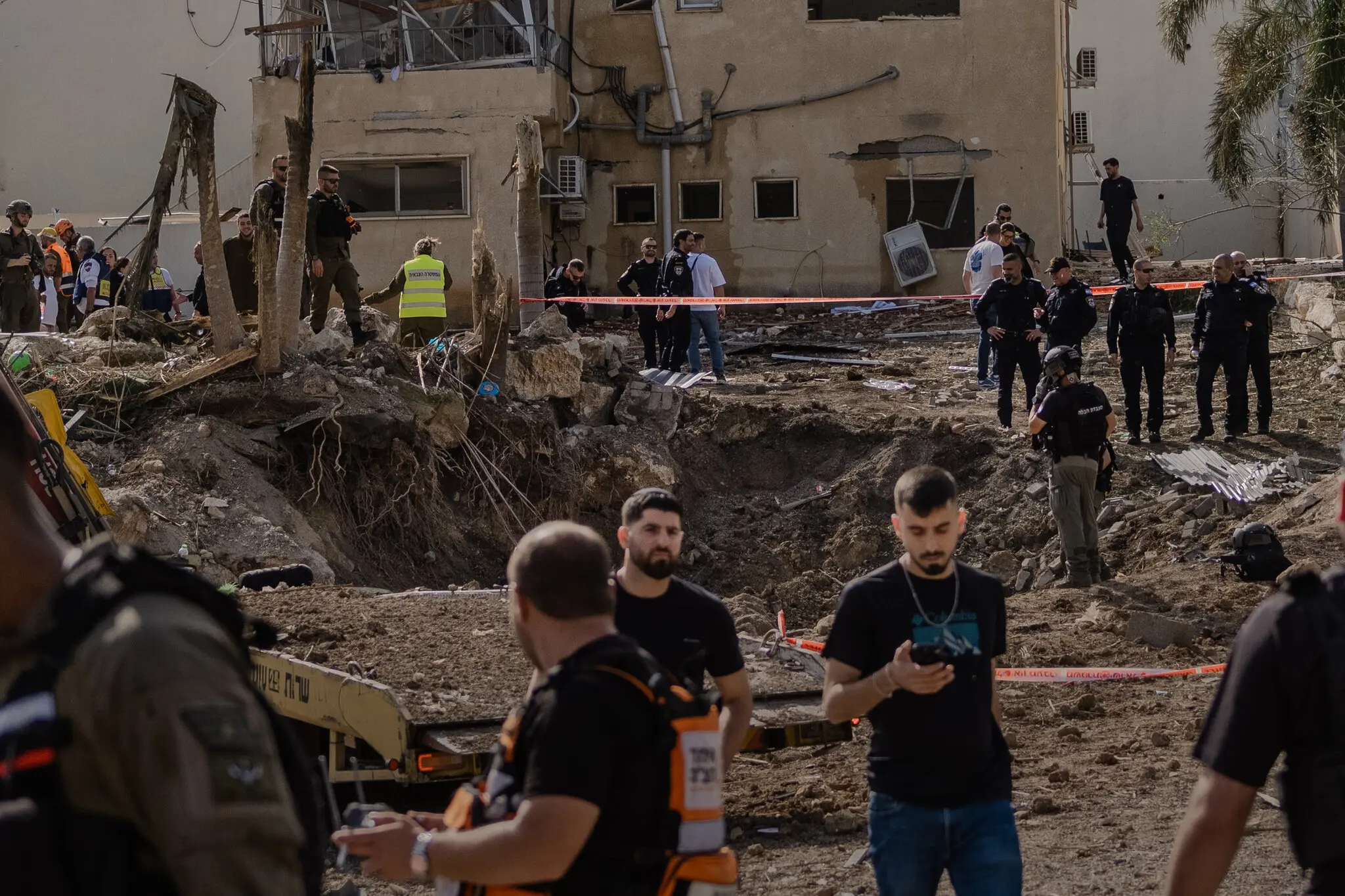 Рятувальники зібралися біля кратера, що залишився внаслідок удару у місті Ештаол, Ізраїль — Аміт Елкаям
That means the Pakistan talks are taking place not against the backdrop of an abstract crisis, but inside an ongoing campaign aimed at dismantling Iran’s military infrastructure. Once airstrikes on Tehran become regular and retaliatory missile launches continue, diplomacy automatically shifts from the language of peace to the language of escalation management.
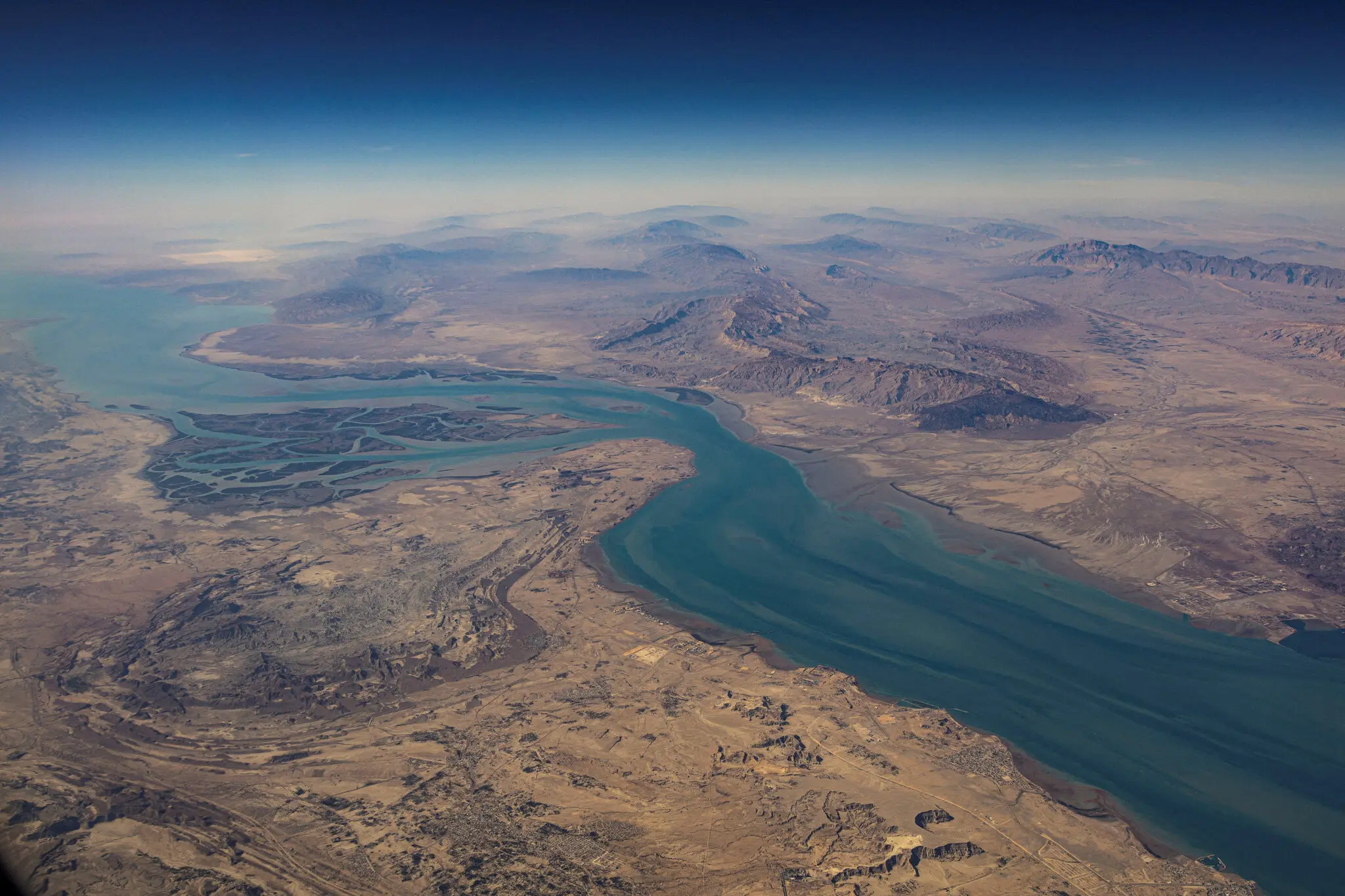
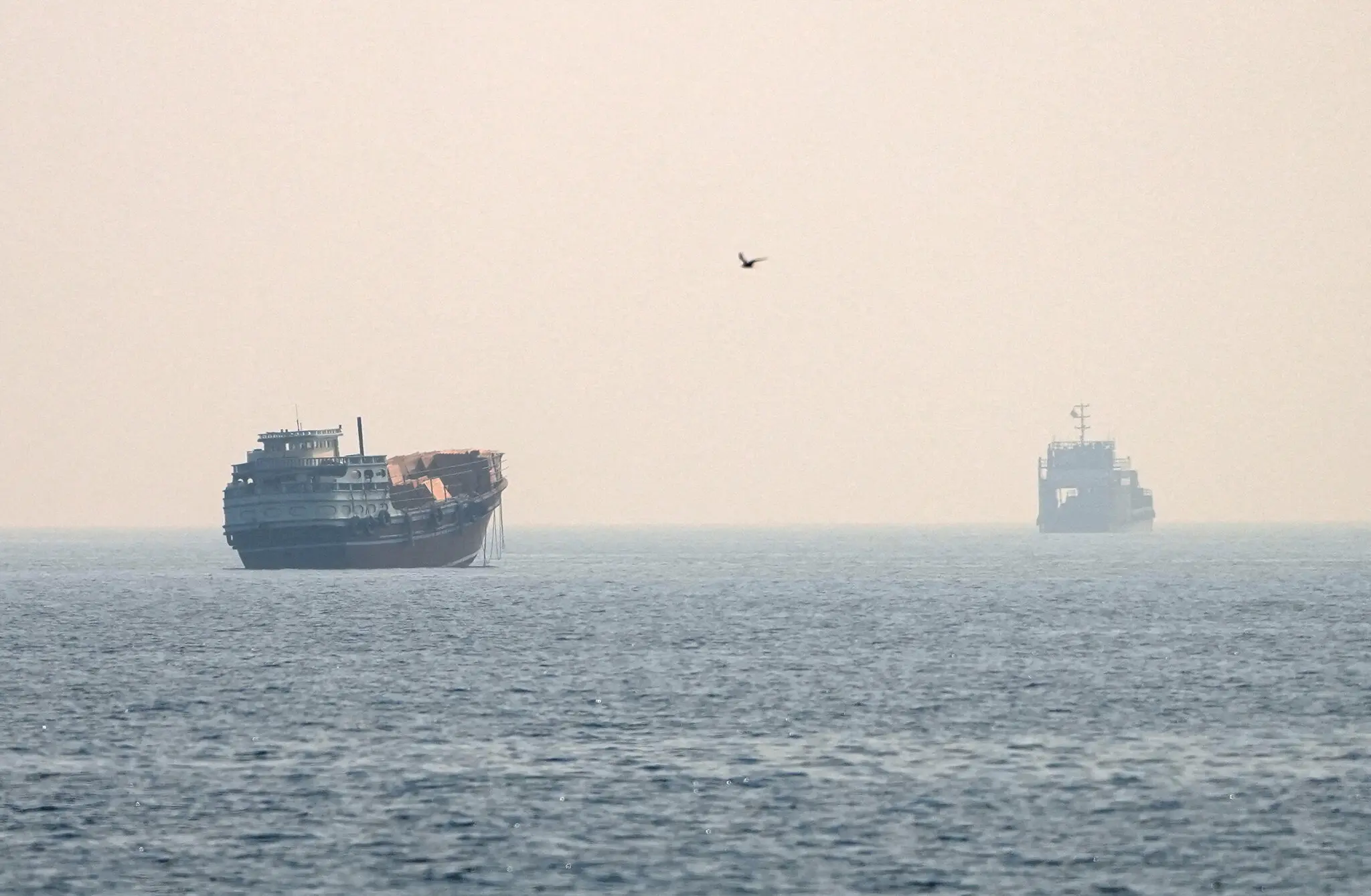
This is most clearly visible in the case of the Strait of Hormuz. Nearly one-fifth of the world’s oil supply moves through it, and the war has already sent prices sharply upward while disrupting shipping, insurance, and energy calculations far beyond the Gulf. Even when the waterway is not physically sealed, the threat environment alone can reduce effective transit.
That is why Saudi Arabia, Egypt, and Turkey came to Islamabad not simply as political mediators. For Riyadh, regional security is inseparable from the vulnerability of the Gulf. For Cairo, stable energy markets and maritime trade are essential. For Ankara, this is another chance to reinforce its role as an indispensable diplomatic actor in a crisis of regional scale. These are negotiations driven not by idealism, but by strategic necessity.
The limits of the format, however, are equally clear. Neither the United States nor Israel is at the table, and Iran continues to deny the existence of fully fledged negotiations with Washington. In that configuration, regional diplomats may be able to create a channel, but they still cannot impose a political solution on the parties actually fighting.
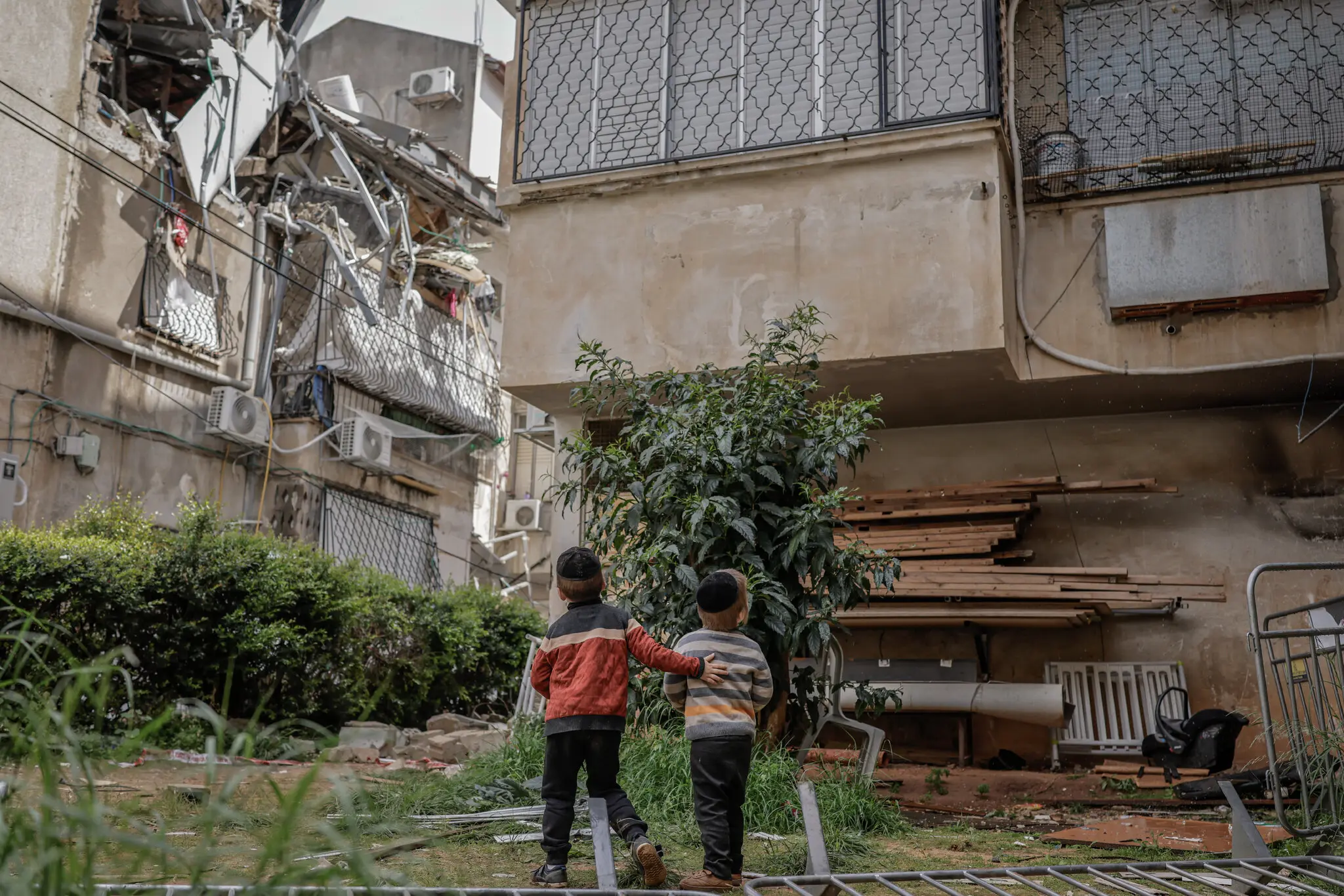 Діти розглядають пошкодження від ракетного удару у місті Бней-Брак, Ізраїль — Авішаг Шаар-Яшув
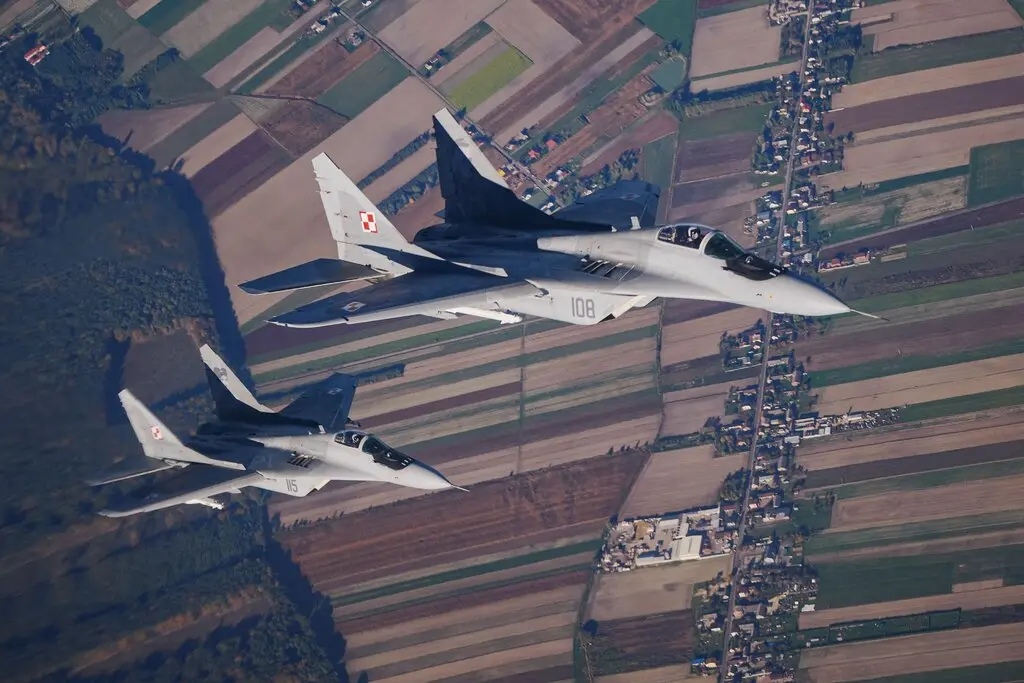
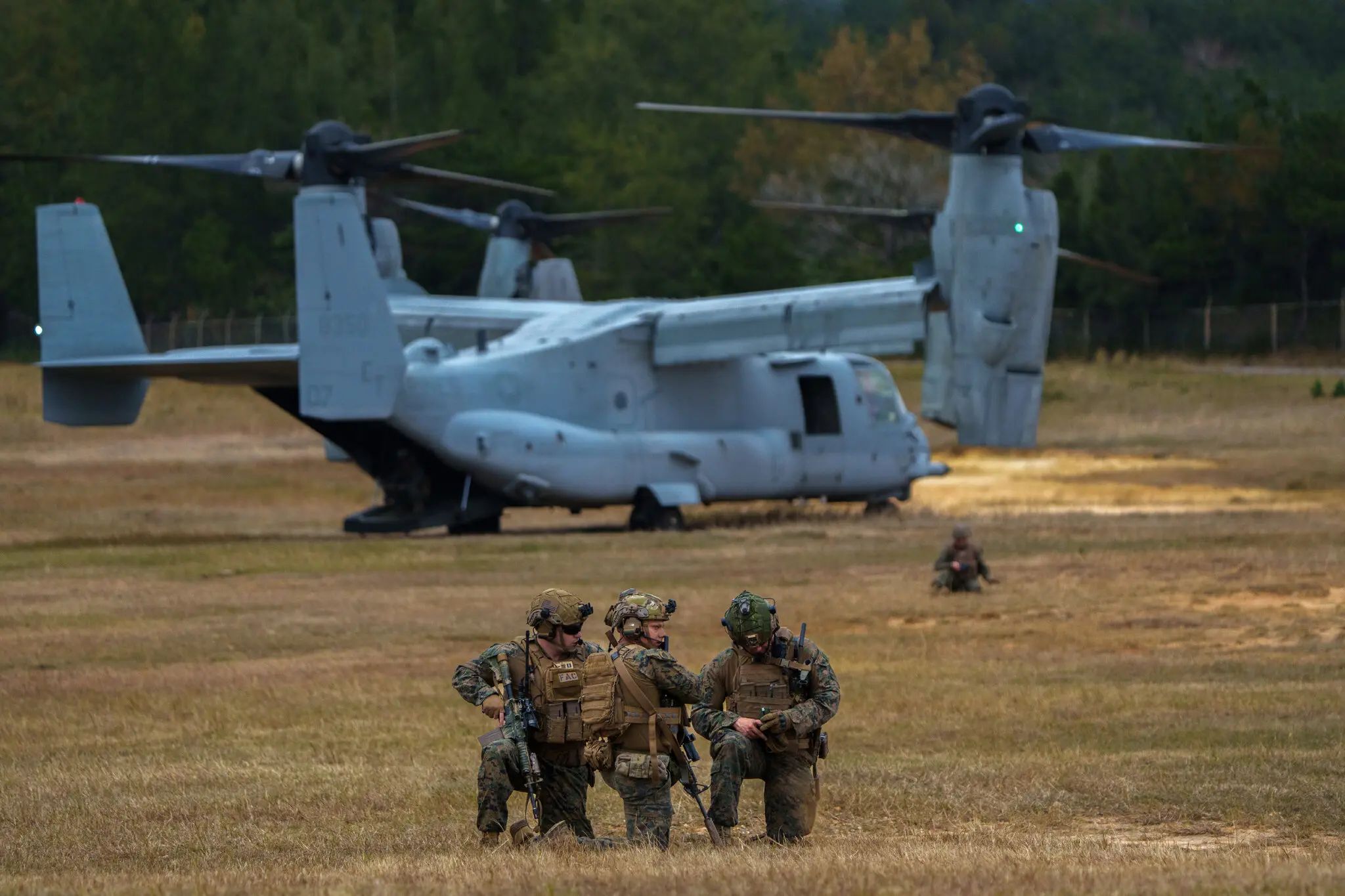
The situation is made even more difficult by the American military signal. Additional U.S. forces have arrived in the region, including roughly 2,500 Marines aboard the USS Tripoli, while Washington has assembled its largest Middle East deployment in more than two decades. Officially, the United States says it can still achieve its objectives without a ground operation, but it is clearly keeping multiple options open.
That is the central contradiction. Diplomacy is moving on paper, but in practice all sides are raising the stakes. Iran interprets the arrival of U.S. forces as proof that it cannot trust Washington’s initiatives. The United States uses military presence as leverage. Israel keeps striking, signaling that it does not want a pause without strategic concessions from Tehran.
Another danger is the widening of the war at sea. After the Houthis entered the conflict, the threat expanded beyond Hormuz to include the Bab el-Mandeb and the Red Sea corridor. That means even partial stabilization in the Gulf would not guarantee a quick recovery of global logistics if a second maritime front remains active.
For Iran, this creates its own bargaining logic. The greater the pressure from the air, the more value Tehran places on control over maritime arteries and on its ability to influence oil prices. For the United States and Israel, by contrast, reopening Hormuz and rolling back Iran’s missile and nuclear capabilities are becoming prerequisites for any deal. That is where the true knot of the conflict lies.
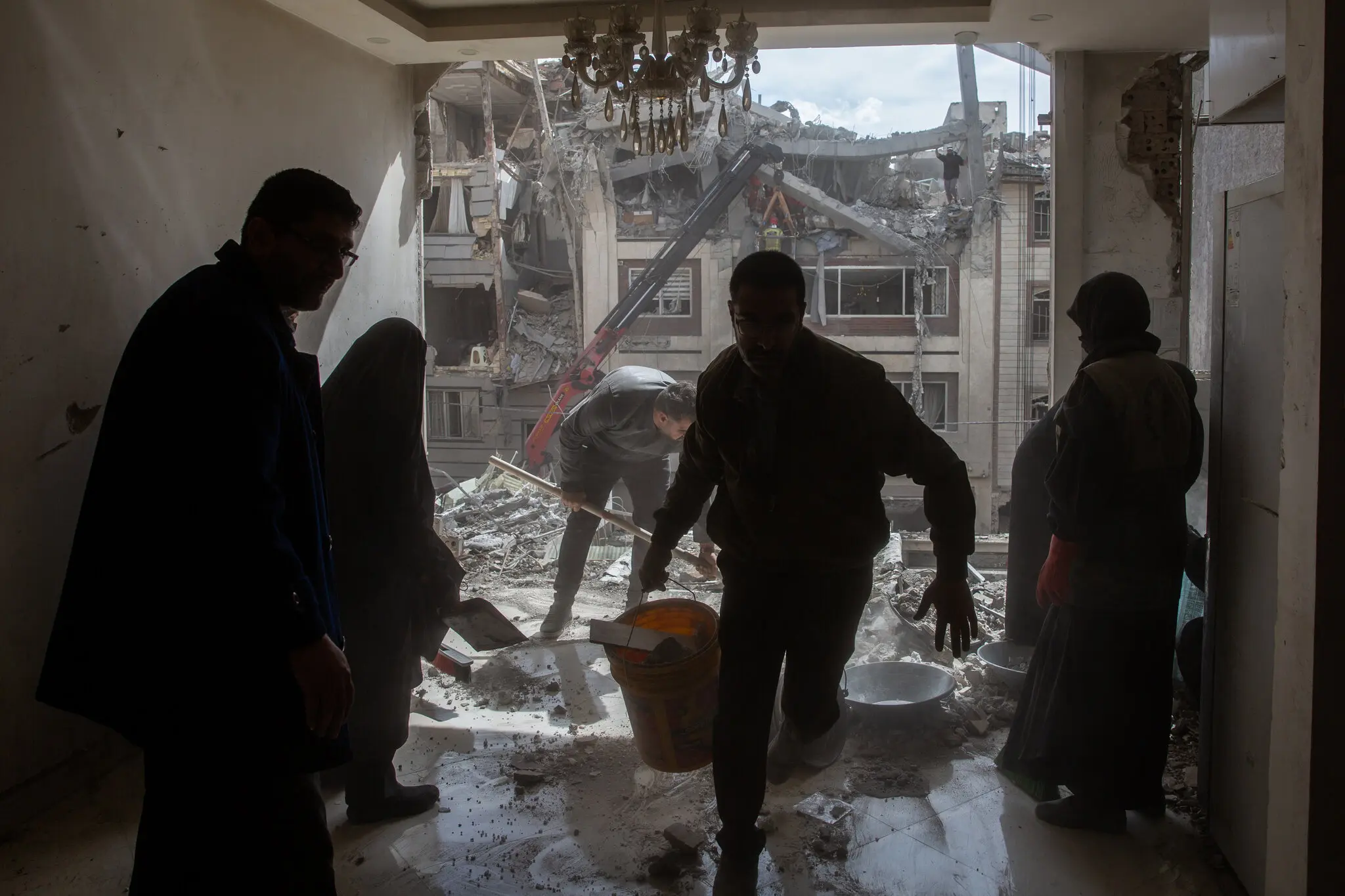
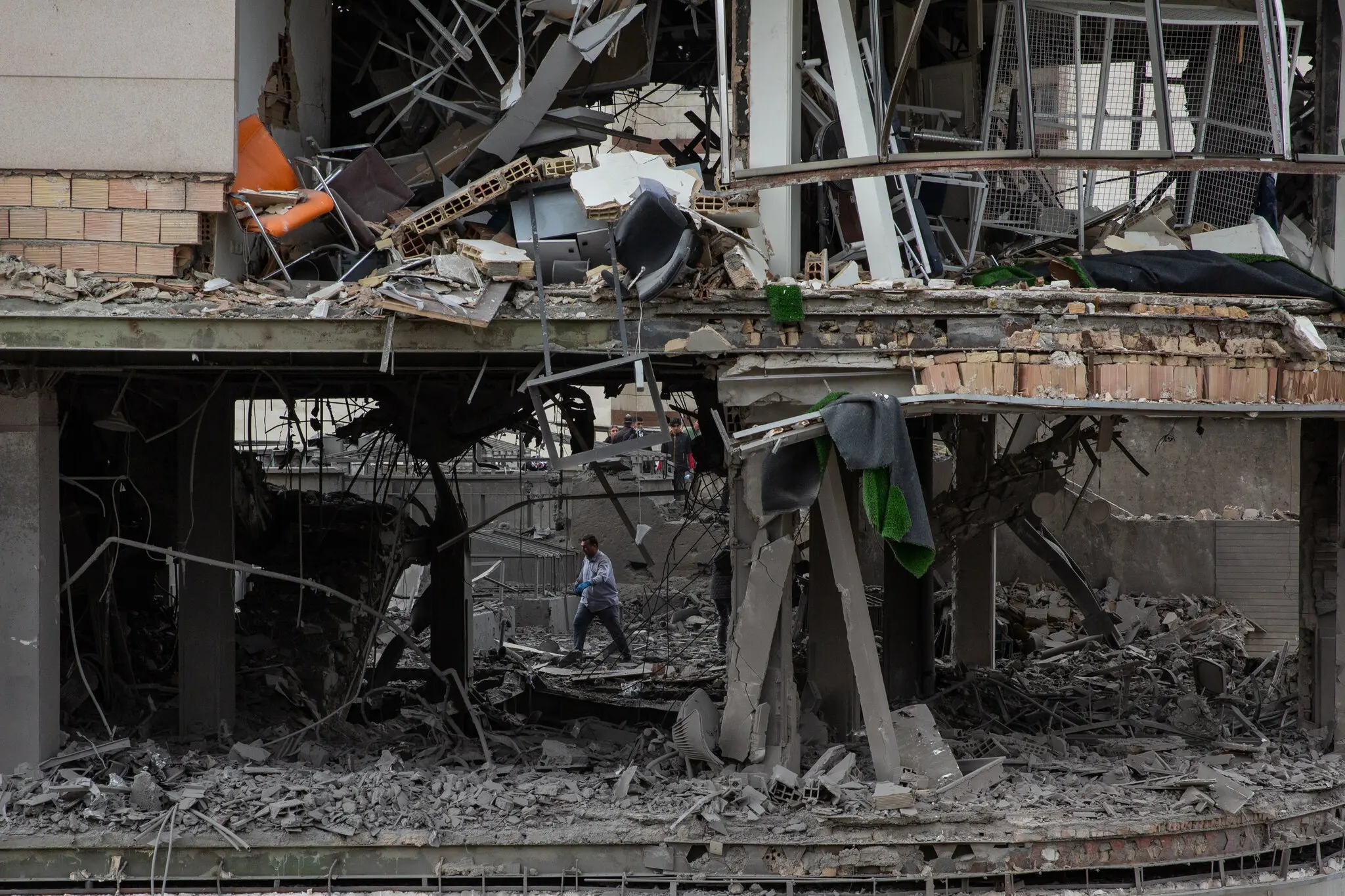
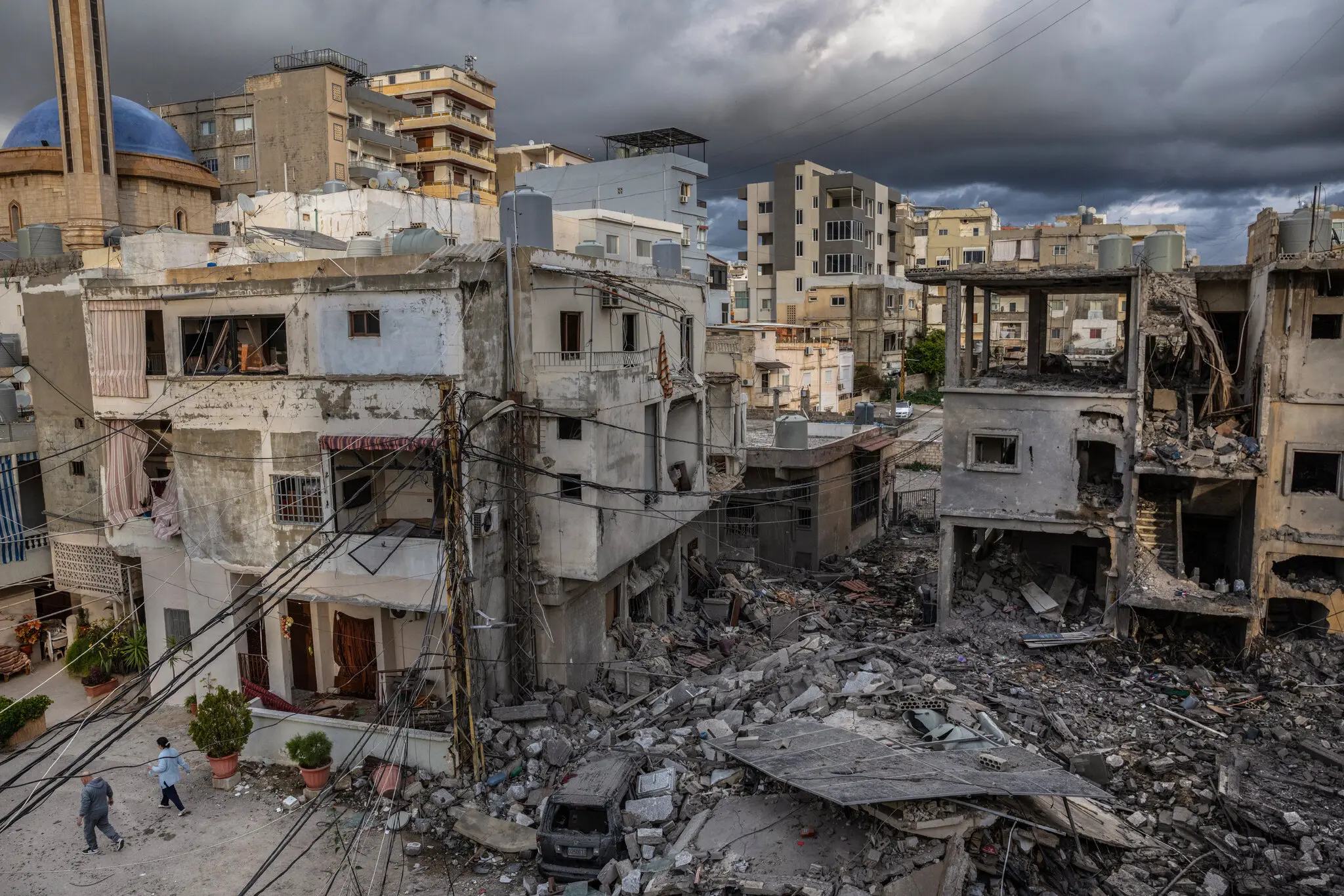 Пошкоджені будинки в Тирі, портовому місті на півдні Лівану — Девід Гуттенфельдер
For that reason, the meeting in Pakistan is not yet a sign of peace. It is, rather, evidence that regional powers now understand the scale of the danger. The war between Israel and Iran has ceased to be a bilateral confrontation. It has become a crisis of energy flows, maritime trade, nuclear deterrence, and the regional balance of power.
So Islamabad today is not a place of breakthrough, but a measure of diplomacy’s limits. As long as Tehran remains under airstrikes, Israel insists on coercive attrition, the United States preserves room for both pressure and bargaining, and the Strait of Hormuz remains an instrument of leverage, regional negotiations can do little more than buy time. But even that matters: in the current phase of the war, time itself has become a strategic resource.




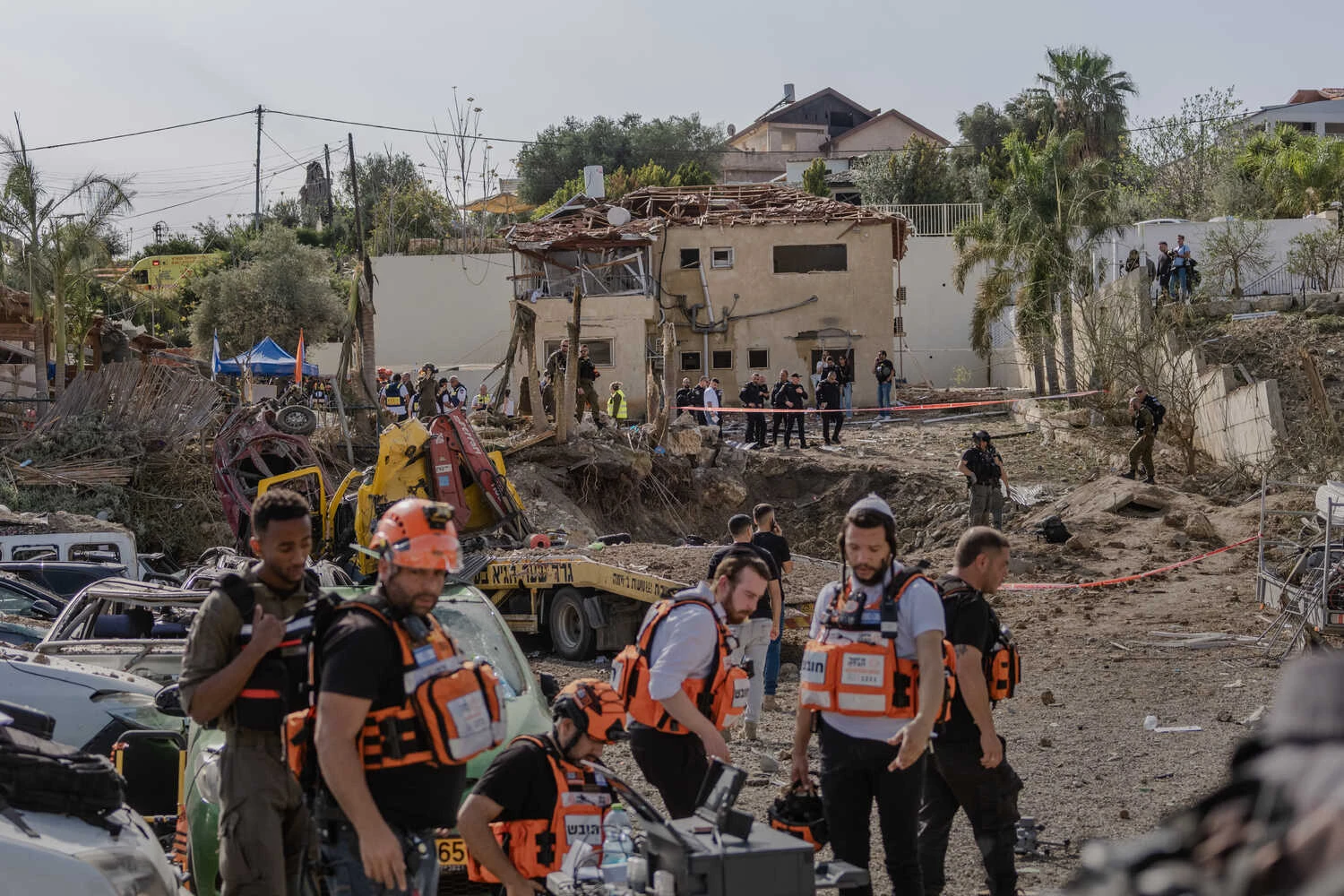 Рятувальники на місці удару в суботу, Ештаол, Ізраїль — Аміт Елкаям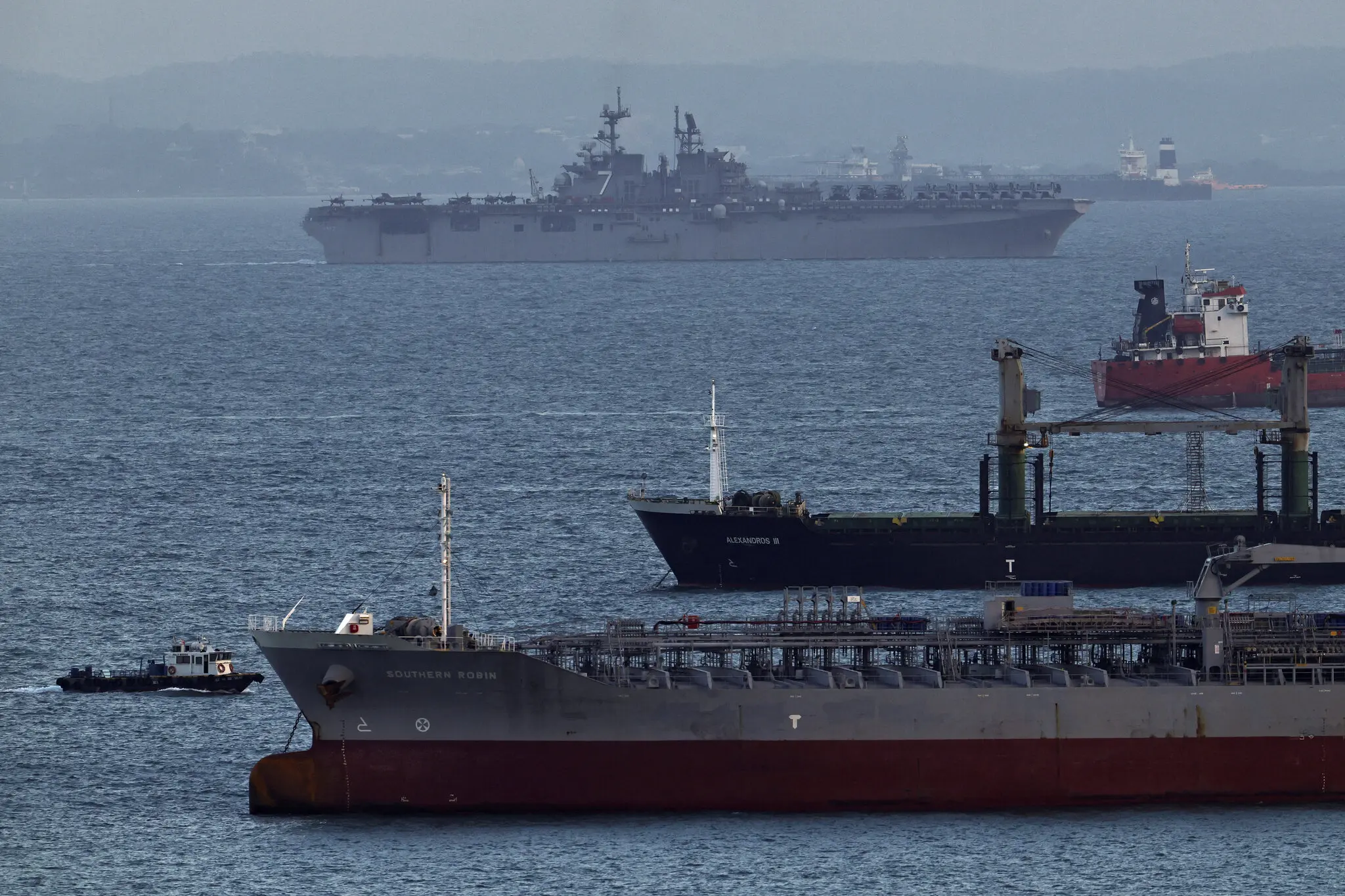






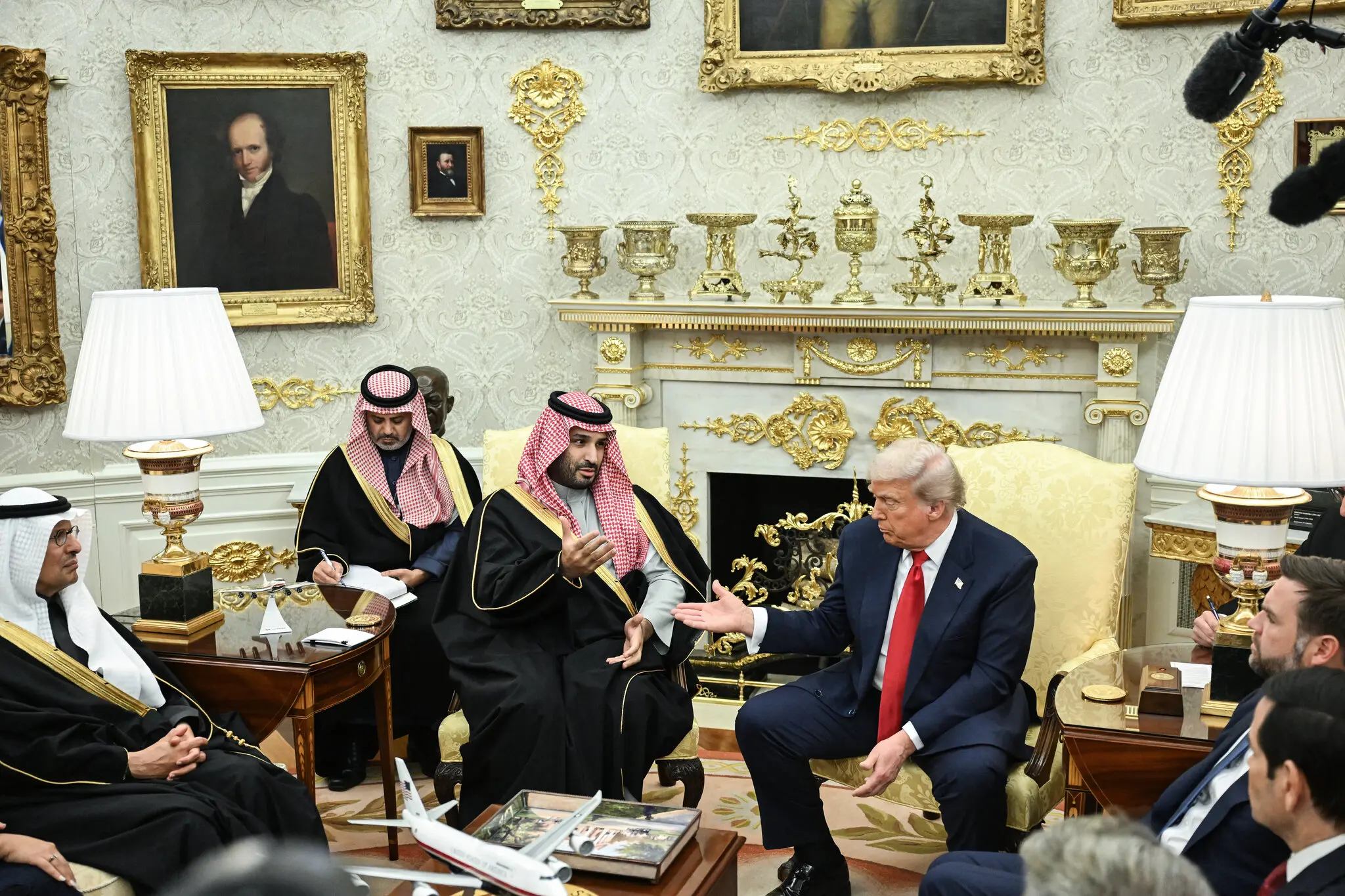 Зустріч президента Трампа з кронпринцем Мухаммедом бін Салманом у Білому домі в листопаді — Кенні Голстон


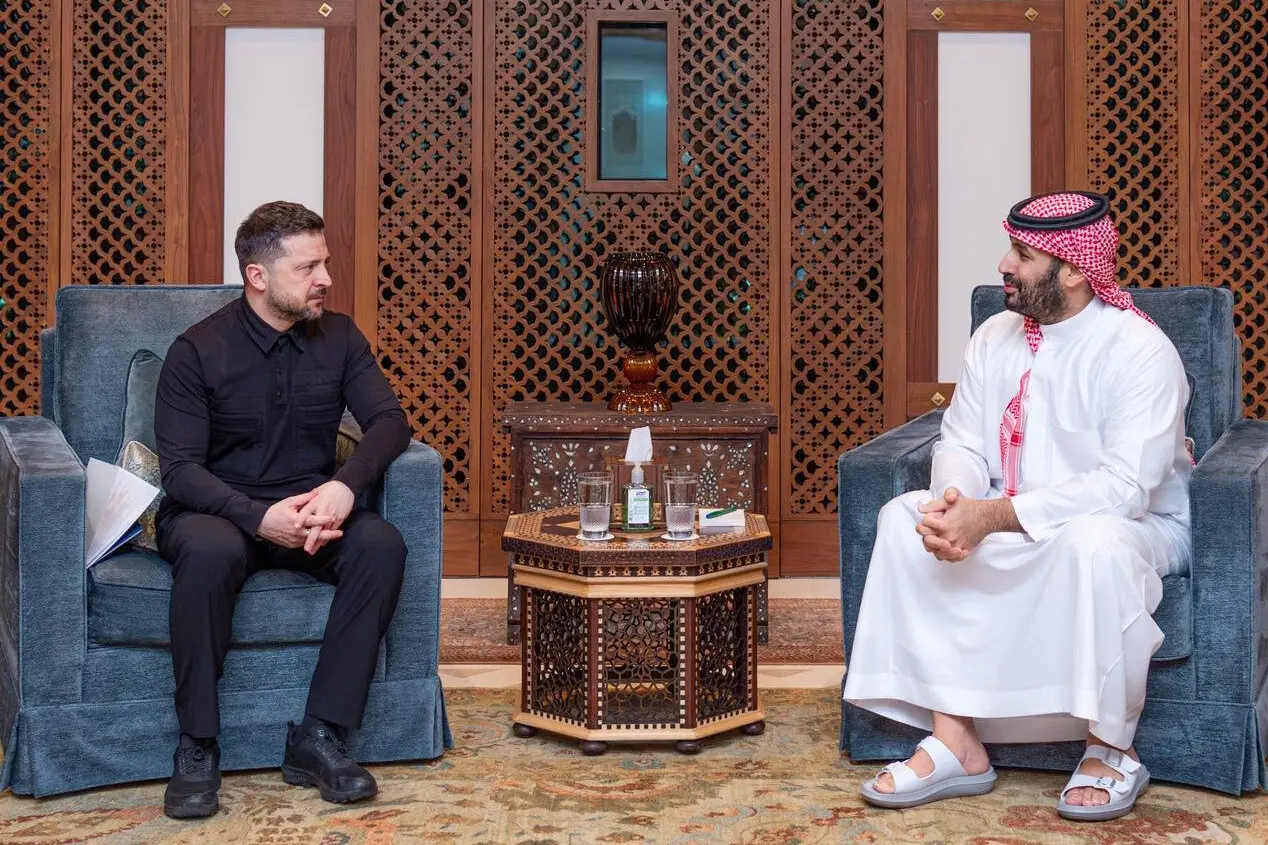 Фотографія, оприлюднена урядом Саудівської Аравії, на якій зображено зустріч президента України Володимира Зеленського з кронпринцем Мухаммедом бін Салманом у п'ятницю — Саудівське інформаційне агентство

 Аммар Авад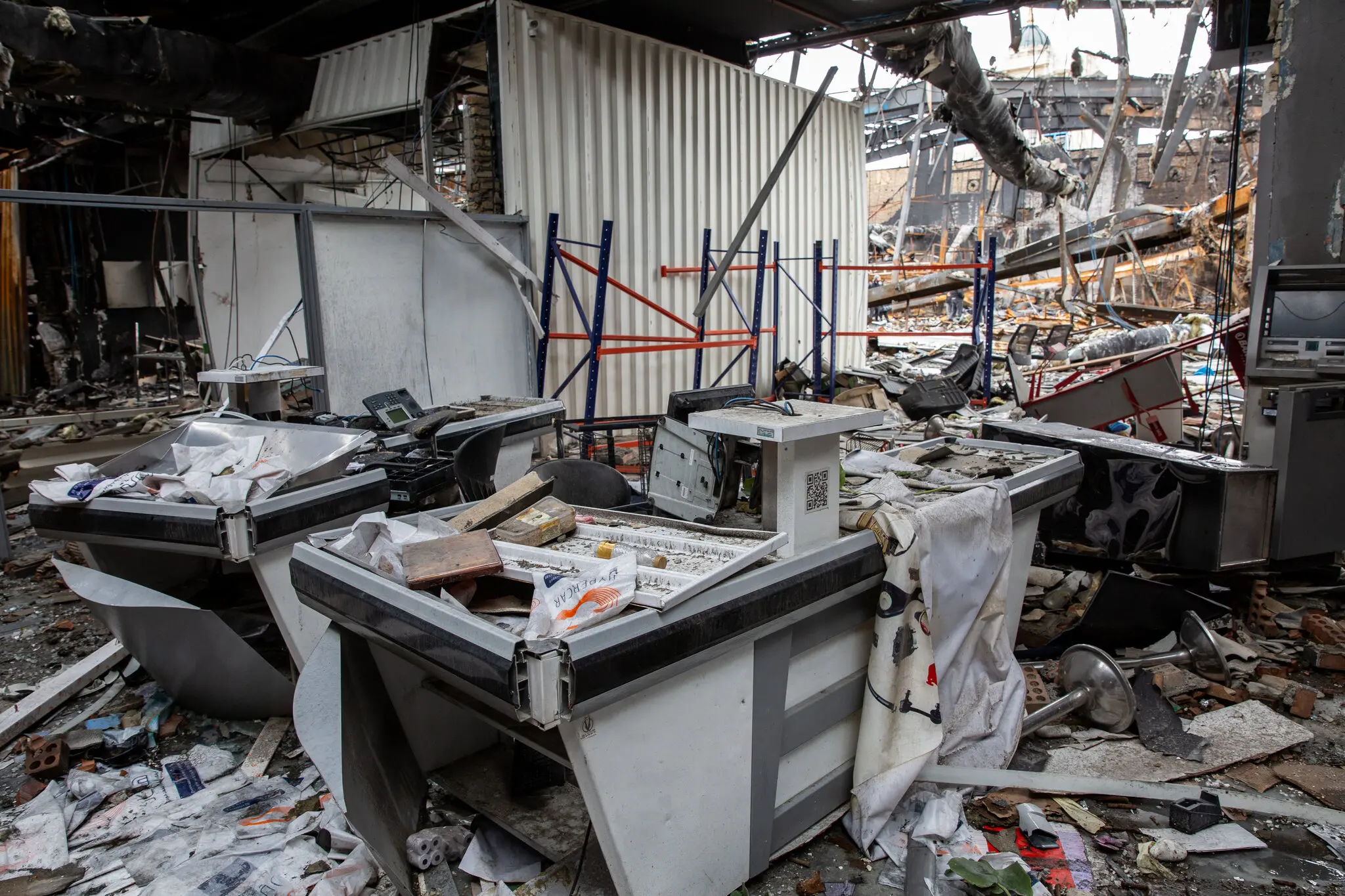
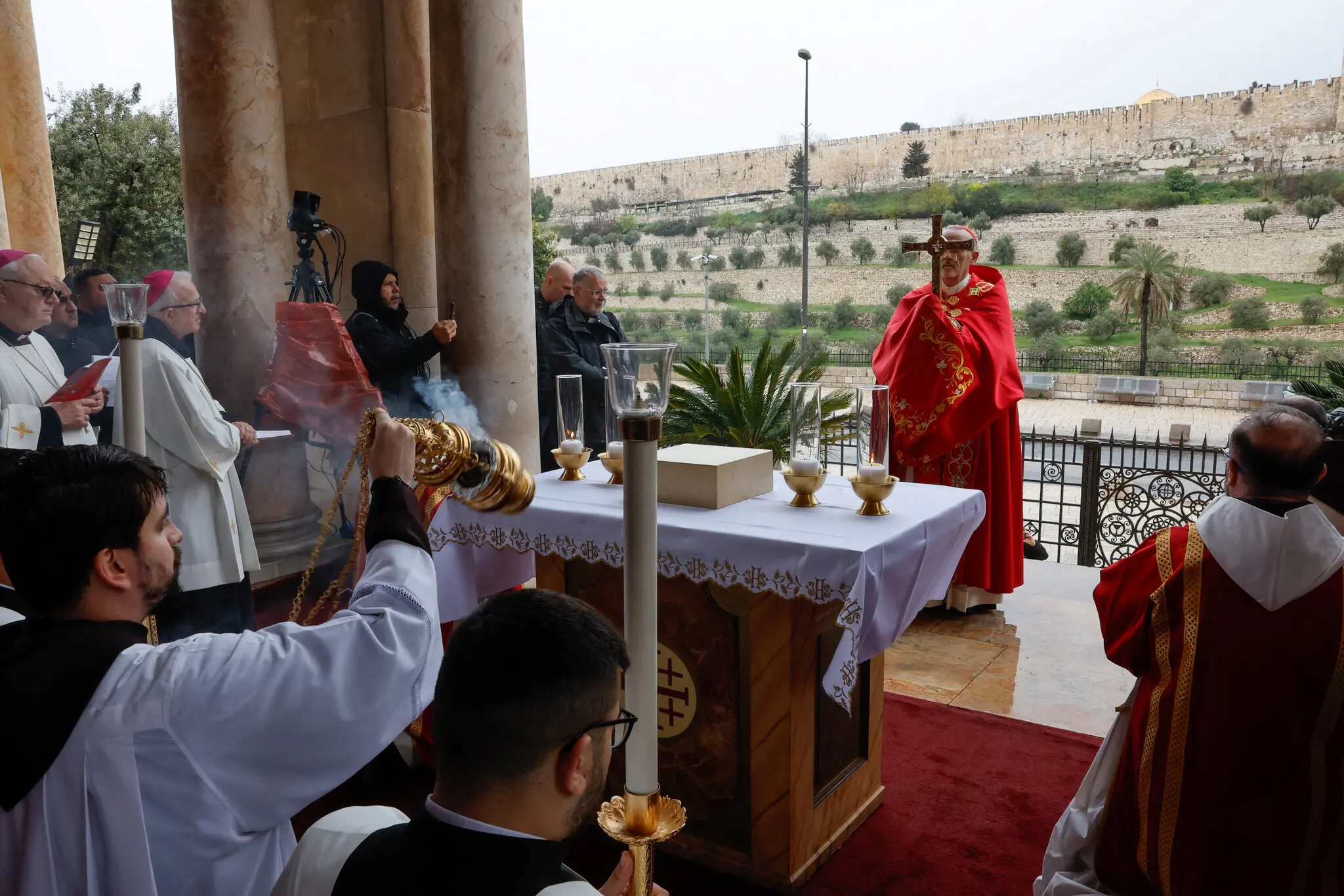
 Ізраїльська влада скасувала традиційну процесію Вербної неділі, яка щорічно відбувається в Єрусалимі — Ахмад Гараблі