








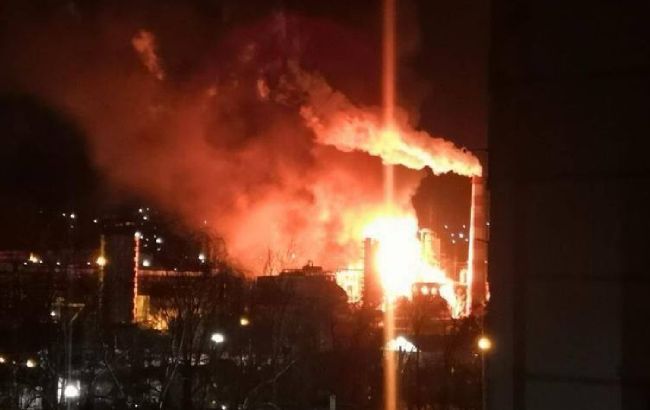



















Iran’s strike on Prince Sultan Air Base on March 27 was not just another combat headline from the Middle East. Over the course of the day, public estimates of the losses shifted: early reports from AP and The Washington Post said at least 10 U.S. service members had been wounded, later updates put the number at 12, and some live news feeds cited even higher figures. That discrepancy alone suggests the incident was more serious than it first appeared in the dry initial leaks.
The key issue is not only the number of wounded, two of whom, according to U.S. officials, are in serious condition. More important is the fact that one of the main American bases in Saudi Arabia was hit — a facility Washington had treated as part of its strategic rear. When missiles and drones can reach such a heavily protected hub, the breach is no longer at the periphery; it is in the architecture of U.S. regional air defense itself.
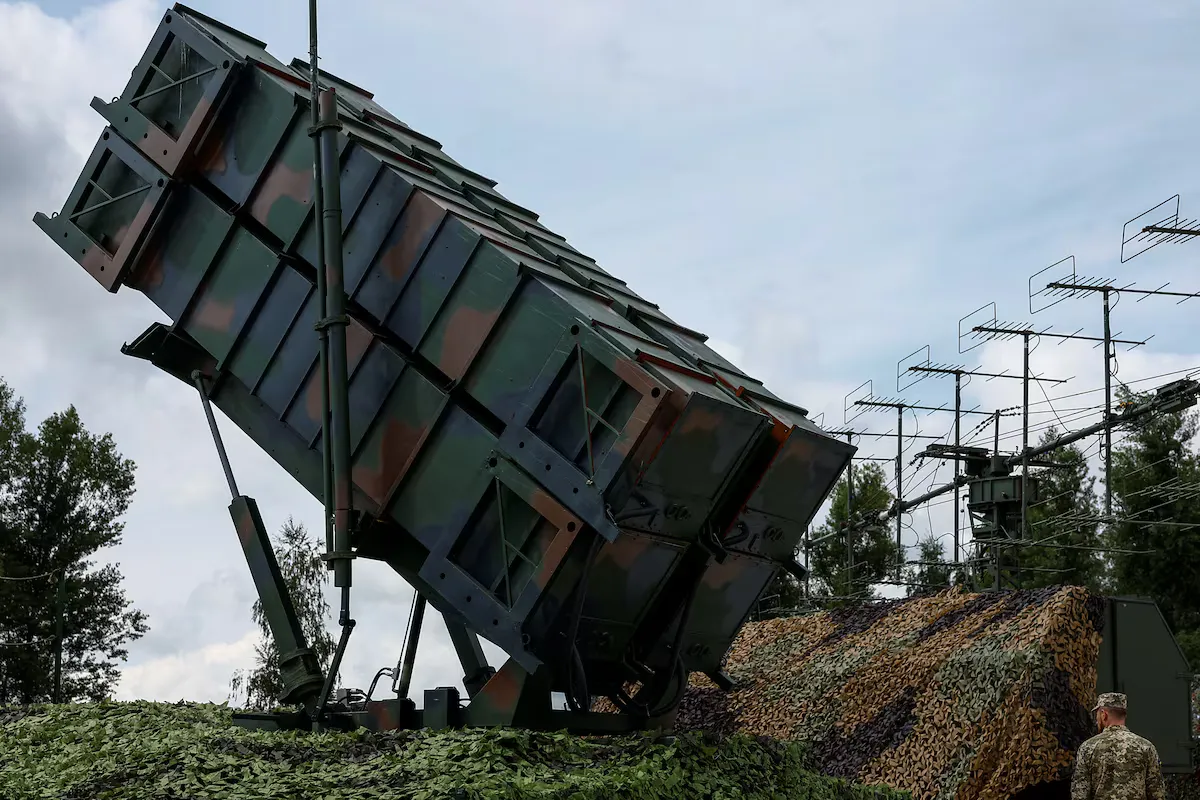
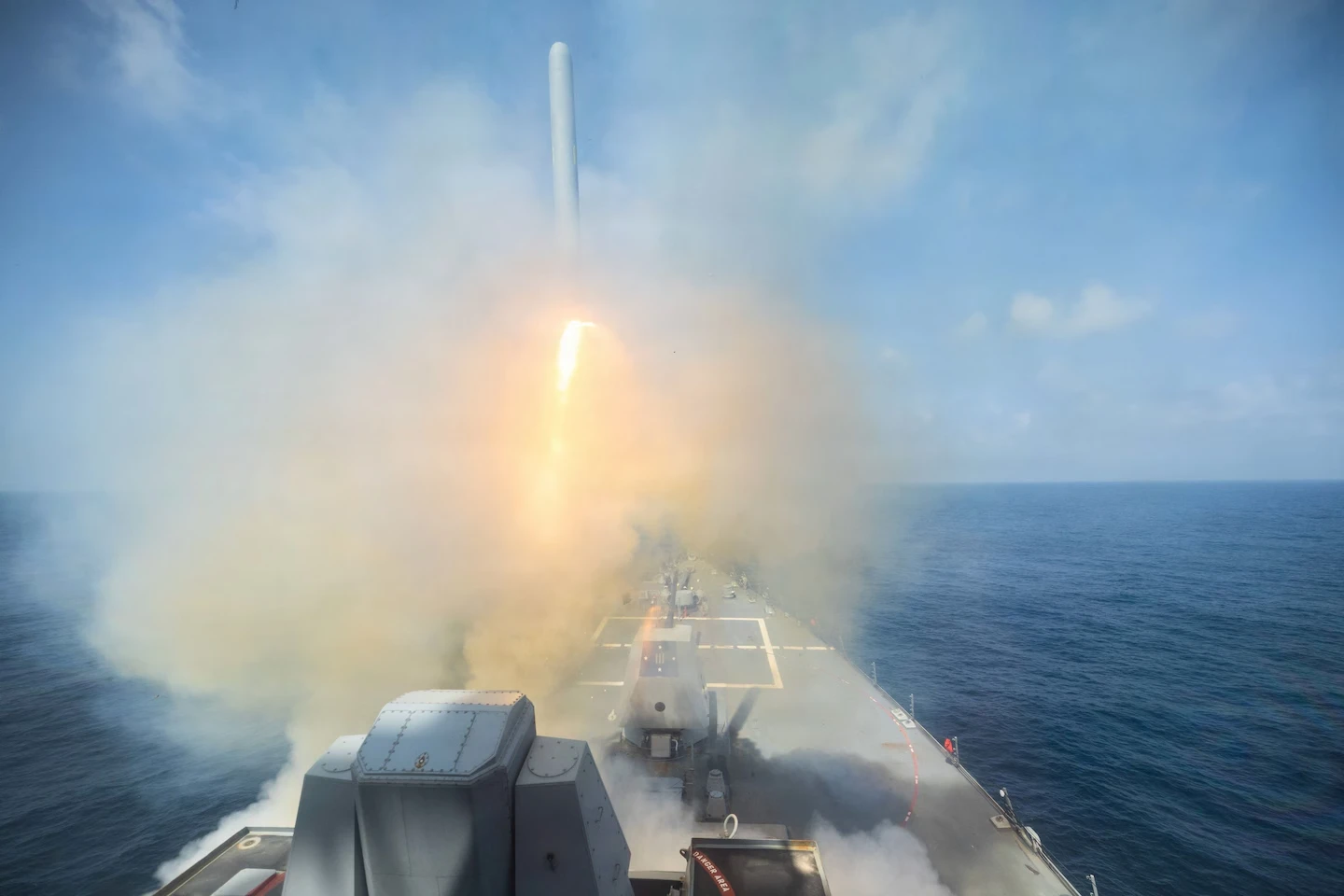
According to the available reporting, the attack involved at least one missile and multiple drones, and the damaged targets included U.S. KC-135 aerial refueling aircraft. That choice was hardly accidental. In a high-intensity war, tankers, storage sites, communications, and logistics matter as much as fighter jets. Without them, an air campaign may preserve the image of power while losing its operational tempo. That is why Iran’s strike on the Saudi base should be read as an attempt to hit the nervous system of the American military presence in the region.
Iran’s strike on Prince Sultan Air Base on March 27 was not just another combat headline from the Middle East. Over the course of the day, public estimates of the losses shifted: early reports from AP and The Washington Post said at least 10 U.S. service members had been wounded, later updates put the number at 12, and some live news feeds cited even higher figures. That discrepancy alone suggests the incident was more serious than it first appeared in the dry initial leaks.
The key issue is not only the number of wounded, two of whom, according to U.S. officials, are in serious condition. More important is the fact that one of the main American bases in Saudi Arabia was hit — a facility Washington had treated as part of its strategic rear. When missiles and drones can reach such a heavily protected hub, the breach is no longer at the periphery; it is in the architecture of U.S. regional air defense itself.
According to the available reporting, the attack involved at least one missile and multiple drones, and the damaged targets included U.S. KC-135 aerial refueling aircraft. That choice was hardly accidental. In a high-intensity war, tankers, storage sites, communications, and logistics matter as much as fighter jets. Without them, an air campaign may preserve the image of power while losing its operational tempo. That is why Iran’s strike on the Saudi base should be read as an attempt to hit the nervous system of the American military presence in the region.
In the preliminary assessment of the Daycom editorial team, that is precisely the core meaning of the attack: Tehran is trying to target not only individual assets but the rhythm of the entire operation. Prince Sultan has long been used to support refueling across CENTCOM’s area of responsibility, so even the partial loss of KC-135 capacity likely creates a domino effect for sorties, rotations, and reserve planning. Striking logistics is always cheaper than fighting a symmetrical air war, yet it often delivers no less strategic effect.
This is where a political contradiction emerges that Washington is finding increasingly difficult to conceal. The U.S. administration continues to speak in the language of imminent success, yet The Washington Post notes directly that despite strikes on more than 16,000 targets, Iran still retains a significant stockpile of ballistic missiles and drones. In other words, the U.S.-Israeli campaign has weakened Iranian capabilities, but it has not deprived Tehran of the ability to retaliate painfully and asymmetrically.

Another troubling dimension is the accumulation of casualties. AP, citing CENTCOM, reported that more than 300 American service members had been wounded over the month of war; most returned to duty, but dozens remained out of action, and some were listed in serious condition. That is no longer a collection of isolated episodes. It is a pattern of attrition. It gradually undermines the notion that U.S. bases in the Middle East are nearly sealed off from serious damage and weakens allied confidence in the credibility of American deterrence.
Against that backdrop, Secretary of State Marco Rubio’s statement that the United States can achieve its objectives without a ground campaign and that the war should end “in weeks, not months” sounds more like reassurance for a domestic audience than a firm operational forecast. At the same time, the Pentagon is preparing to deploy at least 1,000 paratroopers from the 82nd Airborne Division and two Marine Corps units. Public rhetoric points to a limited campaign; actual planning suggests a reserve posture for a worsening scenario.
The diplomatic channel does not look promising either. The Donald Trump administration reportedly passed Iran a 15-point ceasefire framework through Pakistan, yet Tehran denies that any full-fledged negotiations are underway. Trump speaks of progress, but regional diplomats quoted in U.S. media say the sides are still far from even agreeing on the format of talks. In such a configuration, military escalation is beginning to move faster than diplomacy.
Events on March 28 only reinforced the sense that the conflict is entering a phase of expansion. Israel announced a new wave of strikes on Tehran and also reported the first missile launch from Yemen since the start of this war. After Houthi threats to open a new front, this is no longer background noise. It is a signal that the Israel-Iran war risks becoming a systemic regional conflict with multiple theaters active at once.
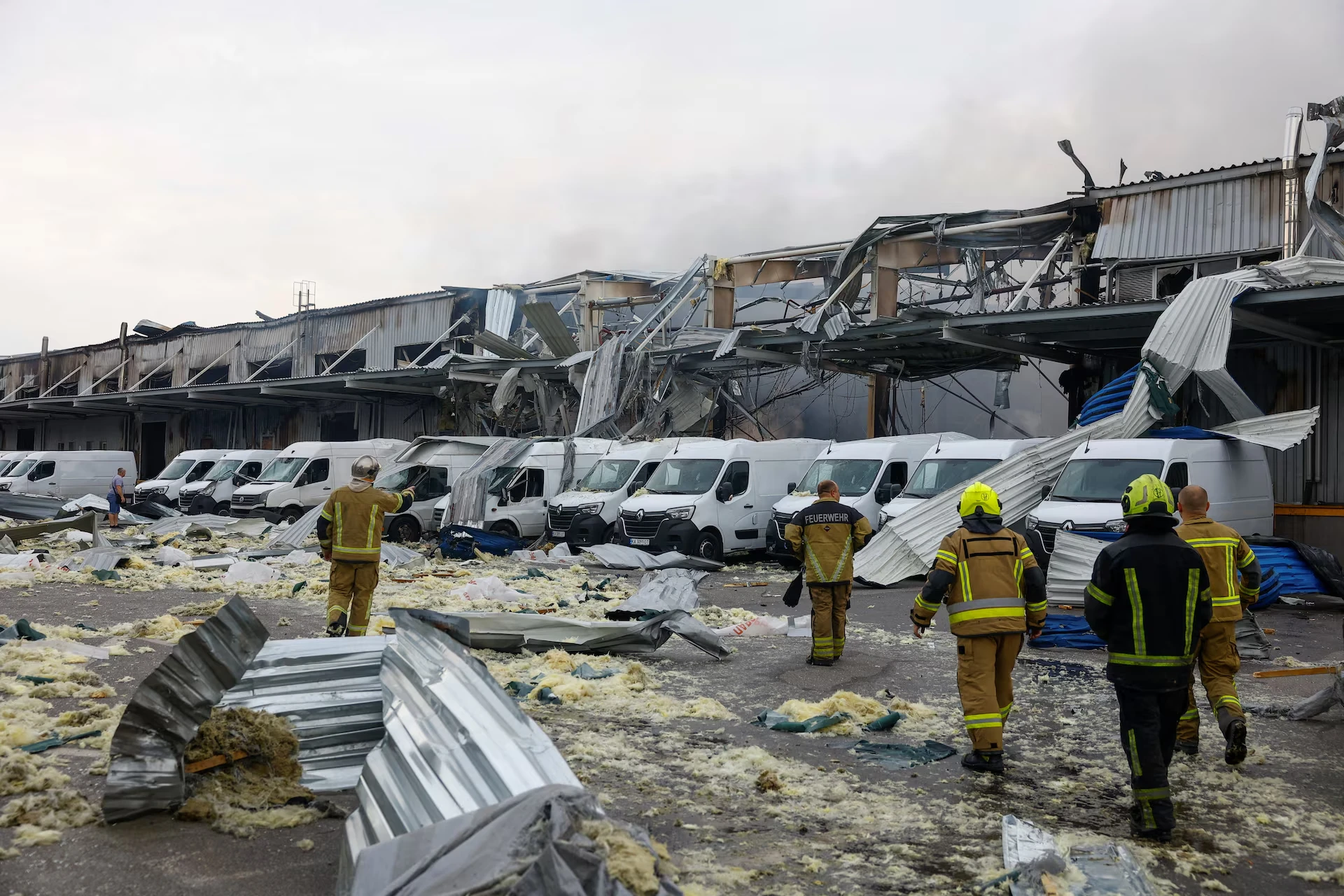
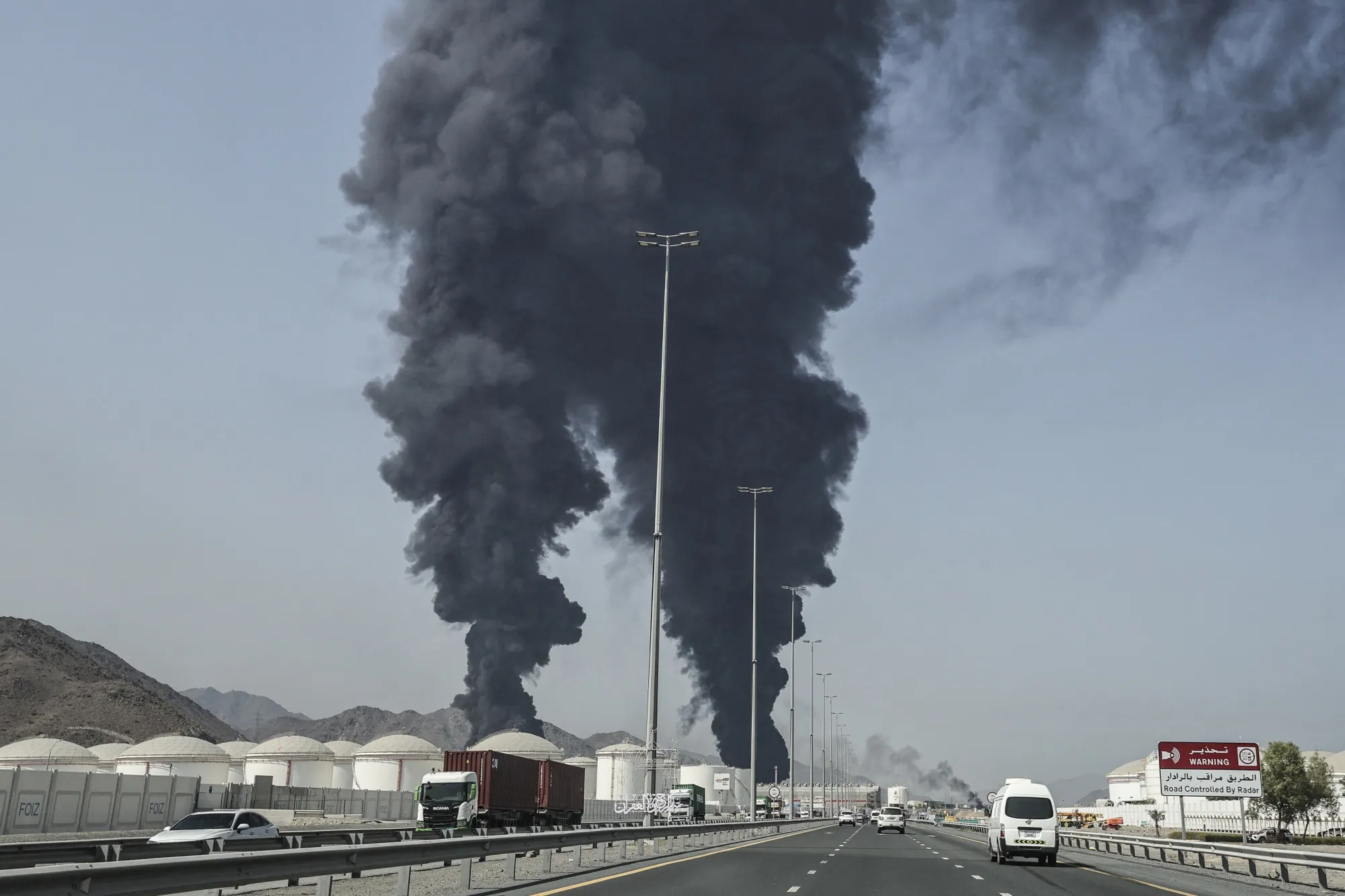
That widening is visible across the Persian Gulf as well. Reports on March 28 described Iranian drones and missiles being intercepted over Saudi Arabia, while in the United Arab Emirates falling debris from an interception caused fires and injuries in an industrial zone of Abu Dhabi. For Riyadh and Abu Dhabi, this is the worst-case scenario. Both have spent years trying to avoid turning their own territory into an overt battlefield, yet the logic of escalation is drawing them into the geography of war.
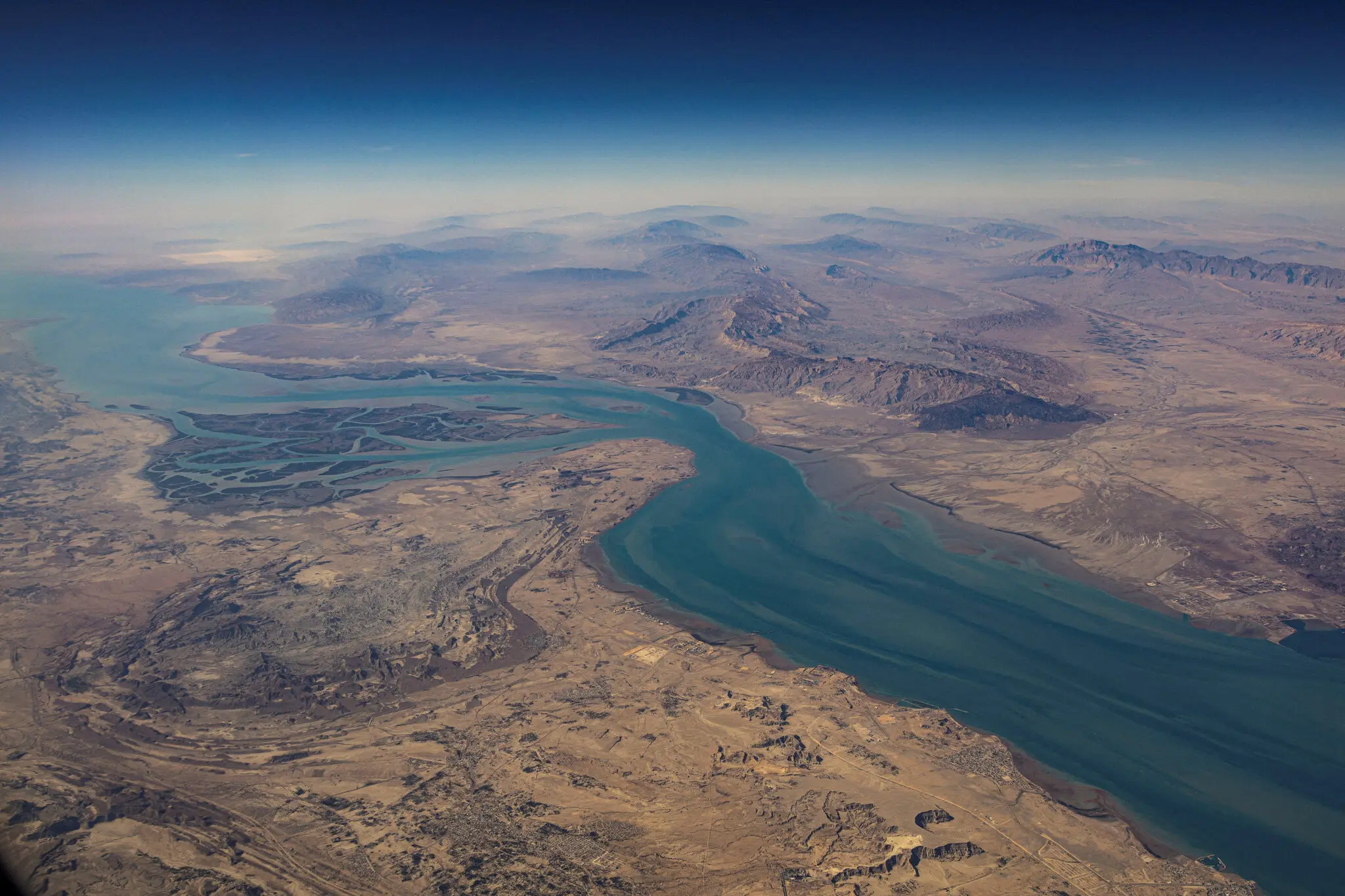
The most costly consequence of this escalation is not only military but also energy-related. The Strait of Hormuz carries a critical share of global seaborne oil trade and a major portion of liquefied gas exports. If flows through the strait are indeed falling, every new strike on U.S. bases or supply routes immediately becomes a global pricing risk. In that case, every exchange of missiles in the region affects not only the battlefield but fuel markets from Asia to Europe.
That is why the strike on the American base in Saudi Arabia matters far beyond its tactical effect. When missiles can reach U.S. logistical hubs while Hormuz remains partially blocked, markets read the message clearly: the conflict may be moving beyond manageable escalation. The risk is especially acute for Asia, since much of the energy passing through the strait is destined for Asian markets. In that sense, Iran’s strike on the Saudi base is also a strike against expectations of global stability.

Yes, Saudi Arabia and the UAE have pipeline infrastructure that partially bypasses Hormuz, but their spare capacity is not enough to fully replace maritime flows. Even states with alternative export routes cannot guarantee normalized supply if strikes on bases, ports, air defenses, and air corridors continue. Energy security now depends not only on tankers, but on whether the United States and its allies can restore a sense of control over the situation.
The international coalition around Washington does not look especially solid either. At the G7 meeting, allies agreed to call for an immediate halt to attacks on civilians and for safe navigation through Hormuz, but Paris made clear that it does not automatically regard this war as its own. London and Berlin likewise emphasized diplomacy rather than joining offensive operations against Iran. That means Washington may have military superiority, but it does not possess an automatic political coalition for a prolonged campaign.
For Saudi Arabia itself, this creates a strategic dilemma. On one hand, the kingdom cannot tolerate repeated strikes on its territory and on American facilities hosted there. On the other, a full direct entry into the war would make Saudi infrastructure a priority target for Iranian missiles and drones. That is why Riyadh, judging from the available reporting, remains in a posture of defense, interception, and limited support, stopping short of formal entry into the campaign.
The most likely short-term scenario is not a dramatic battlefield breakthrough but a new wave of strikes against logistics, air defense, bases, and maritime routes. Such actions may not produce striking territorial maps, but they steadily erode the opponent’s political endurance. That is why the attack on Prince Sultan Air Base is probably more dangerous than the phrase “twelve wounded” suggests. It hit the assumption that the United States still controls the tempo of the war and can hold a secure rear in Saudi Arabia without paying a direct price.
The main conclusion, then, is this: Iran’s strike on the Saudi base does not prove Tehran’s strength in absolute terms, but it does prove its ability to disrupt the American narrative of a campaign nearing its end. While Washington speaks of weeks until victory, Iran is demonstrating that even after massive bombardment it can still widen the front, raise the price of oil, pressure U.S. allies, and force them to count risks rather than victories. In strategic terms, that is precisely the most dangerous form of escalation.


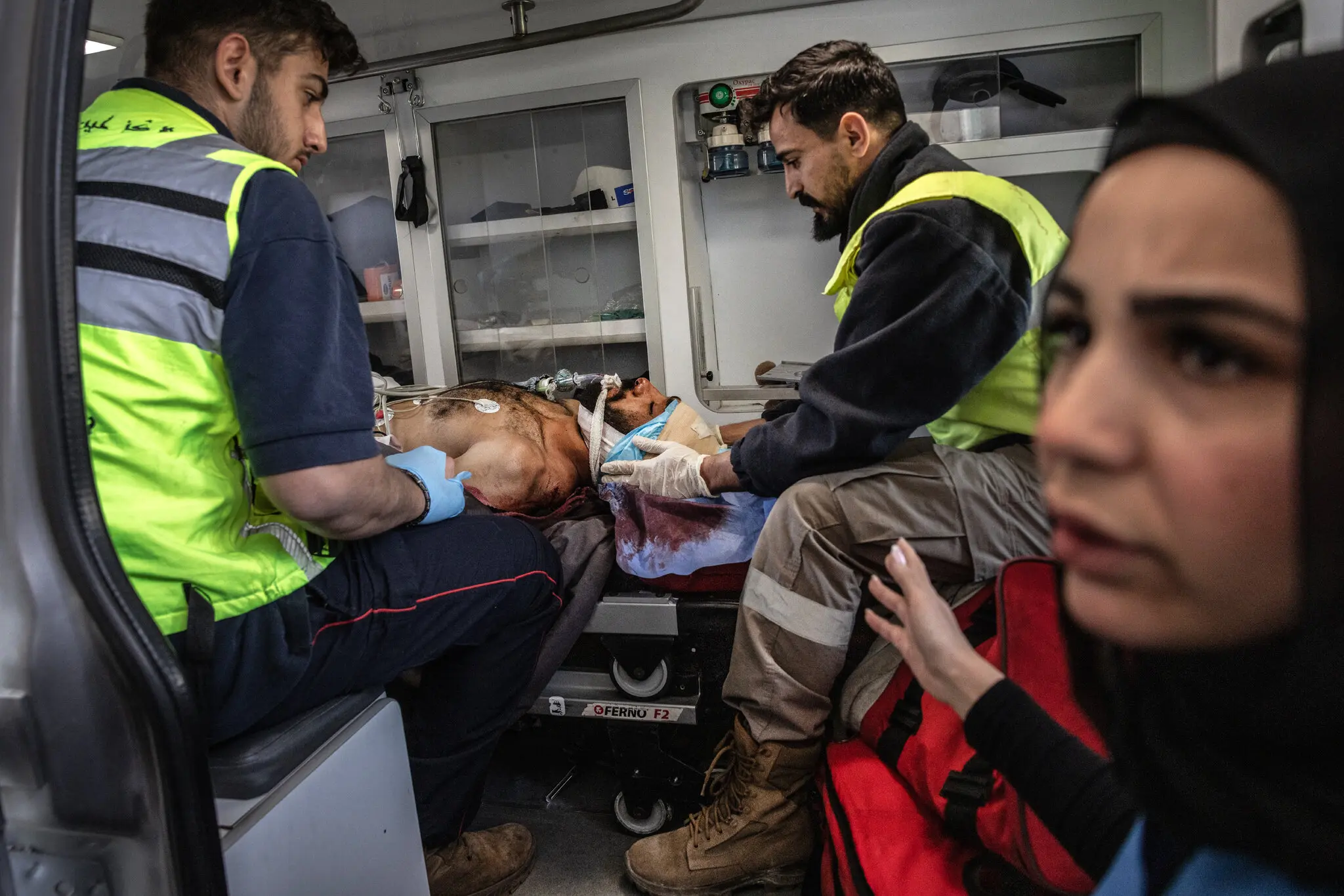 Медики транспортують тяжкопораненого чоловіка у місті Тир, Ліван — Девід Гуттенфельдер
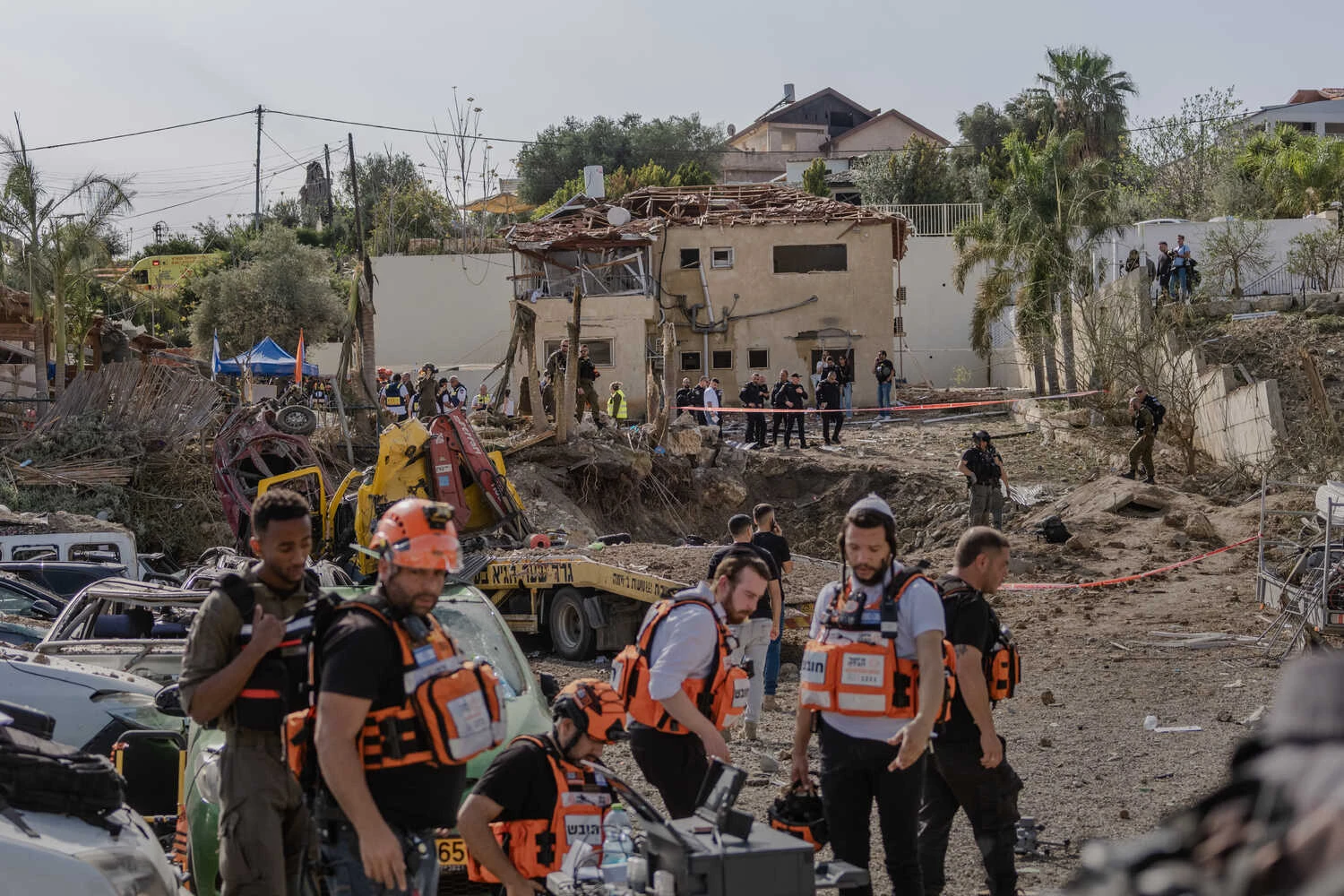
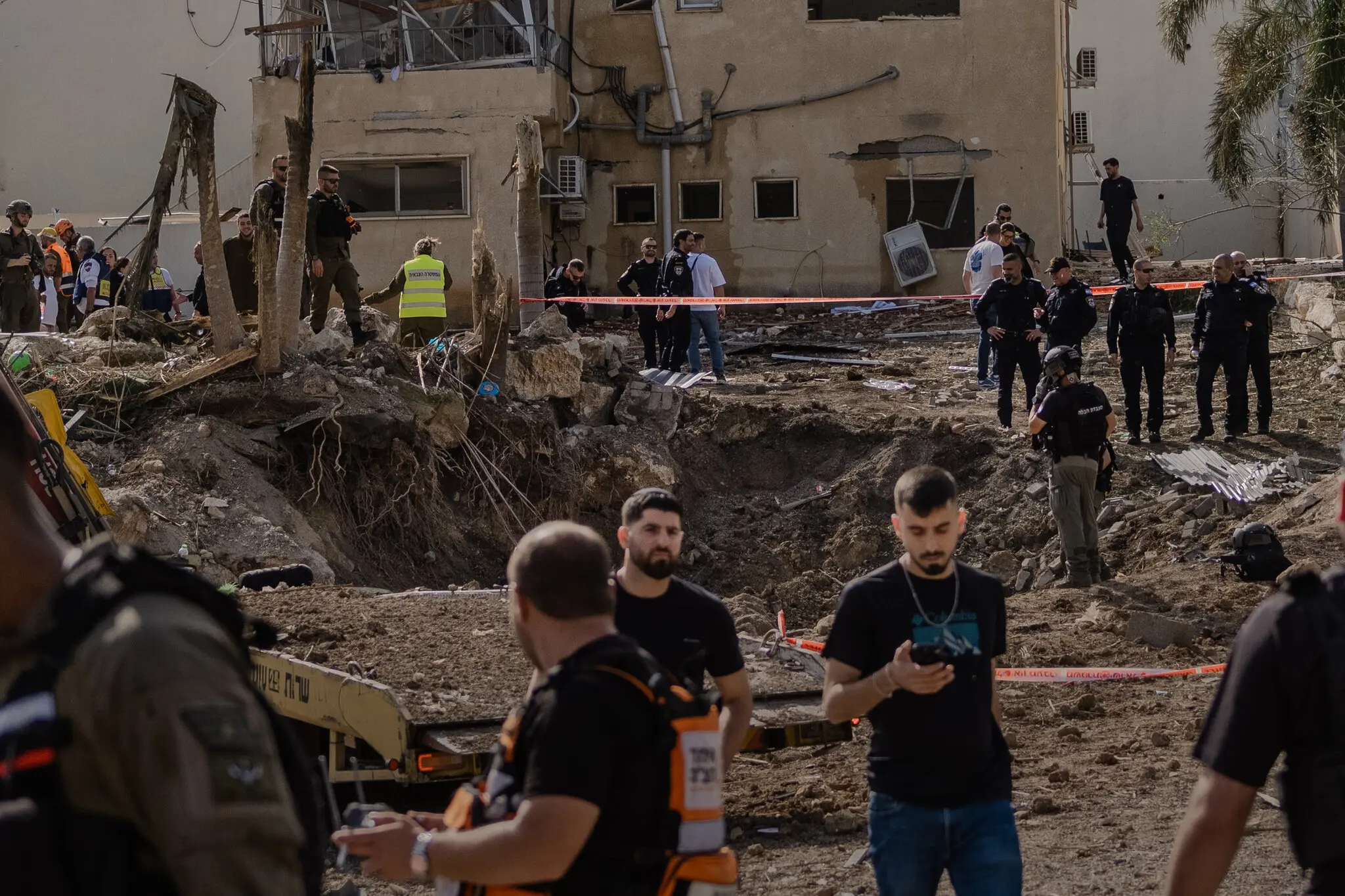 Рятувальники зібралися біля кратера, що залишився внаслідок удару у місті Ештаол, Ізраїль — Аміт Елкаям
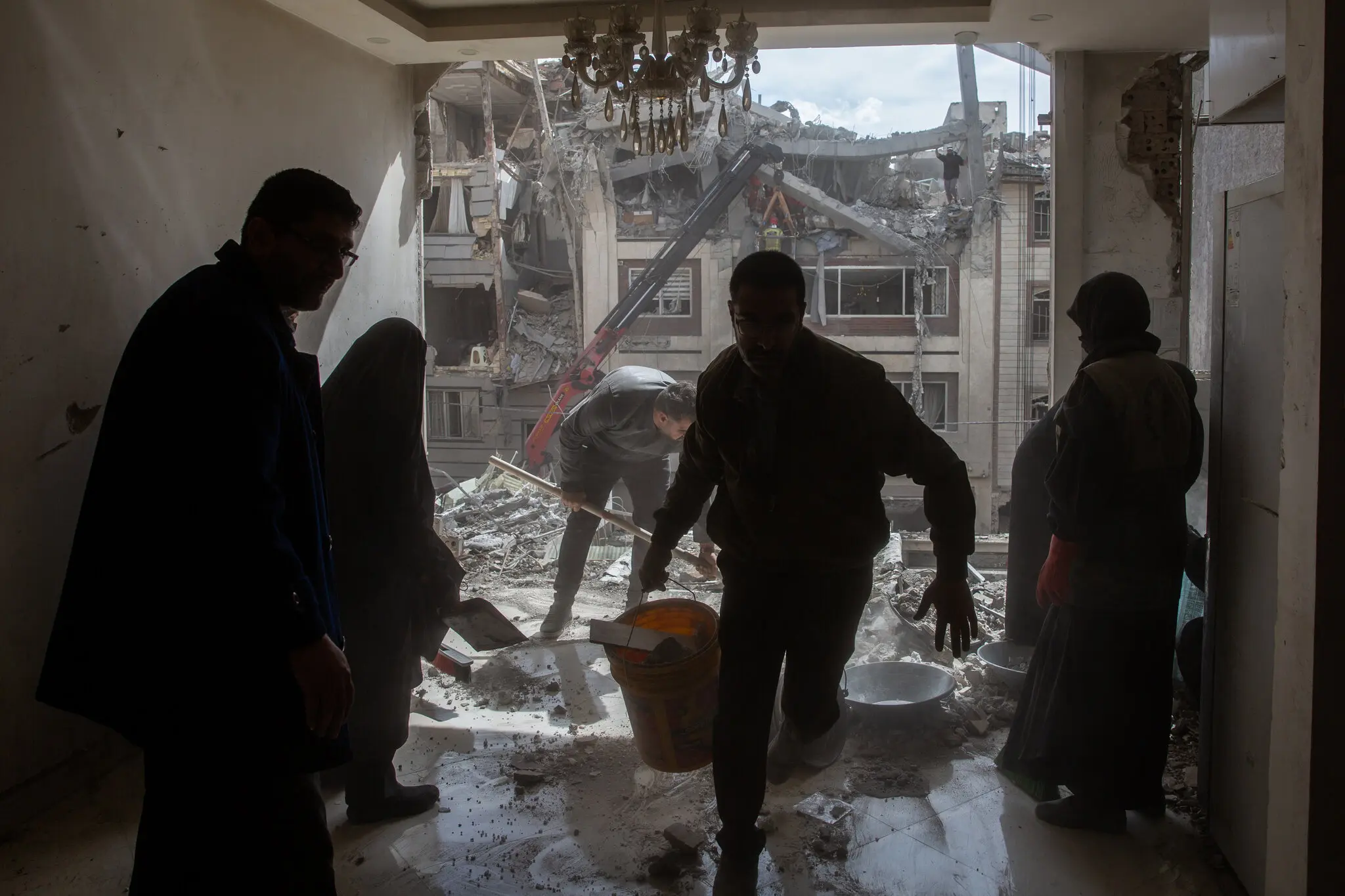
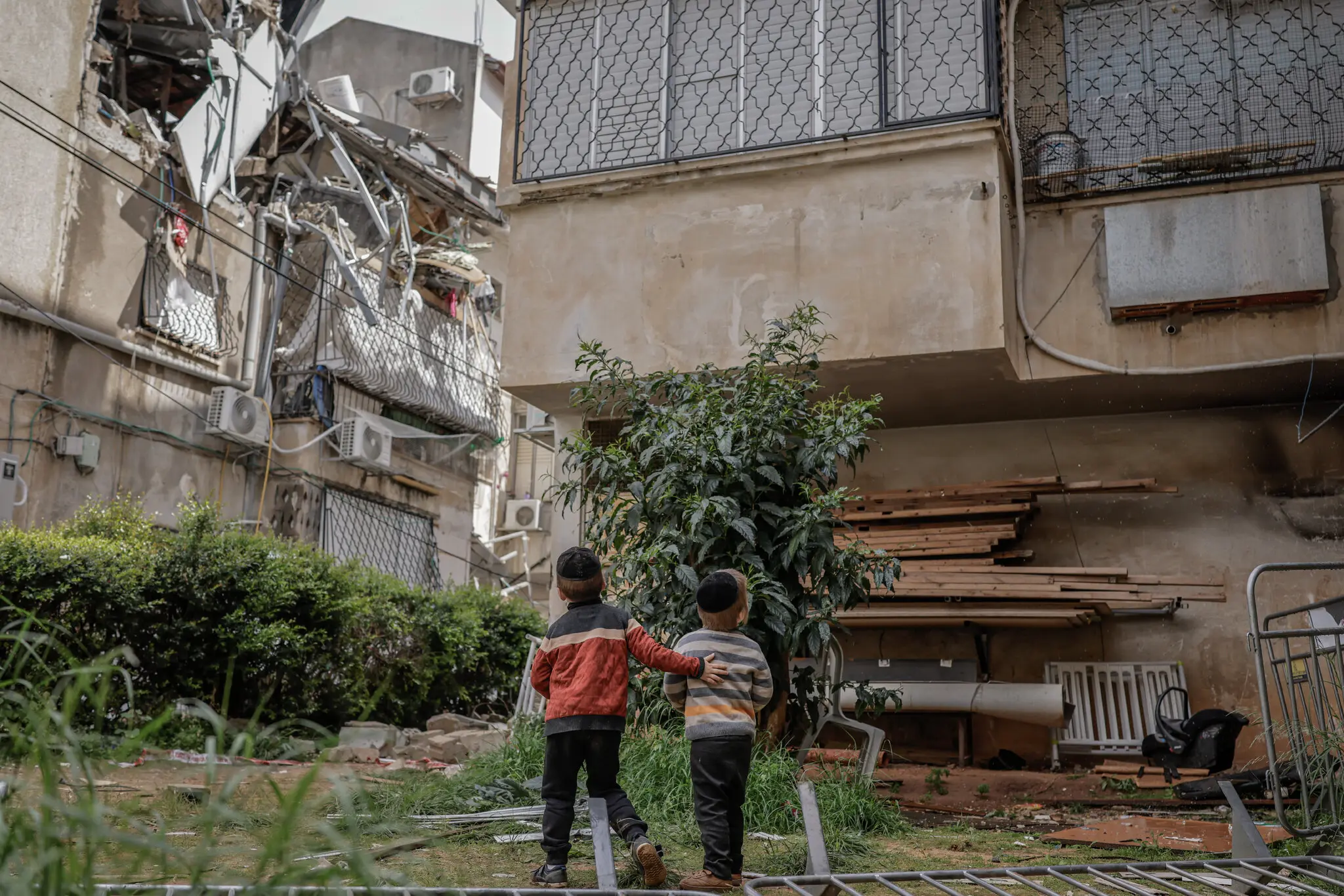 Діти розглядають пошкодження від ракетного удару у місті Бней-Брак, Ізраїль — Авішаг Шаар-Яшув
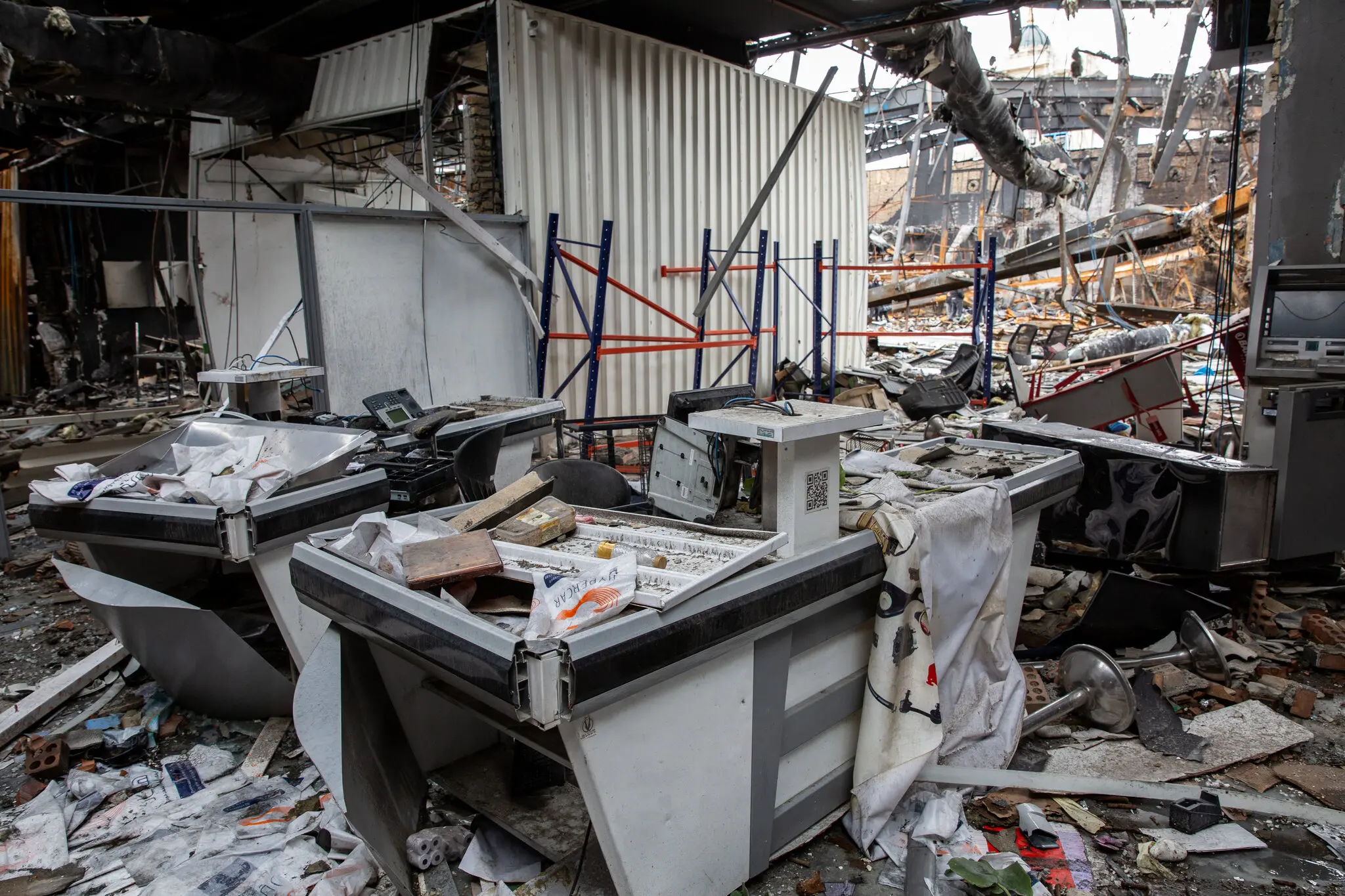
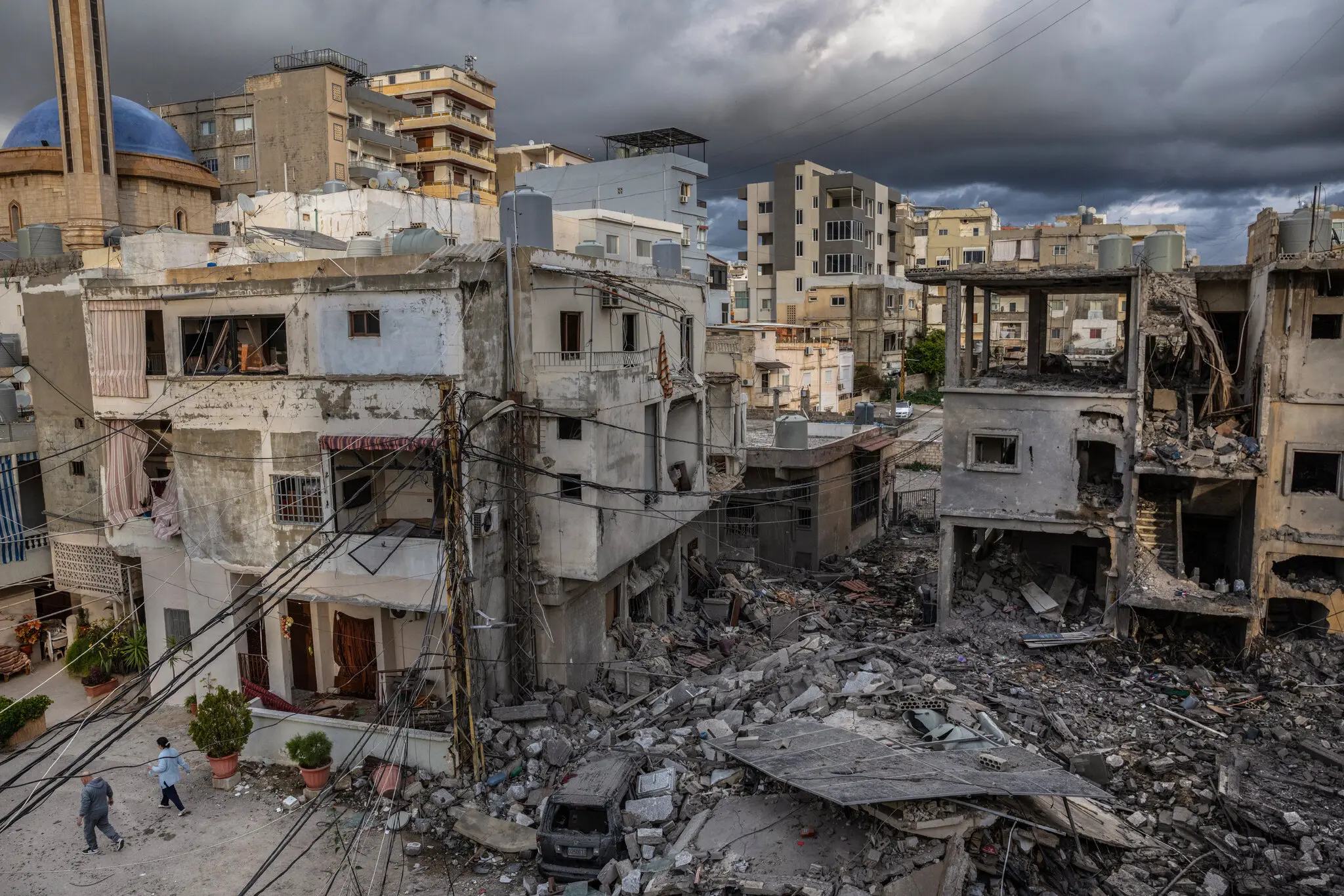 Пошкоджені будинки в Тирі, портовому місті на півдні Лівану — Девід Гуттенфельдер

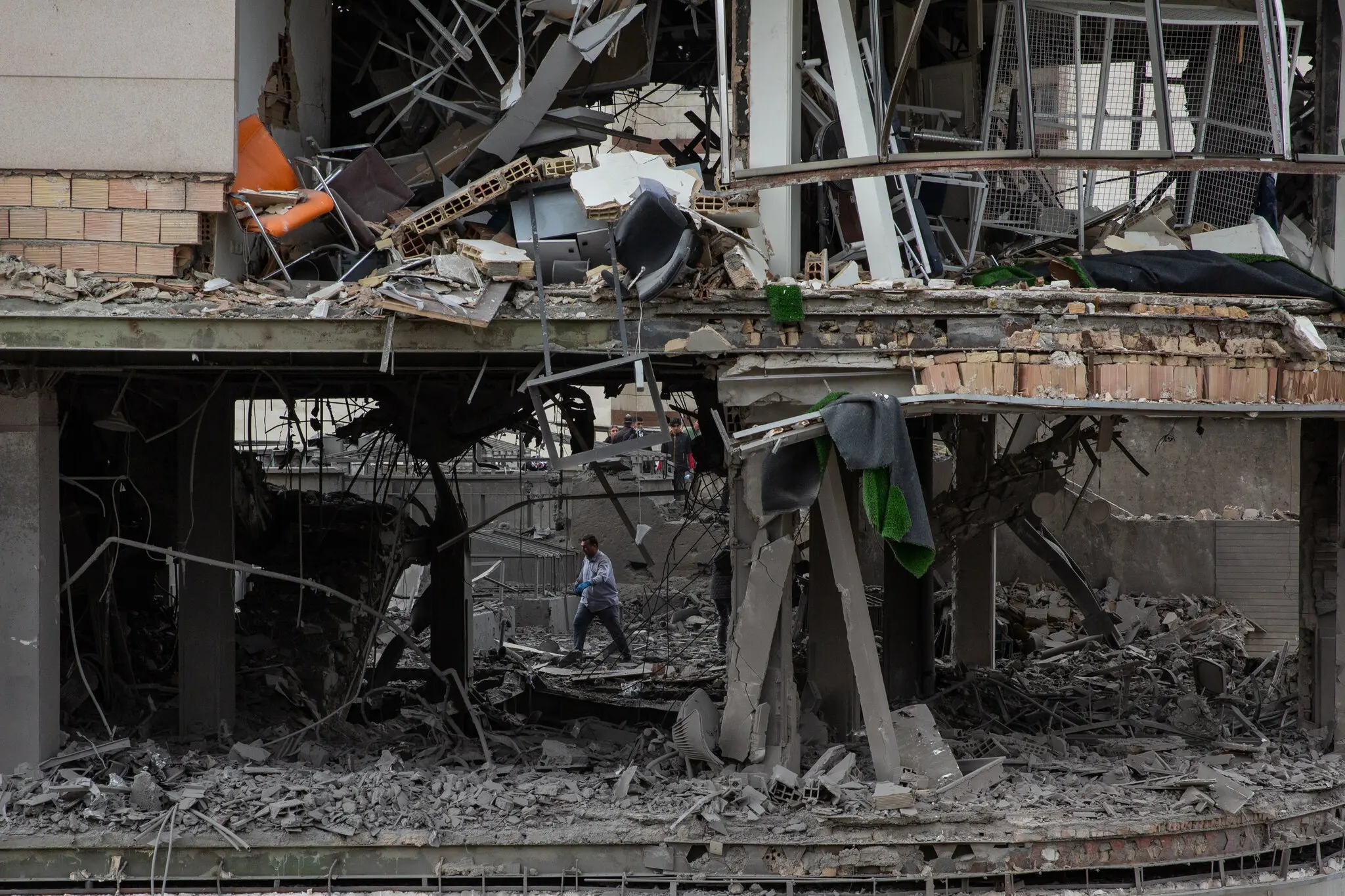



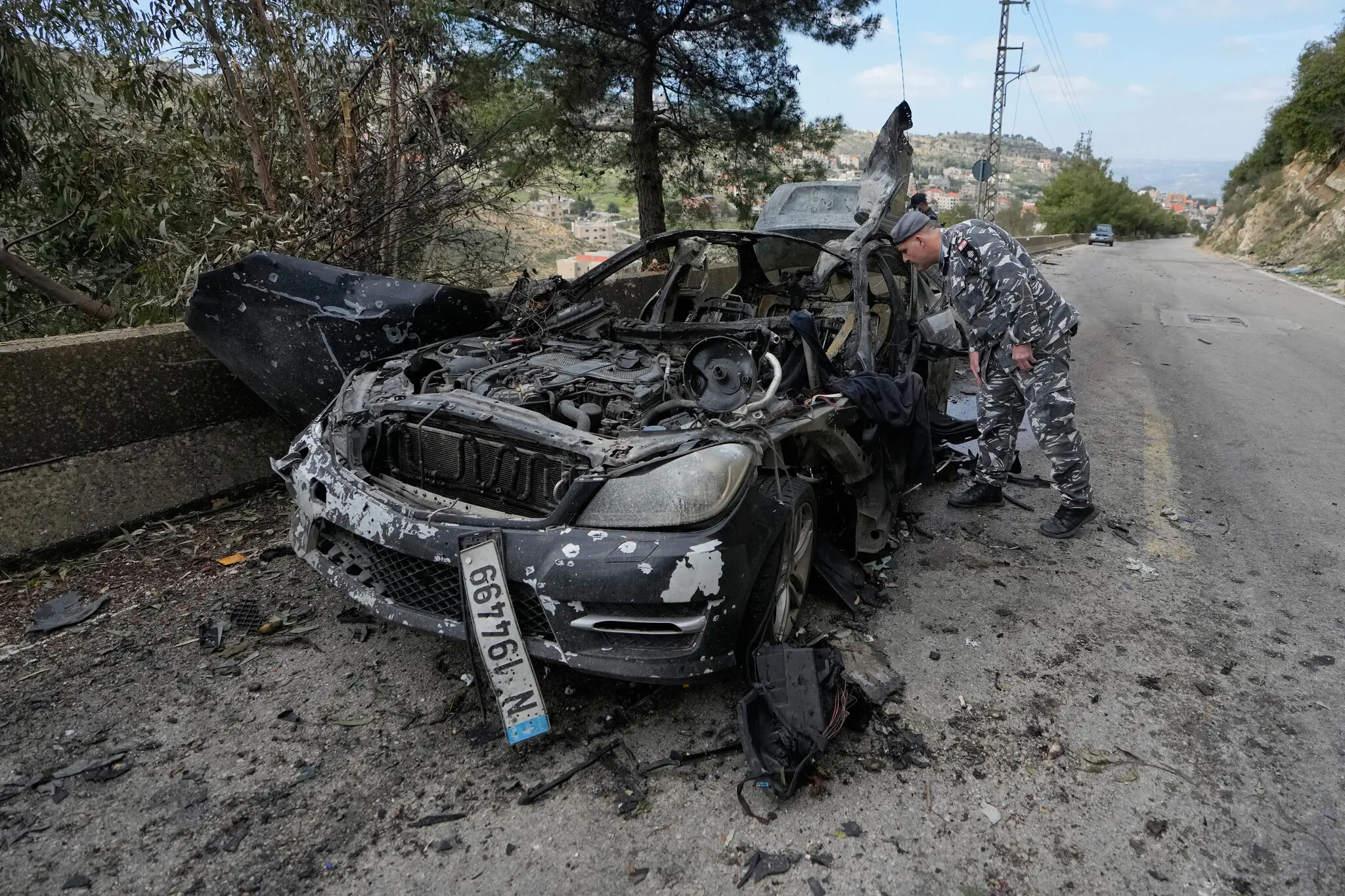
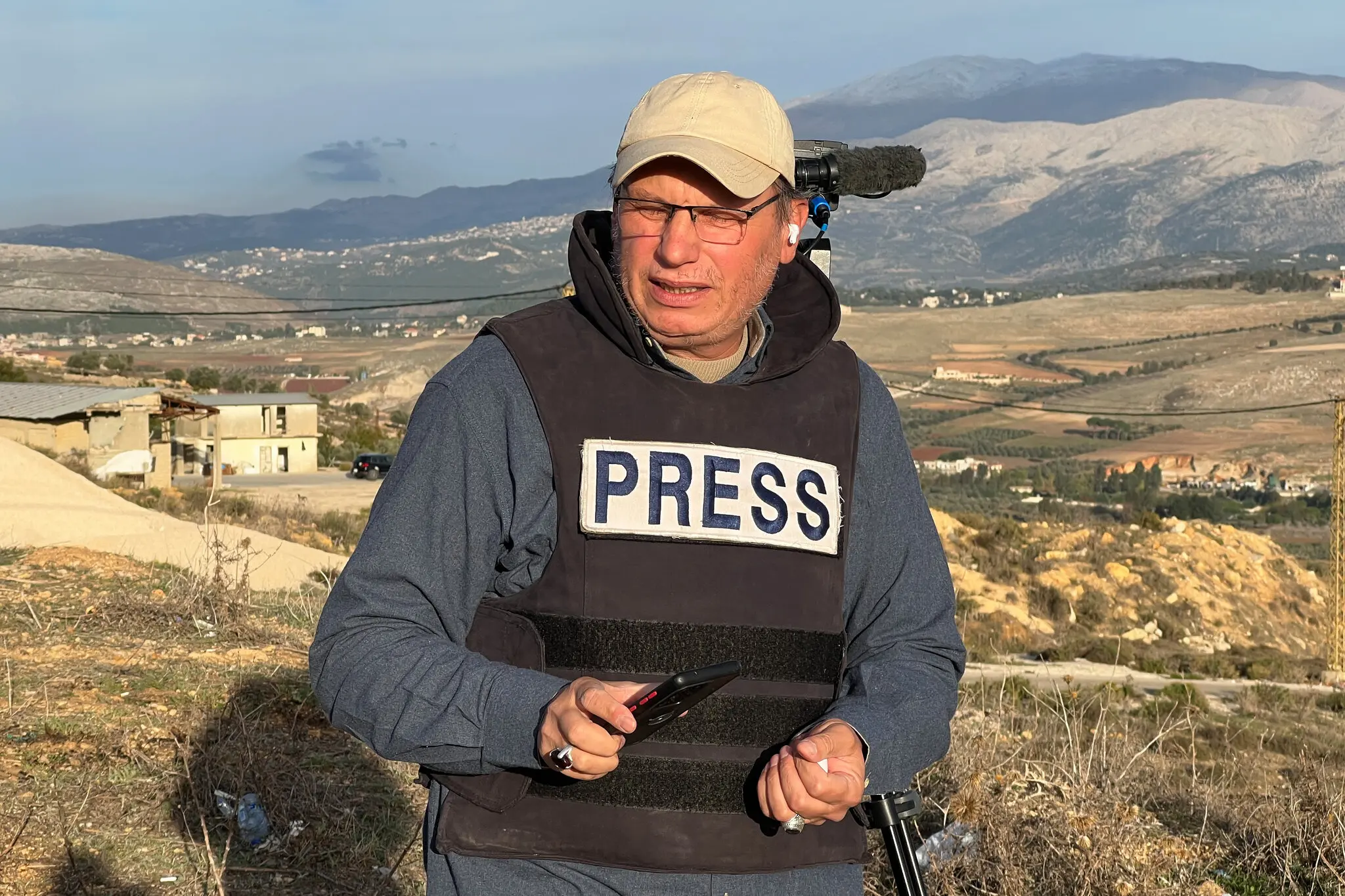 Алі Шойб у 2024 році. Пан Шойб, якого вбили в суботу, був кореспондентом ліванської телевізійної мережі «Аль-Манар», що належить «Хезболлі» — Хуссейн Малла/Associated Press








 Генеральний секретар НАТО Марк Рютте заявив, що не можна очікувати від європейських лідерів швидкої допомоги в Перській затоці, оскільки їх не повідомили заздалегідь про напад на Іран 28 лютого — Омар Гавана
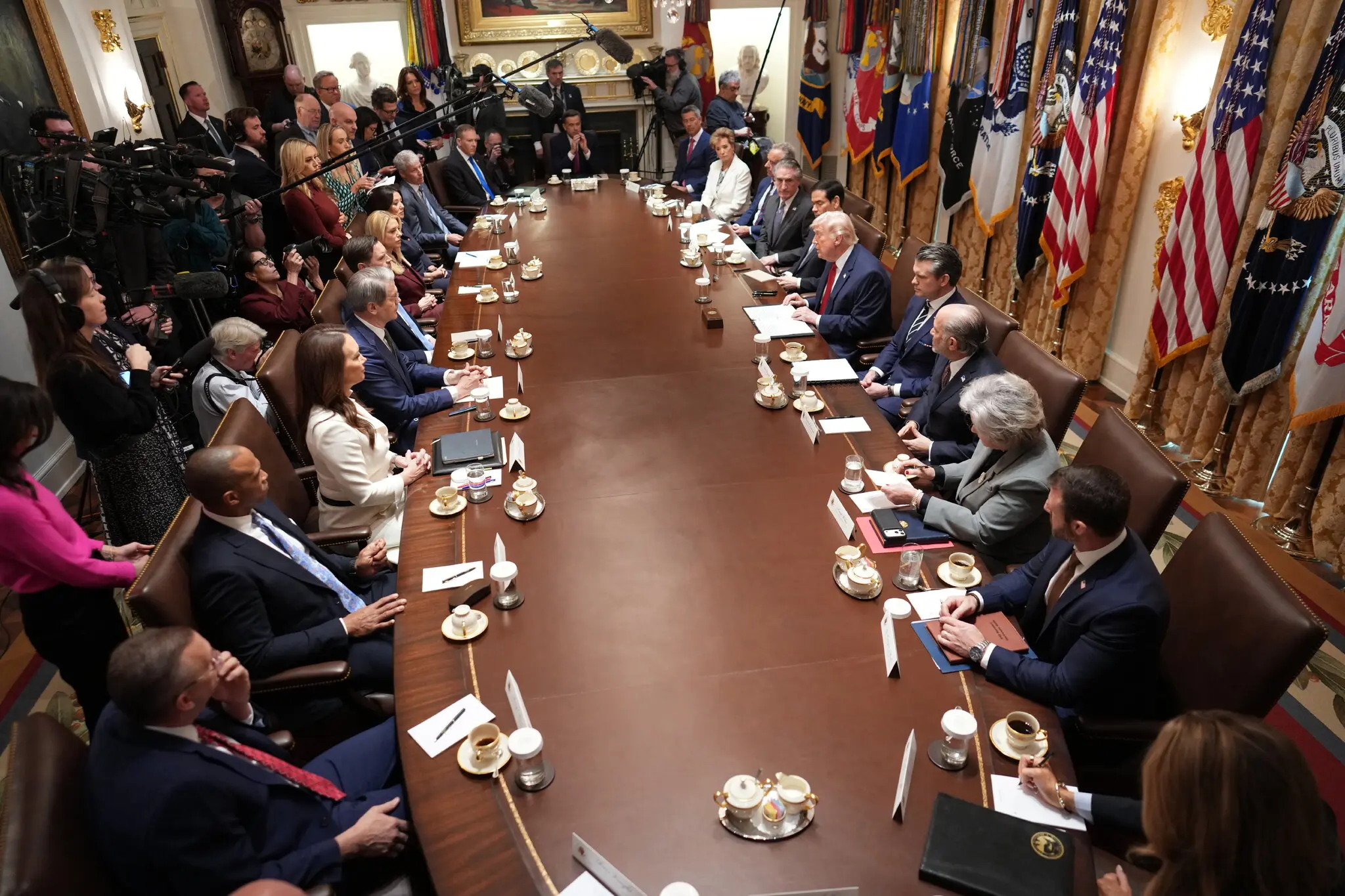 Президент США Трамп проводить своє друге засідання кабінету міністрів — Даг Мыллс
 Посол України в США Ольга Стефанішина проводить брифінг з нагоди четвертої річниці повномасштабного вторгнення Росії в Україну в посольстві України у Вашингтоні, округ Колумбія, США, 24 лютого 2026 року — Елізабет Франц
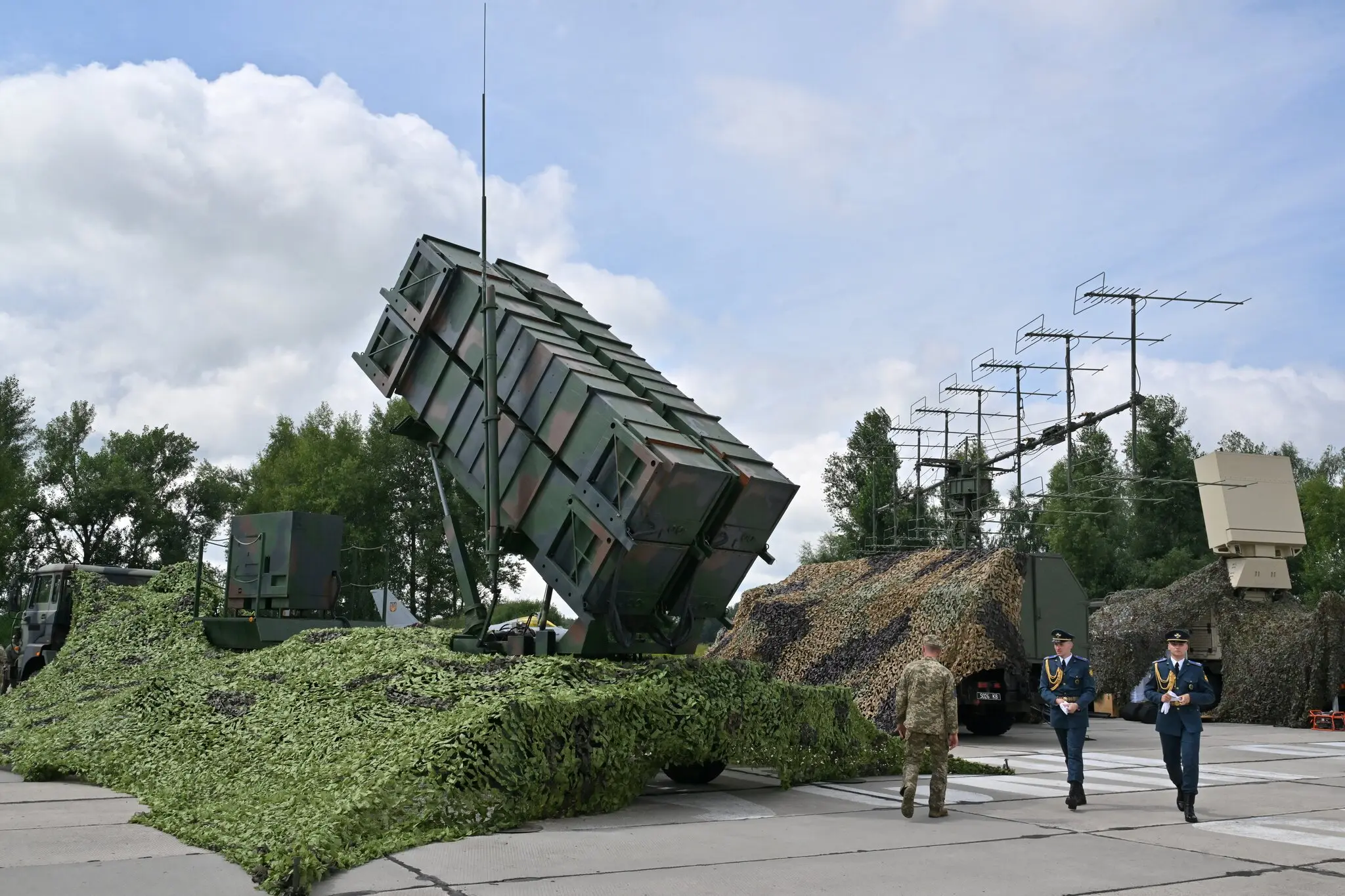 Система протиповітряної оборони Patriot у нерозкритому районі в Україні минулого року. — Сергій Супінський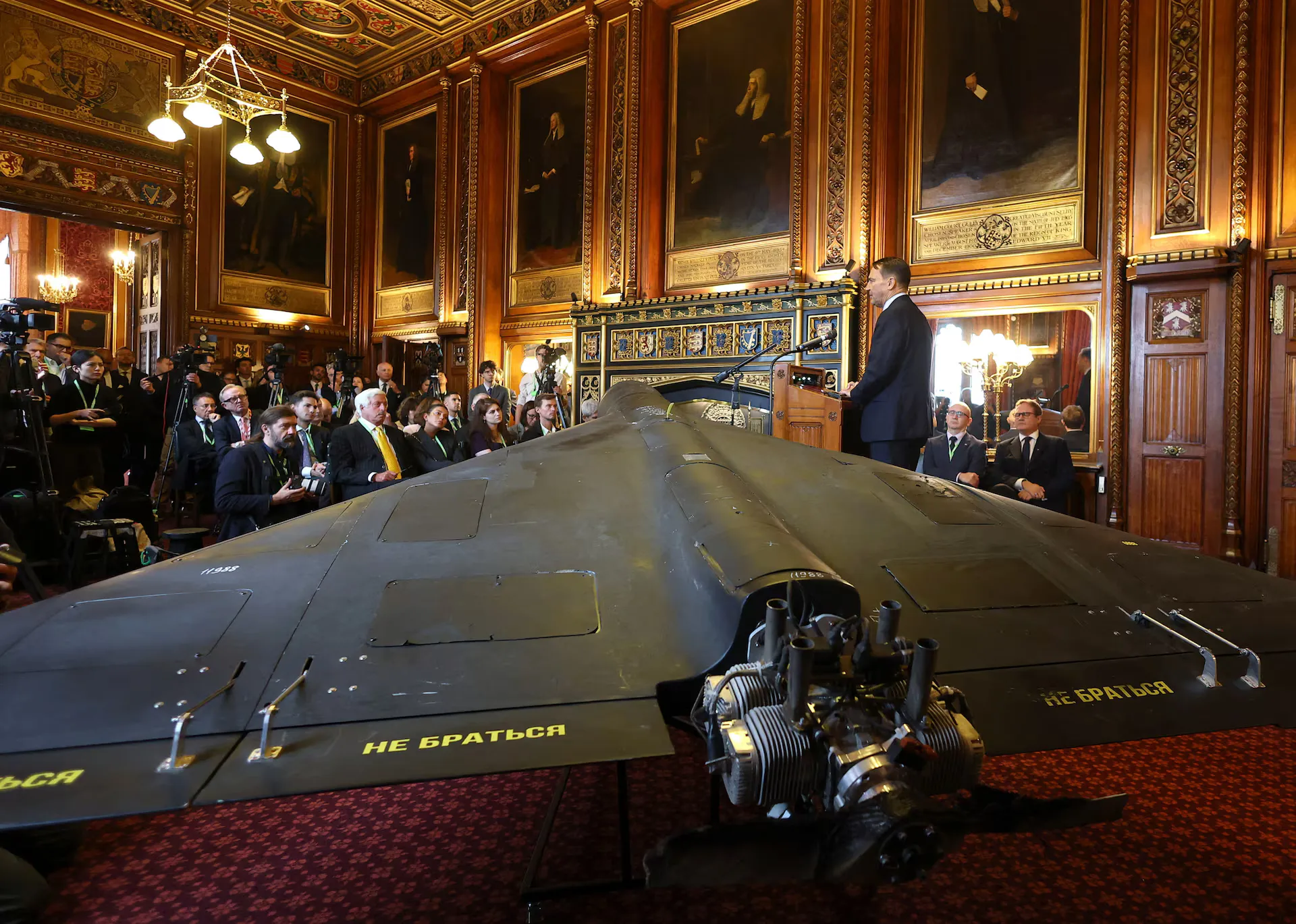

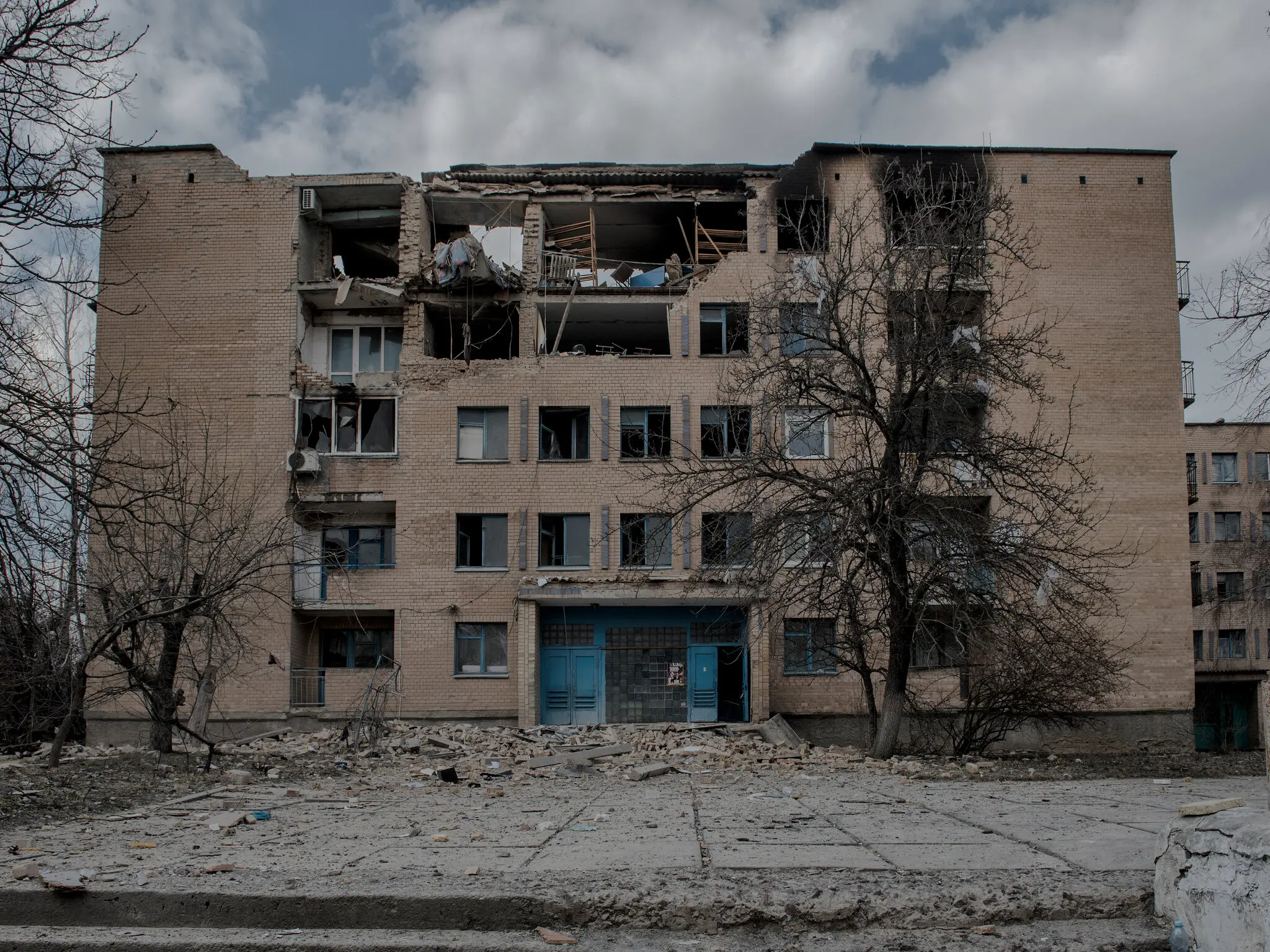 Наслідки атаки з використанням безпілотників іранського виробництва поблизу Києва у 2023 році — Летиція Ванкон
 Безпілотники Shahed іранського виробництва, продемонстровані під час військового параду в Тегерані у 2024 році — Араш Хамуші
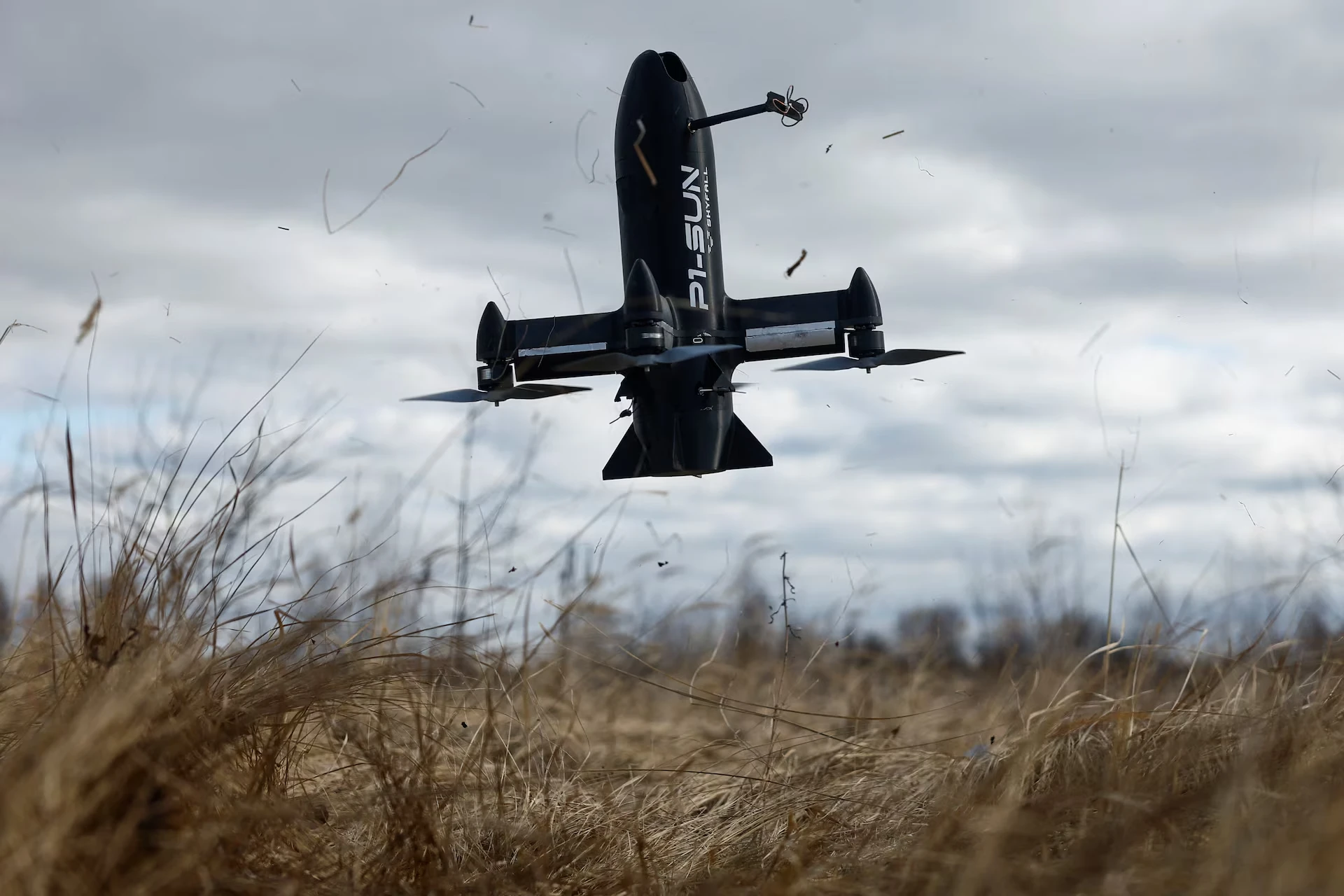 Дрон-перехоплювач P1-Sun FPV злітає під час випробувального польоту на полігоні в умовах російської агресії проти України, в невідомому місці, Україна, 6 березня 2026 року — Валентин Огіренко
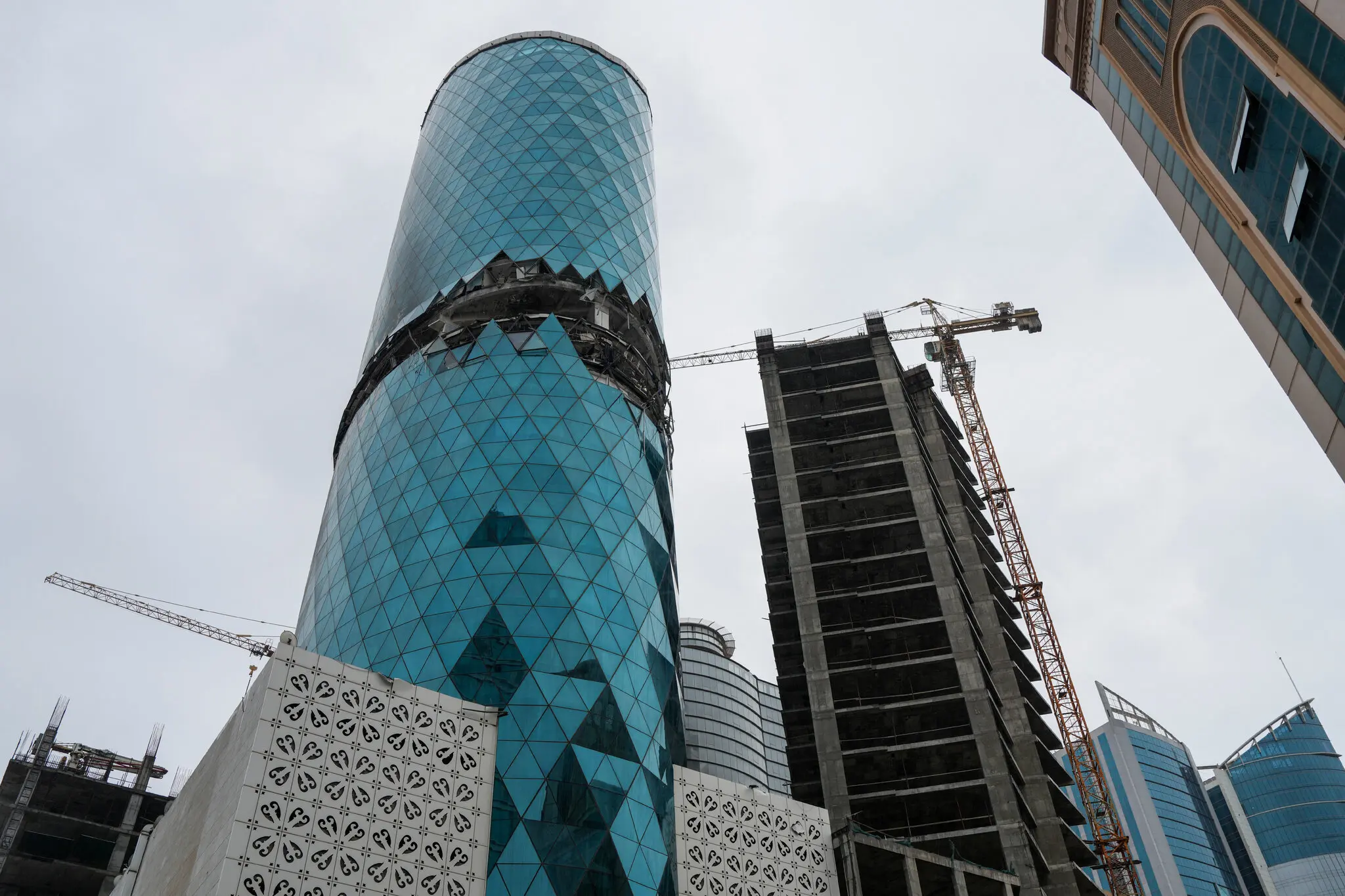 Пошкодження після атаки іранського безпілотника цього місяця в Манамі, Бахрейн — Агентство Франс-Прес — Getty Images