












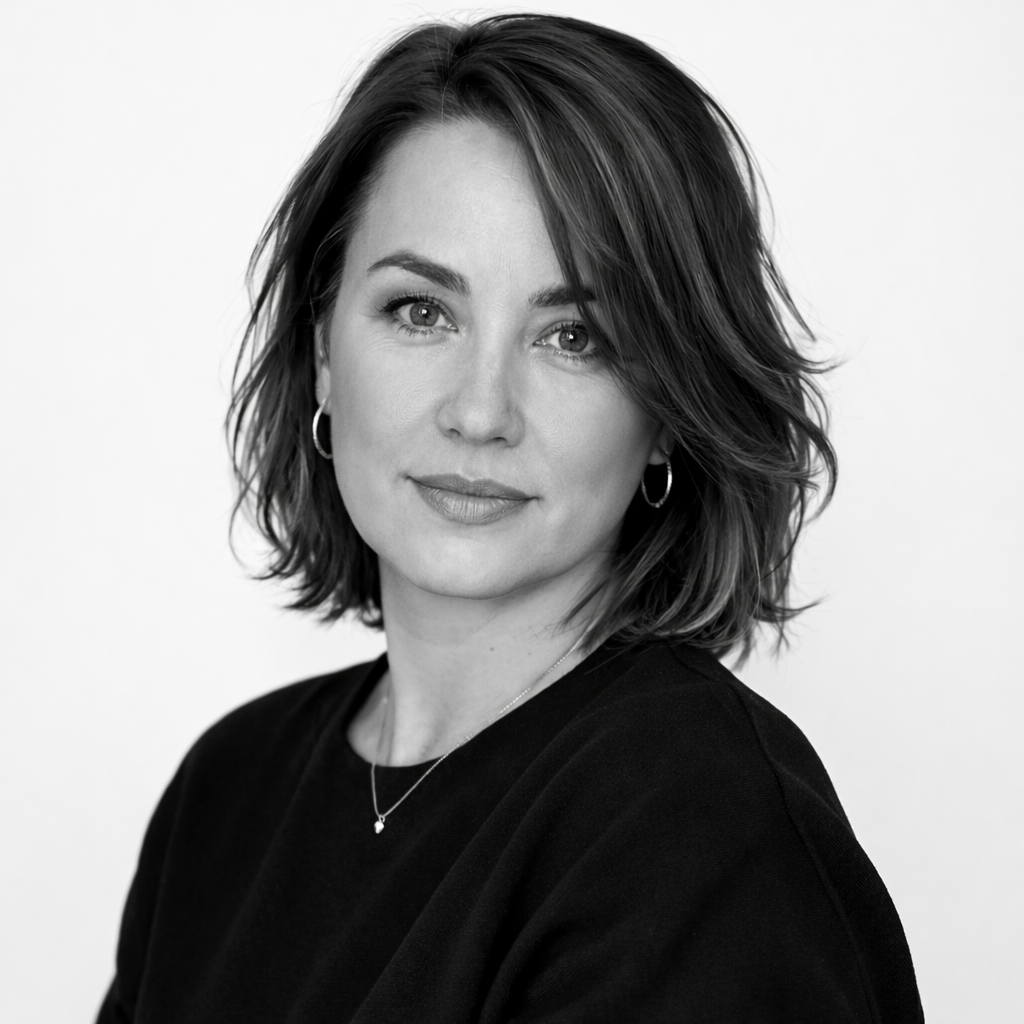
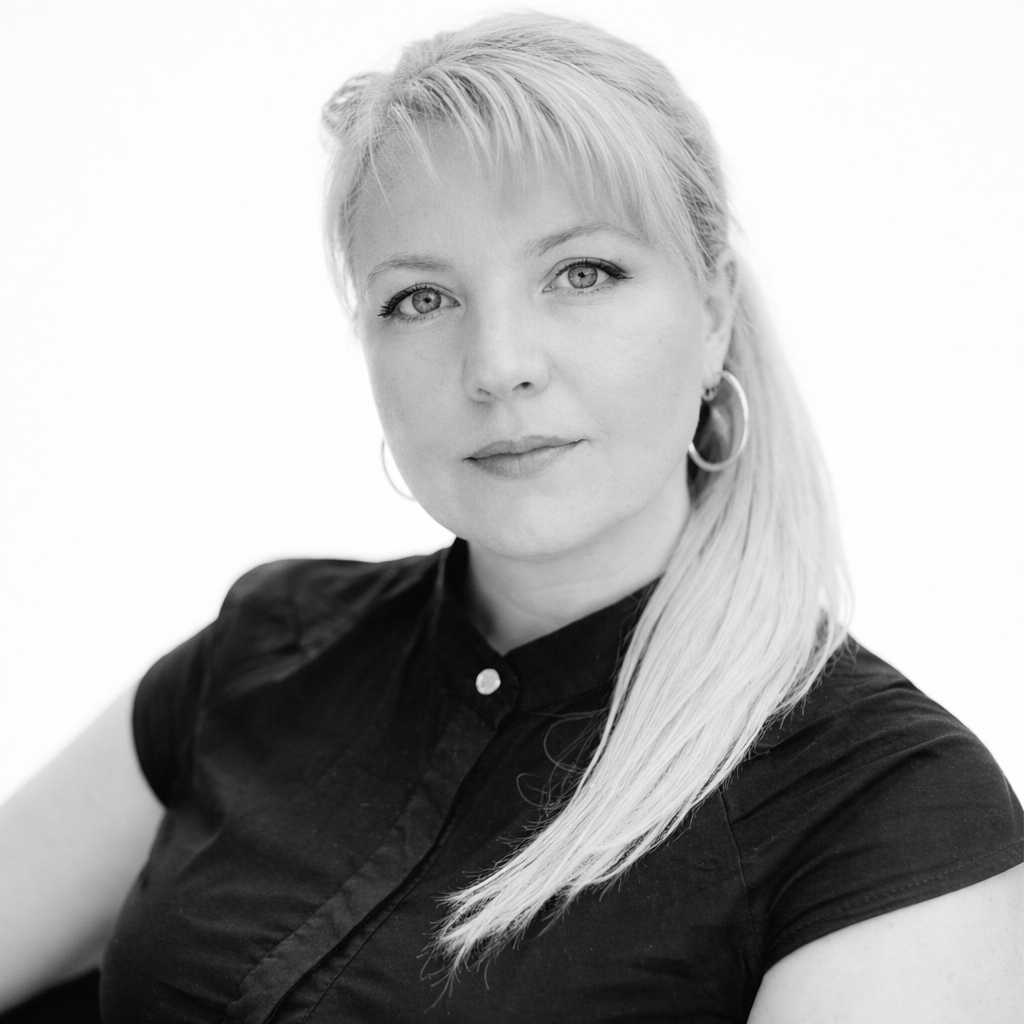
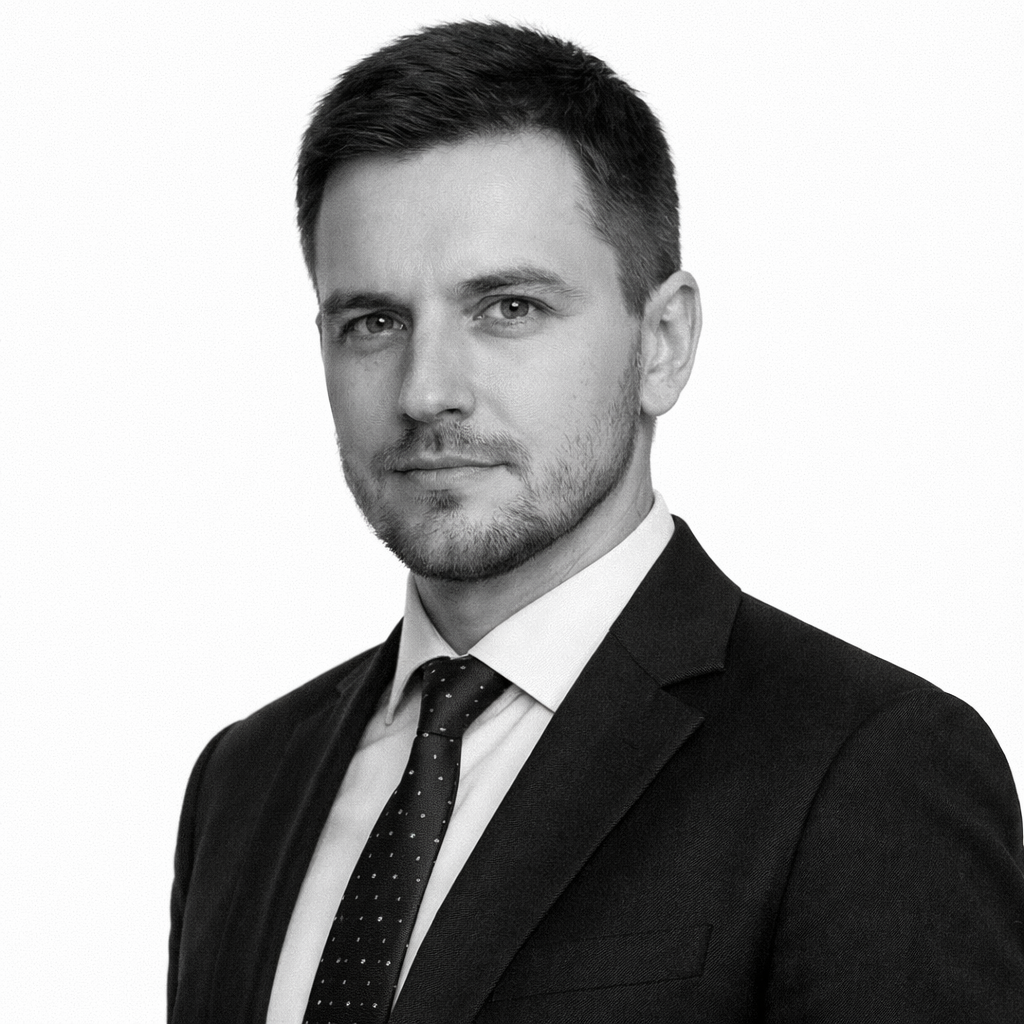
The phone was supposed to ring in the evening. Liliia Prutian waited for it at a rehabilitation centre outside Kyiv, where she was recovering after Russian captivity. At the other end was her youngest son, Dima, alone in the family home in occupied Donetsk region and preparing for a risky journey out.
They had not seen each other for almost three years. When Russia launched its full-scale invasion, Prutian was serving as a Ukrainian military medic while her son remained in the village of Blyzhnie near Volnovakha. Russian forces quickly occupied the area, turning an ordinary family separation into a wartime frontier.
By the time the escape was being arranged, Dima was 20. He lived in the house where he had grown up, continued his studies, bought food for himself and managed Type 1 diabetes largely on his own. His mother feared that the occupation authorities might eventually force him into Russian military service or make leaving impossible.
Prutian planned the route from a distance. She arranged the delivery of a temporary Ukrainian document, found a driver and checked every practical detail by phone, from clothing to the heating system in the house. In late February 2025, Dima was expected to leave through Russia, Belarus and Poland before returning to Ukraine.
Daycom’s analysis of verified public material shows why this family story is larger than a single reunion. Leaving Russian-occupied Ukraine often depends on money, documents, trusted drivers and passage through several jurisdictions, where a single inspection, missing paper or suspicion at a checkpoint can derail the entire journey.
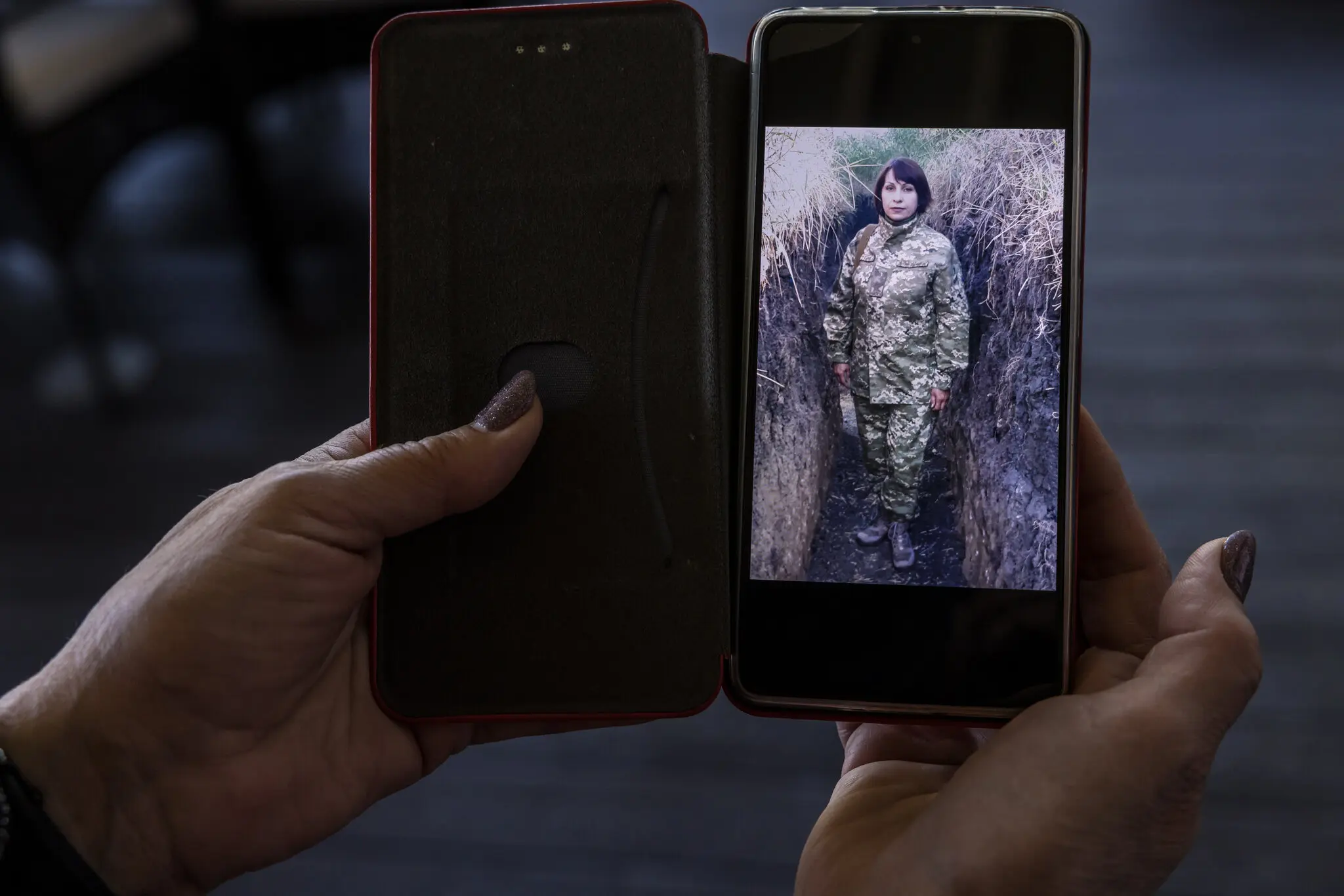
Prutian’s path to that phone call had begun long before 2022. She raised three sons in Blyzhnie and worked civilian jobs before joining the Ukrainian military in 2017. She initially handled financial duties for her unit, later trained as a combat medic and eventually served closer to the front line in eastern Ukraine.
After the full-scale invasion began, her unit was deployed in Donetsk region. In March 2022, Prutian was captured along with other Ukrainian service members. Human-rights organisations later confirmed that she had served as a medic with the Aidar battalion and became one of the Ukrainians prosecuted by Russian authorities.
Prutian has said that after her capture she was subjected to severe abuse and sexual violence by a Russian serviceman. The specific allegation cannot be independently verified. Her account, however, is consistent with broader patterns of torture and sexual violence against Ukrainian detainees documented by international monitors.
She remained in Russian captivity for roughly two and a half years. Prutian was first held in occupied territory and was later transferred to Russia, where she and other Aidar personnel were put on trial on terrorism-related charges. The case effectively criminalised their service in a Ukrainian military formation.
In prosecution materials, even medical support was treated as part of a supposed shared criminal purpose because treating wounded soldiers helped maintain the unit’s combat capacity. Human-rights advocates argued that prosecuting prisoners of war for lawful participation in hostilities violated fundamental protections of international humanitarian law.
Captivity left Prutian with lasting health problems. Earlier blast-related injuries and damage to her hearing worsened while she was detained, and after her release she required treatment, prolonged rehabilitation and reconstructive surgery on her right eardrum. Recovery continued long after she returned to Ukrainian-controlled territory.
International investigators have repeatedly documented systematic mistreatment of Ukrainian prisoners in Russian custody. Reported methods include severe beatings, electric shocks, sexual violence, threats, humiliation and denial of necessary medical treatment. Russian authorities have broadly rejected accusations of systematic abuse.
While her mother was imprisoned, Dima remained under occupation. He was 17 when Russian forces entered the area in February 2022. After Prutian was captured, communication stopped, and for months he did not know whether she was alive. Blyzhnie meanwhile became part of the rear area used by Russian military units.
His Type 1 diabetes made the situation more dangerous. In autumn 2022, Dima became seriously ill and was admitted to hospital. At the time, he did not know that his mother was being held only a few miles away. After treatment, he returned to a life in which he increasingly had to function without reliable adult support.
When Dima came home, Russian soldiers were living in the house. They eventually left, but valuables, electronics, clothing and other family belongings were missing. Dima moved back in alone, resumed his studies, found part-time construction work and learned to cook and manage the household for himself.
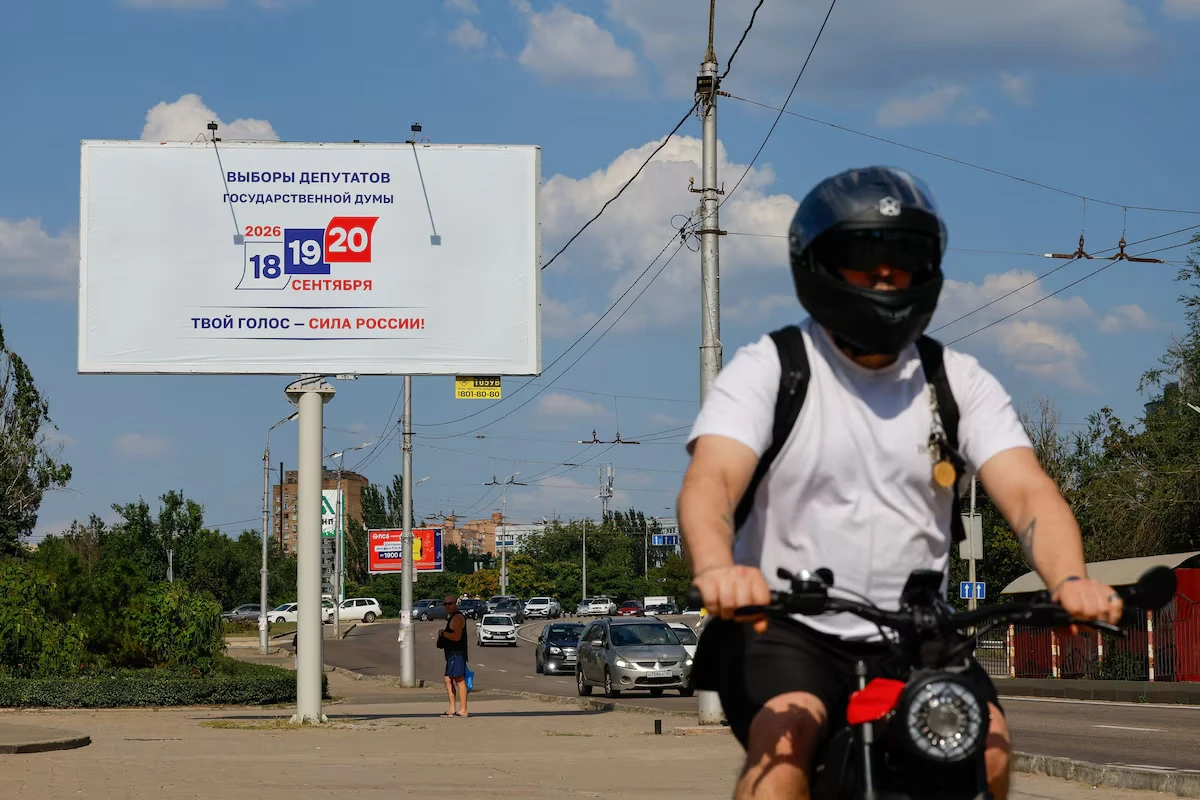
To pay utilities, receive assistance and continue his education, he obtained a Russian passport. In occupied territory, possession of such a document does not in itself demonstrate political loyalty. Russian citizenship has increasingly become a practical condition for accessing basic services, employment and administrative procedures.
International monitors have documented extensive pressure surrounding Russian passportisation in occupied Ukrainian regions. Access to jobs, benefits, health services and property procedures can depend on Russian documentation, leaving residents with a choice that is often formal rather than genuinely voluntary.
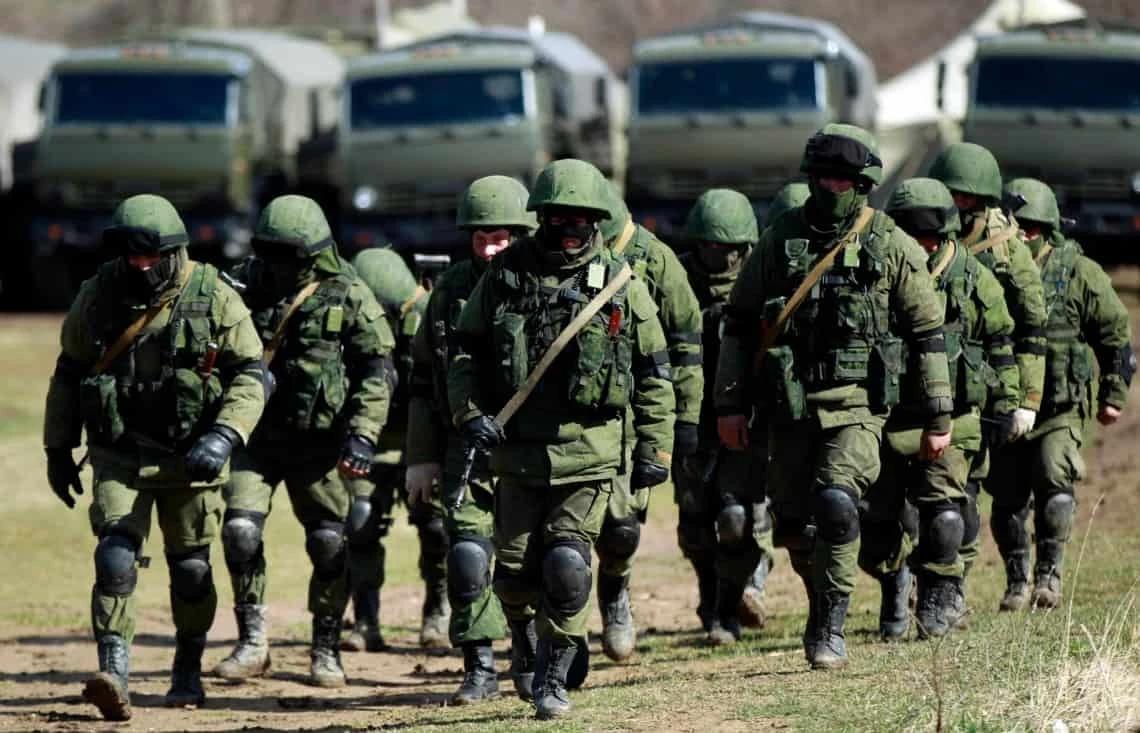
Young men face another risk: military conscription. International humanitarian law prohibits an occupying power from compelling protected residents to serve in its armed forces. Fear that Dima could eventually be drawn into Russian military service was among the reasons Prutian felt increasing urgency about getting him out.
The war had already split the family along extraordinary lines. Prutian’s eldest son served in the Ukrainian military, while her middle son later joined the Russian armed forces. Dima remained between those two worlds — alone, chronically ill and living under occupation while his mother was held in Russian custody.
Prutian’s captivity ended in September 2024, when she was returned to Ukraine in a prisoner exchange before the Russian trial against her had concluded. Freedom did not bring the family back together. Her youngest son was still beyond the front line, and her next task became finding a realistic way to bring him home.
Over the following months, she combined medical treatment and psychological rehabilitation with planning Dima’s departure. She was physically back in Ukraine, but the occupation still shaped almost every decision in her life. Release from captivity had ended one ordeal while leaving another unresolved.
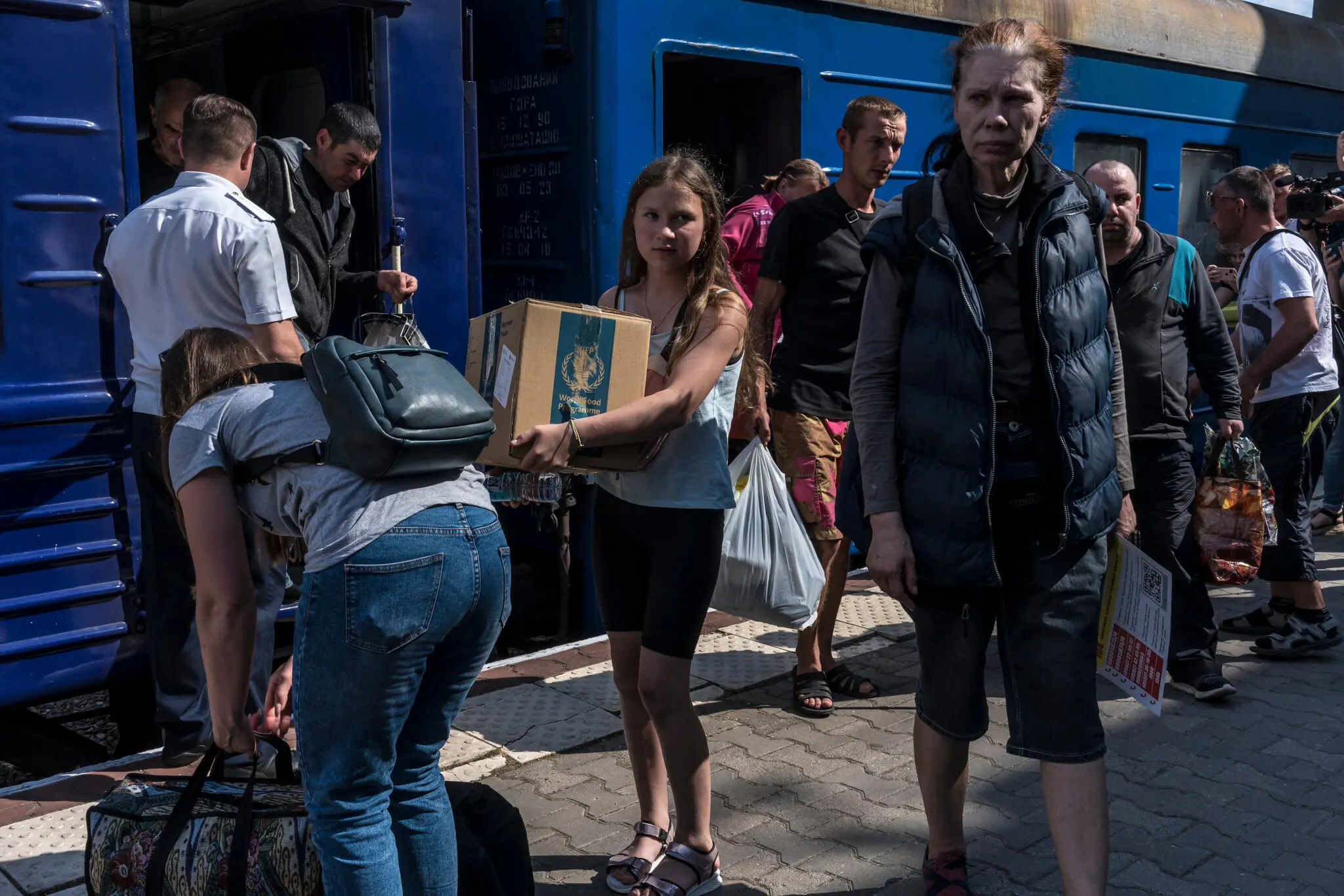
In late February 2025, the plan finally went into motion. Dima travelled from Blyzhnie to Volnovakha, joined other passengers and continued through Russian territory. From there, the route led through Belarus and Poland before he could re-enter Ukrainian-controlled territory after several exhausting days on the road.
He carried only a limited number of belongings in a large sports bag. Among them were two of his mother’s favourite dresses, some of his own clothes and his football. Those small possessions captured the nature of the departure: he was not leaving temporary accommodation, but the only home he had ever known.
The reunion took place in Kyiv. After almost three years apart, mother and son had to learn each other again. Prutian later said she did not immediately feel the overwhelming joy she had expected. The emotional distance created by captivity and occupation did not disappear simply because the physical distance had ended.
Dima had changed as well. At first he was unusually quiet, asked permission before doing ordinary things and hesitated to express his opinions. His mother repeatedly told him that no one would punish him for what he said. Gradually he began to open up, return to classes and rebuild habits of trust.
Prutian later settled in Dnipro with Dima and her eldest son. She remained in the Ukrainian military but moved to a staff position away from direct combat. Her own rehabilitation continued alongside her son’s adjustment, showing how release from captivity and escape from occupation can mark the beginning rather than the end of recovery.
The family home in Blyzhnie has not disappeared from her imagination. Prutian still hopes one day to return, although the village remains under Russian control. For many displaced Ukrainians, such a return is blocked by continuing occupation, passport pressure, military conscription risks and restrictions on property rights.
That is why Prutian’s story cannot be reduced to a successful rescue with a happy ending. The war divided one family along several lines at once: one son served Ukraine, another joined Russia’s army, the youngest remained under occupation, while their mother spent years imprisoned by the state occupying their home.
Leaving Russian-occupied Ukraine brought Dima back to his mother, but it did not restore the life the family had before the invasion. After captivity, violence, illness and three years of separation, they are learning how to live together again — while thousands of other families still have no safe road home.