
















Vladimir Putin has presented Russia’s position in Ukraine as a march toward inevitable victory. Speaking after a summit in Bishkek, he said Russian forces were advancing faster, predicted that Ukraine would eventually “crumble” and dismissed speculation that Moscow might need another large mobilisation.
His central battlefield claim was that Russian troops had captured 270 square kilometres of the Donetsk region during August. Putin also said two sizeable Ukrainian formations, one numbering as many as 4,800 troops and another as many as 2,000, had been surrounded. Reuters could not independently verify either assertion.
Putin said Russian forces were continuing toward Sloviansk and Kramatorsk, two of the most important cities remaining under Ukrainian control in Donetsk. He also said Moscow was preparing large-scale strikes against Ukrainian energy infrastructure, combining claims of battlefield momentum with a threat of deeper pressure on the rear.
Independent battlefield assessments offer a substantially more complicated picture. The Institute for the Study of War estimates that Russia consolidated or seized about 90 square kilometres across Ukraine in August, rising to roughly 124 square kilometres if areas of infiltration are included.
According to Daycom’s analysis of verified public reporting, the key issue is not simply whether Putin’s territorial figure is inflated. His broader argument is that time is working in Russia’s favour, and that Ukraine and its partners should therefore accept Moscow’s terms before the military balance supposedly becomes worse.
Different mapping methodologies inevitably produce different totals, so the figures cannot be compared as if they were identical accounting systems. But the wider evidence does not show an operational breakthrough. ISW says Russia’s spring-summer offensive has failed to collapse Ukrainian lines or create rapid manoeuvre.
Russia’s rate of advance did increase slightly in August, but remained far below the pace recorded a year earlier. ISW estimates that Russian forces seized more than 500 square kilometres in August 2025, several times the confirmed territorial gains recorded during the same month this year.
Ukrainian forces were also recovering ground during the same period. ISW assesses that Ukraine liberated at least about 130 square kilometres in August, particularly through operations in the Lyman and Oleksandrivka directions, and says that figure is probably conservative.
None of this means that Russian pressure is insignificant. Moscow retains substantial manpower and firepower, continues attacking across a broad front and remains capable of forcing costly defensive battles. Its forces have made tactical gains in Donetsk and continue to threaten key Ukrainian defensive positions.
But advancing and winning are not synonymous. An army can seize villages, tree lines and individual positions without producing the kind of breakthrough that destroys an opponent’s defensive system or makes the capture of major cities such as Sloviansk and Kramatorsk inevitable.
That distinction is central to Putin’s messaging. The Kremlin presents each local gain as evidence of a predetermined strategic outcome. Independent battlefield analysis instead describes a grinding campaign in which limited advances are being purchased with sustained manpower and equipment costs.
Casualty estimates are among the hardest wartime figures to verify independently. Ukraine’s General Staff reported more than 42,000 Russian casualties in August, the second consecutive month above 40,000. ISW cites those figures while noting the increasingly high cost of Russia’s limited gains.
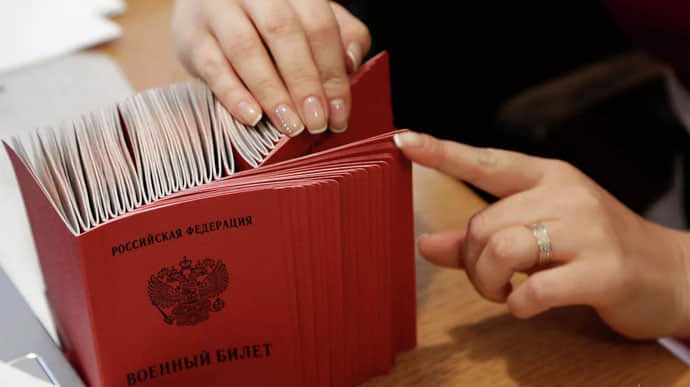
Those losses help explain why the mobilisation question remains politically sensitive inside Russia. Putin called rumours of another major call-up “utter nonsense,” an unusually categorical denial as speculation circulates about whether the Kremlin will need more troops after Russia’s parliamentary elections.
The strain is not confined to manpower. Senior figures within Russia’s own system are increasingly warning about the economic consequences of maintaining an economy heavily tilted toward war. Putin envoy Boris Titov has cautioned that the current imbalance between military and civilian activity can persist only for a limited period.
Russia’s economy is forecast to grow by only about 0.4% this year, while civilian sectors face stagnation and the state continues directing extraordinary resources toward defence. Tax increases, labour shortages and pressure on private businesses are becoming part of the domestic cost of sustaining the war.
These warnings matter precisely because they are not coming only from opponents of the Kremlin. Officials and business figures working within Russia’s political system are increasingly discussing the risk that a permanently militarised economy could undermine the civilian base needed to support the state itself.
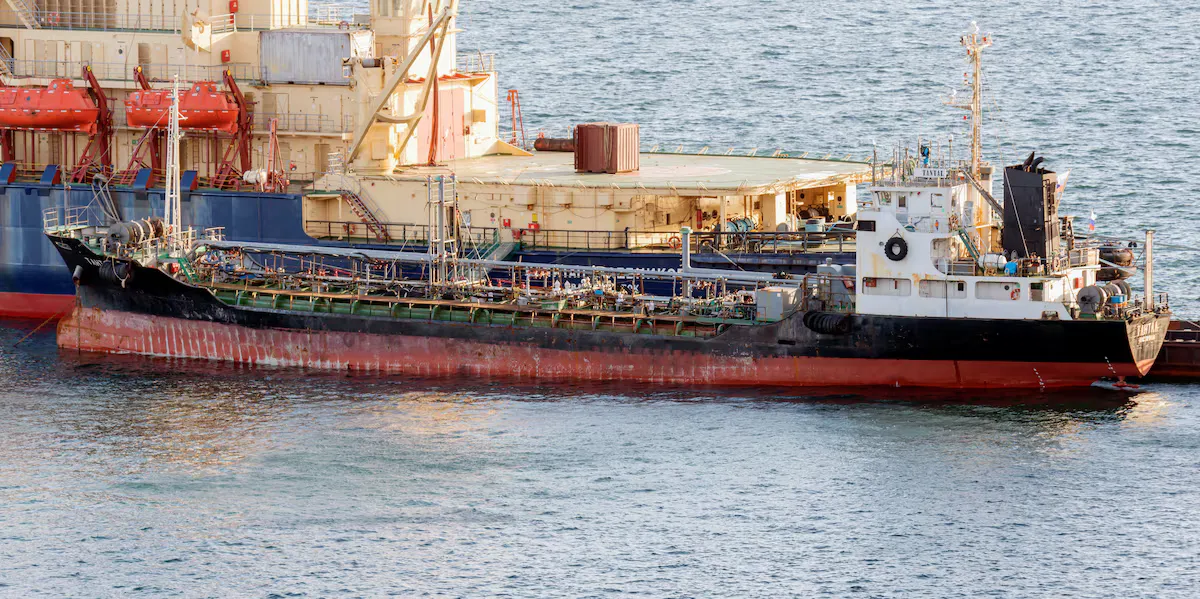
Ukrainian long-range strikes are adding another pressure point. Putin acknowledged that drones had inflicted real damage on Russian oil refineries, although he said protection had improved and claimed that only about 10% of refinery capacity still required repairs.
The admission is significant because strikes on refining infrastructure have already forced Russia to deal with interruptions in fuel production and repairs. They demonstrate that Ukraine is increasingly able to impose economic costs inside Russia even while remaining under severe military pressure on its own territory.
Putin’s prediction that Ukraine will eventually collapse therefore serves several audiences. It reassures Russians that prolonged sacrifices are producing an inevitable result, while telling Western governments that continued military support for Kyiv merely delays an outcome Moscow believes cannot ultimately be prevented.
The same logic appears in his refusal to negotiate with people he called “terrorists.” Putin used the term while responding to Ukrainian threats of expanding drone operations against Russian aviation and infrastructure, describing such actions as a form of state terrorism.
Yet he simultaneously said Russia remained open to serious negotiations aimed at ending rather than merely freezing the war. He also reiterated that Moscow was willing to work with envoys of U.S. President Donald Trump if they could make what he described as a meaningful contribution to a settlement.
That creates a deliberate diplomatic distinction. The Kremlin can delegitimise Ukraine’s leadership as an unacceptable direct partner while leaving an American-mediated channel open. It allows Putin to maintain uncompromising domestic rhetoric without appearing to reject diplomacy altogether.
U.S.-mediated peace efforts have largely stalled since February amid the wider international crisis involving the United States, Israel and Iran. Putin now says Moscow would consider renewed talks if they produced concrete progress rather than becoming an exercise in negotiations for their own sake.
Russia’s preferred settlement, however, remains different from a simple ceasefire. Putin again emphasised ending the conflict rather than freezing it, language Moscow has previously used while demanding an agreement that would address its territorial and political objectives in Ukraine.
That is why the claim of battlefield victory has diplomatic value. If Moscow convinces Washington and European capitals that Ukraine’s position will inevitably deteriorate, Russian demands can be presented not as maximalist conditions but as the price of preventing an even worse outcome for Kyiv.
The battlefield evidence does not yet establish that inevitability. Russia controls roughly a fifth of Ukrainian territory and retains the initiative in several sectors, but its latest offensive has not created the rapid operational collapse that would make the outcome of the war predetermined.
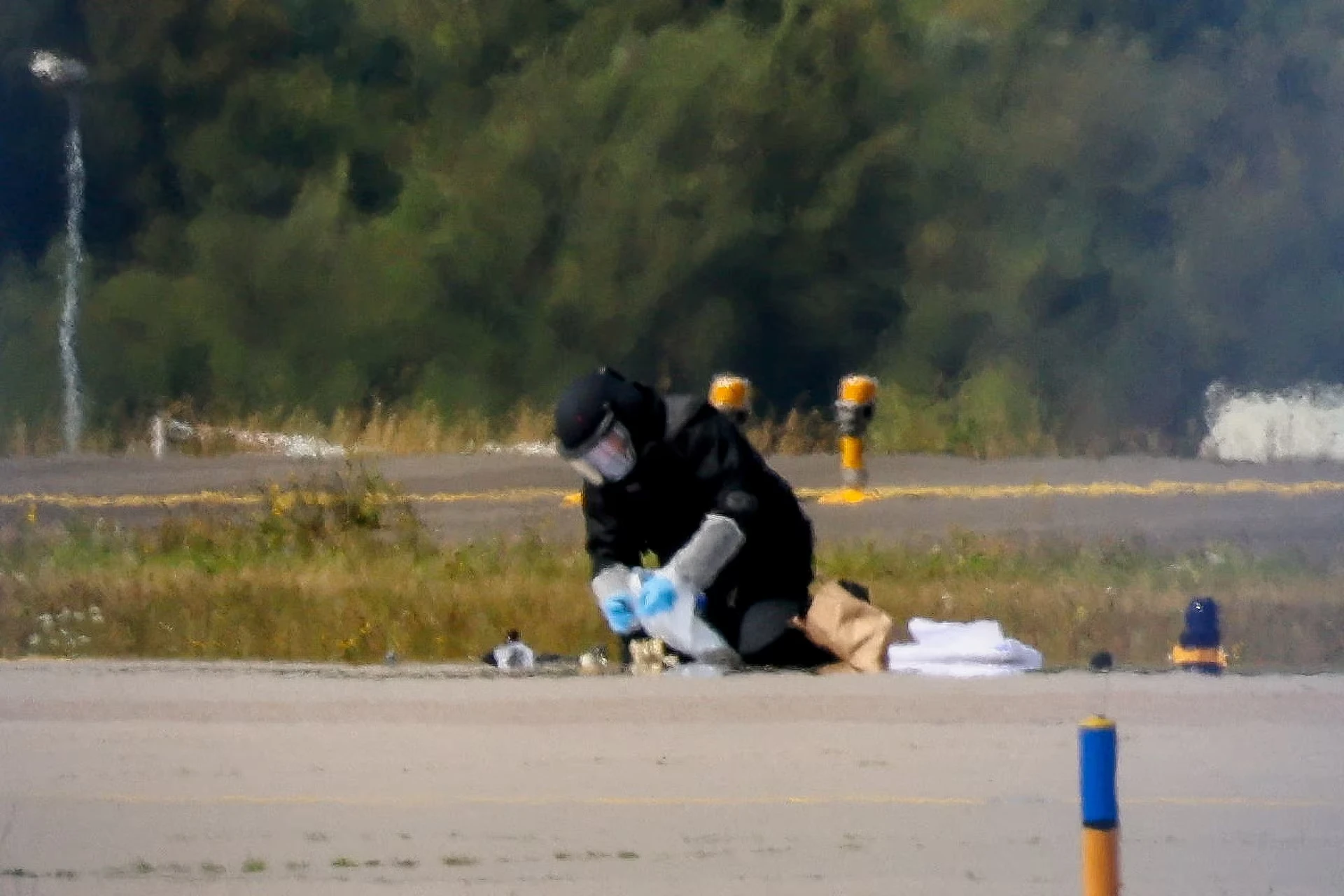
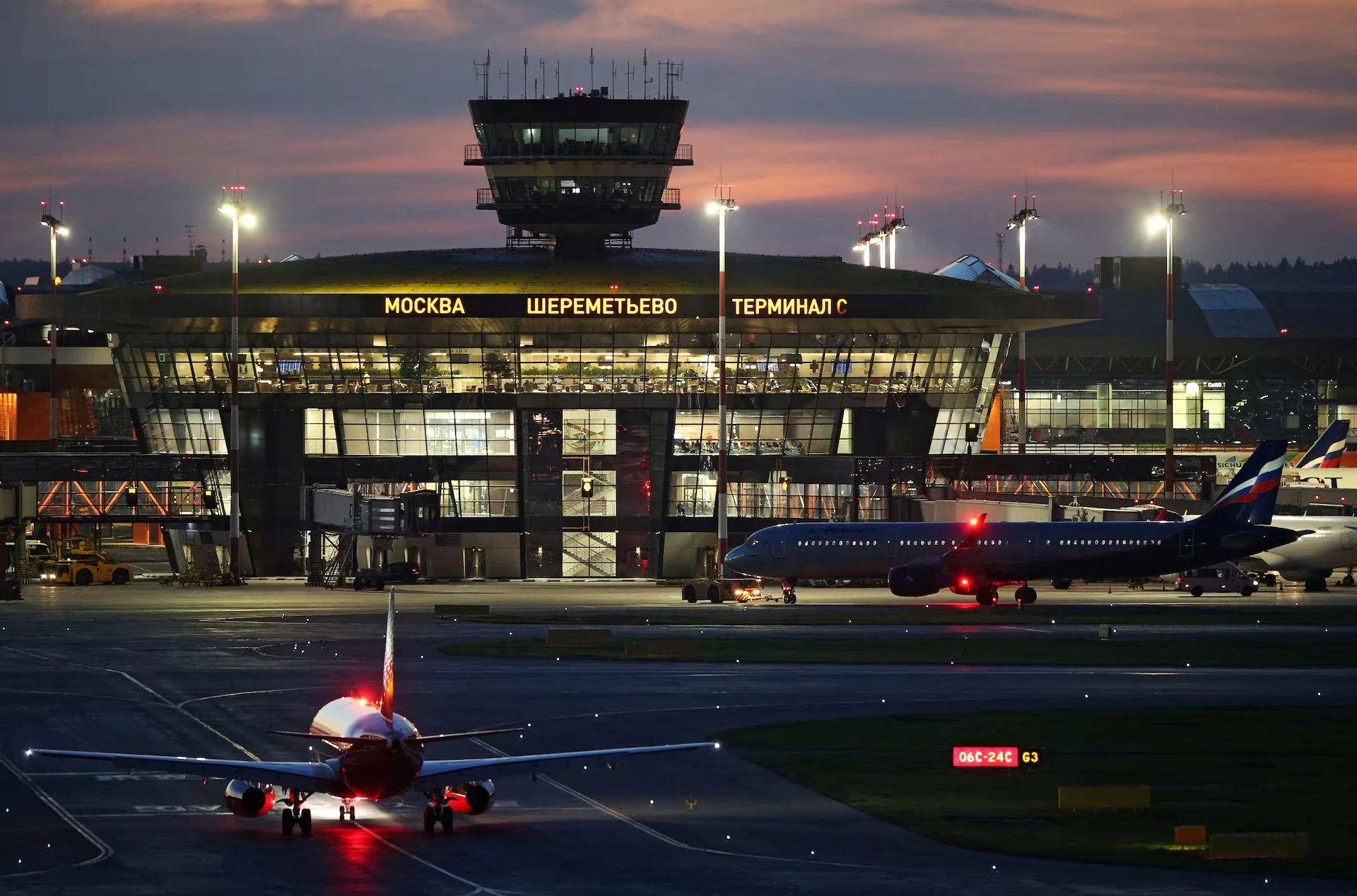
Putin also used his appearance to attack Germany after Berlin attributed the attempted explosive-drone attack at Leipzig/Halle Airport to Russia. He accused Chancellor Friedrich Merz’s government of fabricating evidence to distract from domestic difficulties but offered no evidence for that allegation.
Germany has taken the opposite position, formally holding Russia responsible for the Leipzig incident, while EU officials have described the case as bearing the hallmarks of state-sponsored terrorism. The dispute has added another layer to the deteriorating confrontation between Moscow and Europe.
Putin’s Bishkek remarks therefore functioned less as a neutral military assessment than as an attempt to impose a political interpretation on the war. Battlefield advances, economic pressure, Ukrainian drone strikes, U.S. diplomacy and confrontation with Germany were folded into a single proposition: Russia can endure longer.
That proposition is at the heart of the Kremlin’s strategy. Moscow does not necessarily need a rapid conquest if it believes Russia can absorb casualties, economic strain and international isolation longer than Ukraine can sustain the war and longer than its Western partners are willing to finance it.
But endurance is not unlimited. Russia must continue replacing troops, producing weapons, protecting energy infrastructure and financing enormous defence spending while preventing the civilian economy from deteriorating badly enough to create political or fiscal constraints.
Ukraine faces its own harsher vulnerabilities: holding heavily pressured defensive lines, maintaining manpower, expanding long-range strike capacity and ensuring that Western military assistance remains predictable. If those pillars weaken, even slow Russian advances could become more consequential.
For now, however, Putin’s declaration of victory remains a political judgment rather than an established battlefield result. Russia is advancing in places, but slowly. Its economy is sustaining the war, but at rising cost. Ukraine remains under immense pressure, but its front has not collapsed.
The most important element of Putin’s message is therefore not the claim of 270 square kilometres or even his refusal to negotiate with “terrorists.” It is the assumption beneath both: that time itself is Russia’s strongest weapon and will eventually force Ukraine and the West to accept Moscow’s terms.
The coming months will test that assumption. If Russia cannot turn tactical gains into operational breakthroughs while costs continue to accumulate at home, the gap between the Kremlin’s language of inevitable victory and the measurable reality of the war may become increasingly difficult to conceal.