


















Russia entered the final days of August with a widening gap between the amount of gasoline its refineries could produce and what its domestic market required. Industry sources estimate output at roughly 80,000 metric tonnes a day, enough to cover only about 70% of summer consumption.
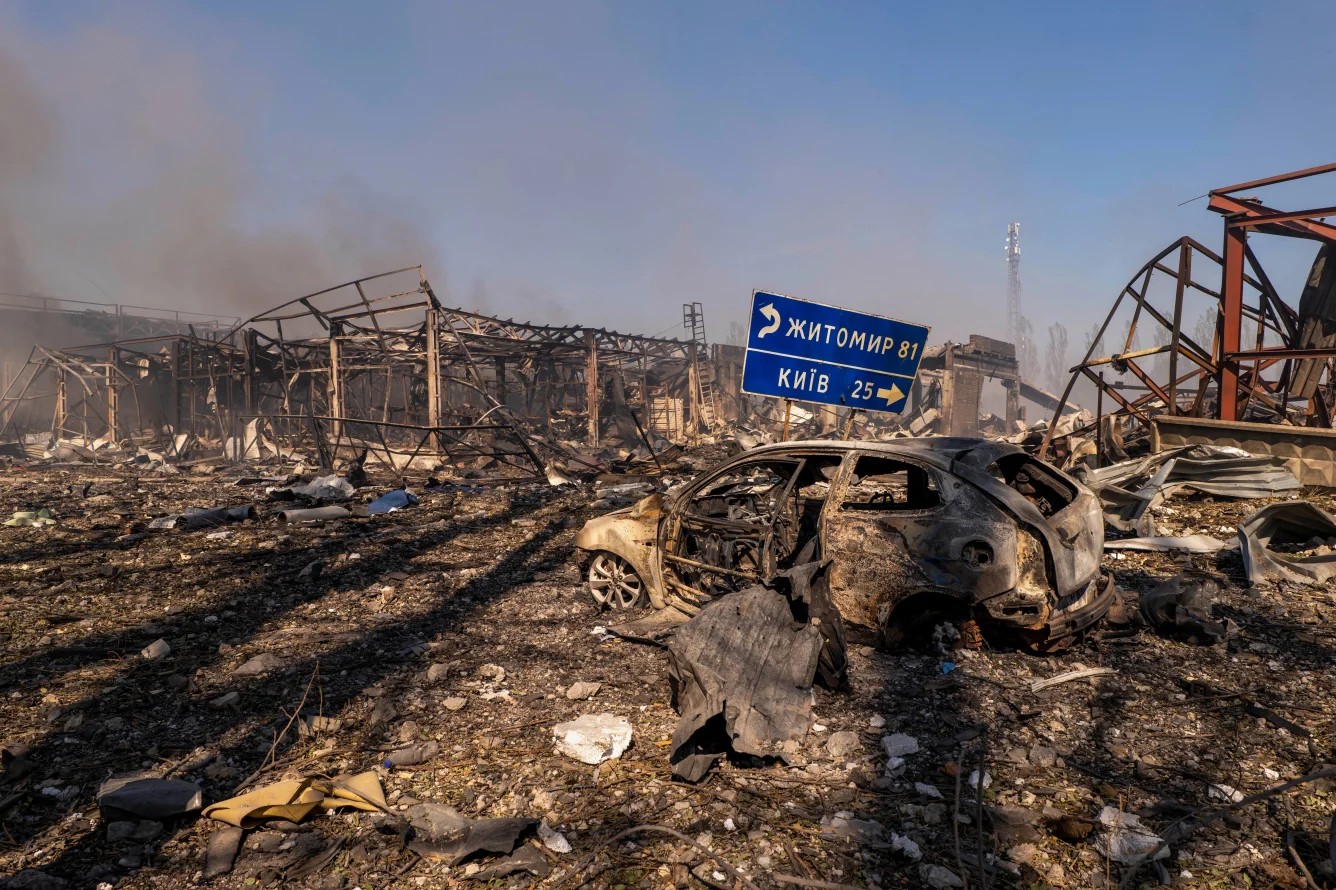
Demand is running at approximately 115,000 tonnes a day, leaving a production shortfall of around 35,000 tonnes. The gap widened after another series of drone attacks forced emergency shutdowns at major refineries in Perm, Nizhny Novgorod and Yaroslavl, all important producers of motor fuel.
The monthly picture is somewhat less severe. Average gasoline production in August was about 90,000 tonnes a day, equivalent to roughly four-fifths of estimated seasonal demand. But the deterioration late in the month returned Russia to conditions resembling the first peak of its fuel crisis in early July.
The shortages are increasingly visible to ordinary motorists. Regional authorities have reinstated purchase limits and other restrictions, including sales schedules tied to vehicle registration numbers in some areas. A temporary improvement at the end of July proved short-lived as renewed attacks once again reduced available refining capacity.
According to Daycom’s analysis of verified public reporting, the central paradox is that Russia is not running short of crude oil. Its vulnerability lies farther downstream: a large producer can possess enormous underground reserves while still facing empty pumps if enough complex refineries are temporarily removed from service.
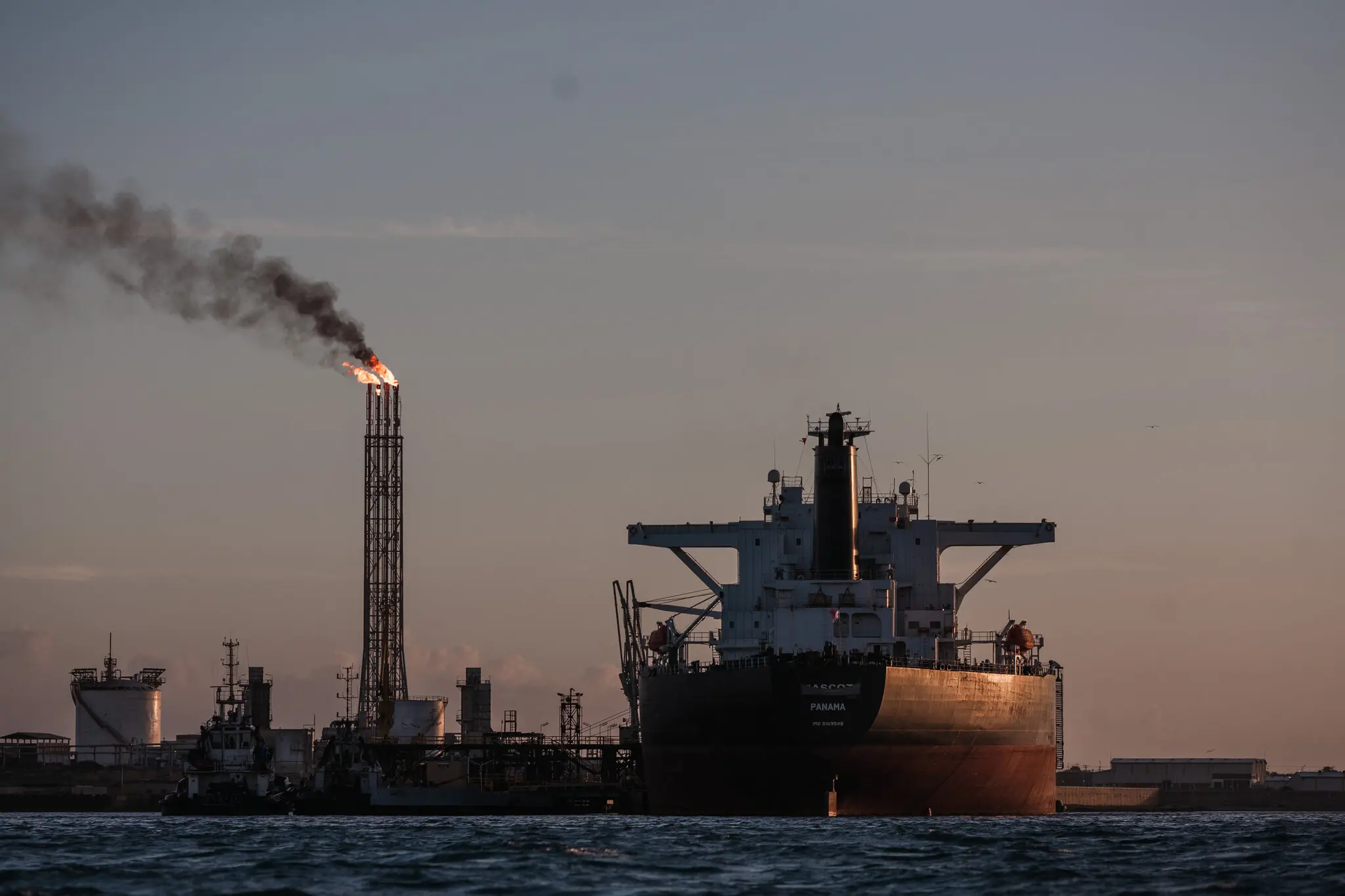
Crude oil is not interchangeable with gasoline. Before it reaches a filling station, it must pass through primary distillation, cracking, reforming, treatment and blending units. Those facilities are concentrated at a comparatively limited number of large industrial sites, making refining a much narrower bottleneck than crude production itself.
That distinction helps explain why refinery strikes can have consequences disproportionate to the physical area damaged. A plant does not have to be destroyed completely. Knocking out a critical processing unit can sharply reduce the volume or range of products it can manufacture even while much of the surrounding refinery remains standing.
The problem becomes more serious when several plants are disrupted at once. Russia can normally compensate for an outage at one refinery by raising utilisation elsewhere and moving fuel across its vast rail and pipeline network. Simultaneous shutdowns reduce that spare capacity and make regional shortages harder and more expensive to absorb.
Ukraine has increasingly concentrated long-range drone operations on Russia’s energy infrastructure, describing the campaign as an effort to weaken the economic and logistical foundations of Moscow’s war. Russian refineries have repeatedly been hit at distances hundreds or even thousands of kilometres from Ukrainian-controlled territory.
The vulnerability is compounded by repair times. Damage to specialised refinery equipment can require weeks or months to fix, especially when components are difficult to source. At the Orsk refinery, a Ukrainian strike in August caused a full shutdown, with repairs potentially lasting months after critical infrastructure was damaged.
Sanctions can make that task harder. Modern refineries incorporate specialised machinery, control systems and components that are not always easily replaced domestically. A damaged tank may be comparatively straightforward to rebuild; replacing sophisticated processing equipment can involve longer supply chains and greater technical constraints.
Russia’s fuel difficulties had already emerged well before the latest attacks. In June, Moscow sought around 50,000 tonnes of AI-92 gasoline from Kazakhstan as refinery outages and unscheduled maintenance squeezed supplies. At that stage, gasoline production was already about a quarter below the previous year’s level.
Conditions eased toward the end of July as some plants returned to operation and government measures redirected more fuel to the domestic market. But the recovery proved fragile. By mid-August, a second wave of shortages was affecting filling stations in at least 10 regions, including areas around Moscow.
Gasoline was generally harder to obtain than diesel, and the scarcity itself began suppressing consumption. Some drivers avoided non-essential journeys because they feared lengthy queues or the possibility of running out of fuel away from home. That behavioural response has softened demand without solving the underlying production problem.
Moscow has responded with increasingly interventionist measures. On July 30, the Russian government announced a new temporary ban on exports of gasoline and several other petroleum products, effective from August 1 through January 31, 2027, saying the measure was needed to stabilise the domestic fuel market.
Export restrictions effectively tell refiners that the home market must take priority over foreign customers. They can release additional volumes domestically, but they cannot replace output that has disappeared because processing units are offline. The more refinery capacity Russia loses, the less effective an export ban becomes as a standalone remedy.
The more striking response has been rising imports. Russia, traditionally a substantial exporter of petroleum products, received an estimated 220,000 tonnes of imported gasoline during August. Belarus was expected to provide roughly 150,000 tonnes during the month, equivalent to around 5,000 tonnes a day.
Russia has also turned farther afield. Seaborne petroleum-product imports from Asian suppliers were expected to reach around 270,000 tonnes in August, while at least one cargo of gasoline from India entered the Russian domestic market as authorities attempted to relieve shortages caused by refinery outages.
That reversal is economically revealing. Russia still exports vast quantities of crude oil, yet part of its domestic fuel system now requires finished products from abroad. The problem is therefore not access to hydrocarbons in general but the availability, geography and resilience of the industrial capacity required to transform crude into usable fuels.
Even imports and export restrictions have not fully closed the gap. Taking domestic production, foreign supplies and the diversion of export volumes together, gasoline availability in August was estimated at about 97,000 tonnes a day — roughly 85% of projected domestic demand.
That remaining deficit matters well beyond motorists. Fuel is embedded in the cost of trucking, agriculture, construction, retail distribution and countless smaller businesses. In a country spanning 11 time zones, where goods routinely travel enormous distances, persistent shortages can push transport costs through multiple layers of the economy.
The Kremlin consequently faces a problem with both economic and political dimensions. Fuel shortages are unusually visible. Unlike falling export earnings or industrial statistics, queues at filling stations and limits imposed on individual purchases create an immediate experience of disruption for households far from the Ukrainian front.
Russia still retains substantial resilience. Its refining system is large, it can redistribute products between regions, draw on inventories, import fuel and restore damaged units. The late-July improvement demonstrated that shortages can recede relatively quickly when refinery capacity returns and fresh strikes do not immediately remove another plant.
For Ukraine, however, that creates a different strategic calculation. The objective does not have to be the destruction of Russia’s entire refining industry, an implausibly large undertaking. Repeatedly forcing major plants offline can be sufficient to keep spare capacity low and require Moscow to spend continuously on repairs, air defence and emergency logistics.
The effect is cumulative rather than necessarily spectacular. One damaged refinery can be compensated for. A second can be managed with greater difficulty. If new outages repeatedly arrive before previous repairs are completed, the system loses flexibility and every subsequent disruption has a greater chance of reaching the retail market.
Russia has responded by strengthening protection around critical infrastructure and broadening government authority over vulnerable strategic facilities. But protecting a vast network of refineries, terminals, pipelines, storage depots and other energy assets against long-range drones requires resources that must also be allocated elsewhere in the war.
The fuel crisis therefore offers a measure of how the conflict is changing. Ukraine’s long-range campaign is increasingly aimed at making geography less protective for Russian industry, while Moscow must defend economic infrastructure hundreds of kilometres behind what would traditionally be considered the rear of the battlefield.
There are limits to what the campaign can achieve. Russia remains one of the world’s largest oil producers and retains major refining capacity. Individual plants can be repaired, domestic demand can be restrained and imports can fill part of the gap. Describing the sector as paralysed would significantly overstate the evidence.
But the Russia gasoline shortage shows that a country can possess abundant crude while becoming vulnerable at the conversion stage. Oil reserves provide strategic depth only when refineries, transport networks and distribution systems can turn them reliably into products that consumers and the broader economy actually need.
The next phase will depend on a race between two processes: how quickly Russian operators can repair damaged refining units and how regularly Ukraine can disrupt additional capacity. If restoration runs ahead of new strikes, the market can stabilise; if attacks outrun repairs, shortages are likely to remain recurrent.
That is the strategic contradiction now confronting Moscow. Russia continues to pump enormous quantities of oil and sell much of it abroad, yet it is importing gasoline and restricting sales at home. In an energy war increasingly focused on processing rather than extraction, the refinery has become more consequential than the oilfield.