

















A warning about the limits of Russia’s wartime model has come from inside Vladimir Putin’s own system. Boris Titov, the president’s envoy for sustainable development, says an economy organised overwhelmingly around the military-industrial complex risks entering what he called a dangerous “berserk mode.”
Titov was not arguing against defence production or calling for Russia to abandon the war. His point was narrower and potentially more consequential: military and civilian economies can reinforce one another only while a balance survives. Once nearly every priority is subordinated to the front, the model becomes difficult to sustain.
The source of the warning matters. Titov is a wealthy businessman, a former head of an influential business lobby and a presidential representative, not an opposition economist speaking from exile. His remarks therefore expose a debate within the governing establishment about how far Russia can push wartime mobilisation without damaging itself.
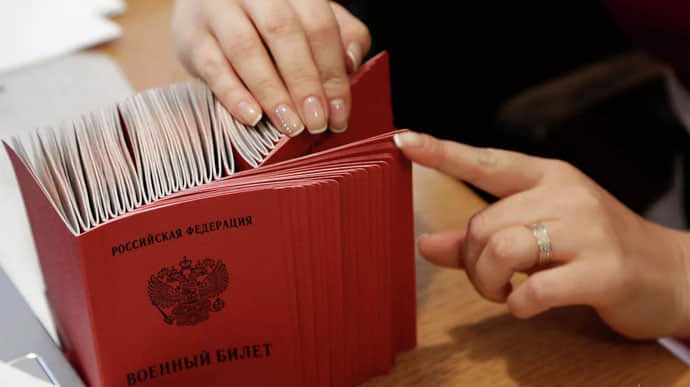
The timing is equally significant. Russia is approaching parliamentary elections while the war is well into its fifth year, economic growth has slowed sharply and rumours of another large military mobilisation continue to circulate. The Kremlin denies those rumours, but the political sensitivity surrounding them is unmistakable.
According to Daycom’s analysis of verified public reporting, the central problem facing the Russian war economy is not imminent collapse. It is endurance. Moscow can still finance the military, but every additional year increases the amount of labour, capital and industrial capacity being diverted from the civilian economy that must ultimately support the state.
That distinction matters because early predictions of a rapid Russian economic breakdown proved wrong. Moscow redirected trade, adapted payment mechanisms and used enormous state orders to sustain industrial output. Yet the very policies that helped Russia absorb the initial shock are now producing a more persistent imbalance between military demand and civilian investment.
Russia’s economy is expected to expand by only about 0.4% this year, according to figures cited by Reuters, while many sectors outside the military sphere are stagnating or contracting. The economy is therefore still producing enough to avoid recession in headline terms, but the sources of activity have become increasingly concentrated.
Government spending has helped prevent a sharper slowdown. Defence factories receive orders, workers receive higher wages and regions connected to military production gain demand. But this does not mean that wartime expenditure creates the same future economic value as investment in transport, machinery, technology or productive civilian businesses.
A shell, missile or armoured vehicle counts as output when it is manufactured. If it is consumed or destroyed in combat soon afterward, however, it does not continue generating productivity for years. A new machine tool or railway can. The difference becomes crucial once extraordinary military expenditure stops being temporary and begins defining the economy.
Labour shortages magnify the problem. The army, defence plants and civilian employers are all competing for the same workers. High military signing bonuses and increased wages at defence enterprises can attract labour, but they also force civilian businesses to raise pay, reduce output or postpone investment when they cannot match state-backed demand.
Capital faces a similar pull. In a normal commercial system, companies generally invest where they expect the strongest return. In a highly militarised economy, political priorities increasingly decide where money, industrial facilities and raw materials go. That can expand weapons output rapidly while weakening the sectors that would otherwise modernise the country.
Russia has also raised taxes, redistributed assets and encouraged businesses to contribute more heavily to the cost of the war. More recently, owners of strategically important facilities have faced pressure to spend additional money protecting their infrastructure from Ukrainian drone attacks, adding security costs to an already difficult investment environment.
This is the tension behind Titov’s metaphor. Russian hawks and some officials have repeatedly invoked the Soviet wartime slogan “Everything for the front, everything for victory,” looking to Stalin-era mobilisation as proof that concentrating almost all resources on military needs can deliver results. Titov is warning about the price of making that condition permanent.
Emergency economic mobilisation can be powerful precisely because normal rules are suspended. Governments can ration resources, redirect labour and tolerate falling consumption for a limited period. But maintaining those conditions for years risks reducing investment, technological renewal and the civilian tax base needed to finance the military itself.
Titov is not alone in raising the concern. Moscow Mayor Sergei Sobyanin, one of Russia’s most prominent technocratic officials, recently argued that destroying a normal economy would amount to destroying the country. In a political system where senior officials rarely challenge strategic priorities publicly, the similarity of the warnings is notable.
Another economist paid a more visible price for speaking about the strain. Andrei Klepach, chief economist at Russia’s state development bank, lost his post after publicly highlighting the economic challenges created by a long war of attrition. His removal showed how narrow the space remains for criticism even when it comes from within state institutions.
The issue is not whether Russia can manufacture weapons today. It demonstrably can. The more difficult question is whether a country can continue expanding military production while allowing civilian productivity, technological competitiveness and private investment to weaken without eventually reducing its ability to sustain the same war effort.
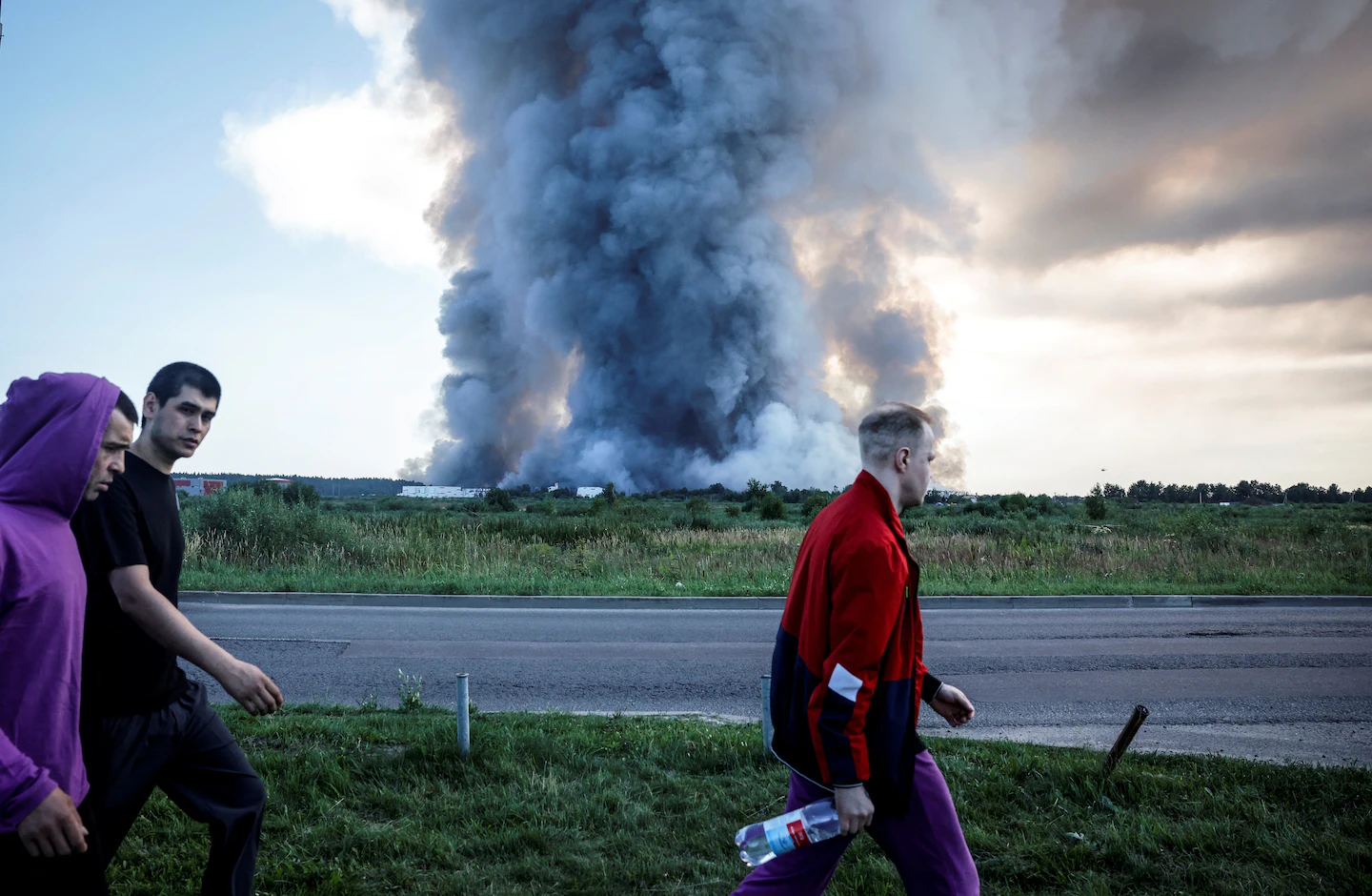
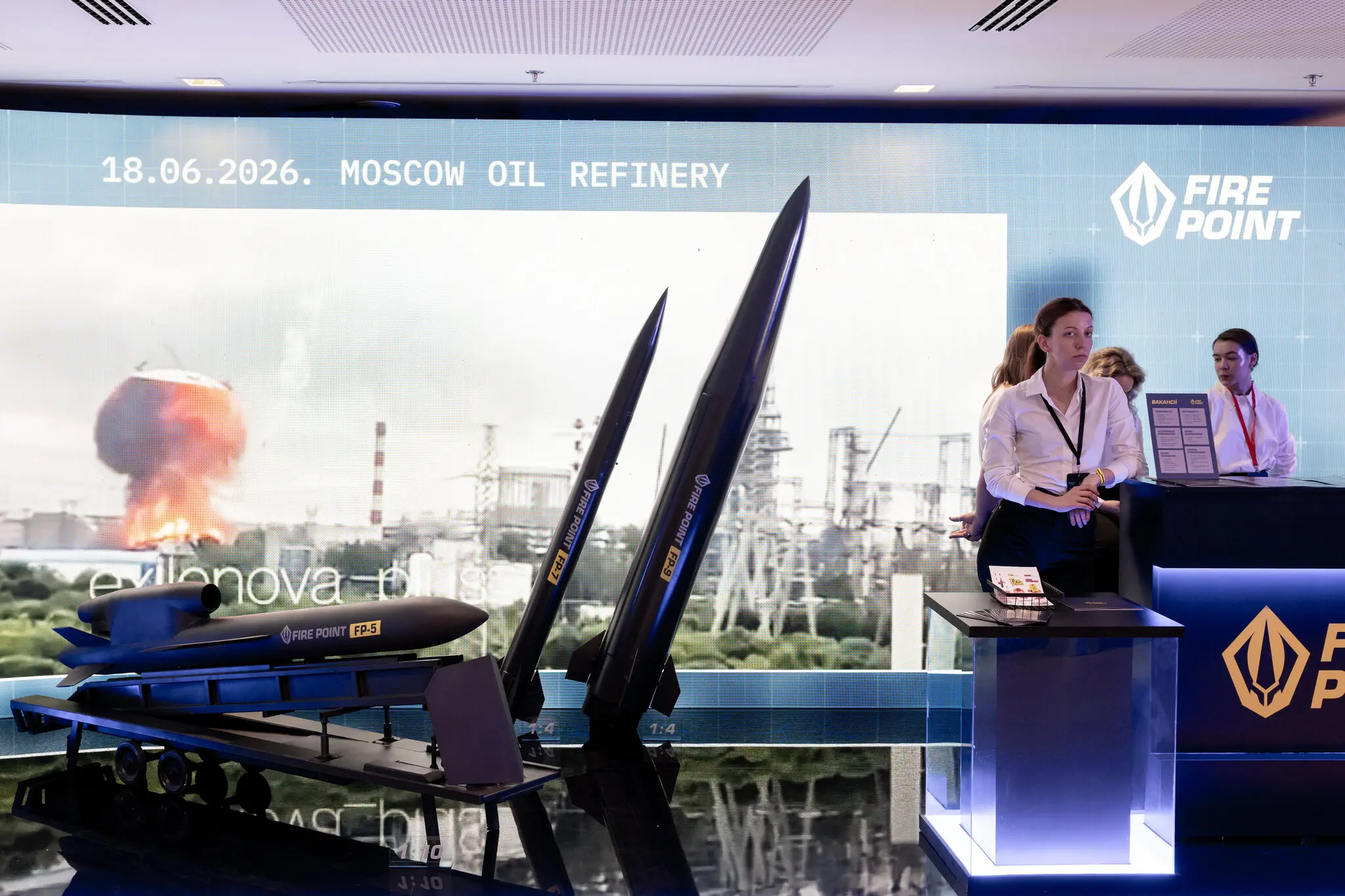
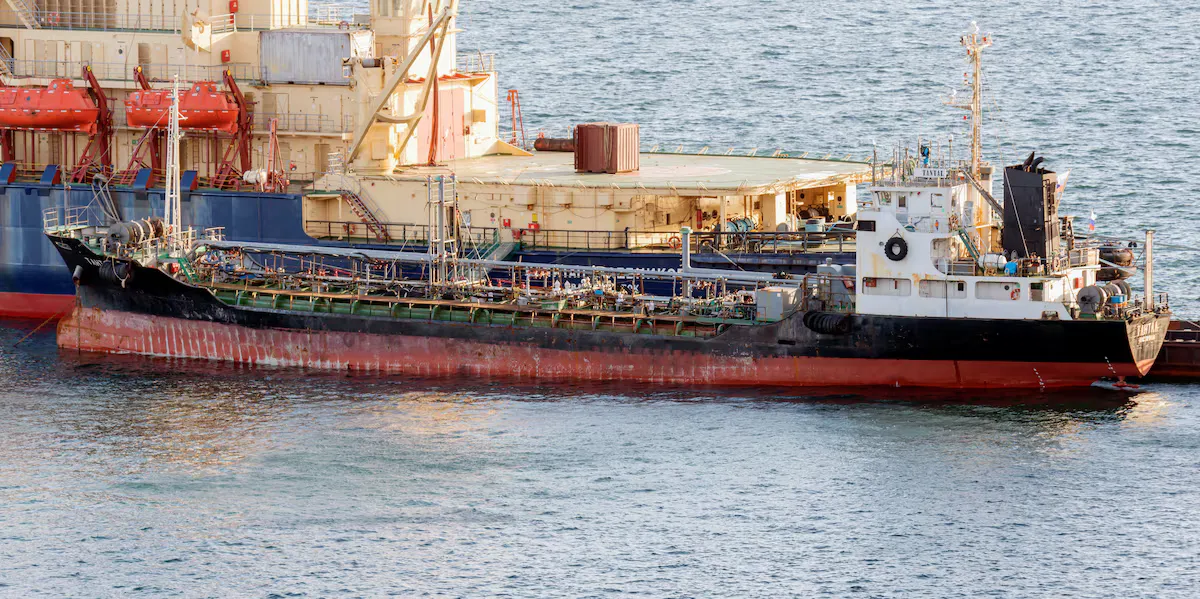
Energy has become another source of pressure. Ukrainian drone attacks have repeatedly struck Russian refineries and other economic targets, forcing Moscow to spend more on repairs and protection while dealing with disruptions to fuel production. Those attacks do not destroy the Russian economy, but they raise the cost of maintaining it.
The government has also downgraded its outlook for oil production. Draft forecasts reviewed by Reuters put Russian crude output in 2026 at about 494.2 million metric tons, the lowest level since 2009, after estimates were cut amid sanctions, export constraints, the war and repeated attacks on refining infrastructure.
Oil remains particularly important because Russia relies on energy exports for foreign currency and budget revenue. Damage to a refinery therefore has consequences beyond the cost of repairing the plant. It can reduce fuel output, complicate domestic supply, change export flows and force the government to intervene in markets.
Moscow has already imposed restrictions on exports of some fuels to protect domestic availability. Reduced refining can temporarily push more crude oil toward foreign buyers, but exporting raw crude does not necessarily compensate for the loss of higher-value petroleum products, especially when sanctions have narrowed Russia’s commercial options.
None of these indicators establishes that Russia is approaching financial collapse. The state still controls a powerful banking system, exports large volumes of commodities and possesses substantial administrative tools for shifting costs across companies and households. The Kremlin has repeatedly demonstrated that it can force the economy to absorb burdens that markets alone would resist.
That capacity, however, is not the same as cost-free resilience. A government can keep transferring resources to military production while suppressing symptoms elsewhere, but the consequences accumulate through weaker investment, labour shortages, deteriorating infrastructure and reduced growth in sectors that receive less political protection.
The political dimension is becoming more important as Russia approaches parliamentary elections. Reuters reports growing public fatigue with the war and stronger support for a negotiated settlement, while the only party openly calling for an end to the conflict has been excluded from the vote. The electoral system therefore offers little direct outlet for those sentiments.
Persistent rumours of a large post-election mobilisation add to the anxiety. The Kremlin calls them false, yet the possibility matters economically even if a new draft never occurs. Mobilising more people would remove additional workers from the civilian economy; avoiding mobilisation means Moscow must continue paying heavily to recruit soldiers voluntarily.
Either route carries a cost. Higher military bonuses place upward pressure on wages and public spending. Administrative recruitment can deepen labour shortages. In both cases, the army and civilian economy are competing for the same finite pool of people, and the shortage becomes harder to solve the longer the war continues.
That is the fundamental constraint of a Russian war economy built for endurance. Steel can be redirected toward armoured vehicles, engineers toward missiles and public money toward soldiers. But beyond a certain point, the military sector begins consuming the productive capacity that is required to finance and replenish it.
Russia has not yet reached a point where that system ceases to function. Weapons production remains substantial, state finances continue operating and the Kremlin can still impose new costs on businesses and consumers. But growth close to zero means the margin for absorbing additional shocks is smaller than during the first years of the wartime spending boom.
The disagreement inside the establishment is therefore not primarily about whether the war should receive resources. It is about how much of the economy can safely be militarised. Technocrats want to preserve enough civilian capacity to ensure that Russia can keep functioning during the war and still possess a viable productive base afterward.
Hard-line advocates of greater mobilisation operate from another premise. If additional resources can produce a decisive military result sooner, they may regard deeper civilian distortions as an acceptable temporary price. The risk is that a war expected to justify extraordinary measures for one more year can continue demanding them year after year.
That is why Titov’s “berserk” metaphor resonates beyond its colourful language. It describes a system capable of concentrating enormous force and ignoring pain for a period of time. It does not answer what happens when the exceptional state becomes routine and the resources being consumed are increasingly difficult to replace.
The Russian war economy is therefore not facing a simple binary choice between stability and collapse. Its more immediate challenge is cumulative deterioration: slower growth, weaker civilian investment, greater labour competition, higher security costs and increasing reliance on the state to decide which sectors receive scarce resources.
For Putin, the crucial economic question is no longer whether Russia can pay for another month of war. It can. The question is how many years it can finance the front, repair infrastructure under attack and preserve the civilian industries that ultimately provide the workers, technology and revenue on which the war itself depends.
Titov’s intervention suggests that this question is no longer being asked only outside the Kremlin. Parts of the Russian establishment are beginning to say publicly that a wartime system can be extremely powerful without being indefinitely sustainable — and that the danger begins when emergency mobilisation is mistaken for a permanent economic model.