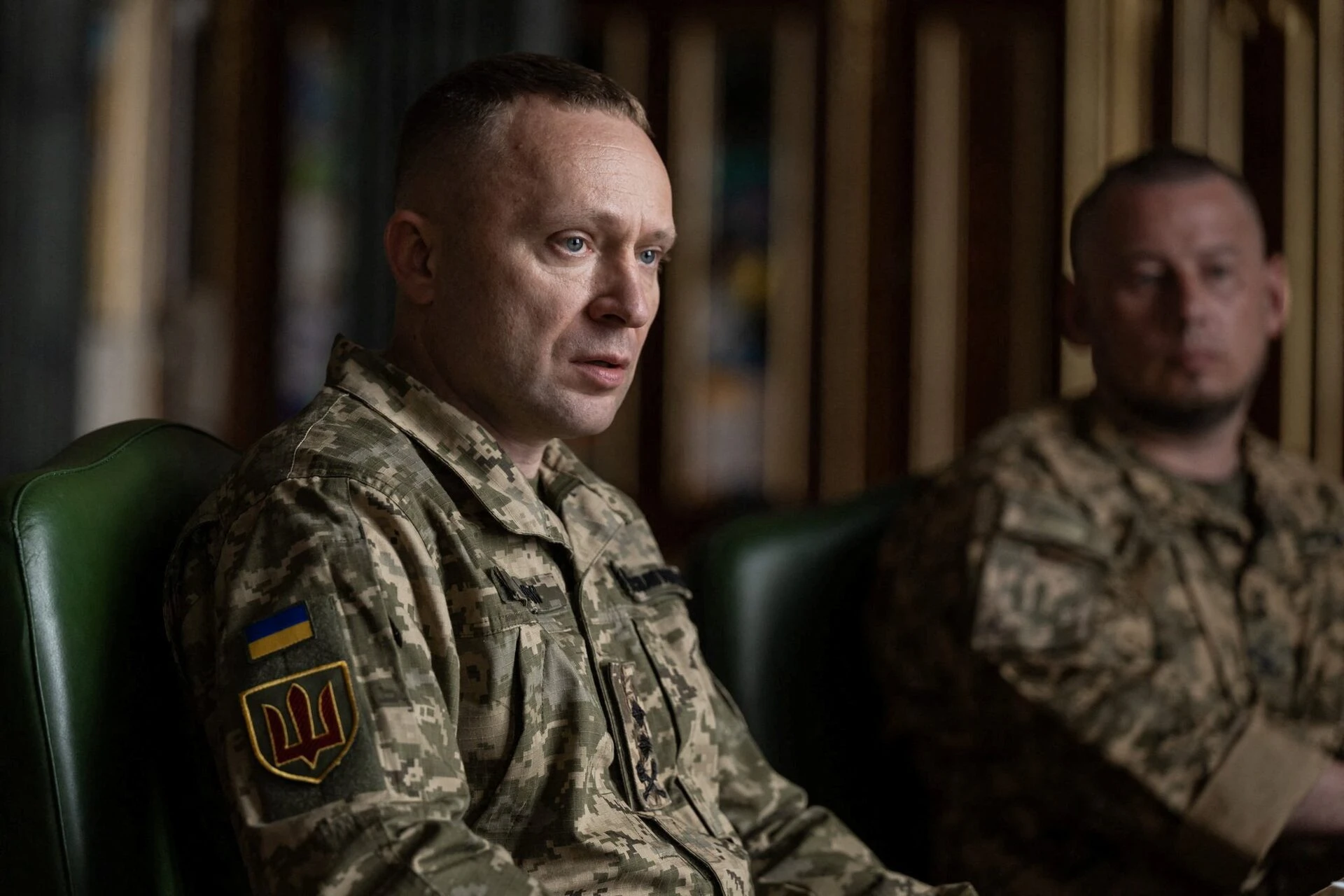






















In May 2014, an armored vehicle under Mykhailo Drapatyi’s command smashed through pro-Russian barricades in Mariupol. The episode entered Ukrainian military lore as the image of an officer unwilling to wait for perfect conditions before acting inside chaos.
Twelve years later, Drapatyi has taken command of the Armed Forces of Ukraine at a moment when personal resolve is no longer enough. He must lead an army that is holding back Russian pressure, rebuilding recruitment, expanding drone warfare and preparing for another campaign against the country’s energy system.
The appointment of the 43-year-old major general to replace Oleksandr Syrskyi is more than a change at the top. It signals an attempt to move away from a post-Soviet command culture based on control from above toward one in which speed, data, technology and junior officers’ initiative determine battlefield outcomes.
In Daycom’s assessment, Drapatyi has received one of the broadest public mandates granted to any Ukrainian commander since the full-scale invasion began. Yet that trust is also a trap: expectations are so high that structural constraints may quickly be interpreted as his personal failure.
His arrival follows a severe crisis within Ukraine’s political and military leadership. The dismissal of Defense Minister Mykhailo Fedorov, who had become closely associated with technological modernization, exposed a deeper struggle between reformers and defenders of centralized command.
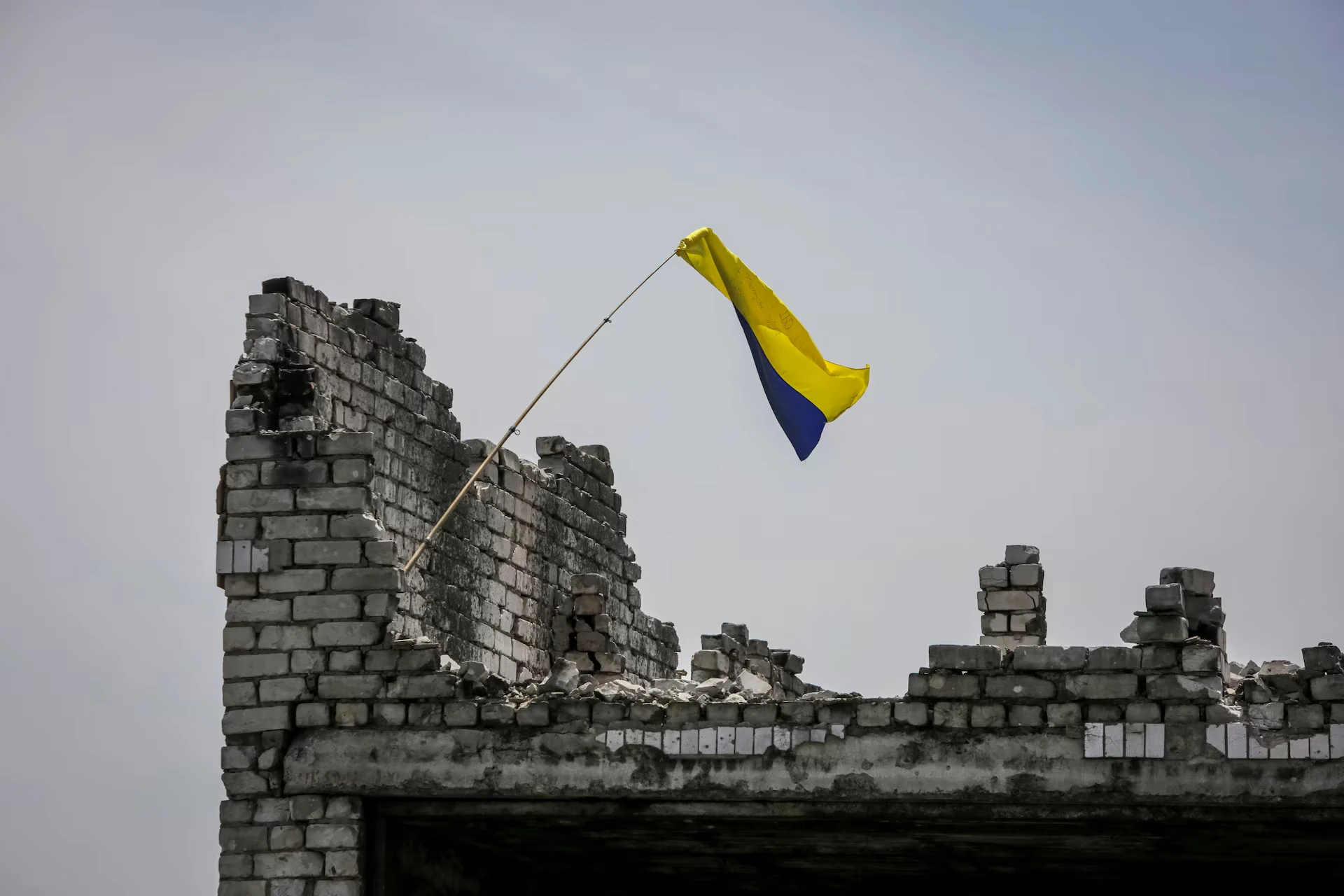
Drapatyi supported wider use of drones, robotic platforms and digital battlefield management. His appointment therefore carries a political message: the old model no longer matches a war in which technology can evolve faster than an order moves through the chain of command.
The reform is not about replacing infantry with machines. It is about redefining the relationship between people, weapons and information. Ukraine’s emerging “drone line” seeks to create a broad zone of detection and destruction behind the front, where reconnaissance systems, strike drones and automated weapons stop Russian forces before they reach primary defensive positions.
The approach has helped slow Russian advances and partly offset Ukraine’s shortage of personnel. But it works only when units receive equipment, frequencies, ammunition and intelligence quickly—and when commanders are allowed to adjust tactics without waiting hours for approval from the General Staff.
This is where Drapatyi’s real confrontation with the system begins. Ukrainian officers have repeatedly complained that commanders on the ground cannot withdraw from exposed positions, regroup their units or alter tactics without permission from headquarters far removed from the immediate battle.
Centralization can create the appearance of control while increasing casualties. On a transparent battlefield, drones detect movement almost instantly, artillery responds within minutes, and a position that still had tactical value in the morning may become a death trap by evening.
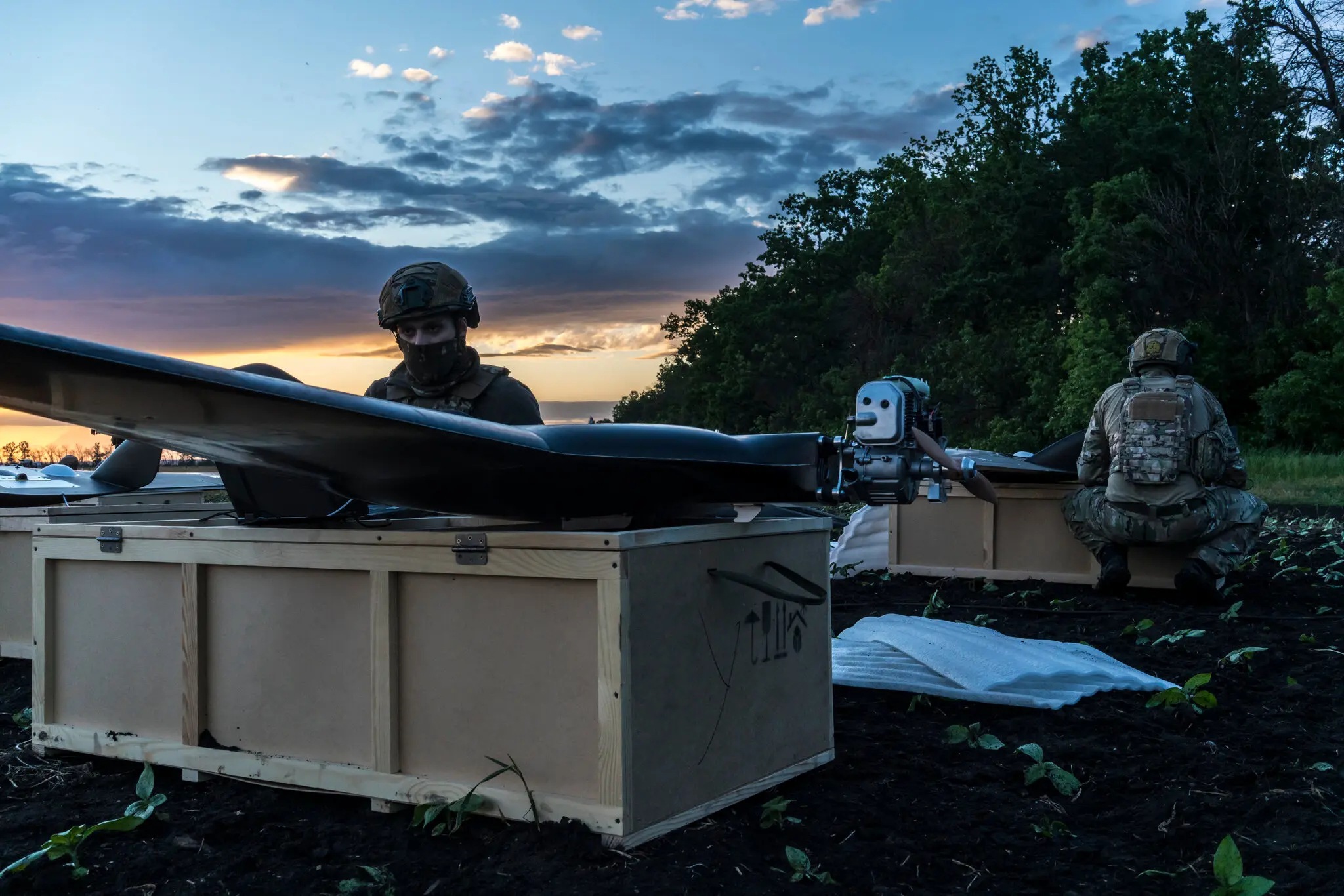 Українські солдати минулого місяця готуються запустити безпілотники Dragon по цілі в Росії з нерозголошеного місця в Україні — Брендан Гоффман
Drapatyi is expected to return decision-making authority to the level where information first appears. A company or battalion commander must be able not only to execute an order but to adapt it to local conditions. That requires better officers, reliable communications and a culture that does not punish justified initiative.
Changing that culture is far harder than approving a new doctrine. The post-Soviet model survives not only through senior generals, but through fear among junior officers, ritualized reporting, concealed failures and the constant transfer of responsibility upward. Reforming it during war means rebuilding an engine while the vehicle is still moving.
The new commander has also been instructed to preserve the pace of operations. Long-range strikes, attacks on Russian logistics, the defense of the Donbas and development of medium-range weapons must continue without interruption.
That demand exposes the central operational risk of the transition. Every leadership change creates uncertainty: authority is redistributed, reporting lines shift and officers wait to understand new priorities. Russia will try to exploit even a brief loss of tempo.
Drapatyi’s first measure of success will therefore not be a new doctrine, but the absence of a breakdown during the handover. If Ukrainian forces retain control and maintain the rhythm of operations, the new leadership will gain room for deeper reform. If the front begins to falter, modernization will immediately give way to crisis management.
The second test is mobilization. Ukraine’s manpower shortage remains one of its most dangerous vulnerabilities, but the problem is not simply the number of available citizens. Poor training, opaque assignments, corruption and distrust of commanders continue to drive potential recruits away.
Drapatyi must persuade society that military service does not mean entering a system in which a soldier’s life is worth less than the symbolic retention of a position. Without changes to training, rotations, casualty evacuation and battlefield leadership, no recruitment campaign will restore confidence.
The third challenge is defense procurement. The commander-in-chief can define what the army needs, but he does not fully control funding flows, contractor selection or the political interests surrounding large military contracts.
This is where technological reform collides with the most resilient parts of the old order. A shift toward mass production of drones and robotic systems changes the structure of military spending. Established suppliers risk losing contracts, while younger companies gain access to major budgets.
The fight over doctrine is therefore inseparable from the fight over money. If companies continue supplying what is easiest to produce rather than what units actually require, no reform of command will succeed.
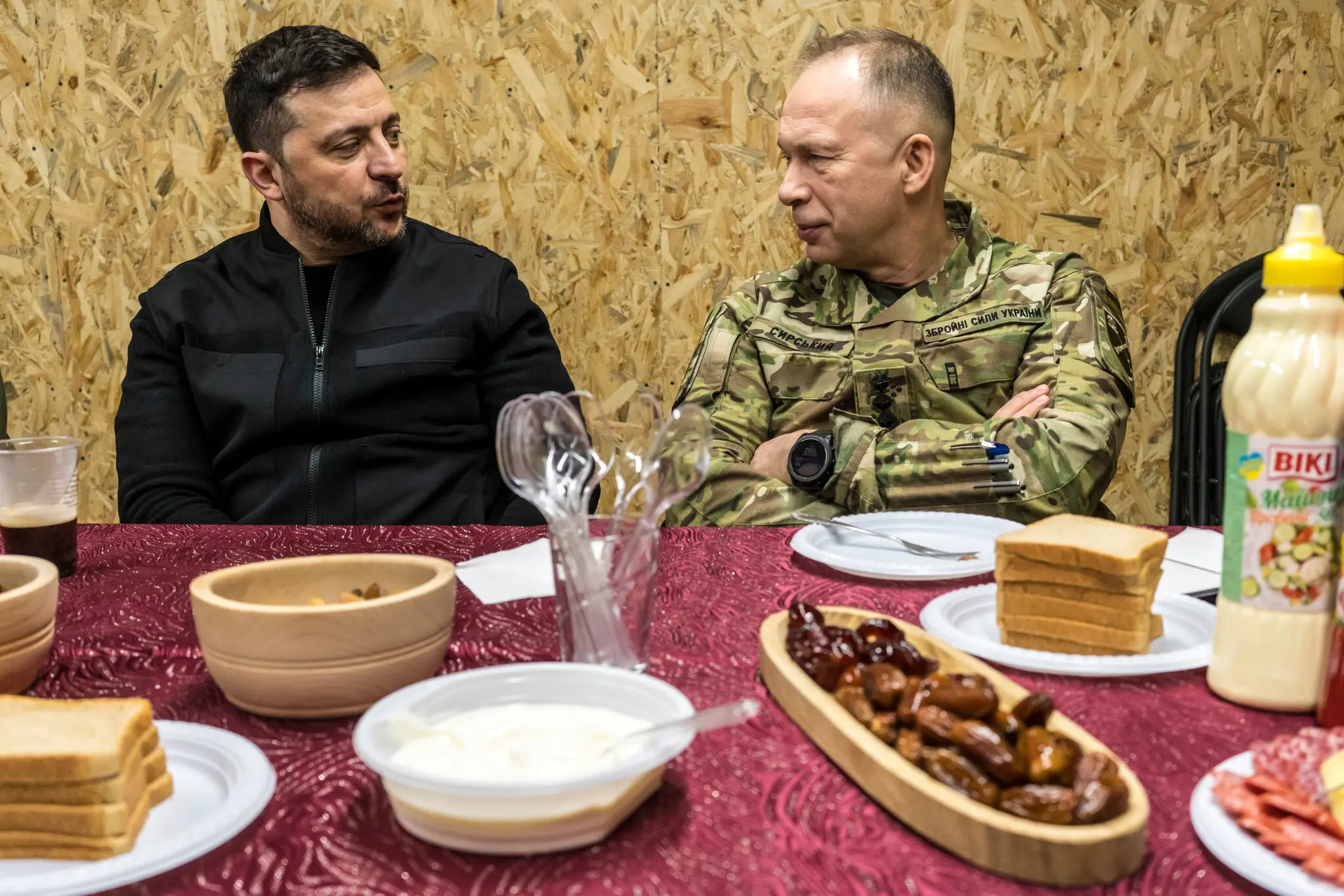
 Президент України Володимир Зеленський і Головнокомандувач Збройних сил України генерал-полковник Олександр Сирський відвідують виставку нових українських безпілотників-ракет «Пекло», присвячену Дню Збройних сил України, на тлі нападу Росії на Україну, в — Валентин Огіренко
The procurement system must shorten the path from battlefield request to serial production. It must also be capable of abandoning systems that Russia has already learned to jam, detect or destroy. In drone warfare, a successful weapon can become obsolete within months.
Another area of tension will be Drapatyi’s relationship with the presidency. Volodymyr Zelensky has often involved himself deeply in military questions, while reform-minded officers insist on a clearer division between political objectives and operational execution.
Civilian control over the armed forces is essential, especially during a long war. But civilian oversight must not become remote management of individual battles. The president sets strategic goals and allocates resources; commanders must retain authority over tactics, risk and the use of forces.
For Drapatyi, that balance will be especially difficult. He arrives amid public demands for greater military autonomy, yet he was appointed by the president after a political crisis. He must preserve the confidence of the presidential office while convincing the armed forces that his appointment was not merely a concession to public pressure.
His predecessor was considered a predictable partner for the political leadership. Drapatyi has a different reputation: that of a field commander who values practical results and the preservation of soldiers over bureaucratic comfort.
Reputation, however, does not guarantee institutional independence. If the General Staff, Defense Ministry, presidential administration and service commands continue competing for authority, Drapatyi may be held responsible for decisions he does not fully control.
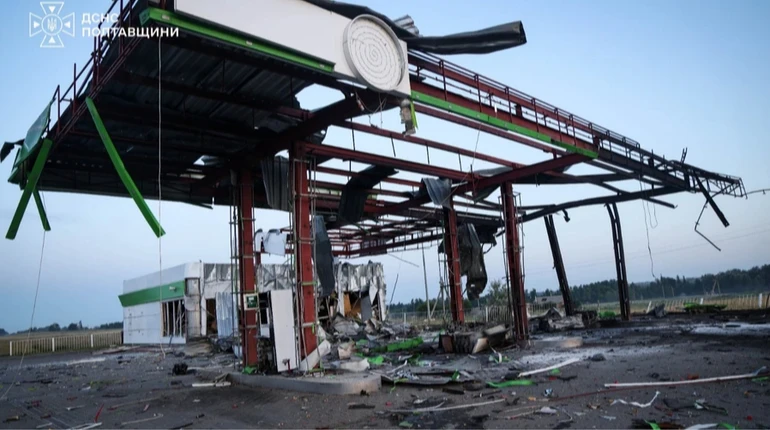
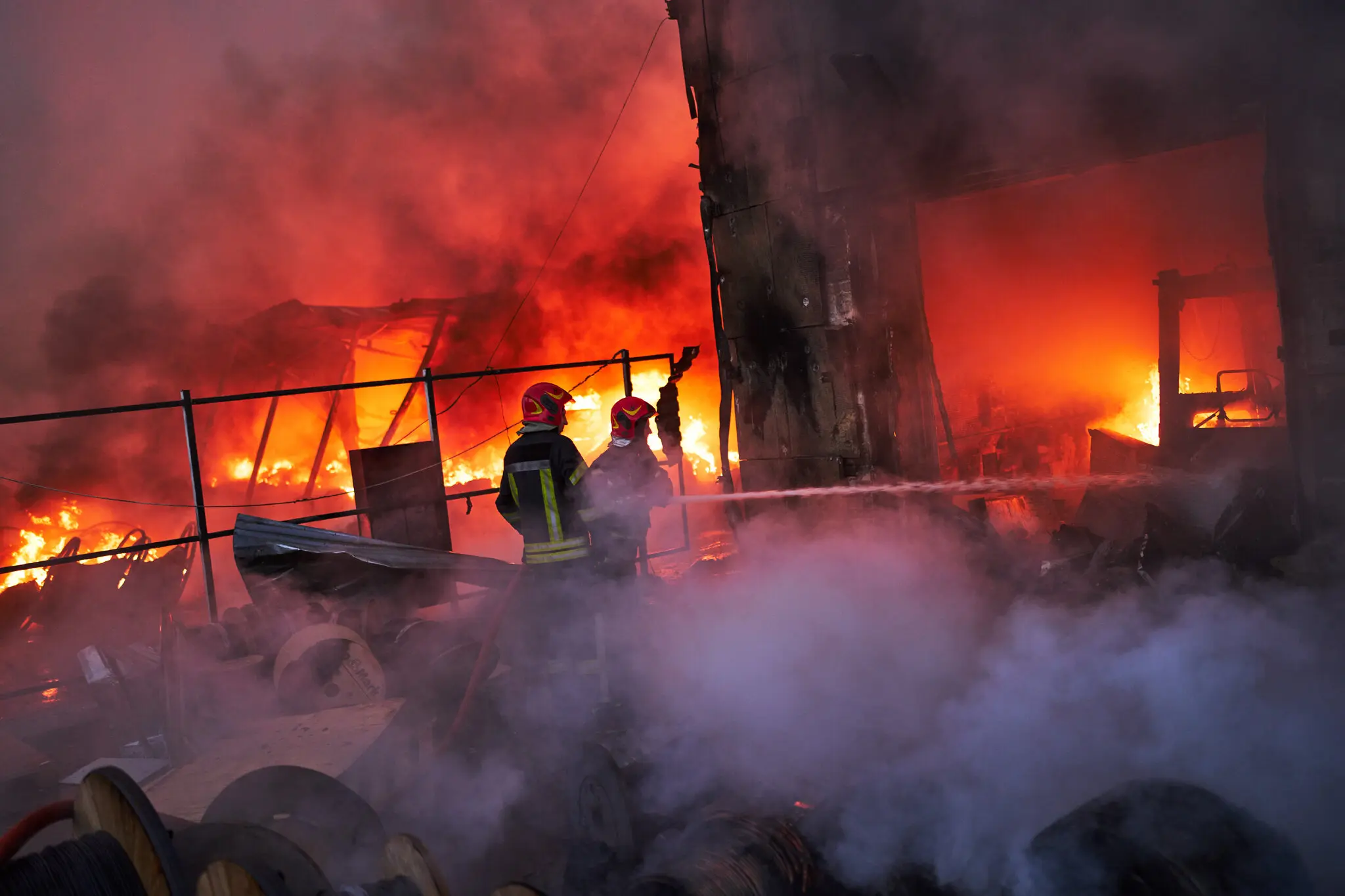
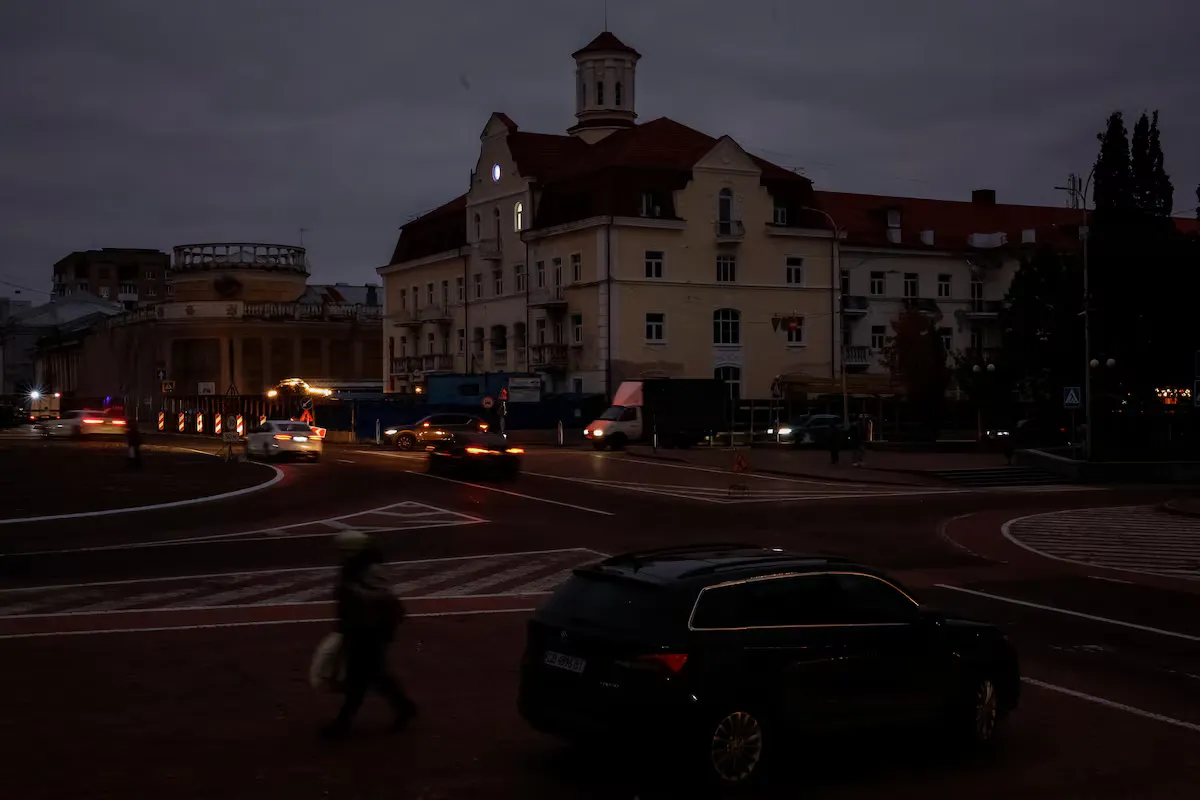
He also faces the approach of winter. Russia is likely to renew large-scale attacks on Ukraine’s energy grid, while stocks of advanced air-defense missiles remain limited. The command will have to protect cities, cover the front and defend critical infrastructure with the same finite inventory.
In the Donbas, Russian forces continue their slow advance through manpower, guided aerial bombs and a willingness to absorb enormous losses. Drapatyi must stop that pressure without returning to a mirror-image war of attrition, where Ukraine’s smaller demographic base places it at a permanent disadvantage.
Technology, in this context, is not a fashionable doctrine. It is an attempt to change the mathematics of the war: increase the distance at which Russian troops can be destroyed, reduce human exposure in the most dangerous zones and connect every operator, sensor and drone into a single battlefield system.
The initial enthusiasm surrounding Drapatyi’s appointment may raise morale in both the military and society. But that emotional lift will not last. What will remain are casualties, manpower shortages, bureaucratic competition, difficult allies and an enemy that is adapting as well.
Drapatyi has received a mandate for change, but no long transition period. His task is to transform command culture without losing control, give officers freedom without eroding discipline and accept political objectives without surrendering tactical authority to politicians.
His success will not be measured by the number of new headquarters, initiatives or presentations. It will become visible when orders move faster, casualties decline, technology reaches the front more quickly and commanders stop being afraid to make decisions.
In 2014, Drapatyi needed to break through a single barricade. The obstacle before him now is far stronger: a military system that has proved its resilience while accumulating dangerous inertia. Whether he can change it in the middle of battle may determine not only his legacy, but Ukraine’s ability to endure the next phase of the war.