




















The cease-fire between the United States and Iran, recently presented as a chance to halt the war, has within hours become a fragile legal shell without a stable political foundation. The latest exchange of strikes in the Persian Gulf shows that the two sides are not so much moving toward peace as trying to buy time before the next round of escalation.
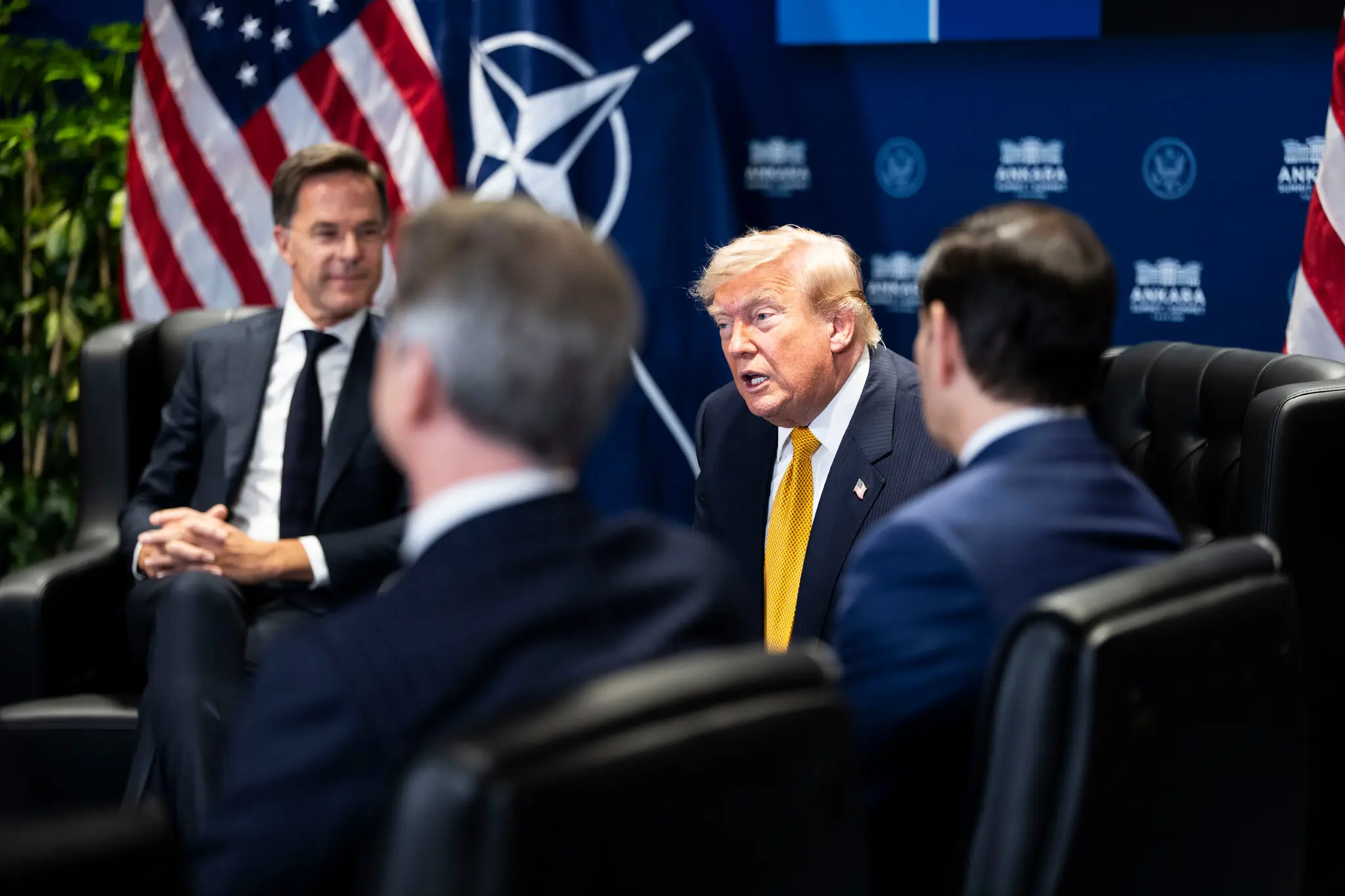
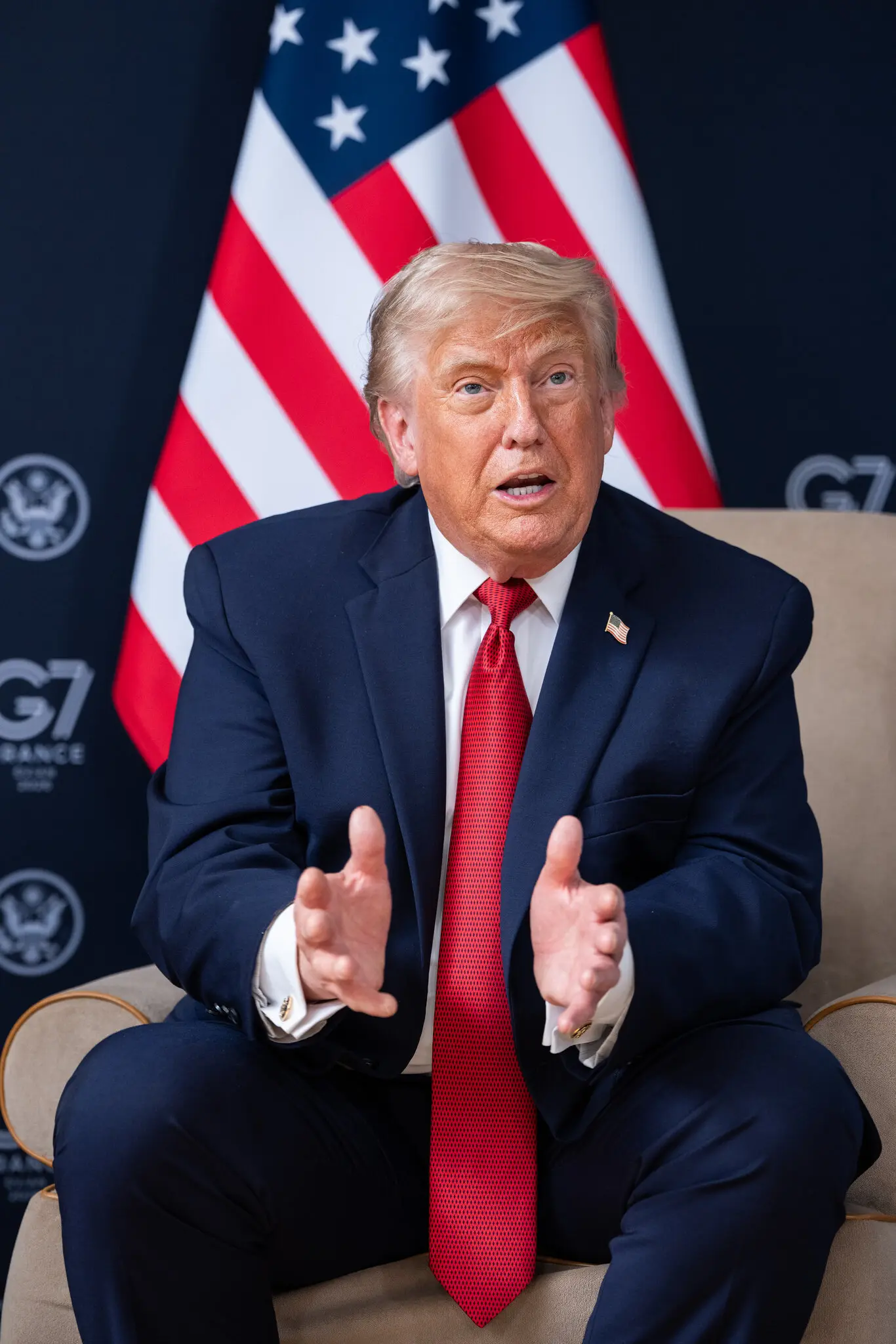
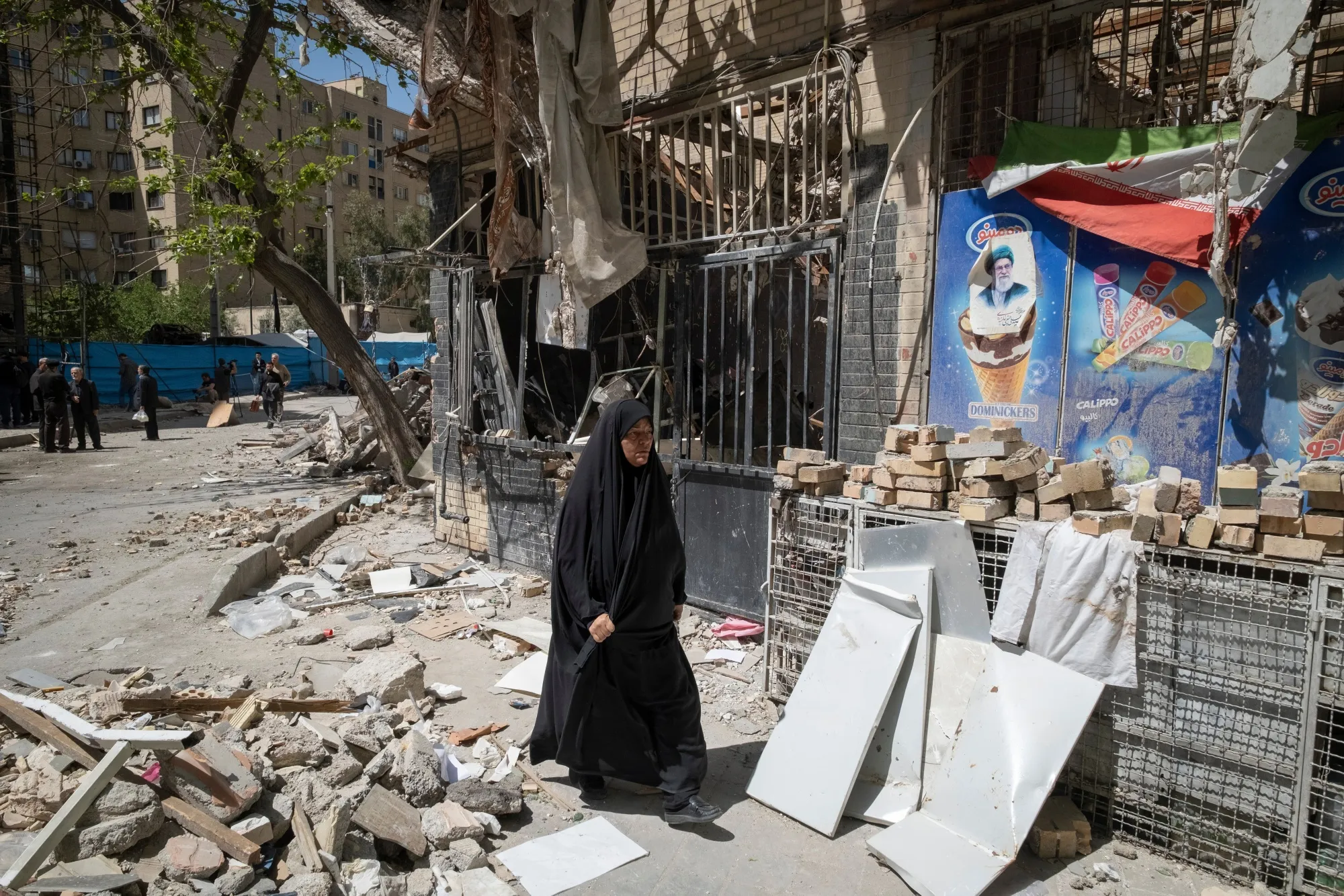
President Donald Trump is no longer hiding his doubts about the future of the agreement. His public assertion that the cease-fire was probably “over” came after Iranian attacks on U.S. military sites in Bahrain and Kuwait, and after new American strikes against targets inside Iran.
For the region, this marks a return to the most dangerous logic of war: every move is framed as retaliation, yet each one also creates the grounds for another strike. Conflicts of this kind rarely explode because of a single decision. More often, they spiral through a series of limited actions, each of which appears controlled until control disappears.
The cease-fire between the United States and Iran, recently presented as a chance to halt the war, has within hours become a fragile legal shell without a stable political foundation. The latest exchange of strikes in the Persian Gulf shows that the two sides are not so much moving toward peace as trying to buy time before the next round of escalation.
President Donald Trump is no longer hiding his doubts about the future of the agreement. His public assertion that the cease-fire was probably “over” came after Iranian attacks on U.S. military sites in Bahrain and Kuwait, and after new American strikes against targets inside Iran.
For the region, this marks a return to the most dangerous logic of war: every move is framed as retaliation, yet each one also creates the grounds for another strike. Conflicts of this kind rarely explode because of a single decision. More often, they spiral through a series of limited actions, each of which appears controlled until control disappears.
According to Daycom’s earlier analysis, the central weakness of the current cease-fire was built into its design. It was meant to stop the fighting and restore traffic through the Strait of Hormuz, but it postponed the hardest questions: Iran’s nuclear program, its stockpile of highly enriched uranium, its missile arsenal and Tehran’s actual role in controlling a critical maritime corridor.
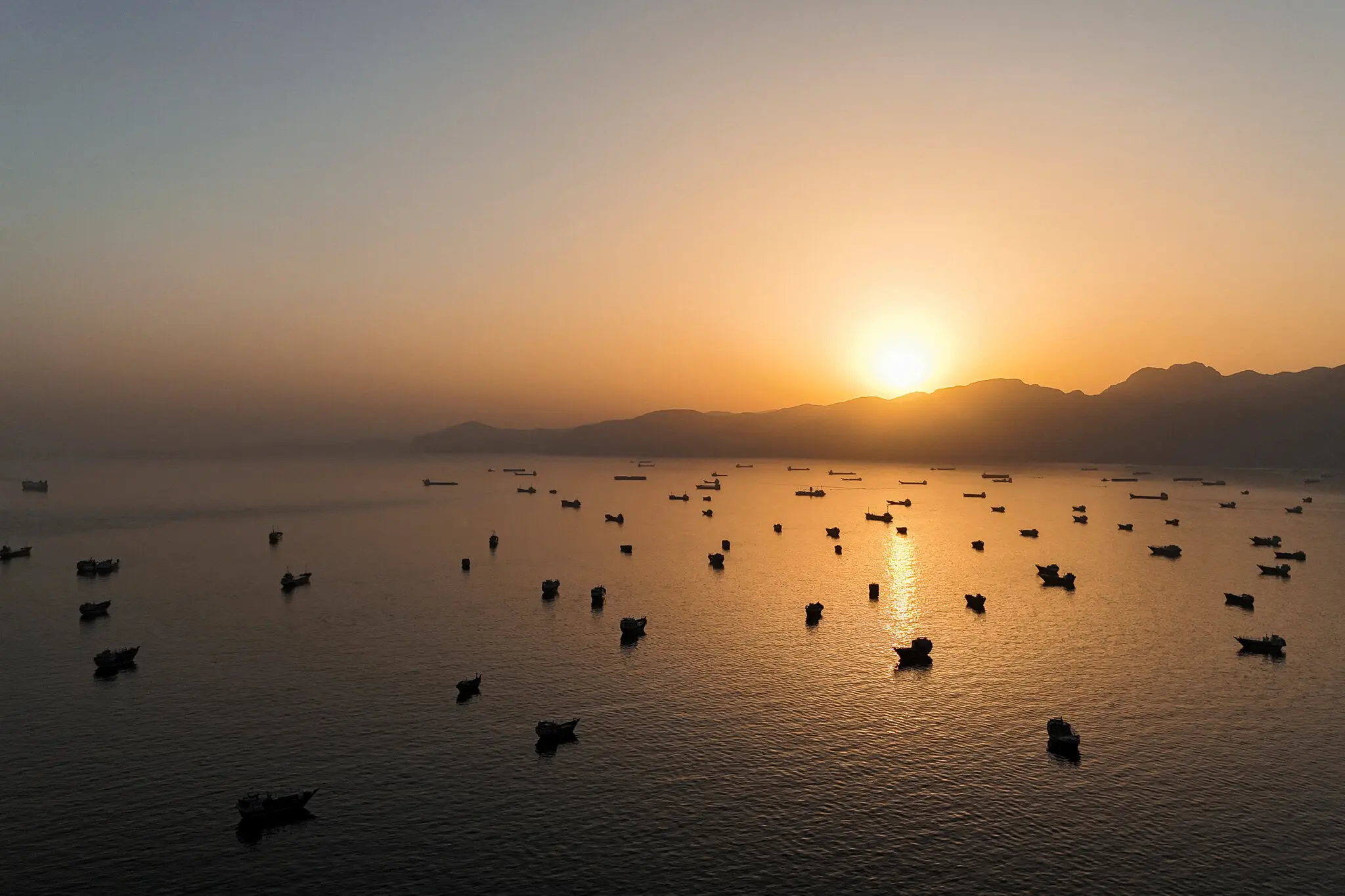
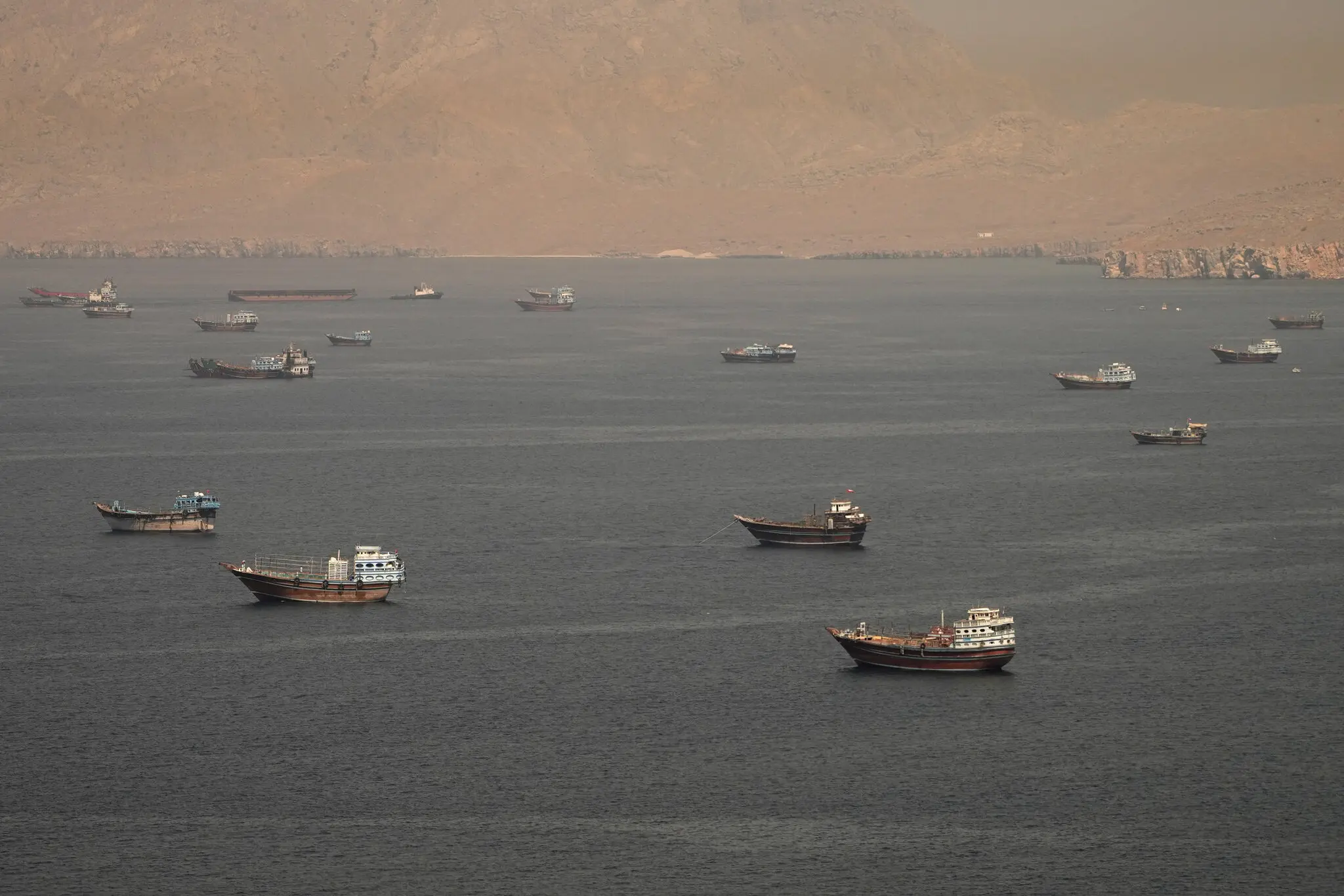
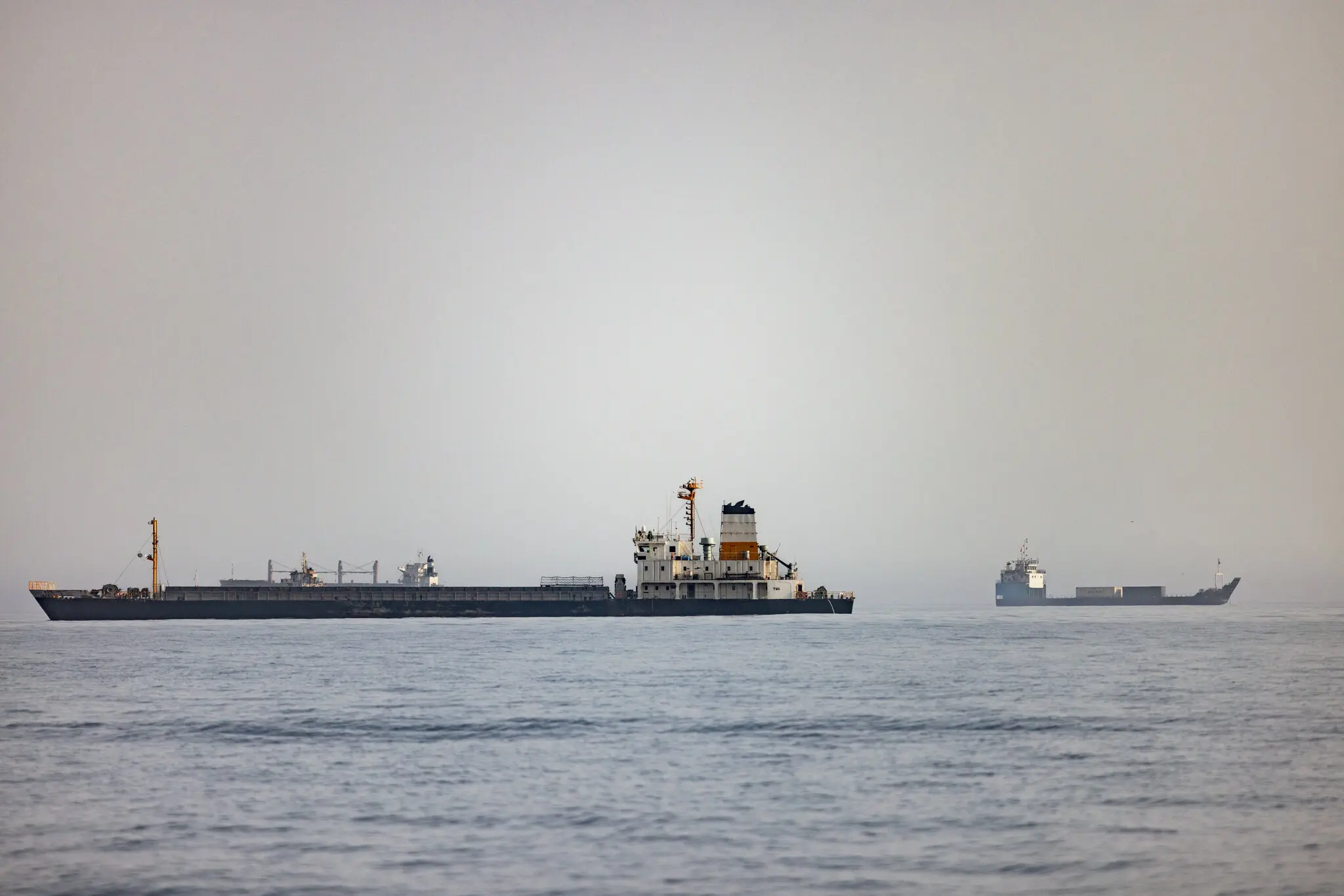
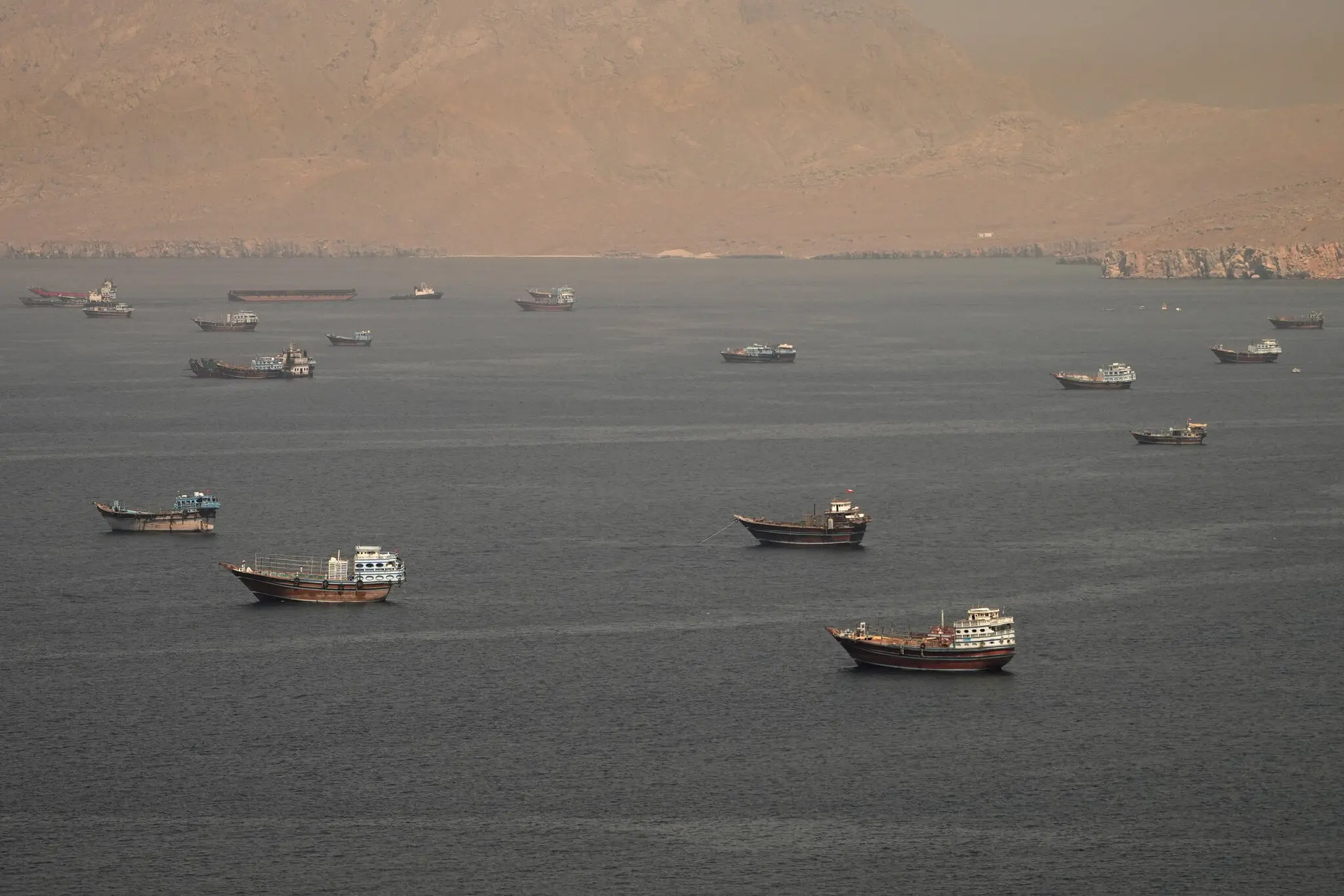
The Strait of Hormuz has become the nerve center of this crisis. A significant share of global oil and gas flows passes through it, which means that any military risk there moves instantly from the regional sphere into the global economy. Iran has long understood this vulnerability, but it is now trying to turn control over routes into a formalized instrument of pressure.
Tehran insists that it has the right to determine safe routes for vessels in the strait. Washington sees this as an attempt to impose unilateral control over international shipping. In this dispute, legal formulas matter less than the practical question: who gets to dictate the movement of tankers, gas carriers and warships through one of the most sensitive points on the world’s energy map.
Attacks on commercial vessels, including a Saudi oil tanker and a Qatari liquefied natural gas carrier, have shattered a brief period of cautious market optimism. Shipping companies are once again forced to calculate not only freight costs, but also the risks of missiles, drones, mines and mistaken identification in a crowded military zone.
The oil market reacted quickly. Brent crude rose to about $78 a barrel, climbing back above prewar levels. This is not yet a price shock on the scale of the largest energy crises, but it is already a signal that markets no longer believe in a linear recovery. Investors are once again pricing in political risk, not merely the balance between supply and demand.
The situation is made more fragile by the fact that neither side has strong incentives to concede. For the United States, freedom of navigation in the Strait of Hormuz is a question of global order and allied confidence in the Persian Gulf. For Iran, the strait may be one of its last tools of strategic leverage after strikes on its military infrastructure, sanctions pressure and the loss of part of its political leadership.
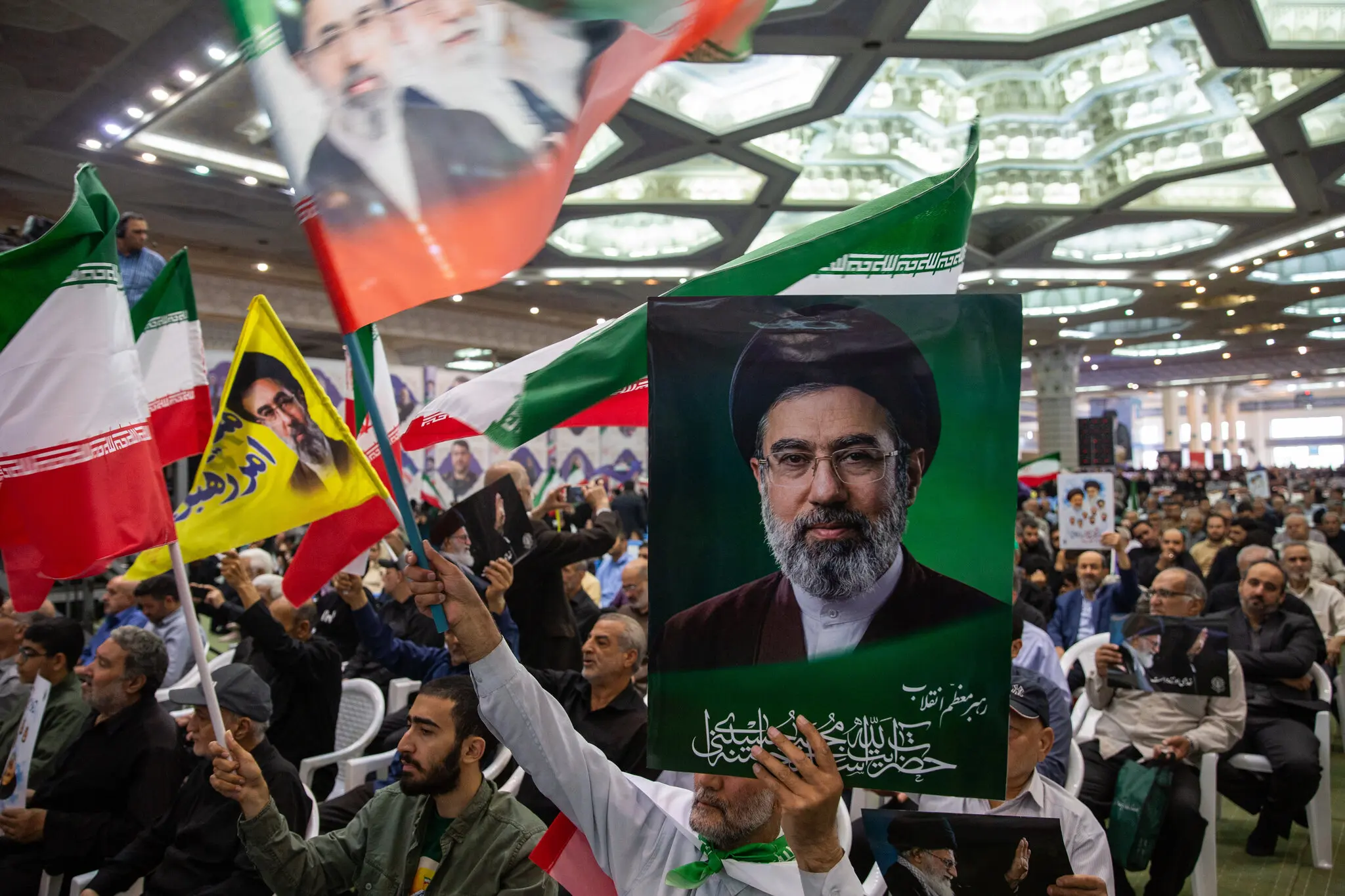
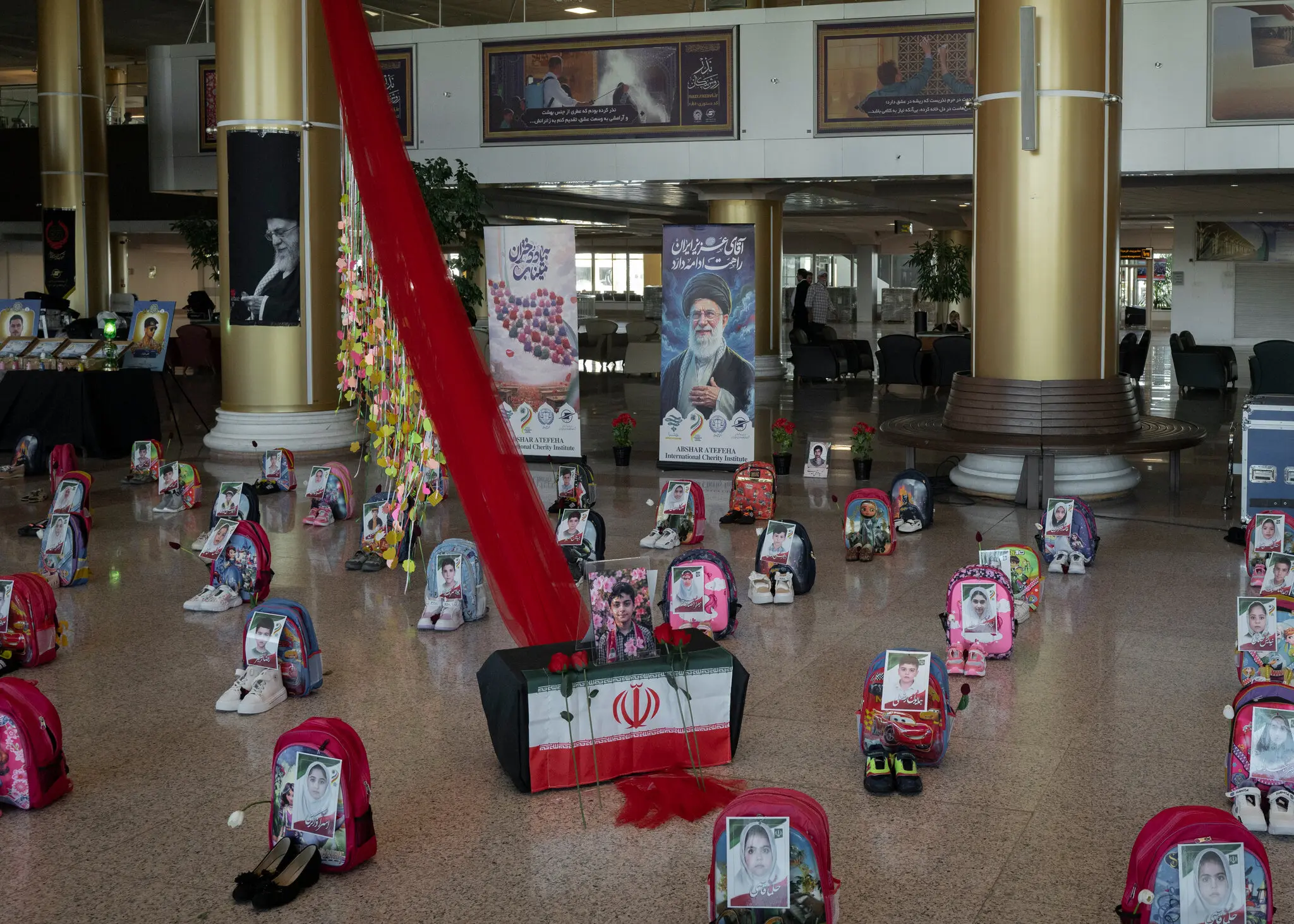
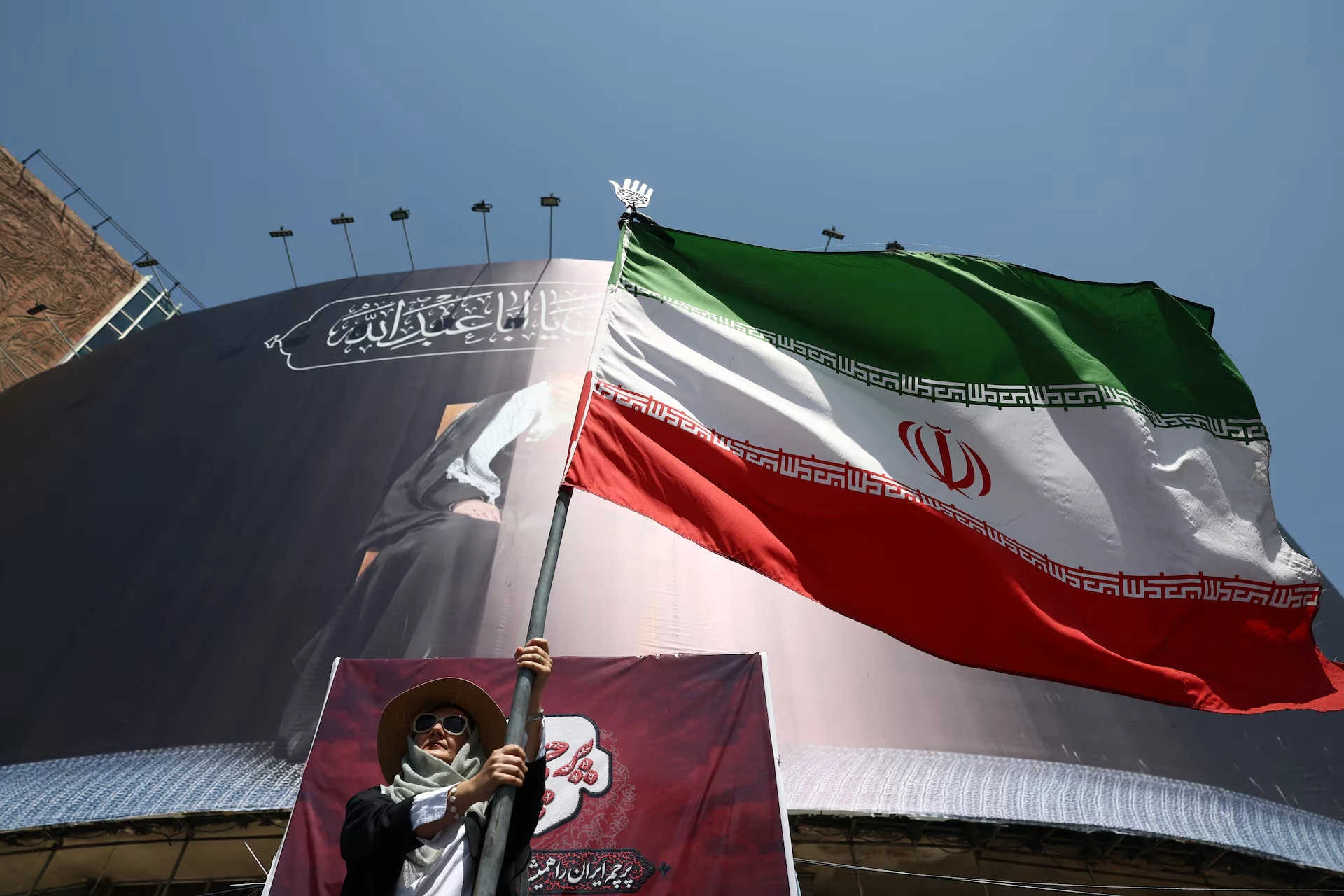
The death of Ayatollah Ali Khamenei, killed at the beginning of the war, has added another dimension to the conflict. Days of funeral ceremonies in Iran and Iraq have become not only a religious farewell, but also a demonstration of the system’s political resilience. The authorities are trying to show that a strike against the leadership did not break the state, but instead strengthened its symbolic mobilization.
Funeral processions in Najaf and Karbala, along with preparations for burial in Mashhad, have allowed Tehran to transform the loss of its leader into a regional ritual of solidarity. There is a cold political calculation in this: Iran is signaling that its influence across Shiite networks in Iraq, Lebanon and Yemen has not disappeared, even after a series of American-Israeli strikes.
For the new Iranian leadership associated with Mojtaba Khamenei, concessions under pressure and during mourning would be dangerous at home. Hard-line forces around the Islamic Revolutionary Guards Corps are already demanding that the agreement with the United States be formally torn up. That does not necessarily mean an immediate decision, but it sharply narrows the space for diplomacy.
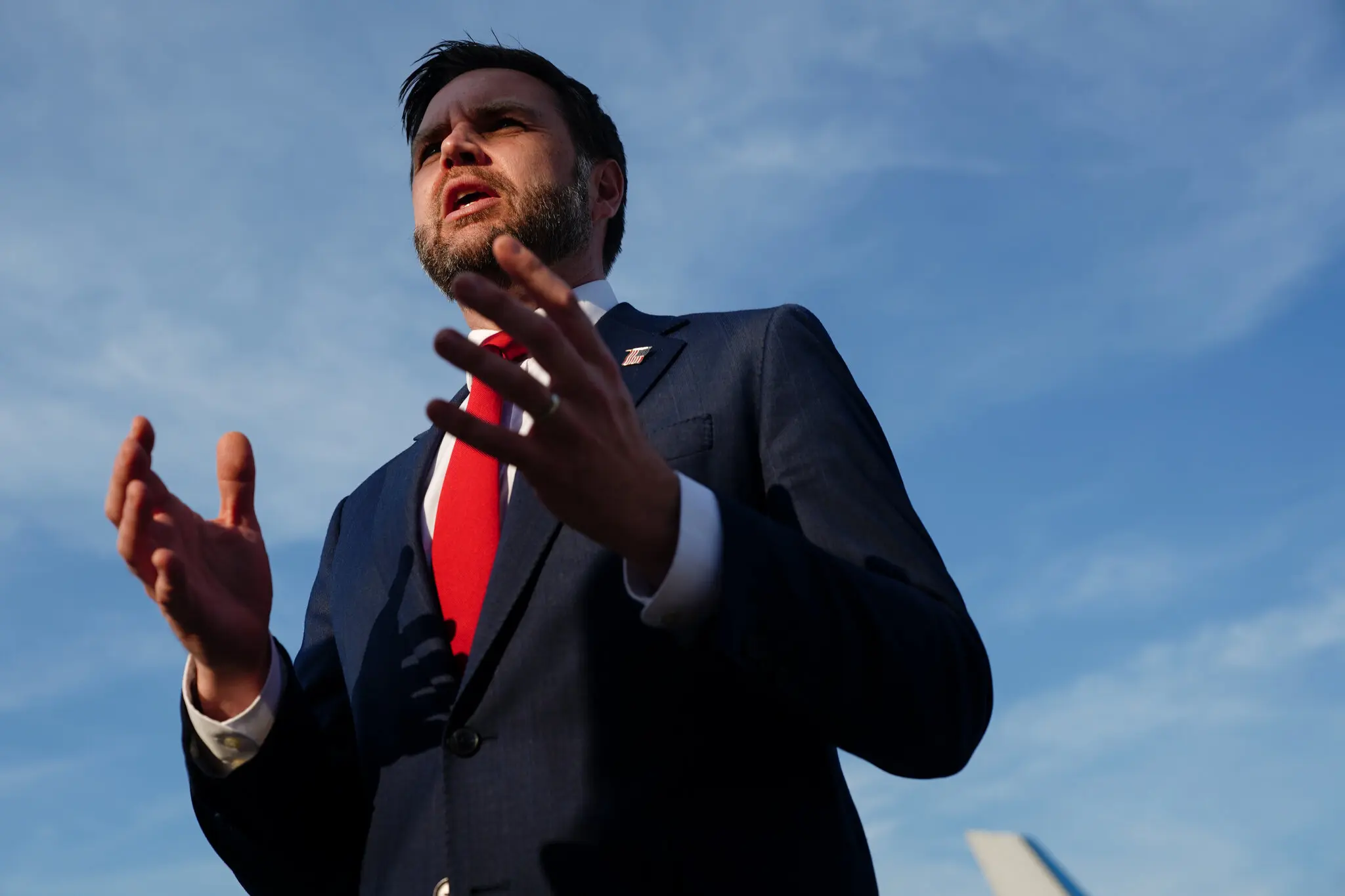
Trump, for his part, faces a set of bad options. New strikes could demonstrate strength, but they risk drawing the United States into a prolonged campaign with unpredictable costs. A naval blockade of Iranian ports would put pressure on Tehran’s economy, but it would require a sustained military presence and could trigger further attacks on U.S. bases and allied energy infrastructure.
A third option — living in a state of neither war nor peace — may prove the most realistic and the most exhausting. It would mean periodic strikes, short pauses, mediation by Qatar and Pakistan, incomplete deals and permanently reduced traffic through the Strait of Hormuz. Global markets would adapt, but the cost of that adaptation would be embedded in oil prices, insurance, logistics and political instability.
The deepest problem is that the cease-fire has not created a shared vision of the endgame. The United States wants guarantees on Iran’s nuclear program, freedom of navigation and limits on Iranian military influence. Iran wants sanctions relief, recognition of its role in the Gulf and proof that Washington is not seeking the final dismantling of the regime.
There is almost no natural zone of compromise between these aims. That is why every technical detail — a tanker route, a sanctions waiver, a drone flight, a general’s statement — becomes a political test of strength. When there is no trust, even a temporary agreement does not function as a bridge to peace, but as a pause before the next round of bargaining under fire.
The Hormuz crisis has already moved beyond a bilateral conflict. Qatar, Saudi Arabia, Kuwait and Bahrain must rely on the American security umbrella while fearing that the same umbrella turns them into targets. China, a major energy consumer, is weighing its purchases carefully. Europe is again being reminded that energy stability remains hostage to wars far beyond its borders.
The current phase of the war is dangerous not only because of the possible scale of the next strike, but because the boundaries are increasingly blurred. The sides still speak of negotiations, but they are already behaving as though they are preparing for a long confrontation. In such a mode, diplomacy does not disappear entirely, but it becomes a tool for managing escalation rather than a path to final settlement.
The truce at Hormuz does not have to die formally. It may be rewritten, suspended, partially restored or covered by another mediation formula. But the political reality is already clear: an agreement that does not answer the central questions of the war cannot stop the war. It merely carries it into the next round — costlier, more volatile and more dangerous for everyone.
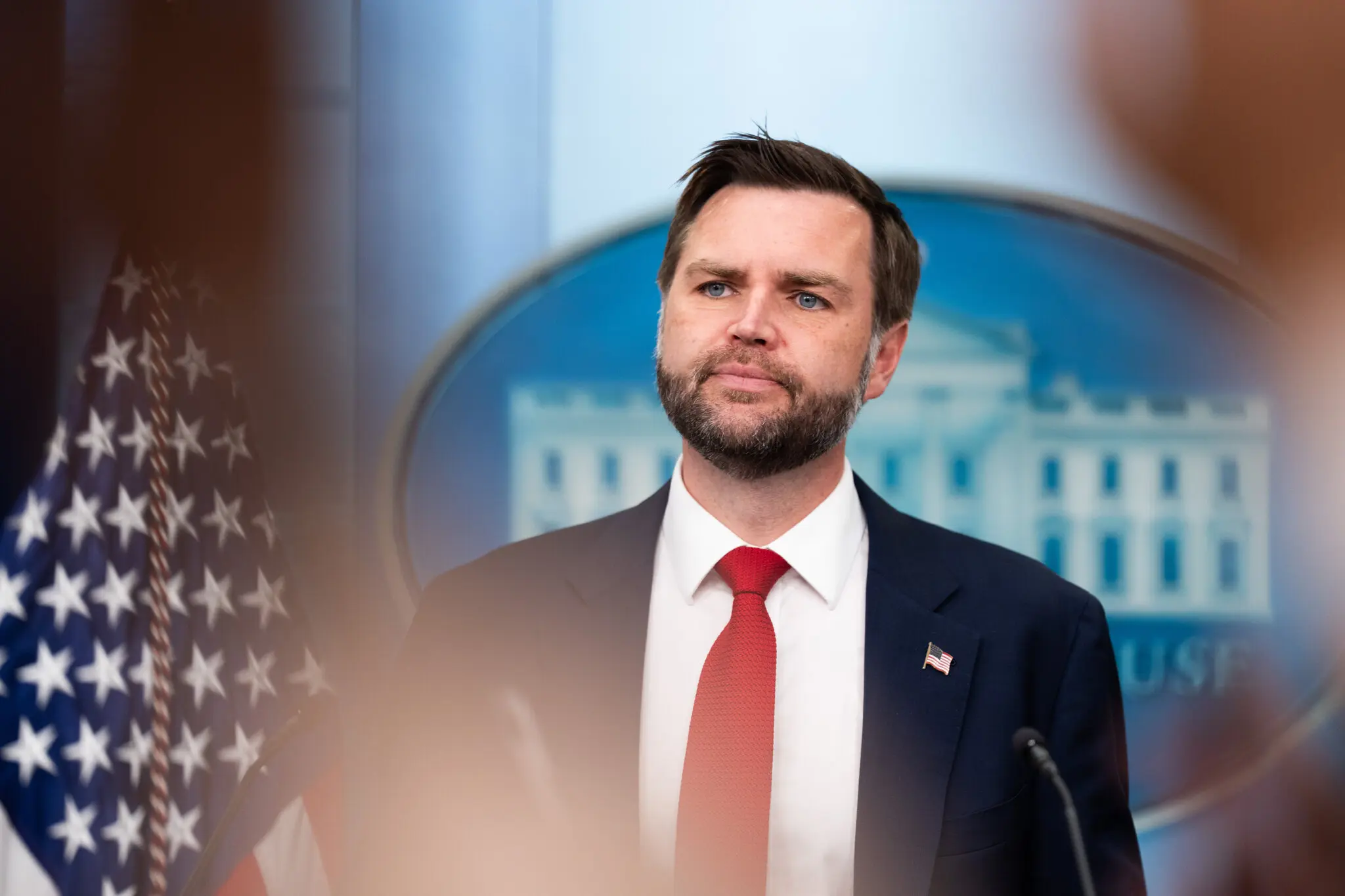



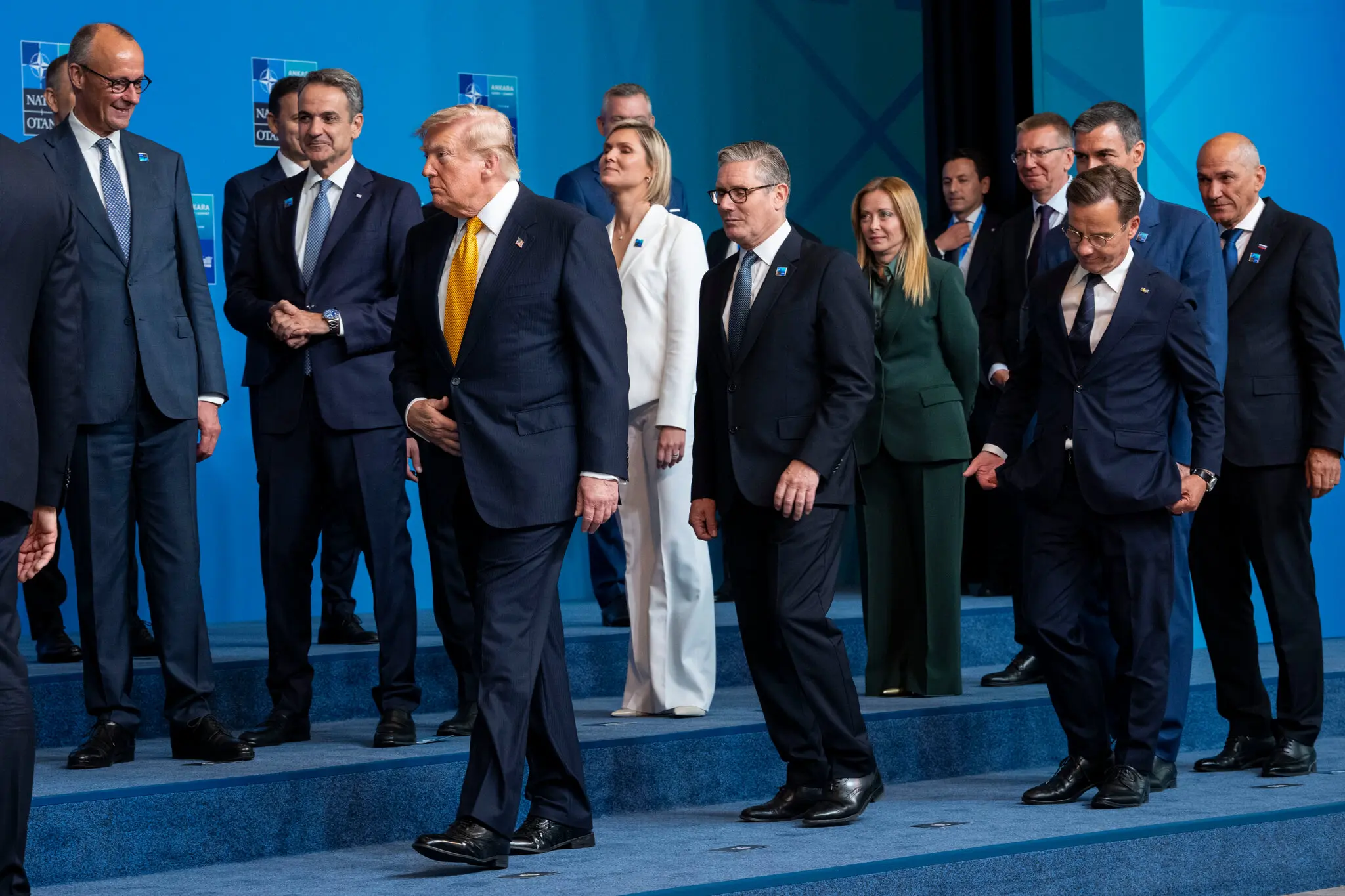
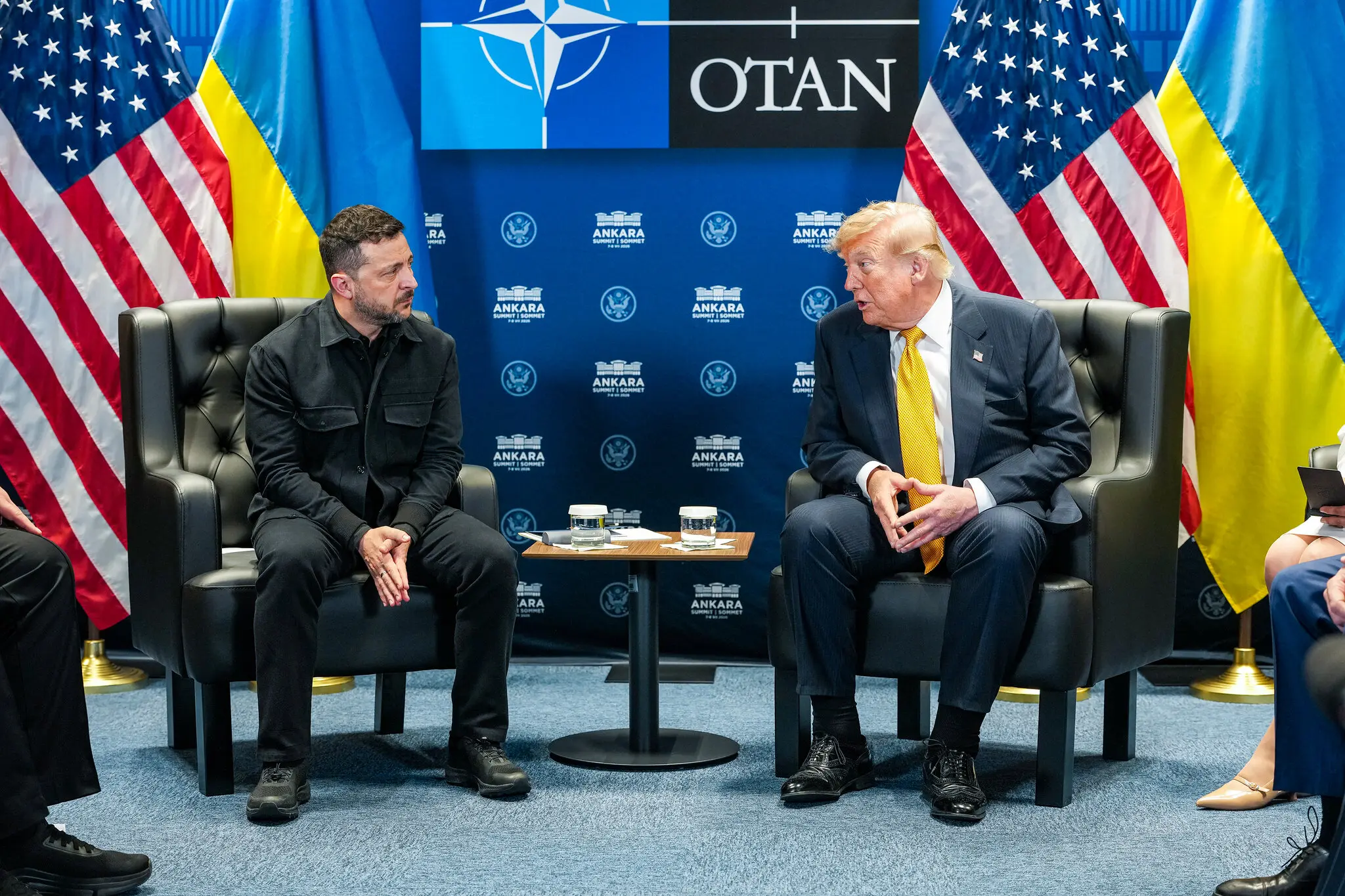
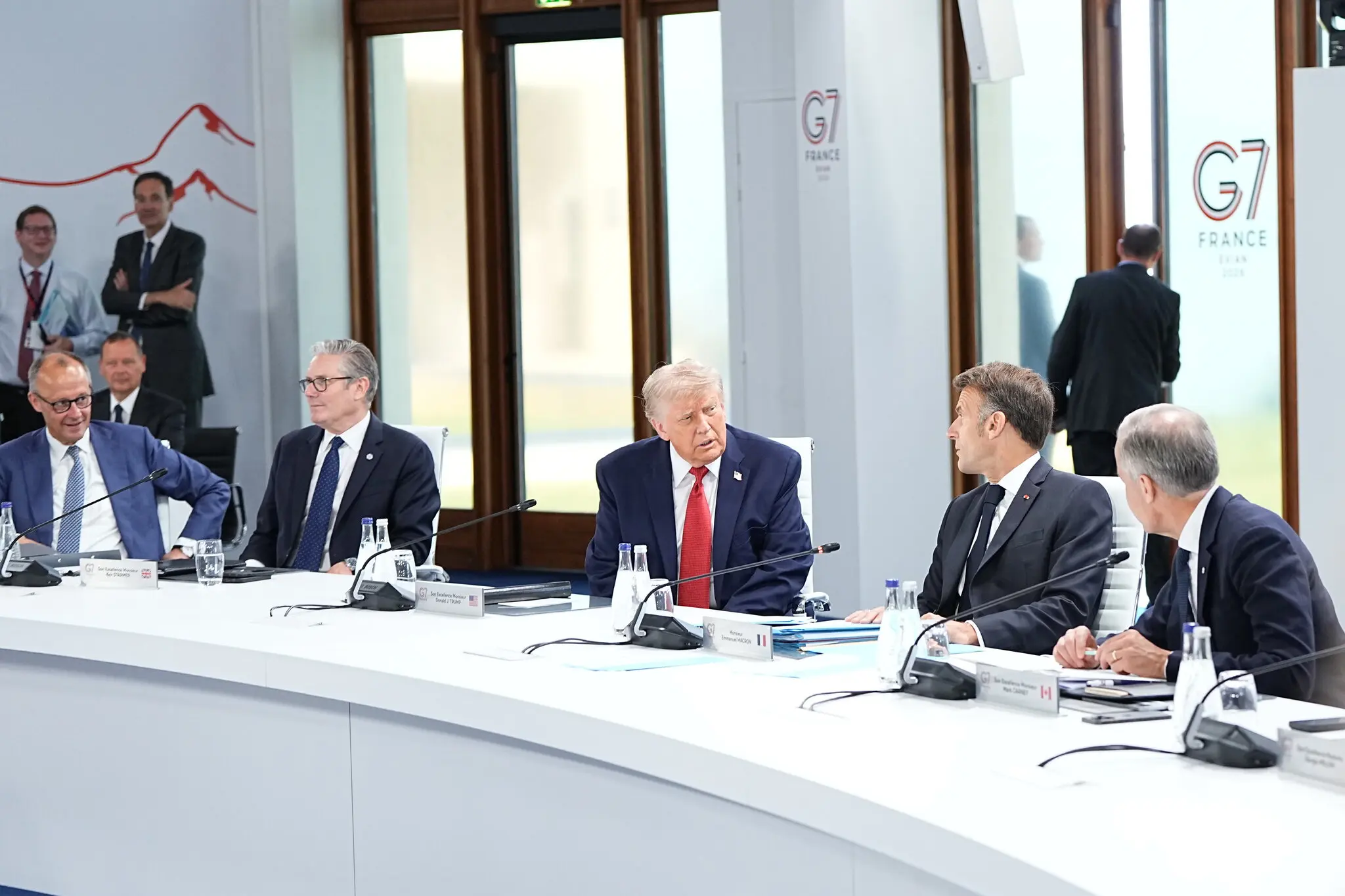 Президент Трамп та інші лідери під час робочої зустрічі в середу — Хайюнь Цзян
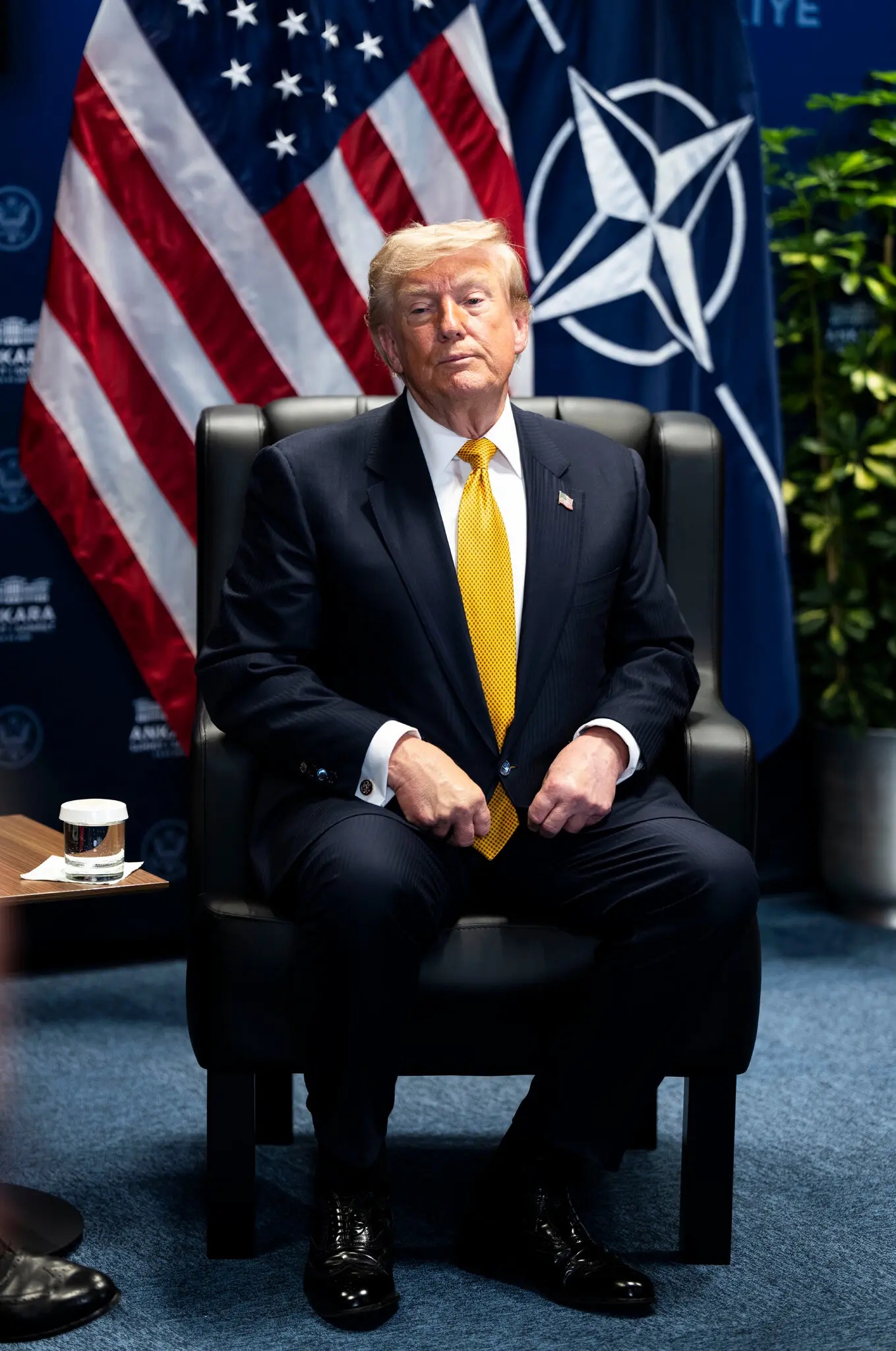
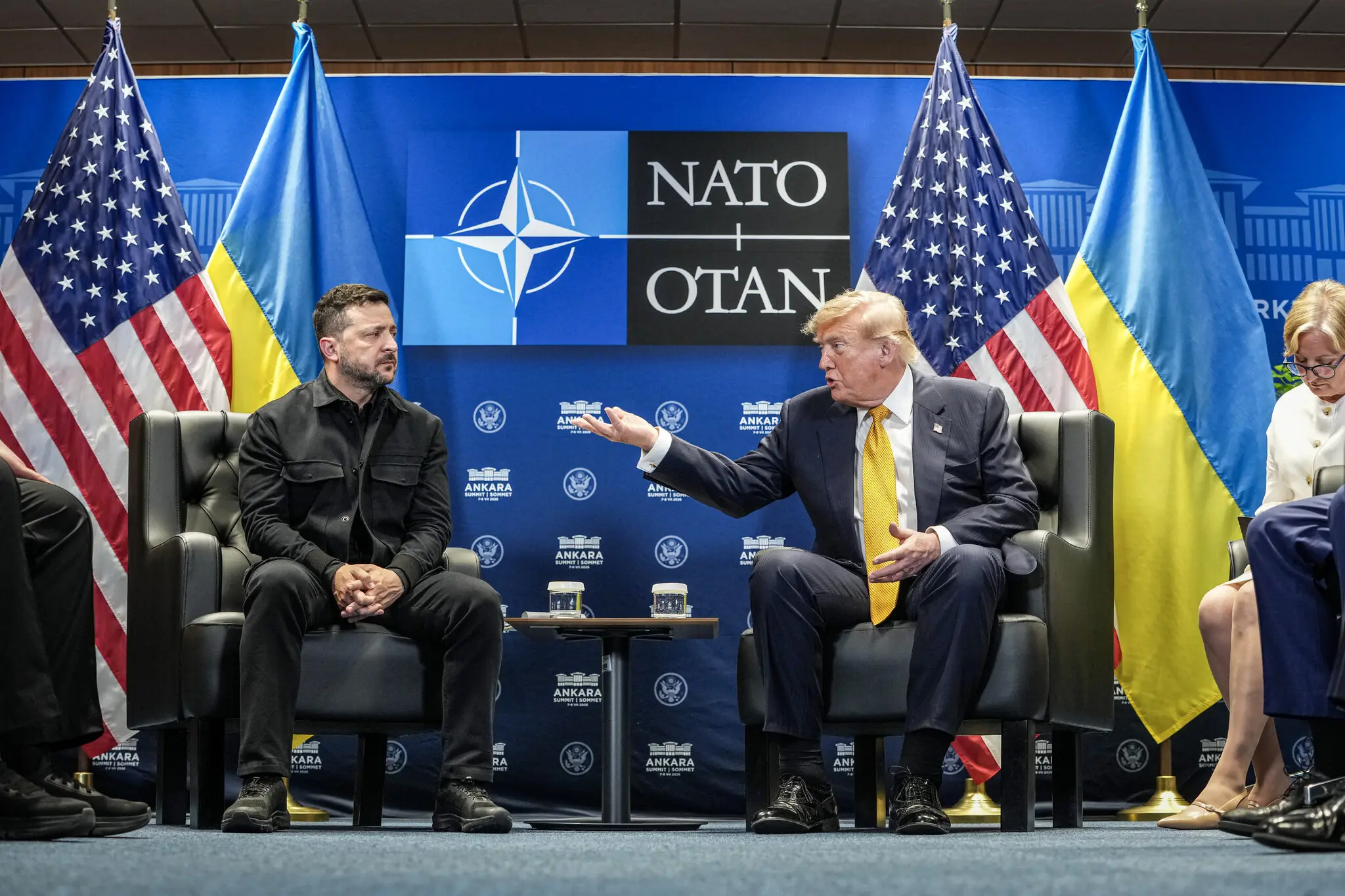
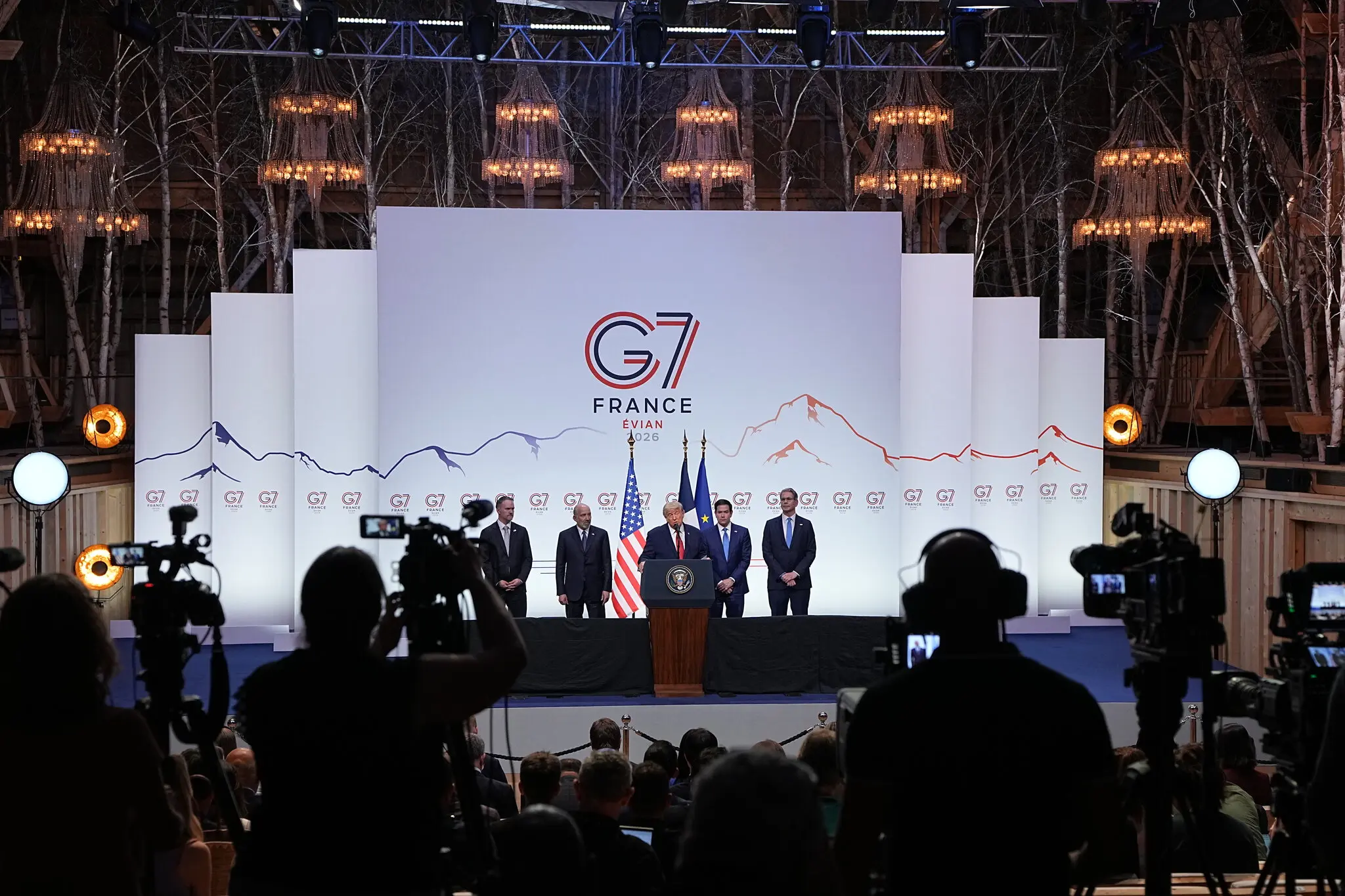
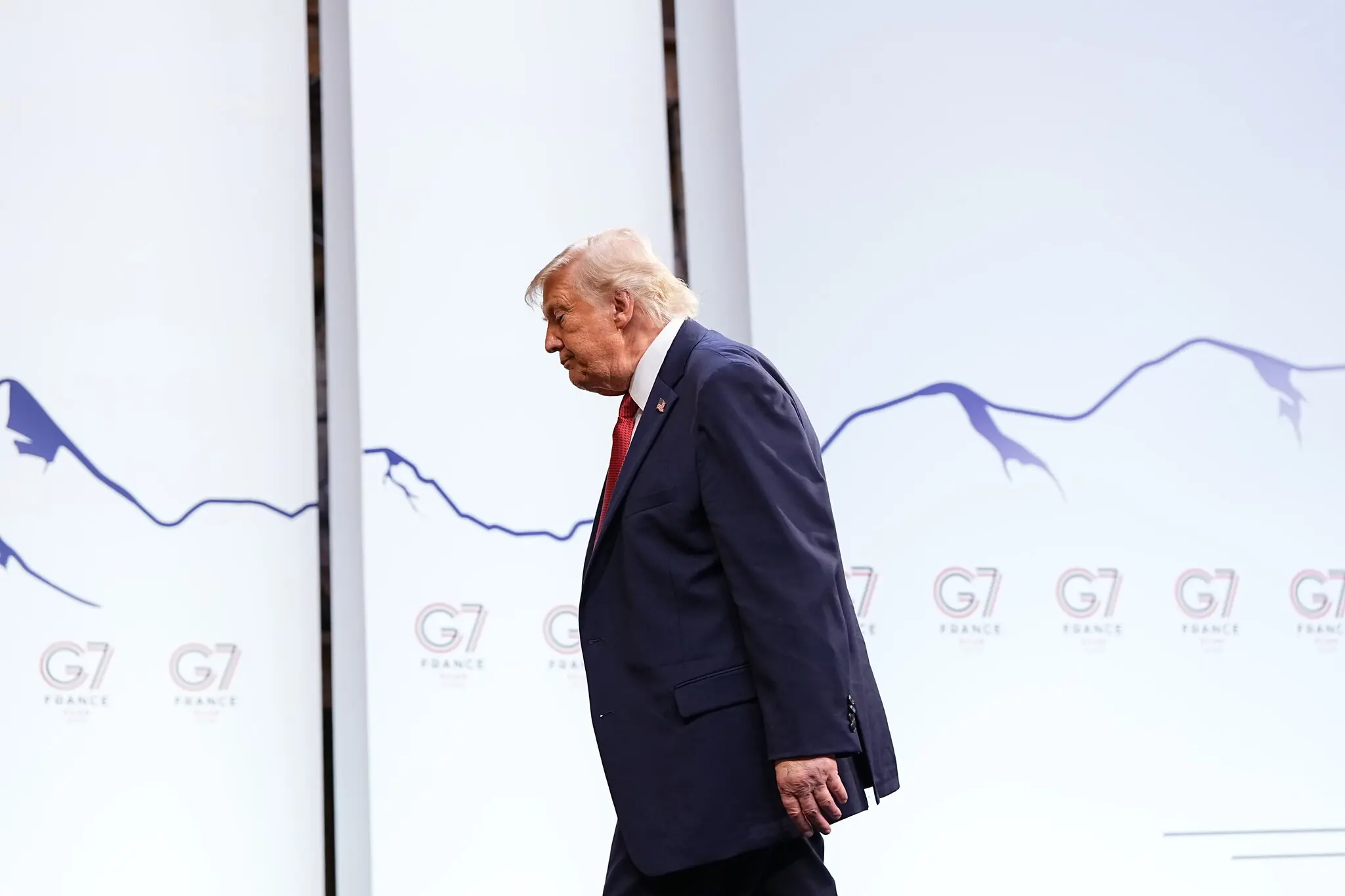 Президент США Трамп на саміті G7 в Евіан-ле-Бен, Франція, у середу — Хайюнь Цзян