





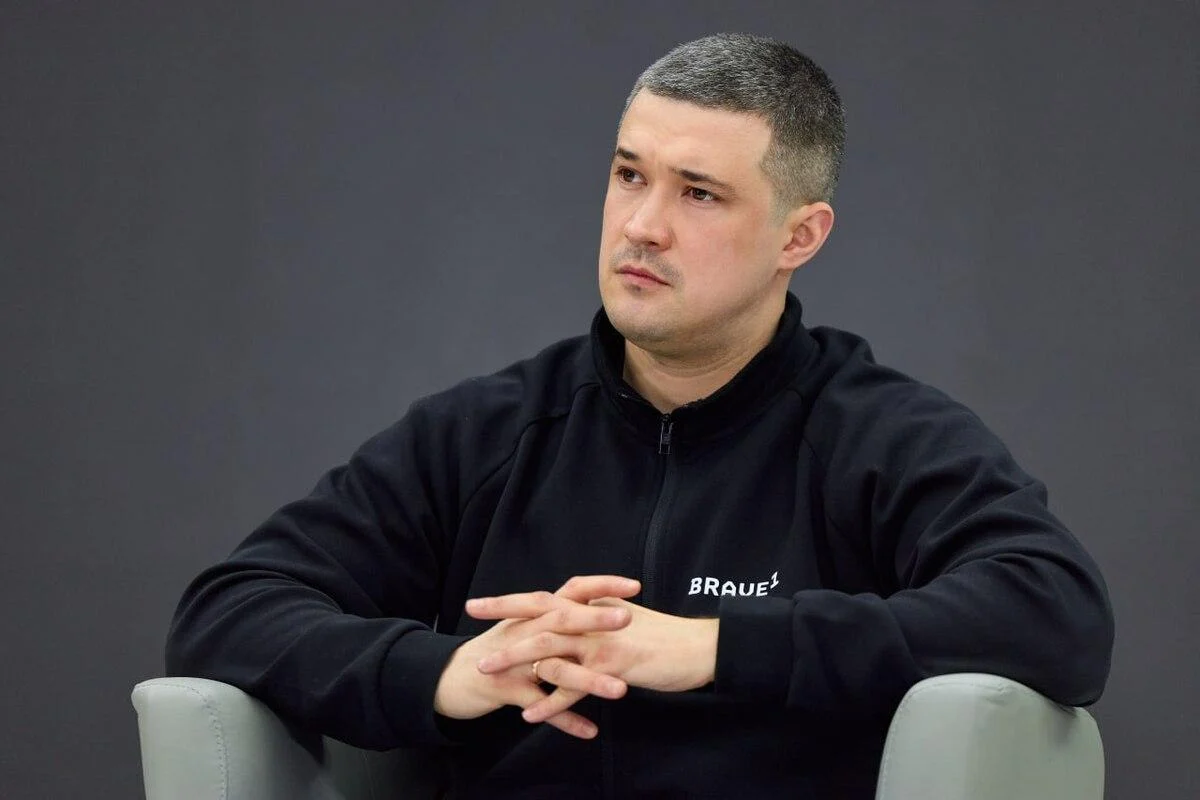












Ukraine-Russia talks under U.S. mediation could resume in the near future, but Kyiv is already lowering expectations for the next round. Kyrylo Budanov said the first contacts would most likely focus on technical issues and would serve mainly as preparation for a much broader political agreement.
Budanov, who represents Ukraine in the negotiations, said the process could become visible again very soon. A day earlier, he suggested Ukrainian and Russian representatives might meet in September and stressed that U.S. participation remains essential for Kyiv.
His assessment of when the war might end was far more cautious. Asked whether the fighting could stop before winter, Budanov said such an expectation was unrealistic. Russia, he argued, still shows no readiness to take the reciprocal step required for a political compromise.
The phrase “technical talks” is therefore central to understanding the next stage. It does not mean a peace treaty is ready or that a Zelenskyy-Putin summit is imminent. The immediate task would be to restore a working negotiating process and establish which issues can realistically be elevated to the political level.
Daycom’s analysis indicates that Ukraine-Russia talks are entering not a phase of imminent peace, but a test of whether the parties can negotiate at all. A technical format allows them to explore procedural room for compromise without immediately conceding on the core territorial dispute.
There is no official agenda for the next round. It would therefore be premature to claim exactly what the delegations will discuss. In similar negotiations, technical work can include ceasefire mechanics, monitoring violations, humanitarian arrangements or preparation of documents, but no final list has been announced.
The previous rounds show why such an intermediate level matters. In February, Ukrainian, American and Russian representatives discussed possible parameters for ending the war, but no breakthrough followed. Kyiv and Moscow described one of the rounds as difficult, while Washington spoke only of limited progress.
Even without a comprehensive agreement, the parties have found narrow areas where deals were possible. One of the clearest results of U.S. mediation was a series of large prisoner exchanges, although Moscow and Kyiv later again accused each other of blocking parts of the process.
That is where the distinction between technical and political outcomes becomes crucial. Prisoner swaps can be implemented without resolving the border. Peace requires much more: a territorial settlement, security guarantees and an agreed mechanism for ending and policing the fighting.
Earlier in the year, there were also signs of limited movement on Ukraine’s future security. Budanov said the Russian side had, in principle, accepted discussion of a U.S.-backed model for postwar guarantees, although Moscow did not support a proposed summit between Zelenskyy and Putin.
The details of those guarantees remain too vague to judge their real strength. For Kyiv, the decisive question is not the label attached to them but the mechanism: what exactly would the United States and European allies be obliged to do if Russia launched another major attack after an agreement.
Western partners have also discussed a layered system for responding to possible ceasefire violations. Such a model could involve escalating responses from Ukraine, European allies and the United States depending on the scale and character of a breach.
The debate itself illustrates how complicated the phrase “ceasefire” is. It is not enough simply to name a date when both sides stop shooting. Negotiators must define the line of control, methods for recording violations, monitoring structures and the threshold at which an incident triggers a response.
That is precisely where technical negotiations can become useful. Political leaders can agree on principles only if specialists determine whether those principles can actually work along a front stretching hundreds of kilometres and involving artillery, drones, aircraft and sabotage groups.
The central obstacle, however, is not technical. Moscow continues to demand that Ukraine withdraw from parts of the Donbas that Russian forces have still not fully captured. Kyiv refuses to surrender territory it continues to control, leaving the territorial dispute at the heart of the negotiations.
Russia’s claims extend beyond the Donbas. Moscow has declared the Donetsk, Luhansk, Zaporizhzhia and Kherson regions annexed despite not controlling them completely, and insists that any settlement must reflect what it calls the “realities on the ground.”
Ukraine is therefore searching for arrangements that could stop the fighting without formally handing Russia territory it has not occupied. Zelenskyy has previously spoken of a one-page set of ideas prepared with the United States and European partners for possible presentation to Moscow.
Those ideas reportedly include a ceasefire, the possibility of a special economic zone in part of eastern Ukraine under third-party administration, and questions concerning the future role of the European Union and NATO as well as commitments Kyiv might be prepared to make.
The Kremlin has already questioned whether such an economic zone could work, saying it regards the territory concerned as Russian. That reaction demonstrates how quickly an apparently technical arrangement returns to the fundamental dispute over sovereignty.
For Ukraine, such a model would also create dozens of practical questions. Who would exercise administrative control? Which laws would apply? Where would troops be stationed? How would borders function, and who would guarantee security? A short political formula could require hundreds of pages of implementation rules.
Budanov’s reference to preparing for “something big” should therefore not be read as a prediction of a rapid peace treaty. He appears to be describing a sequence: first restore a functioning negotiating mechanism, then determine whether sufficient political space exists for a broader settlement.
For now, he says, Russia has not reached even that point. Budanov argued that Ukraine is ready for reciprocal movement, while Moscow’s position is essentially that it might want progress but is still saying “no.”
Diplomatic activity has nevertheless accelerated. CIA Director John Ratcliffe visited Moscow this week and met senior Russian intelligence officials. Zelenskyy later said Washington had briefed Kyiv on several meetings in Moscow and praised the tone used by the American side in dealing with Russia.
That does not prove Ratcliffe’s trip was directly preparing a Ukraine-Russia negotiating round. Other issues reportedly included the possibility of a Russian operation against a NATO member and Moscow’s support for Iran. Still, the high-level intelligence channel adds to the broader diplomatic activity.
Washington and Moscow had also restored high-level military-to-military communication earlier this year after years of severe disruption. The U.S. side described that channel as a way to reduce the risk of accidental escalation between two nuclear powers.
It is an example of how technical communication can function even when strategic positions remain incompatible. Such channels do not end a war, but they can prevent individual crises, clarify intentions and build infrastructure that may later support wider negotiations.
Zelenskyy also believes the political window for U.S. mediation is limited. In his assessment, the most promising period could run from the G20 summit in the United States in December 2026 through the end of summer 2027, before American politics moves more deeply into the 2028 presidential campaign.
That means Kyiv does not see possible September talks as a final opportunity, but neither does it regard diplomatic time as unlimited. If negotiations stall again for many months, Washington’s priorities could shift and military positions on both sides could harden further.
The battlefield currently offers no obvious incentive for a rapid deal. Russia continues offensive operations in the Donbas and is trying to move closer to Ukraine’s belt of fortified cities, while Kyiv is seeking to convince Moscow that prolonging the war will become increasingly costly.
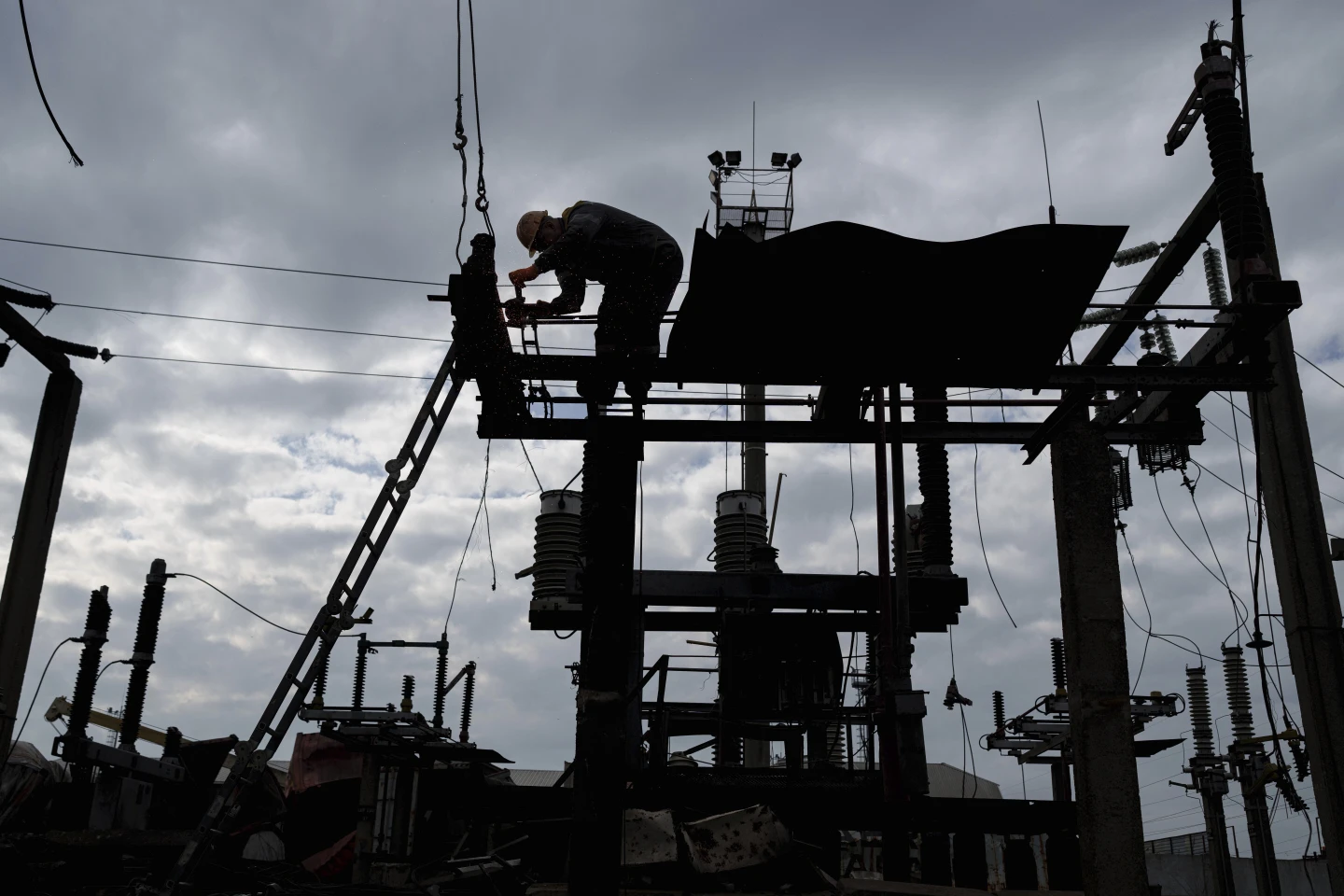
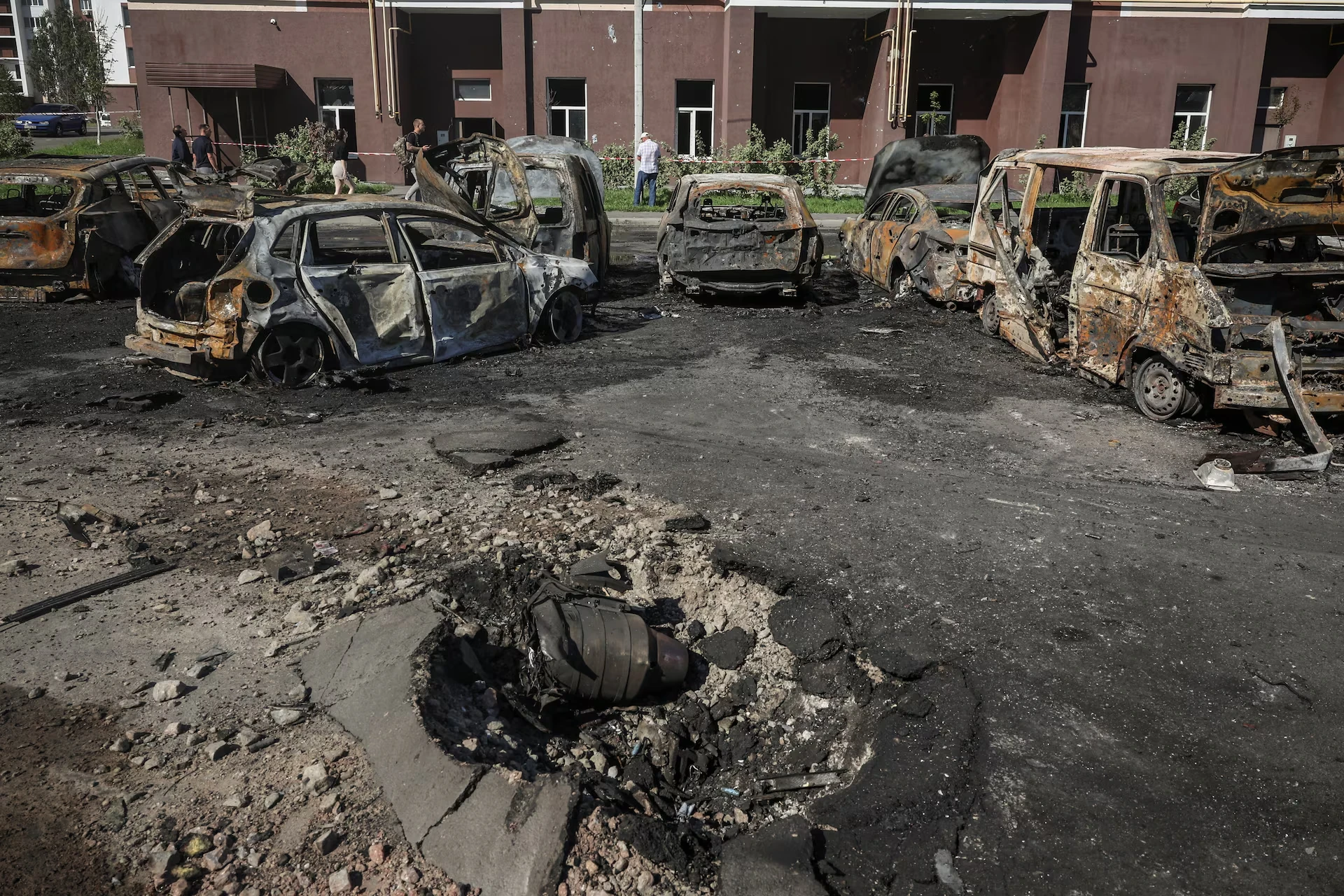
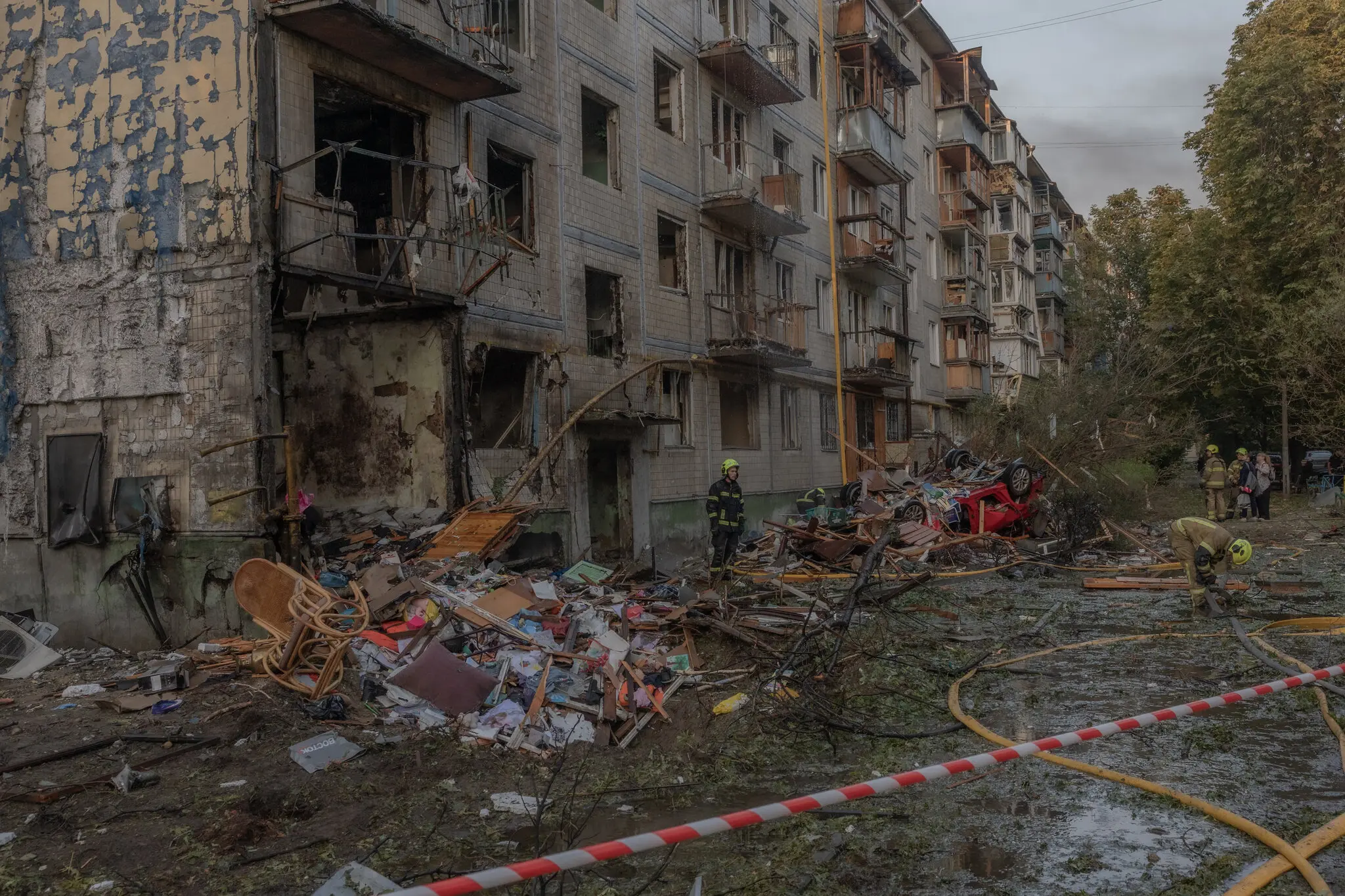
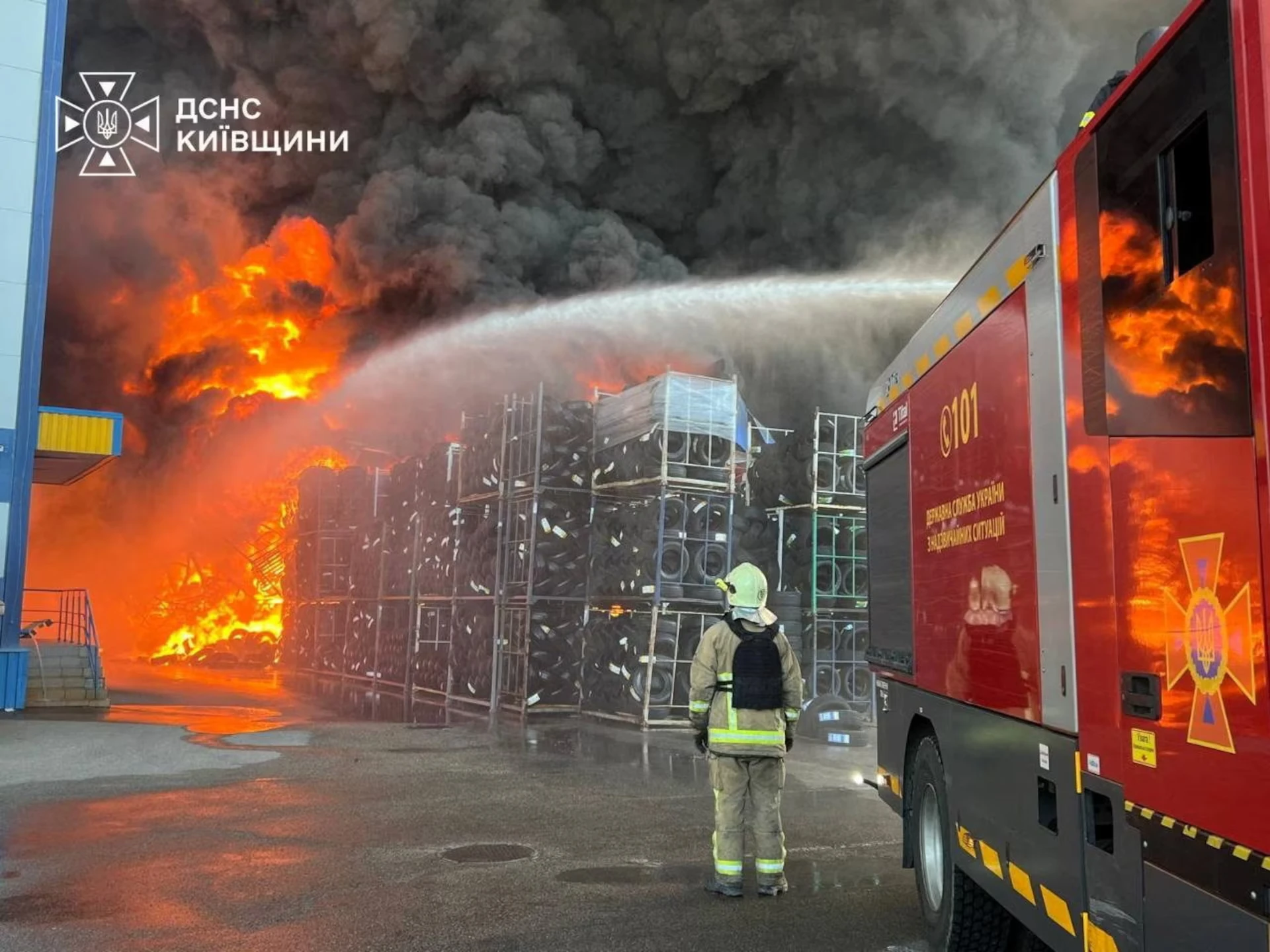
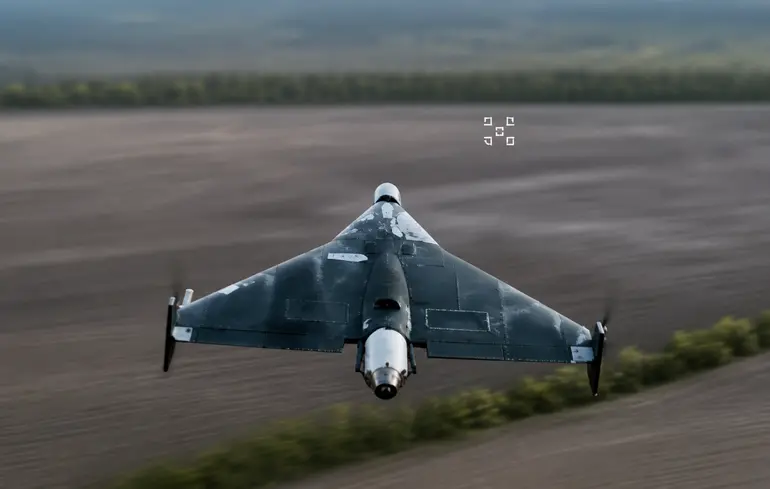
Both sides sharply intensified strikes on rear-area infrastructure in late August. Russia has attacked Ukrainian logistics, ports and other infrastructure and is expected to renew pressure on the energy system as winter approaches. Ukraine has simultaneously expanded strikes on Russian refineries and other energy facilities.
There is no contradiction between intensified attacks and renewed diplomacy. In wars, negotiations often become more active precisely when both sides are trying to improve their position before a possible settlement and demonstrate that continued fighting will cost the opponent more than compromise.
The approach of winter makes that calculation even harsher. Ukraine expects another Russian campaign against its power system, while Moscow is facing growing disruption from strikes on its own fuel infrastructure. Negotiations are therefore likely to develop alongside military pressure rather than replace it.
Budanov is not a peripheral figure in that process. He is directly involved in contacts with American and Russian representatives and is among the key Ukrainian officials participating in discussions over a possible settlement.
His comments should therefore be read as more than a general political forecast. They are the assessment of someone deeply engaged in the negotiations. Yet even Budanov has not named a fixed date, venue or final composition for the next meeting, suggesting the organisational details are still unsettled.
The most realistic outcome of an initial technical phase may not be peace, but the restoration of regular negotiations. Since the February rounds, Ukrainian and Russian representatives have mostly dealt separately with the Americans, while sustained trilateral diplomacy lost momentum.
If that format is restored in September, the first sign of progress may not be a dramatic communiqué. It may simply be the parties’ ability to agree on another meeting, create working groups and keep the process alive after the first serious disagreement.
Technical progress, however, has clear limits. No expert group can independently decide whether Ukraine should give up part of the Donbas or Russia should abandon claims to territories it has written into its constitution. At some point, negotiations inevitably return to decisions only political leaders can make.
That is where the deepest uncertainty remains. Moscow has yet to accept a formula Kyiv could live with without treating it as de facto capitulation, while Ukraine sees no reason to surrender territory merely in exchange for a promise that Russia will stop the war. One technical meeting cannot bridge that gap.
Possible September Ukraine-Russia talks should therefore be judged by a more modest standard: whether the parties can once again discuss concrete mechanisms without destroying the process at the first fundamental disagreement. After months of stagnation, even that would represent movement, but not a breakthrough.
Budanov has effectively described two realities at once. Diplomatic movement may begin very soon, while the war is still likely to continue through another winter. There is no contradiction between those conclusions; negotiations may be necessary precisely because a quick peace remains out of reach.
The central question is no longer simply whether the delegations will sit at the same table. It is whether technical discussions can build even one bridge between political demands that remain incompatible. If not, the next round will merely document the existing deadlock. If they can, it may provide the first real foundation in months for the “something big” Budanov says he hopes will eventually follow.