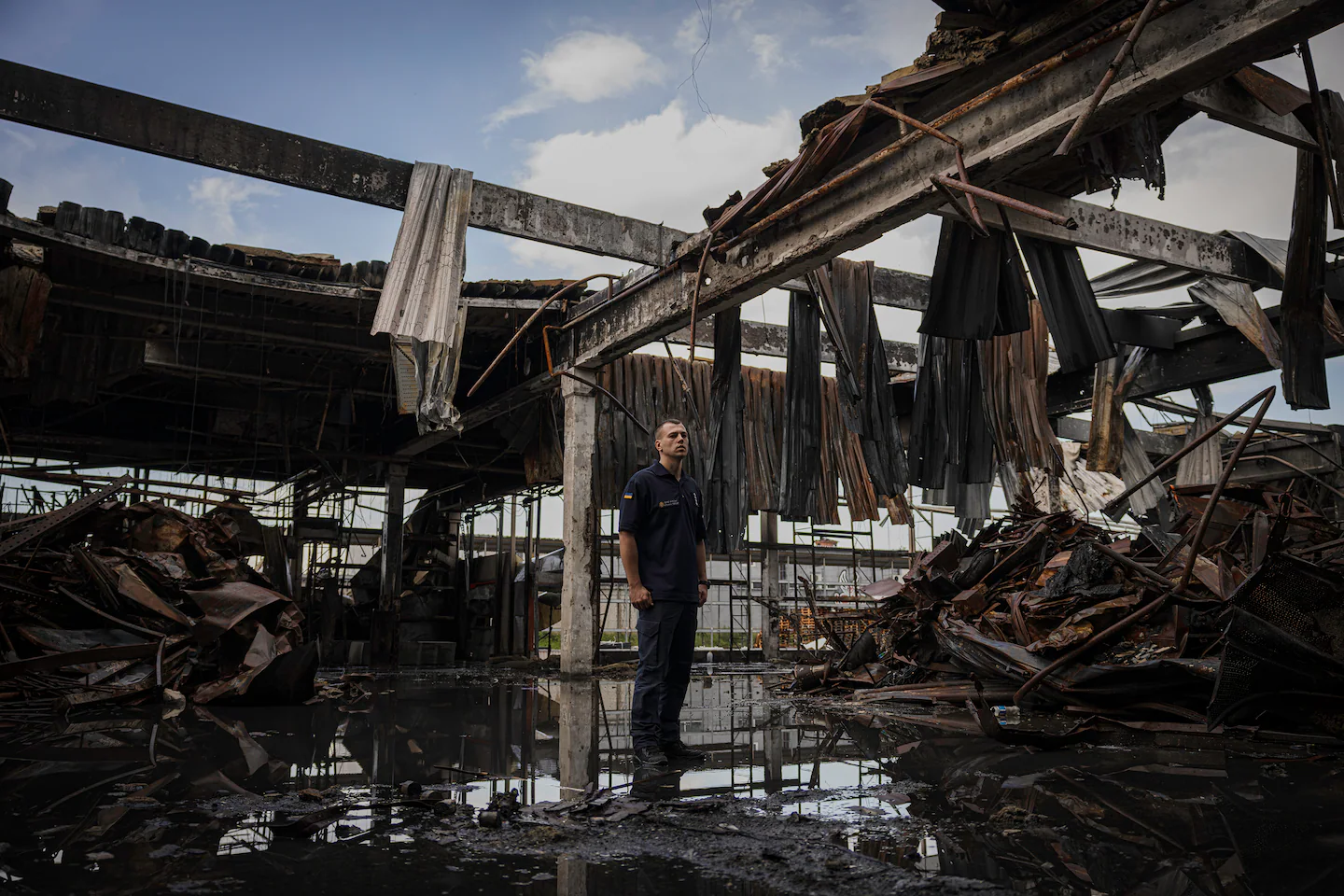









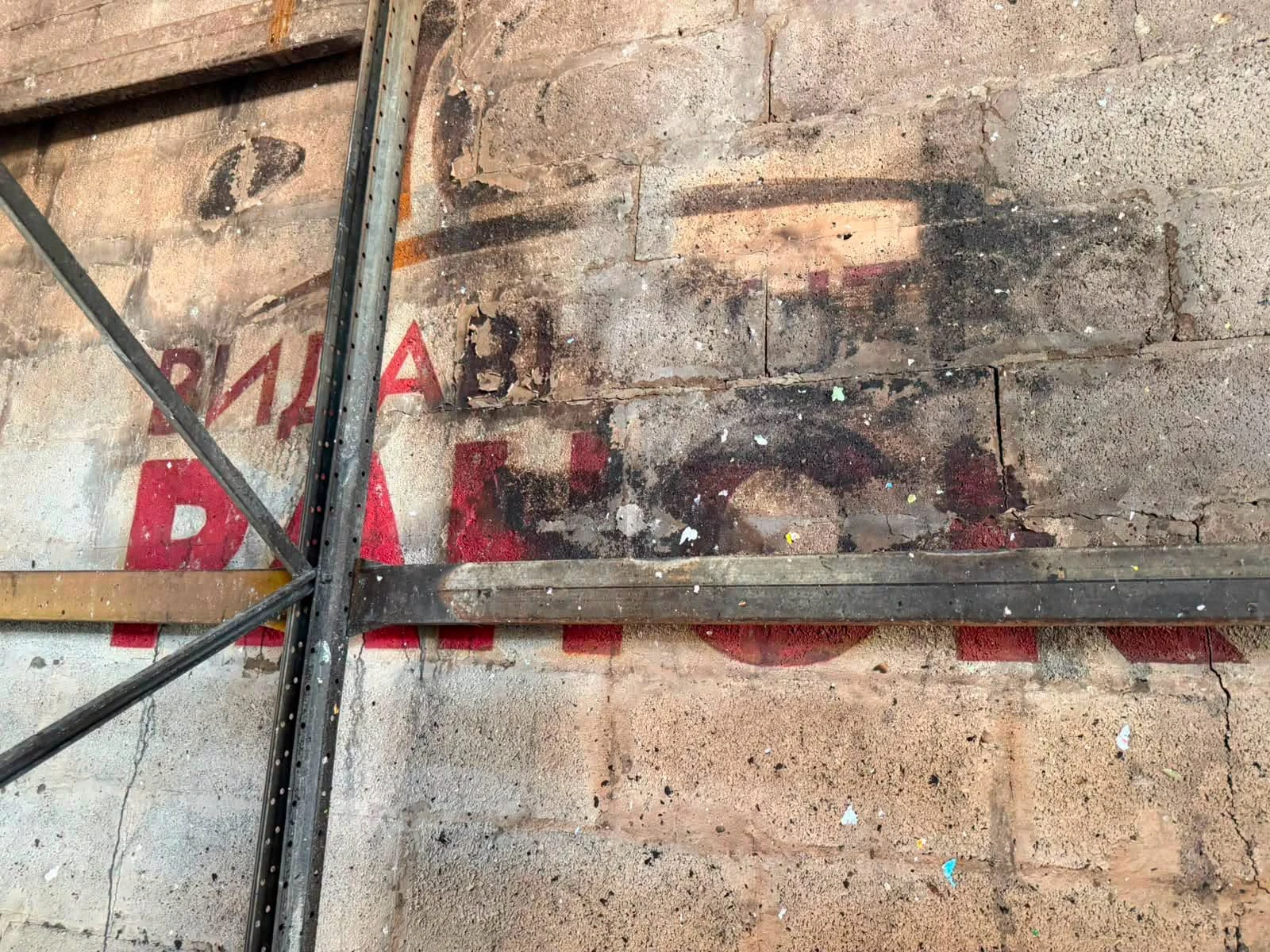




After a Russian strike destroyed a major RNK-Ranok logistics centre in Kharkiv, the Ukrainian publisher moved quickly from assessing the damage to putting a crisis-response plan into operation. Its most urgent task is replacing school textbooks that had been due for delivery before the start of the new academic year.
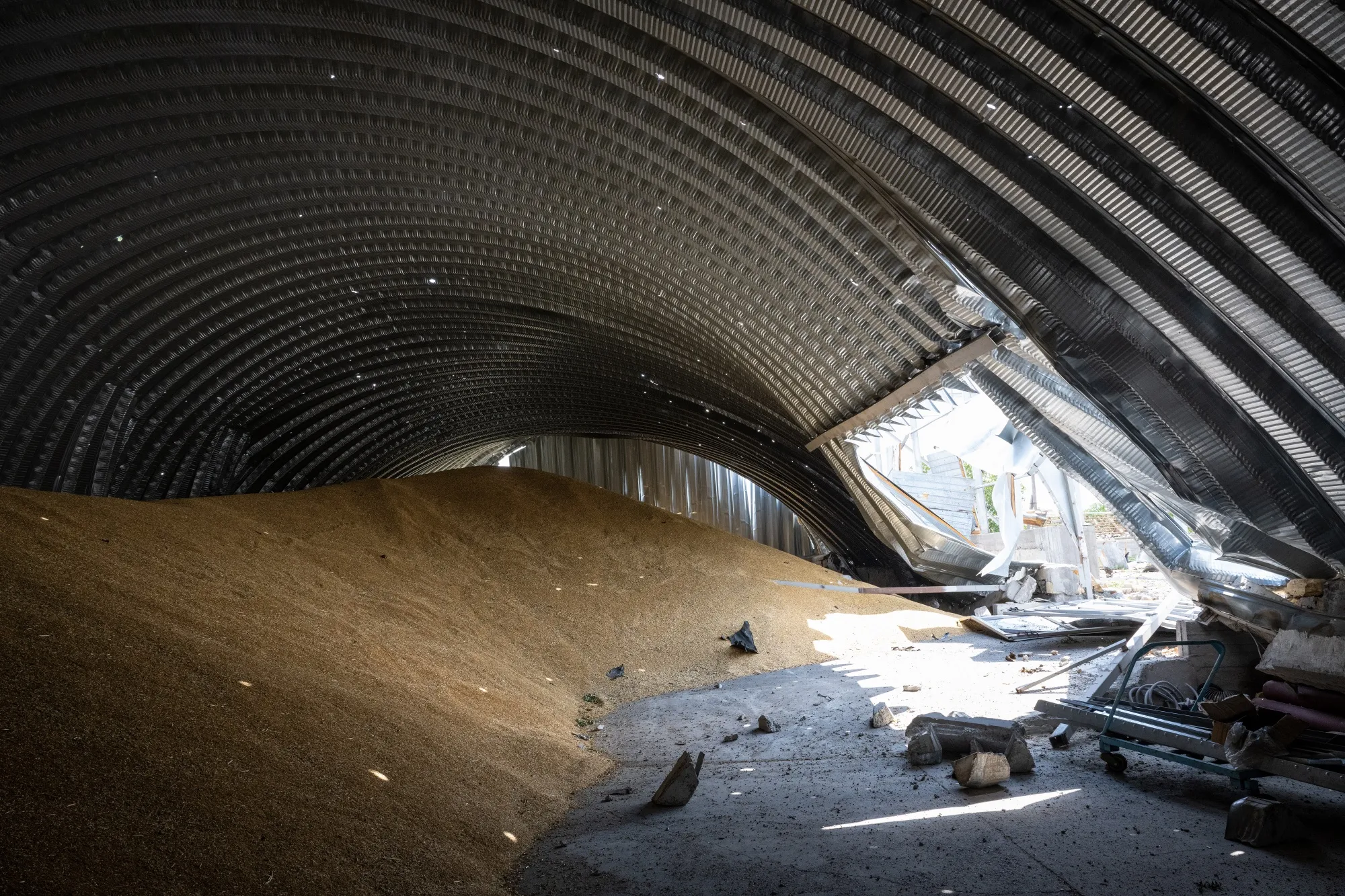
The attack took place on August 1, 2026. According to Ranok’s initial assessment, the resulting fire destroyed about 8 million copies representing roughly 28,000 titles, including 600,000 school textbooks. At that stage, the company estimated the financial damage at approximately UAH 1 billion.
The scale of the loss was subsequently revised upwards. On August 3, logistics centre director Larysa Zubkova said that around 10 million books and more than one million textbooks may have been destroyed. The figure of 8 million should therefore be understood as Ranok’s initial estimate rather than a final inventory of the losses.
Despite the destruction, the publisher did not suspend preparations for the school year. According to information provided by Ranok, the company reached agreements with seven printing houses for an emergency reprint of 620,000 textbooks. Books held at reserve warehouses have meanwhile continued to be dispatched to educational institutions.
Daycom’s analysis of the available information and material provided by the publisher indicates that Ranok recovery now involves far more than replacing a destroyed warehouse. The company must restore lost inventory, meet commitments to schools and rebuild its storage and distribution system around the reality of continuing wartime risk.
Chief executive Viktor Kruglov has framed the company’s position in similarly practical terms: the question inside Ranok is no longer whether the business will recover, but how that recovery will be achieved and how long it will take. As the damage became clearer, the company’s own estimates of the timetable also grew longer.
In an interview published on August 13, Kruglov said full recovery would require at least five years. Ranok is already looking for new warehouse capacity, additional financing and ways to reproduce destroyed print runs while allocating limited resources to the most urgent parts of its publishing and distribution operation.
Schoolbooks remain at the top of that list. A substantial share of the destroyed textbooks had been produced for Ukrainian schools and was scheduled for delivery in August. After the attack, Ranok said the necessary editions would be printed again and that deliveries would continue despite the loss of the logistics centre.
That requires the publisher to work with several printing houses at once while imposing a strict order of priorities. Replacing the entire lost inventory in a single production cycle is impossible, so textbooks and other titles tied to the most immediate educational and commercial obligations have to be restored first.
Finance represents another central part of the crisis plan. According to the publisher, Ranok is reducing and reallocating costs, continuing to assess its losses and seeking additional sources of funding. The same pool of resources must support new print runs, replacement stock, alternative storage and the company’s day-to-day operations.
Diversifying logistics is equally important. The destruction of a large automated hub demonstrated the danger of concentrating substantial inventory at a single site. Ranok’s emerging model therefore relies more heavily on reserve locations, stock distributed between different facilities and delivery routes that do not depend on one central warehouse.
For a publishing company, such a shift is particularly complex. A finished title still has to move through a physical chain involving paper, printing, binding, warehousing, order fulfilment and transport. The loss of one large logistics node can disrupt that entire chain even when the digital files needed to reproduce the books remain intact.
The impact of the strike also extends beyond Ranok as a single publishing house. The destroyed centre held books from several brands within the group, including Ranok, Fabula, READBERRY and Korali Books, as well as stock connected with the KnyhoLand retail network. The facility was an important part of Ukraine’s wider book-distribution infrastructure.
Ranok is treating the legal documentation of its losses as a separate element of the recovery effort. The publisher intends to record destroyed property, inventory and other consequences of the attack for possible future compensation claims and international legal procedures. Detailed evidence will be essential for establishing the value and nature of the damage.
The significance of that record extends beyond the balance sheet. The destruction of millions of books is also damage to Ukraine’s cultural and educational infrastructure. In Ranok’s case, the consequences are particularly visible because large numbers of school textbooks were meant to reach children only weeks after the strike occurred.
Kruglov has repeatedly described book infrastructure as part of the country’s broader resilience. In material supplied by the publisher, he links books not only to business and education, but also to Ukrainian identity, collective memory and society’s ability to preserve its own cultural space under the pressure of a prolonged war.
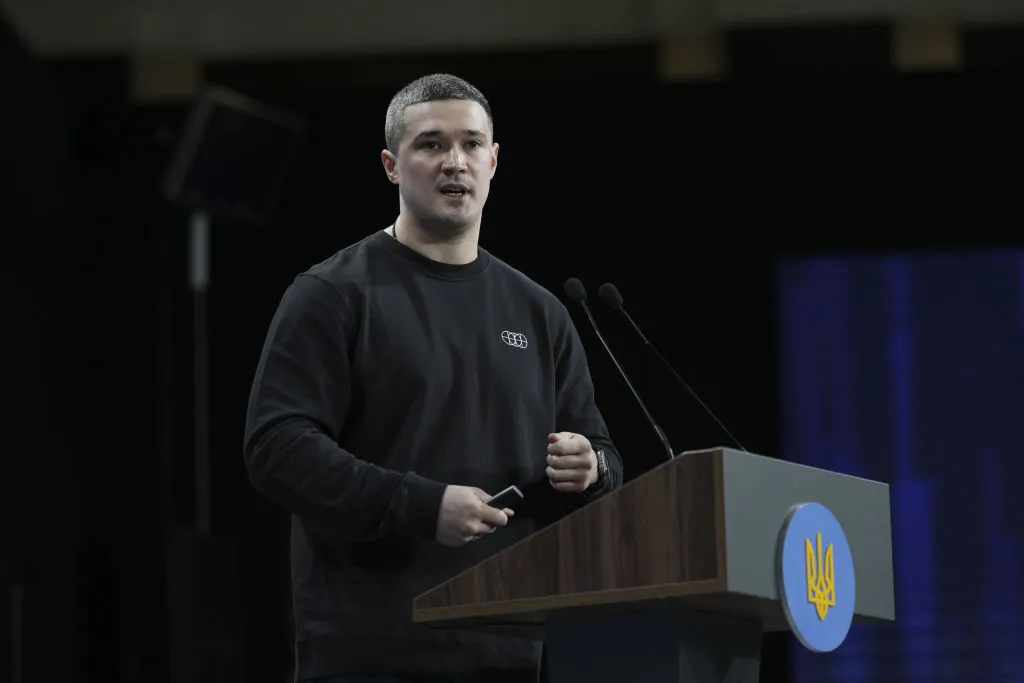
He returned to that subject during the national education conference Serpneva-2026 on August 18. Ukraine’s first lady, Olena Zelenska, took part in the event, which brought together education officials and organisations presenting projects and practical solutions for schools across the country.
According to Kruglov, he spoke with Zelenska near a stand devoted to a school-library project about the importance of books and children’s access to reading. In his account of the meeting, he described books as a foundation of Ukrainian identity and as part of the country’s collective memory and internal resilience.
After the loss of the Kharkiv logistics centre, that argument has acquired an immediate practical dimension. The issue is whether schools can receive textbooks, bookshops can maintain supplies and readers can regain access to titles that were physically destroyed only weeks before they were due to be distributed.
Ranok’s answer has been to accelerate reprinting while spreading critical operations across a broader network. The objective is not simply to reproduce the pre-strike system, but to make future storage and distribution less dependent on any single facility that could become another point of vulnerability.
“The Ranok team will print new editions. We promise,” Kruglov said in material provided by the publisher. Fulfilling that promise will be a process measured in years: some books must be replaced immediately, while other titles will return gradually as printing, storage, logistics and financing capacity is restored.
Ranok recovery is therefore becoming a test that reaches beyond one company. It illustrates what Ukraine’s book infrastructure may need to look like during a prolonged war — more geographically dispersed, less dependent on individual facilities and capable of maintaining production even after the loss of a major operational centre.
For Ranok itself, another choice remains fundamental: continuing to work in Kharkiv, publishing in Ukrainian and returning destroyed books to print. Full recovery may take at least five years, but the first phase is already under way — textbooks are being reprinted, deliveries continue and lost editions are gradually returning to production.