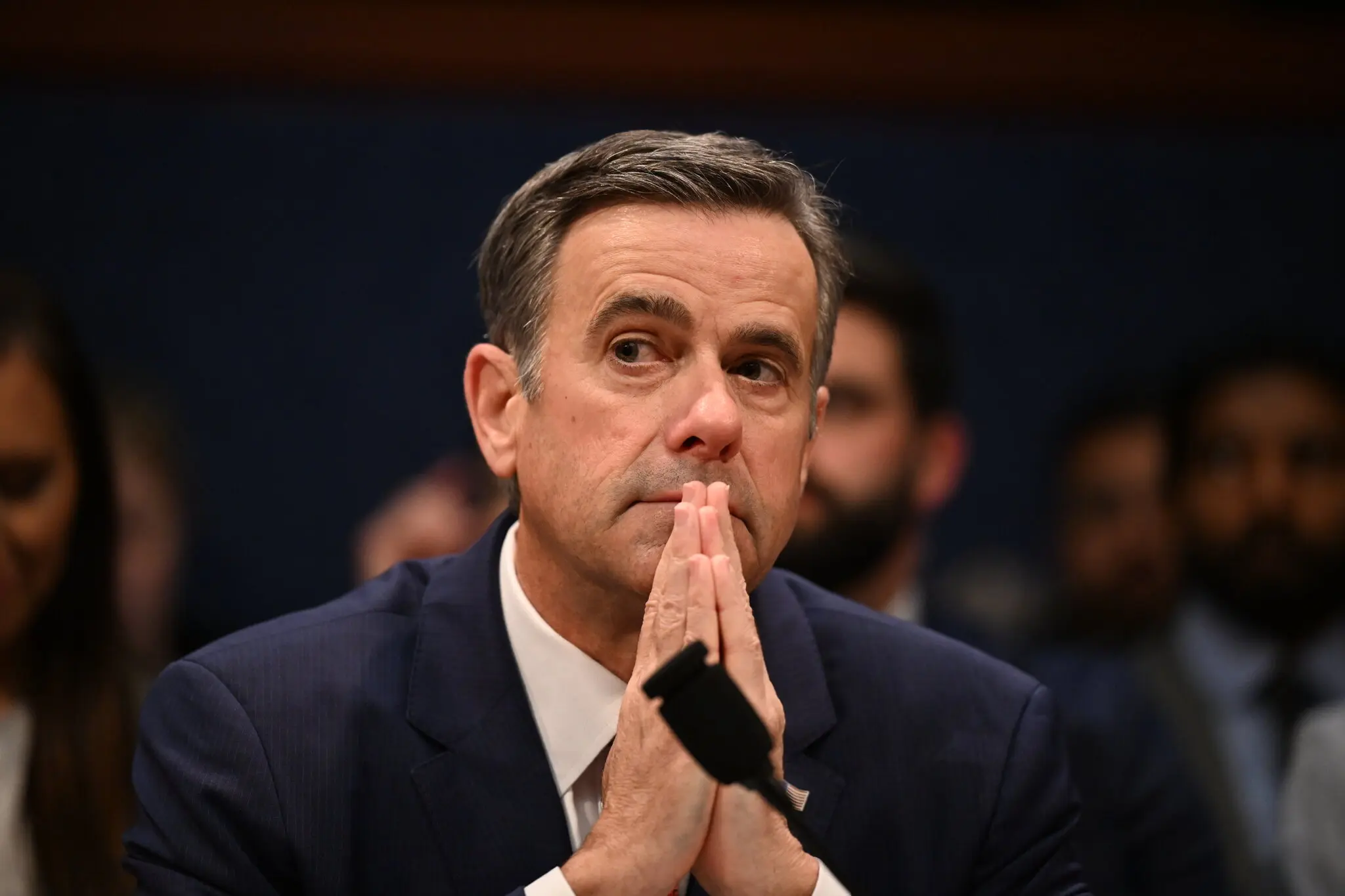


















CIA Director John Ratcliffe travelled quietly to Moscow this week carrying an unusually stark assessment of Russia’s war in Ukraine. His message, according to current and former officials familiar with the visit, was that Moscow’s military gains no longer justify the scale of its losses and that delaying negotiations could leave the Kremlin in a worse position.
The trip itself has been acknowledged by the Kremlin. Russian officials said Ratcliffe met representatives of the country’s intelligence establishment, though not President Vladimir Putin personally. Putin was later briefed on the discussions, according to Kremlin spokesman Dmitry Peskov, while the substance of the meetings was kept confidential.
American officials described a more specific purpose. Ratcliffe met Alexander Bortnikov, the director of Russia’s Federal Security Service, and presented what was characterised as a bleak appraisal of Russia’s military and economic trajectory. He did not deliver an ultimatum or threaten specific consequences if Putin decided to continue the war.
Instead, the argument was intended to be strategic: the longer Russia fights under current conditions, the more expensive the campaign may become without producing a proportionate improvement in Moscow’s negotiating position. Washington appears to be trying to change the Kremlin’s calculation of the war before attempting to change its formal demands.
According to Daycom’s analysis of verified public reporting, the choice of messenger is as significant as the message itself. Washington did not send a conventional diplomat to make the case. It sent the head of the CIA, allowing the United States to frame the argument in terms of intelligence assessments, battlefield attrition, industrial pressure and long-term military capacity.
That distinction may matter in Moscow. Putin spent much of his early career in the Soviet security services, and Russia’s intelligence agencies retain extraordinary influence within the political system. Some U.S. officials reportedly hoped that an assessment delivered directly from one intelligence chief to another would carry more weight than another diplomatic appeal from Washington.
The CIA has for years questioned whether Putin receives entirely candid accounts of Russia’s military performance from advisers around him. Ratcliffe’s visit therefore offered another route into the Russian decision-making system: an external assessment from an adversary that the Kremlin could consider privately without publicly conceding that its own narrative of the war might be incomplete.
Ratcliffe has already revealed parts of that assessment in public. He has repeatedly emphasised the extraordinary human cost Russia is paying for comparatively limited territorial gains, while crediting Ukraine’s rapid development of drone warfare with making the battlefield increasingly lethal for Russian forces.
He has also argued that Russia’s territorial advances during roughly the previous 18 months amounted to only about one percentage point of Ukraine’s total land area. That figure should be understood as an American intelligence assessment rather than universally accepted battlefield accounting, but it illustrates the logic Washington is presenting to Moscow.
The argument is not that the Russian military is on the verge of collapse. Russia still possesses enormous manpower, financial resources and industrial capacity. It occupies substantial Ukrainian territory and continues offensive operations. The question is whether the cost of extending those gains is becoming progressively less sustainable.
Western officials have increasingly focused on the balance between Russian recruitment and battlefield losses. Even where Moscow is able to replace large numbers of soldiers, high casualty rates require a continuing flow of personnel simply to maintain combat strength, while territorial advances remain slow and often measured in small increments.
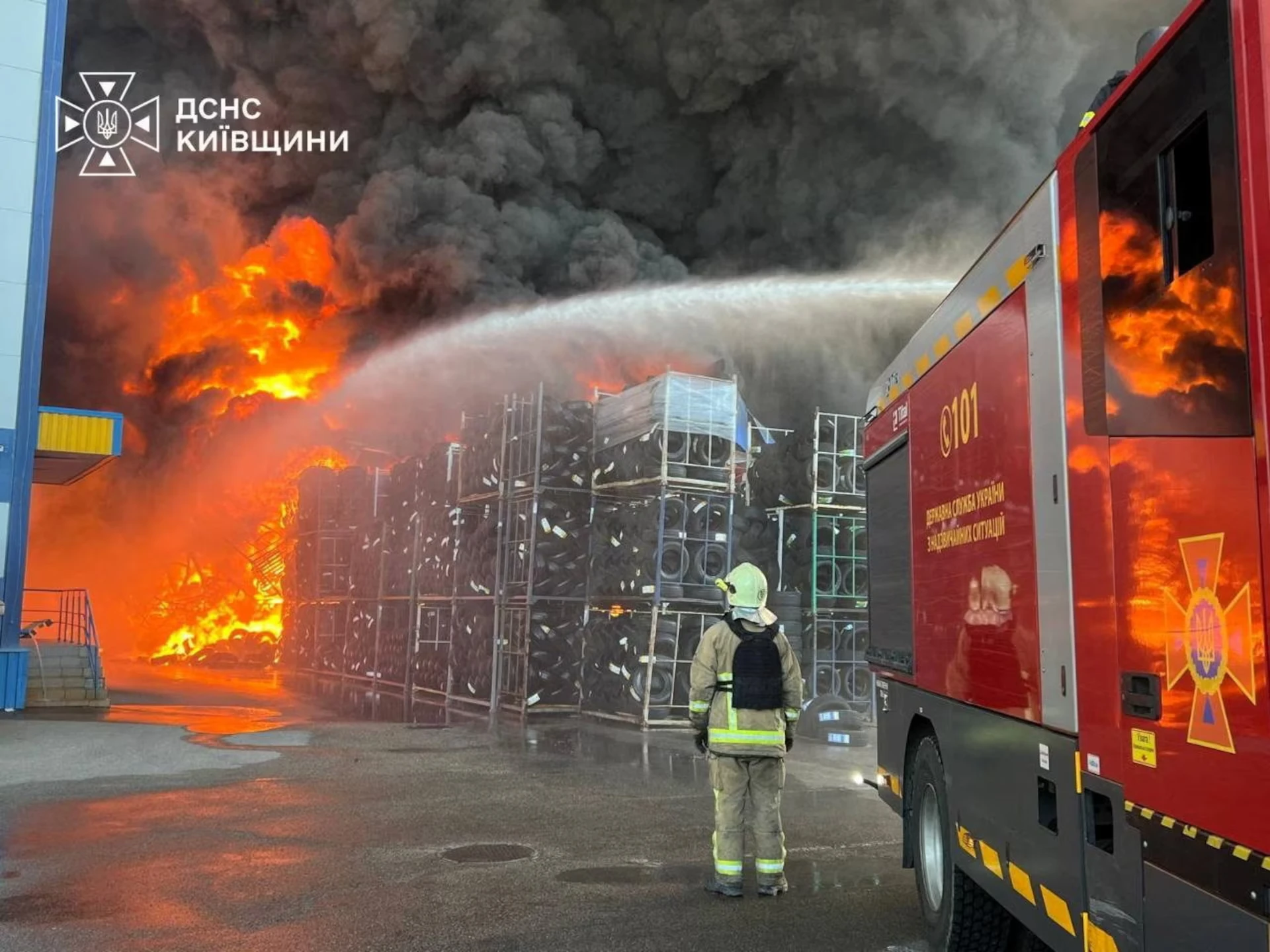
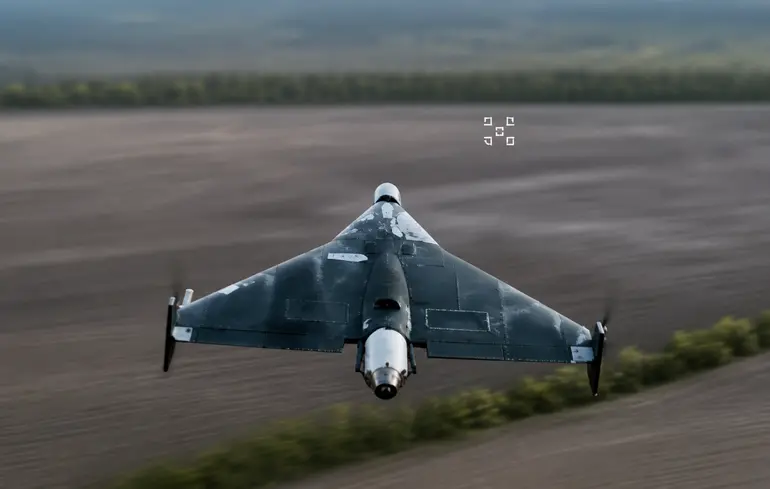
That pressure is no longer confined to the front. Ukraine’s long-range drone campaign is increasingly imposing costs deep inside Russia by striking refineries, industrial facilities and logistics infrastructure. By late August, industry sources estimated that Russian gasoline production had fallen to roughly 70% of domestic demand after repeated refinery outages.
For the Kremlin, that creates a more complicated wartime equation. The front consumes men, ammunition and equipment while attacks hundreds of kilometres behind it force greater spending on repairs, air defence, imports and protection of critical infrastructure. None of those pressures alone is decisive, but together they raise the long-term price of continuing the conflict.
That cumulative effect appears central to the message Ratcliffe carried. The United States was not telling Russia that defeat was imminent. It was instead suggesting that time may no longer be working as reliably in Moscow’s favour as Russian leaders once assumed.
Ratcliffe reportedly stopped short of attaching a threat to that conclusion. He did not tell Bortnikov that refusal to negotiate would automatically trigger a particular sanction package or military response. The approach was closer to persuasion through intelligence analysis: negotiate while Russia still believes it can shape the terms rather than after further deterioration.
President Donald Trump later played down the drama surrounding the journey, describing it as partly routine. At the same time, he left open the possibility that the contact could produce something useful, linking the mission to his administration’s broader effort to restart a negotiating process that has repeatedly stalled.
Subsequent reporting suggested the mission may have extended beyond the meeting with Bortnikov. Ratcliffe was also reported to have met Sergei Naryshkin, the head of Russia’s Foreign Intelligence Service, and to have explored whether Moscow might eventually consider a three-way meeting involving Trump, Putin and Ukrainian President Volodymyr Zelenskyy.
No such summit has been formally agreed, and the reported discussions remain preliminary. But even raising the possibility illustrates how the intelligence channel is beginning to overlap with political diplomacy. The CIA director was not negotiating a settlement himself, yet his meetings appear designed to determine whether the Kremlin sees any value in moving back toward one.
Ukraine was reportedly consulted before the Moscow trip. Ratcliffe spoke with Ukrainian counterparts and assured them that he intended to probe Russia’s position rather than make concessions on Kyiv’s behalf. That distinction is especially important because Ukrainian officials remain deeply sensitive to any negotiation in which the country’s future could be discussed without its direct participation.
The concern is rooted in the central unresolved issue of the war: territory. Russia continues to demand Ukrainian withdrawal from areas it claims but does not fully control. Kyiv rejects the idea that Moscow should receive through diplomacy territory it has failed to seize militarily.
That gap remains large enough to defeat any peace initiative regardless of how pessimistic Russia’s military outlook becomes. Recognising that a war is costly is not the same as accepting the opposing side’s terms, and there is still little evidence that either Kyiv or Moscow has fundamentally revised its red lines.
The Ratcliffe mission therefore fits into a broader American attempt to reopen multiple channels at once. Trump envoy Steve Witkoff and Jared Kushner have maintained separate contacts with figures close to Putin, but those exchanges have so far failed to produce a durable breakthrough.
Some Ukrainian and European officials have viewed Ratcliffe differently. He has generally been regarded as tougher on Russia and less inclined to accept Moscow’s framing of the conflict as the starting point for negotiations. That makes him potentially more credible with governments worried that Washington might otherwise press Kyiv disproportionately for concessions.
Sending the CIA director also allows the Trump administration to communicate something politically useful to both sides. To Moscow, the message is that Washington’s interest in negotiations does not arise from a belief in inevitable Russian victory. To Kyiv, it signals that the United States is prepared to tell Russian officials directly that their military strategy may be failing to deliver sufficient returns.
Contacts of this kind are not unprecedented. In November 2021, then-CIA Director William Burns travelled to Moscow and warned Russian officials against launching the full-scale invasion that American intelligence believed was being prepared. Russia invaded three months later.
Burns later met Naryshkin in Ankara in November 2022 amid U.S. concern about possible Russian nuclear escalation. Those encounters did not represent normal diplomatic relations. Their value lay precisely in maintaining a channel capable of carrying unusually sensitive warnings when ordinary diplomacy was severely constrained.
The current channel follows that tradition. Peskov himself has acknowledged that intelligence contacts can remain useful even during periods of profound political hostility. At the same time, the Kremlin has cautioned that Russia and the United States remain far from overcoming the deeper crisis in their relationship.
That is why Ratcliffe’s secret Moscow visit should not yet be described as a diplomatic breakthrough. There is no confirmed ceasefire, no agreed Putin-Zelenskyy meeting and no announced timetable for comprehensive negotiations. At most, Washington has reopened another route through which those possibilities can be tested.
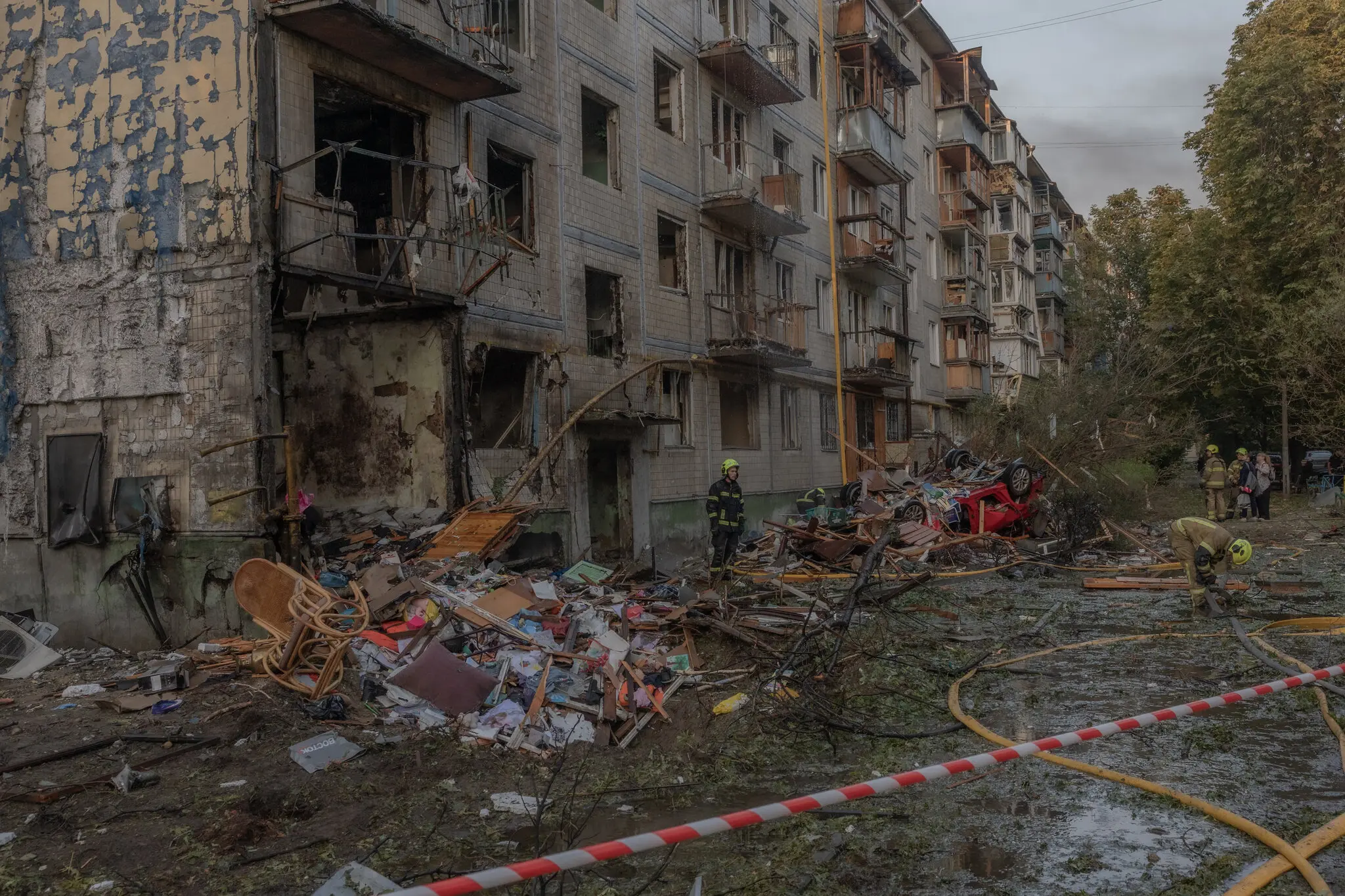
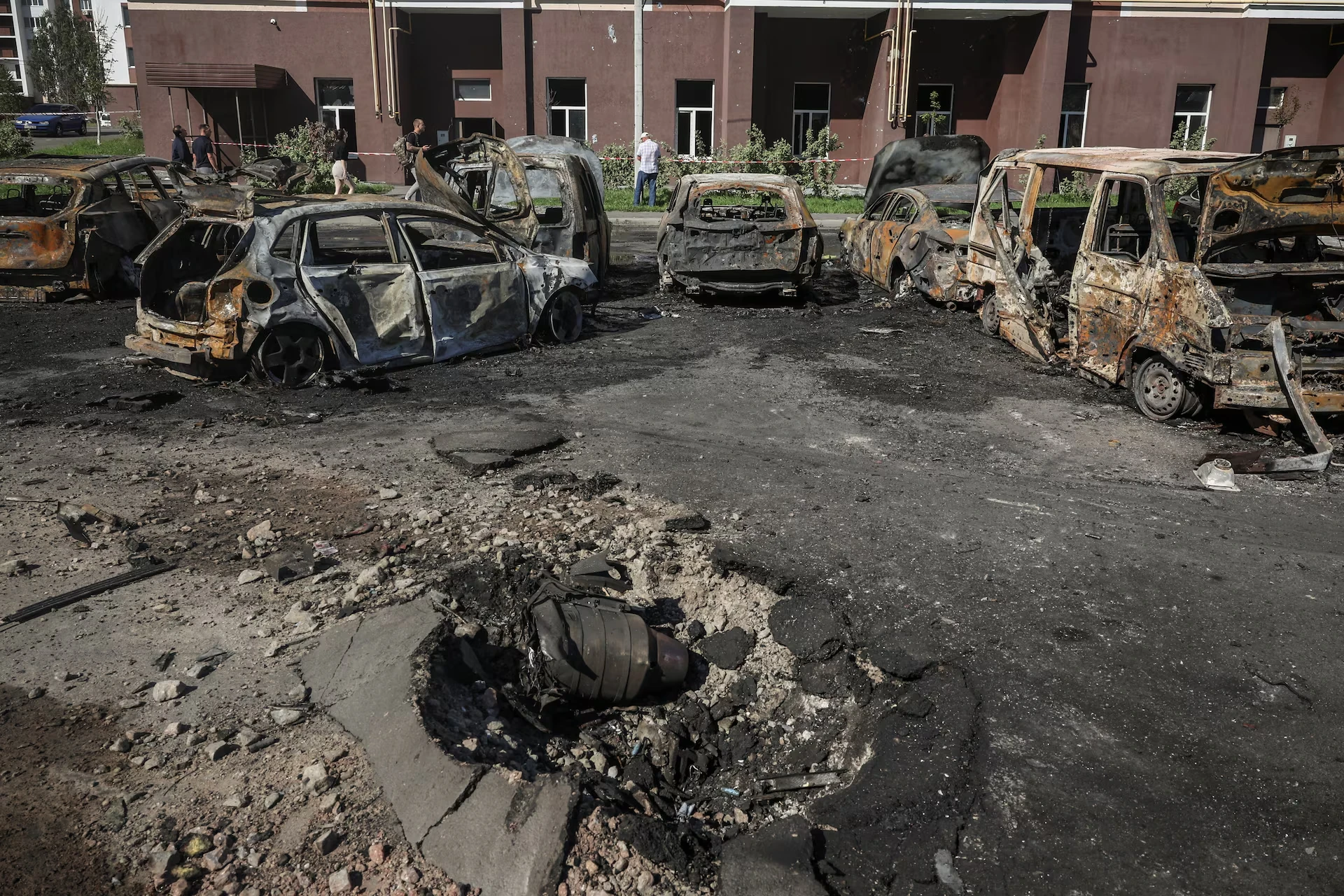
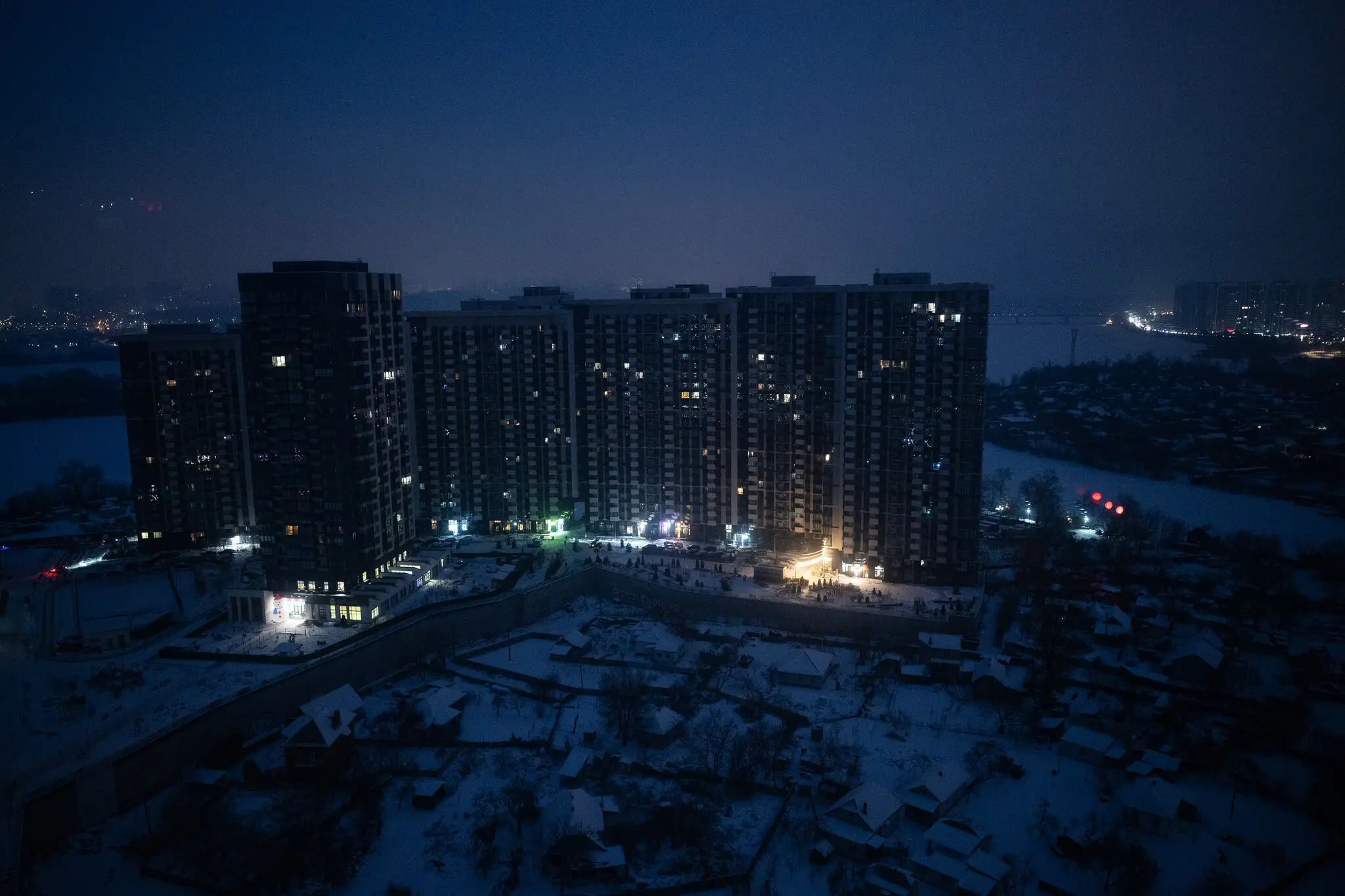
Nor has the war paused while diplomacy advances. Russia continues offensive operations and intensive strikes on Ukrainian cities and infrastructure. Ukraine is strengthening its defences while expanding long-range attacks inside Russia. Negotiation and escalation are proceeding simultaneously rather than one replacing the other.
The strategic purpose of Ratcliffe’s mission therefore appears narrower but potentially consequential: persuade people inside Putin’s security establishment that the current trajectory is not delivering the victory Moscow once expected, and that waiting indefinitely may make any eventual settlement less advantageous.
Whether that argument reaches Putin in the form Washington intends is impossible to know. Intelligence chiefs can transmit assessments, but they do not determine Russian policy. The same Russian system that heard American warnings before February 2022 ultimately decided that the costs of invasion were acceptable.
The real measure of the trip will come later. If technical contacts resume and eventually produce negotiations involving Ukraine, Russia and the United States, Ratcliffe’s journey may be remembered as one of the quiet steps that reopened the channel.
If nothing follows, the visit will belong to a different history — the long record of messages Washington has carried to Moscow in private, laying out the risks of Russian choices with unusual clarity, only to discover that the Kremlin had calculated the risks differently.