Коли Джей Ді Венс став республіканським кандидатом на посаду віце-президента, його промова, яку він виголосив у квітні, засуджуючи український уряд за те, що він назвав «наступом на традиційні християнські громади», стала закликом для лобістів, найнятих адвокатом соратника російського православного патріарха.
«Ми вдячні Венсу за те, що він зайняв тверду позицію з цього питання, і закликаємо вас наслідувати його приклад», - йдеться в електронному листі від 17 липня, надісланому законодавцям на Капітолійському пагорбі одним з лобістів.
Цей лист був лише одним з десятків у кампанії, що зображує Київ як антихристиянський, яка, за словами шести співробітників Конгресу, спрямована на підрив військової підтримки України - зусилля, які мають посилитися після того, як 20 серпня український парламент прийняв закон, що забороняє релігійні організації, які мають зв'язки з Росією. Закон створює правову базу, яка, на думку релігійних експертів, може ефективно закрити українську гілку Православної Церкви, пов'язану з Москвою.
Українська православна церква Московського патріархату (УПЦ МП) має глибокі історичні зв'язки з Російською православною церквою, яка, на думку багатьох американських і українських чиновників, була інструментом російської зовнішньої політики. Війна виявила глибоку симпатію церкви до Росії, і Україна розпочала кримінальні провадження проти десятків священнослужителів УПЦ за нібито допомогу Росії, включаючи збір розвідувальної інформації про українських військових і переміщення зброї, за даними Служби безпеки України. Ключовим елементом комунікації між лобістами і законодавцями була пропозиція, щоб законодавці поставили подальшу допомогу Україні в залежність від збереження УПЦ, згідно з трьома співробітниками Конгресу від Республіканської партії, які говорили на умовах анонімності, оскільки вони не мають права виступати публічно.
Венс чітко висловив цей зв'язок у своєму виступі. «Це буде... наша ганьба за відмову використовувати сотні мільярдів доларів, які ми надсилаємо в Україну, як важіль для забезпечення і гарантування реальної релігійної свободи», - сказав він. Відповідаючи на запитання про ці зауваження, прес-секретар сенатора сказав, що Венс «чітко дав зрозуміти, що він стурбований переслідуванням християнських громад в будь-якій точці світу».
Уряд президента Володимира Зеленського заявив, що просто хоче бачити в Україні незалежну Православну Церкву, яка не залежатиме від уряду та ієрархії в Москві, що намагається зруйнувати українську державу.
Але закон викликав критику як з боку Папи Римського, який минулого місяця заявив, що він «стурбований свободою тих, хто молиться», так і з боку Кремля, речник якого Дмитро Пєсков заявив минулого тижня, що закон є «кричущим наступом на релігійну свободу, наступом на Православну Церкву і, загалом, наступом на християнство, на справжнє християнство».
Кампанію в США проти зусиль Києва створити, як він каже, Українську Православну Церкву, вільну від впливу Москви, очолює Роберт Амстердам, канадсько-американський адвокат, чия фірма має офіси у Вашингтоні та Лондоні.
Амстердам заявив в інтерв'ю, не надаючи доказів, що Служба безпеки України «катує» українських православних священиків за те, що вони розмовляють російською мовою. За його словами, нічого подібного не було «з часів нацистів».
Аргументи Амстердама щодо України були схожі на пропагандистську кампанію, викладену кремлівськими політтехнологами у внутрішніх кремлівських документах 2023 року, що є частиною кешу, отриманого європейською розвідувальною службою. Кампанія закликала зобразити Україну як таку, що «перетворилася на антихристиянське суспільство», а представників адміністрації Зеленського - як таких, що поводяться як «нацисти», намагаючись підкорити Українську Православну Церкву.
Амстердам, якого залучив до роботи над цим питанням Вадим Новинський, російсько-український олігарх з тісними зв'язками з вищим керівництвом Російської православної церкви, каже, що він зосереджений виключно на питанні релігійної свободи, а не на порядку денному Москви. «Ви не можете заборонити церкву. Це повністю суперечить верховенству права, - сказав він. «Я ніколи не брав участі в суперечках про фінансування. Я ніколи не виступав проти України». В електронних листах до законодавців, засуджуючи Україну за те, що вони назвали «переслідуванням українських християн», лобісти говорили про свою «непохитну підтримку» України «в боротьбі з російською агресією». Амстердам заявив, що частину його роботи на користь Української Православної Церкви фінансував Новинський, але відмовився уточнити, хто ще його фінансує.
Українські інституції та українські євангельські і баптистські лідери відреагували на це власними лобістськими зусиллями, намагаючись вплинути на американських законодавців та республіканців. Вони вказують на дії Росії щодо утисків протестантів та інших конфесій, які не належать до російського православ'я, на окупованих територіях.
Павло Унгурян, український євангельський лідер, неодноразово зустрічався зі спікером Палати представників Майком Джонсоном (республіканець) на початку цього року, а євангельські та баптистські капелани надали свідчення про закриття Росією християнських церков, що не належать до російської православної віри, на захоплених нею територіях в Україні. Вони також надали документацію про вбивства і ув'язнення євангельських і баптистських священиків, а також про ув'язнення і тортури католицьких священиків. Прес-секретар Джонсона не відповів на прохання про коментар. Під час публічної дискусії в Інституті Гудзона 8 липня Джонсон розповів про те, що він «неодноразово» зустрічався з українськими релігійними лідерами і пасторами, і сказав, що Росія «цілеспрямовано націлилася на них».
Співробітники Конгресу, сказали, що вони, тим не менш, стурбовані тим, наскільки кампанія Амстердама вплинула на погляди членів Республіканської партії, особливо після того, як Такер Карлсон показав інтерв'ю з Амстердамом на цю тему, спочатку в жовтні 2023 року, а потім знову в квітні цього року.
Москва чи Константинополь
Адміністрація Трампа активно заохочувала православну громаду в Україні до розриву з Москвою, за словами двох американських чиновників, залучених до цього процесу. Після 2014 року з'явилося занепокоєння щодо ролі, яку відіграли елементи Української Православної Церкви Московського Патріархату в наданні допомоги Росії в незаконній анексії Криму та окупації східної України проросійськими сепаратистами. В результаті, частково завдяки зусиллям Державного департаменту під керівництвом Майка Помпео, Вселенський патріарх у Константинополі, найстарший у Східній православній церкві, надав автокефалію, або автономію від московської ієрархії, Православній церкві України (ПЦУ) у 2019 році. Це створило церкву, яка перейде під владу Константинополя (історична назва, яку православні віруючі використовують для Стамбула), а не Москви.
Президент Росії Володимир Путін різко виступив проти цього кроку, але в той же час первісна Українська Православна Церква, з її зв'язками з Росією, продовжувала існувати. За новообраної адміністрації Зеленського окремі парафії отримали право обирати, до якої церкви вони хочуть приєднатися - до тієї, що під Москвою, чи до ПЦУ під Константинополем.
Після повномасштабного вторгнення Росії стало зрозуміло, що цих заходів недостатньо, заявили київські чиновники.
«Люди зрозуміли, що [УПЦ] є п'ятою колоною Кремля», - сказала Орися Луцевич, заступник директора програми Росії та Євразії в Chatham House, аналітичному центрі в Лондоні.
Митрополит Климент, речник УПЦ, заперечив це, заявивши, що п'ята колона складається з «тих, хто ділить українське суспільство на правильних і неправильних громадян».
Глава Російської Православної Церкви Патріарх Кирило назвав російське вторгнення частиною «священної війни» і заявив, що російські солдати, які загинули на війні, негайно потраплять на небеса. Намагаючись офіційно дистанціювати Українську православну церкву, її глава, митрополит Онуфрій, через три місяці після вторгнення заявив, що церква розриває відносини з Москвою і що її священики більше не будуть згадувати Кирила в публічних молитвах.
Однак експертний звіт, замовлений українським урядом, виявив, що ці заходи були косметичними і що критичні канонічні зв'язки продовжують існувати. «По суті, всі рішення, прийняті Онуфрієм, є зворотними», - сказав Кирило Говорун, колишній керівник апарату Кирила. Говорун був позбавлений сану Московським патріархом у січні після того, як взяв участь у літургії з єпископом підконтрольної Константинополю церкви. «Якщо Путін виграє війну, то все може бути відновлено так, як було». Крім того, 26 священнослужителів УПЦ вже були засуджені за сприяння Росії, за даними Служби безпеки України, і ще 50 були повідомлені про те, що вони перебувають під слідством, повідомили чиновники. В одному випадку священик у Бучі, невеликому містечку під Києвом, відомому звірствами, скоєними російськими військами протягом декількох тижнів окупації, допомагав російським військам у виявленні місцевих жителів, які могли чинити опір.
Амстердам заявив, що священиків і єпископів УПЦ звинувачують і заарештовують лише за те, що вони «сказали щось схоже на те, що міг би сказати Путін». Він навів приклад митрополита Феодосія, єпископа, який перебуває під домашнім арештом за серію лекцій у Київській духовній академії, в яких він виклав церковну позицію Української Православної Церкви.
Київська влада заявила, що єпископ «розпалював міжконфесійну ворожнечу», а також намагався створити веб-сайт під емблемою Російської Православної Церкви.
В інтерв'ю та відео, розміщених на сайті savetheuoc.com, Амстердам стверджує, що «переслідування» Української Православної Церкви українською владою призвело до примусового закриття 1 500 українських православних храмів.
Релігійні експерти, однак, кажуть, що багато громад добровільно перейшли до Православної Церкви України, незалежної від Москви, на знак протесту після вторгнення, причому понад 2 000 колишніх громад УПЦ приєдналися до ПЦУ за останні два роки, за словами Лорен Гомер, президента «Law and Liberty International», що базується в Вашингтоні і займається захистом релігійної свободи.
«Божа благодать»
Зі свого офісу в престижному лондонському районі Белгравія Амстердам зображує себе захисником релігійної свободи на тлі мейнстрімного західного дискурсу, в якому «небезпечно бути сприйнятим інакше, ніж агресивно русофобським».
Амстердам також стверджує, що він є ворогом путінського режиму, якому заборонений в'їзд до Росії через його гучну роботу на початку 2000-х років на захист опонента Кремля Михайла Ходорковського.
Документи свідчать, що в середині 2023 року в Амстердамі обговорювався річний контракт на 1 мільйон доларів на роботу на потужну лобістську групу, пов'язану з Кремлем, - Російський союз промисловців і підприємців (РСПП) - всупереч західним санкціям, накладеним на Росію. Міністерство фінансів США ввело санкції проти РСПП 11 серпня 2023 року.
«Амстердам і партнери готові представляти російський бізнес у процедурі оскарження санкцій, ініціюючи широку публічну дискусію про санкційну політику Великої Британії», - йдеться у службовій записці РСПП від 28 червня 2023 року, яку отримала європейська розвідувальна служба. «Адвокати готові взяти на себе репутаційні ризики і суспільне несхвалення, неминуче пов'язані з активною критикою санкцій».
Амстердам заявив, що він не представляє РСПП і не підписав контракт, оскільки вони не змогли домовитися про умови. Він сказав, що відмовляється оскаржувати секторальні санкції, пов'язані з російськими технологіями і військовими, тому що він проти війни Росії, але додав, що готовий проводити кампанію проти санкцій, накладених на осіб, які, за його словами, були «несправедливо обрані мішенню виключно за ознакою багатства». РСПП відмовилася від коментарів.
Незабаром після розмови з РСПП, 22 серпня 2023 року, Амстердам заявив, що був найнятий Новинським, російським українським олігархом, щоб представляти його інтереси у зв'язку з санкціями, накладеними українським урядом, і ця роль розширилася, включивши в себе роботу Амстердама над питаннями Православної Церкви.
Новинський заробив свої статки на торгівлі нафтою в Санкт-Петербурзі в 1990-х роках разом із близьким соратником Путіна. Пізніше він розширив свій бізнес в Україні, ставши громадянином цієї країни і відомим прихильником Української Православної Церкви. Його часто бачили поруч з Кирилом, лідером Російської православної церкви, під час офіційних візитів патріарха в Україну і під час візитів Новинського в Росію, свідчать звіти і фотографії. Амстердам заявив, що Новинський не буде коментувати цю статтю.
Для ведення кампанії на Капітолійському пагорбі Амстердам найняв юридичну фірму Нельсона Маллінса і її старшого радника з питань політики Рона Кліна, колишнього конгресмена від штату Пенсильванія, згідно з документами, поданими відповідно до Закону про розкриття інформації про лобіювання, і електронними листами співробітникам конгресу, а також Вільяма Берка-Уайта, професора права в Університеті Пенсильванії і колишнього радника Державного департаменту за часів правління Обами, згідно з документами, поданими відповідно до Закону про реєстрацію іноземних агентів (FARA). Амстердам також брав участь у деяких зустрічах з працівниками апарату законодавців, згідно з інтерв'ю з працівниками Конгресу.
Амстердам спочатку заявив, що його фірма не зареєструвала свою роботу за FARA через виняток у законі для представництва релігійних організацій. Один юрист, що спеціалізується на законі FARA, сказав, що виняток поширюється лише на суто релігійну діяльність.
«Виняток, як правило, не застосовується, якщо ваша діяльність не є суто релігійною і не пов'язана з тим, що закон називає політичною діяльністю. Визначення політичної діяльності включає в себе будь-яку спробу вплинути на уряд США, посилаючись на політику США, або вплинути на будь-який сегмент американської громадськості, посилаючись на громадські або політичні інтереси будь-якої іноземної держави», - сказав Джошуа Ян Розенштейн, партнер юридичної фірми Sandler Reiff, яка спеціалізується на FARA та інших питаннях, пов'язаних з лобіюванням та реєстрацією. «Я думаю, що їм доведеться нелегко довести, що це суто релігійна і неполітична організація, як це визначено законом».
Пізніше амстердамська юридична фірма повідомила, що на роботу фірми також поширюються окремі винятки FARA щодо представництва клієнтів у судових процесах і участі в «діяльності, яка не слугує переважно іноземним інтересам».
Розенштейн зазначив, що обґрунтованість цих вимог щодо звільнення від відповідальності значною мірою залежатиме від специфіки діяльності, зокрема, від «змісту та меседжів лобістської діяльності», а також від того, якою мірою ця діяльність спрямовується іноземним урядом. «Все це фактичні питання», - сказав він.
Амстердам стверджує, що робота фірми суворо обмежена захистом релігійної свободи. «Ми ніколи не виступали проти України з будь-якого іншого питання, - сказав він. «Представництво нашої фірми відповідає всім відповідним законам».
Прес-секретар Нельсона Маллінза заявив, що фірма не коментує клієнтів.
Берк-Уайт зареєструвався у FARA як представник Української Православної Церкви, і в первинній заяві від 5 листопада повідомив, що отримав від амстердамської юридичної фірми 7000 доларів за контакт з сенаторами, включаючи Марко Рубіо (Республіканська Флорида), Джона Оссоффа (штат Джорджія) і Джин Шахін (штат Нью-Гемпшир), а також з Білим домом, співробітниками Комітету з міжнародних відносин Сенату і Управлінням з питань міжнародної релігійної свободи Державного департаменту США. В електронному листі він повідомив, що 7000 доларів - це загальна сума, яку він заробив за цей період, і додав: «Повна заборона церкви за допомогою законодавчих актів і, таким чином, відмова людям у поклонінні в церкві за їхнім вибором просто не може бути узгоджена з міжнародними зобов'язаннями в галузі прав людини і свободи віросповідання». У пізнішій заяві, поданій 31 травня, Берк-Уайт повідомив, що припиняє свою реєстрацію у зв'язку з релігійним виключенням, юридичним виключенням і відмовою від діяльності, яка не спрямовується іноземним урядом або безпосередньо не просуває інтереси іноземного уряду.
У відповідь на критику закону, українська урядова комісія спочатку визначить, чи пов'язана УПЦ з Російською Православною Церквою, перш ніж подавати юридичну заяву, яка може фактично закрити Церкву. Закон також надає УПЦ дев'ятимісячний пільговий період, протягом якого вона може вирішити повністю розірвати відносини з Москвою.
Деякі парафіяни УПЦ, однак, кажуть, що не можуть приєднатися до церкви під Константинополем, яку вони вважають «розкольницькою» і створеною як політичний проект, побоюючись, що вони не залишаться в «Божій благодаті».
«Ми не можемо приєднатися до злодіїв, які зрадили канонічне право», - сказав в інтерв'ю один з прихильників УПЦ Микола Мойсієнко.
Тим часом Україна нарощує свої зусилля по залученню американських християн: некомерційна організація Kyiv Global Outreach, пов'язана з Київською школою економіки, найняла вашингтонську PR-фірму DCI Group і уклала з нею контракт на 3,6 мільйона доларів на інформаційно-пропагандистську діяльність протягом 2024 року, згідно з документами FARA. Гері Маркс, відомий євангеліст і республіканський стратег, якого найняла DCI, відправив українських євангелістів представляти їхню позицію по всій території США, виступаючи на Республіканському національному з'їзді, Національній асоціації християнських законодавців і Південній баптистській конвенції.
«Маятник починає хитатися назад, - сказав Маркс в одному з інтерв'ю. - Ті голоси, які почали хитатися раніше, тепер хитаються в зворотному напрямку. «Ті голоси, які почали купуватися на російські наративи, усвідомлюють, що вони не на стороні переможців у цій суперечці».





















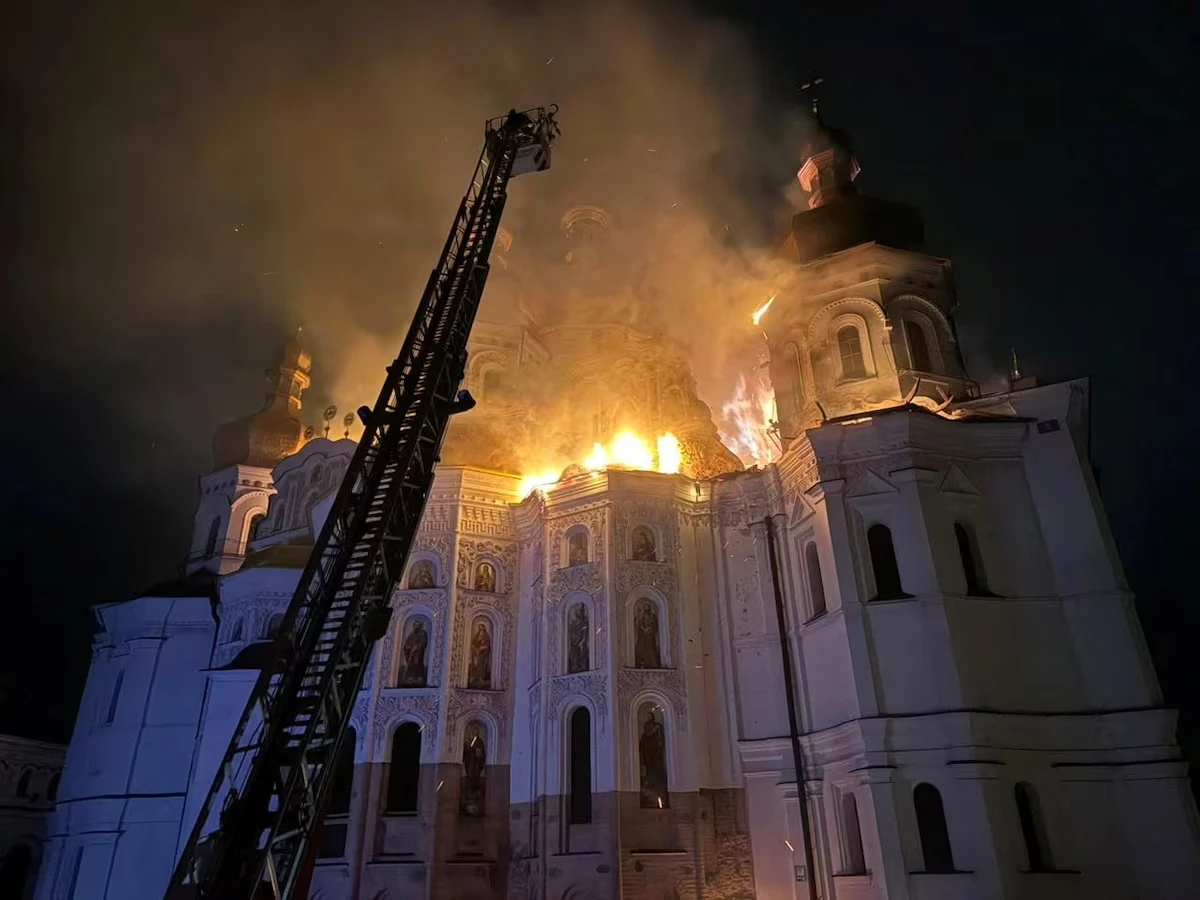

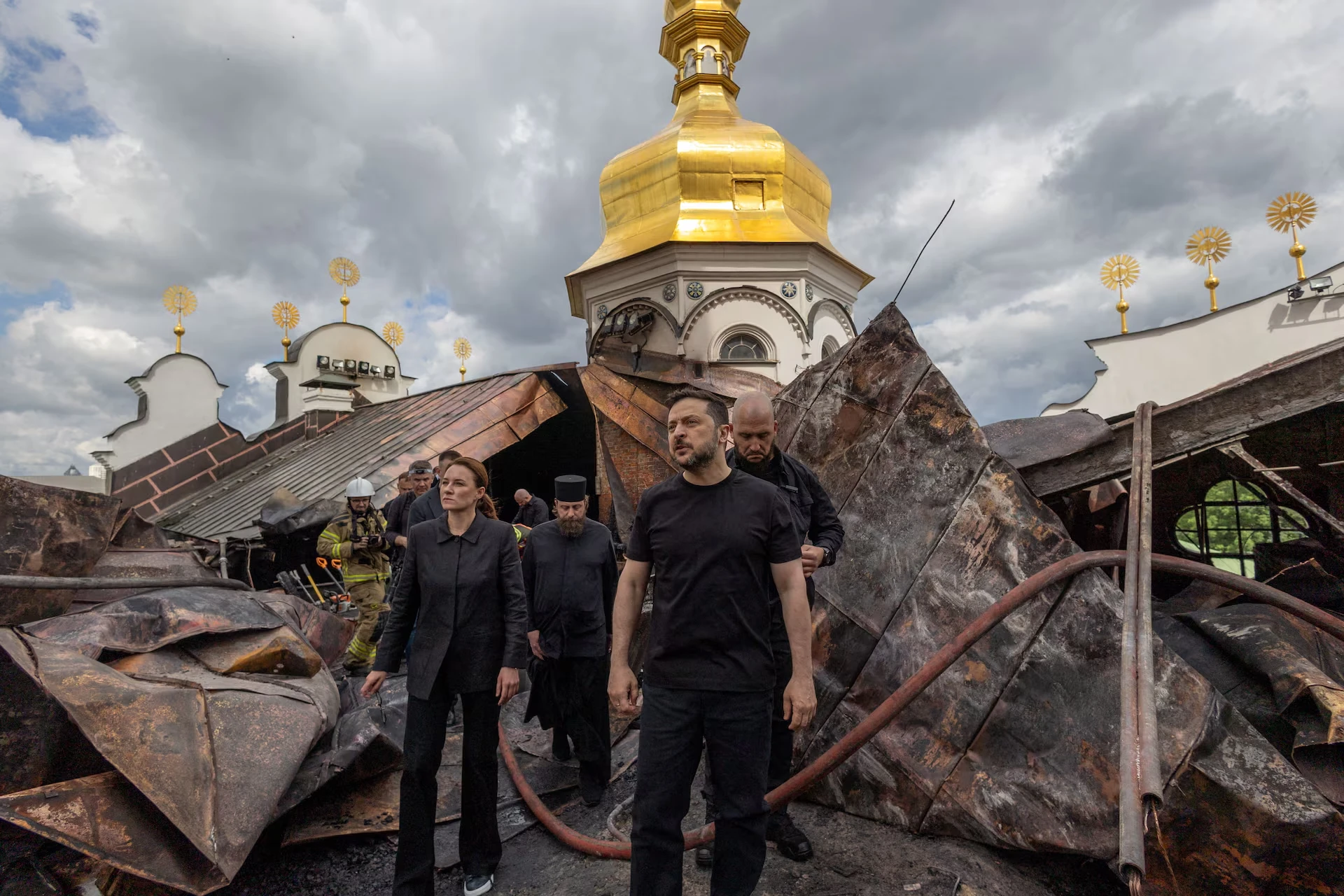

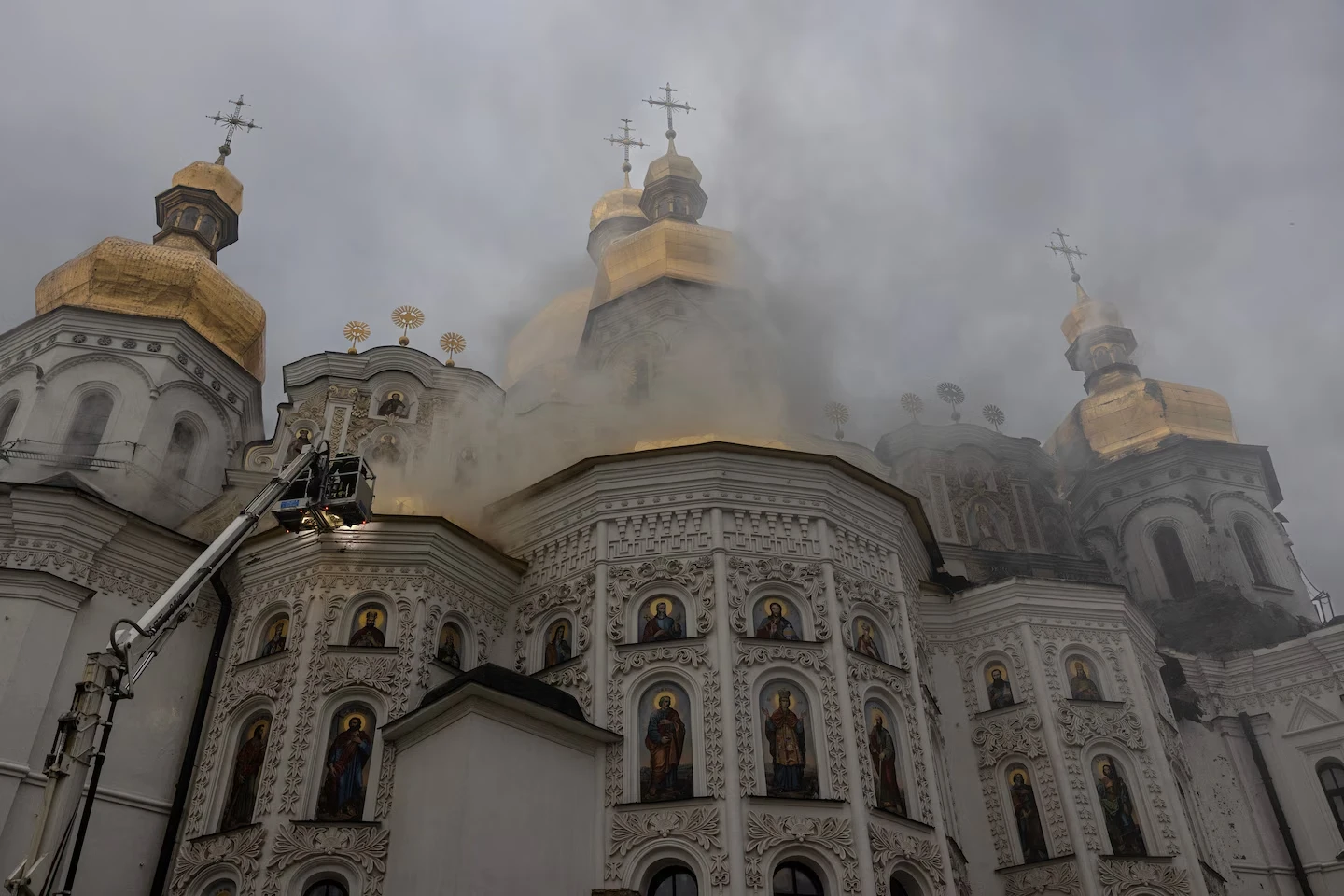
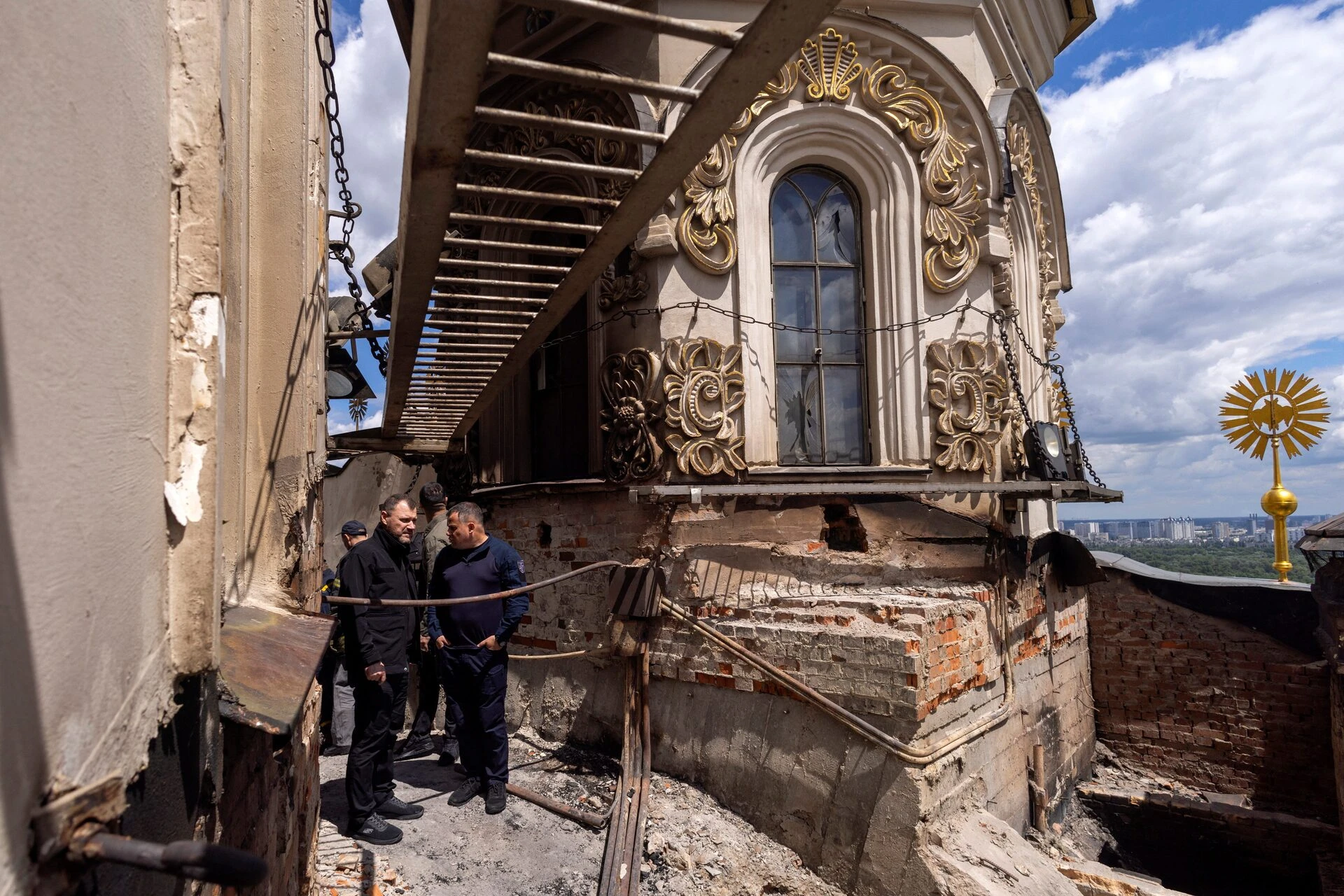 Міністр внутрішніх справ України Ігор Клименко оглядає дах Успенського собору Києво-Печерської Лаври, який зазнав пошкоджень під час вчорашніх російських ракетних і безпілотних ударів у рамках російської агресії проти України, у Києві, Україна, 16 червня 2026 року — Томас Пітер
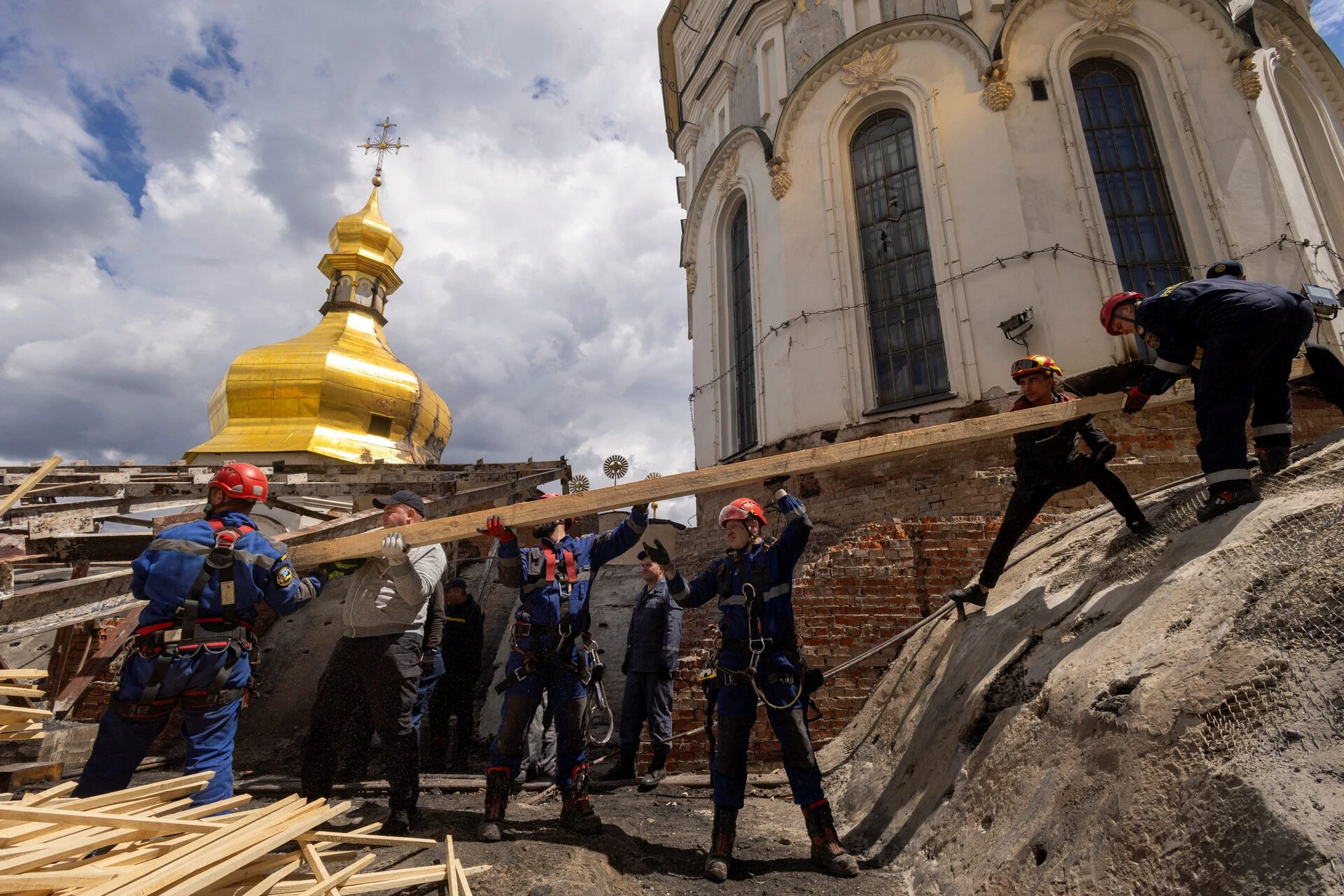 16 червня 2026 року в Києві, Україна, робітники ремонтують дах Успенського собору Київської Печерської Лаври, який постраждав під час вчорашніх російських ракетних і безпілотних ударів у рамках російської агресії проти України — Томас Пітер
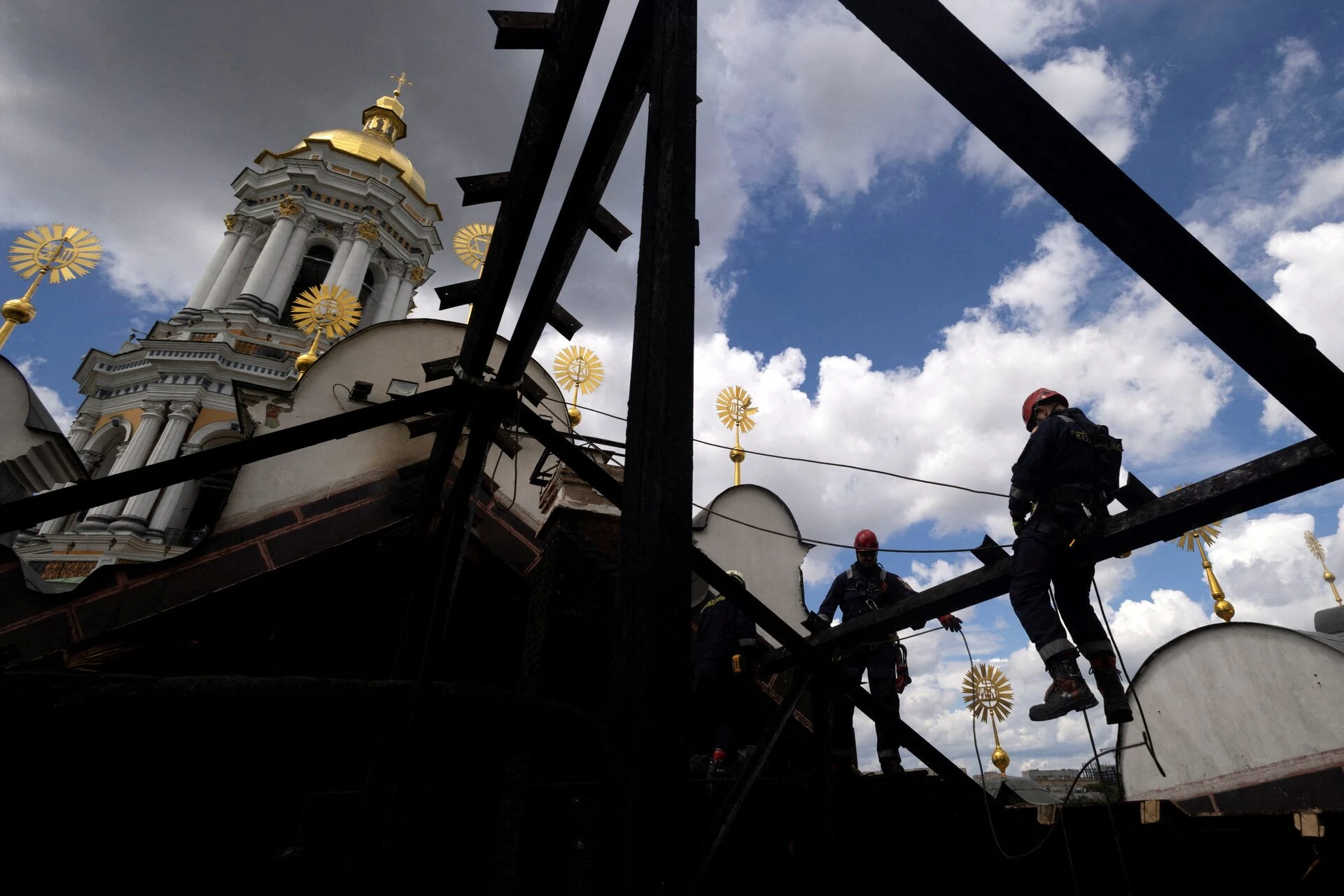 16 червня 2026 року в Києві, Україна, робітники ремонтують дах Успенського собору Київської Печерської Лаври, який зазнав пошкоджень під час вчорашніх російських ракетних і безпілотних ударів у рамках російської агресії проти України — Томас Пітер
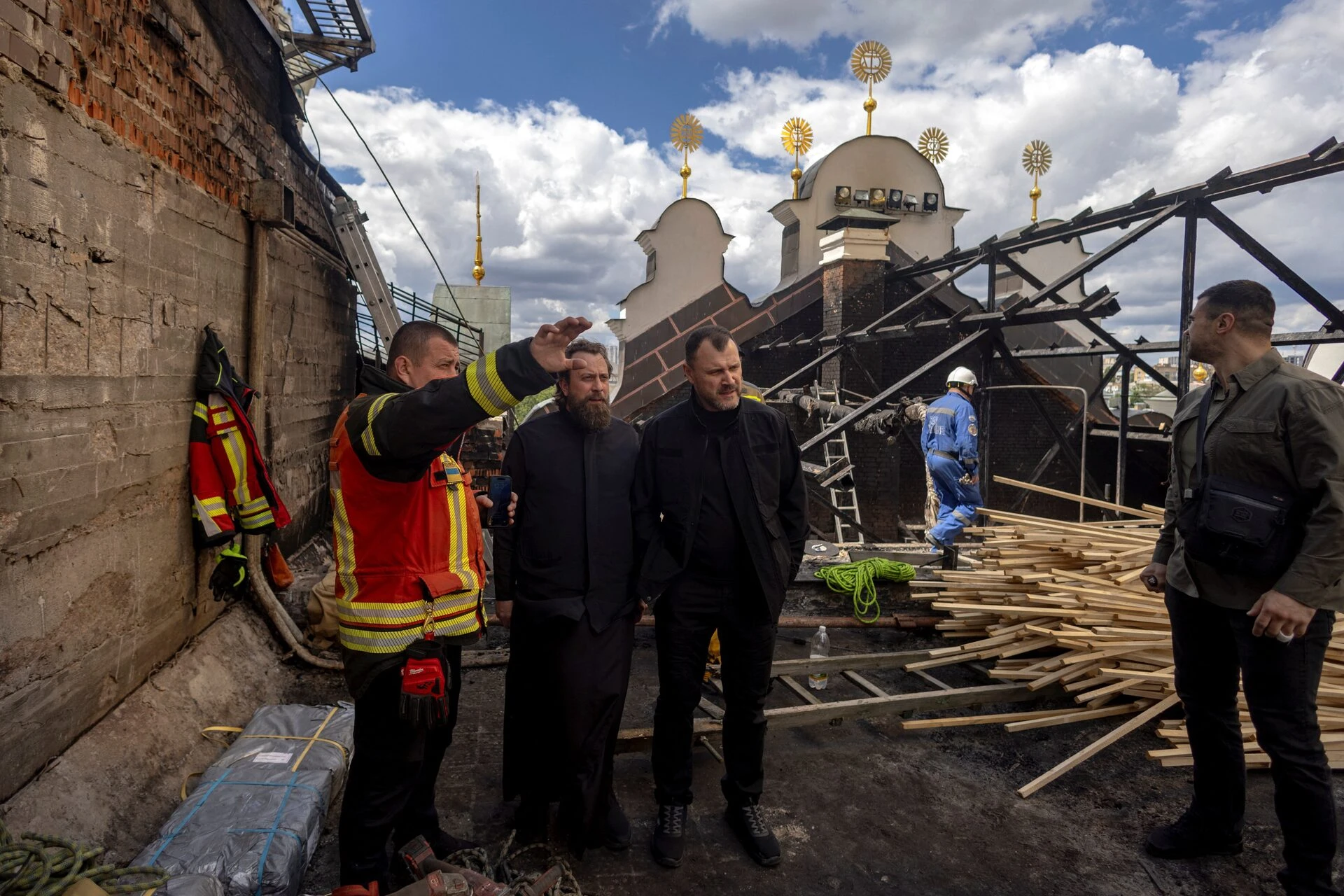 Міністр внутрішніх справ України Ігор Клименко оглядає дах Успенського собору Києво-Печерської Лаври, який зазнав пошкоджень під час вчорашніх російських ракетних і безпілотних ударів у рамках російської агресії проти України, у Києві, Україна, 16 червня 2026 року — Томас Пітер

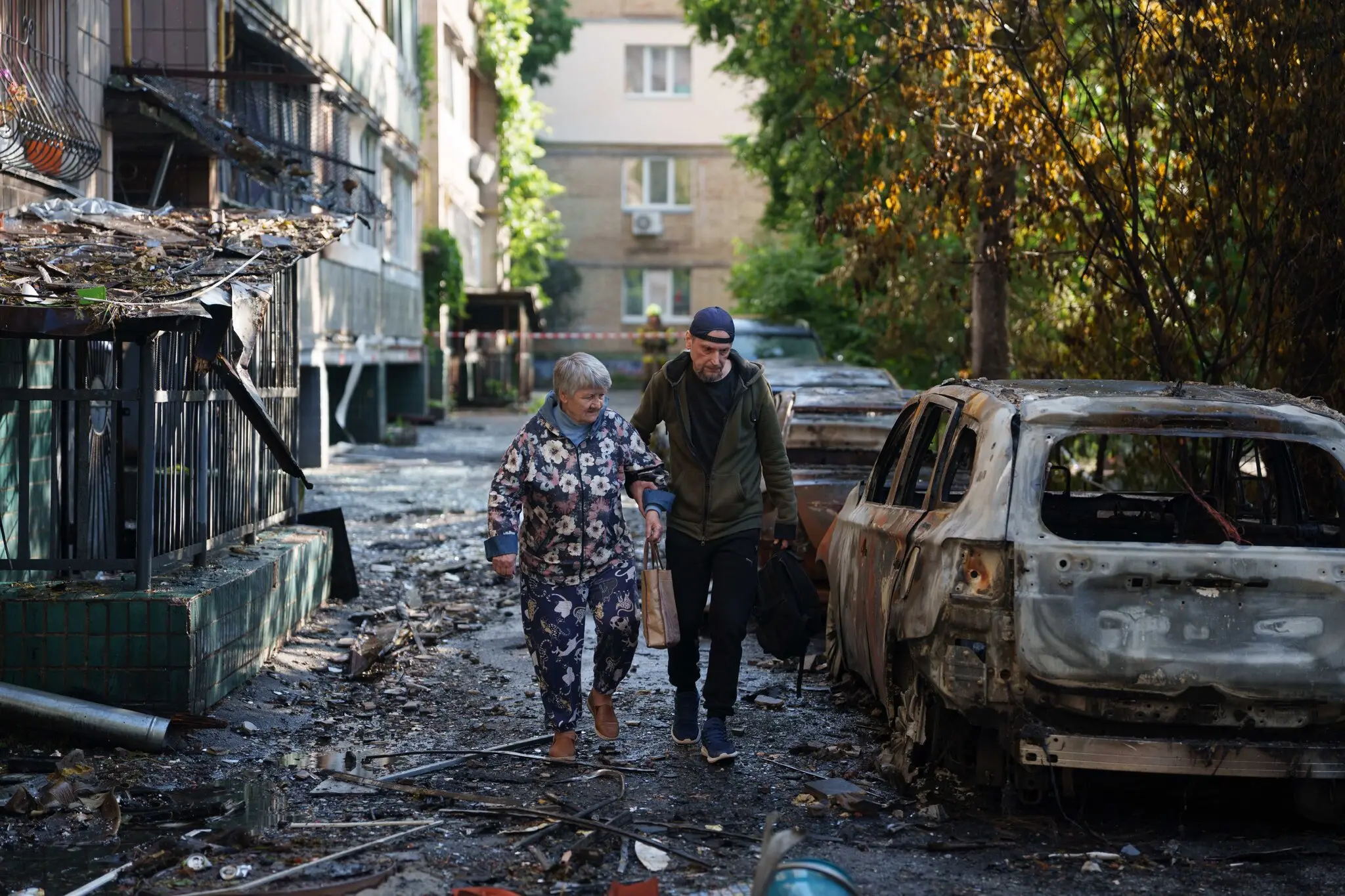
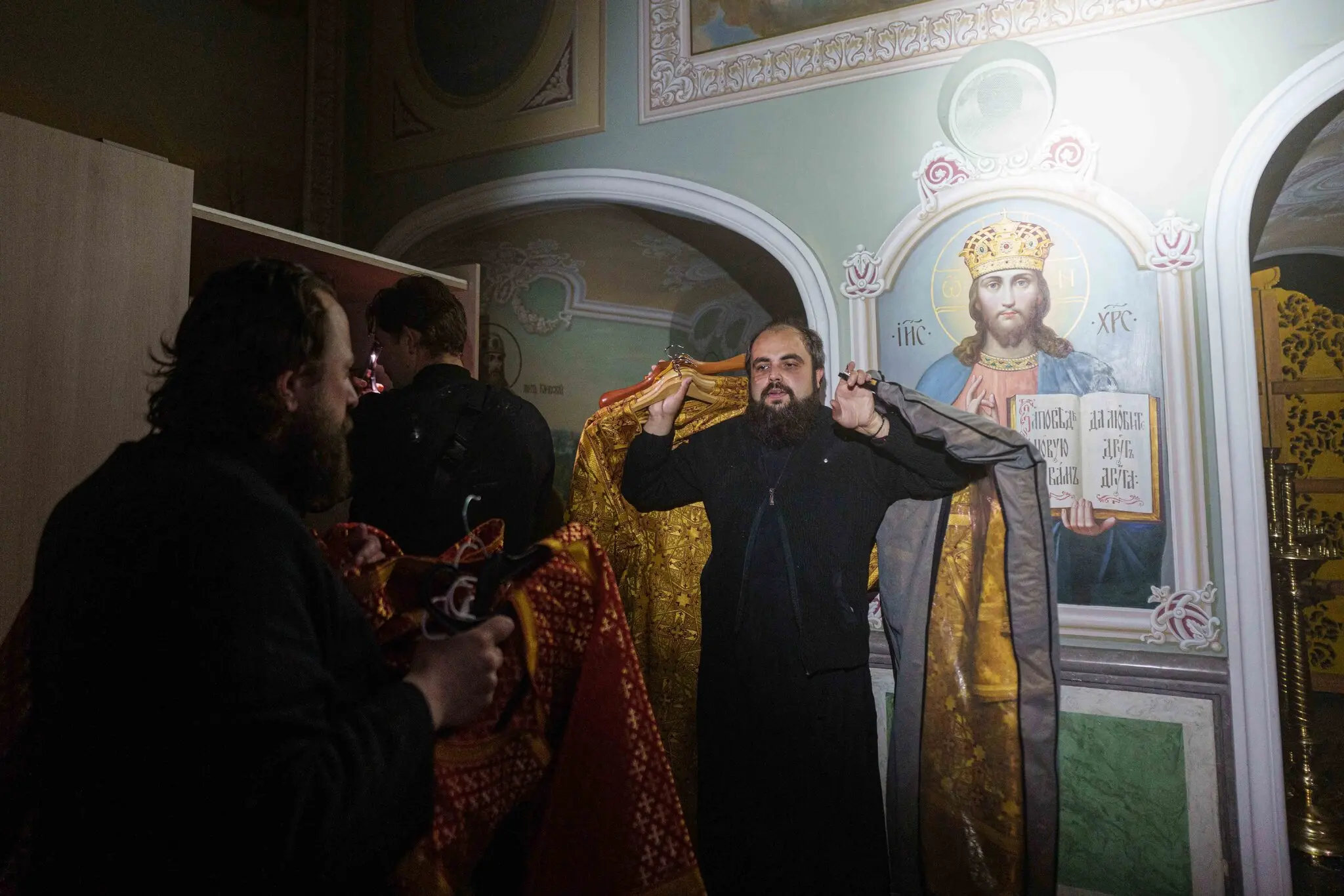 Вивезення речей із собору в понеділок. «Я почув гучний вибух, а потім почали падати уламки», – сказав один священик про пошкодження будівлі — Євген Малолєтка

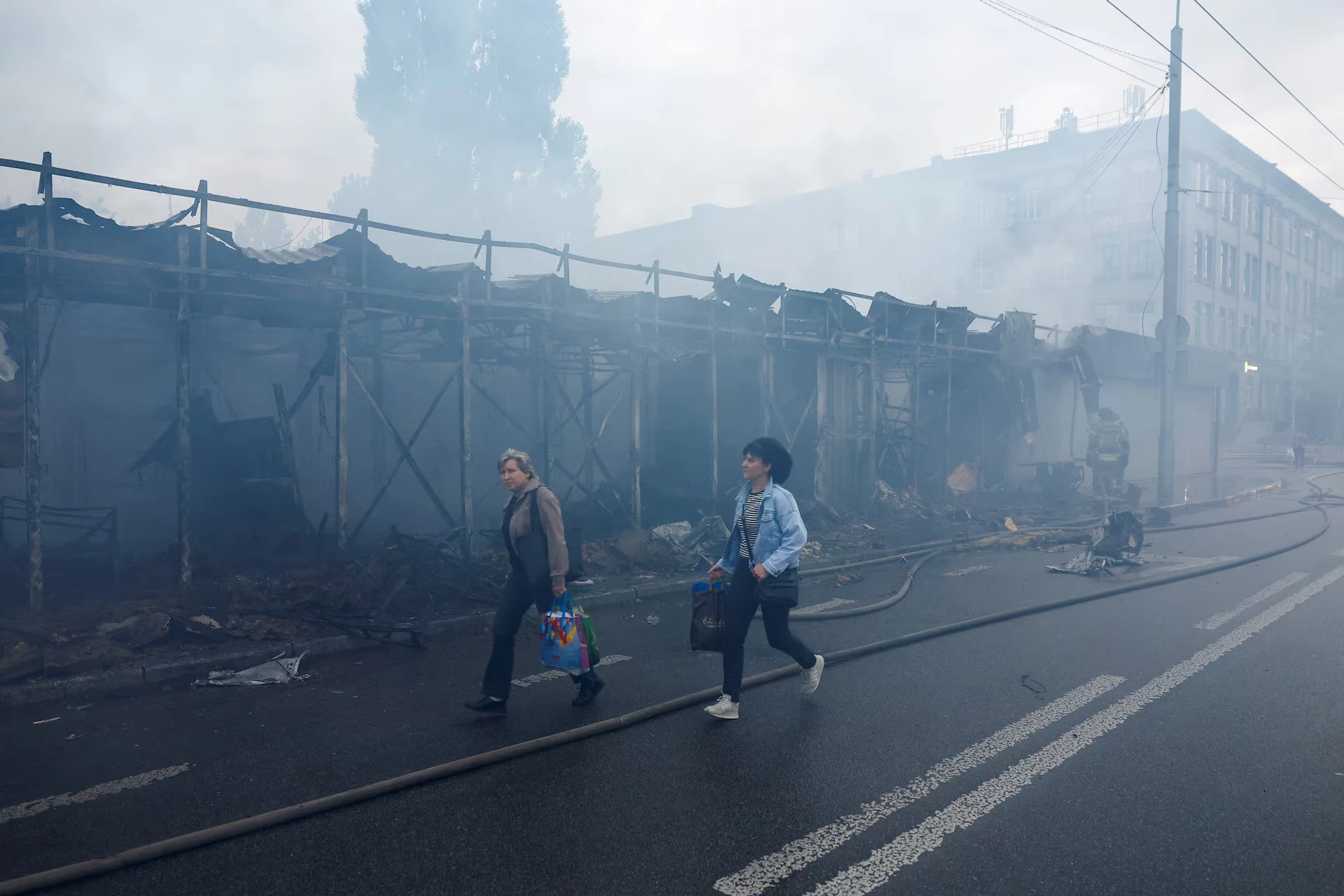 Жінки проходять повз ринок, який постраждав під час російських ракетних і безпілотних ударів у рамках російської агресії проти України, у Києві, Україна, 15 червня 2026 року — Валентин Огіренко



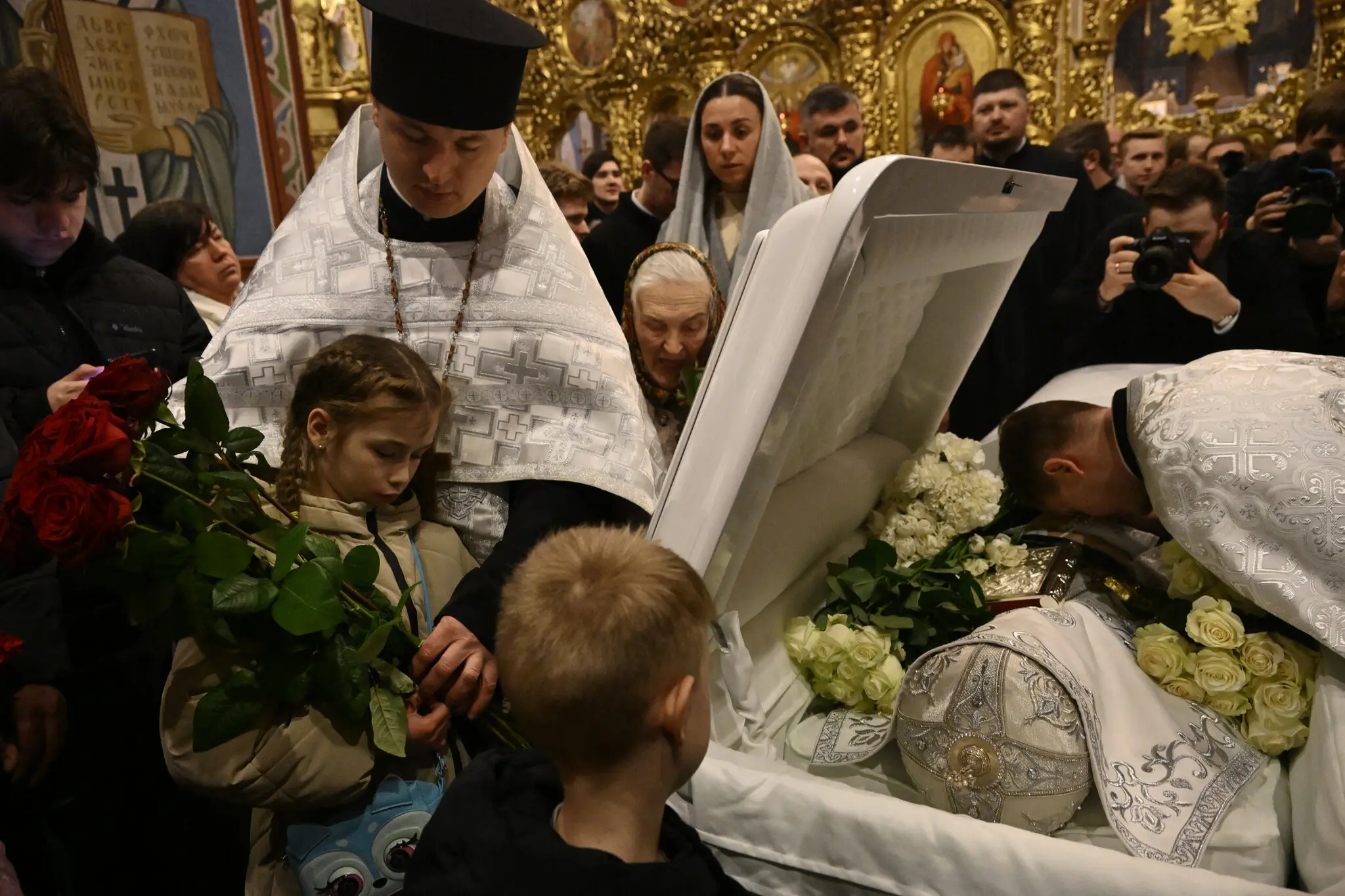 У п'ятницю у Києві віряни вшанували пам'ять Патріарха Філарета — Геня Савілов
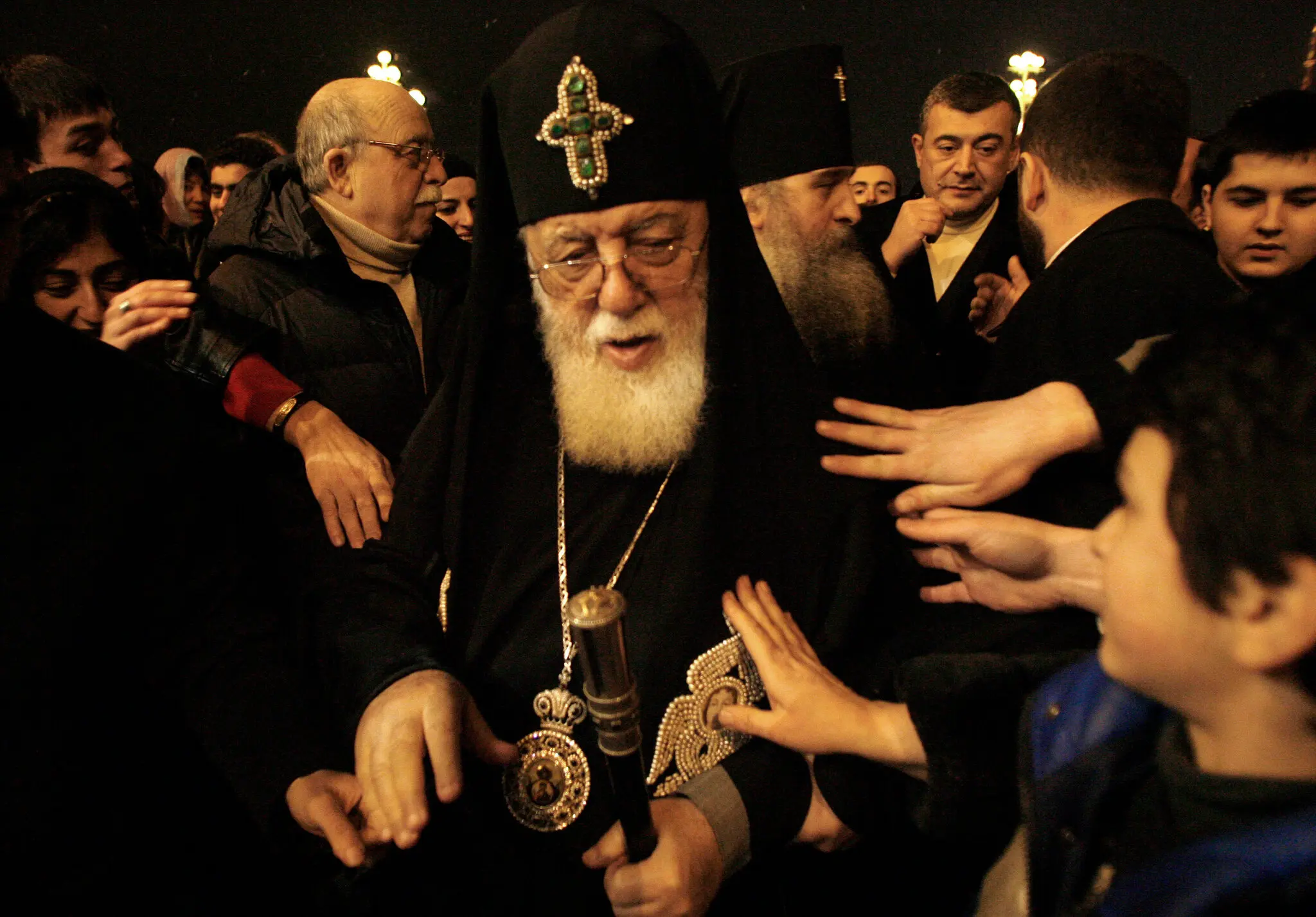
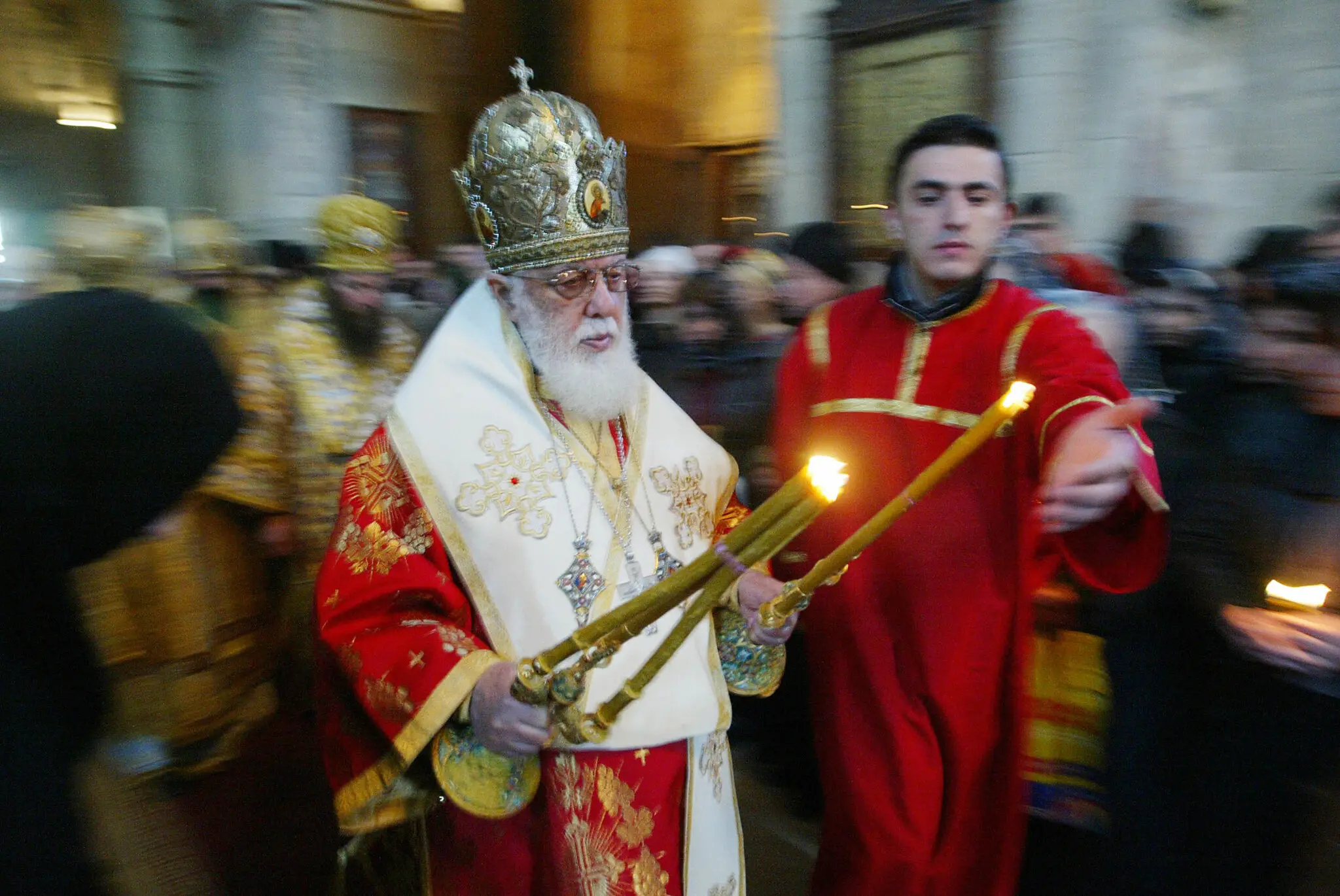 Ілля II на службі під час релігійного свята у 2007 році. Він головував під час економічного колапсу 1990-х років, війни 2008 року з Росією за дві сепаратистські території та нинішнього віддалення Грузії від Заходу — Вано Шламов
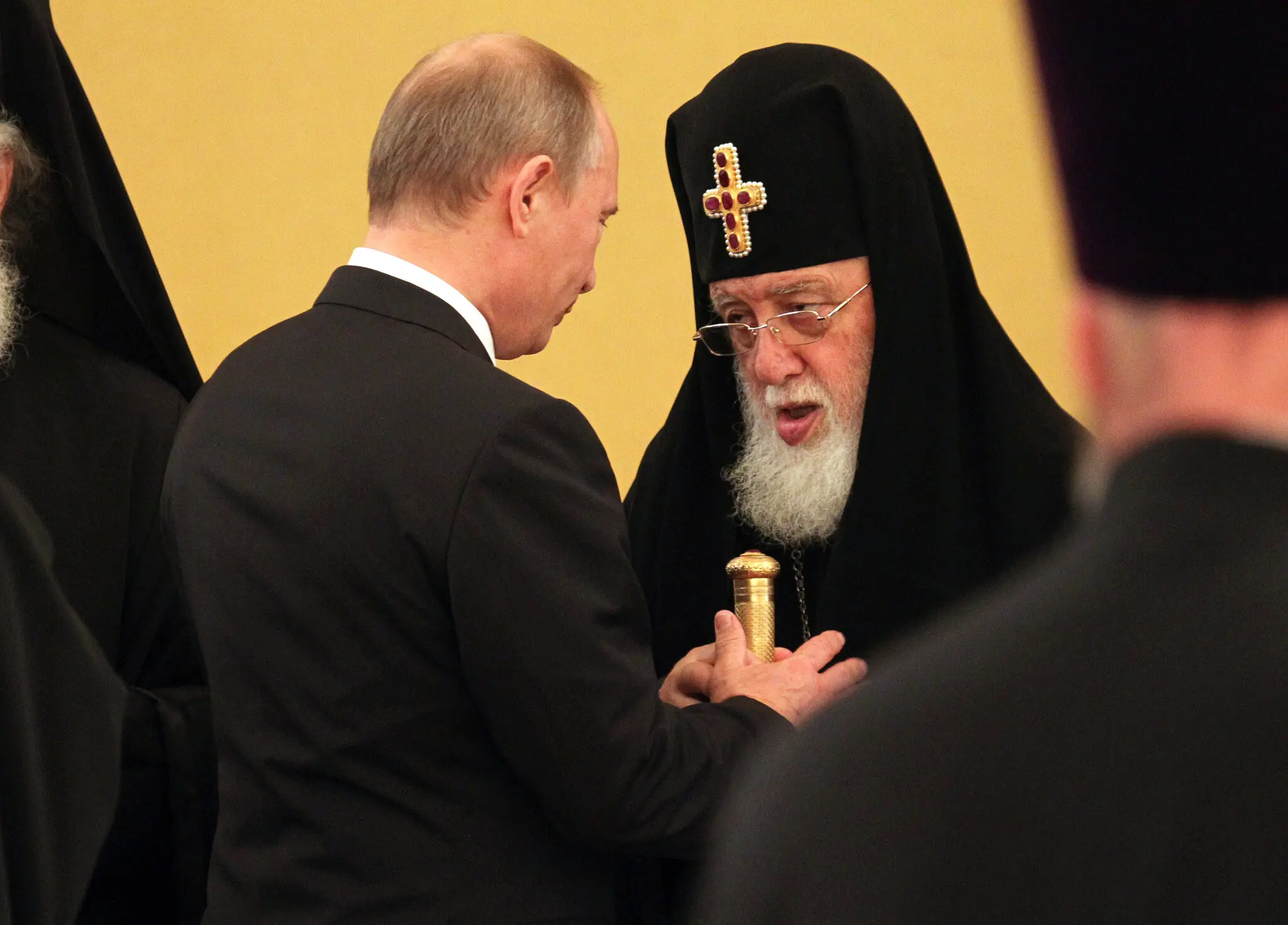 Ілля II зустрівся з президентом Росії Володимиром Путіним у Москві у 2013 році. «Ми живемо у складний період, вибухонебезпечний час, коли загроза ядерної катастрофи є реальною», – писав він пізніше — Саша Мордовець
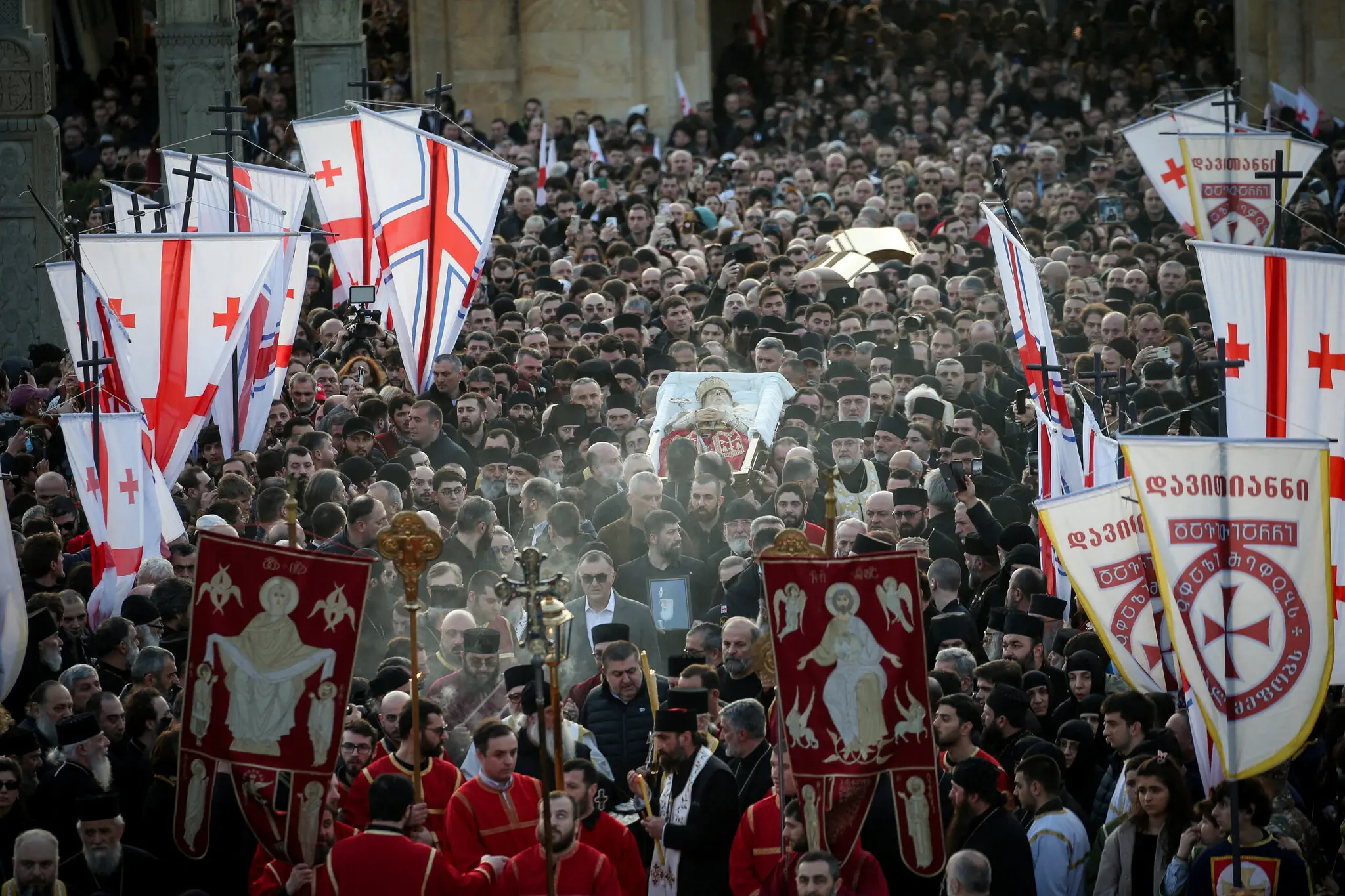 У середу тисячі людей супроводжували труну патріарха процесією до кафедрального собору Святої Трійці в Тбілісі — Іраклій Геденідзе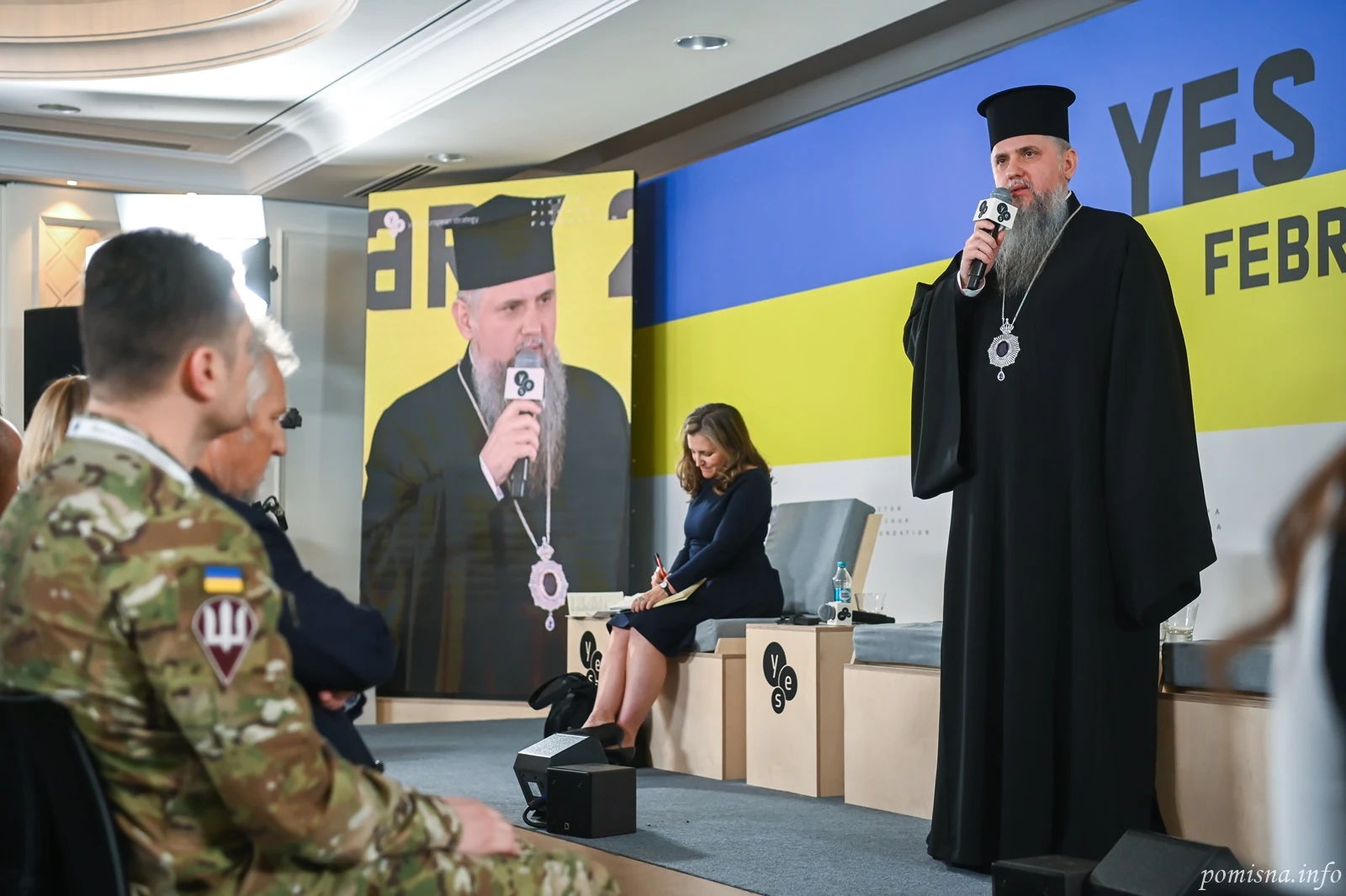
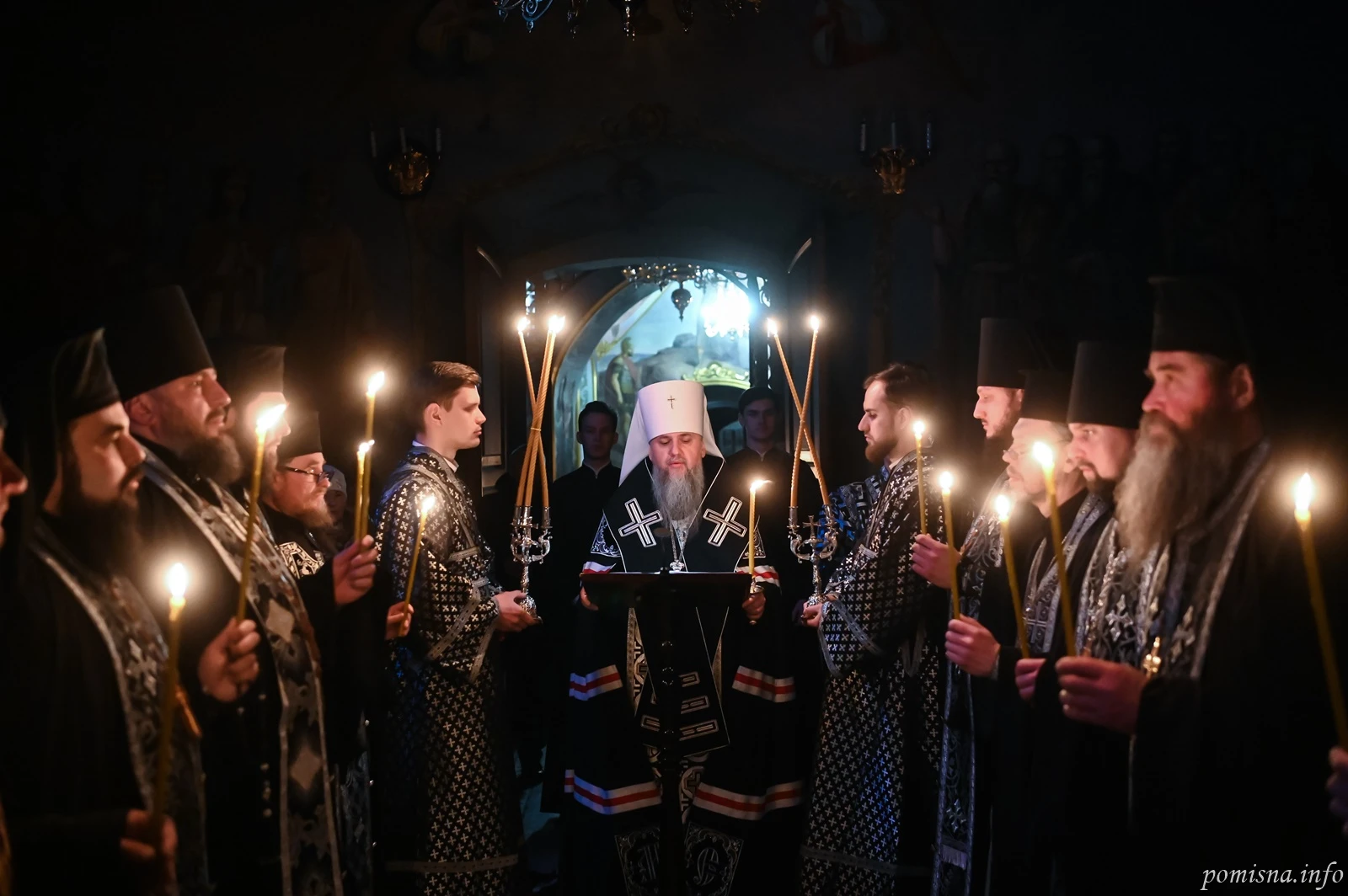
 «YES Meeting 2026» — Через pomisna.info
 «YES Meeting 2026» — Через pomisna.info
 «YES Meeting 2026» — Через pomisna.info
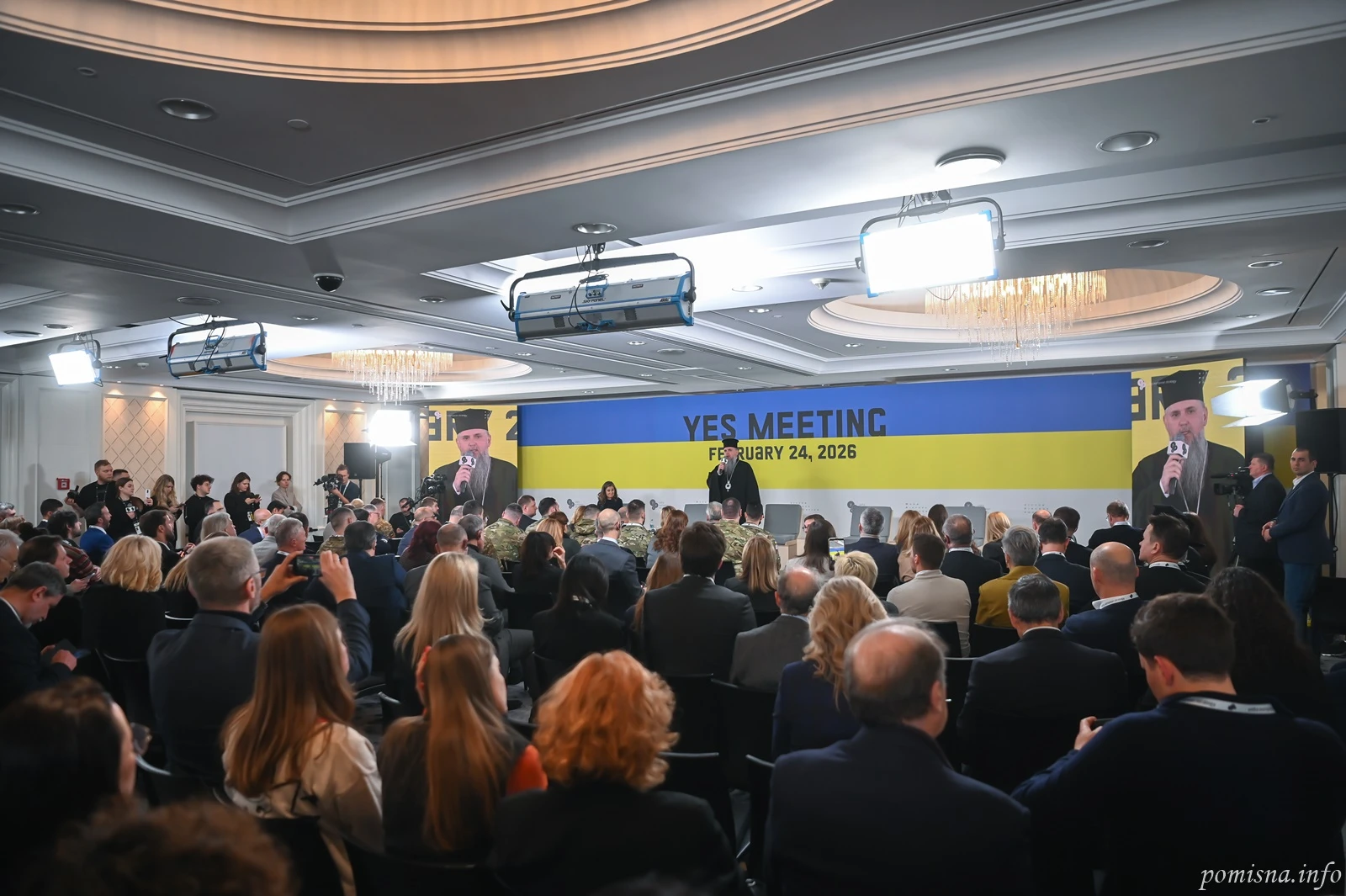 Блаженнійший Митрополит Епіфаній взяв участь у «YES Meeting 2026» — Через pomisna.info
 zapuskaie raketu pid chas navchan u navchalnomu centri Yakima bilya mista Yakima, shtat Vashington, 4 listopada.webp)
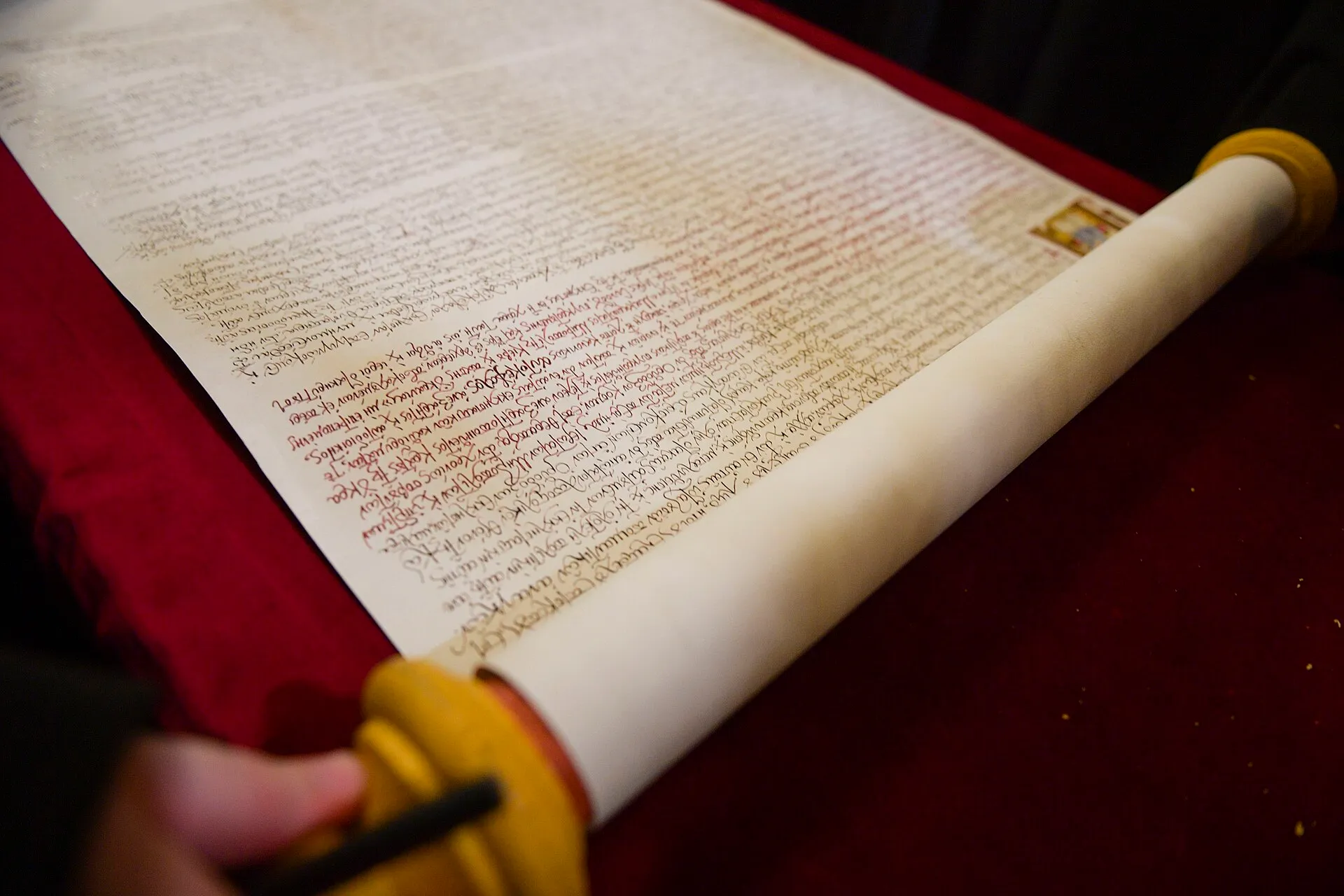
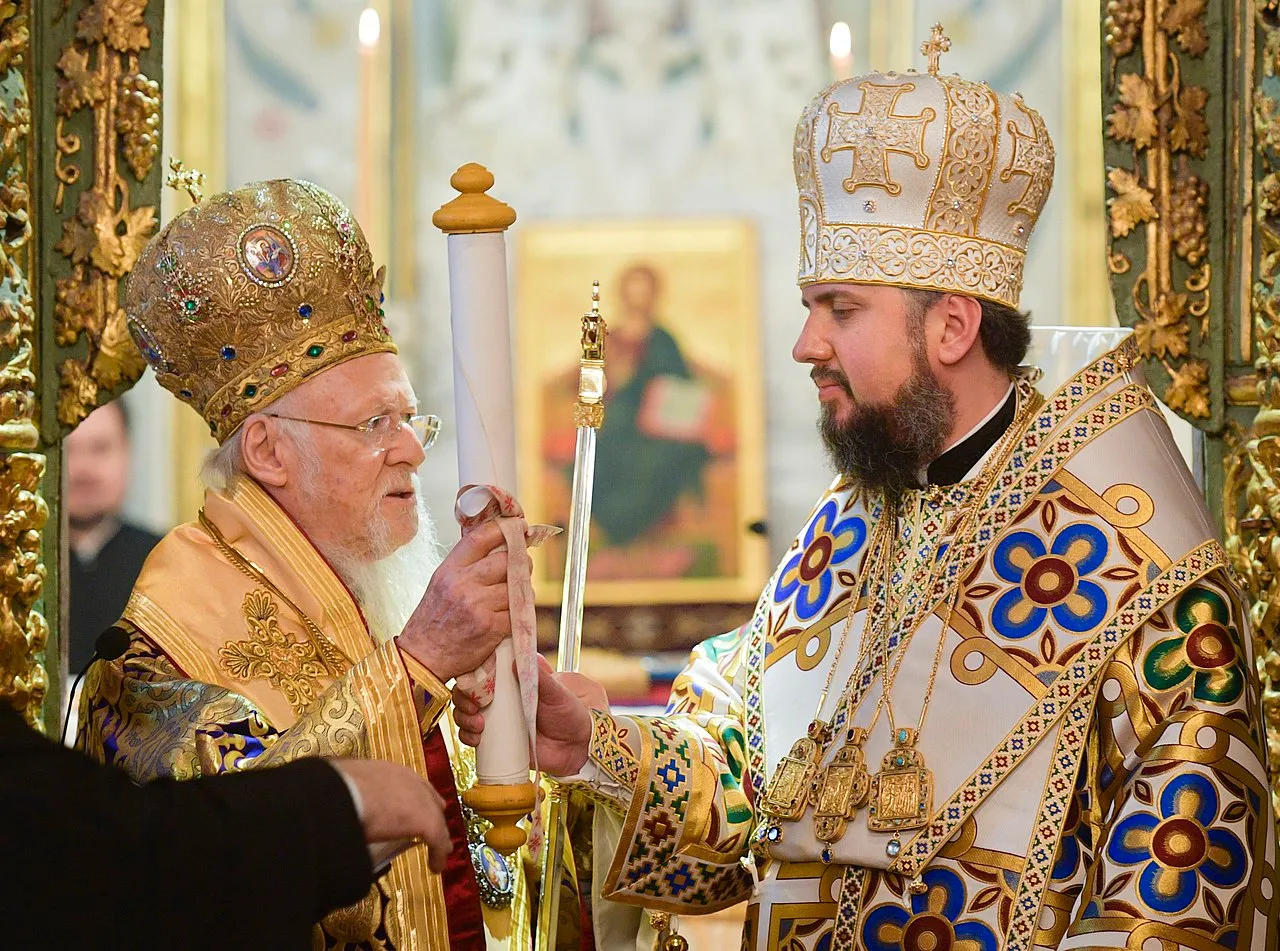
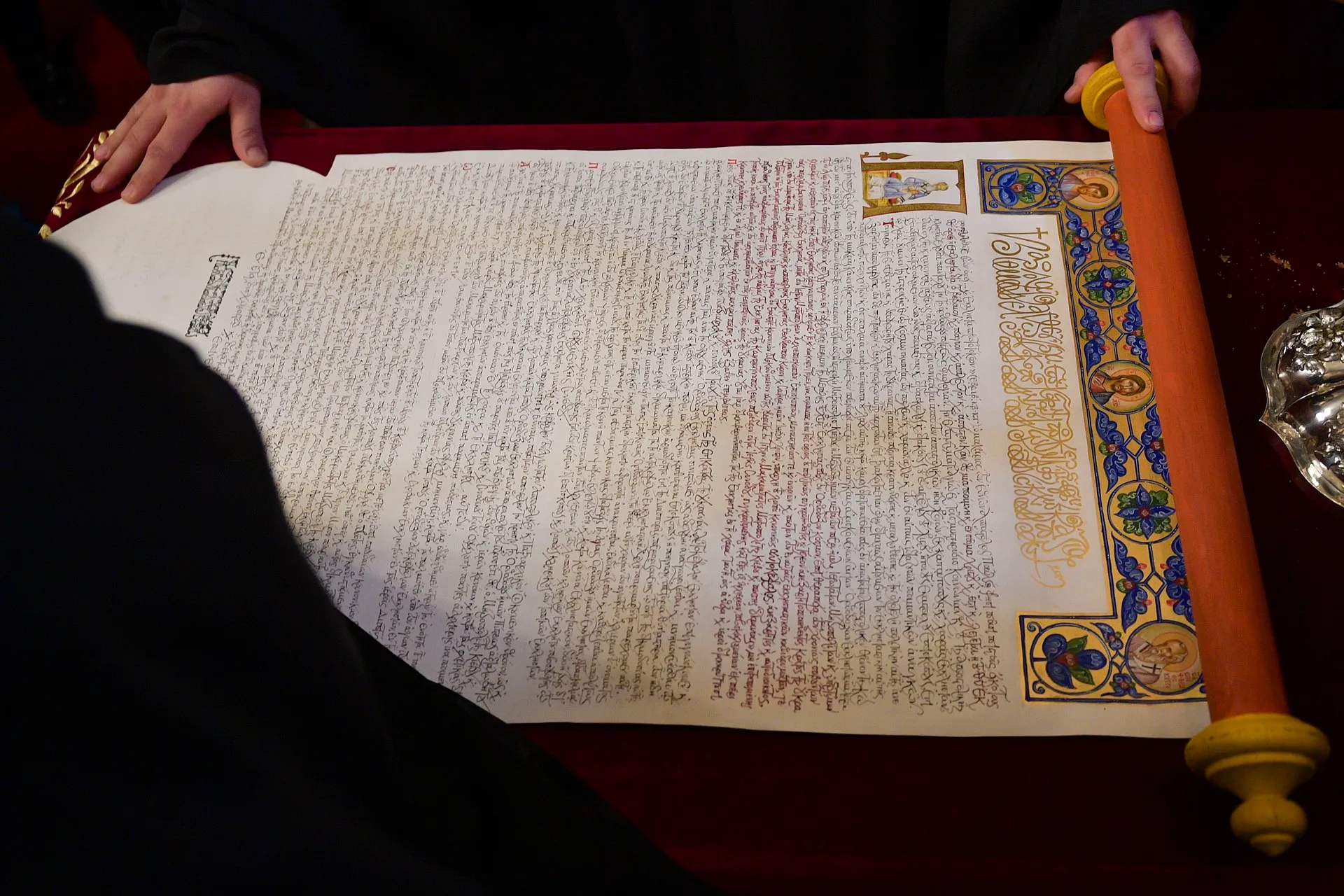 Томос про автокефалію Православної церкви України. President.gov.ua
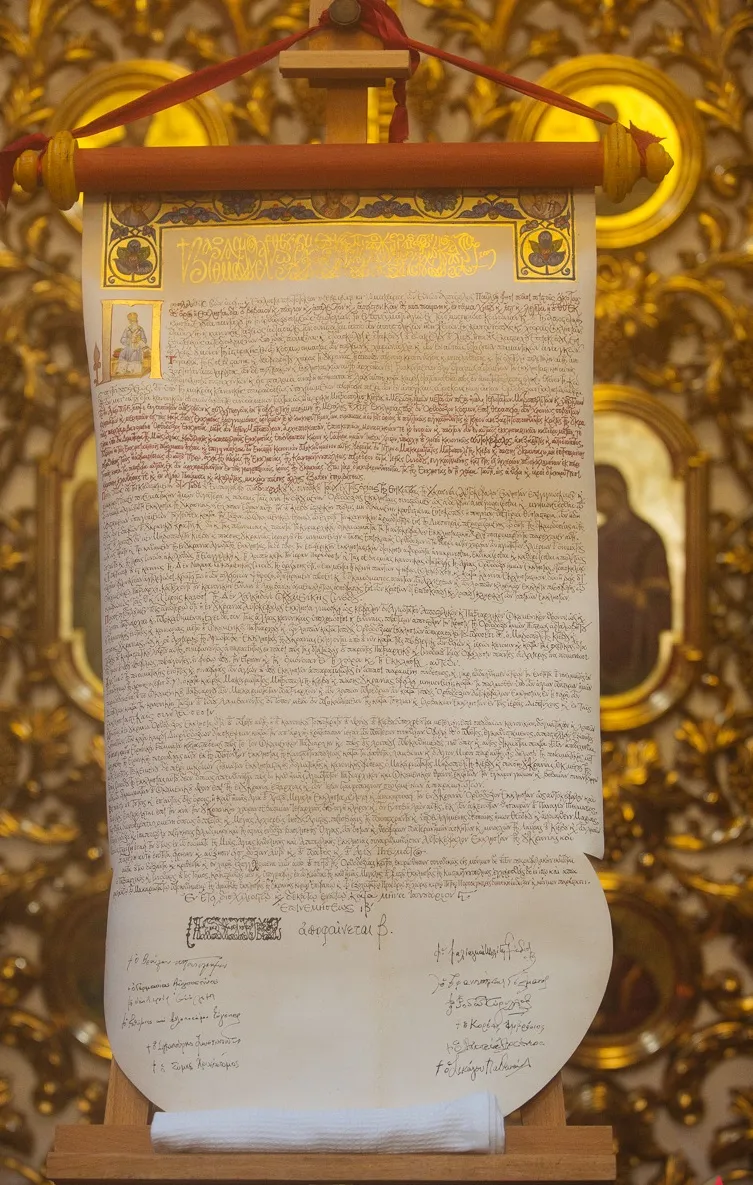 Томос про автокефалію ПЦУ. Piznajko
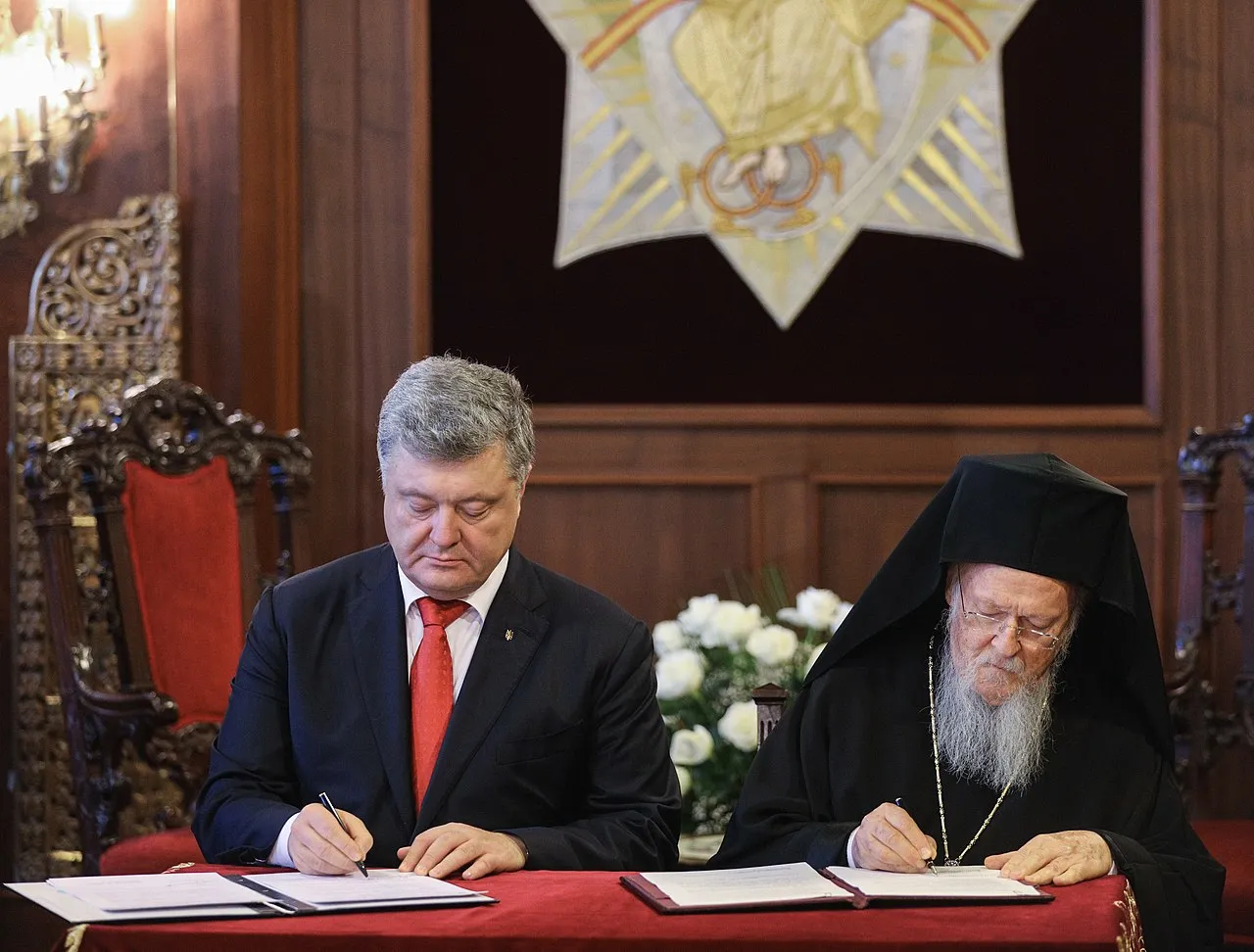 Варфоломій I з 5 президентом України Петром Порошенко, 3 листопада 2018 року. President.gov.ua
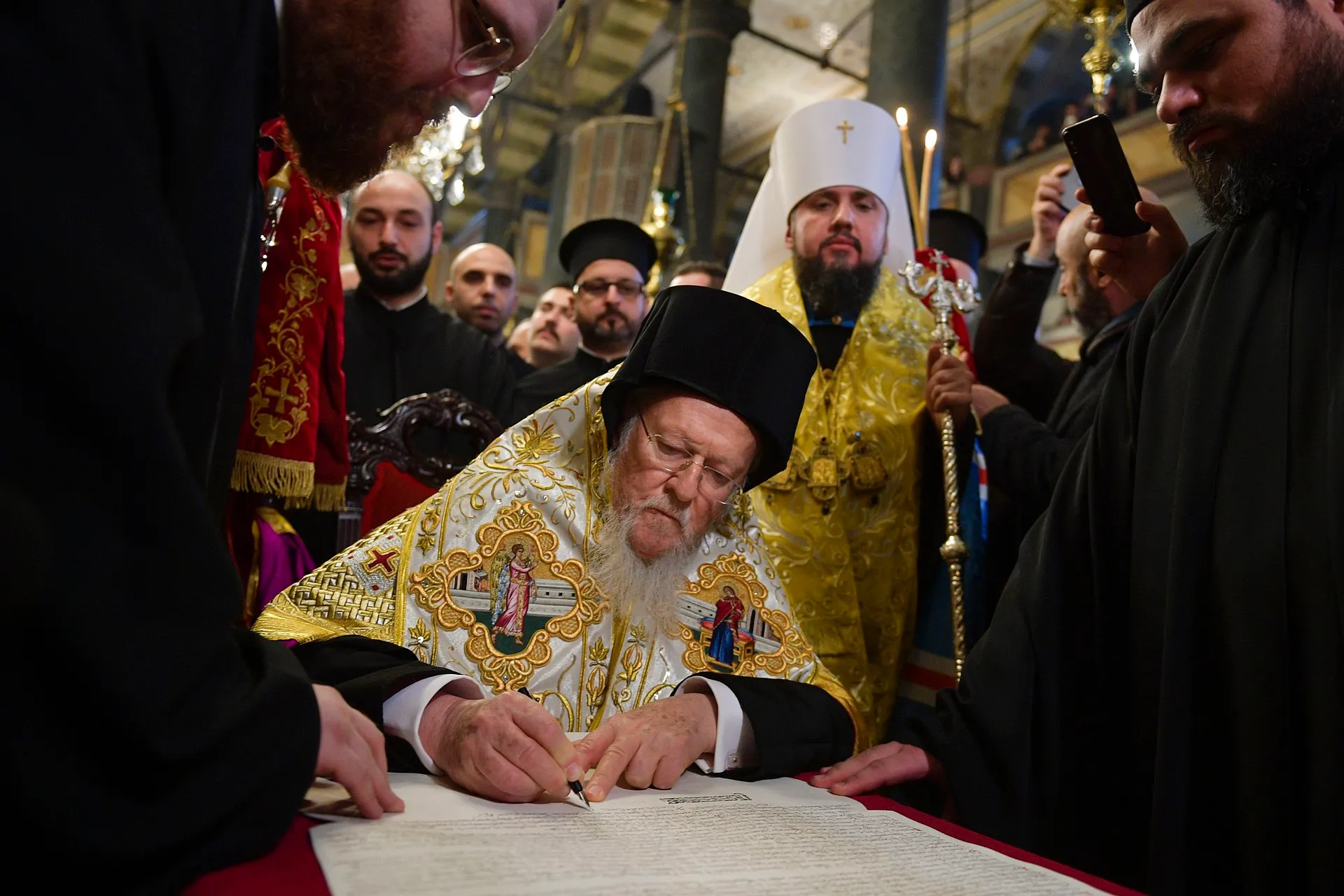 Підписання томосу для ПЦУ. Ліворуч стоїть очільник ПЦУ — митрополит Епіфаній, 2019 року. President.gov.ua
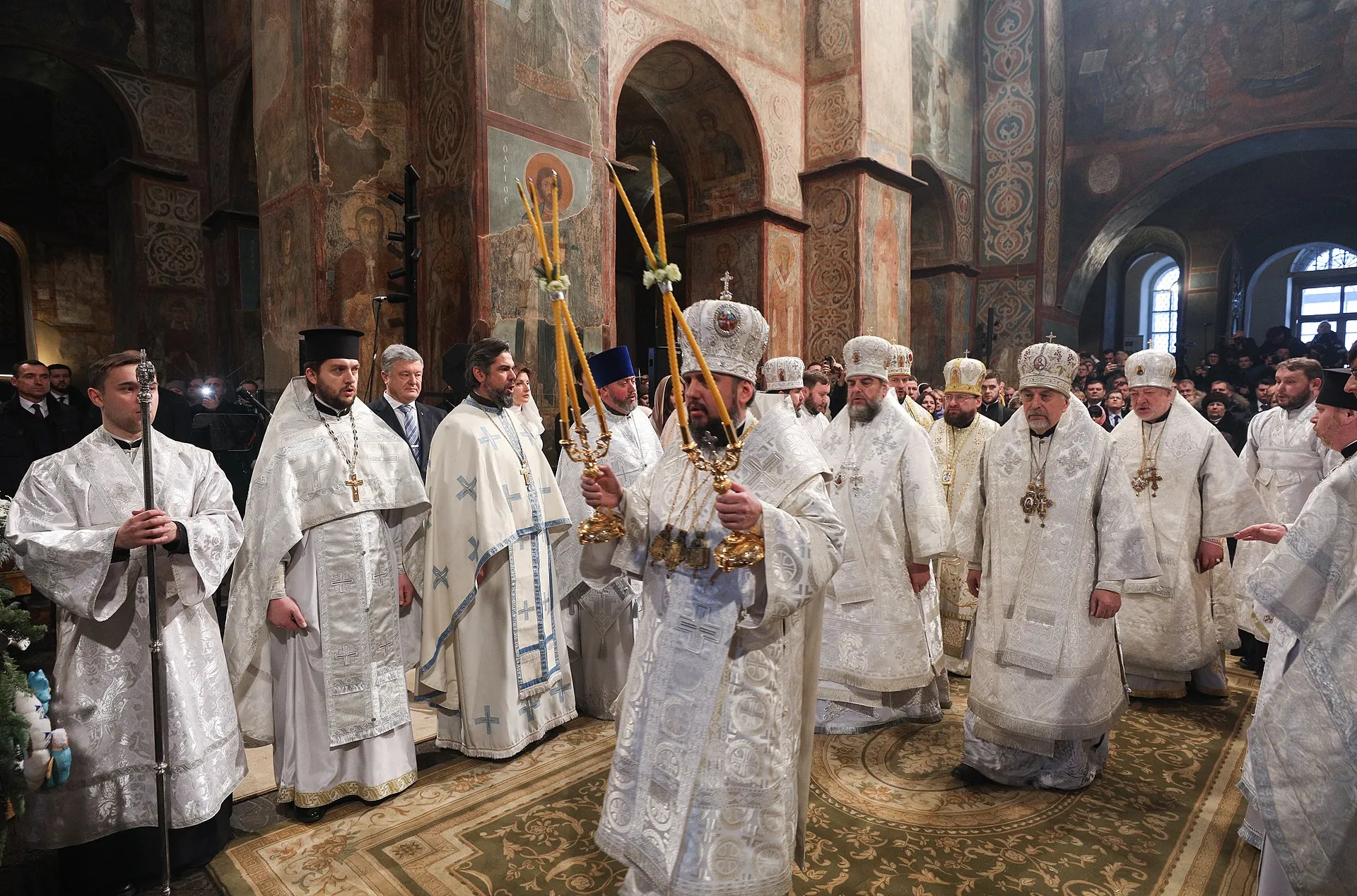 Різдвяна літургія, на якій був презентований томос про автокефалію ПЦУ. President.gov.ua
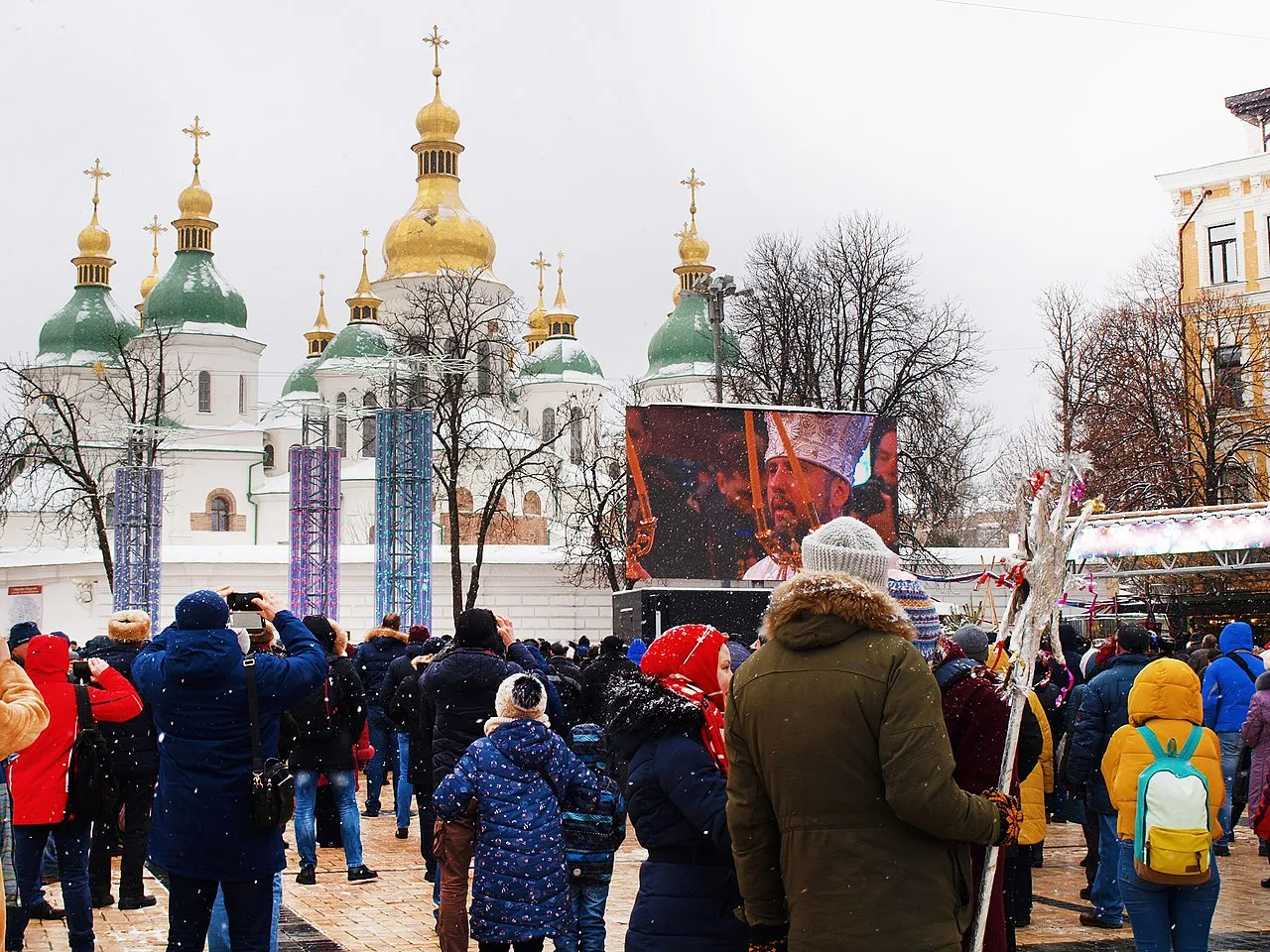 Трансляція різдвяної літургії 2019 у Софії Київській на Софійській площі, 7 січня 2019 року. KioViy
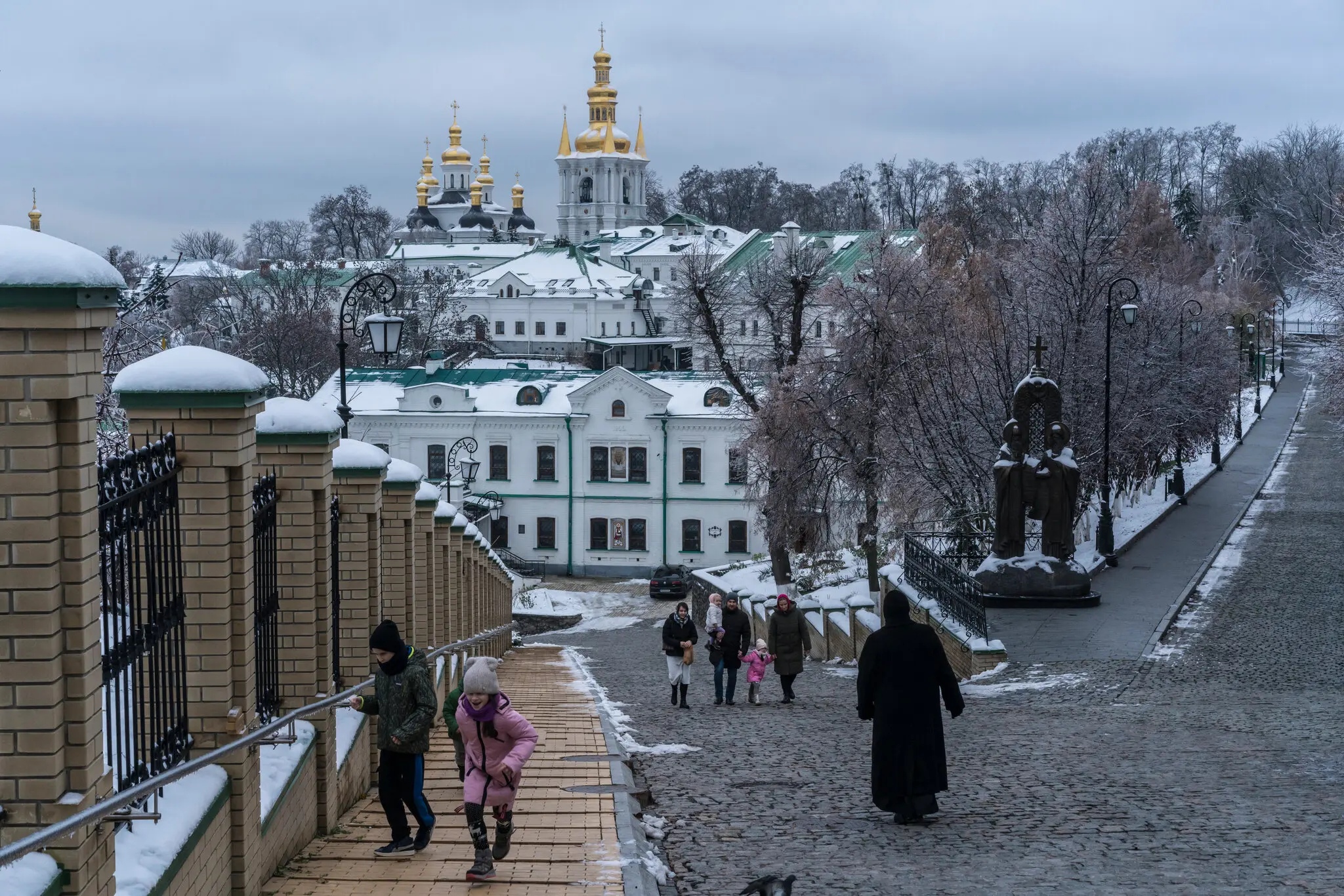
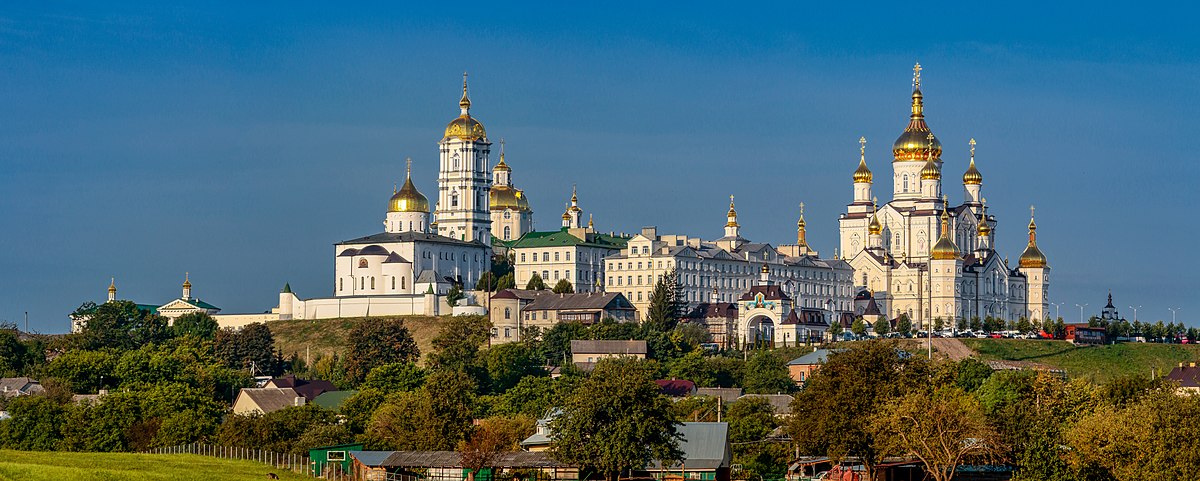
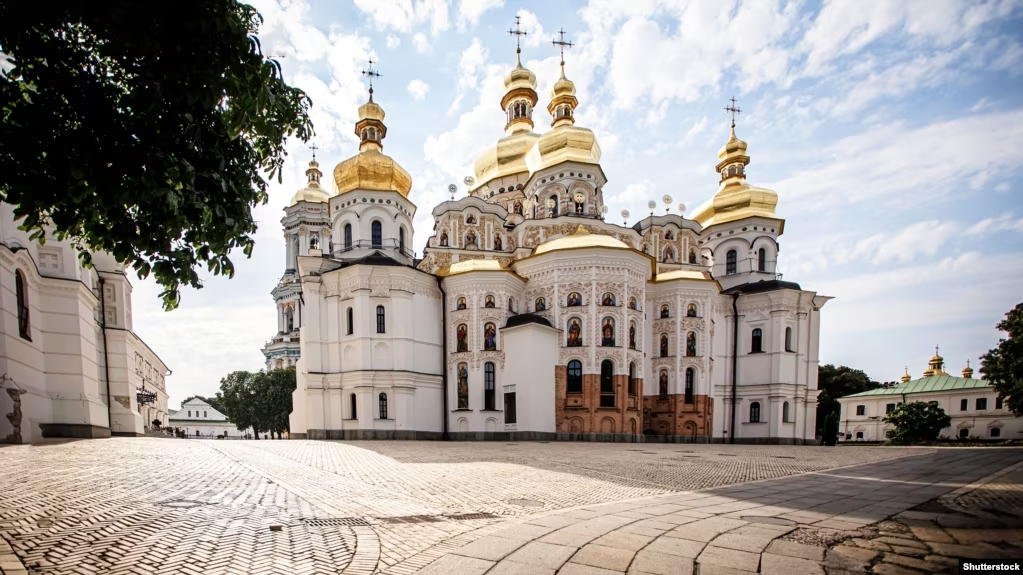 Собор у Києво-Печерській Лаврі через Радіо Свобода
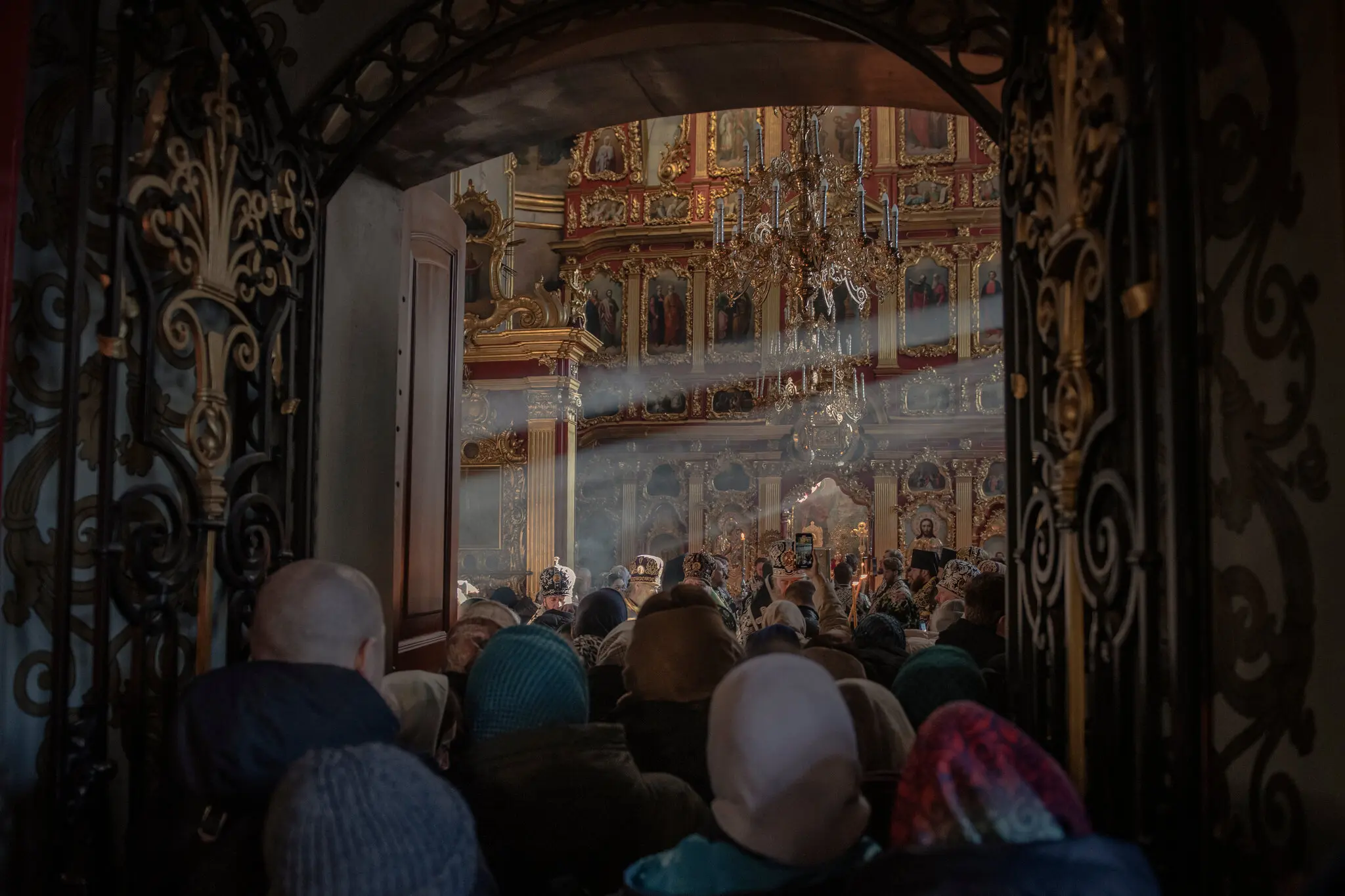 Прихожани на ранковій службі в комплексі Печерської Лаври в Києві, Україна, березень. Летиція Ванкон
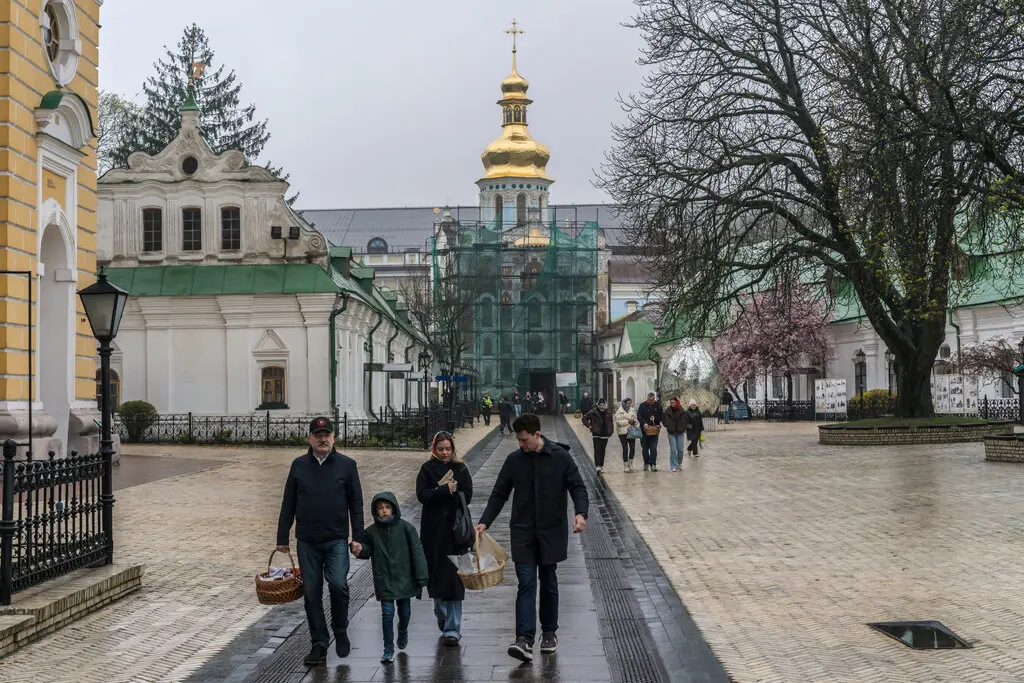 Веруючі прибувають на православну пасхальну службу до Свято-Успенського собору, частини комплексу культових споруд у Києві, які до війни використовувалися виключно філією РПЦ. Брендан Хоффман
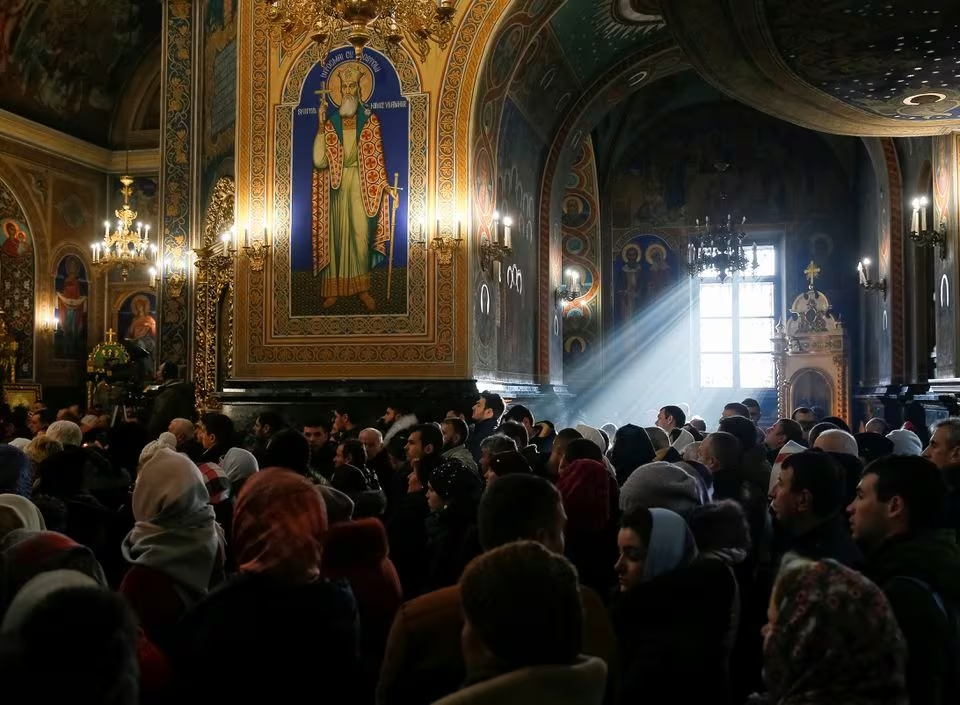 Люди відвідують богослужіння під час православного святкування Хрещення в Кишиневі, Молдова, 19 січня 2019 року. Гліб Гараніч
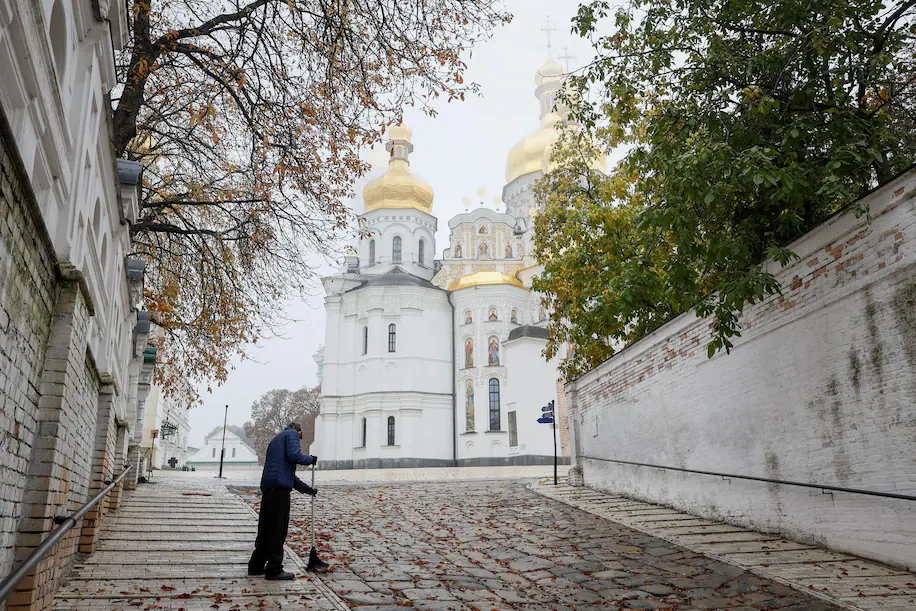 Чоловік цього місяця підмітає листя з доріжки на території Києво-Печерської Лаври, або Лаври Печерської. Аліна Смутко
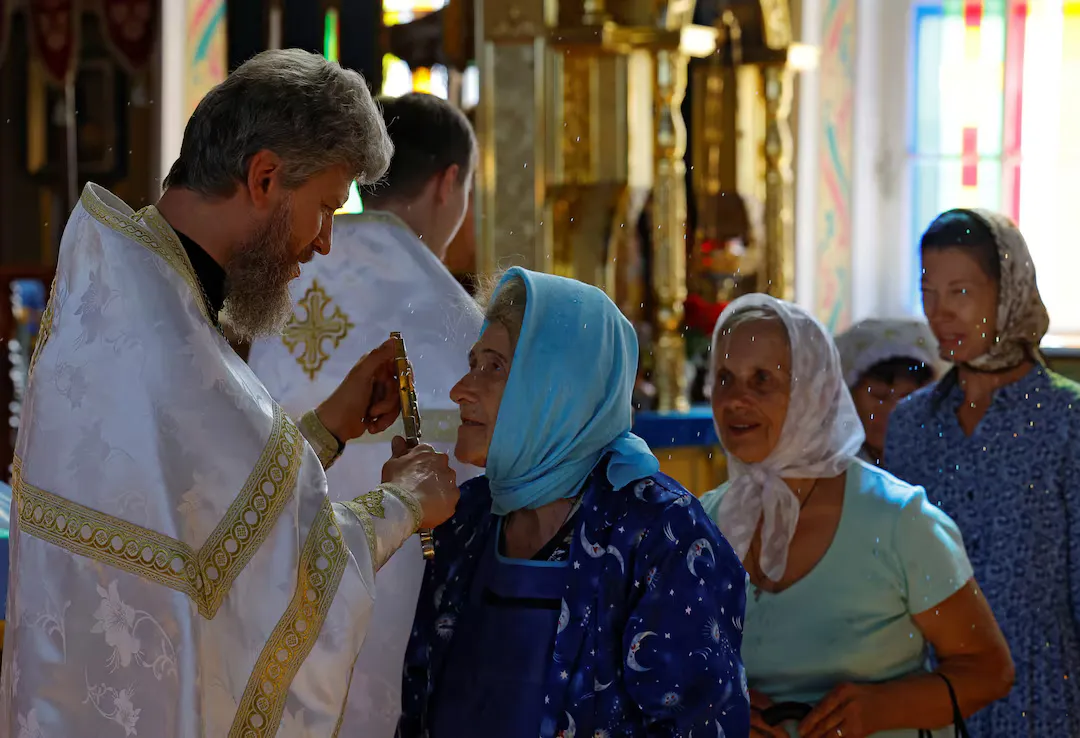


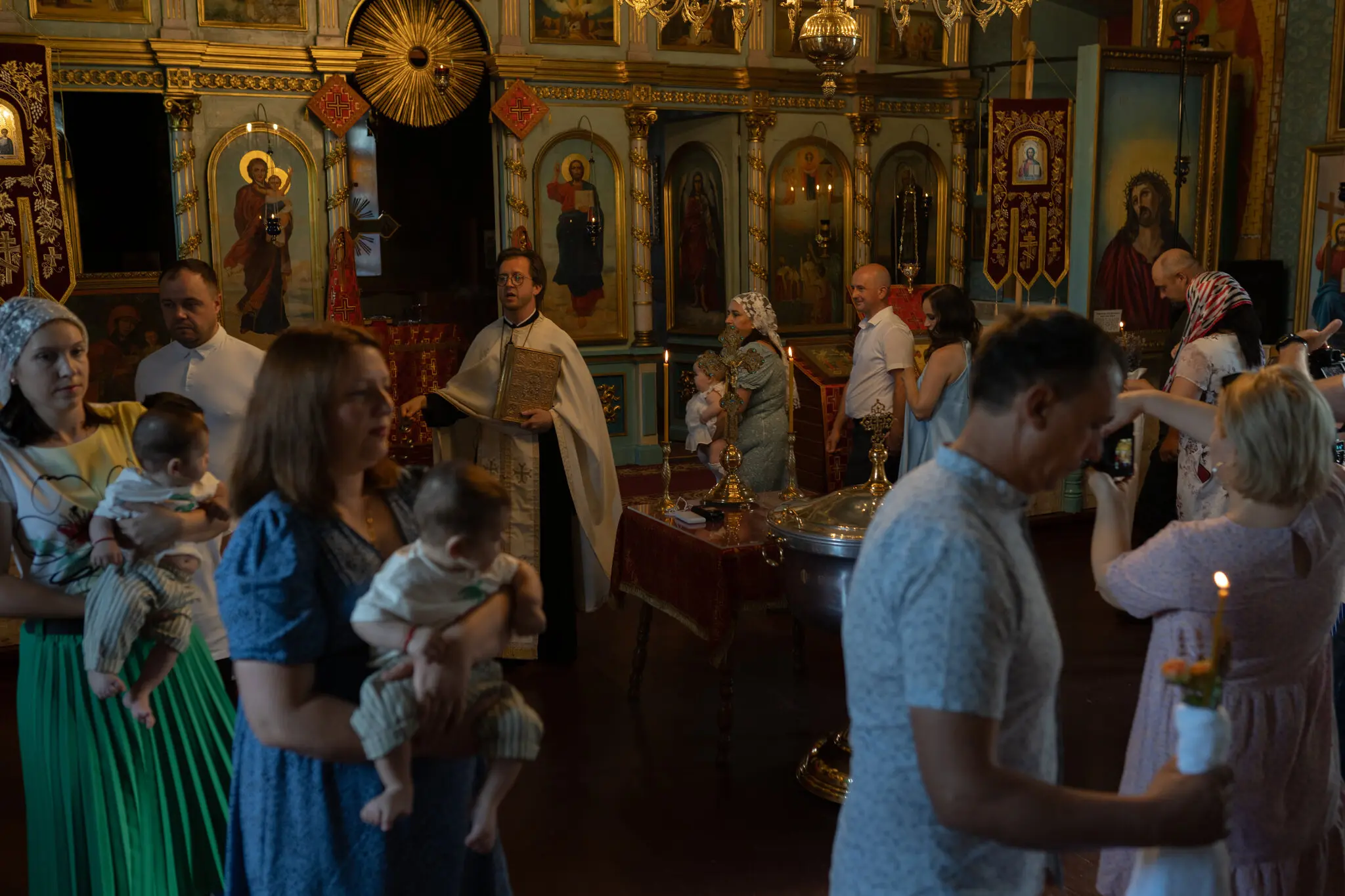
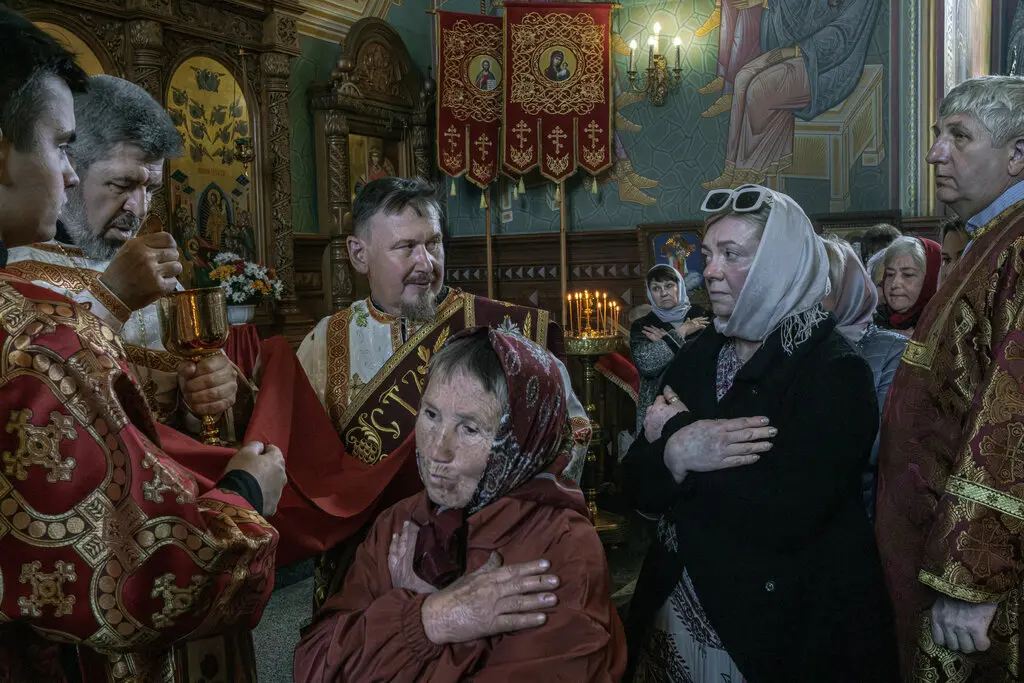 Російські православні віруючі причащаються від священика під час пасхальної служби, яка проводиться в церкві Московського патріархату в Костянтинівці, на сході України, у травні. Маурісіо Ліма
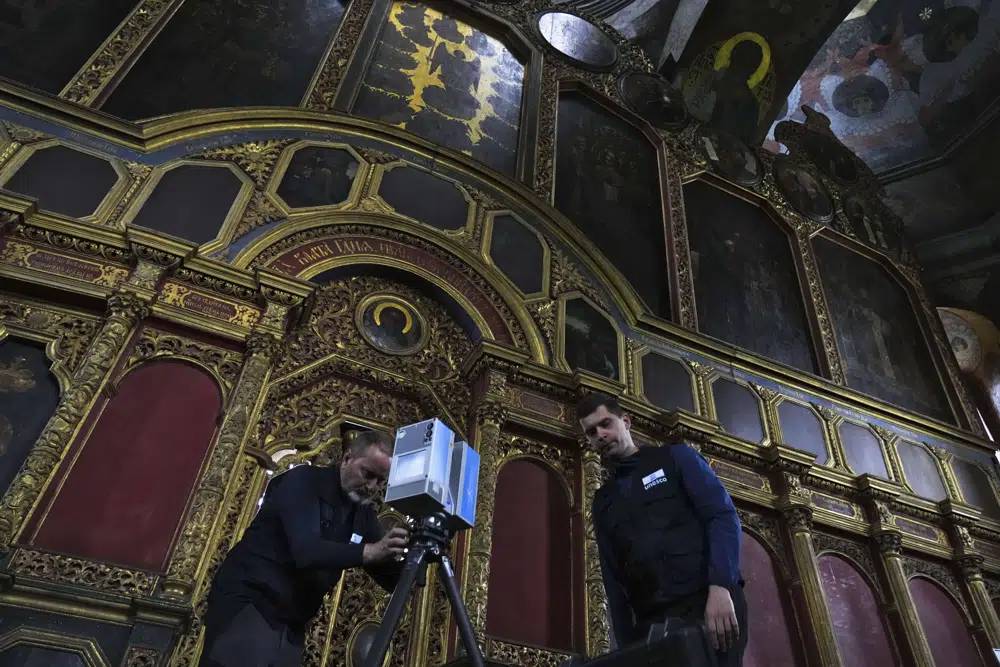 Волонтери Еммануель Дюран (ліворуч) і Сергій Ревенко встановили високотехнологічний сканер у храмі Всіх Святих Києво-Печерської Лаври в Києві, Україна, у неділю, 11 червня 2023 р. Використовуючи високотехнологічне лазерне обладнання, ООН - підтримана коман Jon Gambrell