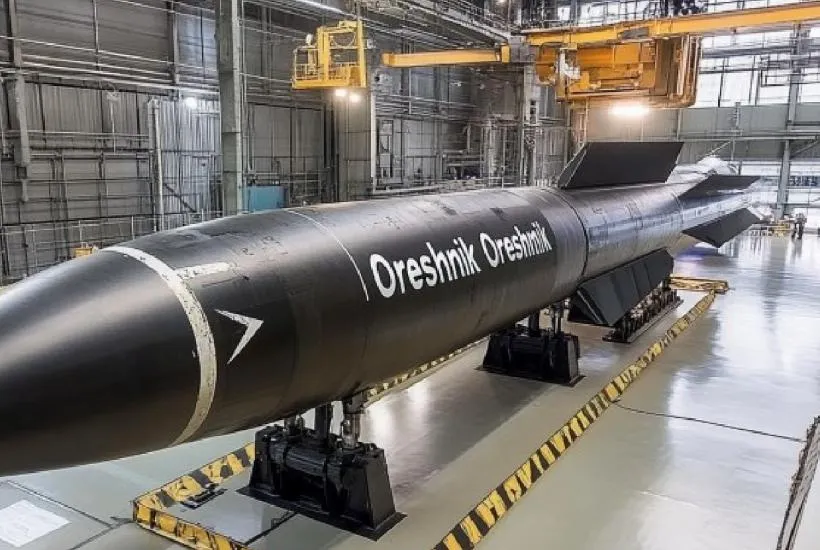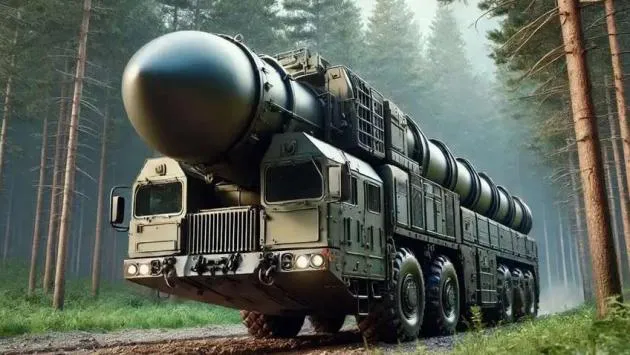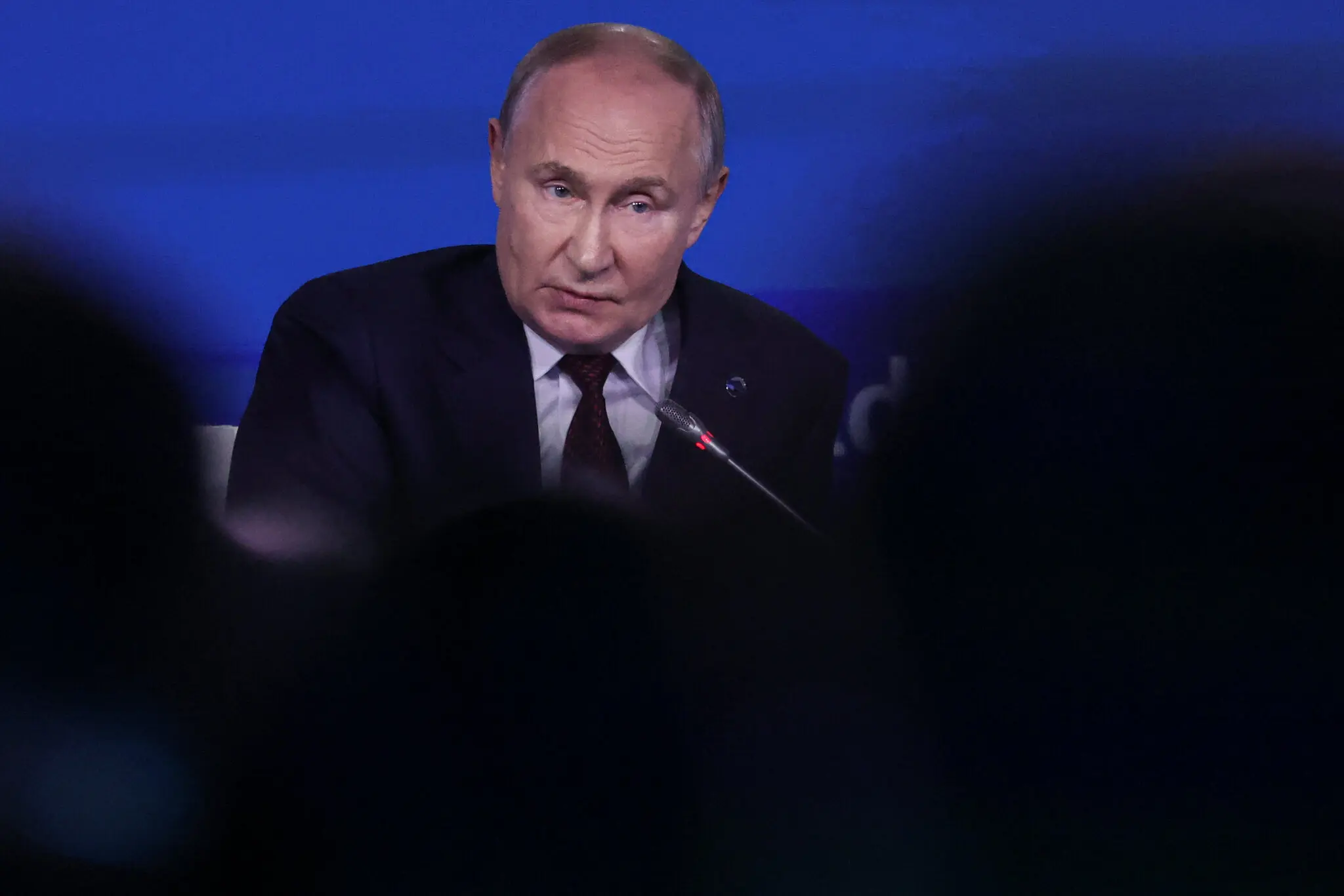
























The strike on Dnipro in November 2024 was one of the most unusual episodes of the full-scale war. The series of explosions lasted several hours, and the nature of the damage led Ukrainian officials to suspect the use of an intercontinental ballistic missile. Western partners quickly dismissed this version, but within a few hours, Russian President Vladimir Putin announced the use of a new medium-range missile codenamed “Oreshnik.”
From that moment on, “Oreshnik” ceased to be merely a technical term and became a political marker. Moscow presented the launch as a “successful test,” emphasizing its flight speed—up to Mach 10–11—and claiming there were no effective means of interception. According to Deik’s preliminary analysis, it was precisely the emphasis on speed and “invulnerability” that was the key element of the information effect.
Despite the Kremlin’s statements, there is no consensus on the nature of “Oreshnik.” Ukrainian intelligence believes it is a new type of ballistic missile, known by the internal designation “Kedr,” whose parameters approach those of an intercontinental-range missile. According to their data, the missile flew from the Astrakhan region in less than 15 minutes, covering over a thousand kilometers.
The strike on Dnipro in November 2024 was one of the most unusual episodes of the full-scale war. The series of explosions lasted several hours, and the nature of the damage led Ukrainian officials to suspect the use of an intercontinental ballistic missile. Western partners quickly dismissed this version, but within a few hours, Russian President Vladimir Putin announced the use of a new medium-range missile codenamed “Oreshnik.”
From that moment on, “Oreshnik” ceased to be merely a technical term and became a political marker. Moscow presented the launch as a “successful test,” emphasizing its flight speed—up to Mach 10–11—and claiming there were no effective means of interception. According to Deik’s preliminary analysis, it was precisely the emphasis on speed and “invulnerability” that was the key element of the information effect.
Despite the Kremlin’s statements, there is no consensus on the nature of “Oreshnik.” Ukrainian intelligence believes it is a new type of ballistic missile, known by the internal designation “Kedr,” whose parameters approach those of an intercontinental-range missile. According to their data, the missile flew from the Astrakhan region in less than 15 minutes, covering over a thousand kilometers.
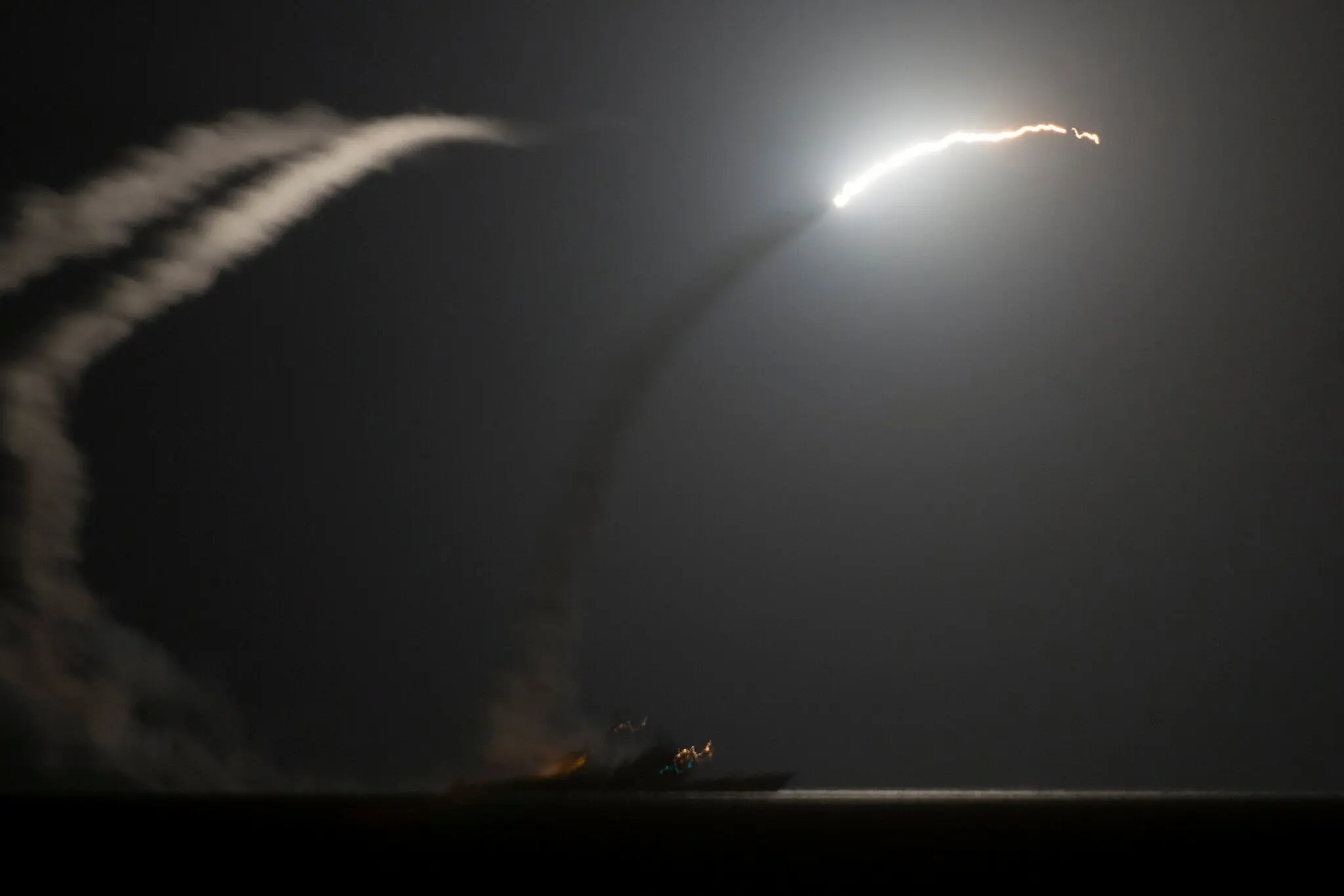
Video footage of the strike, analyzed by independent experts, shows six bright flashes in the sky, each consisting of a group of smaller elements. This indicates the presence of a separable warhead with multiple submunitions. Such a configuration significantly complicates the work of air defense systems and increases the chances of a breakthrough.
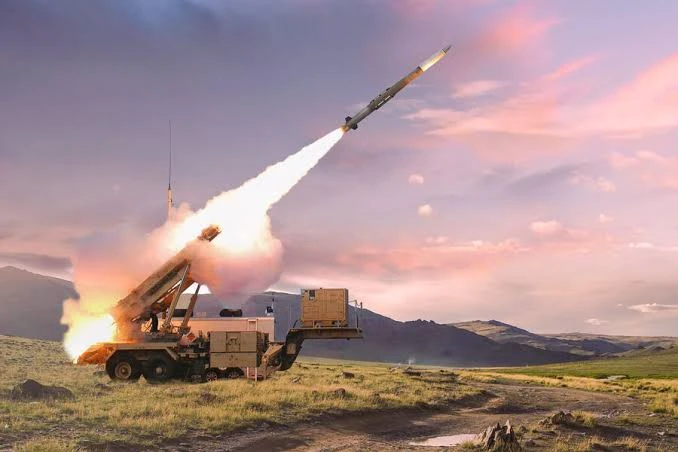
The missile’s speed is of fundamental importance. Ballistic missiles accelerate sharply in the final stage of their trajectory, accumulating kinetic energy. The higher the speed, the less time the defending side has to react and the more difficult it is to predict the interception point. This is precisely why Russia is banking on speed as a way to reduce the effectiveness of Ukrainian air defense, particularly the Patriot systems.
The question of the Oreshnik’s range also remains open. Russian military analysts suggest that the missile belongs to the upper segment of medium-range missiles—2,500–3,000 kilometers, with the potential to extend to 5,000 kilometers. This means that nearly all of Europe is under threat, although the territory of the United States is out of reach.
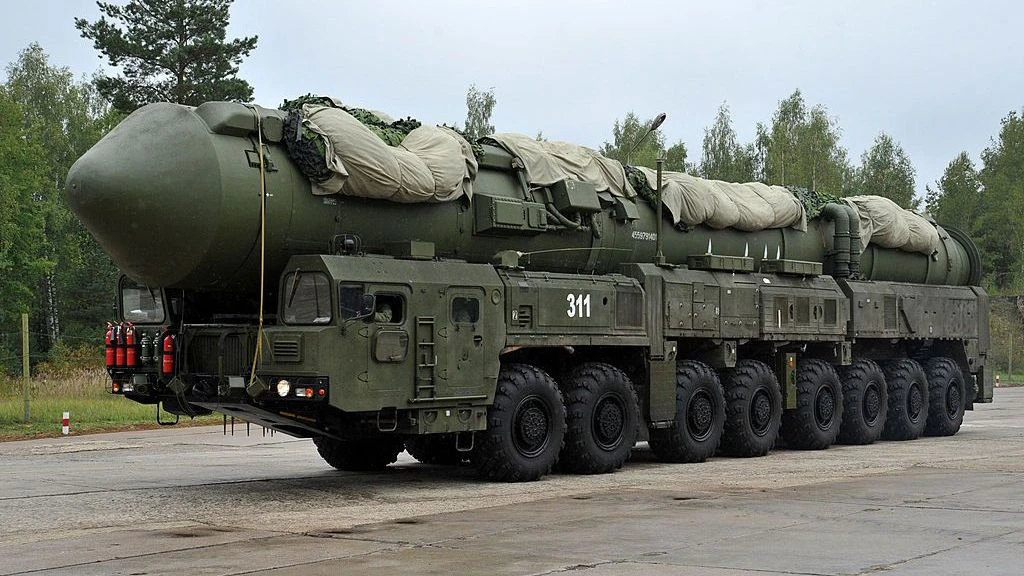
There are two main theories regarding the missile’s origin. The first is that the Oreshnik is a scaled-down version of the Yars-M intercontinental system, adapted for regional use. The second is that it is a development of the Iskander line with a new engine and increased range. Both versions agree on one point: this is not fundamentally new technology, but rather an evolution of existing technologies.
It is still difficult to assess the effectiveness of the “Oreshnik” in actual combat. Russian commentators claim that the missile is capable of destroying deeply fortified targets without using a nuclear warhead. At the same time, there is no confirmation of the destruction of underground bunkers in Dnipro, and the scale of the damage corresponds to a powerful but not unique strike.
Far more important is the psychological and political impact. The launch of the “Oreshnik” took place at a time when the West had intensified discussions on peace initiatives and security guarantees for Ukraine. In effect, Moscow used the new missile as a bargaining chip in negotiations, demonstrating a willingness to raise the stakes and play on the edge of strategic alarm.
For Ukraine, this episode means heightened demands for missile defense. Even isolated launches of missiles with separable warheads force the country to consider new threat scenarios and accelerate decisions regarding the procurement of modern air defense systems. As Deikom notes, the “Oreshnik” does not instantly shift the balance of power, but it gradually expands the range of risks.
The economic dimension should not be ignored either. Developing and testing such missiles is an extremely expensive process. Amid sanctions and falling oil revenues, Russia is interested in maximizing the informational impact from a minimal number of launches. Hence the bombastic statements, public appeals, and grandiose claims about “weapons that cannot be countered.”
Ultimately, the “Oreshnik” is not just a new missile. It is a tool of strategic communication designed to influence decisions in Kyiv, Brussels, and Washington. Militarily, it is not yet a “game changer,” but politically, it sends a clear signal: the Kremlin is attempting to force negotiations from a position of fear.
Whether this signal works depends on the West’s response. If the statements are not followed by concrete steps—sanctions, defense measures, and technological responses—the “Oreshnik” could become a prelude to a new wave of missile pressure. If, however, the reaction is systematic, the new missile risks remaining more of a symbol than a real lever for changing the course of the war.









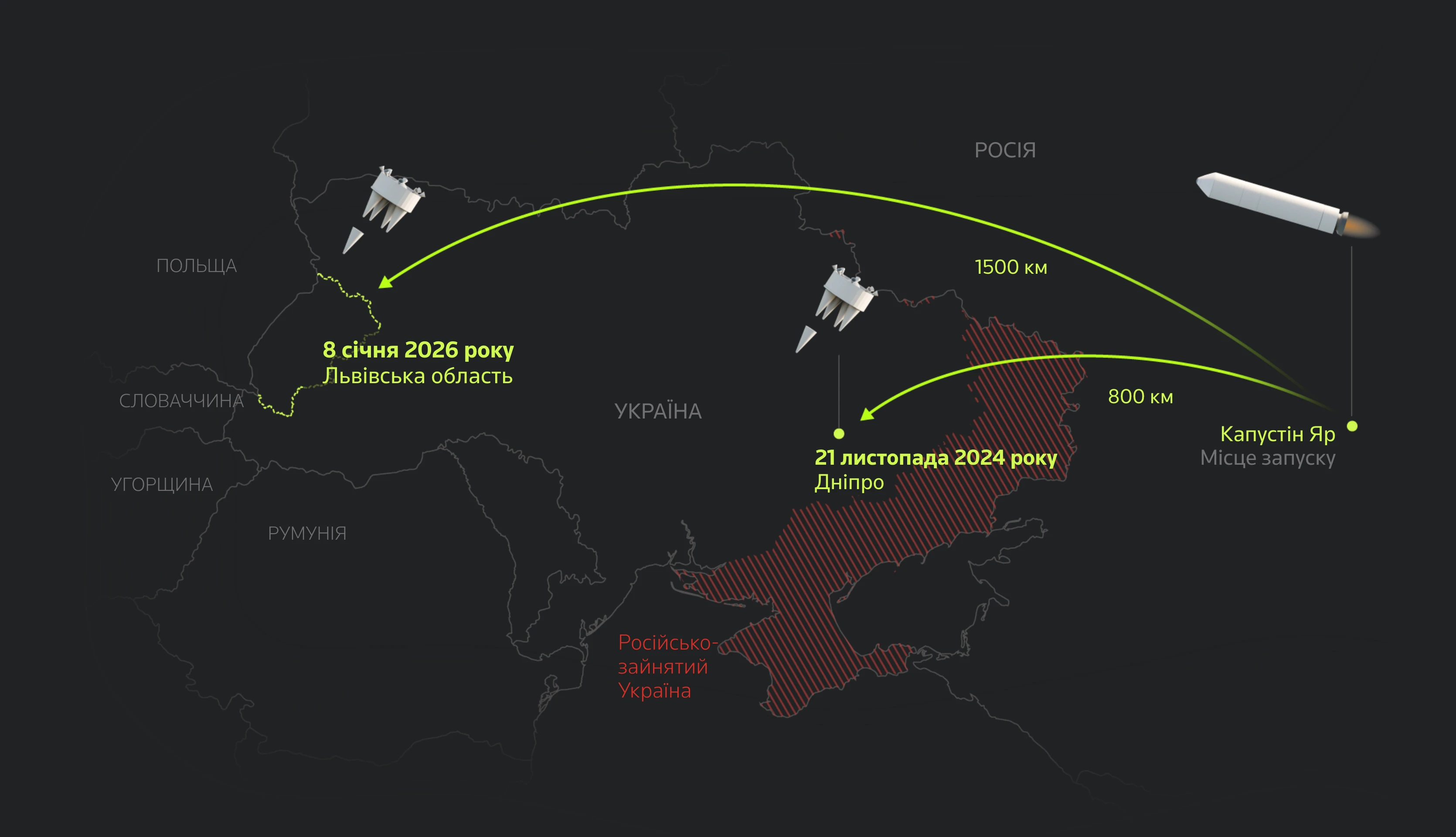 Місяця пуску ракети «Орешник» по Україні — Джерело: Зони контролю з Інституту вивчення війни разом з проектом критичних загроз Американського інституту підприємництва
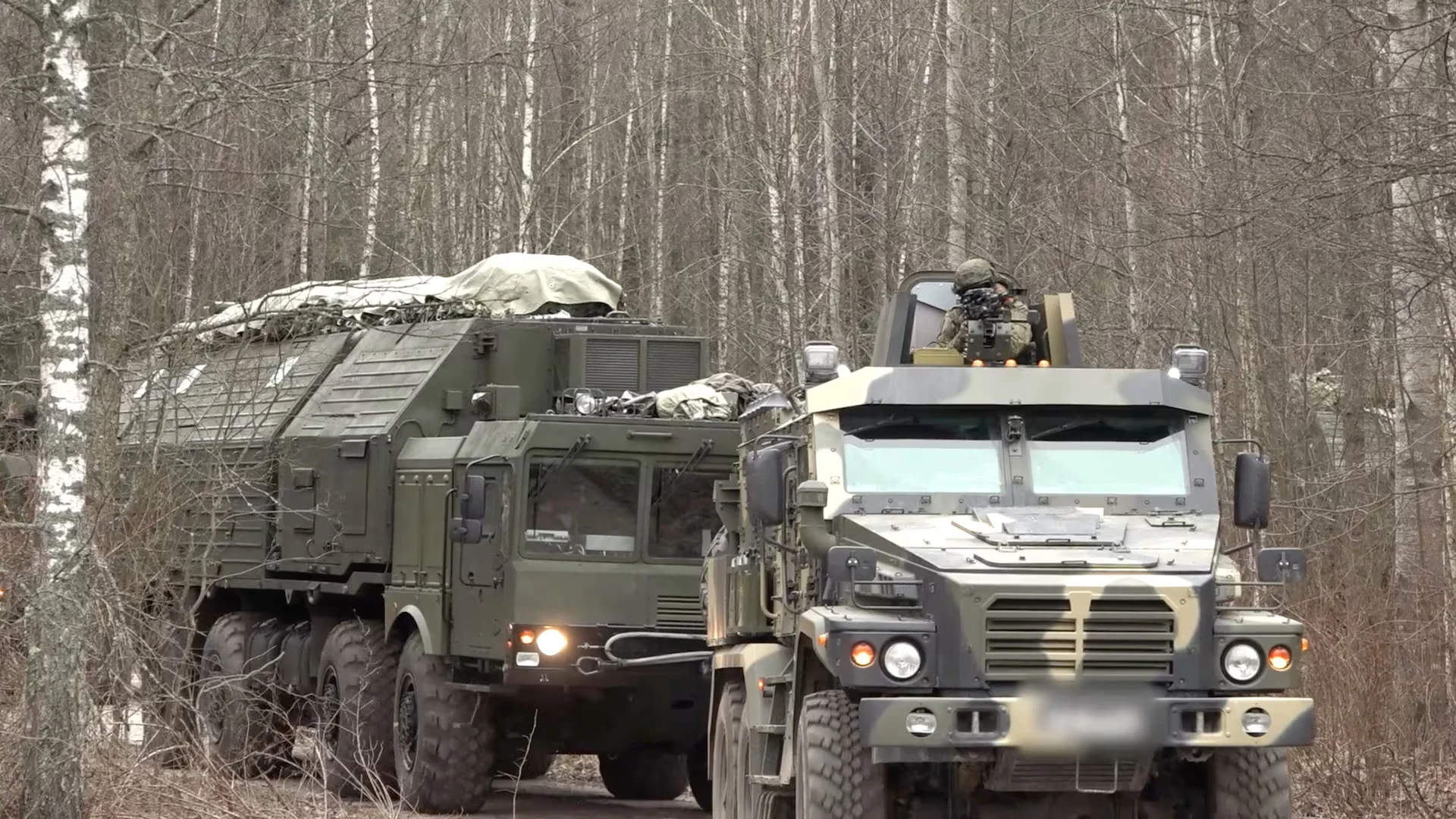
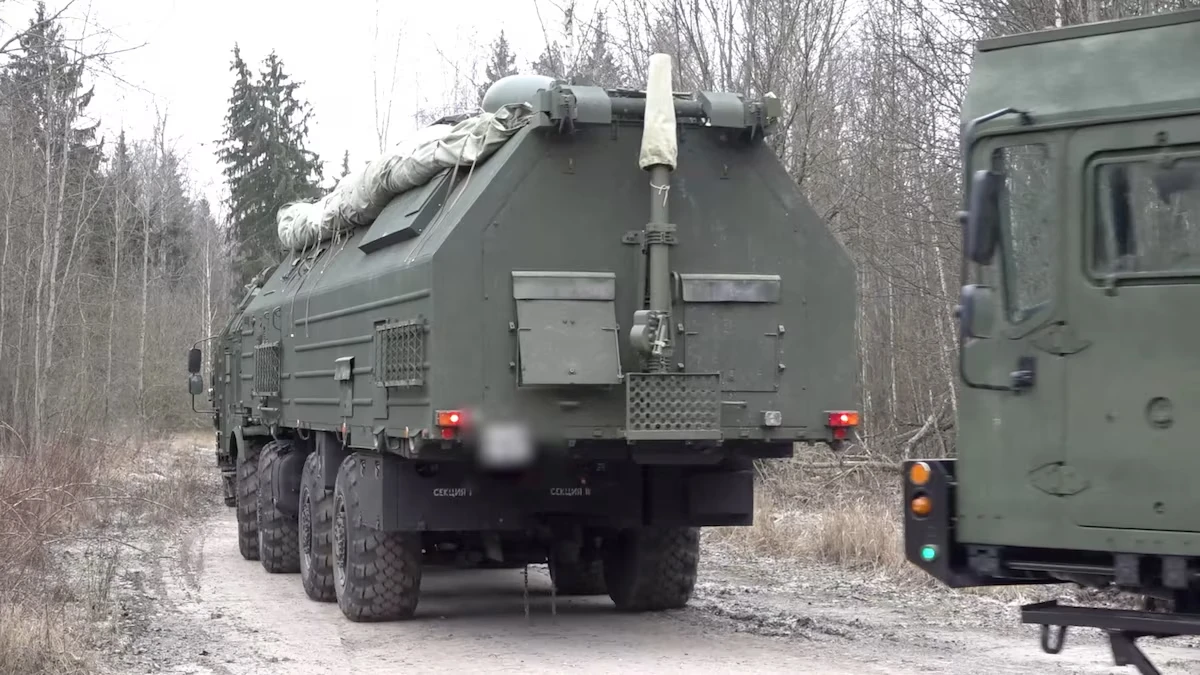 Військовослужбовці беруть участь у тому, що, є розгортанням російського гіперзвукового ракетного комплексу «Орешник», у Білорусі, у невстановленому місці на цьому кадрі з відео, опублікованого 30 грудня 2025 року — Міністерство оборони Росії
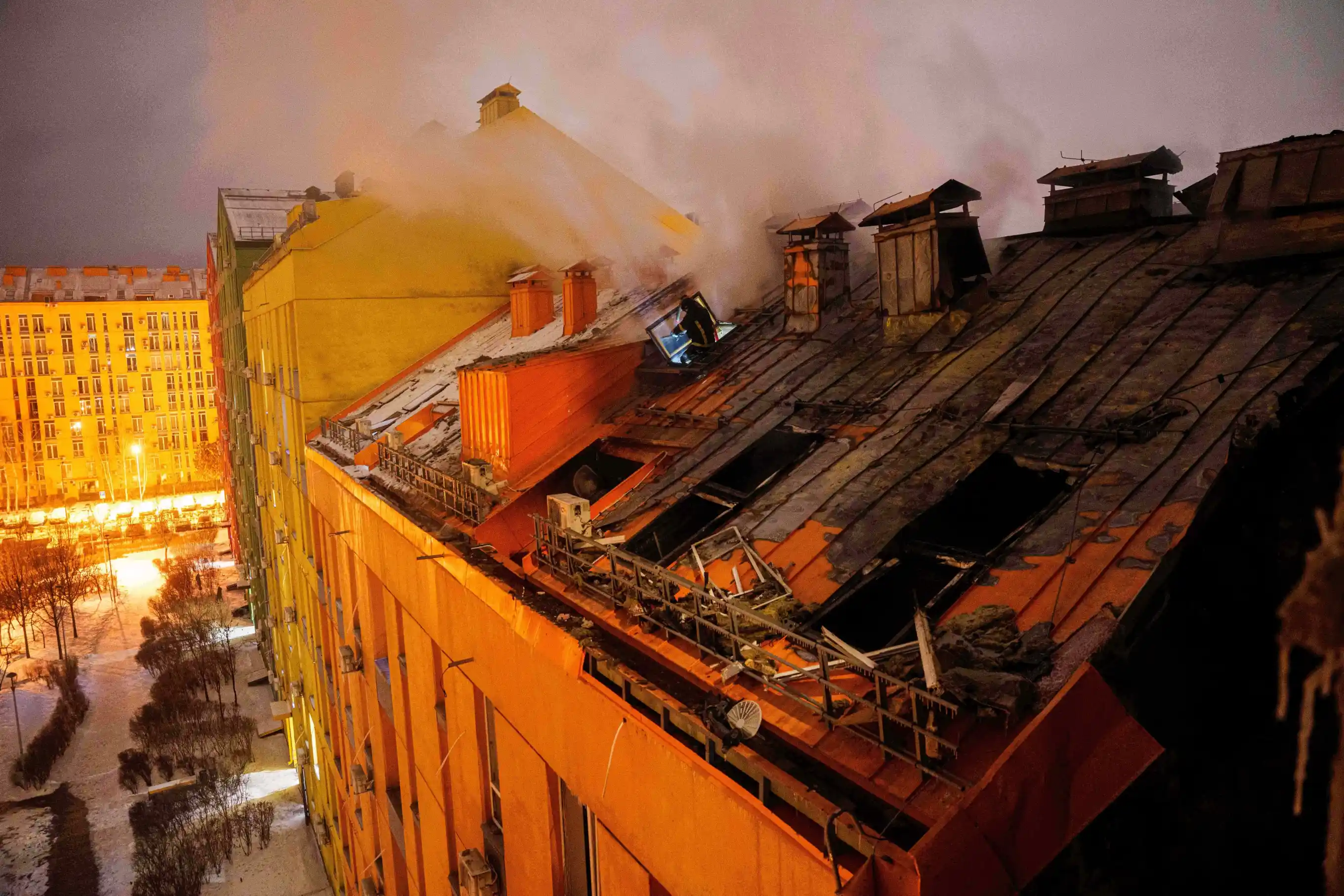 Рятувальник намагається загасити пожежу в житловому будинку, пошкодженому після російського удару по Києву, Україна, у п'ятницю, 9 січня 2026 року — Євген Малолєтка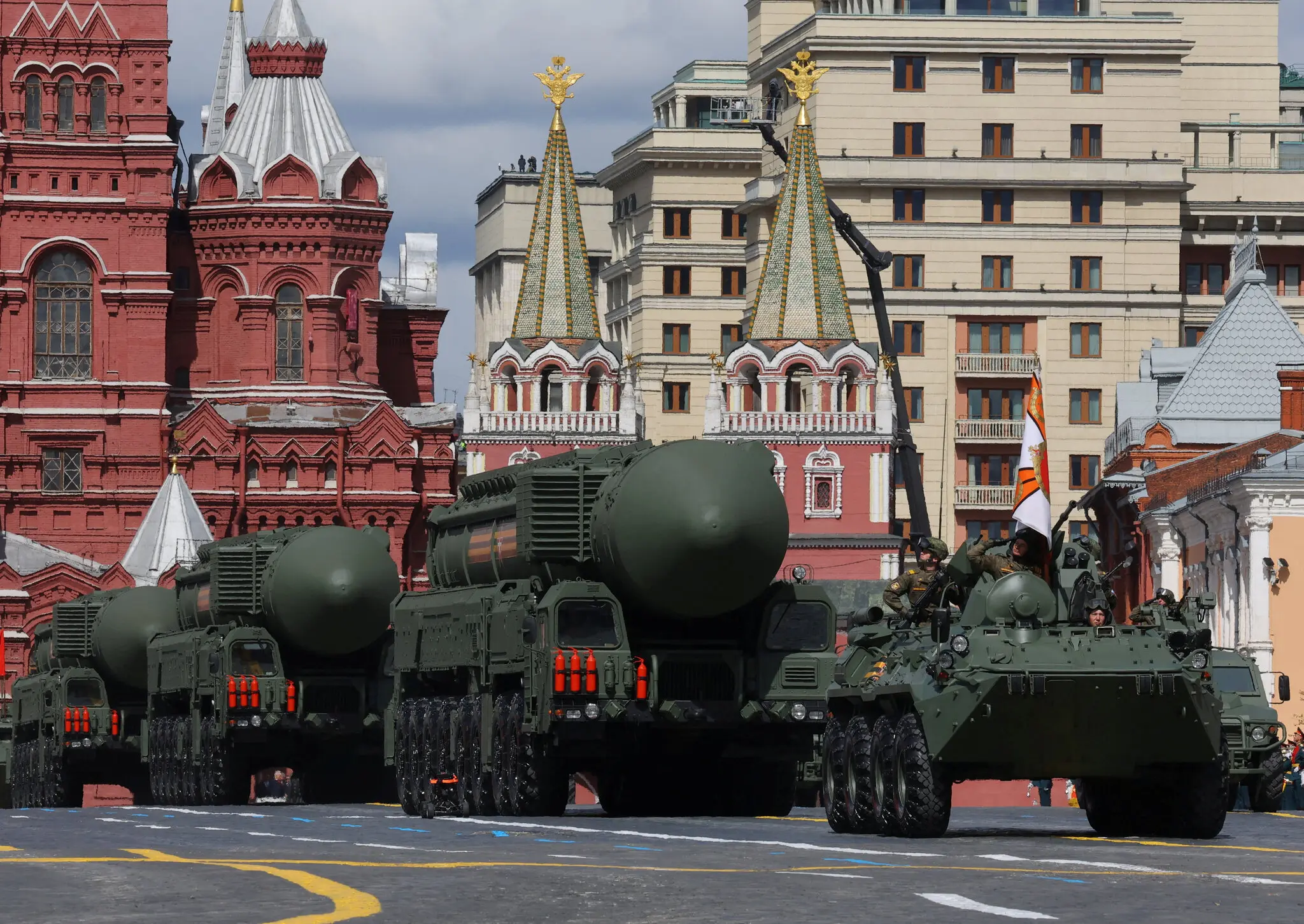
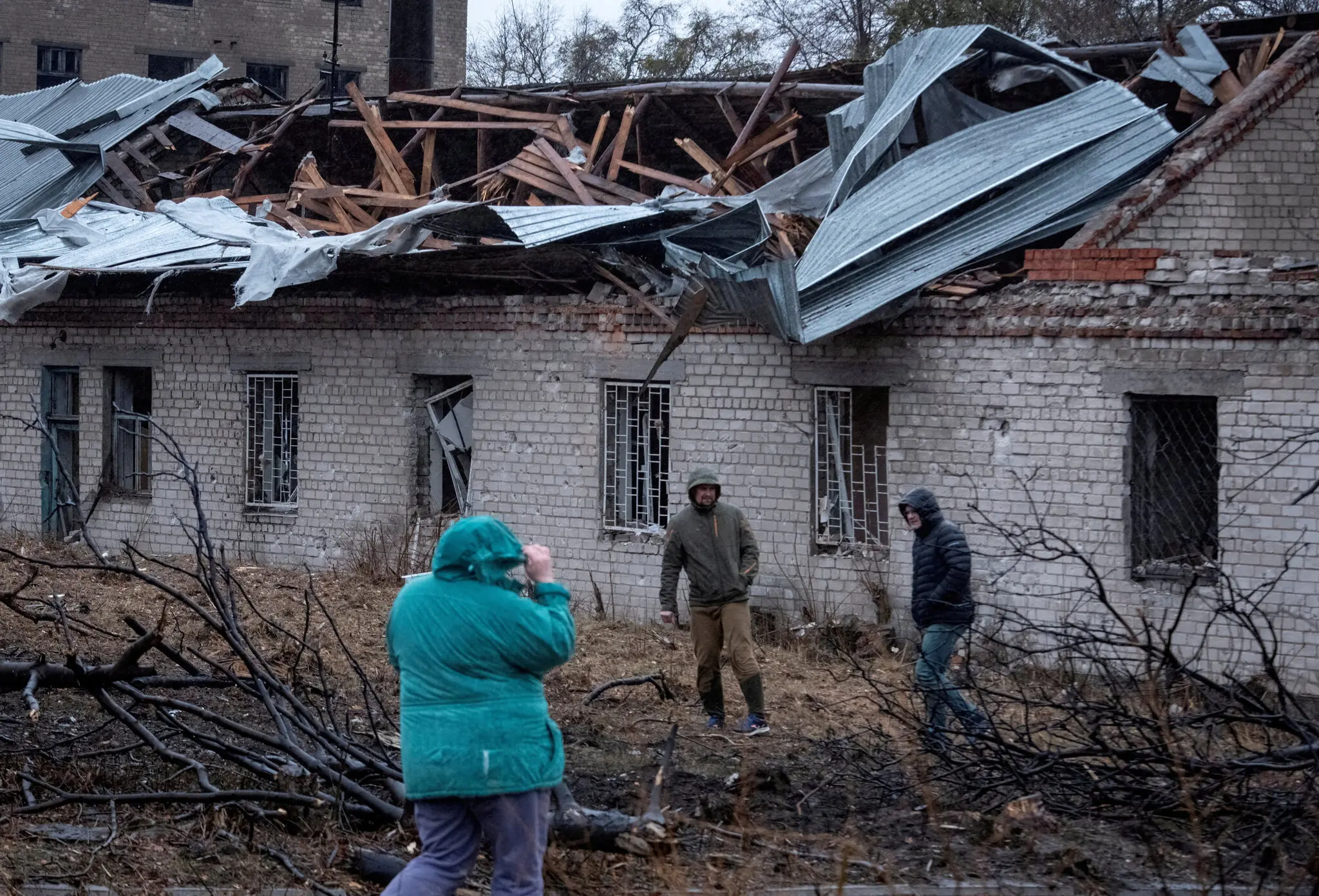 Російський ракетний удар по Дніпру у 2024 році. Ракета "Орешник" несе кілька боєголовок, які розділяються в польоті та падають на ціль — Микола Синельников
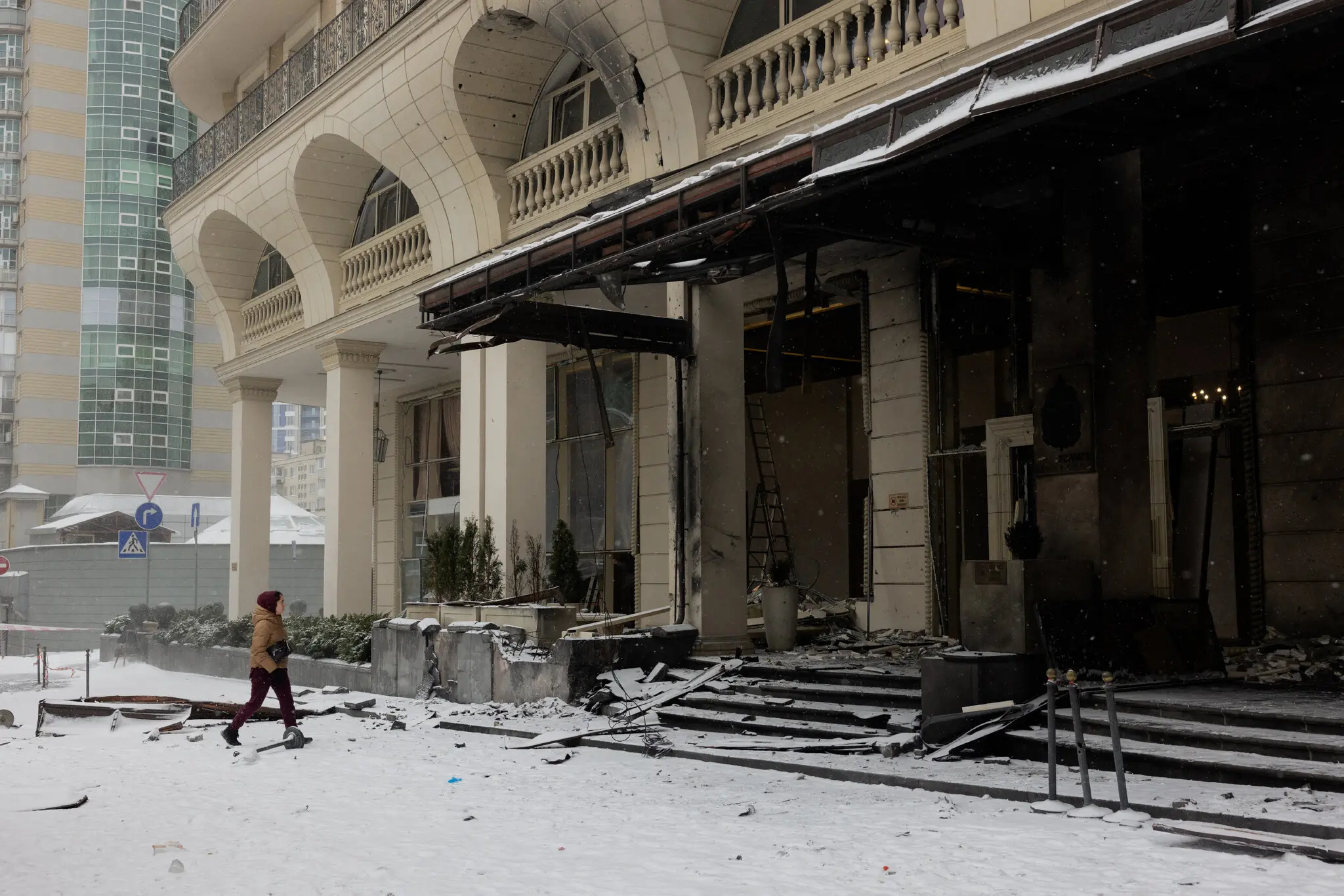
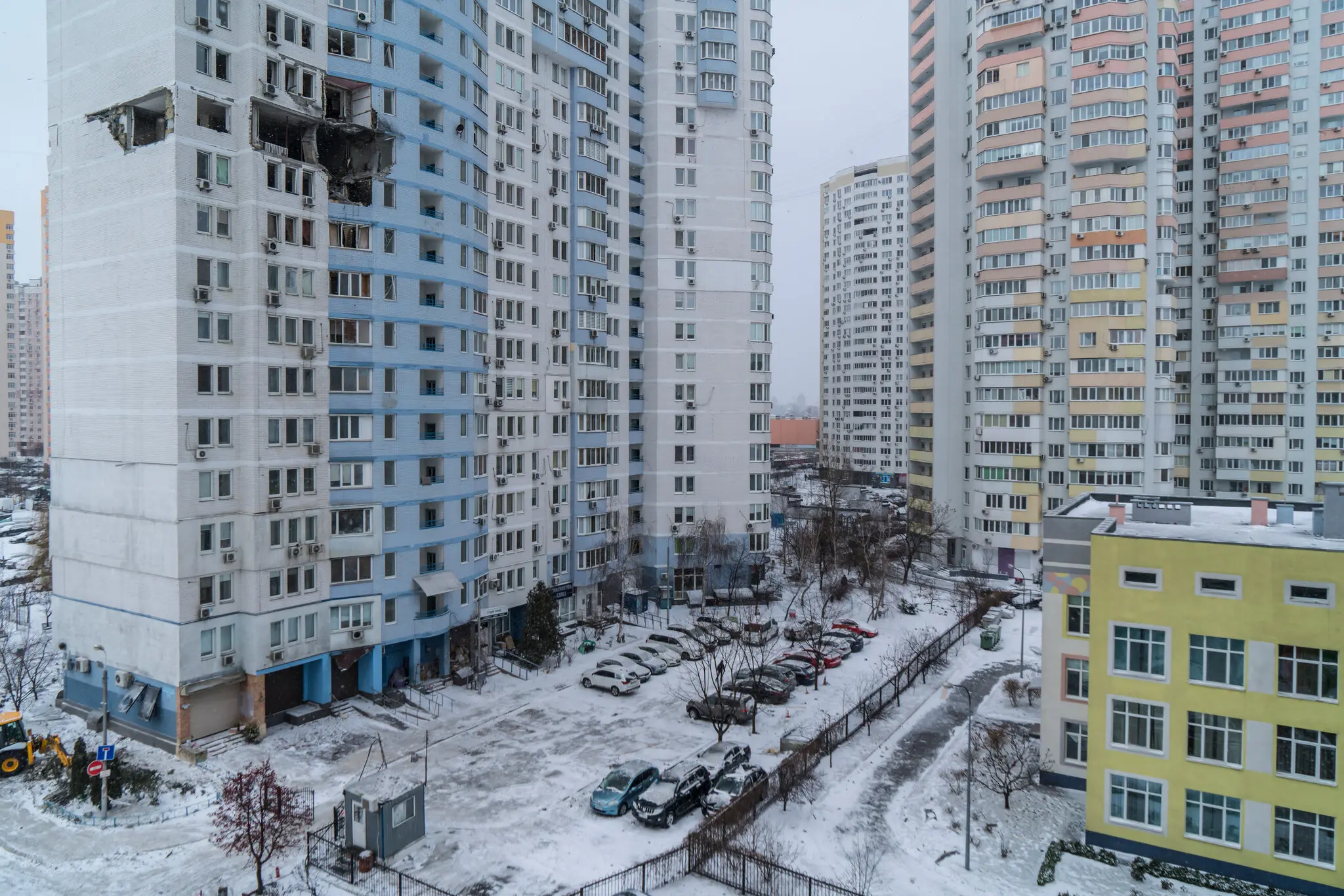 Пошкодження багатоквартирного будинку в Києві, столиці України, після ймовірного удару дрона у п'ятницю — Брендан Гоффман
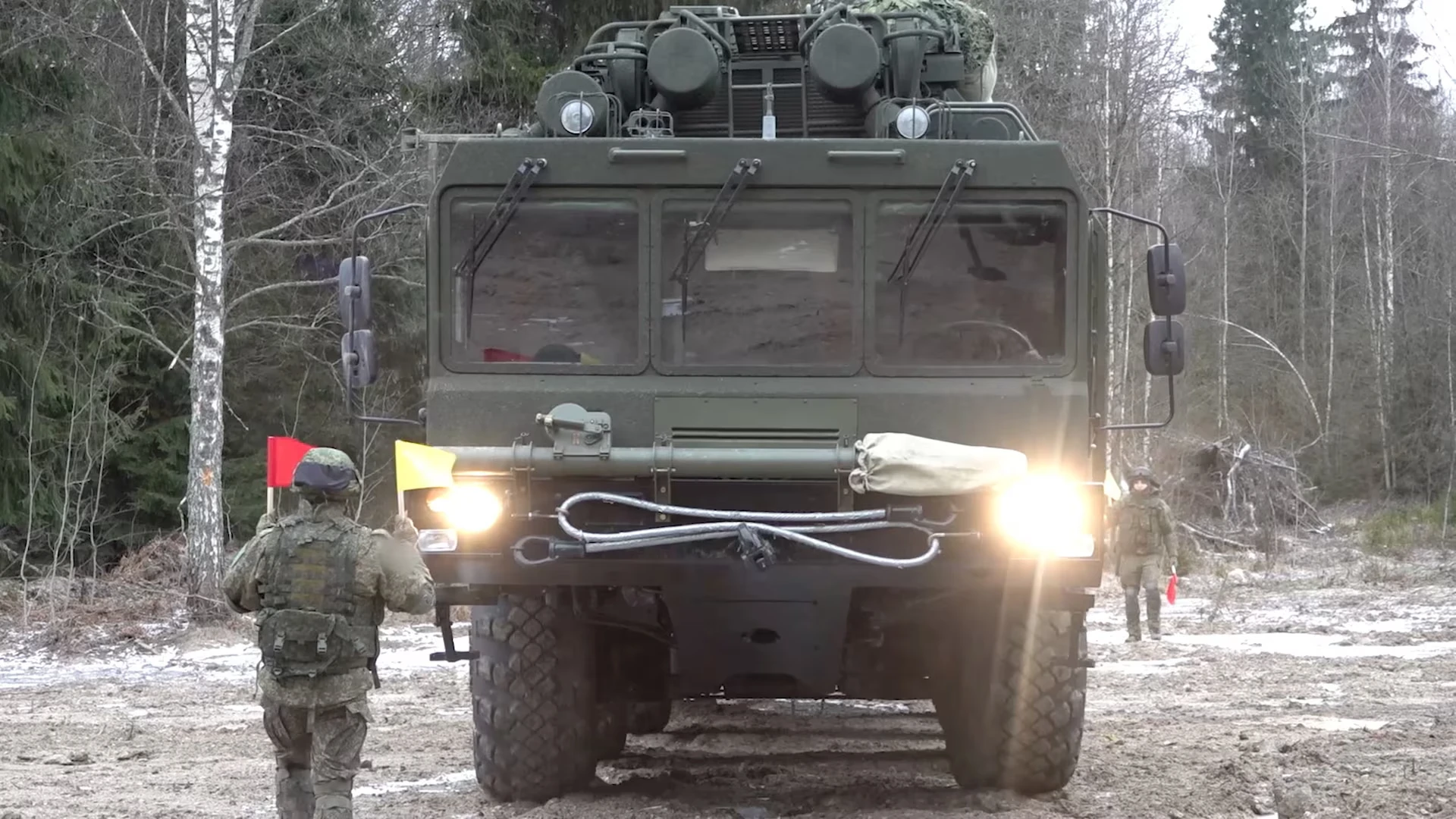 Військовослужбовці беруть участь у розгортанні, російської гіперзвукової ракетної системи «Орешник», здатної нести ядерну зброю, у Білорусі, у невстановленому місці на цьому стоп-кадрі з відео, опублікованого 30 грудня 2025 року — Міністерство оборони Росії/Роздатковий матеріал
 Частина російського гіперзвукового ракетного комплексу «Орешник», здатного нести ядерну зброю, на місці російського ракетного удару під час нападу Росії на Україну у Львівській області, Україна, 9 січня 2026 року — Служба безпеки України
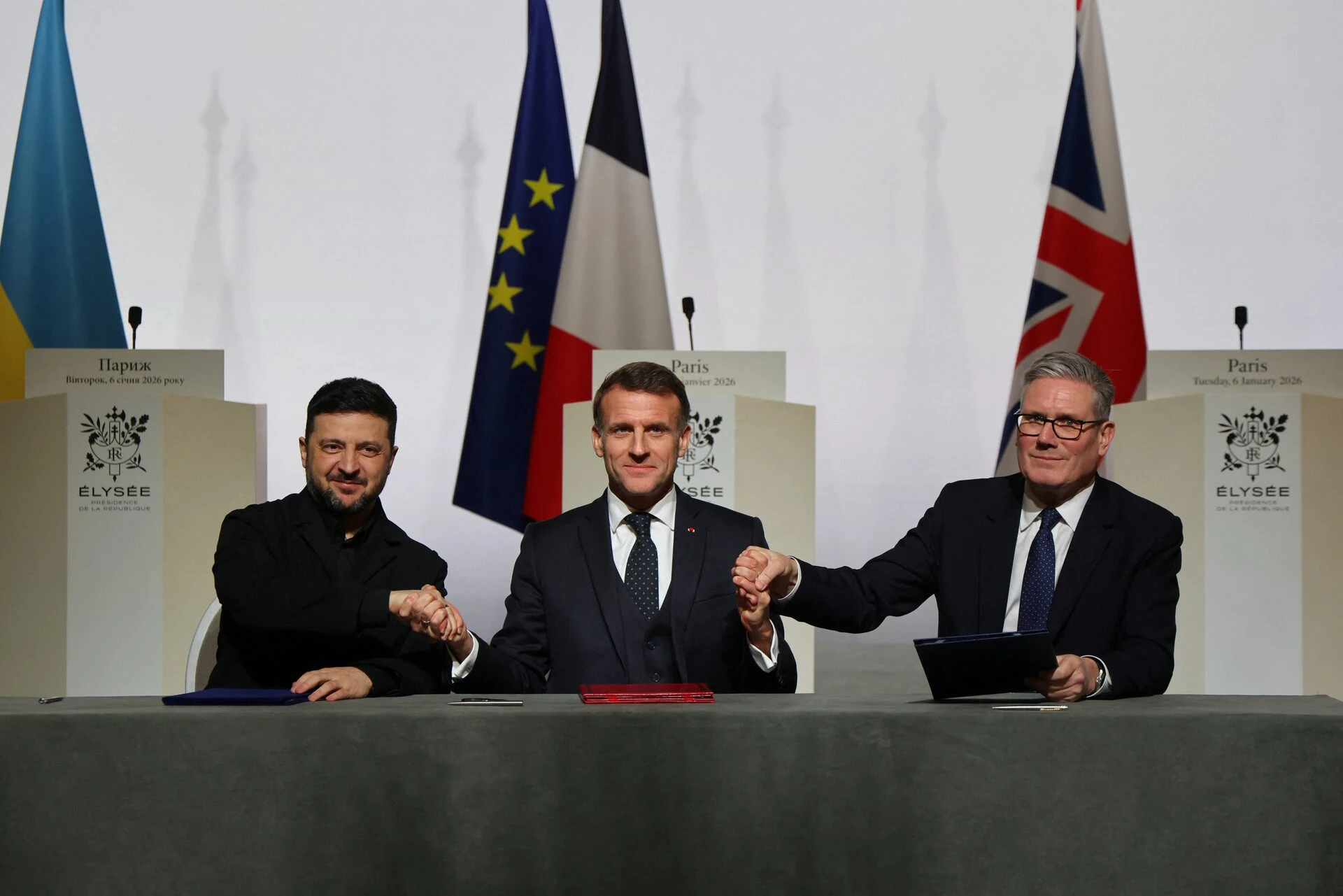 Володимир Зеленський, Еммануель Макрон і Кір Стармер тиснуть один одному руки після підписання декларації про розгортання сил після припинення вогню в Україні, 6 січня 2026 року — Людовік Марін



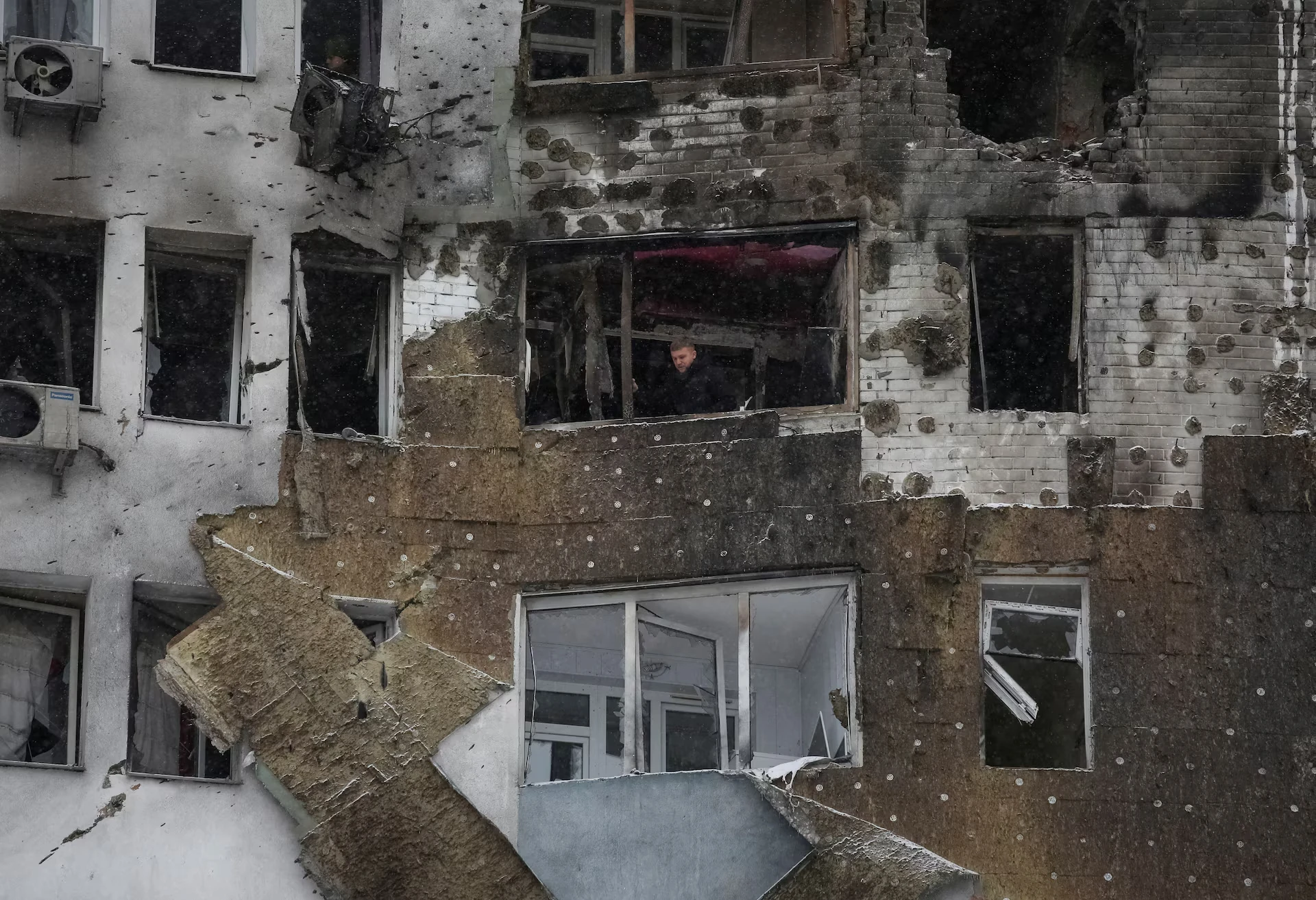
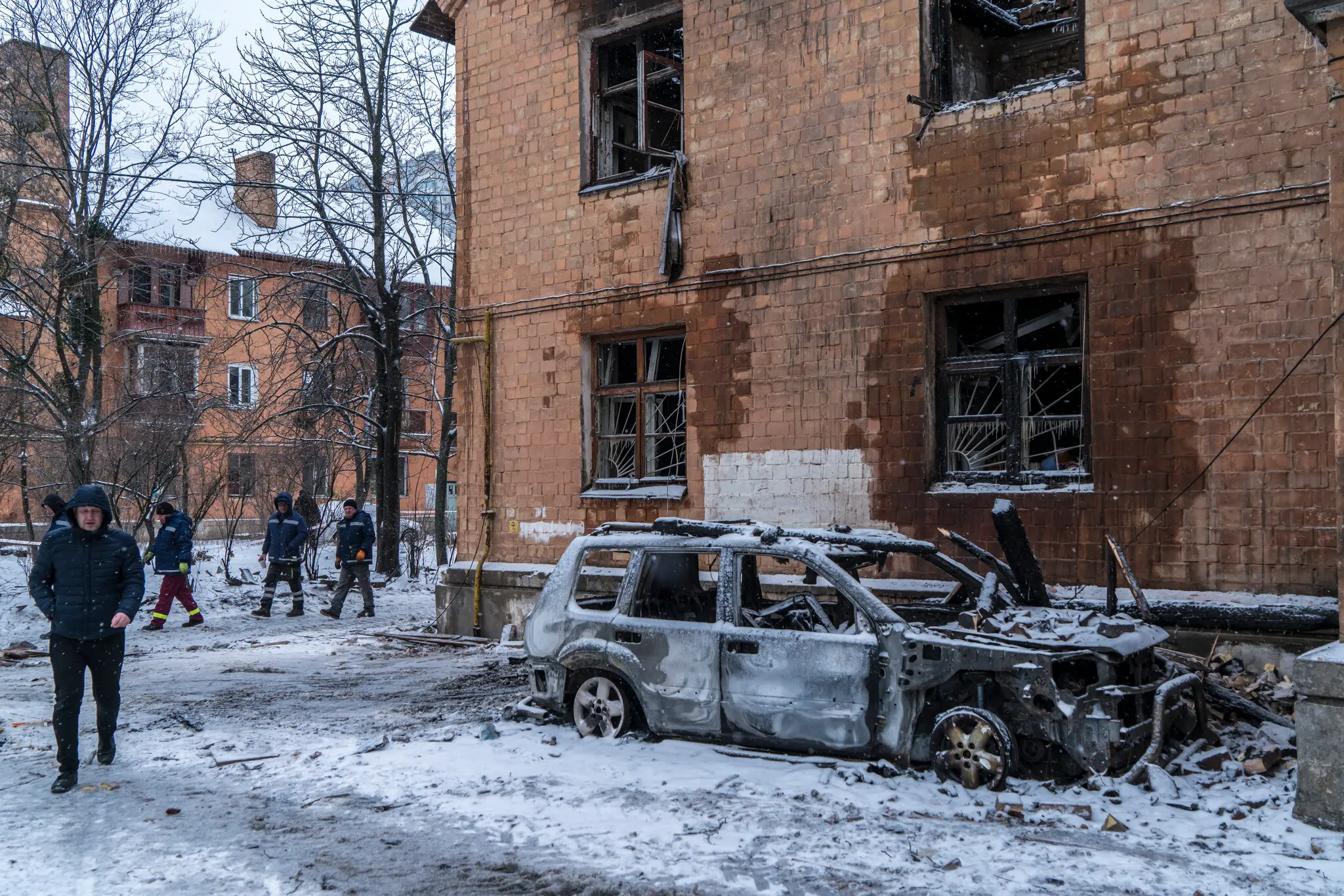 Пошкодження багатоквартирного будинку та автомобіля у Дніпровському районі Києва — Брендан Гоффман
 Тіло фельдшера лежить на землі перед житловим будинком, пошкодженим внаслідок російського удару по Києву, Україна, у п'ятницю, 9 січня 2026 року — Євген Малолєтка
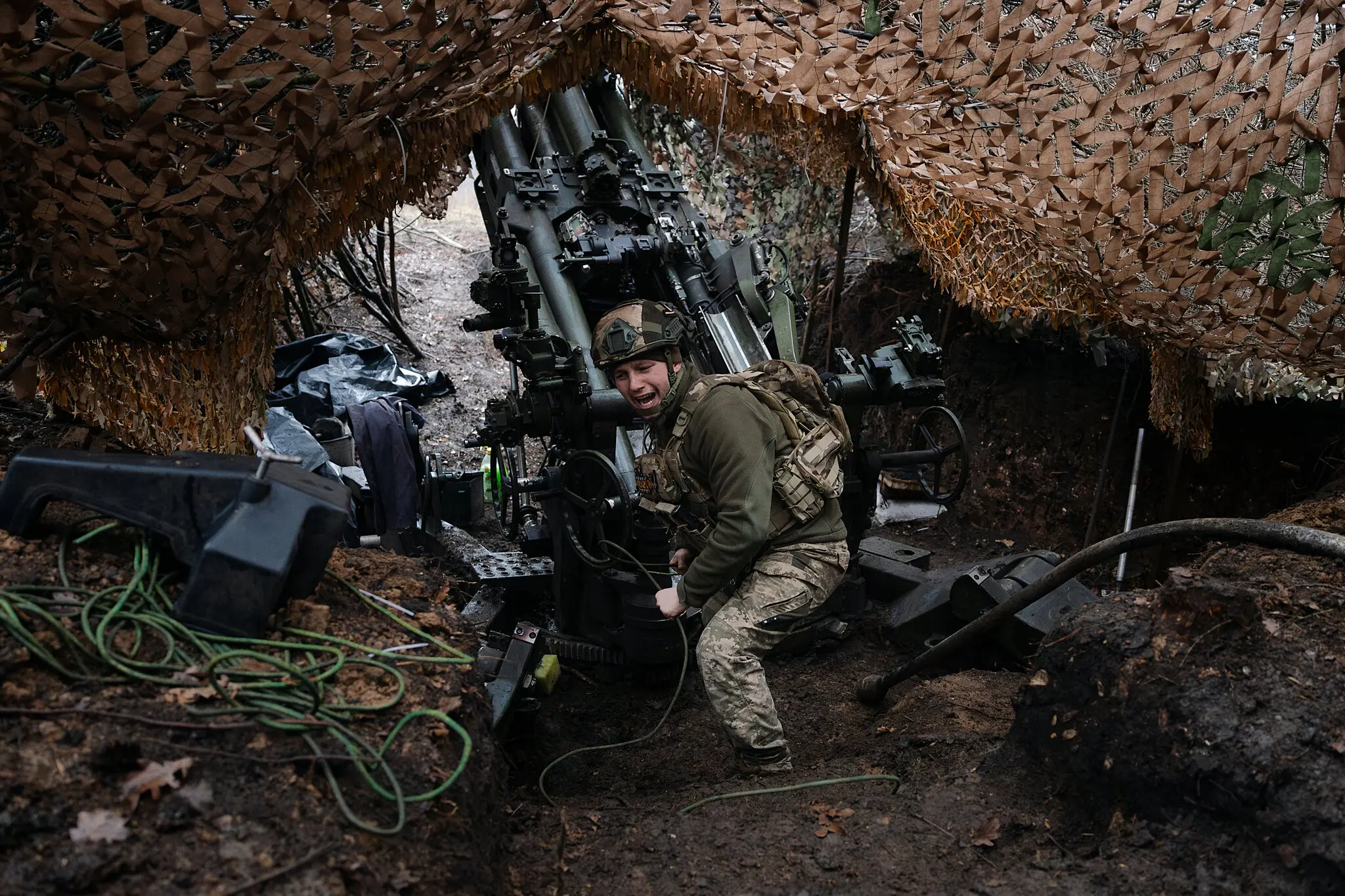 Український солдат стріляє з гаубиці в напрямку лінії фронту в Покровську, Україна, минулого місяця — Тайлер Хікс