





















Steve Witkoff and Jared Kushner could spend the coming weekend shuttling between Moscow and Kyiv in what may become the most concrete U.S. diplomatic initiative on the war in months. Russia’s TASS news agency reported that the two representatives of President Donald Trump would visit Russia and Ukraine on Sept. 5 and 6.
The timetable, however, remains unconfirmed. The Kremlin has not formally announced a meeting, while a source familiar with the planning told Reuters that discussions over the Ukrainian leg were still underway and that Sept. 6 was being considered as a possible date for a visit to Kyiv.
If the trip goes ahead as outlined, it would be the first time Witkoff and Kushner have visited the Ukrainian capital during the current negotiating cycle. Both men already have an established channel to Moscow, having held roughly four hours of late-night talks with Vladimir Putin in the Kremlin in January.
That makes the proposed sequence unusually significant. Rather than conducting diplomacy through long intervals of indirect messaging, the U.S. envoys could hear the Russian and Ukrainian positions within the space of a single weekend and report back to Trump with a near-immediate comparison of the two sides’ demands.
Daycom’s analysis of the available public record indicates that the importance of the Witkoff-Kushner visit lies less in the prospect of an imminent deal than in testing whether a genuine negotiating window exists at all. The rhetoric has become more positive, but the underlying positions remain deeply incompatible.
Adding another layer of uncertainty, a source cited by Reuters said the Russian side did not want the Americans to travel on to Kyiv and was trying to persuade them to change the plan. That assertion has not been independently confirmed and should be treated as a sourced claim rather than an established fact.
Even so, the reported disagreement over the itinerary illustrates how politically sensitive access to Trump’s intermediaries has become. In a conflict where both Moscow and Kyiv are trying to shape Washington’s understanding of an acceptable settlement, the order and location of meetings can carry strategic weight.
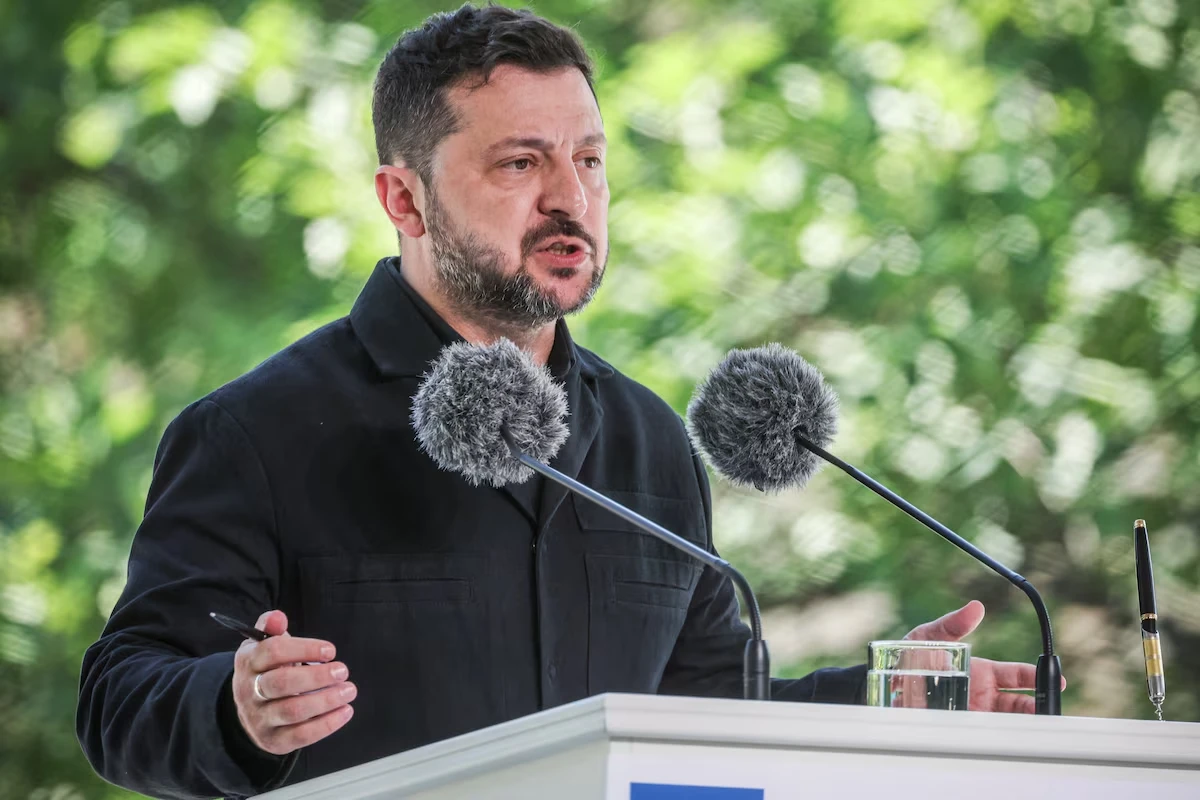
Volodymyr Zelenskyy said on Sept. 3 that preliminary dates had already been set and that Ukraine expected representatives of the U.S. president in Kyiv within days. He also said the Americans were expected to hold meetings in both Moscow and Kyiv and stressed that continued U.S. engagement was essential.
Putin, speaking almost simultaneously at the Eastern Economic Forum in Vladivostok, struck an unusually optimistic note. He said there was a chance of reaching an agreement and pointed to the United States, China and other countries as potential contributors to a settlement, while insisting that Russia and Ukraine would ultimately have to resolve the conflict themselves.
Yet the Kremlin has been more cautious about what that optimism means in practice. Moscow continues to insist that Ukraine make further territorial concessions and abandon its goal of joining NATO, while Kyiv rejects terms it regards as surrender and refuses to give up territory it still controls.
That territorial dispute remains the central obstacle. Russia claims four Ukrainian regions as its own without fully controlling them. For Moscow, recognition of those claims is tied to its concept of a durable settlement; for Kyiv, conceding them would mean legitimizing territorial changes imposed through force.
The security question is equally difficult. Ukraine argues that any ceasefire or political settlement must be backed by guarantees strong enough to prevent Russia from using a pause to regroup and attack again. That places future U.S. and European commitments at the heart of negotiations over the postwar order.
For Washington, the challenge is therefore much larger than persuading the sides to resume formal talks. U.S. mediators would need to identify a structure in which Russia sees sufficient political gain to stop fighting while Ukraine believes its sovereignty and long-term security are not being traded away for a temporary ceasefire.
Witkoff and Kushner are unusually well placed to test that gap because they operate close to Trump and can relay impressions directly to the president. Their role gives Moscow access to figures with influence over U.S. sanctions and Ukraine policy, while giving Kyiv a direct route into the White House’s decision-making process.
A Kyiv visit would also help address one of Ukraine’s recurring concerns: that negotiations over its future not be conducted primarily between Washington and Moscow before a finished framework is presented to the Ukrainian leadership. Back-to-back meetings would at least formally give both sides a direct channel into the same mediation effort.
The timing is notable because the last U.S.-mediated Russia-Ukraine talks took place in February. Since then, no political breakthrough has emerged, while Washington’s attention was increasingly consumed by the war involving the United States, Israel and Iran.
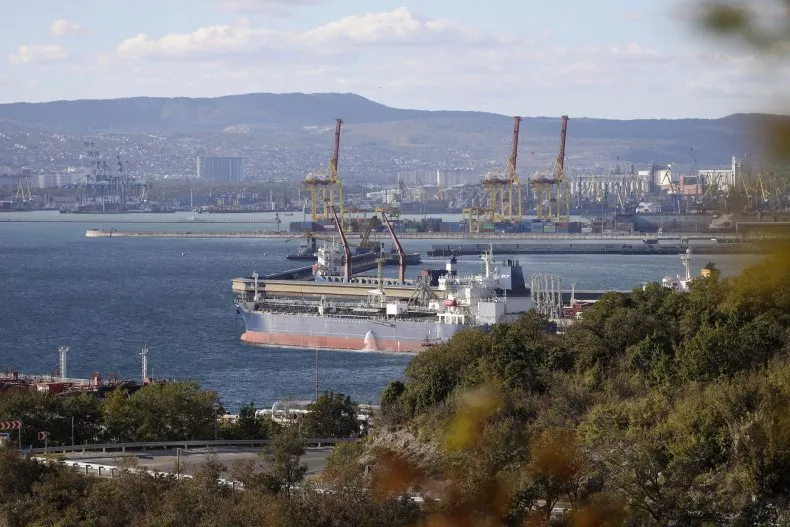
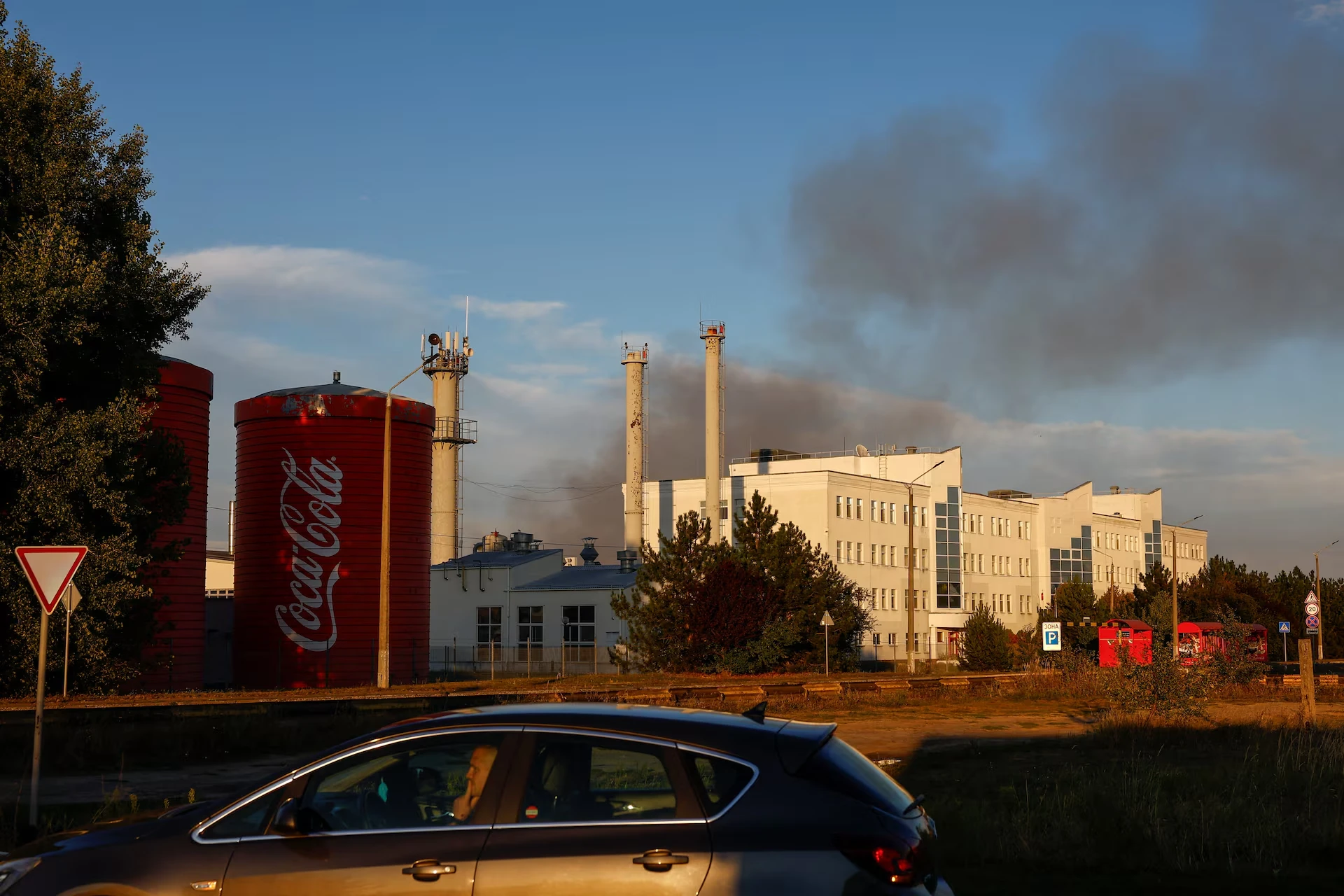
On the battlefield, meanwhile, there has been no comparable de-escalation. Russia and Ukraine have intensified long-range attacks, with strikes on cities, ports, energy infrastructure and targets deep inside each other’s territory. The military pressure continues even as diplomatic language has softened.
That combination is central to the current phase of the war. Both sides have incentives to keep diplomatic channels open while using force to strengthen their bargaining positions. In that sense, negotiations are not yet replacing the military contest; they are unfolding alongside it.
Putin himself demonstrated that dual approach this week. In the same appearance in which he acknowledged a chance for peace, he accused Ukraine of “state terrorism” over attacks involving commercial shipping and what he described as threats affecting civilian aviation, saying such actions complicated bilateral talks.
Kyiv, for its part, is not linking renewed diplomacy to unilateral military restraint. Ukraine continues to expand long-range strike capabilities against Russian military and energy targets, seeking to raise the cost of the war for Moscow and improve its leverage ahead of any serious negotiations.
Contacts between the two countries have never disappeared entirely. Putin has acknowledged that communication continues, primarily through intelligence channels. Such links can facilitate exchanges, technical arrangements and political signaling even when formal diplomacy remains stalled.
Ukraine’s foreign minister, Andrii Sybiha, has described the current period as a “new dynamic,” but the phrase is carefully chosen. Kyiv is pointing to greater diplomatic activity, not claiming that a settlement framework has been agreed or that Moscow has offered terms Ukraine could accept.
The real test of the possible weekend mission will therefore be whether the envoys encounter movement on substance. A meaningful shift would involve more than another declaration that peace is desirable; it would require evidence that one or both sides are prepared to modify demands previously treated as fixed.
The first signs could come in discussions over sequencing: whether a ceasefire precedes political negotiations, how compliance would be monitored, when territorial questions would be addressed and what security guarantees would take effect before or after a halt in fighting.
Without such a structure, any ceasefire risks becoming merely an interval in the war. That is why Kyiv has insisted so heavily on enforceable guarantees, while Moscow has resisted arrangements that could leave Ukraine more deeply embedded in Western security structures after the conflict.
The possible Witkoff-Kushner trip is also relevant to the prospect of a future Trump-Putin summit. Trump has said he wants the war ended and has left open the possibility of another meeting with the Russian president, but a leaders’ summit would be far more useful if mediators first identified at least a narrow area of compromise.
Otherwise, a presidential encounter could produce political theater without resolving the issues that derailed earlier rounds. The history of the negotiations so far suggests that optimistic public language can quickly give way to deadlock once the discussion reaches territory, security guarantees and enforcement.
That is why the coming weekend, if the visits take place, should be viewed as a diagnostic exercise as much as a diplomatic breakthrough. Washington wants to know whether Putin’s more positive language reflects any flexibility in Russia’s actual terms and whether Kyiv sees a viable path that does not amount to capitulation.
For the moment, there is little public evidence that either side has materially shifted its core position. The Kremlin continues to describe its demands as fundamental, while Ukraine continues to reject territorial concessions imposed under military pressure.
Still, a Moscow-to-Kyiv shuttle over a single weekend would mark a notable change after months of diplomatic drift. It would allow Trump’s envoys to compare the two negotiating positions almost in real time and determine whether there is enough overlap to justify another serious round of talks.
After four and a half years of war, that alone matters. But the significance of the Witkoff-Kushner visit will not ultimately be measured by the number of meetings or the photographs produced in Moscow and Kyiv. It will be measured by whether either side is finally prepared to change not merely the tone of its diplomacy, but the terms on which it is willing to end the war.