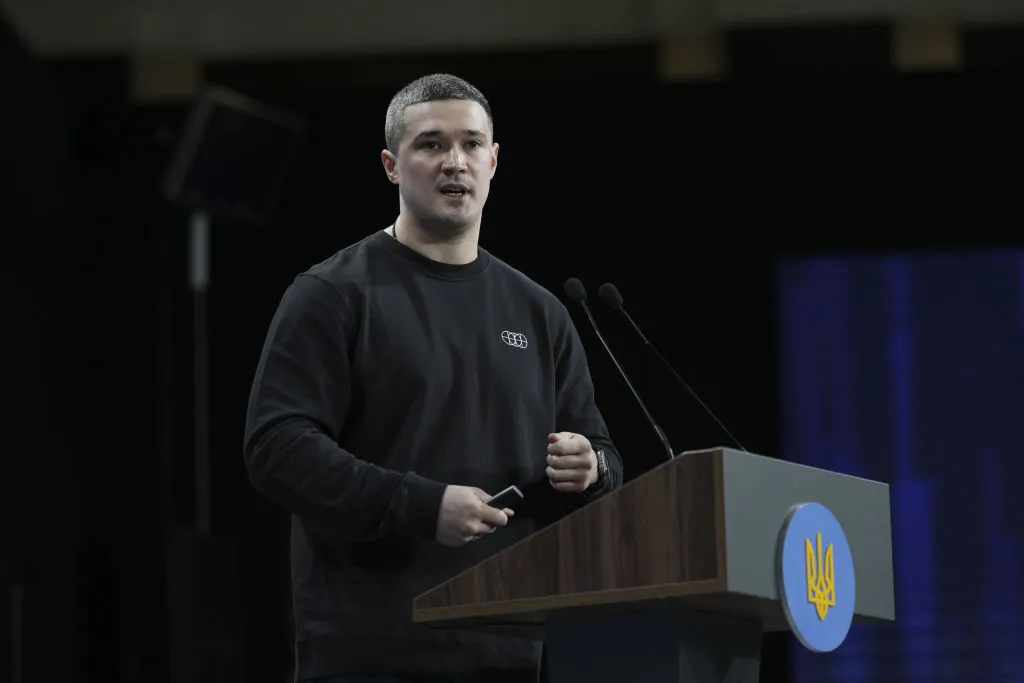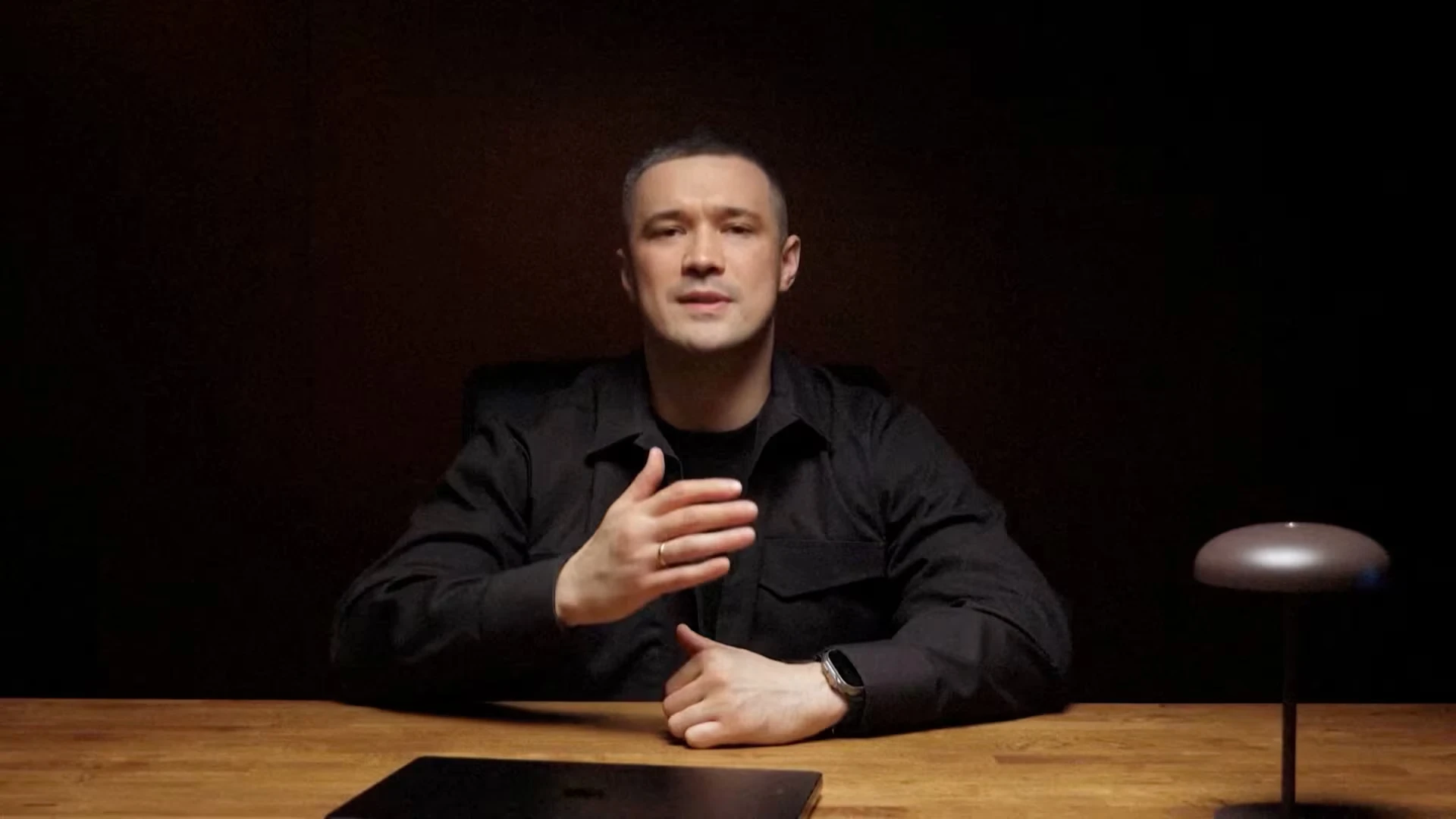
















Ukraine’s dormant election debate has moved back to the centre of politics after former defence minister Mykhailo Fedorov called for a return to democratic competition. His intervention transformed what had largely been a postwar discussion into an immediate argument about legitimacy, accountability and political renewal during a prolonged conflict.
The first obstacle is legal and unusually clear. Ukraine’s law on martial law prohibits presidential, parliamentary and local elections while the emergency regime remains in force. It also bars national and local referendums, meaning a vote cannot simply be scheduled through an ordinary political decision by the president or parliament.
Martial law has remained in place since Russia launched its full-scale invasion in February 2022 and has been repeatedly extended by the Verkhovna Rada. The real starting point for Ukraine elections during war is therefore not the choice of an election date, but the conditions under which the special legal regime could safely be changed.
War and martial law are not identical concepts in Ukrainian law. Hostilities could theoretically continue after the emergency regime was lifted or modified. But removing that prohibition would not automatically create a workable election: Ukraine would still need an exceptional legal framework designed for a country transformed by years of invasion.
According to Daycom’s analysis of the existing legal framework and verified public data, there is no single obstacle that can be solved in isolation. Ukraine would have to protect voters from attack, rebuild electoral infrastructure, update millions of registrations and prevent Russian interference while preserving equal political rights.
Russia has repeatedly argued that President Volodymyr Zelenskyy became illegitimate when his original five-year term expired in May 2024. Ukrainian constitutional law points in another direction: the sitting president continues exercising his powers until a newly elected successor formally takes office, preventing a wartime vacuum at the top of the state.
A similar principle protects the continuity of parliament. If the Verkhovna Rada’s mandate expires during martial or emergency law, its powers continue until a newly elected parliament holds its first sitting after that special regime ends. Delayed elections therefore do not, by themselves, leave Ukraine without constitutionally functioning institutions.
That legal answer does not eliminate the political problem. Ukrainians can still debate how long wartime government should operate without a new national mandate. But the argument over democratic renewal must be separated from claims that the presidency or parliament automatically lost lawful authority because regular elections could not be held.
Security would be the most immediate practical barrier. The active front stretches for more than 1,200 kilometres, while Russian missiles and drones repeatedly strike cities far from combat zones. A polling station is, by definition, a publicly known place where large numbers of civilians gather at predictable times.
Even an air ceasefire would solve only part of that problem. Ukraine would still need new rules governing the campaign calendar, voting procedures, registration, observation and emergency suspensions. Analysts have estimated that several months of preparation could be needed after sufficiently secure conditions emerged.
Ukraine’s Central Election Commission has also warned against assuming that voting could begin immediately after a ceasefire. Years of war have altered the country’s population map, destroyed polling facilities and scattered millions of citizens across Ukraine and Europe, leaving voter records and electoral geography badly out of date.
The voter register illustrates the scale of the problem. Tens of millions of citizens remain listed, but a substantial number no longer live at their registered addresses or lack an updated electoral address. A database that functioned before the invasion cannot simply be reused after years of displacement without extensive verification.
Internally displaced people form one of the largest groups affected. Millions of Ukrainians now live in regions different from those in which they were registered before the war. A credible election would require a simple way to change voting addresses while preventing duplication, fraud and administrative bottlenecks.
The challenge abroad is even larger. More than four million Ukrainians have temporary protection in the European Union, while the broader number of potential voters living outside Ukraine is also measured in millions. The existing network of consular polling stations is far too small for participation on that scale.
Hundreds of additional polling locations could therefore be required across European cities. That would involve agreements with host governments, secure premises, trained election workers and expanded consular capacity. Without such measures, Ukrainians abroad might retain the formal right to vote while being unable to exercise it in practice.
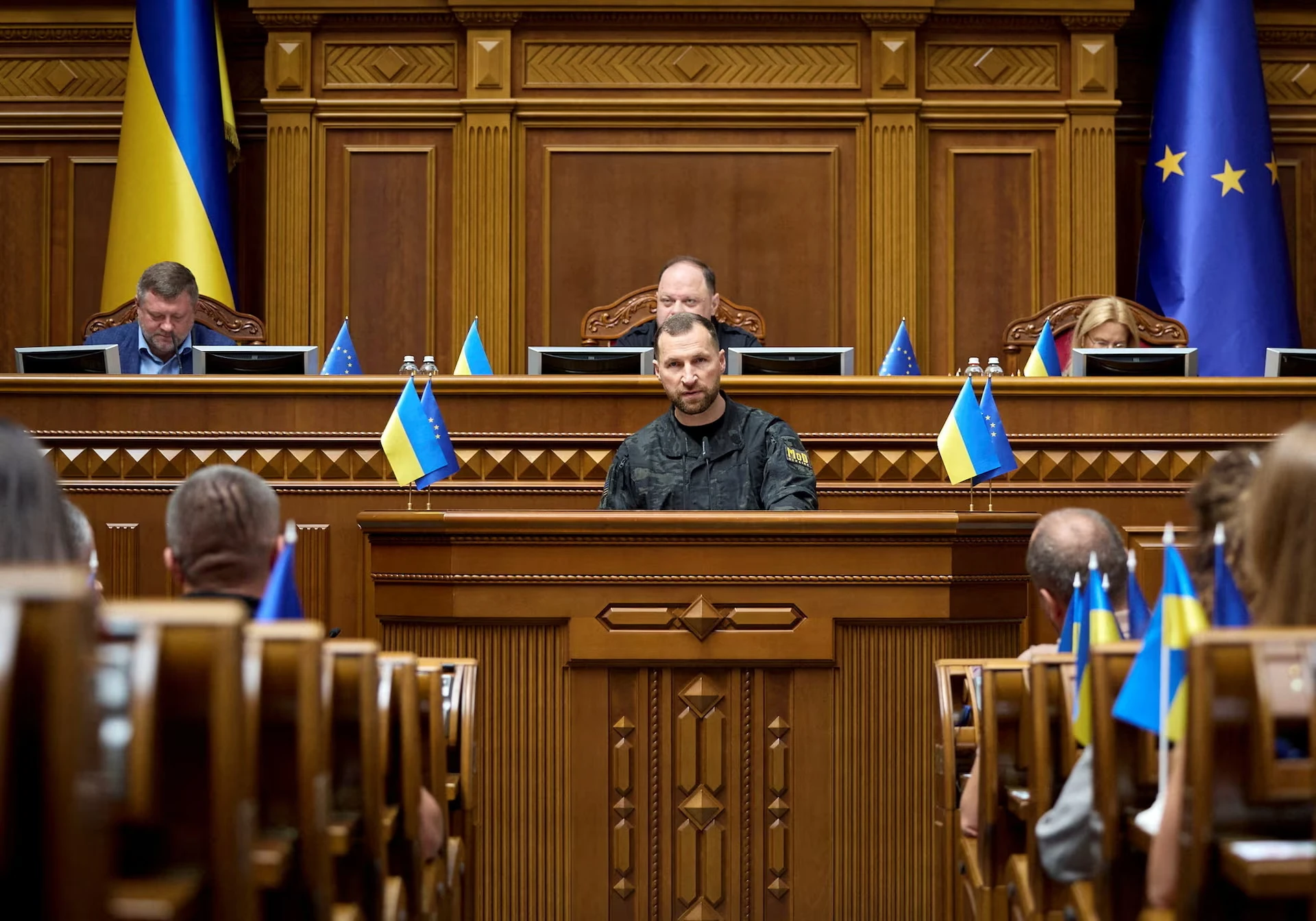
The armed forces present a different problem. Roughly one million people serve in Ukraine’s defence and security structures, many of them in areas where conventional polling is impossible. Voting arrangements cannot expose unit positions, create gatherings near the front or interfere with combat operations.
Yet effectively excluding soldiers would undermine the credibility of the entire process. Those bearing the direct burden of the war represent a major part of the electorate. Any special system would therefore have to combine ballot secrecy, equal access and military security without allowing commanders to influence how personnel vote.
Occupied territory presents perhaps the hardest question of all. Russia controls about one-fifth of Ukraine’s internationally recognised territory, where millions of Ukrainian citizens remain. Holding a free Ukrainian election there under present conditions is physically impossible and incompatible with basic standards of political freedom.
Remote voting would not automatically solve the problem. Residents under occupation can face surveillance, coercion and pressure from Russian authorities, making ballot secrecy extremely difficult to guarantee. Excluding them entirely, however, would raise a separate question about whether a national result represented all Ukrainian citizens.
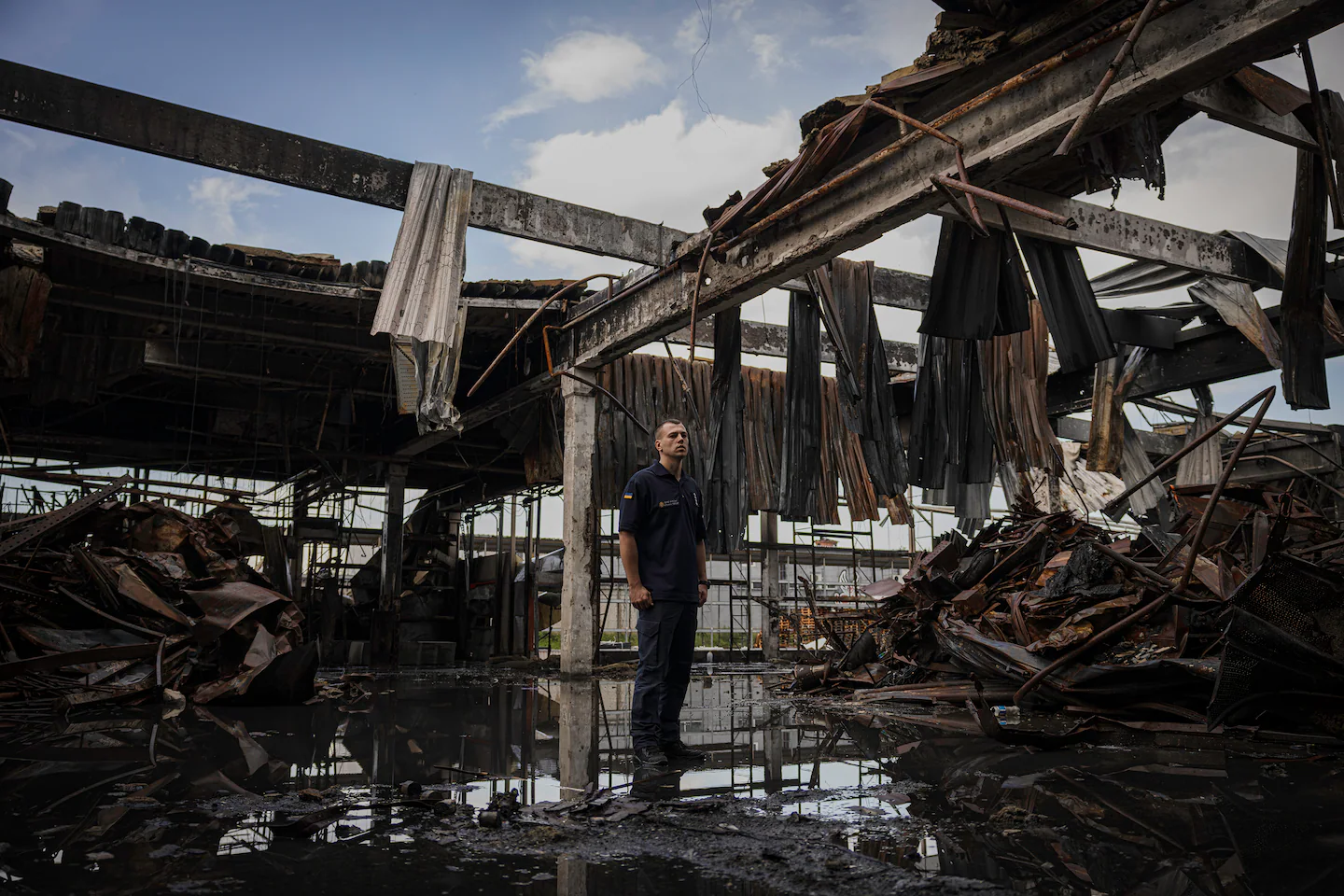
The physical election network has also suffered extensive damage. Hundreds of former polling places have been destroyed, while many others require repairs or are located in areas that remain unsafe. Restoring an election therefore means reconstructing buildings and logistics as well as writing new electoral rules.
Russia would also have strong incentives to attack the credibility of the process. Cyberattacks, false documents, fabricated vote counts and disinformation could target not only candidates but public confidence in the result itself. Election security would have to include servers, registers and communications as well as ballot boxes.
Even a routine technical failure could become material for an influence campaign claiming that the vote had been manipulated. Ukraine would therefore need unusually transparent auditing, international observation and rapid public communication capable of distinguishing genuine irregularities from coordinated attempts to discredit the election.
Public opinion does not currently show a clear majority for voting before the war ends. Polling has generally found that many Ukrainians prefer elections only after a durable ceasefire with credible security guarantees, while an even larger group has favoured waiting until the war is formally and conclusively over.
Political competition, however, is already returning. Fedorov’s dismissal, the unusual wartime protests that followed and his subsequent call for elections suggest that the long pause in normal politics is becoming harder to sustain. The longer the conflict continues, the more difficult it will be to isolate wartime governance from electoral ambitions.
Potential presidential competition also looks far less predictable than it did early in the invasion. Zelenskyy remains a leading figure, but former commander-in-chief Valerii Zaluzhnyi has polled strongly, while Kyrylo Budanov and Fedorov have also appeared in surveys as possible challengers with meaningful levels of support.
Those polls should not be treated as forecasts. No campaign has begun, the final field of candidates is unknown and conventional surveys struggle to represent soldiers, refugees and citizens living under occupation. Still, they indicate that any future election is unlikely to resemble a one-sided wartime plebiscite.
Zelenskyy himself has previously said he is prepared to hold elections if Ukraine’s partners can help guarantee the security of the vote. That position leaves open a path after a durable ceasefire, but it does not remove the present legal ban or resolve the extraordinary logistical problems created since 2022.
The answer to whether Ukraine can hold elections during war therefore has two parts. Under the current martial-law regime, it cannot. If that regime were lifted or substantially changed after a secure ceasefire, elections could become legally possible, but democratic credibility would still require months of preparation.
That preparation would need rules for military voting, displaced citizens, expanded overseas polling, frontline regions, international observers and protection against cyber and information attacks. Simply announcing an election date without those safeguards could produce a ballot that is legally possible but politically fragile.
A rushed election could therefore create the legitimacy crisis it was intended to solve. If millions of citizens cannot participate equally, or if the campaign unfolds under missile attacks and systematic foreign interference, defeated candidates would have genuine procedural grounds to challenge the fairness of the outcome.
Yet postponing competitive politics indefinitely carries risks of its own, particularly if the war settles into a lower-intensity conflict lasting for years. Ukraine’s eventual task is not simply to choose between elections and war, but to identify the point at which security, constitutional continuity and equal voting rights can again coexist.
Ukraine elections during war are ultimately a test larger than any contest between Zelenskyy, Fedorov or their possible rivals. The deeper question is whether a country transformed by invasion can restore political competition without reducing soldiers, refugees, displaced families and citizens under occupation to voters only on paper.